
REVIEW · NEPALI CULTURE & CRAFT EXPERIENCES
Knife Khukuri Making Workshop
A blade starts as plain iron. In this 4-hour khukuri workshop in Nepal’s Bagmati Zone, you help turn a rough metal piece into a sharp souvenir knife, guided by a blacksmith with decades of experience.
I really like the hands-on steps you get to do safely, especially hammering the iron and taking part in the first grinding. I also like how the guides work with you in English or Hindi, including named guides like Namrata, Sajeena, and Swayam, who explain the culture behind the knife as you go.
One consideration: the most intense blade grinding is handled by the host for safety, so you will not be standing over sparks the whole time. Also, you’ll want long pants for the practical safety rules.
In This Review
- Key highlights that make this workshop worth your time
- Knife Making in Bagmati Zone: What You’re Actually Booking
- Meeting the blacksmith and your guide, English included
- 4 hours of work: hammering, early grinding, and your own handle
- Step 1: Hammering the iron, you get your hands involved
- Step 2: The first grinding, with safety in mind
- Step 3: Building your handle and shaping the final knife
- Tea, water, and snacks keep the pace human
- Learning the khukuri’s meaning while the metal shapes up
- The knife you take home: small 6-inch blade, cover included
- Safety, sparks, and what you should wear
- Price and value: why $73 can actually make sense
- Who should book this khukuri workshop in Kathmandu
- Who might skip or adjust expectations
- Should you book this khukuri making workshop?
- FAQ
- How long is the Knife Khukuri Making Workshop?
- Where is the workshop located?
- What does it cost?
- How many people are in the group?
- Will I be picked up and dropped off?
- What languages are used during the experience?
- What parts will I do myself, and what does the host handle for safety?
- What should I bring, and is it suitable for children?
- Is there free cancellation and a reserve now, pay later option?
Key highlights that make this workshop worth your time
- Small 6-inch khukuri you make: compact size makes it a realistic take-home project in just 4 hours
- Limited to 5 participants: you get personal attention instead of watching from the side
- You do real forming steps: hammering and early grinding are part of your role
- The craftsperson does the risky work: you stay out of the spark zone while the expert handles blade grinding
- Gurkha and Hindu symbolism explained: you learn what the khukuri represents while you work
- Tea, water, and snacks included: a simple touch that keeps the workshop comfortable
Slower, more local afternoons


Knife Making in Bagmati Zone: What You’re Actually Booking
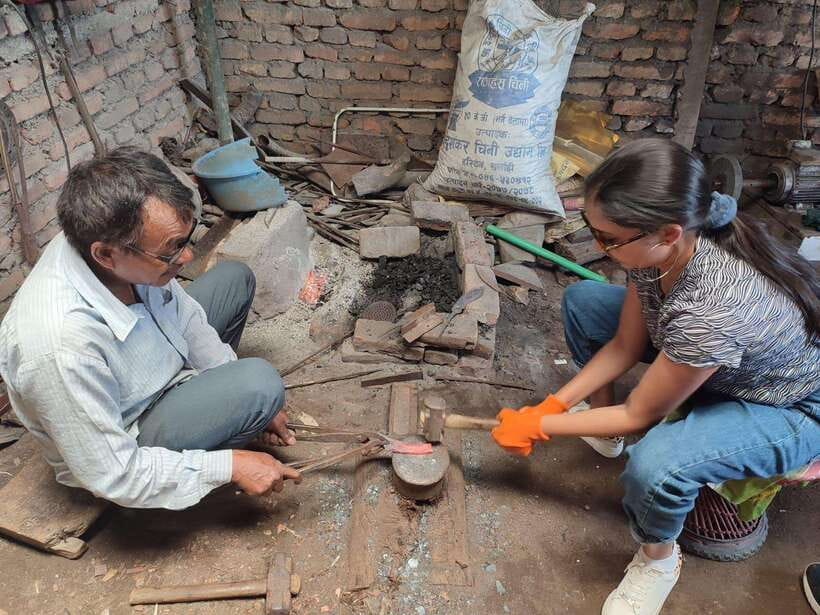
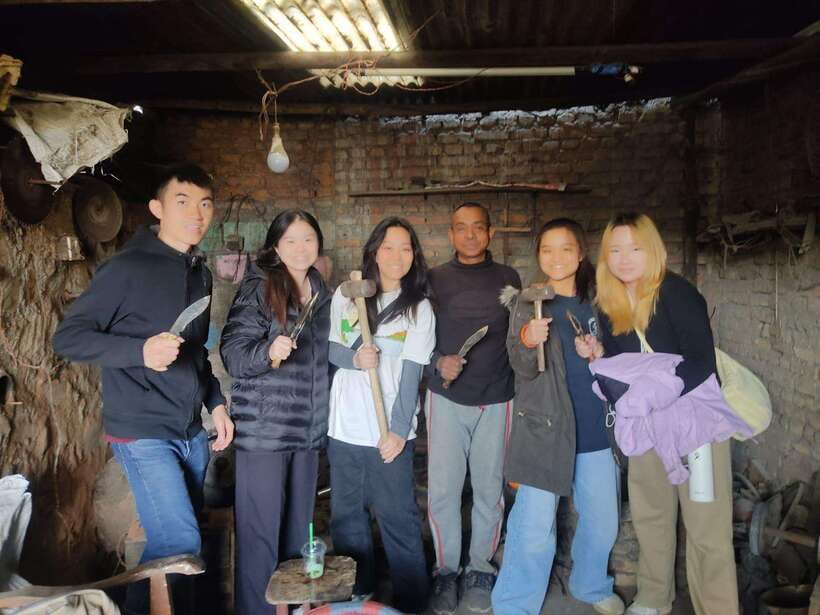
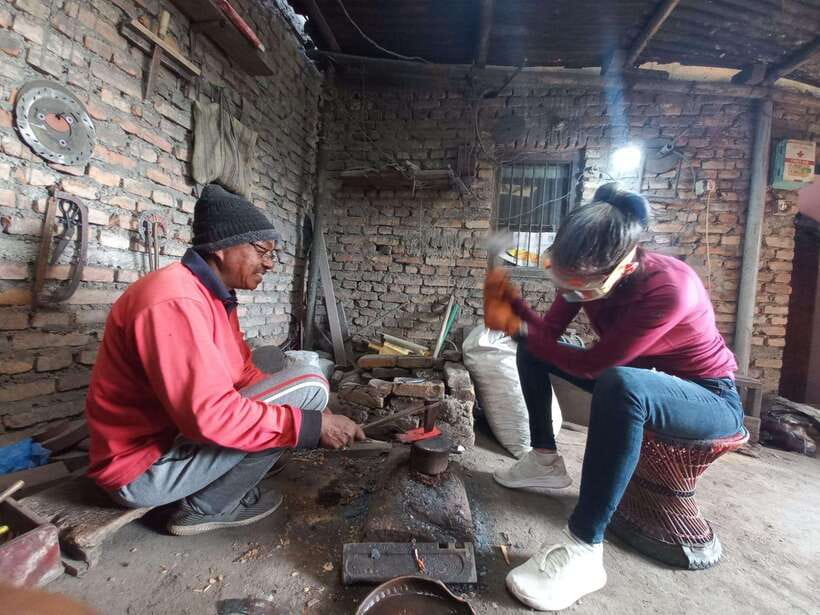
This is not a museum demo where you sit and watch. It’s a working knife session where you take an active role in shaping a khukuri, under the guidance of a blacksmith who has been making knives for about 42 years. The workshop runs about 4 hours, and the group is kept small, limited to 5 participants.
The price is $73 per person, which can feel high until you break down what’s included. You get pickup and drop-off, tools, tea and snacks, and you leave with a made-by-you knife, plus a knife cover.
If you’re drawn to Kathmandu for culture and hands-on experiences, this hits a rare sweet spot: craft skill, local meaning, and an object you’ll actually use.
Meeting the blacksmith and your guide, English included
The day starts with pickup. You’ll be collected from your hotel lobby and taken to the workshop area in Bagmati Zone, and you’ll be dropped back after the session. Transport has scored well overall, and the small group format helps keep things smooth.
A big part of the value is the guide. Several guides have been praised for clear English and friendly explanations, including Namrata, Sajeena, and Swayam. That matters because khukuri making is not just metalwork, it’s also storytelling: why this knife is shaped the way it is, and what it symbolizes in Nepal.
In practice, you’ll get the chance to ask questions while the work happens. That’s when the experience turns from a “craft class” into a real cultural connection.
4 hours of work: hammering, early grinding, and your own handle
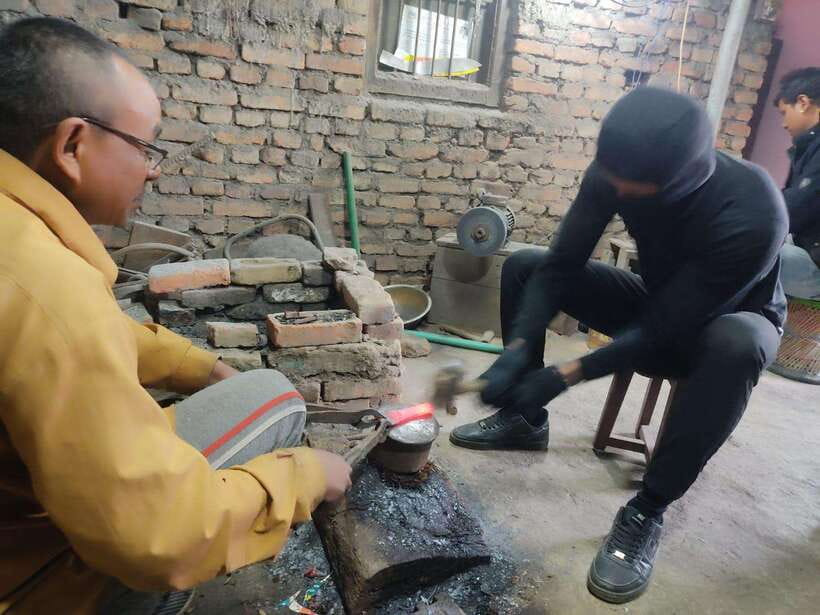
The core of the workshop is simple to describe, and fascinating to witness in real time. The khukuri process is about taking a raw piece of iron and transforming it into a blade shape, then finishing it and building the handle.
Step 1: Hammering the iron, you get your hands involved
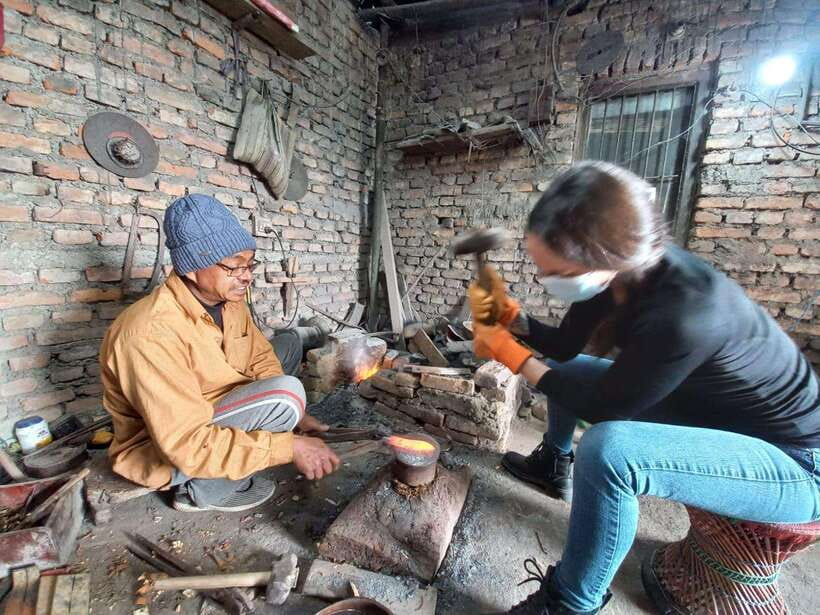
You will participate in hammering the iron. This is the part where you see the work move from material to intent. A khukuri blade is not a simple straight line, it has that characteristic slight curve, and shaping it begins early.
This step is also where you learn to respect the process. You’re not “making a sword,” you’re learning how small impacts guide the metal into the right shape.
Other Kathmandu workshops you leave carrying something from
Step 2: The first grinding, with safety in mind
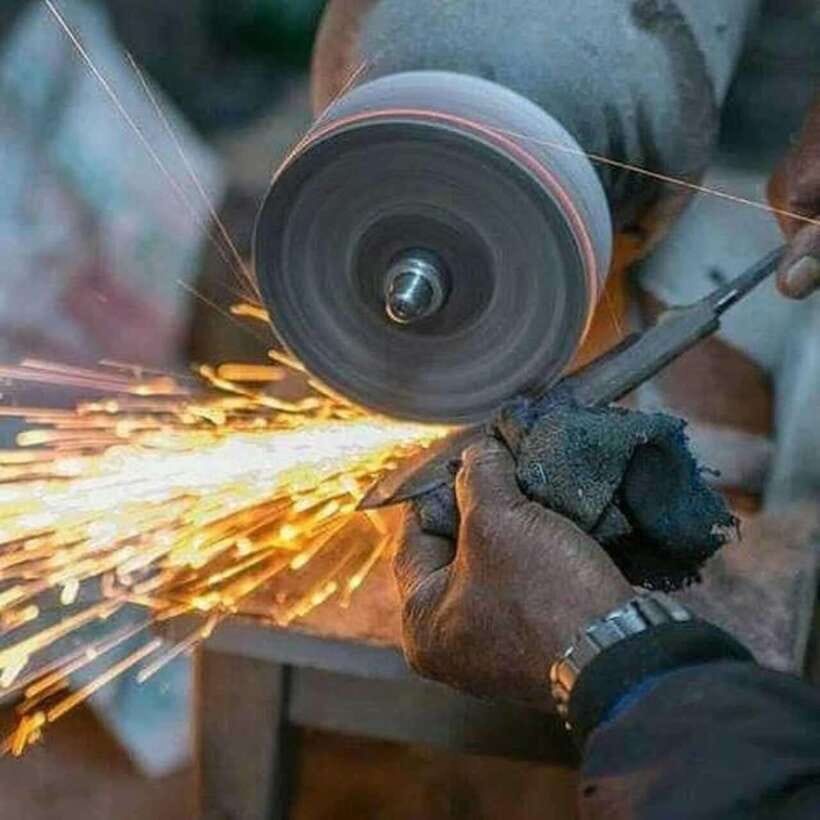
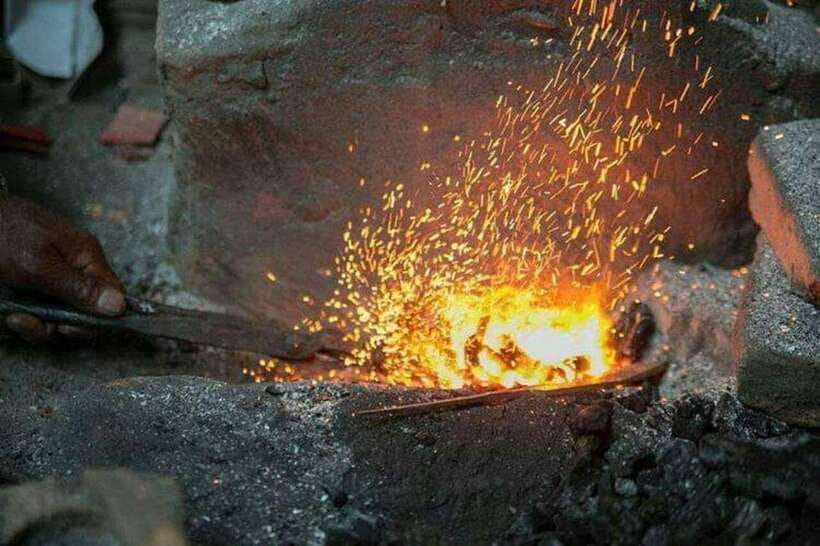
Grinding is where the experience has to be handled carefully. For safety reasons, the host does the blade grinding and you should stay clear of sparks during that process. At the same time, your participation includes the first grinding step.
So think of it like this: you’re active, but the dangerous parts are controlled. The goal is that you leave with a finished knife without turning the workshop into a burn risk.
Step 3: Building your handle and shaping the final knife
The workshop includes creating your knife cover and includes tools required for making a knife. It also follows the standard khukuri build idea: forming the blade and then making the handle. The khukuri handle is usually wood or buffalo horn, and in some contexts you might hear about other natural materials too, based on what’s available through the maker.
You’ll work on the parts you’re assigned, while the blacksmith handles the precise crafting steps that take years to do consistently.
Tea, water, and snacks keep the pace human
Between steps, you’ll be offered tea or water and snacks. It sounds basic, but it helps you stay focused. Also, it gives you a natural moment to ask about tools, local life, and what makes the khukuri different from other knives.
Learning the khukuri’s meaning while the metal shapes up
A khukuri is not just a blade in Nepal. It is widely regarded as a symbol of loyalty and associated with the Gurkha warrior tradition. It’s also seen as traditional among Nepal’s hill tribes.
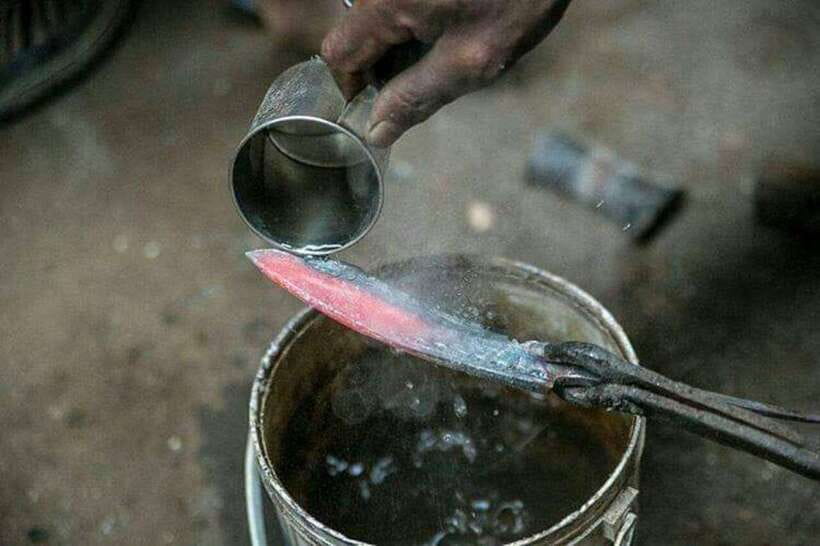
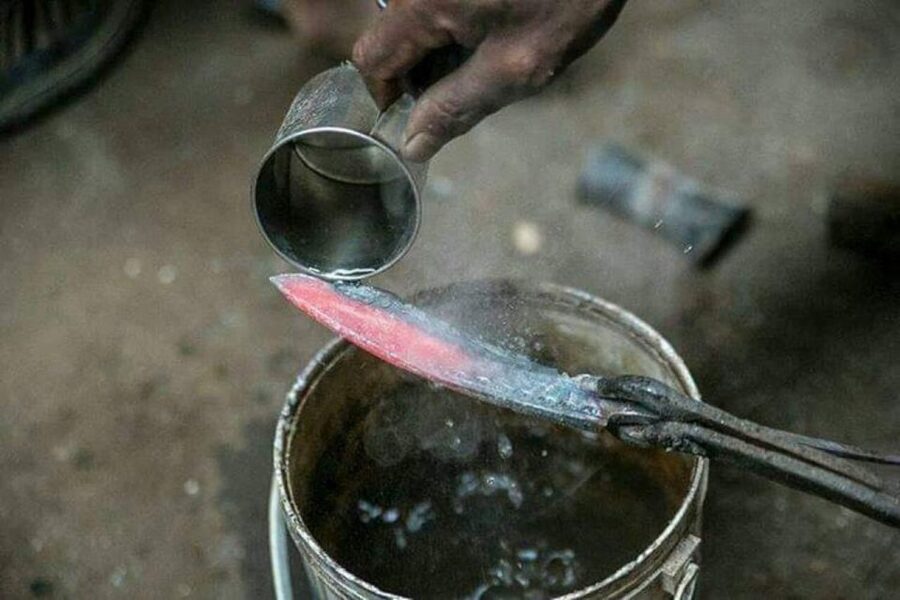
What I like about building this context into the workshop is that it changes how you look at the shape. For example, the blade is typically made of tempered steel, and it is slightly curved and known for being very sharp. When you see how that curve comes from repeated shaping, you understand why it’s more than decoration.
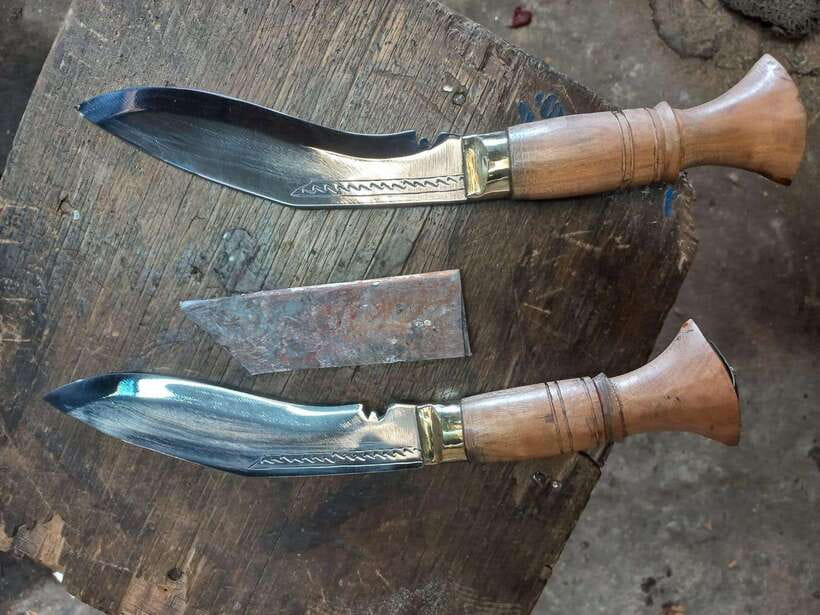
You also learn specific symbolism tied to design details. There’s a nick in the blade close to the handle that serves a practical purpose by helping prevent blood from reaching the handle, and it also carries symbolic meaning connected to the Hindu Trinity of Brahma, Vishnu, and Shiva. It’s a good example of the mix of function and belief you often find in traditional craft.
And you’ll hear the multipurpose angle too. The khukuri can be used for shaping timber and also for chopping meat and vegetables. In other words, this isn’t only a ceremonial object. It’s designed to be useful.
The knife you take home: small 6-inch blade, cover included
For this workshop you’ll make a small 6-inch khukuri blade. That size is key for time and safety. It’s big enough to feel like a real working knife, but it’s manageable for a half-day workshop.
You’ll also get a knife cover included. The khukuri normally comes with a scabbard made of wood and leather, and in your case you’ll leave with the cover provided by the workshop.
There’s an optional upgrade noted: a horn or bone cover can be made upon extra cost. If you care about the look and want a more specific finishing style, it’s worth asking on the day.
Safety, sparks, and what you should wear
This workshop includes clear safety boundaries. Your role includes hammering and early grinding, and the host does the blade grinding that involves sparks. The instruction is straightforward: stay clear of sparks during the grinding process.
For clothing, the requirement is simple: bring long pants. It’s not complicated, but it matters. Plan on fabric that won’t snag easily and will protect you while you’re working near the tools.
Age suitability is also part of the practical reality. The workshop is not suitable for children under 10. If you’re traveling with kids, this is one of those experiences where the age rule is not just paperwork, it’s about safety and the ability to follow instructions calmly.
Price and value: why $73 can actually make sense
At $73 per person for a 4-hour workshop, you’re paying for more than “a souvenir.” You’re paying for limited group size, instructor time, tools, and pickup and drop-off. You also get tea, water, and snacks, which keeps the day comfortable.
Most importantly, you get a high-quality knife that starts as raw metal. The experience is built around taking part in the craft, rather than simply watching it. Many people leave praising the final knife quality, describing it as sharp and well made, and also praising the personal guidance during the process.
There’s also real local value here. The workshop is run by a craftsman with a long career, and the experience is family-oriented. Even when you focus only on the practical side, you’re not buying a mass-market product, you’re getting an item shaped through traditional technique.
The one place to be realistic: because the host handles the spark-heavy grinding, you might not get the same level of “every second is my hands on the tool” action you might imagine from knife-making videos.
Who should book this khukuri workshop in Kathmandu
This is a strong match if you:
- want a hands-on Nepal craft experience, not a passive tour
- care about meaning, not just manufacturing
- like small groups where your questions get answered
- want a take-home object that feels personal and useful
It’s also a good fit if you enjoy meeting local people in their working space. Several accounts highlight the warmth of the family setup, including hospitality like tea and fruit such as guava in some visits. When craft happens in a living space rather than a staged location, it tends to feel more human.
Who might skip or adjust expectations
If your main goal is to do every step yourself, this may feel slightly limited. The host does the blade grinding for safety, and you are advised to stay clear of sparks.
Also, this is built around a small 6-inch blade, not a full-size production piece. You should expect a workshop outcome that is compact, take-home, and guided.
Finally, if you are traveling with younger kids under 10, the workshop is not suitable. It’s not a loophole situation, it’s a firm limit.
Should you book this khukuri making workshop?
Book it if you want a rare combination: real craft skill in action, a small group experience, and a meaningful souvenir you helped create. The guides and blacksmith experience matter here. When English explanations are clear and the maker can show how the design links to Gurkha symbolism and practical function, you walk away with more than a knife.
Don’t book it if you want a fully hands-on experience with no spark-related boundaries, or if you need a kid-friendly workshop for children under 10.
If you like the idea of learning why the khukuri is shaped the way it is, then hammering and shaping it under safety rules is exactly the kind of “do something real” day that makes Kathmandu feel less like a checklist and more like a place.
FAQ
How long is the Knife Khukuri Making Workshop?
It lasts 4 hours.
Where is the workshop located?
It takes place in Nepal, in the Bagmati Zone.
What does it cost?
The price is $73 per person.
How many people are in the group?
It is a small group limited to 5 participants.
Will I be picked up and dropped off?
Yes. Pickup is included from the lobby of your hotel, and you are dropped back at the end.
What languages are used during the experience?
The host or greeter speaks English and Hindi.
What parts will I do myself, and what does the host handle for safety?
You will participate in hammering the iron and the first grinding, while the host handles the blade grinding for safety. You should stay clear of sparks during the blade grinding.
What should I bring, and is it suitable for children?
Bring long pants. It is not suitable for children under 10 years.
Is there free cancellation and a reserve now, pay later option?
Yes. You can cancel up to 24 hours in advance for a full refund, and you can reserve now and pay later.
Hands On in Kathmandu



The Rest of Our Kathmandu Write Ups


Craft, Ritual and Village Life
Everything else we have reviewed around Kathmandu
- 12 Days Everest Base Camp Trekking
★ 5.0 · 3 reviews - 1 Night 2 Days Chitwan Jungle Safari Tour from Pokhara or Kathmandu
★ 3.0 · 3 reviews - Thamel Rickshaw tour
★ 4.7 · 3 reviews - Kathmandu: Momo Making Class with a Local Chef
★ 5.0 · 3 reviews - Kathmandu: Full-Day Yoga, Body Massage and Pedicure Package
★ 5.0 · 3 reviews - From Kathmandu / Pokhara / Chitwan: River Rafting – 1 Day
★ 4.6 · 3 reviews
Nepali Culture & Craft Experiences worth a second look.
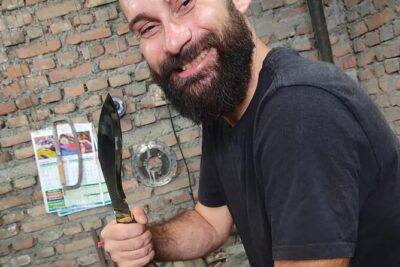 ★ 5.0Knife (Khukuri) Making Workshop- Forge of the GurkhasFrom $68143 reviews
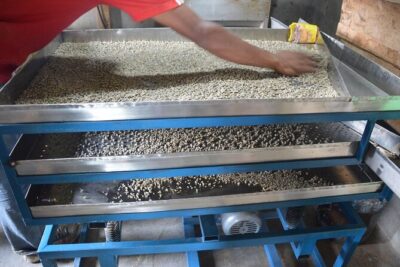 ★ 5.0Sarangkot Village Coffee Culture and Authentic Local Life TourFrom $6029 reviews
 ★ 5.0Nepal BirdingFrom $22528 reviews
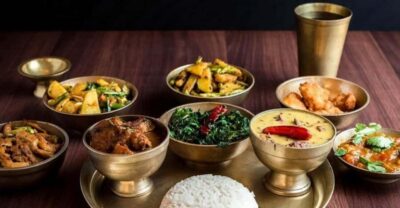 ★ 4.2Cultural Dinner Show with Traditional DanceFrom $1827 reviews
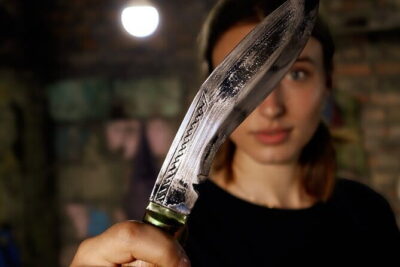 ★ 5.0Gurkha Knife MakingFrom $6619 reviews
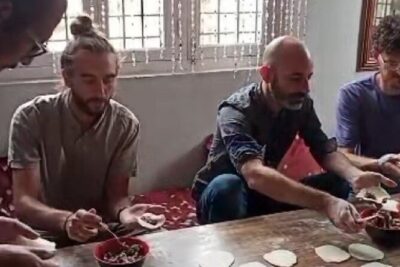 ★ 5.0Women Empowerment Project(Nepali cooking class & jewelry workshopFrom $5015 reviews
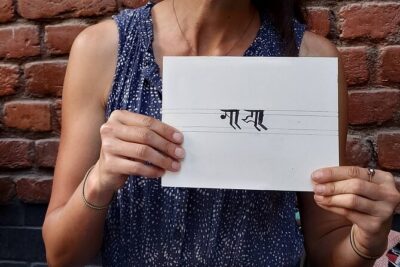 ★ 5.0Discover Ranjana Lipi the Traditional Newari ScriptFrom $429 reviews
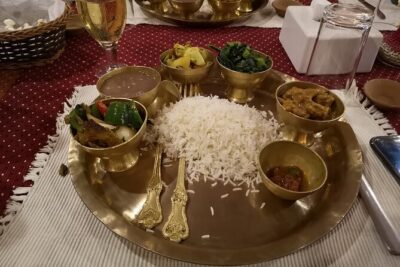 ★ 5.0Dinner with Cultural Show KathmanduFrom $168 reviews
Lists this tour sits in