
REVIEW · NEPALI COOKING CLASSES
Women Empowerment Project(Nepali cooking class & jewelry workshop
Momos meet meaning in Kathmandu. This two-day Women Empowerment Project experience mixes hands-on Nepalese cooking with a jewelry workshop, with the purpose of empowering women in Nepal built into the day. I like that you start with classic masala chai and end up eating what you make.
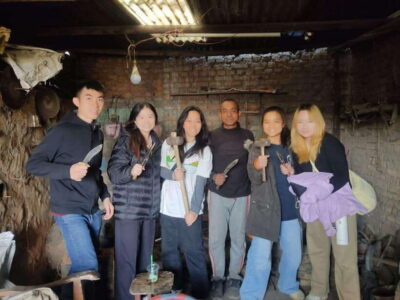
What I really enjoy is how social it feels without being forced. The team is friendly and conversational, and the instruction is led by people such as Aastha (the chef-teacher) and the Momo Queen, Syanbi, plus other helpers like Buddha and Tara who bring a relaxed, teach-as-you-go vibe.
The one consideration: each day is only about 3 hours, so you will leave with real skills and recipes to use, but you are not signing up for a full cooking or jewelry certification. If you want hours and hours of practice, you might need to add another class later.
In This Review
- Key highlights you should care about
- Women Empowerment Project in Kathmandu, and why it feels different
- Where you meet, and how the 2-day schedule plays out
- Day 1 at a Human welfare committee: chai, pakoda snacks, and momos
- Momo-making: buffalo and vegetarian, plus real confidence
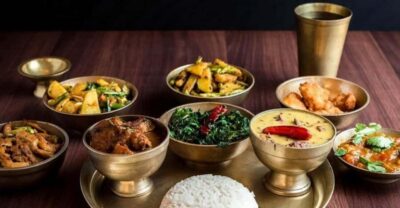
- Lunch: what you make, shared together
- Day 2 jewelry workshop: creativity with purpose
- Price and value: what $50 gets you in Kathmandu
- Who should book, and who should reconsider
- Practical tips so you enjoy every minute
- FAQ
- FAQ
- Where does the Women Empowerment Project experience start?
- How much does it cost?
- How long is the experience?
- What is included in the ticket?
- Is this a private experience?
- What do I do on day one?
- What do I do on day two?
- What is the best way to handle the ticket?
- What are the operating hours?
- Is free cancellation available?
- Should you book this Kathmandu cooking and jewelry workshop?
Key highlights you should care about
- Masala chai first, so you get grounded in flavor and technique before momos
- Buff and vegetarian momos so you learn more than one filling style in the same session
- Instruction with named local teachers, including Aastha and the Momo Queen Syanbi
- A no-awkward social atmosphere, even if you usually keep to yourself
- Jewelry-making on day two gives you a creative project to take home, not just dinner
Fold more momos: other Nepali kitchens

Women Empowerment Project in Kathmandu, and why it feels different
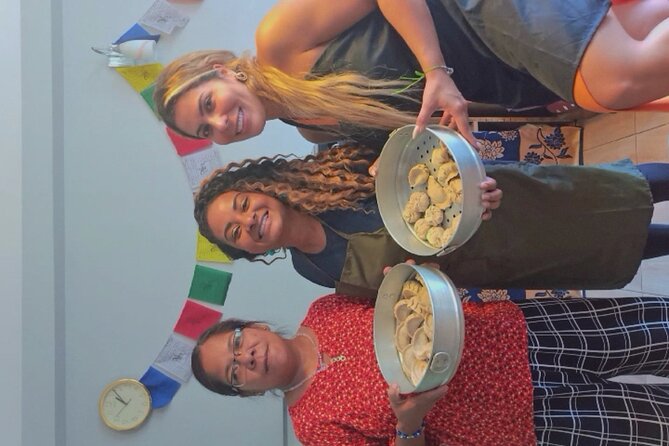
This isn’t a cooking class that treats empowerment like a sidebar. The women empowerment mission is the point of the whole program, and that changes your mood while you learn. You are not just practicing recipes, you are supporting a local effort run through a women-focused project.
I also like that the experience stays practical. You learn foods that actually show up in Nepalese daily life, especially chai culture and momos, and you finish the day by eating together. That turns the day into something you can remember for the food and the people, not just a photo.
If you care about value, this format helps. A $50 price is modest for a two-day, guided, hands-on setup in Kathmandu, and it includes admission for the activities. That matters because in cities like Kathmandu, guided experiences can get pricey once you add transport and extras.
Where you meet, and how the 2-day schedule plays out
You start at Handicraft Paknajol in Kathmandu 44600, Nepal, and the activity ends back at the same meeting point. The location is near public transportation, which makes it easier to tack onto the rest of your trip.
This is listed as a private tour/activity, meaning only your group participates. That’s a plus if you want less crowd energy, more time with the instructor, and fewer social obstacles.
The day-one session runs for about 3 hours, and day two also runs for about 3 hours. The total experience is listed as about 2 days, so plan for a cooking day and a separate jewelry day rather than a single long block.
Day 1 at a Human welfare committee: chai, pakoda snacks, and momos
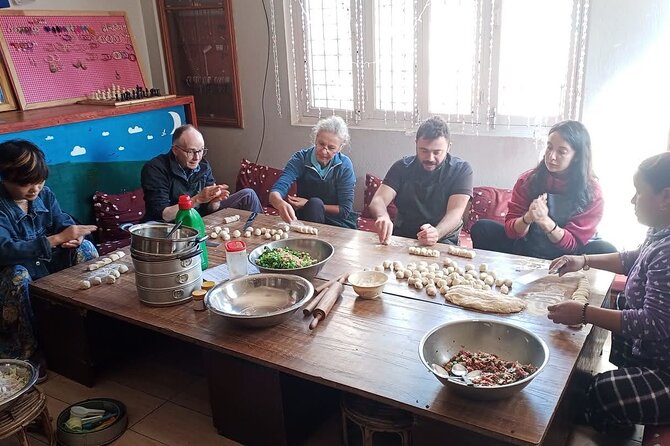
Day one is the Nepalese cooking focus, and it has a smart flow. You begin with a warm introduction, then you start making masala chai, then you move into snacks like pakoda, and finally you make your main dish: momos.
The chai start is more than a warm-up. Masala chai is a Nepalese favorite, and it helps you understand the balance of spices and sweetness in a way that carries over into food you’ll cook later. If you usually skip tea because you are too rushed, this is a good moment to slow down.
Then you get hands-on with pakoda snacks. These are the kind of bite-sized comfort foods that teach you how Nepalese flavor lands in smaller forms. It also makes the class feel like an actual meal journey instead of only watching dumplings come together.
Momo-making: buffalo and vegetarian, plus real confidence
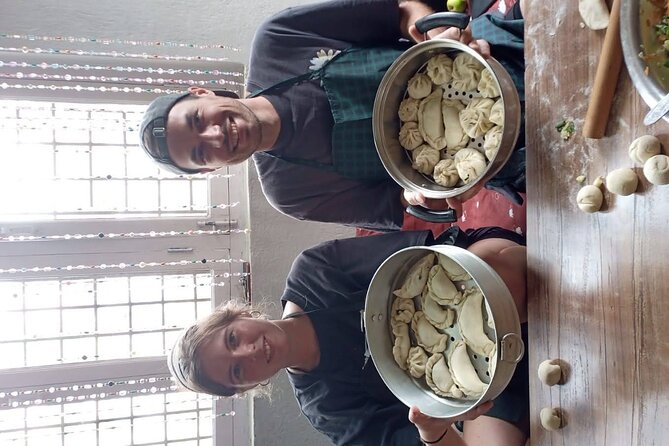
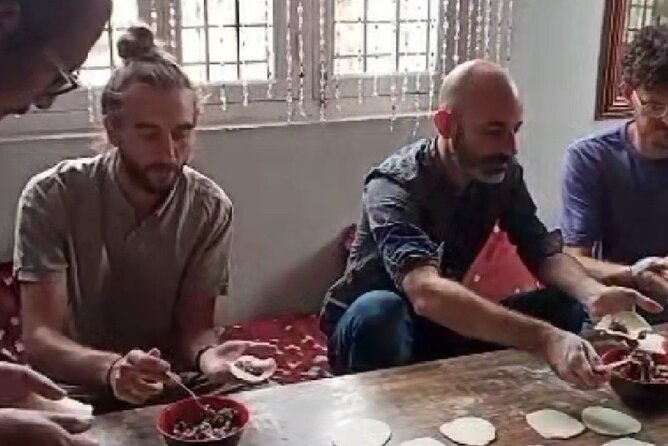
Momos are the star of the day, and the class includes both buff momo and veg momo. That’s a strong choice, because it lets you practice more than one flavor direction rather than leaving with only one filling idea.
What I like here is the way the experience is described as fun and easygoing, even when people worry they might feel awkward. In other words, you do not need to be a social butterfly to enjoy this. The instruction is paced in a way that helps you keep up.
Named instructors show up in the experience, including Aastha and the Momo Queen, Syanbi. When a teacher has a nickname like that, it usually means they teach with confidence, repetition, and lots of practical tips. In addition, helpers like Buddha and Tara are mentioned as part of the teaching team, which suggests you get support beyond just one person at the front.
Slower, more local afternoons
Lunch: what you make, shared together
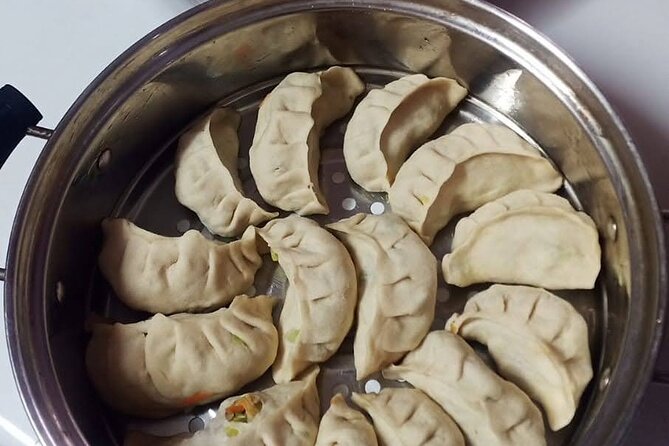
By the end of day one, you sit down for lunch and eat the momos you helped make. That’s the best part of a cooking class for me: the proof of the pudding is right there in front of you, hot and fresh.
Lunch is also described as shared with volunteers and project members, and in some cases people mention eating together with kids and family afterward. I would treat that as a bonus possibility rather than a guarantee, but it fits the overall vibe of the project, which is community-based.
This meal piece matters because Nepalese food is best understood in context. The flavors are not only about ingredients, they are about how the food is served and enjoyed. Sitting down together helps you connect the dots fast.
Day 2 jewelry workshop: creativity with purpose
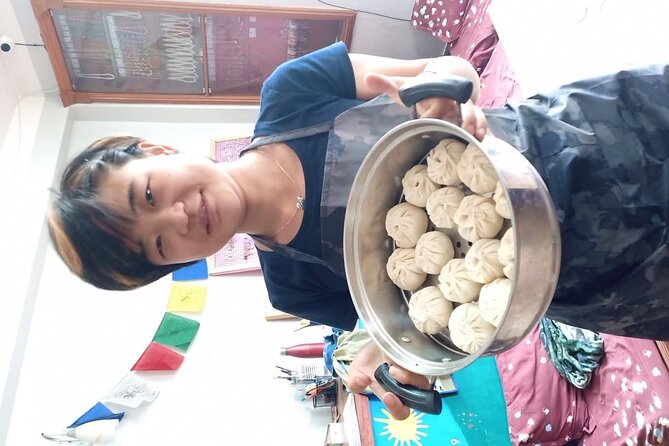
Day two shifts gears from food to hands-on craft. You’ll create your own jewelry during a guided workshop, and the experience is set up for both beginners and people who want to improve.
The practical benefit of a jewelry workshop is that it gives you something tangible. You are leaving Kathmandu with a piece you made with your own hands, so the memory is physical, not only culinary.
This day is also part of the empowerment story. Even without details on the exact method or materials, the core idea is clear: you are using creativity in a setting that supports women and community goals tied to the project.
Because day two is only about 3 hours, I’d treat it as an introduction and a first draft of your skills. You can still end with something impressive, but you will likely want another craft session if you fall in love with jewelry-making.
Price and value: what $50 gets you in Kathmandu
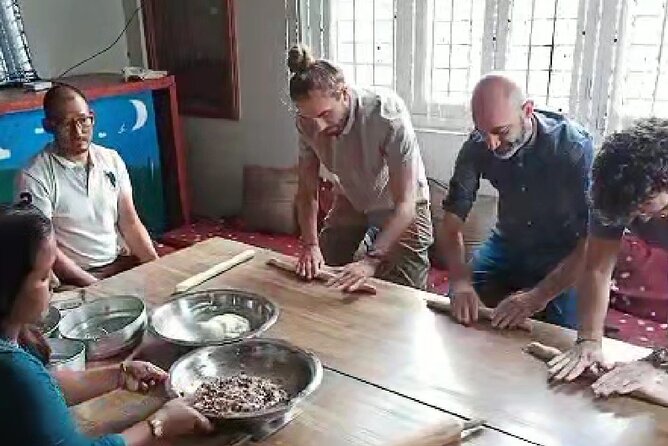
At $50 per person for a two-day experience, this is strong value, especially because admission is included and it is guided. You are paying for instruction, hands-on time, and the community element.
Think of it this way. In Kathmandu, you can easily spend money on guided food stops where you eat, but you do not learn much beyond taste. This package is built to teach you technique you can repeat, plus the second day adds a craft that expands what you take home.
Also, the private-group setup can raise the value. If you usually dislike group dynamics, a private format means you spend less time waiting and more time learning. That is part of why the experience scores so well.
Who should book, and who should reconsider
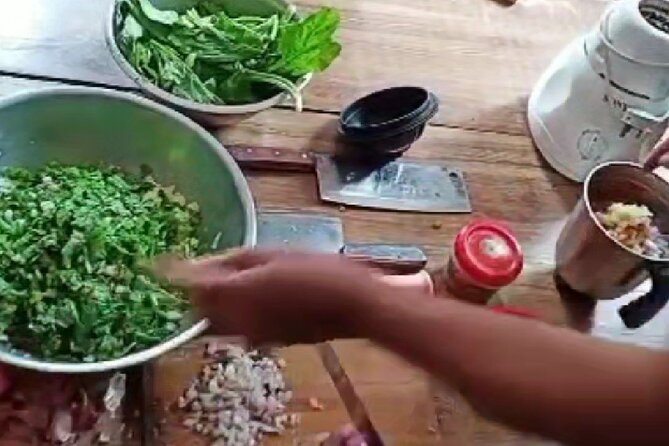
I think this suits you best if you want more than sightseeing. If you like hands-on travel, enjoy learning local skills, and you care about meaningful projects, this will land well.
It also fits solo travelers who want structure but not awkwardness. The experience is described as friendly and easy to talk to, which is a big deal if you normally keep your guard up in workshops.
Consider reconsidering if you want a long, deep cooking immersion. Two sessions of about 3 hours each are a great start, but they are not enough to master every technique, especially if you cook at home and expect restaurant-level repetition.
Practical tips so you enjoy every minute
Keep your day flexible. The program runs during the operating window of Monday to Wednesday, and it is scheduled in blocks that connect to lunch and the end back at Paknajol.
Wear comfortable clothes you can move in. Cooking and craft days usually mean you will sit, stand, and work with your hands, and Kathmandu’s indoor workshops can still feel warm.
Take notes during the class. Even if you plan to remember the flavors, your notes will help you reproduce the experience at home. Try to write down what you adjusted, like spice balance and cooking pace.
Finally, bring curiosity, not perfection. If your hands are steady and your attention is good, you’ll learn quickly. If your hands are clumsy, the calm, patient teaching style described for this experience should still help you get through the session with confidence.
FAQ
FAQ
Where does the Women Empowerment Project experience start?
It starts at Handicraft Paknajol, Kathmandu 44600, Nepal, and it ends back at the same meeting point.
How much does it cost?
The price is $50.00 per person.
How long is the experience?
It runs for about 2 days (approx.), with each day listed as around 3 hours.
What is included in the ticket?
Admission to the activities is included.
Is this a private experience?
Yes. Only your group participates, so it is a private tour/activity.
What do I do on day one?
You join a Nepali cooking class where you make masala chai, cook Nepali snacks like pakoda, and make momos (including buff and veg momo), then you enjoy lunch.
What do I do on day two?
You craft your own jewelry in a hands-on jewelry workshop.
What is the best way to handle the ticket?
You receive a mobile ticket, and confirmation is received at the time of booking.
What are the operating hours?
The listed opening hours are Monday to Wednesday, 10:00 AM to 6:00 PM.
Is free cancellation available?
Yes. You can cancel for a full refund up to 24 hours in advance of the experience start time.
Should you book this Kathmandu cooking and jewelry workshop?
If you want a Kathmandu experience that mixes food, creativity, and a real women empowerment mission, I’d book it. The biggest reason is the structure: chai and snacks lead you into momos, you eat what you make, and then day two gives you a take-home craft.
Choose it if you like learning by doing and you appreciate a friendly, low-stress workshop atmosphere with instructors such as Aastha and Syanbi. Skip it only if you need a longer, more intensive course, because this is best as a hands-on taste of both Nepali cooking and jewelry-making, not a multi-day mastery program.
The Rest of Our Kathmandu Write Ups




Craft, Ritual and Village Life


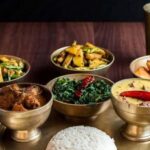

More Kitchens, More Momos
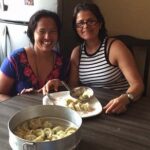
Everything else we have reviewed around Kathmandu
- 12 Days Everest Base Camp Trekking
★ 5.0 · 3 reviews - 1 Night 2 Days Chitwan Jungle Safari Tour from Pokhara or Kathmandu
★ 3.0 · 3 reviews - Thamel Rickshaw tour
★ 4.7 · 3 reviews - Kathmandu: Momo Making Class with a Local Chef
★ 5.0 · 3 reviews - Kathmandu: Full-Day Yoga, Body Massage and Pedicure Package
★ 5.0 · 3 reviews - From Kathmandu / Pokhara / Chitwan: River Rafting – 1 Day
★ 4.6 · 3 reviews
Nepali Cooking Classes worth a second look.
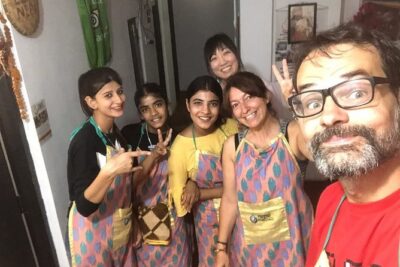 ★ 5.0Half day cooking class in Thamel kathmanduFrom $28607 reviews
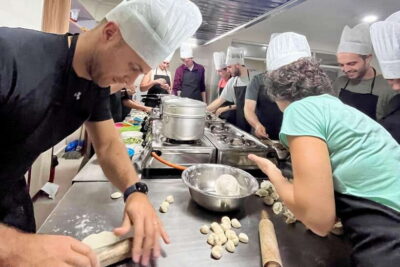 ★ 4.9Local Women-Led Nepali Cooking & Momo ClassFrom $4360 reviews
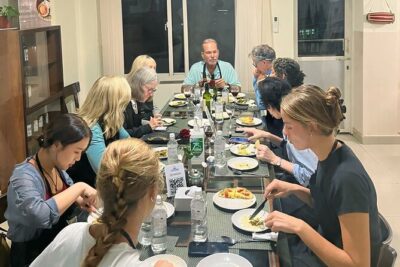 ★ 5.0Local Lead Nepali Cooking & Momo-Making ClassFrom $5212 reviews
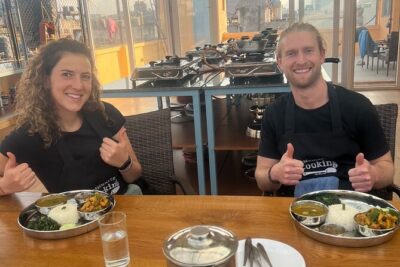 ★ 5.0Local Women Lead Nepali Cooking ClassFrom $30125 reviews
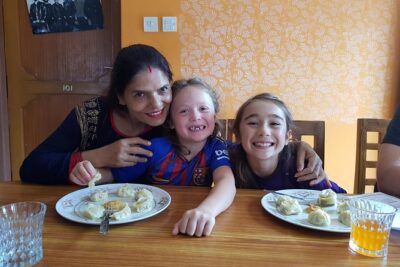 ★ 5.0Nepalese Momos or Dal Bhat Cooking Class (Cook with Delight)From $5099 reviews
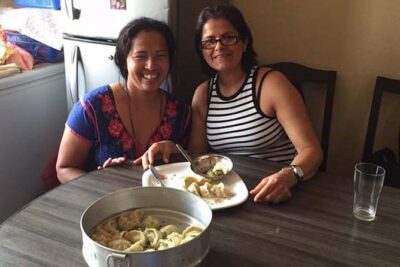 ★ 5.0The best Private Nepali Cooking Class in KathmanduFrom $2483 reviews
 ★ 5.0Nepalese Kitchen in Pokhara: Momos or Dal Bhat Cooking ClassFrom $2867 reviews
 ★ 4.8Traditional Momo Making Class & PickupFrom $460 reviews
Lists this tour sits in