
REVIEW · NEPALI CULTURE & CRAFT EXPERIENCES
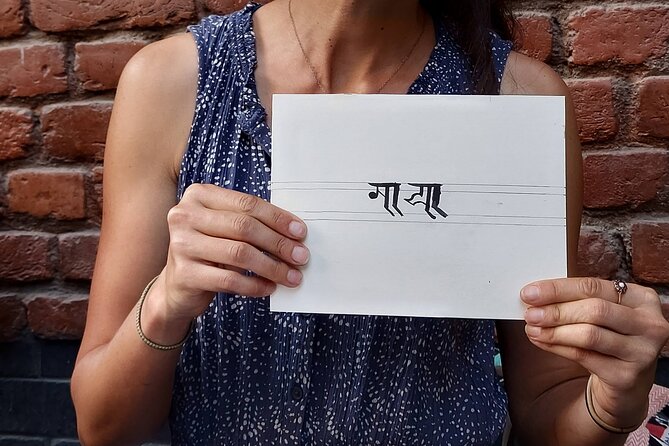
Discover Ranjana Lipi the Traditional Newari Script
If you like hands-on culture, this one is simple to enjoy. You’ll learn the Ranjana Lipi script using traditional tools, while Newari food and drink keep things lively and real.
I especially like the step-by-step writing practice, with local instruction guiding you on the strokes. And the included Samay Baji platter is not an afterthought, it’s the kind of meal you’ll remember long after class ends.
One possible drawback to plan for: this experience runs only in the morning (8 to 11 am) or evening (5 to 8 pm), and it does require good weather.
In This Review
- Key things to know before you go
- Ranjana Lipi in plain terms, why it’s worth 3 hours
- The workshop flow from Jatra Restaurant to your framed memento
- Bamboo pen practice, and how to actually get good fast
- Newari food included, why Samay Baji is the main character
- Group size, timing, and how to choose morning vs evening
- Price and value: what $42 includes, and why it adds up
- Who should book this workshop?
- Practical tips so you leave with better writing
- Should you book the Ranjana Lipi workshop at Jatra Restaurant?
- FAQ
- How long is the Ranjana Lipi workshop?
- What times are available for the workshop?
- What’s included in the ticket price?
- Are coffee and tea included?
- Where does the workshop start and end?
- What happens if the weather is poor?
Key things to know before you go
- A small group, up to 15 people, so you can get help without feeling rushed
- Bamboo pen, ink, and canvas paper are provided, so you just show up and write
- Traditional Newari drink in an earthen cup, paired with your practice
- Samay Baji lunch or dinner platter plus welcome snacks (Sagun) and a drink
- You leave with your own framed Ranjana script memento
Slower, more local afternoons


Ranjana Lipi in plain terms, why it’s worth 3 hours
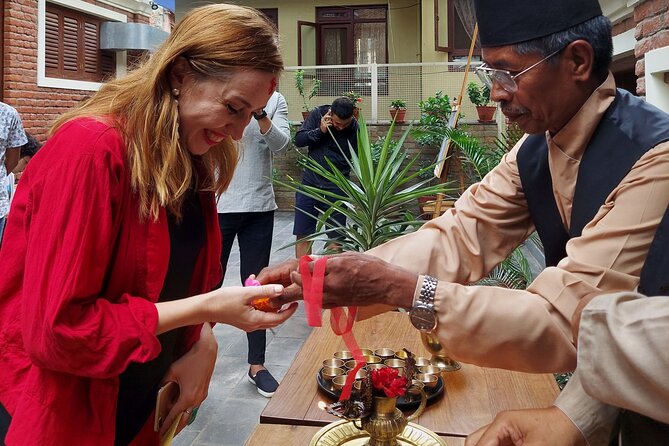
Ranjana Lipi is the traditional script tied to the Newar community in Nepal, the kind of writing you often see on cultural works, religious art, and historical records. This workshop is a good match if you want more than photos. You get your hands moving, your eyes learning, and your brain connecting shapes to meaning.
What I like is that the class is designed for beginners. You do not need to already know the script. The instructors guide you through the strokes, and the pace is set so you can keep up, even if you feel rusty with calligraphy-style work.
And it’s not just writing. Newari traditions and food are woven through the session, so you’re not sitting in silence with a pen for three hours. You’ll also get a taste of how religion and daily life show up in Newari culture. One participant even linked the script to Buddhist references like Om Mani Padme Hoon appearing in Ranjana on thangka paintings and scriptures, which is a helpful way to frame what you’re learning.
The workshop flow from Jatra Restaurant to your framed memento
The experience starts at Jatra Restaurant on Chithu Rd in Kirtipur. It ends back at the meeting point, so you’re not stuck planning your return. Timing is either the morning session from 8 am to 11 am or the evening session from 5 pm to 8 pm. The whole thing runs about 3 hours, so it’s manageable even on a packed Kathmandu itinerary.
Here’s what your time is likely to look like:
First, you’ll get welcomed with Sagun, traditional snack bites, and a drink. This is a nice cultural warm-up, and it also helps you settle in before you start writing. Then you’ll move into the writing setup.
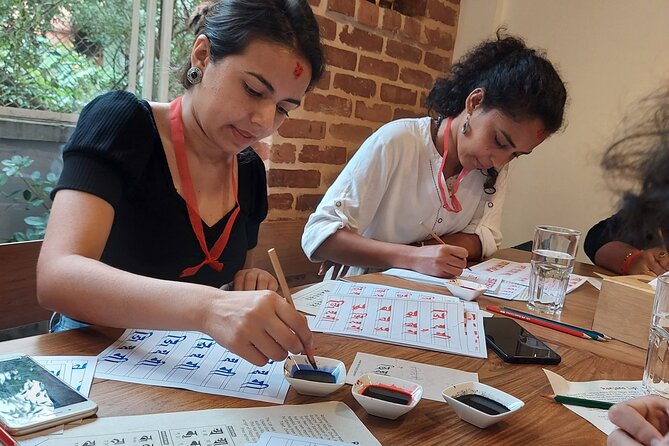
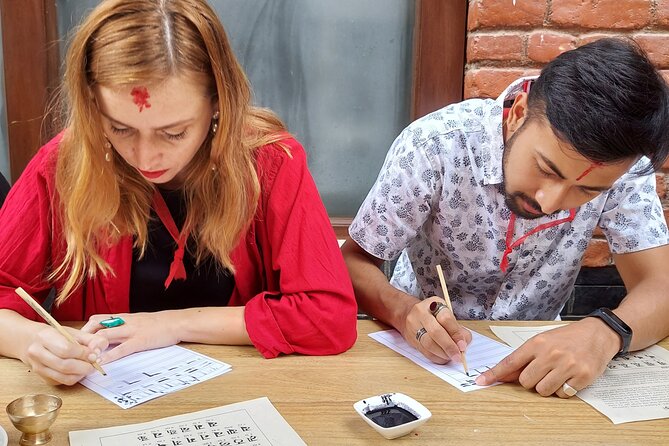
Next comes the hands-on part. You’ll use a customary bamboo pen and ink on canvas paper. The goal is not to produce a perfect work right away. It’s to understand the structure of the letters, the direction of strokes, and how repeated practice makes the script look consistent.
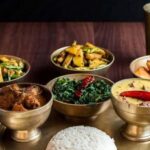
At some point during your writing practice, you’ll take breaks to eat. The meal isn’t generic. You’ll enjoy traditional Newari dishes, including Samay Baji, which is a classic Newari platter known for its mix of flavors and textures. You’ll also drink from a traditional earthen cup, which makes the food feel even more tied to the culture rather than just included on the side.
Finally, you’ll finish the session and take home a framed version of your Ranjana script. For many people, that’s the best part, because it turns a temporary activity into something you can display.
Bamboo pen practice, and how to actually get good fast
The workshop materials are all provided: bamboo pens, ink, and paper. That matters because script practice can be hard to do well if you’re hunting for supplies. Here, you get the tools the instructor expects you to use, and that helps you focus.
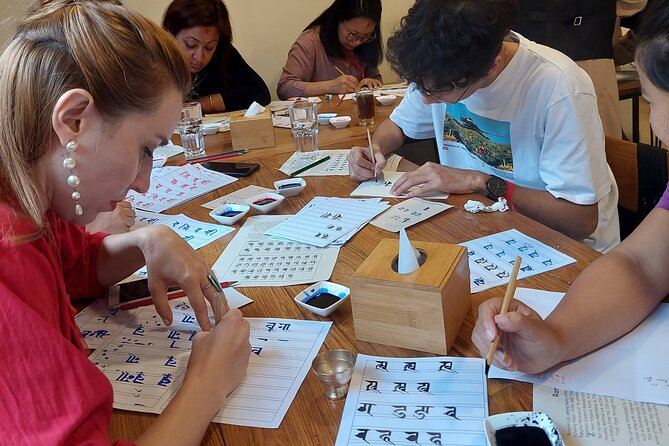
You’re practicing Ranjana Lipi strokes while an instructor supervises. In the feedback from people who’ve done it, one theme comes up again and again: the instructors are supportive and guide you step by step. That’s exactly what you want for something like a traditional script, where one wrong angle or stroke order can change the whole letter.
A practical tip: go slower than you think you need to. Your first instinct might be to speed through to finish something pretty. But the learning is in the pattern. Watch the stroke demonstrations, then repeat until the movement feels natural.
Also keep an eye on consistency. Several participants highlighted how teachers helped them standardize their letter knowledge and rules. Even if you’re not thinking in “rules” terms, your result improves when you copy the exact stroke behavior, not just the look.
One more real-world factor: not every instructor may speak English fluently. That does not mean the class is confusing. The teaching is handled professionally, and you can usually learn through demonstration and guided correction. If you’re worried about language, focus on watching hands and comparing your strokes to what you see.
Newari food included, why Samay Baji is the main character
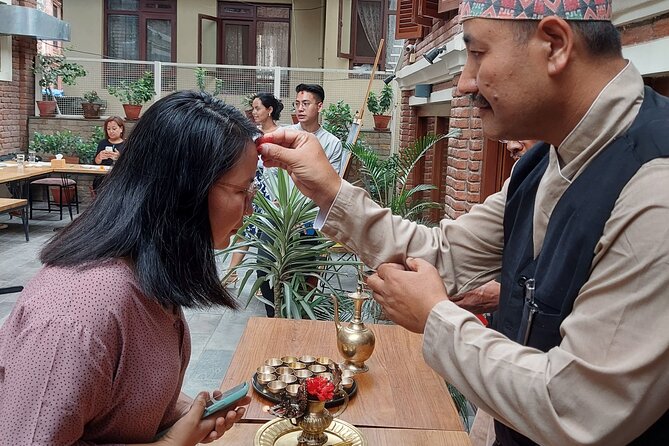
The biggest cultural payoff, besides the writing itself, is the food. This workshop includes:
- A Newari Samay Baji platter with an alcoholic or non-alcoholic drink
- Snacks called Sagun with a similar drink option
Samay Baji is a traditional Newari set meal that’s designed to be shared and experienced. That’s a big reason it fits a workshop setting. You get breaks that are social, your energy stays up, and you taste the local food while you’re learning local culture.
I like that the meal is not just thrown in at the end. It arrives as part of the rhythm of the session. You write, you pause, you eat, you write again. That keeps the whole experience from turning into a long, tiring practice.
And the drinks help too. You’ll sip a traditional Newari drink from an earthen cup during your practice. Even if you’re not an enthusiastic drinker, the cup itself adds to the authenticity of the setting. It signals that this is not a tourist show, it’s a normal cultural way of doing things.
If you’re picky about food, read carefully on the day and ask about the drink option you prefer. The data confirms alcoholic or non-alcoholic choices are available, but it does not specify other dietary details. When in doubt, tell the staff your needs at the start so they can guide you.



Group size, timing, and how to choose morning vs evening
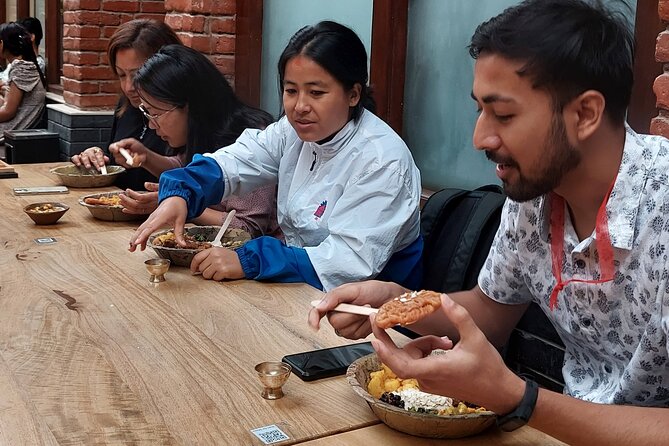
This is a small-group experience, with a maximum of 15 travelers. That’s a sweet spot. With fewer people, instructors can correct your stroke work. It also makes it easier to ask questions without feeling like you’re interrupting.
Timing is the other decision point. You can choose:
- Morning session: 8 am to 11 am
- Evening session: 5 pm to 8 pm
Morning tends to feel calmer. If you’re prone to getting tired after writing, you might find the early slot easier to manage. Evening can be great if you want to finish a day of sightseeing with something focused, then end with your included Samay Baji meal.
Weather matters. The experience requires good weather, so if conditions are poor, the activity may be canceled and you’ll be offered another date or a full refund. If you’re traveling during a rainy stretch, keep that in mind and avoid stacking your schedule too tightly.
Price and value: what $42 includes, and why it adds up
At $42 per person, this is one of those prices that feels fair because the included items are meaningful. You’re paying for:
- Instruction by a Ranjana Lipi instructor
- Materials: bamboo pen, ink, and canvas paper
- Cultural drinks: a traditional Newari drink and included drink with your platter
- Food: Sagun snacks plus a Samay Baji platter
- A take-home product: your own framed script
When you break it down, the framing and materials alone often push the value higher than a typical class that only teaches. Add in the meal experience, and it becomes a hybrid of workshop plus authentic food outing.
Group discounts may apply, which can make it even better if you’re traveling with family or friends. If you’re solo, still consider it: this kind of small, guided practice is hard to replicate cheaply on your own, especially if you want a script memento that’s already framed.
Who should book this workshop?
This workshop is a strong fit if you:
- Want a hands-on cultural activity, not just a lecture
- Like arts and calligraphy-style practice
- Eat with curiosity and want Newari cuisine included
- Enjoy small-group learning environments
It also works well for groups. The experience is described as a fun way to share culture with family and friends, and the food breaks make it feel social without being chaotic.
If you already know a lot about scripts or calligraphy, you might still enjoy the session for the cultural connections and the chance to compare how Ranjana shapes are taught with a standard approach to rules and strokes. If you know almost nothing, that’s okay too. The teaching is built for people starting at zero.
Practical tips so you leave with better writing
A few things will help you get the most out of the session:
- Wear comfortable clothing. You’ll be writing for a while, and you want to focus on control, not awkward posture.
- Bring patience. Your first strokes may look uneven, and that’s normal. The learning is in repetition.
- Eat before you go. You’ll have included snacks and a platter, but starting the session too hungry can make writing feel harder.
- Choose your drink preference early. Alcoholic or non-alcoholic options are included, so tell the team your preference at the start.
- Don’t rush the final framing. Your take-home piece is the point. Let the instructor guide you on what to finalize.
And here’s a small mindset trick that helps: think of this as learning to read the script with your hand. Once you understand the movement patterns, the letters start to make sense much faster.
Should you book the Ranjana Lipi workshop at Jatra Restaurant?
Book it if you want a genuinely practical cultural experience where you learn a traditional Newari script and get a full food experience built in. The small group size, the supportive instruction on every stroke, and the fact that you take home a framed memento are the big wins. Add in the included Samay Baji platter and welcome Sagun snacks, and the price feels grounded, not inflated.
Skip it or reschedule if your schedule only leaves you with awkward timing, or if you’re in an area where weather can ruin outdoor or semi-outdoor plans. Good weather is required, and while you can get an alternate date or refund if canceled, it’s still easier when your itinerary has flexibility.
If you’re choosing one “culture class” style activity in Kathmandu that you can actually show for later, this is a smart choice.
FAQ
How long is the Ranjana Lipi workshop?
The experience lasts about 3 hours.
What times are available for the workshop?
You can join either the morning session from 8 am to 11 am or the evening session from 5 pm to 8 pm.
What’s included in the ticket price?
Your ticket includes a Newari Samay Baji platter with an alcoholic or non-alcoholic drink, welcome Sagun snacks with a drink, a framed memento of your Ranjana script, bamboo pens, ink, and papers, plus a Ranjana Lipi instructor.
Are coffee and tea included?
No. Coffee and/or tea are not included.
Where does the workshop start and end?
It starts at Jatra Restaurant, Chithu Rd, Kirtipur 44618, Nepal, and ends back at the same meeting point.
What happens if the weather is poor?
This experience requires good weather. If it’s canceled due to poor weather, you’ll be offered a different date or a full refund.
If you want, tell me your travel dates and whether you prefer morning or evening, and I can help you decide which session fits best with typical Kathmandu sightseeing timing.
The Rest of Our Kathmandu Write Ups




Craft, Ritual and Village Life

Everything else we have reviewed around Kathmandu
- 12 Days Everest Base Camp Trekking
★ 5.0 · 3 reviews - 1 Night 2 Days Chitwan Jungle Safari Tour from Pokhara or Kathmandu
★ 3.0 · 3 reviews - Thamel Rickshaw tour
★ 4.7 · 3 reviews - Kathmandu: Momo Making Class with a Local Chef
★ 5.0 · 3 reviews - Kathmandu: Full-Day Yoga, Body Massage and Pedicure Package
★ 5.0 · 3 reviews - From Kathmandu / Pokhara / Chitwan: River Rafting – 1 Day
★ 4.6 · 3 reviews
Nepali Culture & Craft Experiences worth a second look.
 ★ 5.0Knife (Khukuri) Making Workshop- Forge of the GurkhasFrom $68143 reviews
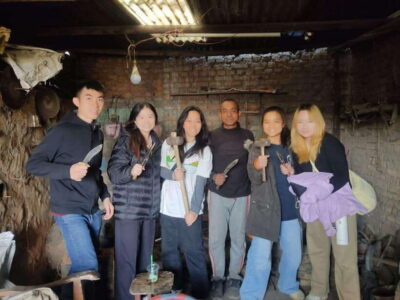 ★ 4.9Knife Khukuri Making WorkshopFrom $7338 reviews
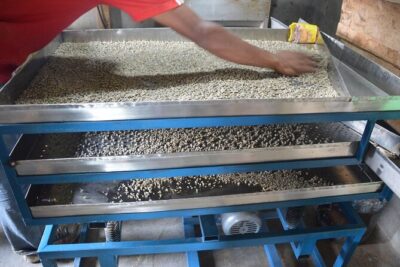 ★ 5.0Sarangkot Village Coffee Culture and Authentic Local Life TourFrom $6029 reviews
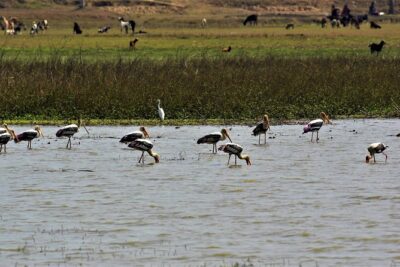 ★ 5.0Nepal BirdingFrom $22528 reviews
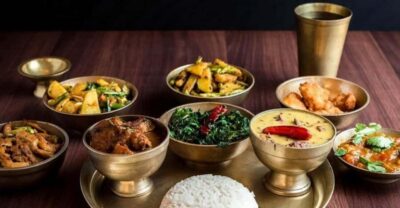 ★ 4.2Cultural Dinner Show with Traditional DanceFrom $1827 reviews
 ★ 5.0Gurkha Knife MakingFrom $6619 reviews
 ★ 5.0Women Empowerment Project(Nepali cooking class & jewelry workshopFrom $5015 reviews
 ★ 5.0Dinner with Cultural Show KathmanduFrom $168 reviews
Lists this tour sits in