
REVIEW · EVEREST BASE CAMP TREKS
Everest Base Camp Trek 15 days | Local Guide | Flexible Itinerary
Everest really begins with planning. I love the way this trek is built around acclimatization and safety, and I also like that you get an English speaking, licensed guide plus strong porters so you can focus on walking and breathing. One thing to keep in mind though, even with smart pacing, the altitude can still hit hard if you move too fast or ignore your body.
You’ll sleep in clean, comfortable lodge rooms, eat meals chosen from the lodge menu, and carry a lighter pack thanks to the porter setup. Pickup is included in Kathmandu, and domestic flights from Kathmandu or Ramechhap to Lukla are part of the plan, which matters because it turns a long road trip into real time on the trail.
In This Review
- Key highlights worth caring about
- Everest Base Camp on a 15-day timeline that respects altitude
- Kathmandu arrival, pickup, and getting your trek kit ready
- The Lukla flight and Namche Bazaar: the classic gateway day
- Hotel Everest View and Tengboche Gompa: acclimatization with Sherpa culture
- Dingboche acclimatization, Thugla views, and the middle of the trek
- Everest Base Camp day: when glaciers and thin air take over
- Kala Patthar at 5,545 m: the view run that tests your legs
- Descent via Pangboche and the less crowded route to Phorste
- Phorste Thanga toward Gokyo area: more variety than a straight out and back
- Back to Lukla: Toktok, Phakding, Cheeplung, and finishing strong
- Lukla to Kathmandu and your last day in Nepal
- Price and value: what $1,890 gives you in the real mountains
- Safety, altitude sickness prevention, and the guide quality that people remember
- Lodge life and meal planning on the Everest Base Camp trail
- What you should pack, given the included gear
- Who this Everest Base Camp trek is best for
- Should you book this Everest Base Camp trek?
- FAQ
- Where does the trek start?
- Are flights to Lukla included?
- What permits are included for the trek?
- What trekking gear is included?
- Are meals included during the trek?
- What is not included on the trek days?
- Do you include acclimatization days?
Key highlights worth caring about
- Acclimatization days at key altitudes, including a dedicated stop in Dingboche
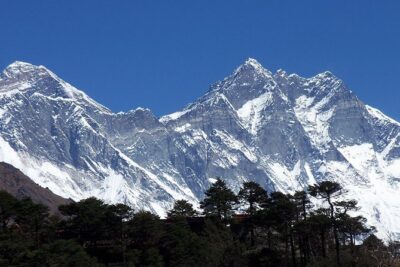
- Kala Patthar at 5,545 m for big Everest area viewpoints of Everest, Lhotse, Nuptse, and more
- Lodge meals from the menu, with food planned rather than leaving you to guess every meal
- Porter support (1 porter for every 2 people) so your legs last longer
- Experienced English speaking licensed guide, with an assistant guide for larger groups (5 or more)
Other routes to Base Camp, side by side
Everest Base Camp on a 15-day timeline that respects altitude
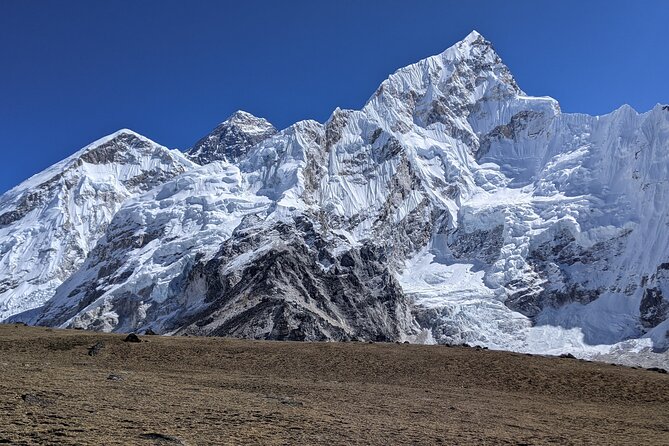
This is the classic Everest Base Camp route, but what you’re really buying is time at the right altitudes. The itinerary builds in acclimatization at the points where trekkers usually feel the most pressure to “push through.” You start higher than sea level, then step upward with rest built into the middle of the trek rather than treating the whole thing like one long grind.
You’ll notice the rhythm: walk, sleep higher than before, then pause. That pattern is what helps you enjoy the views instead of fighting nausea, headaches, or that drained feeling. Still, I want to be honest with you: altitude illness isn’t something a tour can erase. What this plan tries to do is lower your risk by structuring the timing and making it easier to stick to a slower pace.
Another practical plus is that the trek is described as guided in a way focused on guest security, safety, satisfaction, and comfort with a local guide approach. In real life, that usually means you’re not guessing at turns, you’re not tempted to rush, and someone is keeping an eye on how you’re doing.
Kathmandu arrival, pickup, and getting your trek kit ready
Day 1 is all about landing, getting settled, and starting clean. You arrive at Tribhuvan International Airport, then a Life Himalaya representative meets you and transfers you to your hotel in Kathmandu.
This tour also includes gear that can save you money and packing stress: hiking poles, a sleeping bag, and a down jacket. You get them for the trek and then return them after. If you’ve ever tried to buy a decent down jacket in a hurry, you’ll appreciate this.
One more small detail that matters: the trek uses a mobile ticket. That doesn’t change how you hike, but it can reduce last-minute hassle if you’re juggling international arrival times and domestic flight schedules.
The Lukla flight and Namche Bazaar: the classic gateway day
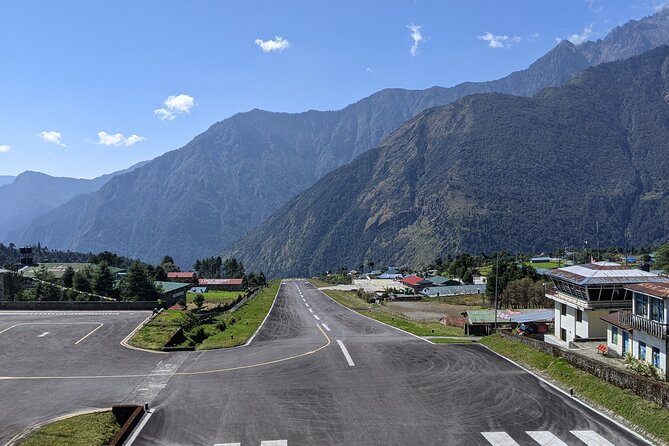
Day 2 takes you from Kathmandu to Lukla by flight. The destination airstrip is at about 2,810 m, which is immediately high enough to remind you that your body is doing work long before the first big ascent.
The Lukla part is both thrilling and practical. It saves you days compared to driving or trekking from the lowlands, but it also means you should expect weather changes and early starts. The itinerary schedules an early morning flight, and that means you’ll want a calm morning, not a late breakfast and panic packing.
Day 3 focuses on reaching Namche Bazaar, the Sherpa trading hub. You’ll start after an early tea house breakfast and walk for about five hours, arriving at Namche Bazaar after passing Hillary Bridge. The tour includes the relevant ticket for that stop, so you’re not scrambling for entry info.
Namche is a great first real test. It’s where you’ll start to notice how your pace feels in thin air. You’ll also see tea house life fully in action. This is the part of the trek where I recommend you keep your effort “small.” A steady walk beats dramatic bursts, because your breathing tells you when it’s time to slow down.
Hotel Everest View and Tengboche Gompa: acclimatization with Sherpa culture
Day 4 is a deliberate pause at around 3,440 m. The itinerary mentions that this elevation is high enough to stay one extra day for acclimatization, with the option of side excursions. This is not a random rest day. It’s the tour doing altitude math for you.
If you’re the type who hates sitting still, this is where you can scratch that itch with gentle movement. Side excursions are also useful because they teach you how your body reacts on a short climb. You’ll learn something valuable before the next heavier day.
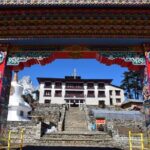
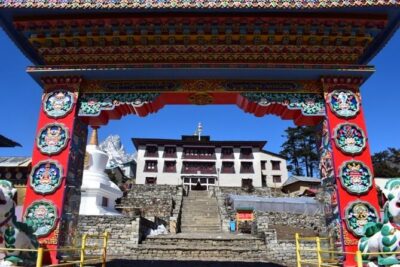
Day 5 heads to Tengboche (about five hours from Namche). You’ll arrive at Tengboche Gompa, and this is one of those stops where the trek feels more than physical. It’s also included with a ticket, so it’s a planned cultural visit rather than a quick photo stop.
The route up to Tengboche tends to feel scenic in the day-to-day way that keeps you patient. You walk uphill, you stop when your guide suggests, and you arrive with just enough daylight left to take in the monastery area.
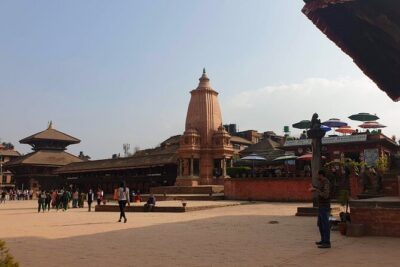
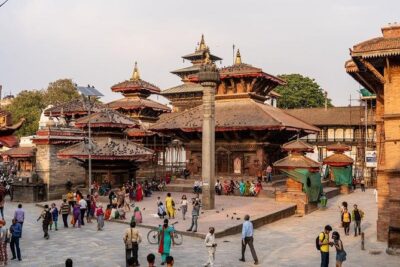
Other Kathmandu plans with a guide already on the ticket
Dingboche acclimatization, Thugla views, and the middle of the trek
Day 6 climbs on and off as you travel toward Dingboche. The route described includes crossing the Imja Khola and reaching Orsho, then continuing via Pheriche and Dingboche area. The “4 to 5 hours” walking time here is a useful chunk. It gets your legs moving without making the day feel endless.
Day 7 is another key acclimatization day in Dingboche. This stop is specifically framed as ensuring proper altitude acclimatization and staying active. Dingboche is ideal for that because it gives you options for short hikes while still letting you rest.
Day 8 continues after the Dingboche rest day with a gentle walk toward Thugla, described as a good spot for views. This is a classic “working your way up without going too hard” day. If you’ve ever felt tempted to speed up because everyone else seems fine, this is where your guide’s plan matters. Your goal is to arrive at higher altitudes feeling functional, not wrecked.
Everest Base Camp day: when glaciers and thin air take over
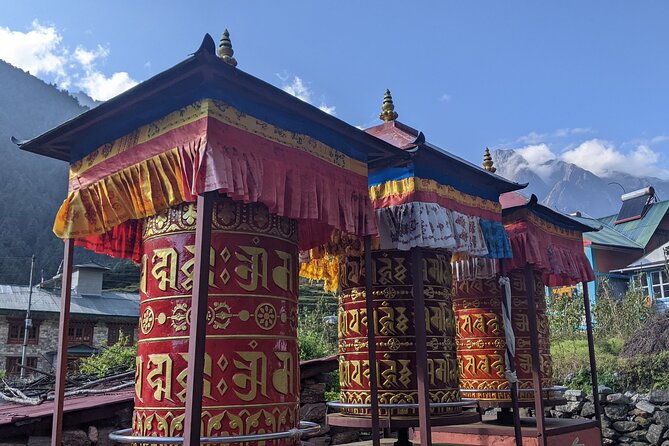
Day 9 is the one you’re probably mentally saving. It’s the long-awaited walk to Everest Base Camp. The itinerary description emphasizes the excitement and the main destination, which makes sense. This is the day where the trek starts to feel bigger than the sum of the steps.
Because the trek summary calls out high altitude and glaciers, you should expect the environment to change as you approach Base Camp. Even when the walking time is reasonable on paper, the air will feel thinner, and the effort will feel more demanding.
This is also where tea house pacing matters. You don’t just walk to survive, you walk to reach a landmark you’ve dreamed about. If you keep your effort controlled, you’re more likely to enjoy time at Base Camp instead of racing through it while your body tries to catch up.
Kala Patthar at 5,545 m: the view run that tests your legs
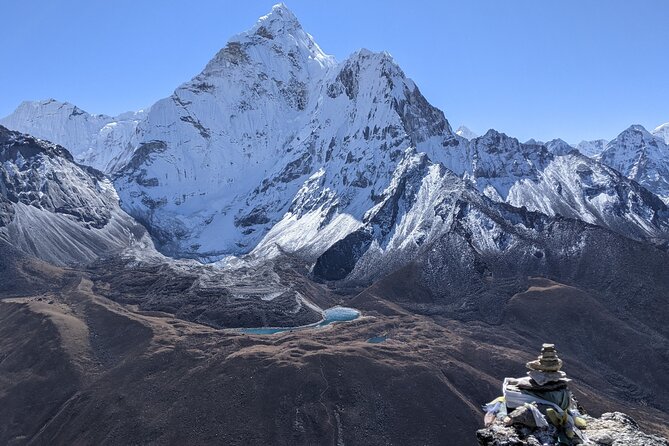
Day 10 is early. You hike up to Kala Patthar, the highest point described for the trip at 5,545 m. The itinerary notes this is for the most breathtaking views of Everest and other peaks in the region.
Kala Patthar is famous for a reason: you get a strong vantage point over the Everest area, and you typically spend time standing still and breathing carefully. The tour schedule has you hiking very early, and that usually means you’ll be dealing with cold and low light while your body is still waking up.
This day is also the reason you want the porter system earlier in the trip. If you arrive at Kala Patthar carrying too much, you’ll feel it fast. With the included support, your job is mostly to keep moving at a manageable pace.
Descent via Pangboche and the less crowded route to Phorste
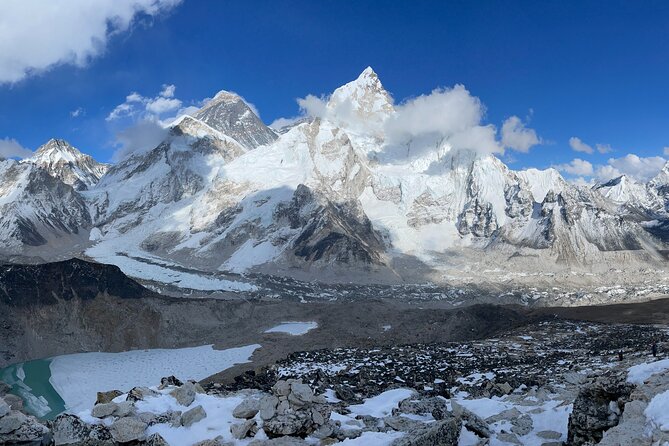
Day 11 shifts into descent and route change. The trek goes down toward Pangboche, then takes a new, less crowded route toward Phorste village.
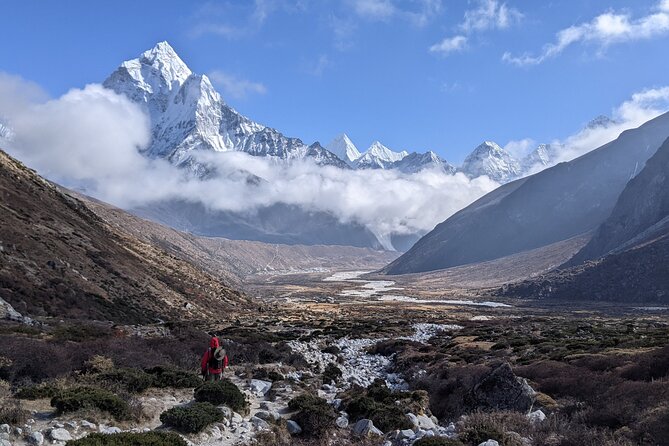
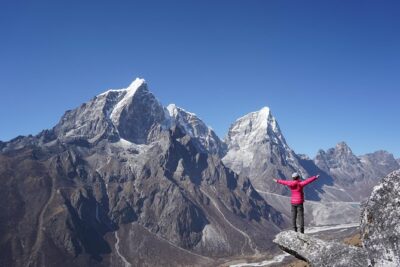
You’ll pass views of Ama Dablam, Thamserku, and the Tengboche monastery along the way. Even if you’re tired, these “back on the trail” viewpoints are a payoff. The smart move is to stay present. Descent days can feel long in your mind, but they can also feel like you’re seeing the region from angles you missed on the way up.
This day also helps you reset mentally. The earlier high points are behind you, but you’re still in the middle of the experience.
Phorste Thanga toward Gokyo area: more variety than a straight out and back
Day 12 is interesting because it goes beyond a simple straight return. After a morning start, the itinerary describes a trek down to a river coming from Gokyo lake, then connecting the trail to Gokyo at Phorste Thanga 3,680 m, after trekking up to Mong Danda.
So even though the trip is branded as Everest Base Camp, you get a route that includes parts of the Gokyo area on the way through the region. That adds variety. It also helps break the monotony that can happen when you simply retrace your steps all the way down.
If you love scenery changes and don’t want the return to feel identical, this kind of routing can make the second half of the trek more enjoyable.
Back to Lukla: Toktok, Phakding, Cheeplung, and finishing strong
Day 13 retraces the upward route. After breakfast, you trek toward Lukla, passing Toktok, Phakding, ghat, and Cheeplung 2,650 m. The itinerary notes last 200 meters to reach the Lukla side.
You’ll finish your EBC trekking on Day 13, with the evening reserved to enjoy Lukla. That matters because Lukla is where you can finally treat the trek as done. Your body will still be tired, but your mind can relax a bit.
Lukla to Kathmandu and your last day in Nepal
Day 14 includes an early possible flight from Lukla to Kathmandu. Once you check in, the rest of the day is at leisure, reserved in the itinerary for recovery and downtime.
Day 15 is your departure day. A Life Himalaya representative transfers you to Tribhuvan International Airport for your flight, so the trip ends with support rather than last-minute scramble.
Price and value: what $1,890 gives you in the real mountains
At $1,890 per person, this trek is priced like a fully supported, guided Everest Base Camp experience, not a DIY mission. The value shows up in the items that are expensive or hard to handle yourself.
Here’s what’s included that usually costs extra when booked separately:
- Domestic flights: Kathmandu or Ramechhap to Lukla, and Lukla back to Kathmandu or Ramechhap
- Permits: Sagarmatha National Park permit, TIMS permit, and rural area permit
- Guide and porter structure: English speaking licensed guide, assistant guide for 5 or more, and 1 porter per 2 people
- Meals during the trek: the itinerary lists 14 breakfasts, 12 lunches, and 13 dinners
- Lodge accommodation: clean lodge stays are part of the experience, with food from the lodge menu
- Trek gear: poles, sleeping bag, down jacket (returned after the trek)
- Added extras: trail map, farewell dinner, and an achievement certificate
What’s not included is also clear, and it affects your budgeting:
- International flights and visa fees
- Travel insurance covering up to 6,000 m, listed as $200 per person
- Tips for guide, porters, and drivers
- Hot showers and battery charging during the trek
- Lunch and dinner in Kathmandu, and personal snacks and beverages
To me, the biggest value is the combination of high altitude guidance, porter support, and the flight logistics. That’s the stuff that can turn a good trek into a stressful one.
Safety, altitude sickness prevention, and the guide quality that people remember
This tour leans hard on safety and comfort. It explicitly states the importance of guest security, safety, satisfaction, and comfort, plus an itinerary designed to avoid altitude sickness. That’s not just marketing language. It shows up in the planned acclimatization stops at key elevations.
In the reviews, the most praised element is consistently the team’s support during the trek. Guides named include Raj, Sagar, Ram, and Rabin, with porters such as Suren, Sonam, Phurpa, and others mentioned. The repeated theme is that people felt looked after and safe, not pushed beyond limits.
When you’re high in the mountains, the guide’s job is mostly basic but crucial: keeping a sensible pace, watching for warning signs, and making sure you’re eating and drinking enough. This itinerary supports that approach by giving you rest days instead of forcing a continuous climb.
My practical advice: if you get a headache, feel unusually nauseous, or lose appetite, treat it as a signal, not a challenge. Follow your guide’s instructions, because the “tough it out” mindset can backfire at altitude.
Lodge life and meal planning on the Everest Base Camp trail
This is a tea house trek, meaning you sleep in lodges and eat there too. The tour describes clean and comfortable lodge accommodation and “hygienic food chosen from the lodge menu.”
That matters because you’re at altitude, you’re moving all day, and your body needs consistent fuel. If food is handled well, you’ll walk better and recover faster.
Two practical limitations to plan for:
- The itinerary notes no hot showers
- It also notes no battery charging during the trek
So bring a power strategy you can live with. A power bank helps, and you’ll want to plan your phone and camera use rather than assuming charging every day.
What you should pack, given the included gear
Since the trek provides poles, a sleeping bag, and a down jacket, you can pack smarter. You still need your own base layers, rain protection, and footwear.
Your best “don’t regret it later” items usually are:
- Warm layers you can remove and add
- A wind and rain shell
- Good trekking boots with decent tread
- Gloves, hat, and a warm head layer
- Sunglasses and sunscreen (high altitude sun is intense)
- Water bottles or a hydration setup
- A headlamp for early starts
- Basic meds and altitude tools you trust
- Personal snacks and beverages, since those are not included
Even with included gear, you’ll feel the cold at early mornings, especially around Kala Patthar.
Who this Everest Base Camp trek is best for
This fits you if you:
- Want the classic Everest Base Camp experience on a structured 15-day plan
- Prefer a guided trek with English speaking support
- Like the idea of acclimatization stops rather than “go hard every day”
- Appreciate lodge comfort and predictable meals from menus
It might not fit you if you:
- Struggle with high altitude walking even on moderate grades
- Want a fully independent experience with no scheduled guidance
- Expect hot showers and easy charging every day (those are specifically not included)
The tour notes you should have a strong physical fitness level. If you’re unsure, get realistic with your training and think about how you’ll handle multiple days of uphill effort.
Should you book this Everest Base Camp trek?
I’d say consider booking if you want a supported Everest Base Camp trip where altitude pacing, guide support, and porter logistics are built in. The value is strongest when you compare what you avoid: extra planning, permit headaches, uncertain meal planning, and heavy self-supported loads.
One final check before you commit: be honest about altitude. This itinerary is designed to help you handle it, but it can’t turn Everest into an easy walk. If you go in informed, take rest seriously, and follow your guide’s pace, this trek is the kind of Himalayan trip that leaves you with real memories, not just photos.
FAQ
Where does the trek start?
It starts at Tribhuvan Airport in Kathmandu, Nepal.
Are flights to Lukla included?
Yes. The tour includes flights from Kathmandu or Ramechhap to Lukla, and Lukla back to Kathmandu or Ramechhap for all members and staff.
What permits are included for the trek?
You get a Sagarmatha National Park permit, a TIMS permit, and a local rural area permit.
What trekking gear is included?
The tour includes hiking poles, a sleeping bag, and a down jacket (the gear is returned after the trek).
Are meals included during the trek?
Yes. The itinerary lists 14 breakfasts, 12 lunches, and 13 dinners during the trek.
What is not included on the trek days?
Hot showers and battery charging are not included during the trek.
Do you include acclimatization days?
Yes. The itinerary includes an acclimatization day at around Hotel Everest View area (Day 4) and a dedicated acclimatization day in Dingboche (Day 7).
Kathmandu, Someone Setting the Pace
The Rest of Our Kathmandu Write Ups

Base Camp, Three More Ways
Everything else we have reviewed around Kathmandu
- 12 Days Everest Base Camp Trekking
★ 5.0 · 3 reviews - 1 Night 2 Days Chitwan Jungle Safari Tour from Pokhara or Kathmandu
★ 3.0 · 3 reviews - Thamel Rickshaw tour
★ 4.7 · 3 reviews - Kathmandu: Momo Making Class with a Local Chef
★ 5.0 · 3 reviews - Kathmandu: Full-Day Yoga, Body Massage and Pedicure Package
★ 5.0 · 3 reviews - From Kathmandu / Pokhara / Chitwan: River Rafting – 1 Day
★ 4.6 · 3 reviews
Everest Base Camp Treks worth a second look.
 ★ 5.0Everest Base Camp Trek – 14 DaysFrom $1,8001,499 reviews
 ★ 5.0Everest Base Camp TrekkingFrom $1,350485 reviews
 ★ 5.0Everest Base Camp Trekking – 13 DayFrom $1,399365 reviews
★ 5.0Everest Base Camp Trek -14 DaysFrom $1,420321 reviews
★ 5.0Everest Base Camp Trekking – 13 DayFrom $1,399365 reviews
★ 5.0Everest Base Camp Trek -14 DaysFrom $1,420321 reviews
 ★ 5.0Everest Base Camp Trekking – 2025/2026From $1,339199 reviews
 ★ 5.0Everest Base Camp TrekFrom $1,408193 reviews
 ★ 5.0Everest Base Camp Trek with Helicopter Return from Gorakshep to LuklaFrom $3,000161 reviews
14-Days Private Everest Base Camp TrekFrom $1,600152 reviews
★ 5.0Everest Base Camp Trek with Helicopter Return from Gorakshep to LuklaFrom $3,000161 reviews
14-Days Private Everest Base Camp TrekFrom $1,600152 reviews
Lists this tour sits in