
REVIEW · EVEREST BASE CAMP TREKS
From Kathmandu: 12-Day Everest Base Camp Guided Trekking
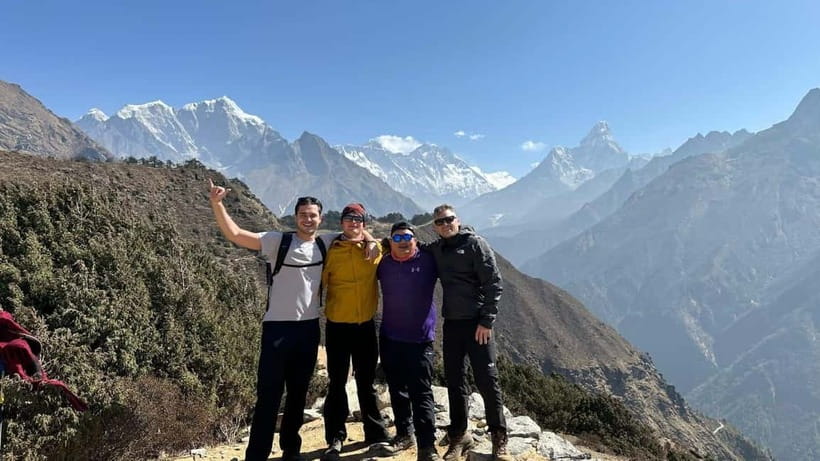
Cold mornings, big mountains, and a calm plan. This 12-day Everest Base Camp trek takes you from Kathmandu to Lukla and then through the Khumbu region step by step, including Everest Base Camp at 5,364 m. I like that the pacing builds in altitude days in Namche Bazar and Dingboche, so you are not just grinding uphill with no breathing room. I also like the small-group feel, capped at 15, plus a guide who adjusts the trek as conditions change, as reflected in the guide praise for people like Padam, Nishan, Rohan, Adhish, and even trip manager Hari.
One consideration: it is a classic Everest Base Camp rhythm, meaning nights can be tough and cold, especially in winter months, and you should plan around tea-house comfort rather than expecting hotel standards. Also, standard meals during the trek are not included, so you’ll budget for breakfast, lunch, and dinner while you’re on trail.
In This Review
- Key highlights worth caring about
- Lukla to Everest Base Camp, done with a practical game plan
- Day-by-day: from Phakding to Namche Bazar without rushing altitude
- Tengboche and Dingboche: rhododendron trails and big peak scenery
- Lobuche to Everest Base Camp: the hardest payoff loop
- Kala Patthar at dawn: when the view is worth the cold
- The return to Namche and Lukla: still scenic, but use your legs smart
- Guides, group size, and the feel of safety on the trail
- Tea houses, meals, and what “comfort” means here
- Gear, luggage rules, and what you should pack
- Permits and trekking value at about $1,002 per person
- Who this trek suits (and who should skip it)
- Should you book this 12-Day Everest Base Camp trek?
- FAQ
- How long is the Kathmandu to Everest Base Camp trekking experience?
- Do you fly from Kathmandu to Lukla, and is that included?
- What are the key places you hike to on the way to Everest Base Camp?
- Is there time built in for acclimatization?
- How big is the group, and is the guide English-speaking?
- What kind of lodging is provided during the trek?
- Are meals included, and is there internet or hot shower access?
- Are permits included for the national park and trek access?
- What should I bring, and are there luggage restrictions?
Key highlights worth caring about
- Lukla flights are built in, so you start high and save the long slog from Kathmandu to the Everest region.
- Real acclimatization stops in Namche Bazar and Dingboche, not just a quick rest and go.
- Everest Base Camp plus Gorakshep as the payoff stretch, with glacier views on the approach.
- Kala Patthar at 5,545 m for one of the best big-mountain vantage points on the route.
- Small group (max 15) with an English-speaking guide, plus safety-minded support.
- Permits and TIMS included, so you are not scrambling for paperwork after you land.
Other routes to Base Camp, side by side
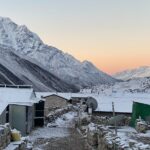
Lukla to Everest Base Camp, done with a practical game plan
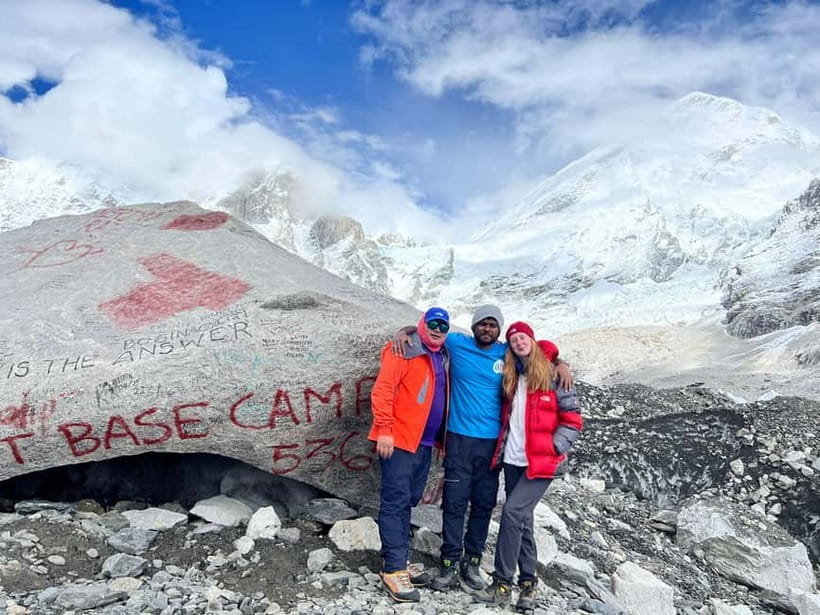
The big reason this trek works so well for most people is simple: it turns a difficult route into a predictable, guided schedule. You fly from Kathmandu to Lukla, then spend 12 days hiking between villages and tea houses, with all accommodations covered and the major permits handled ahead of time.
Why I think that matters: the Everest Base Camp route is not just about views. It is about timing, altitude, logistics, and knowing when to slow down. Having an experienced guide in charge of the flow helps you focus on your own pace, water, and breathing, instead of reading maps every afternoon.
You also get a small group, limited to 15. That is large enough to keep the vibe social, but small enough that your guide can still notice when someone is struggling.
Day-by-day: from Phakding to Namche Bazar without rushing altitude
Day 1 starts with pickup in Kathmandu, then an early flight to Lukla. From there you transfer to the start point and hike to Phakding, with an overnight at a tea house lodge. This day is about getting your legs moving and meeting your reality check: the altitude is already in the mix, but you are still in the “learn the rhythm” zone.
Day 2 is the jump to Namche Bazar (3,440 m). Namche is a key hub, and you stay overnight there so you can start settling in to the Khumbu pattern of higher villages, busier tea house activity, and better views as the air thins.
Day 3 is a rest day in Namche Bazar to acclimatize. This is a huge deal. A well-timed altitude break often makes the difference between feeling strong later and feeling wrecked early. Even if you keep it relaxed, this day gives your body time to adjust to the elevation.
A helpful detail from the trip experience: guides like Padam and Nishan were praised for making people feel safe in a tough environment and for adjusting to individual needs. On a trek like this, that kind of responsiveness is not a “nice to have”, it is what keeps your acclimatization days useful rather than rushed.
Tengboche and Dingboche: rhododendron trails and big peak scenery
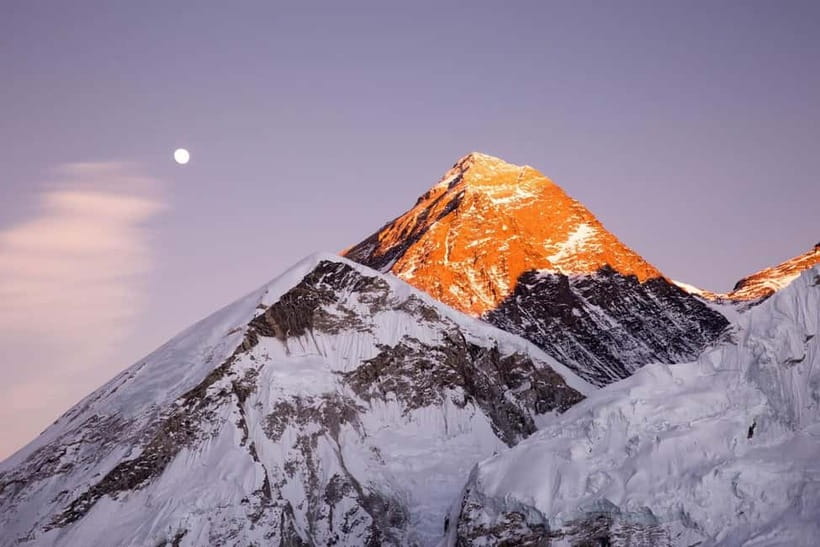
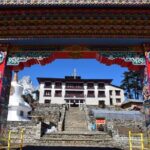
Day 4 hikes from Namche Bazar to Tyangboche (3,867 m). Tyangboche is one of those places where the village itself feels like part of the mountain theatre. The altitude is higher, but the reward is the gradual build of panoramic views.
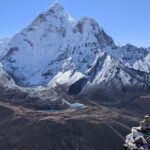
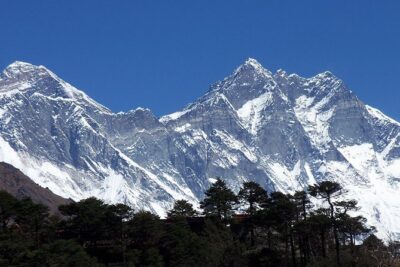
Day 5 moves through a rhododendron forest section and includes a suspension bridge crossing. Then the route heads toward the Imjatse Valley area beneath major peaks like Ama Dablam, Nuptse, and Lhotse, ending with an overnight in Dingboche (4,260 m). This is one of those stretches where you can feel the geography tightening, meaning the mountains look bigger, closer, and more dramatic with each day.
Day 6 is another acclimatization day in Dingboche, again with an overnight at a tea house lodge. That second altitude break is why this trek is set up to keep you from stacking too many high days back-to-back. It also gives you time to manage cold temperatures and changing trail conditions without feeling like you must “win” the route.
If you are sensitive to altitude, this structure is exactly what you want: climb, settle, climb again. It keeps the trek from becoming a continuous high-elevation sprint.
Lobuche to Everest Base Camp: the hardest payoff loop
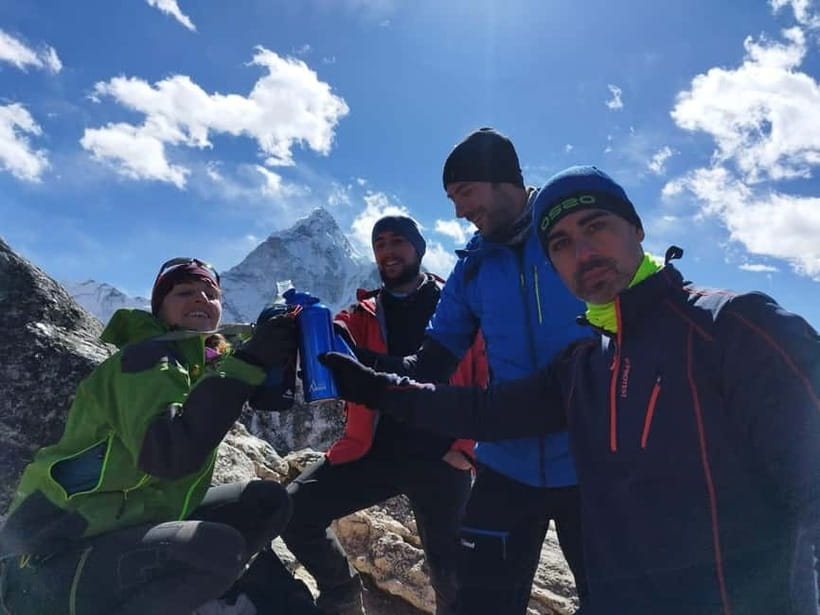
Day 7 heads from Dingboche toward Lobuche (4,930 m). The hiking time is around 5.5 hours, with lunch in Dugla. This is a real altitude day, and it helps to know that “short” trail time does not always mean “easy”. You can feel the air in your lungs and the burn in your legs even on a half-day hike.
Day 8 is one of the most rewarding sections: you go from Lobuche up to Everest Base Camp via Gorakshep. You hike rocky paths with big views of the Khumbu glacier, then reach Everest Base Camp at 5,364 m. You return to Gorakshep for the night.
Here is what makes this segment work for you: it is staged. You are not just thrown into the Everest goal with no buildup. After several days of altitude days and acclimatization, the Base Camp arrival feels like the point of the journey, not a sudden jump into the deep end.
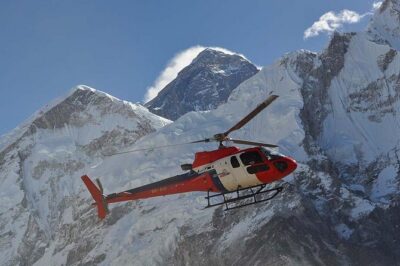
Also, if weather affects Lukla flights or timing, you should know that quick rerouting can happen. One past trek experience included switching from a plane to a helicopter due to weather. That tells me the operation can respond when mountain travel does what mountain travel does.
Other Kathmandu plans with a guide already on the ticket
Kala Patthar at dawn: when the view is worth the cold
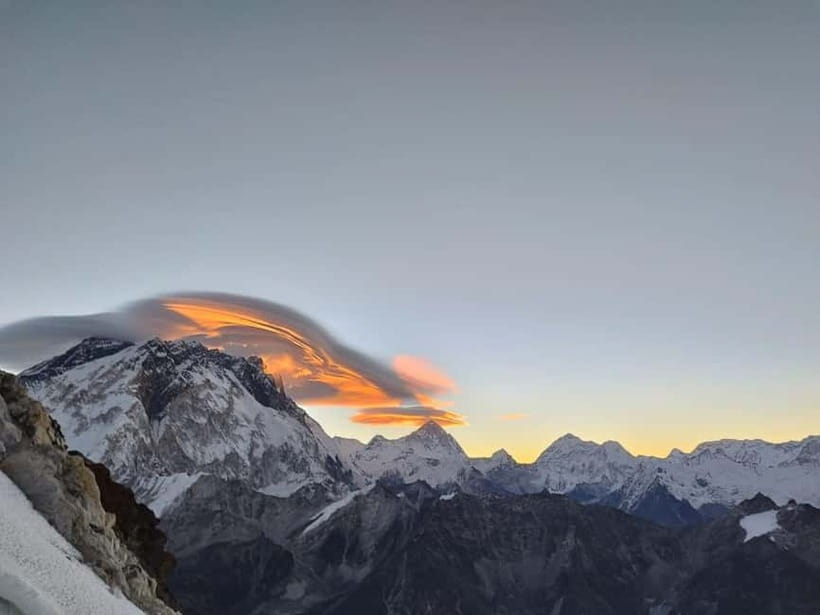
Day 9 is the classic big-view day. You hike from Gorakshep to Kala Patthar (5,545 m), then continue to Pheriche (4,243 m) for an overnight at a tea house lodge.
Kala Patthar is one of the best “why did we do all this” points on the trek. From a practical point of view, it also tests your pacing. You are at high altitude, likely dealing with chilly air, and the focus shifts to steady breathing rather than speed.
Then you drop down to Pheriche. That descent matters because it helps your body recover from the effort of the high day. It also breaks the monotony of “go up, go up, go up” by giving your legs a bit of relief before the final trek back.
The return to Namche and Lukla: still scenic, but use your legs smart
Day 10 starts descent from Pheriche down toward Tyangboche (3,867 m), then continues to Namche Bazar for the night.
This day is underrated. Yes, you are going downhill, but downhill can be rough on knees and ankles. Your goal here is controlled steps, not a fast march. Use the day to get your body out of high altitude mode and back toward comfortable trekking conditions.
Day 11 hikes from Namche Bazar back to Lukla, with a last night at Lukla.
Day 12 is your early morning flight back to Kathmandu, plus transfer to your hotel. After 12 days of tea houses and mountain air, Kathmandu feels like a different planet, mostly because you stop watching the sky for clouds and instead focus on simple things like food, warm showers you can actually use, and easy sleep.
Guides, group size, and the feel of safety on the trail
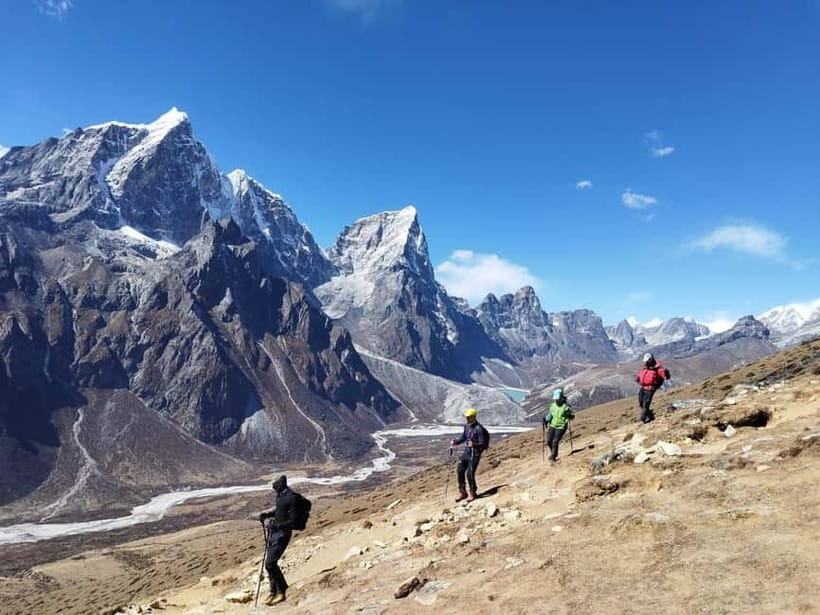
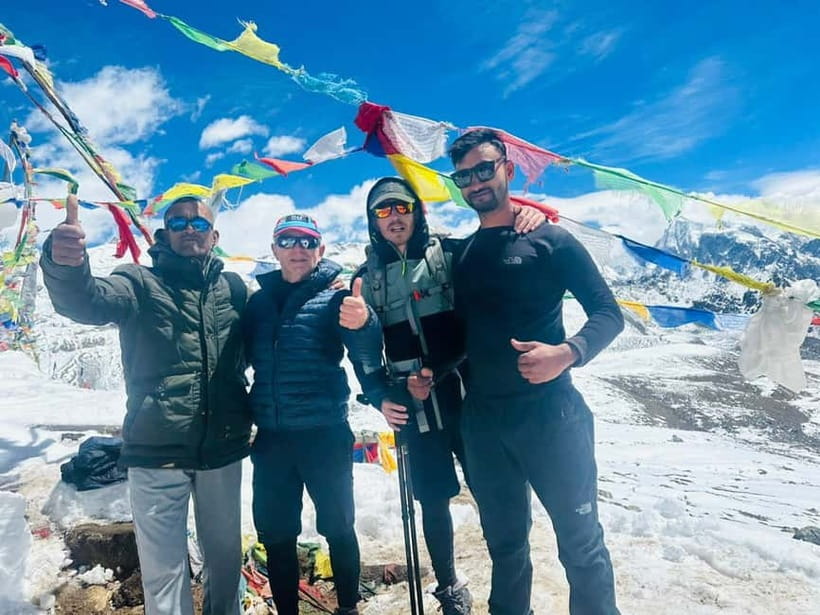
The most repeated praise centers on guides. People specifically named leaders like Padam and Nishan and described them as positive, funny, and safety-focused. Others mentioned Rohan, Adhish, and Hari in management support.
Why that matters to your experience: on an Everest Base Camp trek, you can get the route right and still feel stressed. A guide’s real job is not just leading, it is keeping you comfortable with uncertainty, like cold mornings, changing trail flow, and how your body is handling altitude.
Small group size also helps. With a group limited to 15, you are less likely to feel like you are being pushed through the trek like a conveyor belt. Instead, you can keep your own pace while still benefiting from group guidance.
Tea houses, meals, and what “comfort” means here
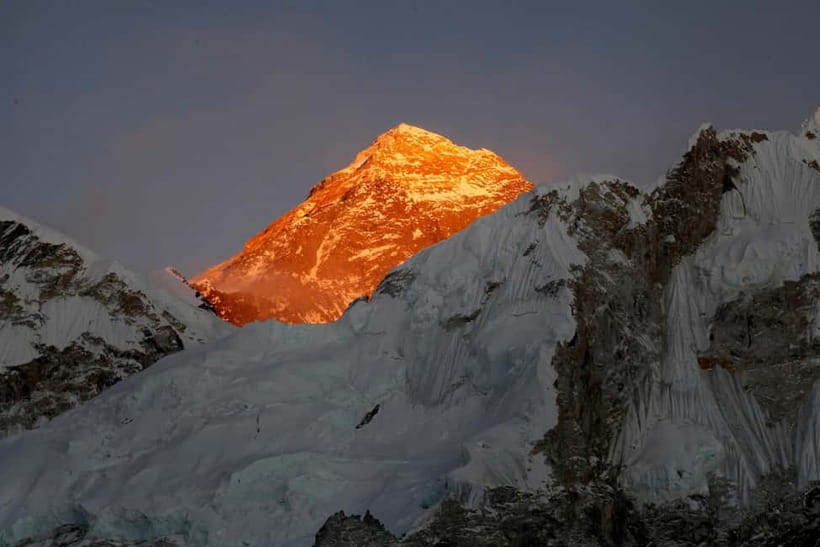
Accommodations are tea houses during the trek, meaning you sleep in simple lodge rooms along the route. You are covered for lodging, but standard meals are not included. That matters for budgeting and planning, because you will need to buy breakfast, lunch, and dinner as you go.
A few realities to plan around:
- Tea houses typically mean basic comfort, not modern hotel service.
- Hot showers and internet are not included, so plan your expectations around that.
- The cold can be serious at higher elevations, and one guide mentioned how tough the nights can be in December.
Good news: you will be able to request gear support. The included package mentions a jacket, sleeping bag, and duffle bag to use if required or requested. That can take a big chunk of packing stress off your shoulders.
Also, alcohol and non-alcoholic drinks are not included. On a trek, that is normal, but it is smart to plan how you will rehydrate and how you will spend evenings without relying on expensive add-ons.
Gear, luggage rules, and what you should pack
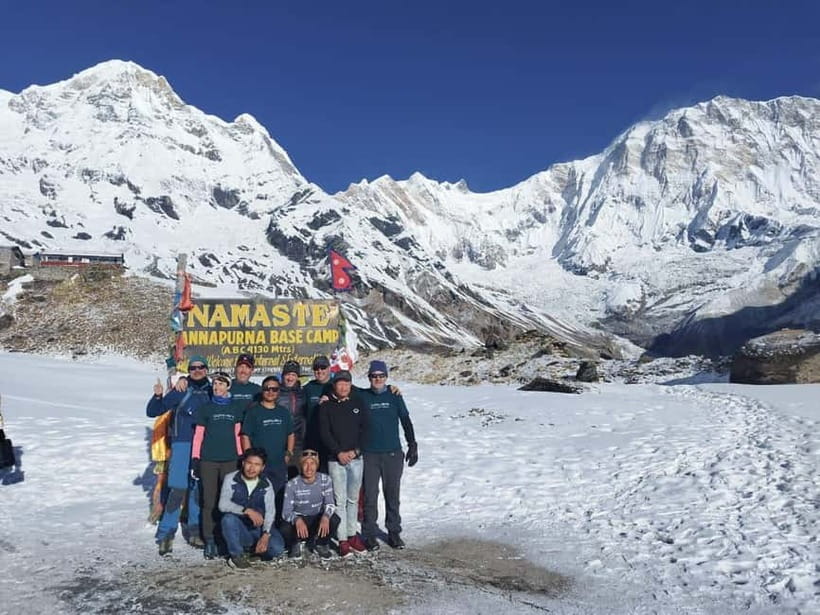
This trek includes key gear items: jacket, sleeping bag, and duffle bag to use if required/requested. Still, you should pack smart. You will likely feel the weight penalty on every uphill section.
A big operational point: luggage or large bags are not allowed. That means you should plan on traveling light. If you are carrying a big backpack, it may not fit the tour’s transport style, so check how the tour expects your bag to be handled before you arrive.
Practical packing tip I recommend for this route: treat your clothing like layers you can adjust all day, not one warm jacket you wear once. Cold starts at dawn, then temperature changes as you climb.
Permits and trekking value at about $1,002 per person
At $1,002 per person, the value comes from what is already covered, not just the trekking itself.
Included costs that add real value:
- Return domestic flight between Kathmandu and Lukla
- Airport pickup and drop-off in Kathmandu
- Sagarmatha National Park entrance permits and fees
- TIMS card fees
- All accommodations in tea houses during the trek
- Guide salary, food, drinks, accommodation, transportation, and insurance
- Jacket, sleeping bag, and duffle bag to use if required/requested
- Government taxes, VAT, and service charges
What is not included:
- Trek meals (breakfast, lunch, dinner)
- Hot showers and internet
- Alcohol and drinks
- Travel insurance
- Porter carrying service (available at additional cost), with one porter assisting up to 25 kg for 2 guests
So how do you judge value? If you were booking these pieces separately, you would likely spend more time and money coordinating flights, permits, and lodge nights. Here, the “hard parts” are handled, so you are paying for a functioning system rather than just a route.
If you want lighter hiking without pushing the pace, consider the porter option. The limit is up to 25 kg per porter for two guests, which can be a big help if you are carrying more than you should.
Who this trek suits (and who should skip it)
This experience is not suitable for pregnant women, people with heart problems, or wheelchair users. If any health concerns apply, you should take them seriously and talk with a medical professional before booking.
It also suits people who:
- Want a guided, structured plan with acclimatization days
- Are comfortable with tea house lodging
- Can manage cold mornings and high-altitude hiking
- Prefer a small group size over a huge herd of trekkers
If you are the kind of traveler who likes nature but also likes a clear schedule and a guide who can help you pace, you will probably enjoy this.
Should you book this 12-Day Everest Base Camp trek?
I think you should book if you want a guided Everest Base Camp trek that is built around altitude sense, clear logistics, and real support. The combination of small group size, permits and flights handled, and repeated acclimatization days is what makes it feel more doable than many “standard” versions of this trek.
Don’t book if you dislike cold, simple lodging, and paying for your own trek meals. Also, if you have a health condition that affects altitude tolerance, this is not the right choice based on the trek’s stated unsuitability.
If your plan is Everest Base Camp for the views, the glacier scenery, and the satisfaction of Kala Patthar, then this setup is a solid match.
FAQ
How long is the Kathmandu to Everest Base Camp trekking experience?
The trip is 12 days total, including trekking days and a flight back to Kathmandu at the end.
Do you fly from Kathmandu to Lukla, and is that included?
Yes. The experience includes a return domestic flight between Kathmandu and Lukla, plus domestic airport pickup and drop-off.
What are the key places you hike to on the way to Everest Base Camp?
You trek through Phakding, Namche Bazar, Tyangboche, Dingboche, Lobuche, Gorakshep, then Everest Base Camp. You also hike to Kala Patthar and return via Pheriche back toward Namche Bazar and Lukla.
Is there time built in for acclimatization?
Yes. There is a rest day in Namche Bazar and an acclimatization day in Dingboche, each with an overnight stay in those towns.
How big is the group, and is the guide English-speaking?
The group is limited to 15 participants, and the live tour guide works in English.
What kind of lodging is provided during the trek?
You stay in tea houses or lodge accommodations during the trekking portion. All accommodations during the trek are included.
Are meals included, and is there internet or hot shower access?
Standard meals during the trek are not included. Hot showers and internet are also not included.
Are permits included for the national park and trek access?
Yes. The package includes the Sagarmatha National park entrance permit and fees, plus TIMS card fees.
What should I bring, and are there luggage restrictions?
You should bring your passport. Luggage or large bags are not allowed.
Kathmandu, Someone Setting the Pace
The Rest of Our Kathmandu Write Ups

Base Camp, Three More Ways
Everything else we have reviewed around Kathmandu
- 12 Days Everest Base Camp Trekking
★ 5.0 · 3 reviews - 1 Night 2 Days Chitwan Jungle Safari Tour from Pokhara or Kathmandu
★ 3.0 · 3 reviews - Thamel Rickshaw tour
★ 4.7 · 3 reviews - Kathmandu: Momo Making Class with a Local Chef
★ 5.0 · 3 reviews - Kathmandu: Full-Day Yoga, Body Massage and Pedicure Package
★ 5.0 · 3 reviews - From Kathmandu / Pokhara / Chitwan: River Rafting – 1 Day
★ 4.6 · 3 reviews
Everest Base Camp Treks worth a second look.
 ★ 5.0Everest Base Camp Trek – 14 DaysFrom $1,8001,499 reviews
 ★ 5.0Everest Base Camp TrekkingFrom $1,350485 reviews
 ★ 5.0Everest Base Camp Trekking – 13 DayFrom $1,399365 reviews
★ 5.0Everest Base Camp Trek -14 DaysFrom $1,420321 reviews
★ 5.0Everest Base Camp Trekking – 13 DayFrom $1,399365 reviews
★ 5.0Everest Base Camp Trek -14 DaysFrom $1,420321 reviews
 ★ 5.0Everest Base Camp Trekking – 2025/2026From $1,339199 reviews
 ★ 5.0Everest Base Camp TrekFrom $1,408193 reviews
 ★ 5.0Everest Base Camp Trek with Helicopter Return from Gorakshep to LuklaFrom $3,000161 reviews
14-Days Private Everest Base Camp TrekFrom $1,600152 reviews
★ 5.0Everest Base Camp Trek with Helicopter Return from Gorakshep to LuklaFrom $3,000161 reviews
14-Days Private Everest Base Camp TrekFrom $1,600152 reviews
Lists this tour sits in