
REVIEW · KATHMANDU CITY TOURS & SIGHTSEEING
Kathmandu Heritage Day Tour with Guide.
One day, four sacred stops, zero stress. This Kathmandu Heritage Day tour is built for fast meaning, Durbar Square to Boudhanath in one go, with air-conditioned pickup that helps you stay comfortable through the city’s pace. One possible catch, the plan does not include admission tickets at the sites or lunch, so you’ll want extra budget for entries where required.
What I like most for your trip: the guide commentary is ready in five languages, and the day is arranged in a private vehicle, so you are not stuck shuffling in and out of strangers’ schedules. With a small group limit of up to 30, the flow stays practical, especially if you want questions answered in real time.
This is also the kind of tour where small conveniences matter. You get bottled water, a mobile ticket, and door-to-door transfers, which means less time hunting for meeting points and more time focused on the monuments themselves.
In This Review
- Key points to know before you go
- Route that fits a short Kathmandu stop
- Comfort and timing: how the vehicle and pickup help
- Kathmandu Durbar Square and the Kumari courtyard
- Swaymbhunath (Monkey Temple) and the hilltop perspective
- Pashupatinath Temple, Hindu rituals and river atmosphere
- Boudhanath Stupa, Buddhist peace in one hour
- Guide commentary in five languages, plus real human help
- What the $70 price covers, and what to budget extra
- Small-group flow: what a 6 to 7 hour day feels like
- Who should book this heritage day tour
- Booking reality check: weather and expectations
- Should you book the Kathmandu Heritage Day Tour?
- FAQ
- How long is the Kathmandu Heritage Day Tour?
- What places does the tour visit?
- Is pickup included?
- Is transportation air-conditioned?
- Is the guide available in multiple languages?
- Are admission tickets included?
- Is lunch included?
- What is included in the price besides the guide?
- How many people are in the group?
- What happens if weather is poor?
Key points to know before you go
- One-day Kathmandu Valley route: Major landmarks are packed into about 6 to 7 hours.
- Private, air-conditioned comfort: Hotel transfers and pickup keep the day smooth.
- Guide commentary in five languages: Explanations run alongside the sights, not after.
- Admission and lunch are not included: Budget separately for site entry and food.
- Group size stays capped: Maximum of 30 travelers helps keep it manageable.
- Bottled water included: A small thing, but useful in Kathmandu.
Other one shot sweeps of the Valley

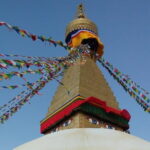
Route that fits a short Kathmandu stop
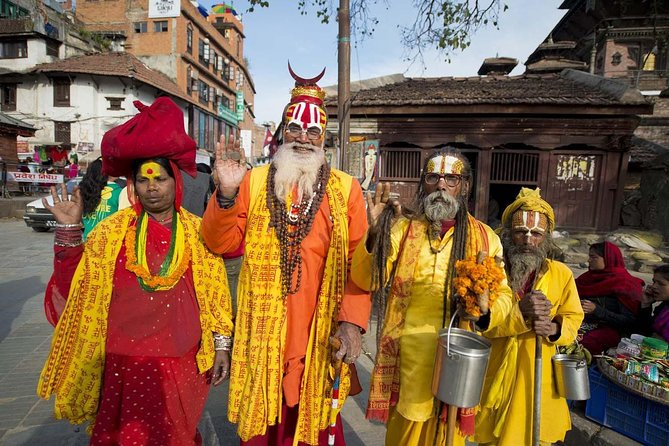
If you only have a day in Kathmandu, this tour makes sense because it groups the big spiritual and heritage icons into one focused loop. Instead of picking one monument and calling it a day, you get contrast: royal square, hilltop stupa, river temple, and a major Buddhist peace monument.
The “Kathmandu, Patan, and Boudha” promise is about hitting the wider Kathmandu Valley big-name sites in one day. In practice, your main sequence centers on Kathmandu’s Durbar Square, Swaymbhunath, Pashupatinath, and Boudhanath, so you’re covering both Hindu and Buddhist landmarks on the same calendar day.
The time block is also realistic. At roughly 6 to 7 hours, you can see a lot without turning the day into a blur of only photos. You still get enough time at the major stops, with Pashupatinath running longer than the other segments.
Comfort and timing: how the vehicle and pickup help
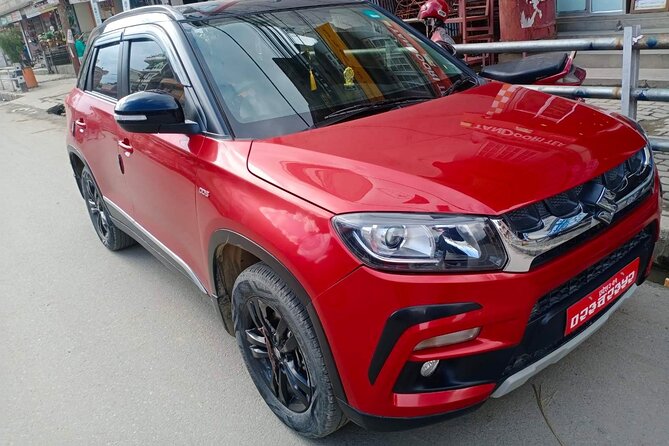
Kathmandu can feel intense, even when you are just getting from place to place. Having pickup and hotel transfers reduces that stress immediately, because you are not coordinating taxis between monuments.
I also like that the ride is described as private and air-conditioned. That matters when the day includes multiple stops, since breaks from walking and waiting can genuinely change how you feel at 3 pm.
The group size limit of up to 30 is another practical detail. It usually means you won’t be fighting for space at every stop, and your guide can keep the pace moving without constant regrouping.
Kathmandu Durbar Square and the Kumari courtyard
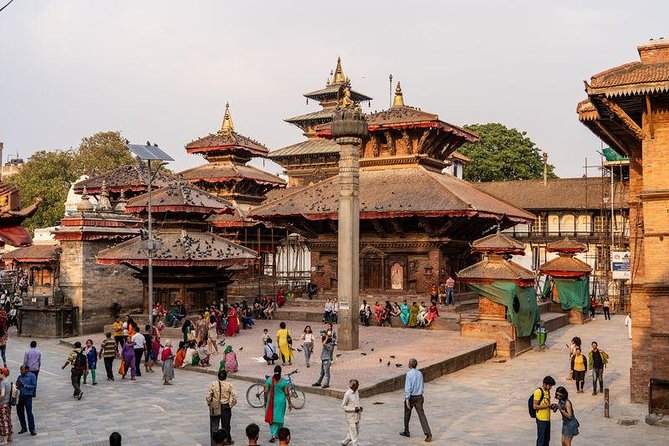
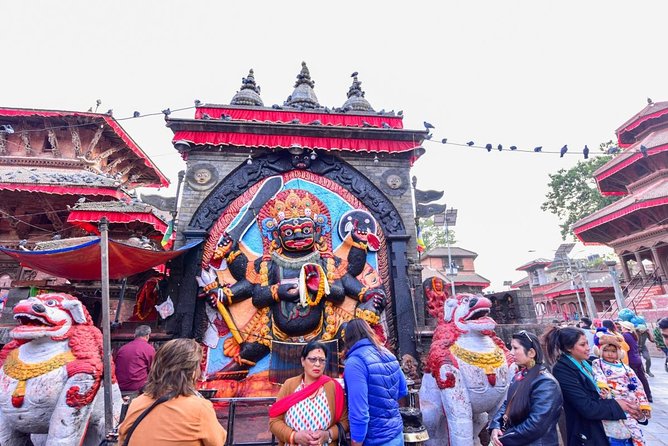
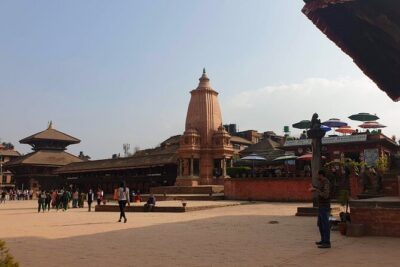
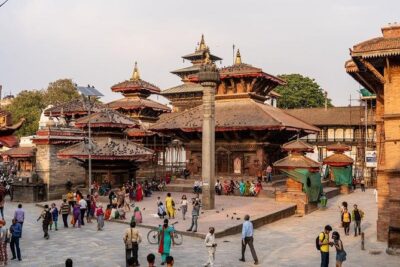
Durbar Square is the kind of place where architecture and belief sit in the same frame. You are walking into the center of Kathmandu’s heritage, with the Durbar Square complex and its temples, plus the famous Kumari connection, the Living Goddess tradition.
This stop is scheduled for about 1 hour, and that is a good amount of time for the first encounter. You’ll have time to orient yourself, take in the main layouts, and listen while your guide explains what you are looking at, rather than trying to figure it all out solo.
One important planning point: admission tickets are not included here. That means you might need to pay an entry fee on arrival, so keep some extra cash or be ready to handle site payment requirements.
The drawback to Durbar Square timeboxing is simple. If you want to slow-walk every corner, 60 minutes can feel short. Still, for a heritage day loop, it’s a practical first stop that sets the tone for everything that follows.
Swaymbhunath (Monkey Temple) and the hilltop perspective
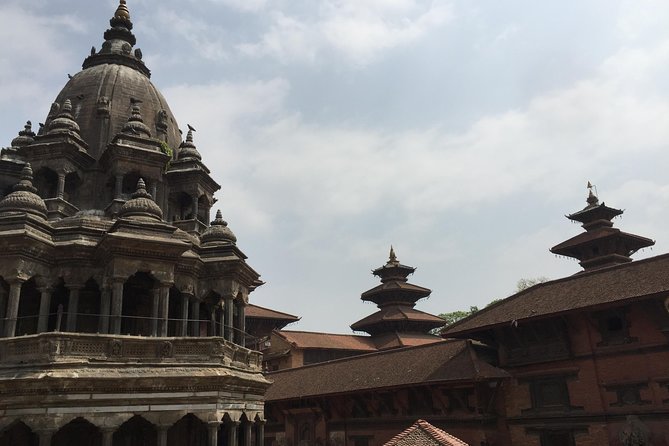
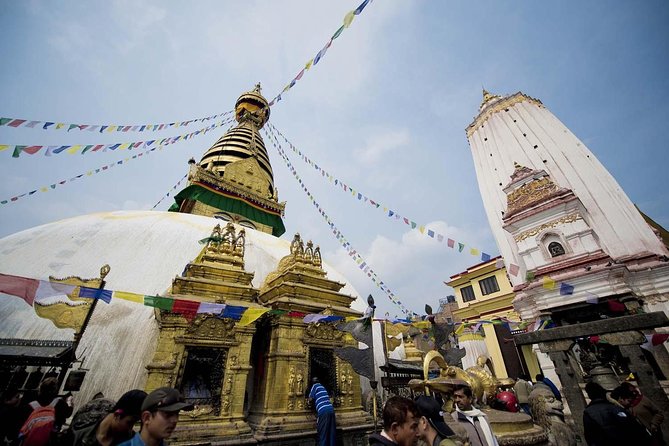
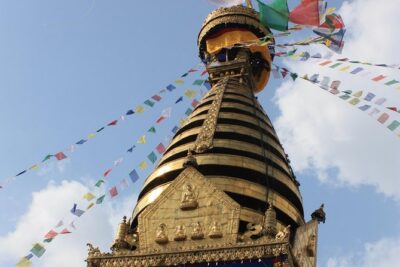
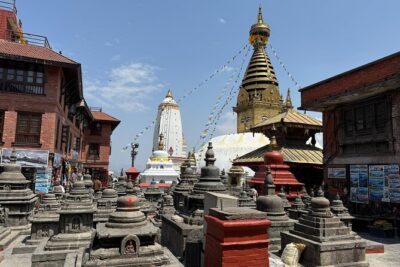
Swaymbhunath is one of those stops where the view is part of the story. The temple complex sits up on a hill and is known by the popular nickname Monkey Temple, so expect lively energy around the entrances and pathways.
You get about 1 hour at this stop, which is enough to take in the stupa setting and appreciate the setting above the city. The guide’s commentary matters here because the hilltop architecture can look busy at first glance, and the explanations help you connect the visible details to what the site represents.
Again, admission tickets are not included. So treat this as a moment where you should be ready for a separate entry cost, and plan your budget accordingly.
A small consideration: Swaymbhunath is a walk-and-climb style stop, so the comfort benefit of the air-conditioned vehicle is only the prelude. Once you arrive, your legs do the talking.
Other Kathmandu plans with a guide already on the ticket
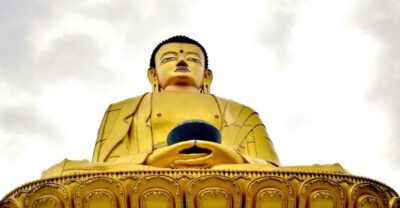
Pashupatinath Temple, Hindu rituals and river atmosphere
Pashupatinath is scheduled for about 2 hours, and that longer block tells you something important: this is not a quick photo stop. It is a major Hindu holy temple, and the time allows for a more relaxed rhythm, plus a chance to understand what you are witnessing rather than just skimming the surface.
You get deeper focus here than at the other stops, which is ideal if you want a guided explanation of how Hindu worship shows up in daily practice and ceremonial space. Your guide is there for context, including what parts of the temple complex mean and how different areas relate to the religion’s worldview.
As with the other monuments, admission tickets are not included. If you are traveling on a tight budget, this is the point where your extra spending for entries may show up.
One more practical reality: a longer stop can be mentally tiring if you keep moving nonstop. This is where your strategy helps. Take a moment to pause, listen, and then rejoin the group flow, so you don’t spend the entire two hours hurrying between viewpoints.
Boudhanath Stupa, Buddhist peace in one hour
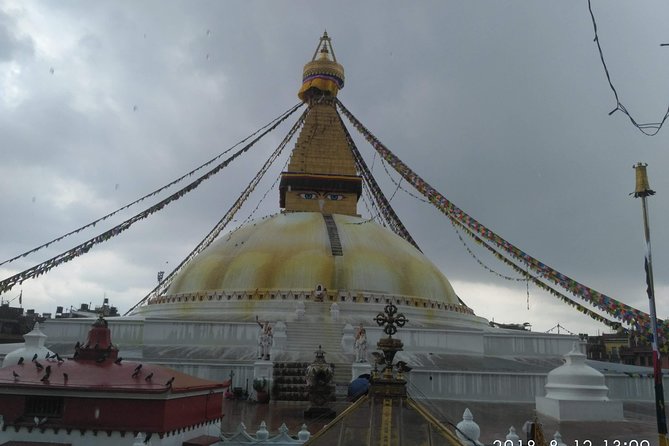
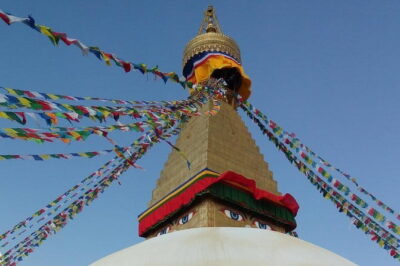
Boudhanath Stupa is the “peace” stop in the route, and it’s scheduled for about 1 hour. The setting is known for calm energy, and it often becomes a favorite moment on a day like this because you shift from bustle and temples-in-action to stillness and wide open sightlines.
This is the part of the tour where you can slow down without feeling like you are falling behind. The guide commentary adds meaning to what you see, but the space itself does a lot of the work, helping you understand why people come here not just to look, but to steady their attention.
Admission tickets are not included at this stop either, so plan to pay any entry requirements separately.
A useful expectation to set: one hour is enough to take in the main stupa focus, but if you enjoy lingering, you might feel a little “time’s up” at the end. Still, the route balances Boudhanath with the earlier, more active stops so you don’t leave Kathmandu only with one mood.
Guide commentary in five languages, plus real human help
The headline feature is guidance with commentary in five languages, and that changes how the monuments land. Without an explanation, you can end up with a checklist of names. With a guide explaining what you are seeing, the same stonework, symbols, and spaces become much easier to understand.
This is also where the human quality of the guides shows up in the experience. Guides named in past service feedback include Sankar and Raju, and the pattern is clear: people appreciated the guides for being attentive, professional, and helpful, with real background on history, culture, and religions.
I also like the way this tour is described as flexible. Several accounts emphasize guides coordinating smoothly, being responsive to needs, and making the day feel cared for rather than rushed. In one story, an organizer named Dhruba was credited with managing arrangements, including airport pickup and drop-off coordination on a related trip.
That flexibility is not just nice, it’s practical. When you are moving between major heritage sites, small issues like timing and meeting points can become stress points. A good guide helps you handle them without derailing the day.
What the $70 price covers, and what to budget extra
At $70 per person, the value is strongest when you look at what’s included. You get an air-conditioned private vehicle, bottled water, and guided commentary during the heritage route. You also get pickup and hotel transfers, which usually costs extra when you try to DIY it.
The parts not included matter for budgeting. Admission tickets and lunch are not included, and the listing also notes all fees and taxes are outside the package. That means your final spending on the day could be higher than the base price once you pay on site.
If you want to keep costs controlled, the easiest move is to plan for separate entry fees at each stop and bring a lunch plan that fits your appetite and energy level. For some people, lunch might be the biggest day-spend add-on after site entries.
Group discounts are mentioned too. If you have 2 to 4 people traveling together, it’s worth asking how the discount applies, because small savings can add up quickly in a city like Kathmandu.
Small-group flow: what a 6 to 7 hour day feels like
This tour is built to fit within a half-day style block, but it still covers a lot. You’ll spend about an hour at Durbar Square, an hour at Swaymbhunath, about two hours at Pashupatinath, and about an hour at Boudhanath. Add transfer time between sites, plus listening time, and that’s how you reach roughly 6 to 7 hours.
This schedule works well if you like structure. You know where you’re going next and you get guidance so you can interpret what you see without slowing to research.
It can feel like a “greatest hits” day if you prefer deep, slow wandering. If that’s your style, you might want fewer stops and more time at the sites. But for first timers or short-holiday travelers, this hits a sweet spot.
A practical bonus: the tour includes bottled water. It sounds tiny, but when you are moving between religious sites, it helps you stay comfortable while you focus on the experience.
Who should book this heritage day tour
This is a strong fit if you have limited time and want a guided route through Kathmandu’s major landmarks. It’s also ideal if you like religion and culture explanations, because the commentary is designed to interpret what you’re seeing.
You’ll likely enjoy it if you want door-to-door convenience with pickup and hotel transfers. This is the kind of day that stays manageable because logistics are handled, so you can spend your energy on observations and questions.
It can be a good option for people who want a group setting but not chaos. With a maximum of 30 travelers, it’s not a huge crowd, and the private vehicle helps keep the day organized.
If you are the type who hates paying separate admission fees, or you want lunch included in one tidy package, you should know up front that this tour does not include those items.
Booking reality check: weather and expectations
The tour is described as weather dependent, so if conditions are poor, it may be canceled and you’d be offered another date or a full refund. That’s normal for Kathmandu, and it’s one reason to keep your schedule flexible if you can.
Confirmation is received at booking, which helps reduce uncertainty. You’ll also get a mobile ticket, and the tour description notes it is near public transportation, which can be useful if your plans change.
One more expectation to set: “most travelers can participate.” That’s broad, but it doesn’t mean it’s effortless. You’ll be moving through temple complexes and between sites, so wear comfortable walking shoes and plan for basic physical activity.
Should you book the Kathmandu Heritage Day Tour?
Yes, you should book it if you want a guided, high-value day that hits the major spiritual and heritage landmarks in Kathmandu Valley without DIY headaches. The standout reasons are the air-conditioned comfort, pickup and transfers, and the fact that your guide provides commentary in five languages so the monuments feel understandable, not just photographed.
I would not book it if you strongly prefer a slower pace, or if you need lunch and admission fees included in the one price. Also, if you have very tight timing and hate the idea of weather affecting the schedule, you may want a backup plan.
If your goal is to get your bearings fast and leave Kathmandu with meaningful context, this tour is a very sensible choice.
FAQ
How long is the Kathmandu Heritage Day Tour?
It runs about 6 to 7 hours (approximately).
What places does the tour visit?
The tour covers Kathmandu Durbar Square, Swaymbhunath, Pashupatinath Temple, and Boudhanath Stupa.
Is pickup included?
Yes, pickup is offered, with hotel transfers included.
Is transportation air-conditioned?
Yes, the tour includes an air-conditioned vehicle.
Is the guide available in multiple languages?
Yes, guide commentary is available in five languages.
Are admission tickets included?
No, admission tickets are not included.
Is lunch included?
No, lunch is not included.
What is included in the price besides the guide?
The tour includes an air-conditioned vehicle and bottled water.
How many people are in the group?
The tour has a maximum of 30 travelers.
What happens if weather is poor?
The tour requires good weather. If it is canceled due to poor weather, you will be offered a different date or a full refund.
Everything Bookable Around Kathmandu

The Rest of Our Kathmandu Write Ups


One More Valley Day
Everything else we have reviewed around Kathmandu
- 12 Days Everest Base Camp Trekking
★ 5.0 · 3 reviews - 1 Night 2 Days Chitwan Jungle Safari Tour from Pokhara or Kathmandu
★ 3.0 · 3 reviews - Thamel Rickshaw tour
★ 4.7 · 3 reviews - Kathmandu: Momo Making Class with a Local Chef
★ 5.0 · 3 reviews - Kathmandu: Full-Day Yoga, Body Massage and Pedicure Package
★ 5.0 · 3 reviews - From Kathmandu / Pokhara / Chitwan: River Rafting – 1 Day
★ 4.6 · 3 reviews
Kathmandu City Tours & Sightseeing worth a second look.
 ★ 5.0Kathmandu Private Sightseeing Tour | UNESCO World Heritage SitesFrom $35109 reviews
 ★ 5.0Private tour of Major highlights of Kathmandu top rated placesFrom $4492 reviews
 ★ 5.0Kathmandu Heritage Tour (Full Day)From $3863 reviews
 ★ 5.0Kathmandu Full Day TourFrom $7054 reviews
 ★ 5.0Life and spirituality tour of KathmanduFrom $5554 reviews
 ★ 5.0Kathmandu Highlights: Private UNESCO World Heritage Sites TourFrom $4950 reviews
 ★ 5.0Full Day Private Tour of Kathmandu – UNESCO World Heritage SitesFrom $3542 reviews
 ★ 5.0Kathmandu Valley City Day TourFrom $6040 reviews
Lists this tour sits in