
REVIEW · ANNAPURNA CIRCUIT TREKS
Annapurna Circuit Trek
Classic Annapurna is harder than it looks. This 12-day plan uses the Besisahar to Manang road to save time, then still delivers the big payoff of the circuit and a summit-style moment at Thorang La (5,416 m). I also like that the schedule is designed as a shorter circuit option, aimed at reducing time on the trail and lowering the overall risk of altitude problems.
My favorite part is how much the trip handles for you. You get real trekking support, including a licensed guide from Kathmandu, tea-house stays with meals, and even core cold-weather gear like a sleeping bag and down jacket, plus daily tea and seasonal fruit. Guides named in traveler stories, like Shanta and Buddhi Tamang, are repeatedly praised for staying organized and keeping things moving smoothly even when plans need adjusting.
The main drawback to plan for is effort. Even in a shorter version, some days run long, including the approach to Thorong Phedi and the early start up to the pass, so you need solid stamina and a calm, steady pace.
In This Review
- Key highlights worth caring about
- A Shorter Annapurna Circuit Plan That Still Reaches Thorang La
- Kathmandu Setup: Two Nights That Let You Start the Trek Ready
- From Besisahar to Chame: The Drive That Sets the Tone
- Manang Valley Days: Forest Steps, Pisang Views, and Acclimatization Done Right
- Yak Kharka to Thorong Phedi: Where Your Legs Learn the Altitude
- Thorang La at 5,416 m, Then Muktinath’s Temple Energy
- Muktinath to Pokhara: The Scenic Reset After the Hard Part
- Value and Costs: What the $975 Covers and What You Must Plan for
- Packing and Pace for a Trek That Still Has Long Days
- Should You Book This Annapurna Circuit Trek?
- FAQ
- Is this a 10-day trek or a 12-day trip?
- What is the highest point on the trek?
- Do I get airport pickup and transport between cities?
- What meals and drinks are included during the trek?
- Is trekking gear provided?
- How does the itinerary handle altitude sickness risk?
- Can I cancel for a full refund?
Key highlights worth caring about
- A shorter circuit format that still reaches Thorang La without the most altitude-risk shortcuts
- Jeep access stops at Chame, which helps protect acclimatization (and your body)
- Tea-house days are built in, with breakfast plus three trek meals and three cups of tea per day
- Manang includes an acclimatization pause, plus optional hiking like Gangapurna Lake
- Gear is provided, so you can travel lighter for a cold, high-altitude week
Longer Circuit loops over Thorong La
A Shorter Annapurna Circuit Plan That Still Reaches Thorang La
The Annapurna Circuit is the classic trekking route of Nepal, and it has a reputation for being both unforgettable and long. Typical versions can stretch to 10 to 17 days, which is great if you want lots of time for acclimatization and slow travel. This itinerary is built as a faster, 10-day style plan, then wrapped into a 12-day overall trip with Kathmandu and Pokhara.
Why the time savings matter is simple. Shorter doesn’t mean easier, but it can mean fewer hours you have to spend in transit and fewer chances to get worn down before the hard part. The route also benefits from the road connection from Besisahar to Manang, which helps get you positioned for the trek sooner.
One thing I really appreciate is the clear stance on shortcuts. Yes, you can use a four-wheel jeep to reach Manang, but the plan does not support going beyond Chame. The reason is practical, not dramatic, altitude sickness risk becomes very high with higher, faster jumps. This is the kind of boundary that protects you, and it also makes the trek feel more coherent, like a real circuit rather than a rushed jump.
Kathmandu Setup: Two Nights That Let You Start the Trek Ready
Day 1 is all about arrival and getting oriented. You land at Tribhuvan International Airport, then you transfer to your Kathmandu hotel. Check in, then join a group briefing led by your team. This matters more than people think, because the group briefing is where you get clarity on what the days will feel like, what to expect from the itinerary, and how to manage the practical stuff.
Your trip includes two nights in Kathmandu with breakfast. That’s a gift of time, because Kathmandu can be chaotic on your first day. You have a cushion to handle basic needs like rest, snacks, and getting your trekking mindset switched on.
If you want the best experience here, treat the briefing like your pre-trek gear check. Ask your guide how they want you to pace the first walking days, and ask what symptoms of altitude issues you should watch for. You are not trying to become a medic. You’re trying to set yourself up to notice problems early.
From Besisahar to Chame: The Drive That Sets the Tone
On Day 2, you drive away from Kathmandu Valley toward Nepal’s mid-west, reaching the Besisahar area in Lamjung. The ride takes you away and beyond the big valley views and into lower, warmer zones, which is useful before the trek starts in earnest. You also get longer time looking out the window at snowcapped mountain views in the distance as the journey unfolds.
Day 3 pushes you higher into the trek’s world. You drive to Chame, the headquarters of the Manang district. The road is unpaved, and that can mean more jostling, but it also means a real sense of being on the route. You’ll pass multi-authentic villages and shift through landscapes as the terrain rises.
This is where the trek’s altitude logic becomes real. The itinerary is designed around that jeep boundary at Chame. After that, walking does the job of gradual acclimatization. It’s not just for tradition, it’s to help your body adapt while you gain elevation in a controlled way.
Manang Valley Days: Forest Steps, Pisang Views, and Acclimatization Done Right
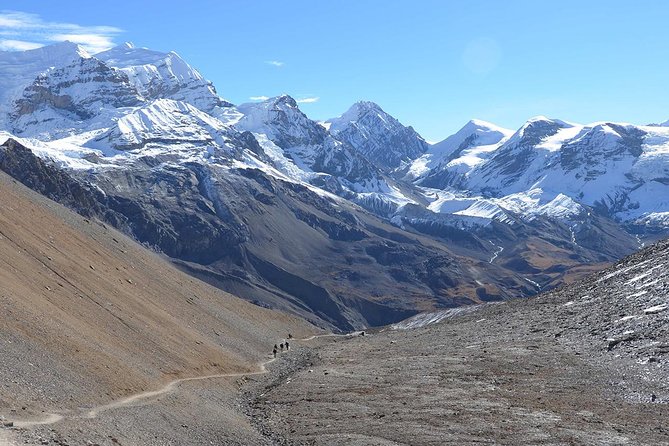
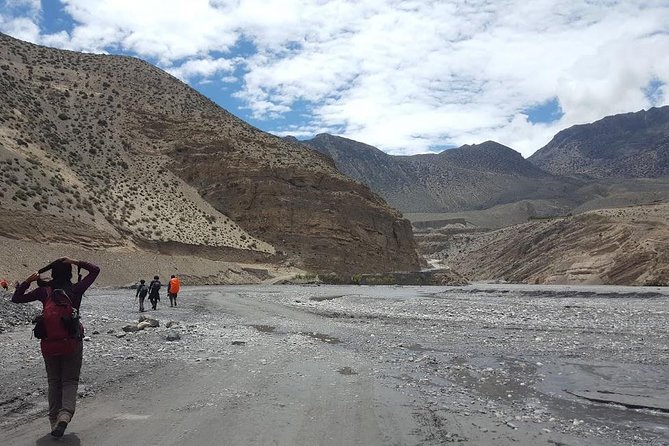
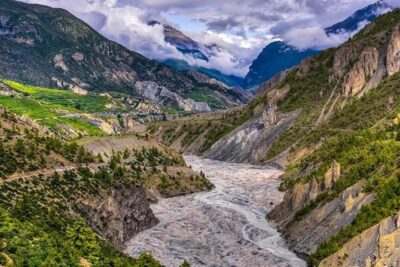
The trek really starts to feel like high Nepal from Day 4 onward. After Chame, you move into the Manang area and begin walking upstream along the Marshyangdi River. The trail heads through alpine forest, then climbs into the pine zone as you work toward Bhratang village. This is one of those days where you get the best of both worlds: river-side walking energy and the early shift into cooler air.
Day 5 brings Pisang village, located within the Manang Valley with big mountain presence. The altitude gain is described as gradual from here, and that’s exactly what you want. You also get dramatic views of Annapurna II and III and Gangapurna while you walk. Even if you don’t memorize every peak name, you’ll feel the difference when the mountains start dominating the horizon.
Then comes Day 6, and this is a key reason to choose a planned itinerary like this. You get a rest day for acclimatization before the big altitude crossing. The optional hike to Gangapurna Lake is strongly recommended, and it makes sense because it gives you movement without forcing a major elevation jump. If you do it, you’ll likely come away with a clearer sense of how your body handles the thin air.
You should treat this day as training for judgment. When you’re tired, it’s tempting to push. But acclimatization days are for building readiness, not hero moments.
Other lodge to lodge routes near Kathmandu
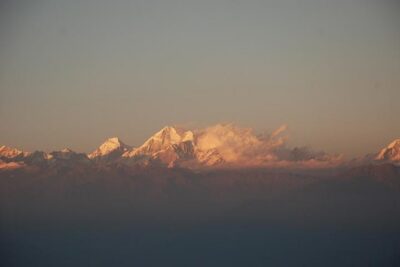
Yak Kharka to Thorong Phedi: Where Your Legs Learn the Altitude
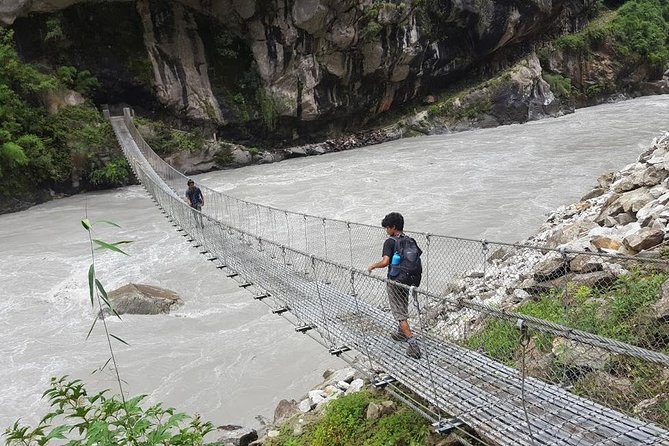
Day 7 walks you up to Yak Kharka. The description calls it an interesting high-altitude route, with mountain views and streams to cross along the way. Yak Kharka is a small settlement, and those kinds of stops are practical because they give you a place to refuel, sleep, and reset before the pass approach.
This is also one of the longer days in the plan, with a day length listed around 14 hours. That doesn’t mean every hour is steep. It does mean you need to be comfortable with long walking time and a steady rhythm.
Day 8 keeps the pressure building. You walk closer to Thorong-la as you progress, crossing a bridge, then climbing along the Jarjung River. You reach Thorung Phedi for a short rest, then climb the last hour up toward the pass area.
If Day 7 feels like building legs, Day 8 feels like building focus. Your goal is not speed. Your goal is to keep your breathing controlled and your energy steady, so you’re not spent when the big climb comes.
Thorang La at 5,416 m, Then Muktinath’s Temple Energy
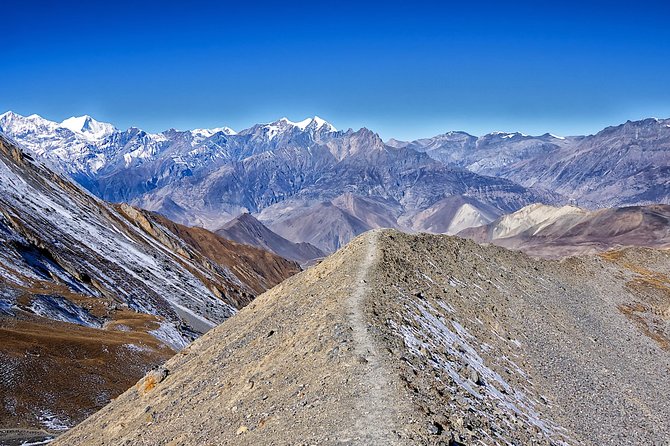
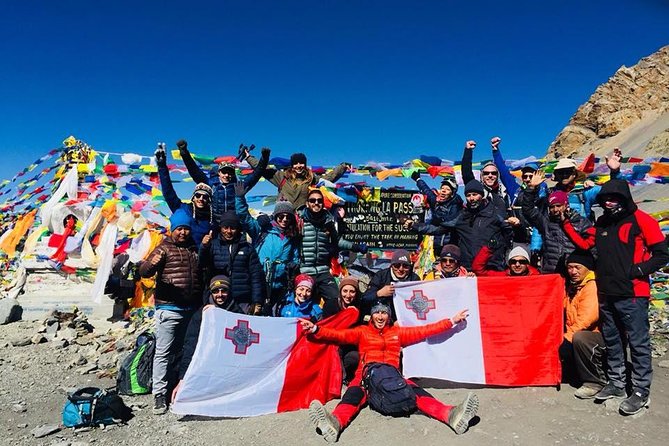
Day 9 starts early, and that early start is part of the strategy for the highest moment in the trek. After breakfast, you climb to Thorang-la at 5,416 m, marked with Buddhist prayer flags. Even in thick clouds or low visibility, the presence of those flags gives the moment context, this is more than a scoreboard altitude. It’s a place with spiritual meaning for local communities.
Once you cross, you head toward Muktinath Temple. Muktinath is a dramatic change of pace from the pass. Instead of focusing on the next step, you’re now processing the whole circuit achievement and shifting back to a more cultural stop.
Day 9 is also listed as a long day, around 14 hours. So even if you feel great at the pass, don’t treat the rest of the day as a victory lap. Save your focus for the descent and arrival.
Muktinath to Pokhara: The Scenic Reset After the Hard Part
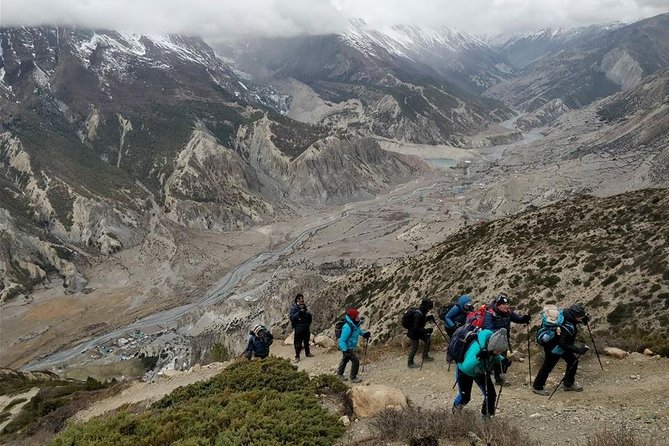
Day 10 is a big logistics win. You drive to Pokhara after Muktinath. The drive is described as challenging but scenic, and then you get the easiest part of the itinerary: exploring Pokhara and soaking in the change of altitude and environment.
This is the moment you’ll feel the trek’s scale. When you’ve been moving at high elevations for days, a drive can feel almost unreal. Use the afternoon to stretch, get warm, and enjoy normal meals without counting elevation gains.
Day 11 continues with overland travel. You drive from Pokhara back to Kathmandu en route to observe farm villages and towns, then reach Kathmandu by afternoon. The idea is to make the transition feel like travel rather than just transit.
Then Day 12 returns you to the airport with a transfer timed to your international flight. It’s a clean, straightforward close.
Value and Costs: What the $975 Covers and What You Must Plan for
At $975 per person, this trek package is trying to cover the big, expensive parts that often get underestimated when you plan on your own. Here’s what you do get:
- Ground transportation, including airport pick up and drop off, plus bus and jeep drives
- Hotels with breakfast in Kathmandu (two nights) and Pokhara (one night)
- Meals during the trek, described as three times a day (break, lunch, dinner)
- Tea-house basis with twin sharing beds
- Annapurna Conservation Area Conservation Permit
- A government licensed guide from Kathmandu
- Trekking essentials, including a sleeping bag, down jacket, and duffle bag
- Three cups of tea per day plus seasonal fruits during the trek
That last point is quietly valuable. Buying or renting the right cold-weather items for a high-altitude crossing can cost real money and also adds stress. If you’re traveling from abroad, gear included can cut both cost and packing effort.
What is not included is also clear, and you should budget for it. You’ll need travel insurance, and you should expect to pay for add-ons like mineral water, beer, coke, laundry, and dessert. Tips for the trekking crews are also not included, and in this part of Nepal, tips are part of how trekking staff earn a meaningful living.
My practical advice on value: you’re paying for planning and logistics as much as you’re paying for the mountain view. If you want to focus your energy on walking and acclimatization, not on renting gear or arranging permits, this style of package makes financial sense.
Packing and Pace for a Trek That Still Has Long Days
This itinerary is described as good for travelers with moderate physical fitness and as a shorter version that helps reduce altitude sickness risk. Still, the day lengths listed are long on multiple days, with several around 12 to 14 hours. Plan your body like you plan your schedule, you will need steady energy and a calm pace.
The package includes a sleeping bag and a down jacket, so you can travel lighter and avoid some cold-weather rental chaos. But you should still bring the day-to-day basics you’ll use constantly, especially since the trip does not include everything you might want to buy along the way. Mineral water is not included, and drinks and snacks like beer and soft drinks are also not included, so keep some cash aside.
One small tip that shows up in traveler stories is simple: bring sunscreen. High altitude sun can be sneaky, and snowcap views do not mean mild UV.
If you’re deciding between going too fast and going smart, choose smart. The trek’s design gives you a rest day in Manang, a staged route through Yak Kharka, and a pass approach that starts early. That structure rewards patience. It also makes the experience feel safer, not because altitude is easy, but because the plan respects how bodies adapt.
Should You Book This Annapurna Circuit Trek?
Book it if you want the classic Annapurna experience with a shorter, more structured approach. This trek is built for travelers who want to reach Thorang La and Muktinath without committing to a long, open-ended timeframe. You’ll like the built-in acclimatization day in Manang, the tea-house meals, and the fact that cold-weather gear is included.
I’d skip or rethink it if you know you struggle with long walking days. Even with fewer trekking days than many circuits, the itinerary still includes long days around 13 to 14 hours, and the pass day starts early. Also, if you’re very altitude-sensitive, you’ll want to talk with a medical professional before committing, because the pass is still at 5,416 m.
If you want an organized trek where the route makes sense and the logistics are handled, this package is a solid match. You’ll spend less time worrying and more time paying attention to the trail, the villages, and the moment when the prayer flags appear against the sky.
FAQ
Is this a 10-day trek or a 12-day trip?
The itinerary is described as a shorter 10-day Annapurna Circuit trek, and the overall trip duration is listed as about 12 days, which includes time in Kathmandu and Pokhara plus travel days.
What is the highest point on the trek?
Thorang-la is the highest point, at 5,416 m. It is reached early on the day assigned for the pass and then you continue onward toward Muktinath Temple.
Do I get airport pickup and transport between cities?
Yes. The package includes airport pick up and drop off, plus all ground transportation, including the drive from Kathmandu to the trek area and the drive between Muktinath and Pokhara and back to Kathmandu.
What meals and drinks are included during the trek?
The trek includes three meals per day (break, lunch, dinner) at the tea houses, plus three cups of tea per day. Seasonal fruits are also included during the trek.
Is trekking gear provided?
Yes. The package includes trekking gears such as a sleeping bag, a down jacket, and a duffle bag.
How does the itinerary handle altitude sickness risk?
The plan uses a shorter itinerary designed to reduce time pressure, includes a rest day for acclimatization in Manang, and does not take a jeep beyond Chame to Manang due to high altitude sickness risk.
Can I cancel for a full refund?
Yes. There is free cancellation, and you can cancel up to 24 hours in advance for a full refund. Weather-related cancellations can also result in a different date or a full refund.
Lodge to Lodge Around Kathmandu
The Rest of Our Kathmandu Write Ups

The Circuit, Other Itineraries
Everything else we have reviewed around Kathmandu
- 12 Days Everest Base Camp Trekking
★ 5.0 · 3 reviews - 1 Night 2 Days Chitwan Jungle Safari Tour from Pokhara or Kathmandu
★ 3.0 · 3 reviews - Thamel Rickshaw tour
★ 4.7 · 3 reviews - Kathmandu: Momo Making Class with a Local Chef
★ 5.0 · 3 reviews - Kathmandu: Full-Day Yoga, Body Massage and Pedicure Package
★ 5.0 · 3 reviews - From Kathmandu / Pokhara / Chitwan: River Rafting – 1 Day
★ 4.6 · 3 reviews
Annapurna Circuit Treks worth a second look.
 ★ 5.0Annapurna Circuit Trek with Tilicho LakeFrom $1,093368 reviews
 ★ 5.0Annapurna Circuit TrekFrom $1,17594 reviews
★ 5.0Annapurna Circuit TrekFrom $1,15035 reviews
★ 5.0Annapurna Circuit TrekFrom $1,17594 reviews
★ 5.0Annapurna Circuit TrekFrom $1,15035 reviews
 ★ 5.0Annapurna Circuit with Tilicho Lake TrekFrom $1,09325 reviews
 ★ 5.010-Day Adventurous Annapurna Circuit TrekFrom $46725 reviews
 ★ 5.015-Day Private Annapurna Circuit Trek from KathmanduFrom $99518 reviews
 ★ 5.09-Day Annapurna Circuit Trek via Thorong La Pass17 reviews
 ★ 5.0Annapurna Circuit Trek with Tilicho Lake (16 Days)From $1,80015 reviews
Lists this tour sits in