
REVIEW · ANNAPURNA CIRCUIT TREKS
Kathmandu: 9-Day Annapurna Circuit Trek via Thorong La Pass
Thorong La is the moment you remember. This 9-day trek mixes high-altitude effort with classic Annapurna views, and I really like how it builds you up gradually with acclimatization stops before the big crossing at Thorong La Pass. You also get satisfying variety, from pine and oak forests to Tibetan-style villages, plus a proper taste of local hospitality along the way.
Two things I’d put at the top of your checklist are the long, steady mountain days that make the scenery feel earned, and the human side of the trail, especially around Upper Pisang where you can actually slow down and talk to people. One consideration: this is high and cold. Even when the trek is well managed, you still need a serious cold-weather setup, because nighttime in the mountains can bite.
In This Review
- Key points that make this trek worth it
- What makes this Annapurna Circuit, via Thorong La, a standout trek
- Getting from Kathmandu to the trail: Besishar and Dharapani as your warm-up
- Dharapani to Chame: forests, Bhote villages, and your first true trekking cadence
- Chame to Upper Pisang: the climb that rewards you with big views
- Upper Pisang to Manang: Tilicho area views and the start of real acclimatization thinking
- Manang acclimatization day at about 4,050 m: breathing room that you’ll thank yourself for
- Manang to Yak Kharka: a shorter day that sets you up for Thorong Phedi
- Yak Kharka to Thorong Phedi: rocky ground, bridges, and building mental focus
- Thorong La Pass early crossing and the descent to Muktinath
- Finishing in Pokhara with comfort, plus a real Nepali dinner
- Cold, altitude, weather windows, and what you should pack
- Tea houses, meals, and how to keep energy steady
- Guides and pacing: why good leadership matters on a pass trek
- Who should do this trek, and who should skip it
- Should you book this Thorong La Pass trek, or look elsewhere?
- FAQ
- What is the highest point on this trek?
- How long is the trek from Kathmandu to the mountain and back?
- What kind of lodging do you get during the trek?
- What’s included for guides and permits?
- Are meals included?
- Is the Tatopani hot springs stop included?
Key points that make this trek worth it
- Thorong La Pass at 5,416m, crossed early in the morning to beat wind and make the day safer and smoother
- Upper Pisang village time, including standout mountain views and real culture at a manageable pace
- Manang acclimatization, with an optional hike that helps your body adjust before higher elevations
- Teahouse trekking rhythm, where rest, food, and hydration matter as much as your trekking legs
- Muktinath Temple visit, a major pilgrimage stop for Hindus and Buddhists with a spiritual atmosphere
Longer Circuit loops over Thorong La
What makes this Annapurna Circuit, via Thorong La, a standout trek
This trek is about contrast, and that’s what keeps you engaged day after day. One day you’re walking through greener valleys and terraced fields, the next you’re moving above the tree line with crisp air and sharp views of Annapurna peaks, Dhaulagiri, and Machapuchare. The route doesn’t just throw big scenery at you. It also gives you enough time to react to it, and that changes how the trek feels.
I also like the way the program treats the high point as a process, not a jump. The acclimatization day in Manang, plus a shorter “breather” trek before Thorong Phedi, makes a real difference for comfort. When you reach the pass day, you’re more ready than you would be if everything were pushed forward.
Finally, there’s the spiritual payoff. Muktinath is not just a photo stop. You arrive after a tough day, then step into a pilgrimage place that gives the whole trek a different emotional flavor.
Getting from Kathmandu to the trail: Besishar and Dharapani as your warm-up
Day 1 is all about easing in. You’ll be picked up early from your hotel area in Kathmandu, then head to Besisahar by bus. After that, you switch to a shared jeep to Dharapani. It’s a long ride, about 175 km total, but it’s scenic and it sets expectations: this is a countryside-to-mountains journey.
What I like about this kind of start is that it avoids the common trap of landing in Nepal and immediately sprinting into altitude. You get rolling valleys, terraced fields, villages, and distant peaks on the horizon. Then you sleep in a cozy teahouse, so day two feels like the real beginning.
A practical note: travel days can make you tired in a sneaky way. Hydrate during the drive, keep your layers accessible, and don’t plan to “crush” anything on day two. Treat the first trek morning like it’s training, not a test.
Dharapani to Chame: forests, Bhote villages, and your first true trekking cadence
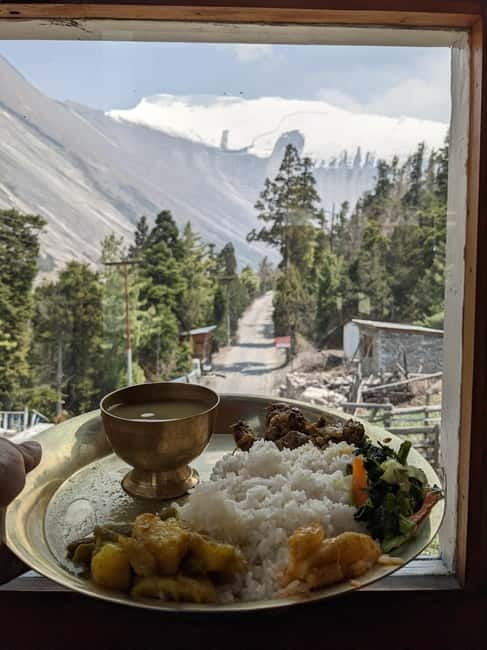
Day 2 is your first walking day, around 6 hours for roughly 13 km, climbing to about 2,670 m. You start from Dharapani and move through Bhote villages, then into pine and oak forest. You’ll also cross open fields where streams and mountain views keep breaking up the rhythm.
This is the part where your body learns the pace. In these first hours, you’re not just walking uphill. You’re dialing in your breathing and figuring out how often you need short breaks. If you’re tempted to go fast early, this day gently teaches you otherwise.
Then you reach Chame, where the vibe shifts into classic tea house trekking mode. Expect basic lodging, simple meals, and the kind of downtime that helps your legs recover for the next elevation jump.
Chame to Upper Pisang: the climb that rewards you with big views
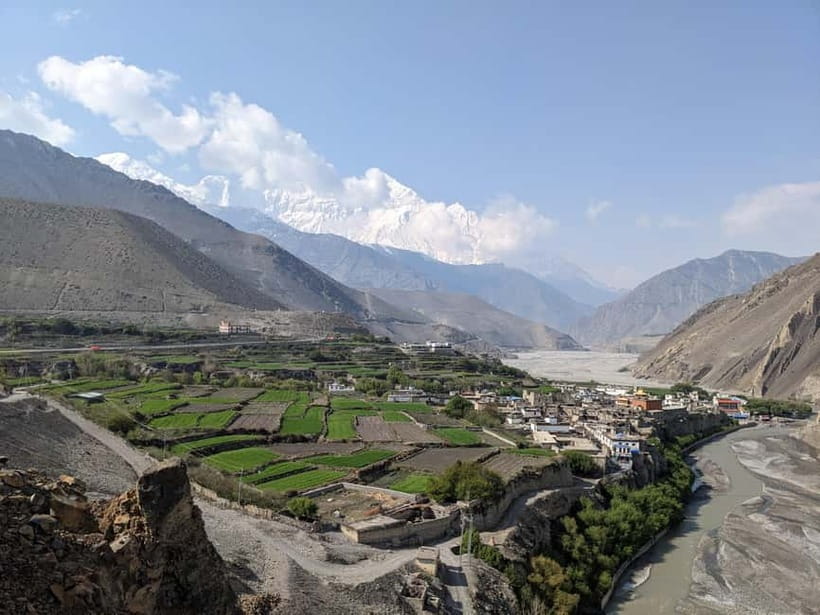
Day 3 takes you toward Upper Pisang, about 5 to 6 hours and around 15 km, up to roughly 3,200 m. The route goes through Bhratang Valley, and you’ll notice the scenery starting to feel more Himalayan as the air tightens.
Upper Pisang is a highlight for a reason. You’re at a village point where you can slow down and actually look around. The views over surrounding peaks, plus the chance to explore the village and meet locals, make this more than just a stop for lunch and beds. It’s where the cultural side shows up clearly, especially when tea house life feels more like community than just a business transaction.
The one thing to keep in mind: by now, your days are longer and the climbs are steady. Enjoy the views, but keep your pace controlled. Saving energy pays off later, especially when Thorong La starts calling.
Other lodge to lodge routes near Pokhara
Upper Pisang to Manang: Tilicho area views and the start of real acclimatization thinking
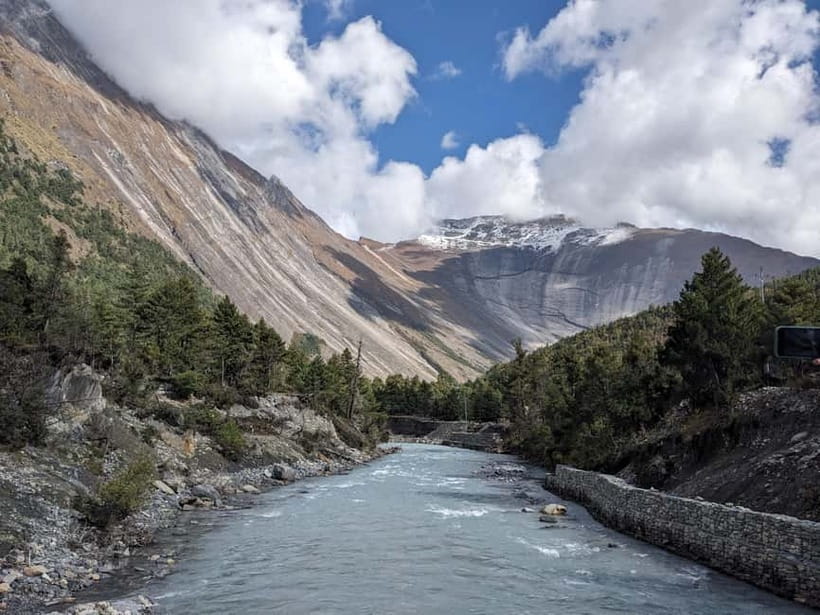
Day 4 walks you to Manang, around 5 to 6 hours and roughly 16 km, reaching about 3,540 m. You continue through forests and valleys, then you start getting those moment-of-awe views of major peaks in the Annapurna region, including Tilicho Peak, Annapurna III, and Annapurna IV.
Arriving in Manang changes the feel of the trek. This is still trekking, but it’s also your adjustment hub. The elevation is higher and your breathing feels different. You’re not just traveling. You’re preparing.
Manang acclimatization day at about 4,050 m: breathing room that you’ll thank yourself for
Day 5 is the big body-saver. It’s a rest and acclimatization day at around 4,050 m. You get the chance to pause, eat well, and let your body catch up.
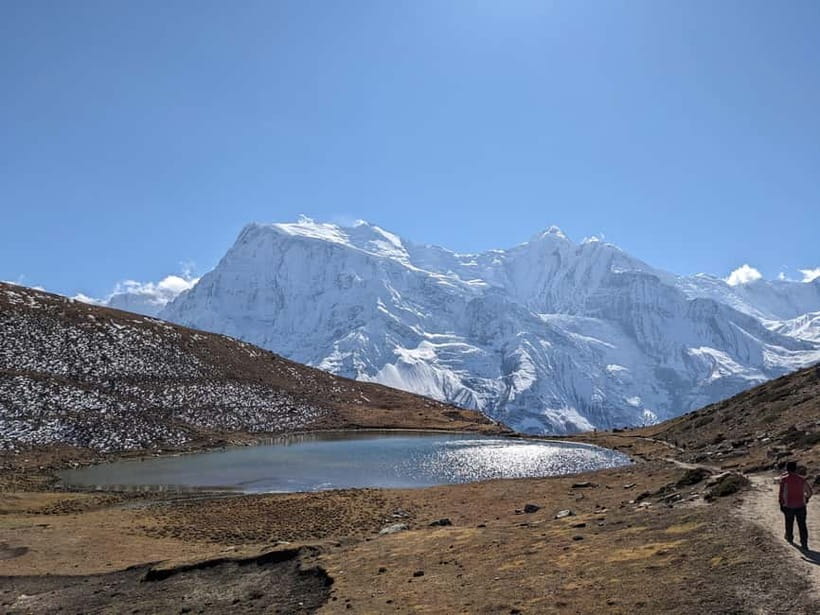
There’s also an optional hike if you feel good, including an outing toward Gangapurna Glacier Lake or nearby icefalls for views. I like days like this because they give you options. If you want movement, you have it. If you want to take it slow, the day still feels useful.
What you should do practically: drink water consistently, avoid alcohol, and pay attention to how you feel. If you feel off, treat it as information, not a challenge. Pushing past warning signs is how people ruin an otherwise well-planned trek.
Manang to Yak Kharka: a shorter day that sets you up for Thorong Phedi
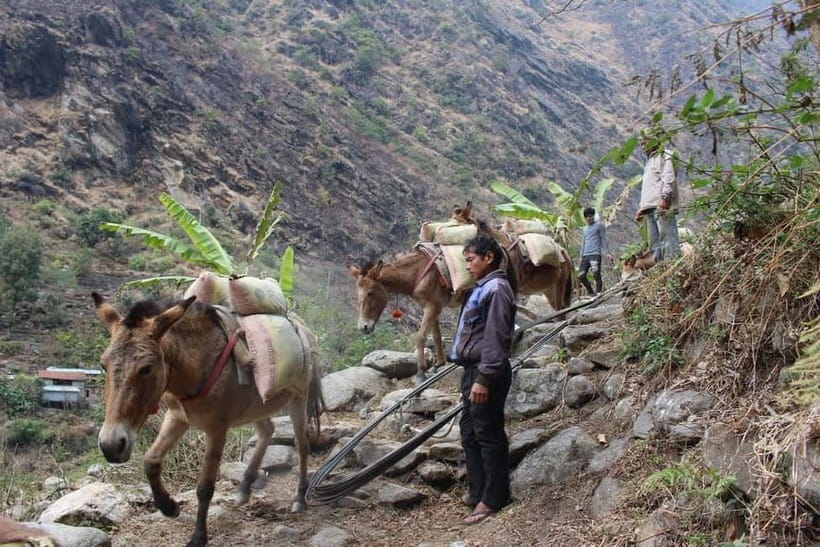
Day 6 is intentionally shorter, around 4 hours for about 7 km, reaching roughly 4,050 m again. You walk through alpine pastures with sweeping mountain views, and the air feels crisp and thin.
This day is valuable because it helps you transition from the acclimatization base into the pass approach. Your legs get work without forcing a massive altitude grind. You arrive in Yak Kharka and unwind at a teahouse, giving yourself a full evening to settle in.
If you want the pass day to feel more manageable, you handle this day well. That means slower starts, steady pacing, and not overloading your pack. Your comfort tomorrow starts with today.
Yak Kharka to Thorong Phedi: rocky ground, bridges, and building mental focus
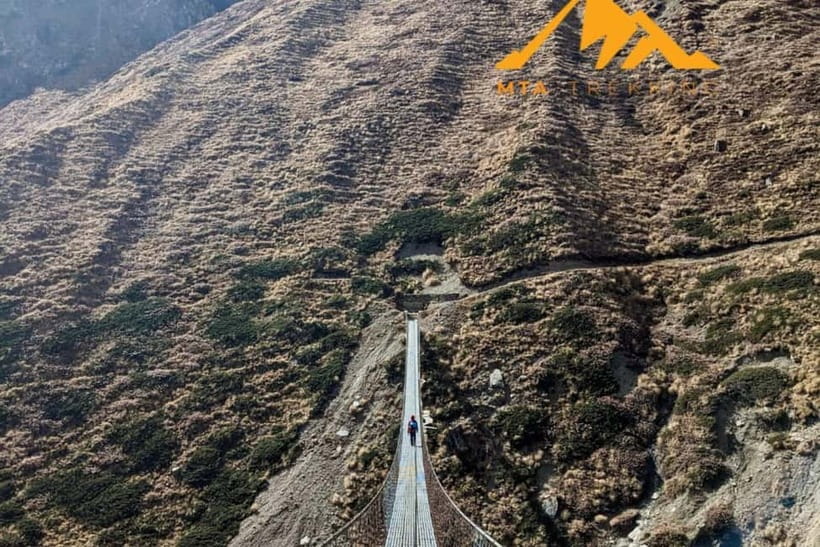
Day 7 climbs to Thorong Phedi, about 4 to 5 hours and roughly 6 km, reaching around 4,450 m. This is a “getting serious” day. Expect rocky paths and suspension bridges that can feel a bit exposed.
I like this segment because it has a sense of momentum. You can feel the pass approach without immediately crushing yourself. The key is to take it slow, keep moving steadily, and settle into the teahouse early enough to rest.
This is also where mental focus matters. Thorong La is not just physical. You’re dealing with steep sections, thinner air, and early timing the next morning. A good night of sleep is the best prep you can do.
Thorong La Pass early crossing and the descent to Muktinath
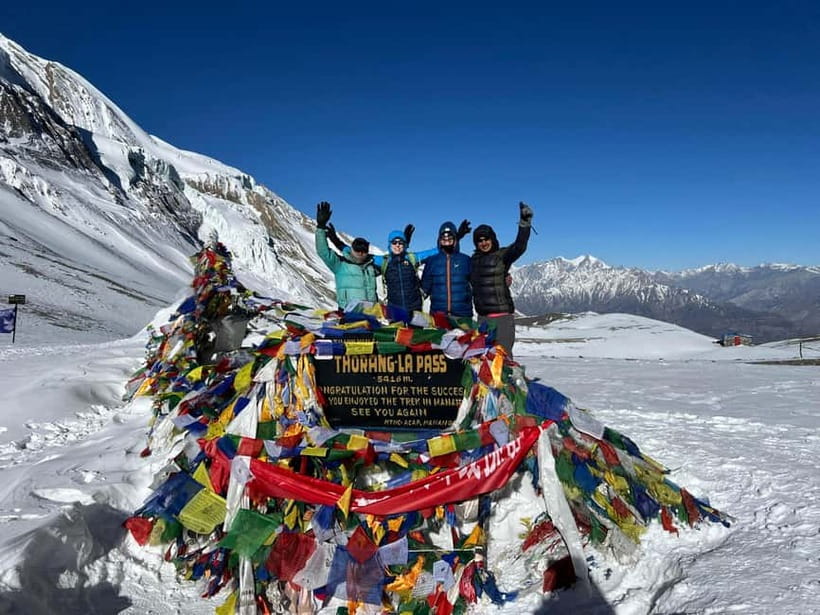
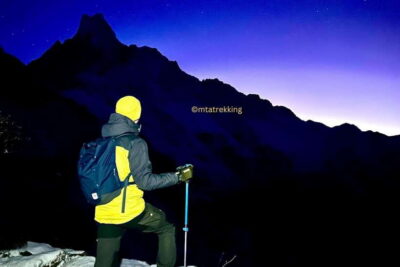
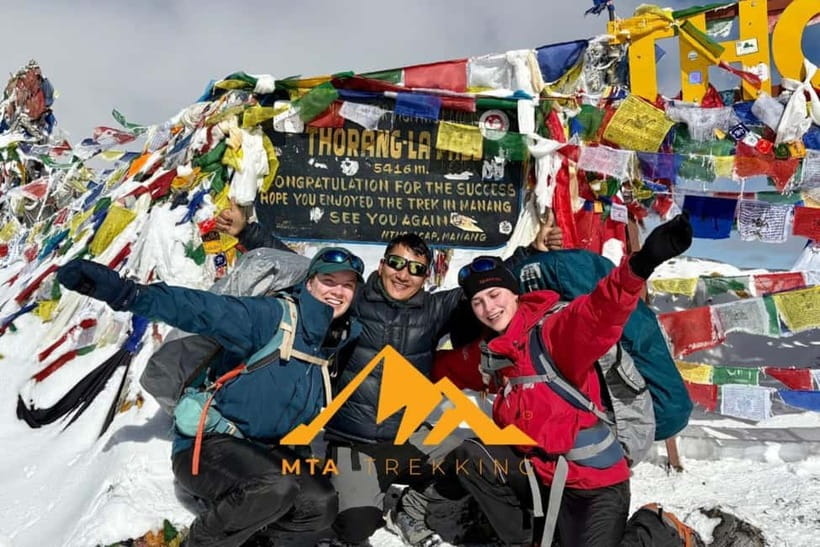
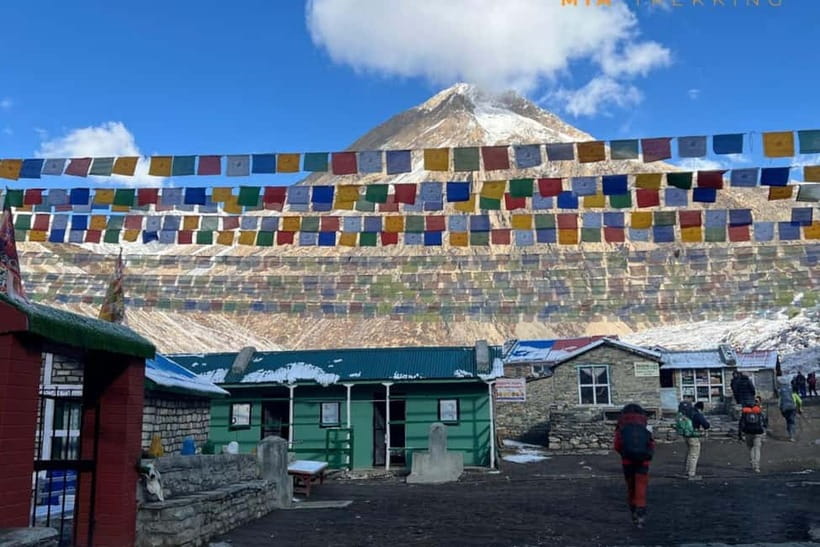
Day 8 is the headline: a 7 to 8 hour trek that includes crossing Thorong La Pass at 5,416 m. You start very early, around 4:00 AM, because conditions can turn windy later. Going up is exhausting, and coming down can feel longer than you expect, partly because your legs work hard to control your steps.
When it clicks, the reward is huge. You’ll see wide Himalayan panoramas, and prayer flags often appear like a visual marker that you’re near the top. The pass crossing is the kind of achievement that feels personal, not just scenic.
After you clear the pass, you descend steadily to Muktinath, arriving around noon to 1 PM where you can stop, eat lunch, and overnight. This is a smart end-of-day structure. You don’t have to scramble for energy. You recover.
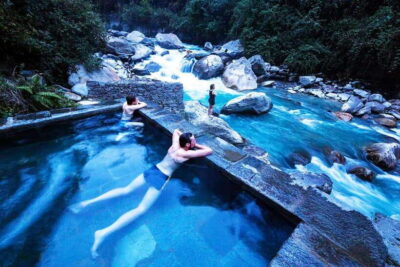
There’s also an optional add-on: Tatopani hot springs. If you do it, note the taxi cost is not included, about USD 50, paid by participants. After a pass day, hot springs can feel like a reset button for sore muscles, as long as weather and timing let you manage the detour.
Finishing in Pokhara with comfort, plus a real Nepali dinner
Day 9 is travel out. You head by bus to Pokhara, around 5 to 6 hours and about 110 km. This day is about decompressing, getting warm, and letting your body reset after high altitude trekking.
You also get a full tourist-standard luxury night in Pokhara at Hotel Orchid. That matters more than it sounds. After days in basic teahouses, a proper comfortable room helps your body recover in a way a quick shower alone can’t match.
And you’ll have a farewell dinner with traditional Nepali cuisine in Lakeside, Pokhara. It’s a good moment to wrap the trek with something local, not just another restaurant stop.
Cold, altitude, weather windows, and what you should pack
This trek reaches 5,416 m, and your real challenge is the combination of altitude plus cold. Even when you take the acclimatization day seriously, you still need to prepare for night temperatures and early mornings.
Best time for clear views is spring (March to May) and autumn (September to November). Autumn usually brings the best visibility and mild temperatures. Spring can be warmer, and you may find blooming scenery in the lower valleys.
Avoid monsoon season (June to August) because heavy rain can mean slippery trails. Winter (December to February) can bring cold, snow, and possible trail closures, so conditions are less predictable.
What to bring, based on the essentials for this trek:
- Comfortable shoes with good grip
- Sunglasses and sun hat
- Sunscreen
- Comfortable layered clothing and quick-dry items
- Passport or ID card (a copy is accepted)
- A proper cold-weather sleeping bag, because teahouse nights can be really chilly
Also, know what’s not allowed: alcohol and drugs.
Tea houses, meals, and how to keep energy steady
Tea houses are basic but functional, and you should expect simple meals and straightforward lodging during the trek. The food is typically tasty, but it can feel repetitive across days. That’s normal in trekking areas where supply chains are limited and menus stay similar.
Your strategy should be practical:
- Eat on schedule, not only when you feel hungry
- Choose warm meals and soups for comfort
- Hydrate consistently, especially around higher elevations
- Keep an eye on how your stomach feels as altitude rises
Also plan around limited hotel comforts. You may find battery recharge or showers available in some places, but those come with personal costs. The more you can keep your routine simple, the more you enjoy the day.
Guides and pacing: why good leadership matters on a pass trek
The biggest reason people feel confident on this trek is the guidance and group support. This is a private group, and you’ll travel with an authorized English-speaking trekking guide, with Hindi also supported by the operation. You’ll also get a briefing the day before your trek, and on trek mornings the guide picks you up early from the hotel area in Thamel or nearby.
What I appreciate is the emphasis on safety, pace control, and acclimatization. In particular, guides like Parkash, Sishir, Ramit, Ghanshyam, and Chakra are described as supportive and careful about checking in, hydration, and making sure acclimatization actually happens. I take that as a sign that the program isn’t only about ticking off milestones. It’s about getting you through safely and comfortably.
Porters aren’t required for everyone, but they’re available at an additional cost. Also, luggage storage is included, which helps you travel lighter during certain transport segments.
If you’re doing Thorong La for the first time, this kind of organization makes a big difference. On a pass trek, your day is shaped by small choices: pacing, rest timing, water discipline, and responding to how you feel.
Who should do this trek, and who should skip it
This is best for adults with good fitness and prior trekking experience. You’re dealing with long walking days and altitude up to 5,416 m. If you’re new to trekking, you’ll still have options like the acclimatization day and shorter segments, but you need to bring patience.
This trek is not suitable for:
- Children under 7
- Pregnant women
- People who already have altitude sickness
- People with high blood pressure
If you have health concerns, talk to a medical professional before committing. Altitude changes the rules for the body.
Should you book this Thorong La Pass trek, or look elsewhere?
Book it if you want a classic Annapurna Circuit experience with the real prize, Thorong La Pass, and you’re willing to work for it over multiple days. The combination of a structured acclimatization day in Manang, a shorter transition day to Yak Kharka, and an early pass start creates a trek that feels challenging but not chaotic.
Consider looking at another option if cold conditions scare you, you’re sensitive to high altitude, or you want a more relaxed, shorter route. Thorong La is tough, and even strong walkers can feel wiped out.
If you do book, your best move is simple: plan for cold nights, keep your pace controlled, and treat the acclimatization day as part of the success plan, not an extra day you can skip.
FAQ
What is the highest point on this trek?
The highest point is Thorong La Pass at 5,416 meters above sea level.
How long is the trek from Kathmandu to the mountain and back?
The total experience is 9 days, including travel between Kathmandu, the trekking route, and Pokhara.
What kind of lodging do you get during the trek?
You stay in tea house or lodge accommodation for 8 nights during the trek, plus 1 night at a tourist-standard luxury hotel in Pokhara (Hotel Orchid).
What’s included for guides and permits?
You get an authorized English-speaking trekking guide, and all required trekking permits, paperwork, TIMS fees, and applicable government taxes are included. Guide services also include full insurance coverage.
Are meals included?
Meals are included for Full Package bookings during the trek, meaning breakfast, lunch, and dinner are provided. Soft and hard drinks are not included.
Is the Tatopani hot springs stop included?
Tatopani hot springs are optional. A taxi cost of about USD 50 is payable by participants, and it is not included in the package.
Lodge to Lodge Around Pokhara
The Rest of Our Pokhara Write Ups
The Circuit, Other Itineraries
Everything else we have reviewed around Pokhara
- Pokhara: Cable Car Tour – Bird Eye View of Mountain & Lake
★ 4.4 · 3 reviews - Jomsom Muktinath Tour by 4WD SUV 2 Days
★ 5.0 · 3 reviews - Ghorepani Poonhill Private Trek – 2 nights / 3 days
★ 4.5 · 3 reviews - Pokhara: 30-Minute Paragliding Adventure with pick up/drop off
★ 4.5 · 3 reviews - Pokhara: 7-Day Annapurna Base Camp Trek via Ghandruk
★ 4.3 · 3 reviews - Pokhara Group Joining Sarangkot Sunrise Himalayas Tour
★ 5.0 · 3 reviews
Annapurna Circuit Treks worth a second look.
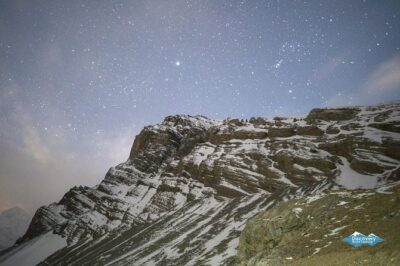 ★ 5.0Annapurna Circuit Trek with Tilicho LakeFrom $1,093368 reviews
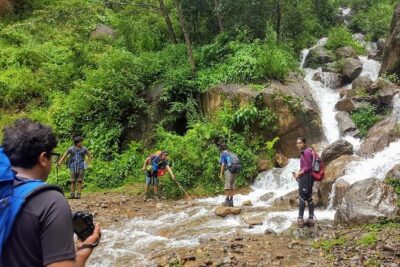 ★ 5.0Annapurna Circuit TrekFrom $1,17594 reviews
★ 5.0Annapurna Circuit TrekFrom $1,15035 reviews
★ 5.0Annapurna Circuit TrekFrom $97534 reviews
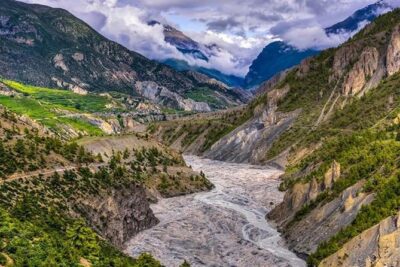 ★ 5.0Annapurna Circuit with Tilicho Lake TrekFrom $1,09325 reviews
 ★ 5.010-Day Adventurous Annapurna Circuit TrekFrom $46725 reviews
 ★ 5.015-Day Private Annapurna Circuit Trek from KathmanduFrom $99518 reviews
 ★ 5.0Annapurna Circuit Trek with Tilicho Lake (16 Days)From $1,80015 reviews
Lists this tour sits in