
REVIEW · MARDI HIMAL TREKS
Pokhara: 4-Day Mardi Himal Trek
Mardi Himal delivers big views in a short time. This trek in Nepal’s Annapurna region blends forest walking, village life, and that classic sunrise moment over Machhapuchhre (Fishtail) and the Annapurna range. I like that it feels like an outdoor adventure you can actually finish, even if you are a first-timer.
I also like the practical structure, with a licensed guide, permits handled, and gear support so you can focus on the trail. The one drawback to consider is that conditions matter a lot at higher elevations, and winter or monsoon weather can make the route beyond the viewpoint unsafe or not worth attempting.
In This Review
- Key things that make this trek click
- Mardi Himal, Machhapuchhre, and the Sunrise You Plan Your Whole Morning For
- How Hard Is This Trek, Really, for You?
- Pokhara to Forest Camp: From Lakeside Comfort to Forest Quiet
- Forest Camp to High Camp: Jungle Steps and Wildlife Chances at 3,550m
- Sunrise Hike to the Viewpoint Around 4,200m: Your Big Annapurna Moment
- Should You Go Further to Mardi Himal Base Camp Around 4,500m?
- Coming Down: High Camp Back to Forest Camp, Then Toward Kalimati
- Tea Houses, Rooms, and the Practical Reality of High Altitude Comfort
- Guides and Gear: The Value You Feel When Things Get Real
- Price and Value for $139: What You Pay For, What You Should Budget Extra
- When to Go: Spring and Autumn Make This Trek Easier to Enjoy
- What to Bring (and What to Skip Thinking About)
- Who This Trek Suits Best (and Who Should Rethink It)
- Should You Book This 4-Day Mardi Himal Trek?
- FAQ
- Where does the Mardi Himal trek start from?
- How high do you go on this trek?
- Is this trek suitable for beginners?
- What kind of scenery will you see each day?
- Do you include meals in the price?
- Are permits included?
- What gear is provided?
- Is there an extra cost for a porter?
- When is the best time to do this trek?
Key things that make this trek click
- Sunrise from 4,200m: early morning hike to a viewpoint with major Annapurna views
- Forest-to-alpine rhythm: rhododendron forests, terraced fields, and camps at changing altitudes
- Teahouse stays that feel welcoming: cozy rooms and warm meals at standard camps
- A guided pace that protects your altitude: guides watch comfort and progress at higher elevations
- Optional extra altitude push: you may continue toward base camp if weather allows
Still on the Mardi ridge? A few more
Mardi Himal, Machhapuchhre, and the Sunrise You Plan Your Whole Morning For
Mardi Himal is one of those treks where the payoff is hard to miss once you are up high enough. You are not chasing a technical climb, but you are working toward big views, and the trail keeps rewarding you as you gain height.
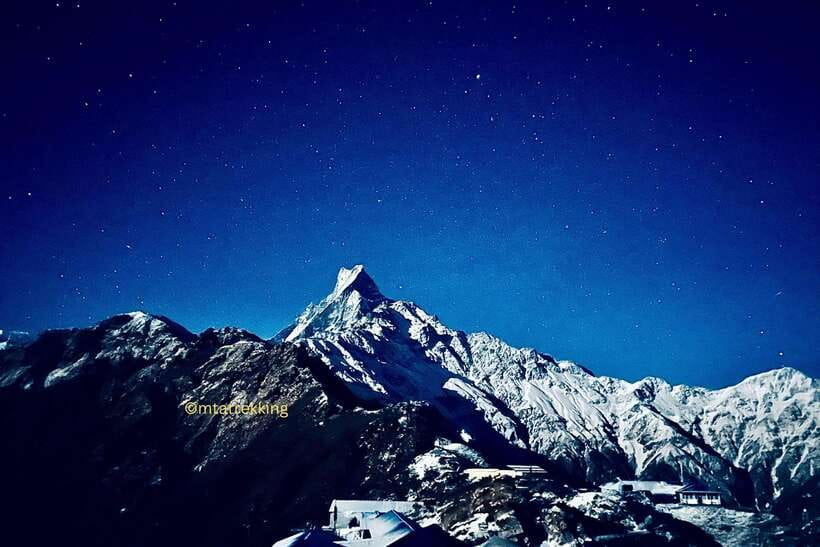
The headline is the sunrise. You hike out very early for the viewpoint around 4,200m, and the goal is clear: see the light hit Machhapuchhre and the Annapurna skyline. When weather is cooperative, this is the kind of moment that makes all the step-counting feel fair.
How Hard Is This Trek, Really, for You?
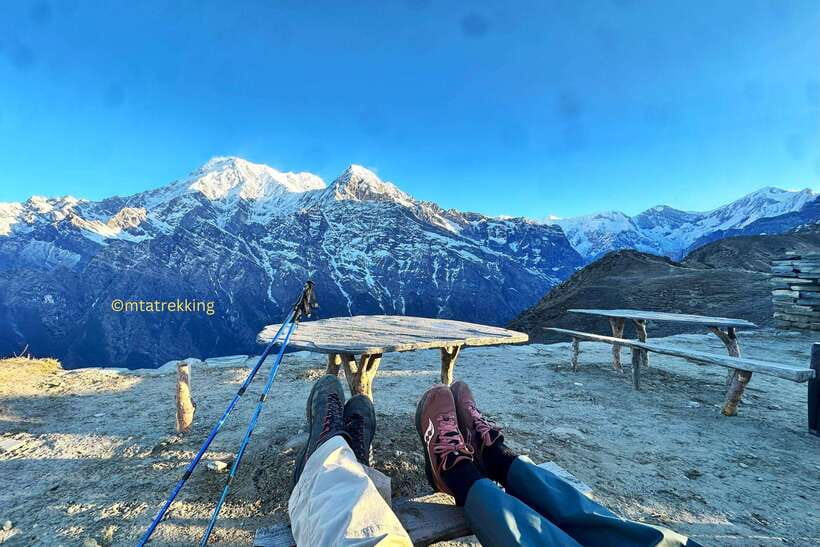
This is described as a moderate trek, including for beginners who want a real mountain experience. Translation: it is not a rock-climb, but it does involve steady uphill walking and lots of stair-like sections, especially as you go higher.
For most people, the harder part is endurance, not technical difficulty. On a 4-day schedule, you are also walking enough each day that you should be ready for an early start mindset. If you are the type who enjoys slow and steady, you will likely appreciate the slower pacing and the fact that tea houses break the hike into manageable chunks.
Pokhara to Forest Camp: From Lakeside Comfort to Forest Quiet
You start in Pokhara and head toward Kande by road. The drive is about 1.5 hours and gives you an easy warm-up, passing through scenic hills, terraced fields, and the Seti River area before the hike begins.
From Kande, you switch into trail mode with about 5 hours of hiking up to Forest Camp (around 2,600m). This part is all about transition. You go from cultivated slopes and village areas into dense forests, where you are more likely to spot wildlife like birds and butterflies. You may even catch Himalayan thar in the broader region if conditions align, though wildlife sightings are never guaranteed.
A practical note: you stop for midday tea, and these breaks matter. They give you a chance to recover your breath and reset your pace before the afternoon effort.
Forest Camp to High Camp: Jungle Steps and Wildlife Chances at 3,550m
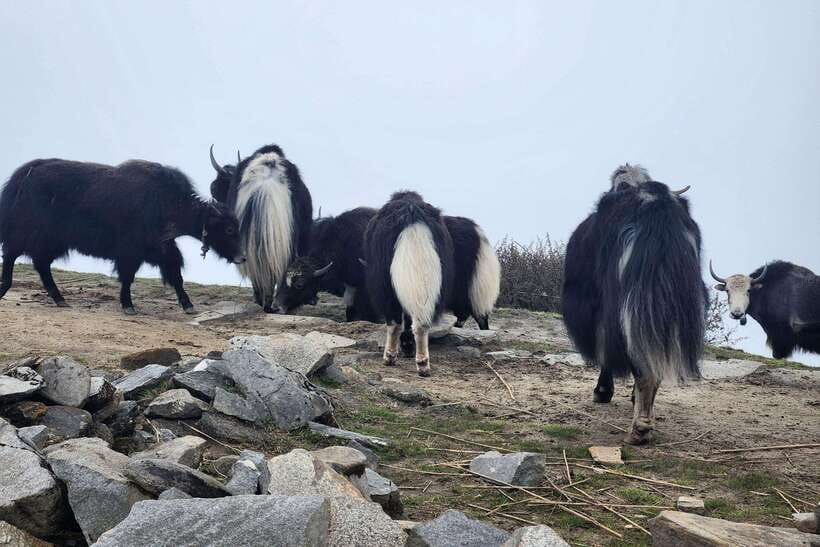
The next morning begins with breakfast and then a climb toward High Camp, around 3,550m. Expect roughly 5 hours of hiking through thick greenery and jungle-like conditions.
This section is where the trek starts to feel distinctly higher. You are still not doing anything technical, but the air can feel different, and your legs start counting steps more than distance. This is also one of the better parts for spotting small life. People often talk about birds, insects, and the general bustle of the forest even when you are focused on altitude.
What I like here for your planning is the camp rhythm. A night at High Camp means you are not rushing straight to the morning viewpoint. That buffering step helps most hikers manage the altitude curve more comfortably.
Other lodge to lodge routes near Pokhara
Sunrise Hike to the Viewpoint Around 4,200m: Your Big Annapurna Moment
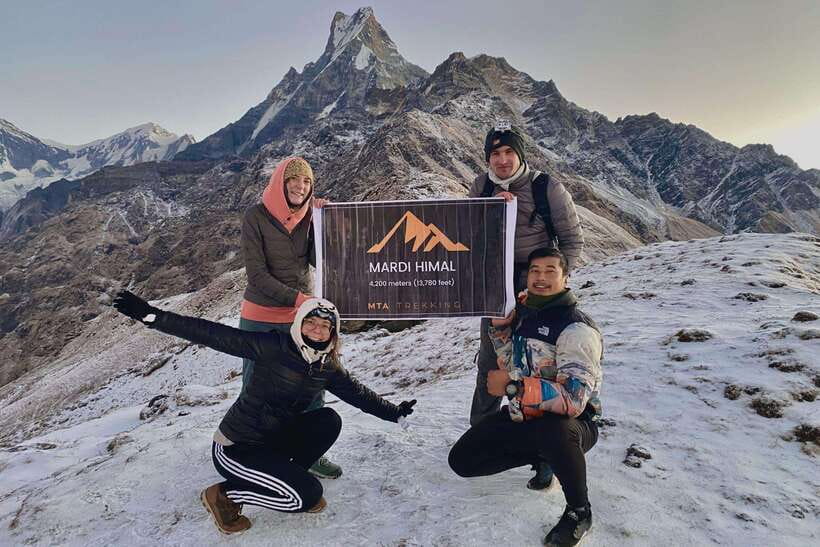
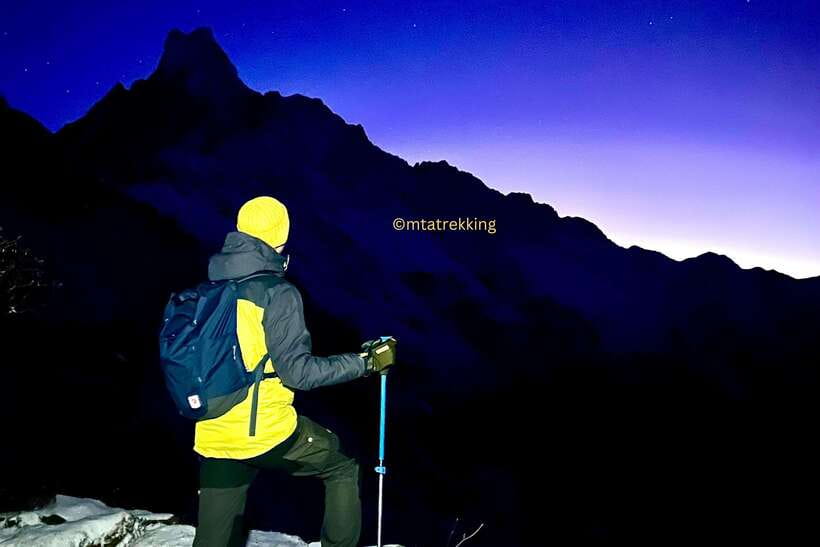
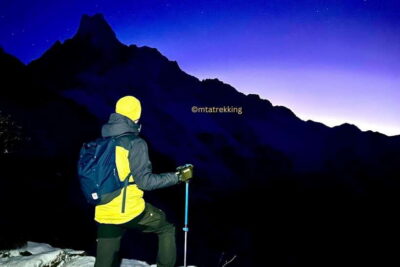
This is the part you build the whole trip around. You wake up at about 4:00am and hike to the sunrise viewpoint, roughly 1.5 to 2 hours.
The altitude is around 4,200m, so yes, it is cold and yes, you feel the thinner air more than you do earlier in the trek. This is also where having warm layers and a flashlight becomes non-negotiable. You will likely be walking in pre-dawn light, and comfort matters because you want your energy for sunrise.
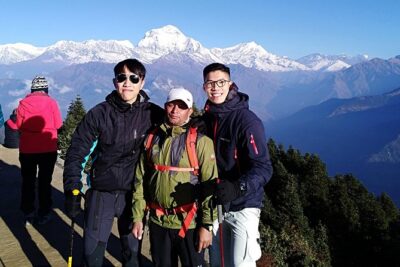
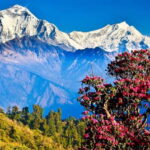
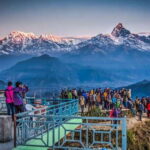
When the clouds lift, the view is the headline: Machhapuchhre (Fishtail) and the Annapurna range, with Mardi Himal in the mix. If you are lucky with visibility, this sunrise is the kind of scene that feels like a reward paid in full, not a partial consolation prize.
Should You Go Further to Mardi Himal Base Camp Around 4,500m?
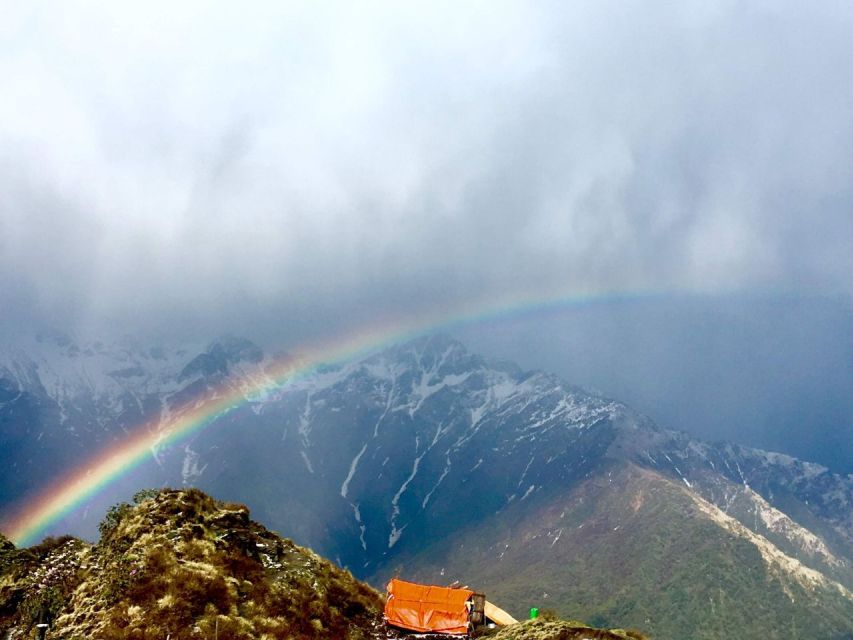
There is an optional push to Mardi Himal Base Camp, around 4,500m, depending on weather. This is where your guide’s judgment becomes the decision-maker.
In winter months, snow can make the higher section steeper and harder, and proper traction like crampons may be needed. In monsoon conditions, the trail beyond the viewpoint can be steep, slippery, and lack safety infrastructure, which means you might not get a safe, satisfying continuation.
I like that you are not forced into a one-size-fits-all plan. If conditions are poor, your guide can adjust so you still get a great trek experience without gambling on an unsafe route.
Coming Down: High Camp Back to Forest Camp, Then Toward Kalimati
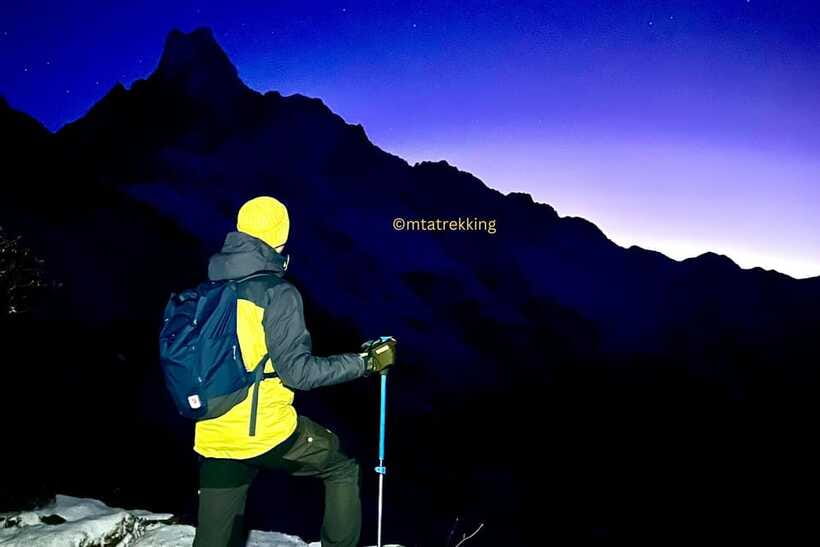
After sunrise and breakfast, you descend back toward Forest Camp for overnight stay. The descent keeps Machhapuchhre and the Annapurna range in your sightline, so even though you are lowering altitude, the scenery stays dramatic.
Then you begin the final trekking day down toward Kalimati (around 1,800m). Expect a more relaxed pace compared to the higher sections, with lush forest paths, gentle waterfalls, and small bridges. This is also a day where you notice the ecosystem changes and hear more of the forest again as you go lower.
A practical upside: Kalimati is where you shift back to transport. You board a jeep and drive about 1.5 to 2 hours back to Pokhara.
Tea Houses, Rooms, and the Practical Reality of High Altitude Comfort
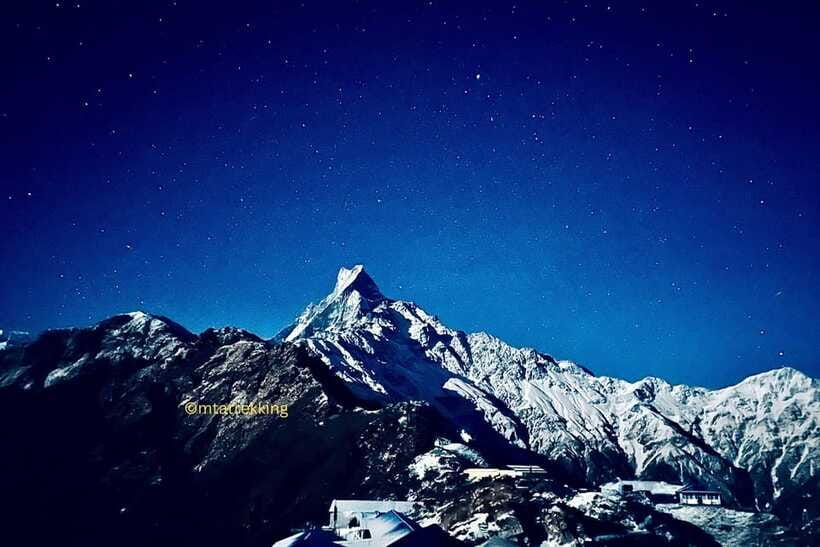
Tea houses are part of the experience here, and they are usually friendly places to warm up. Nights at High Camp and Forest Camp typically mean basic but comfortable lodging, and the food service can be a highlight if you follow local recommendations.
A few things to plan for, based on real trekking experiences on this route:
- Network and showers can be unreliable at higher camps, and toilet paper may be limited at times
- Mosquitoes and leeches can be an issue in rainforest sections, especially when conditions are wet
- You may feel better with a small comfort kit, even if you are relying on the provided gear
If you want to stay comfortable, bring warm clothing you can actually layer in low-light conditions. Sunglasses and sunscreen matter too, because sun can be strong even when it feels chilly.
Guides and Gear: The Value You Feel When Things Get Real
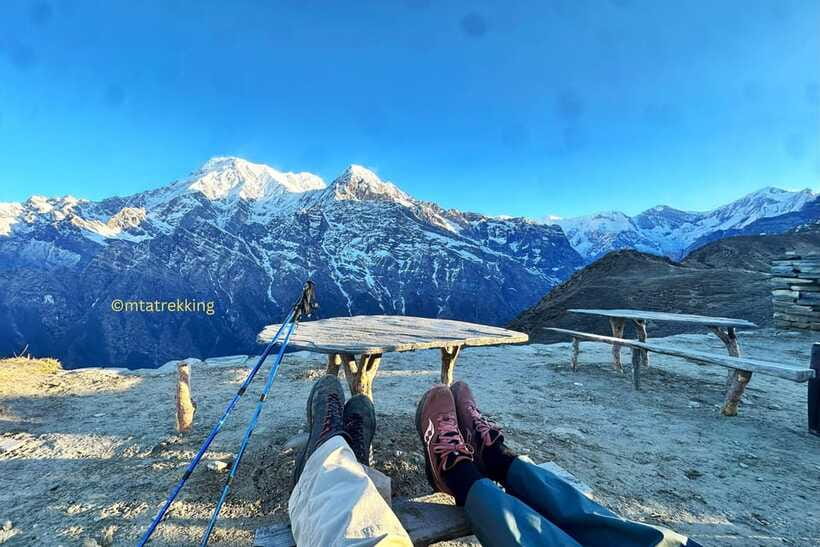
This trek includes a licensed, English-speaking guide, plus trekking permits and TIMS paperwork. It also includes trekking poles and a sleeping bag as part of the gear support, along with luggage storage if you want to lighten your pack.
That matters because it removes the stress of logistics. You can focus on altitude, pace, and enjoying the route rather than chasing paperwork or wondering if you brought the right equipment.
Guide quality shows up in the details people remember: regular check-ins, managing your pace, and helping you adjust when altitude starts to feel uncomfortable. In past groups on this trek, guides like Ramit, Lalit, Kaji, Prabit, Shishir, Jeevan, and Santosh have been highlighted for care, calm support, and keeping the walk safe and steady.
One more point I really respect for your planning: guides often encourage sensible food choices at altitude. You might hear advice like avoiding heavy or frozen foods high up, and going for simpler, fresher options when available. You can use this as a general rule even if your guide’s exact recommendation differs.
Price and Value for $139: What You Pay For, What You Should Budget Extra
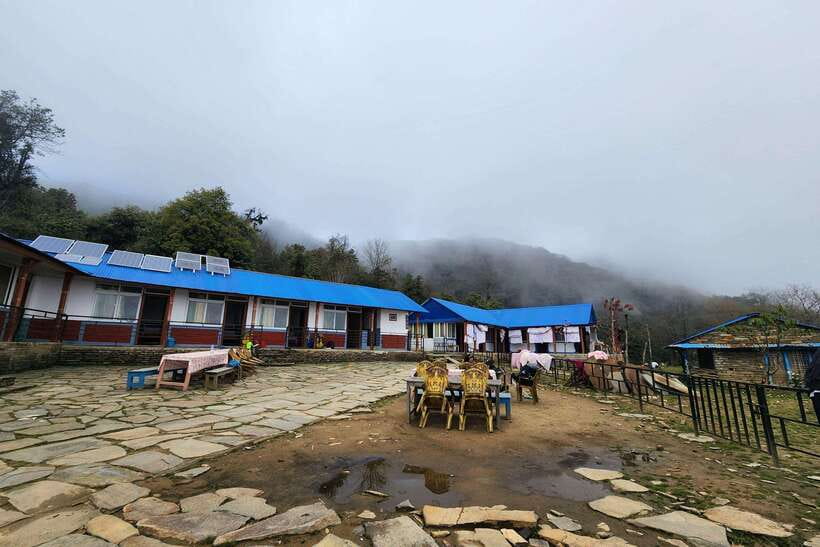
At $139 per person, this price is best understood as a package value, not just “transport plus hiking.” What you get typically includes:
- Hotel pick-up and drop-off in Pokhara
- Licensed guide, permits, and TIMS fees
- Tea house or accommodation for the standard package
- Private accommodation during the trek (with room sharing possible for solo travelers in peak season)
- Transportation during the trek
- Staff expenses covered for guide, accommodation, meals, salary, insurance, and equipment
The big “watch this” item is meals. Meals are included only in the Full Package. If you choose the Standard Package, tea house costs may be more on you, depending on the exact setup. Also, soft and hard drinks are not included.
Personal expenses like toiletries, laundry, phone calls, boiled water, and snacks are on you. Porter costs are $20 per day if you want that extra help, but porters are not included automatically.
My practical take: if you want maximum comfort and minimum admin stress, the included guide support and gear help justify the price. If you are traveling budget-tight, decide upfront whether you want the meal plan, and carry enough cash for tea house extras.
When to Go: Spring and Autumn Make This Trek Easier to Enjoy
For the best chance at clear views, plan for spring (March to May) or autumn (September to November). These seasons tend to bring more stable weather and clearer mountain visibility.
If you go in winter, expect snow at higher elevations, especially beyond the viewpoint. If you go in monsoon, the trail can be steep, slippery, and less safe due to limited infrastructure. Your guide can decide whether continuing to Mardi Himal Base Camp makes sense, based on snow and trail conditions.
What to Bring (and What to Skip Thinking About)
Bring warm clothing, because mornings can be cold even when daytime looks bright. Pack sunglasses, a sun hat, sunscreen, and a flashlight. You will also appreciate layers that work in the pre-dawn walk and then in warming daytime sun.
Skip the idea that you can dress lightly and be fine. At 4,200m sunrise, comfort affects how well you enjoy the view.
Who This Trek Suits Best (and Who Should Rethink It)
This trek is a good match if you:
- Want a shorter, focused Annapurna trek
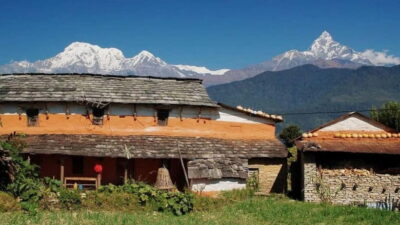
- Like nature walking through forests, villages, and terraced hills
- Are comfortable with steady uphill hiking and lots of steps
- Want a guided plan that handles permits and route decisions
It is not suitable for pregnant women, people with altitude sickness, and people over 70 years. If you fall into any of those categories, you should choose a different trekking style with lower altitude exposure.
Should You Book This 4-Day Mardi Himal Trek?
I think it is a strong booking choice if you want the Annapurna views without committing to a longer trek. The sunrise strategy and the option to go higher when conditions allow are the two big reasons.
Book it if:
- You want a moderate trek with a clear highlight and solid structure
- You value a guide who pays attention to comfort and safe pacing
- You can travel during spring or autumn for the best visibility
Reconsider if:
- You are going in winter or monsoon and want a guaranteed push to base camp
- You do not want early mornings or step-heavy hiking
- You prefer a trek with minimal altitude exposure
If you match the season and your fitness to the real demands of the schedule, this is the kind of trek that gives you a lot of mountain for your time.
FAQ
Where does the Mardi Himal trek start from?
It starts from Pokhara, using Kande as the main trail start after a scenic drive.
How high do you go on this trek?
The sunrise viewpoint is around 4,200m. The optional Mardi Himal Base Camp is around 4,500m.
Is this trek suitable for beginners?
It is described as a moderate trek suitable for all levels, including beginners who want mountain adventure.
What kind of scenery will you see each day?
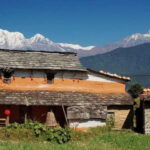
You pass through lush forests, terraced fields, and traditional villages, then transition to higher camps with increasing mountain views.
Do you include meals in the price?
Meals are included only in the Full Package. The Standard Package does not include meals.
Are permits included?
Yes. Trekking permits, required paperwork, and TIMS fees are included.
What gear is provided?
Trekking poles and a sleeping bag are provided, plus there is luggage storage if you need it.
Is there an extra cost for a porter?
Porter costs are listed separately at $20 per day.
When is the best time to do this trek?
Spring (March to May) and autumn (September to November) are the ideal times for more stable weather and better mountain views.
Lodge to Lodge Around Pokhara
The Rest of Our Pokhara Write Ups


Mardi Himal, Keep Climbing
Everything else we have reviewed around Pokhara
- Pokhara: Cable Car Tour – Bird Eye View of Mountain & Lake
★ 4.4 · 3 reviews - Jomsom Muktinath Tour by 4WD SUV 2 Days
★ 5.0 · 3 reviews - Ghorepani Poonhill Private Trek – 2 nights / 3 days
★ 4.5 · 3 reviews - Pokhara: 30-Minute Paragliding Adventure with pick up/drop off
★ 4.5 · 3 reviews - Pokhara: 7-Day Annapurna Base Camp Trek via Ghandruk
★ 4.3 · 3 reviews - Pokhara Group Joining Sarangkot Sunrise Himalayas Tour
★ 5.0 · 3 reviews
Mardi Himal Treks worth a second look.
 ★ 5.0Private Mardi Himal TrekFrom $39942 reviews
 ★ 5.0Mardi Himal TrekFrom $1,05841 reviews
 ★ 4.94-Day Mardi Himal Base Camp TrekFrom $13831 reviews
★ 5.0Mardi Himal TrekFrom $39930 reviews
★ 4.94-Day Mardi Himal Base Camp TrekFrom $13831 reviews
★ 5.0Mardi Himal TrekFrom $39930 reviews
 ★ 5.0Mardi Himal Trek NepalFrom $75029 reviews
 ★ 5.04 Day Mardi Himal Base Camp Trek from PokharaFrom $29018 reviews
 ★ 5.05-Day Mardi Himal Base Camp TrekFrom $18110 reviews
 ★ 4.84-Day Mesmerizing Mardi Himal Guided TrekFrom $1529 reviews
Lists this tour sits in