
REVIEW · MARDI HIMAL TREKS
From Pokhara: 4-Day Mardi Himal Base Camp Trek
Four days, one of Nepal’s best viewpoints. This private Mardi Himal trek from Pokhara threads rhododendron forests, climbs to High Camp, and ends with big Annapurna views.
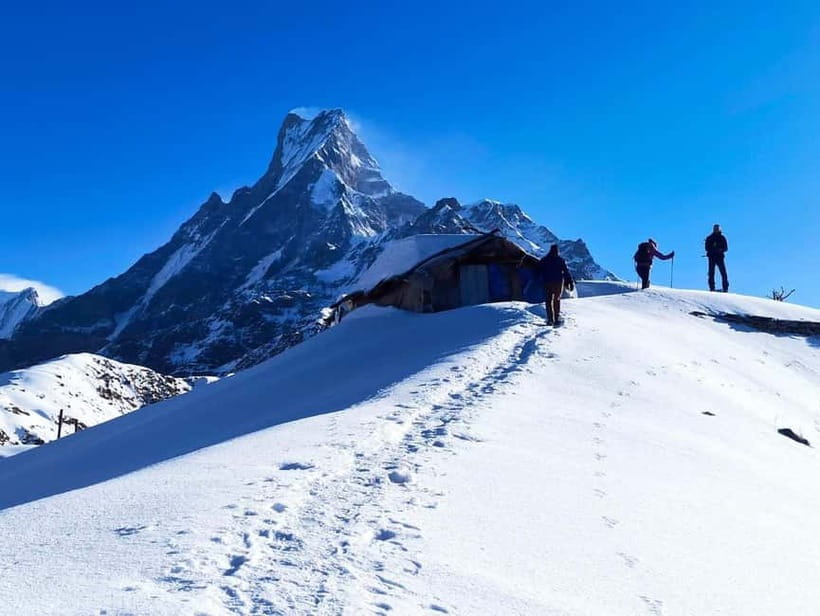
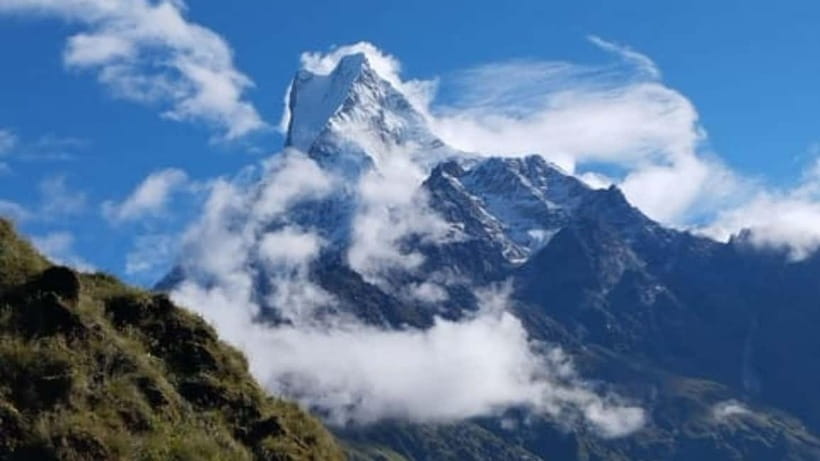
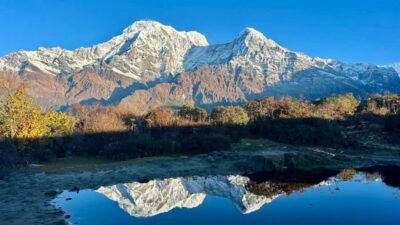
I love the rhododendron forests and oak shade on the way up, especially during the long push to Forest Camp and High Camp. I also love the sunrise option from Mardi Viewpoint, where you get a high-altitude view of Annapurna and Machapuchhre when skies cooperate.
The trade-off for all that scenery is effort, because expect steep sections and lots of stairs, plus cold mornings near 4,200 m. If you are new to trekking, pace matters, and you may prefer the viewpoint plan rather than continuing on to Base Camp.
In This Review
- Key highlights that matter
- Why Mardi Himal in 4 Days Feels Different From Other Treks
- Day One: Pokhara to Kande, Then Into the Forest World
- Day Two: Forest Camp to High Camp Through Rhododendron Country
- Sunrise Moves: Mardi Viewpoint, Optional Base Camp, Then Back Down to Low Camp
- Day Four: Low Camp to Siding, Then Lumre and Back to Pokhara
- Tea Houses, Food, and the Real Value of the $138 Price
- The Guide Makes the Difference: Private Pacing and Local Insight
- Altitude, Cold Mornings, and Common-Sense Safety
- Should You Book This 4-Day Private Mardi Himal Trek?
- FAQ
- Is transportation in Pokhara included?
- What permits are included?
- Where will you stay during the trek?
- Are meals included?
- Do you need a passport for permits?
- What do you need to bring?
Key highlights that matter
- Rhododendron forests to alpine views in only four days
- High Camp (3,580 m) for strong Machapuchhre and Annapurna South sightlines
- Mardi Viewpoint sunrise with an optional push toward Base Camp
- Quieter-feeling trails away from the busiest trekking corridors
- Simple, cozy teahouse nights with real mountain routine
- Private guide pacing in English, Hindi, or Nepali, with a guide certified in Nepal
Still on the Mardi ridge? A few more
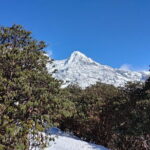
Why Mardi Himal in 4 Days Feels Different From Other Treks
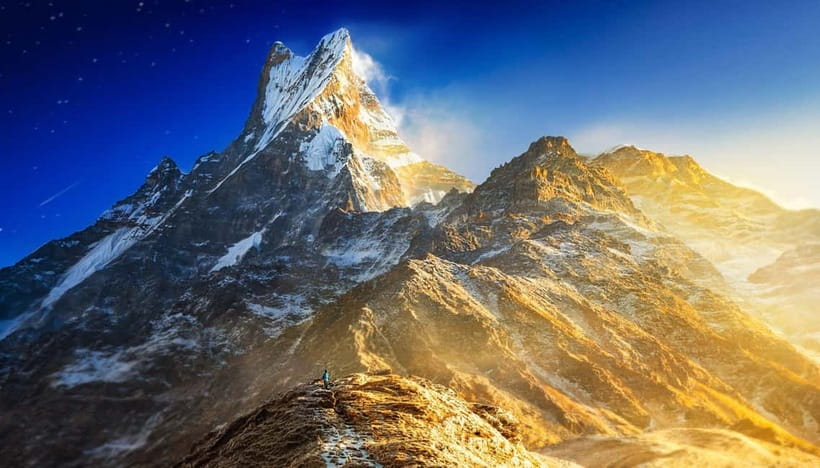
Mardi Himal is the kind of trek that makes the Annapurna region feel personal. You start in the forest world, then you work your way upward into high-alpine country without spending a week doing it. In four days you get multiple “scene swaps”: green trail under trees, then sharper ridges, then that wide, cold morning light when the mountains wake up.
I also like that this route is designed for real mountain decision-making. Some people go farther on day three. Others keep it to the viewpoint for sunrise and come down feeling proud, not wrecked. That flexibility is especially useful if you’re traveling with mixed fitness levels or if you, like plenty of trekkers, are not training for altitude at home.
One more thing: the “private” style changes the trip feel. You are not stuck with a pace that fits the slowest person in a large group. You can stop for photos, slow down for breathing, and talk with your guide about what you’re seeing along the way.
Day One: Pokhara to Kande, Then Into the Forest World
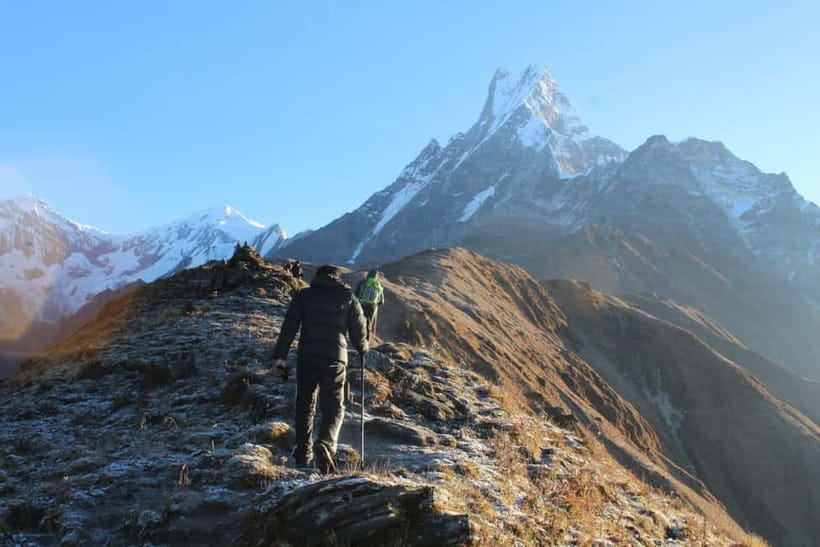
Your trek begins with a short drive from Pokhara to Kande, about an hour. After that, you walk into the forest trails area around spots like Australian Camp and Pothana. This is where the hike starts gently enough to get your legs awake, but still interesting, with views that pop through the trees when the trail climbs.
You’re looking at roughly 5 to 6 hours of walking on the first day, ending at Forest Camp around 2,550 m. That climb matters because it sets your rhythm. By the time you reach your first teahouse, you’ll know if you’re walking too fast, too slow, or just right. On this route, that feedback is gold.
Practical note: bring a light layer for the trail and a warmer one for the evening. Even in Nepal, temperatures can change quickly, and the higher you go, the more cold shows up at tea-house time. The cold isn’t just a comfort issue. It affects how well you sleep, and sleep affects how you’ll feel on day two.
Day Two: Forest Camp to High Camp Through Rhododendron Country
Day two is the big “climb for views” day. You’ll work uphill for about 6 to 7 hours through dense rhododendron and oak forests, then reach High Camp at about 3,580 m. This is one of the reasons Mardi Himal hits so well for people who like variety. The trail feels like it’s changing its personality as you rise.
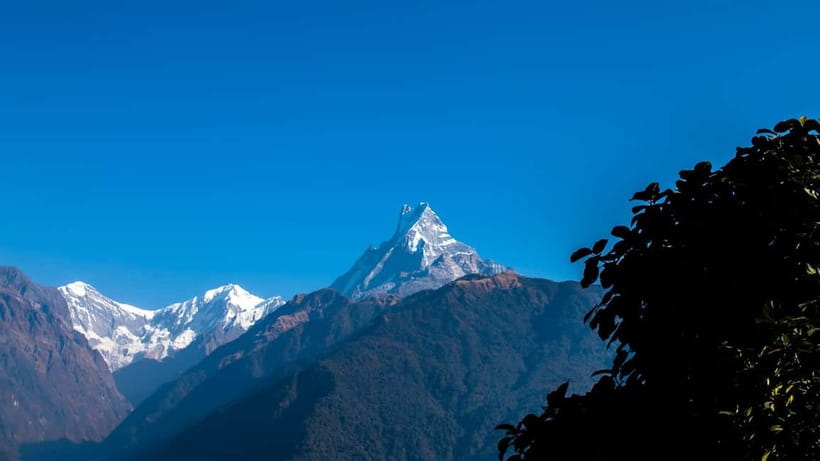
As you gain altitude, the forest starts giving way to more open sections and clearer sightlines. Machapuchhre and Annapurna South become real, not just a distant guess. You’ll also likely notice that the uphill effort is steady but not random. That’s where a patient guide really helps: a good guide keeps you moving at a pace that prevents you from burning matches too early.
This is also a good day for small habits that make trekking easier:
- Keep an even step rate rather than chasing speed.
- Take short breaks, not long ones.
- Drink water even when you don’t feel like it.
If you’re not fully recovered from a cold or you’re carrying less cardio fitness than you expected, day two is where you’ll appreciate that the pace can be adjusted. On the Mardi Himal style of trekking, safety and comfort come from control, not heroics.
Sunrise Moves: Mardi Viewpoint, Optional Base Camp, Then Back Down to Low Camp
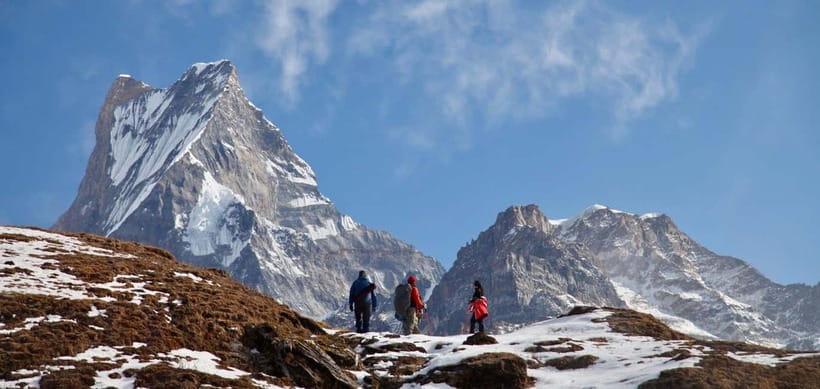
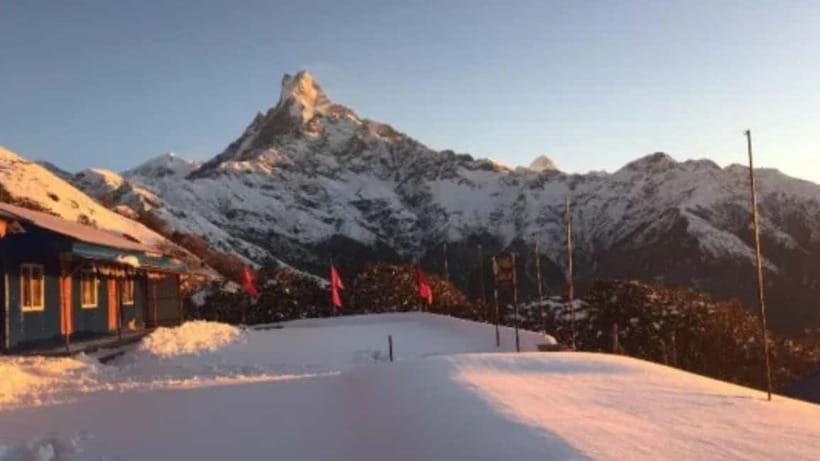
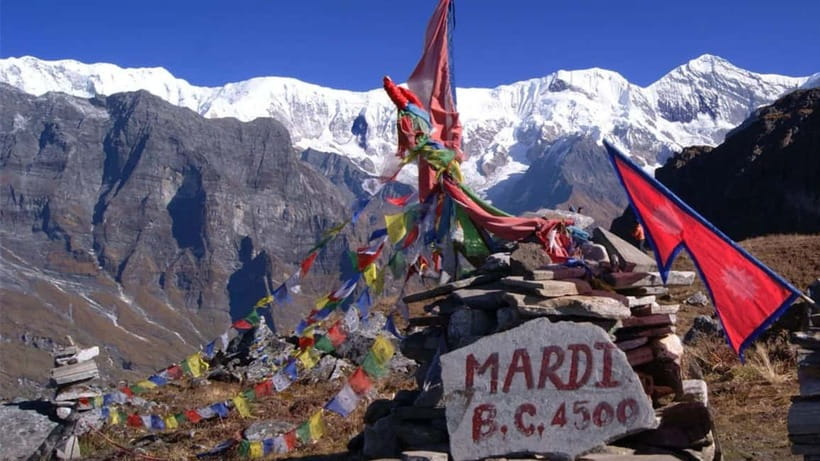
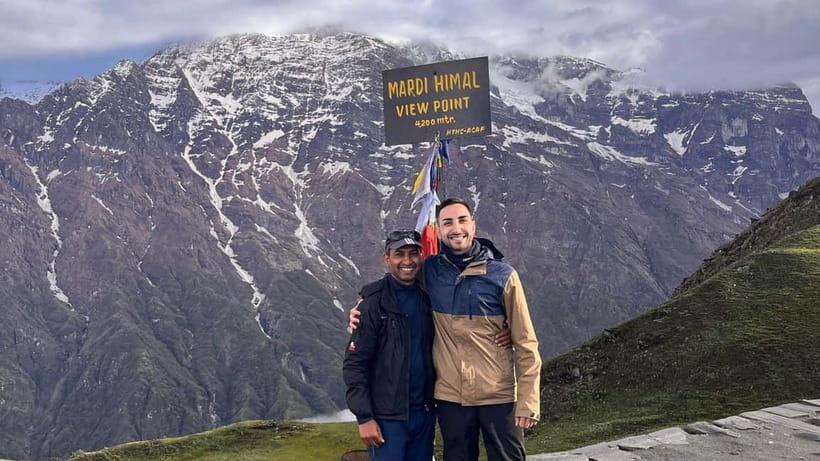
The most “special” part of this 4-day trek is often day three. You wake early and head to Mardi Viewpoint, around 4,200 m, for sunrise. Expect a hike of about 3 to 4 hours. If you’re fit and feeling good, there’s an optional push to Mardi Himal Base Camp near 4,500 m.
Here’s what makes the choice feel worth it: the sunrise isn’t just a photo moment. It’s your reward for the climb, and it also gives you clarity. After sunrise, you can actually see how the ridges line up and how the terrain changes across the Annapurna region.
If clouds roll in, sunrise may be disappointing. That happens in the Himalayas. The good news is you can still get strong views at higher viewpoints even when the sky isn’t perfect. So I wouldn’t treat sunrise as a guarantee. Think of it as a bonus that depends on weather.
After the viewpoint, you descend to Low Camp around 2,970 m for the overnight stay. That descent takes about 3 to 4 hours. Descending feels easier than climbing at first, but your knees may disagree. Bring trekking poles if you can, and keep your steps controlled on stairs.
Other lodge to lodge routes near Pokhara
Day Four: Low Camp to Siding, Then Lumre and Back to Pokhara
Day four is your “finish strong” day. You walk downhill about 4 to 5 hours to Siding Village, then continue around one hour to Lumre. After that, you’re back in the car for roughly an hour to Pokhara.
This day is important because it’s where you transition from trekking mode back to travel mode. Your body is still adjusting to the altitude drop. So you’ll want to move without rushing, enjoy the villages and everyday trail life, and let your legs recover gradually.
It’s also a nice moment to look back and see how much you’ve done. Four days sounds short, but the combination of altitude changes, stair-heavy stretches, and constant views makes it feel like a real trekking experience, not a quick hike.
Tea Houses, Food, and the Real Value of the $138 Price
At a quick glance, $138 per person for four days can look like a bargain, or it can look suspicious. The value makes more sense once you match the price to what’s included.
The trek includes:
- Permits and TIMS fees and the needed paperwork
- Simple teahouse or lodge accommodation each night on the route
- Transportation between your Pokhara hotel (or airport) and the trail starting point
- A guide (government certified) plus all guide costs like meals, accommodation, insurance, salary, and equipment
- A first aid kit
- Luggage storage in Pokhara
- Trekking gear like a trekking stick and sleeping bag as needed
Meals are included only if you select the option with meals included. If you don’t, you still eat in teahouses the normal way, but you pay for meals and drinks yourself.
One practical caution based on what I’ve seen trekkers say: the meals-included add-on may cost more than it feels worth. If you like the freedom to order exactly what you want, it can make sense to skip the pre-paid meals option and budget for snacks and hot drinks on the trail. That said, if you prefer not to think about money during the hike, choosing meals included can still be convenient. Just compare the add-on cost to what you expect to spend each day.
The tea house reality is simple. You’re paying for warmth, a bed, and a reliable place to eat. Rooms are basic, but the vibe is human: other hikers, friendly staff, and that steady rhythm of trekking life. If you’re expecting a hotel experience, you’ll be disappointed. If you’re expecting comfort that helps you sleep and eat, you’ll be happy.
The Guide Makes the Difference: Private Pacing and Local Insight
This trek is private, and the guide is the heart of the experience. You get an English-speaking trekking guide, with the option for Hindi and Nepali too. You’re also given real support on the trail, not just directions.
What good guidance looks like on a route like this:
- Adjusting your pace to match your fitness and how you’re feeling
- Checking in regularly so you don’t push too hard
- Helping with trail navigation on stair-heavy parts
- Explaining what you’re seeing, including culture and nature along the way
In the feedback around this trek, guides named Anil, Tanka, Dhanapati, Santosh, Bala, Jeet Bhadur, Bishnu, and Chandra came up as particularly patient and organized. The pattern is the same: they keep things calm, fun, and safe, even when the climb feels tough.
If you’re a first-time trekker or you’re coming off an illness, the guide’s pacing can be the difference between enjoying the hike and feeling miserable. Also, if you love photos, a guide who knows when to pause and where the angles are can make a big difference.
And yes, sometimes you’ll hear laughter in the group when the stairs get serious. That counts as part of the value.
Altitude, Cold Mornings, and Common-Sense Safety
Mardi Himal is not a casual stroll. It’s physically demanding for some participants, and the route hits high points around 4,200 m, with an optional continuation near 4,500 m. Temperatures can vary significantly, and higher altitudes are often very cold.
So take planning seriously:
- Bring comfortable shoes and, ideally, hiking shoes designed for uneven ground
- Pack warm layers for early starts and cold teahouse evenings
- Bring a waterproof cover for your camera if you can
- Have travel insurance, since it’s mandatory for safety on this kind of trek
- Be ready for stairs and steep sections
If altitude concerns you, your best tool is pace. Slow, steady walking beats fast bursts. The trek also has emergency rescue services available if required.
One more document detail that matters: you need to submit a copy of your passport at least one day before the trek so the permits can be arranged. That part is easy to miss, and it can delay your start if you leave it to the last minute.
Should You Book This 4-Day Private Mardi Himal Trek?
Book it if you want a high-reward trek that fits into a tight schedule. Four days is enough time to feel the Annapurna region’s big scenery, without spending a month traveling through teahouses. The private guide helps you pace smart and keep the trip comfortable.
You might skip it or choose a more gradual plan if:
- You know you struggle with stairs and steep climbs
- You’re traveling without hiking shoes or any warm layers
- You need a guaranteed sunrise in all conditions (weather can block it)
Overall, this is a strong pick for hikers who want real mountain days, forest variety, and the kind of views you remember long after you return to Pokhara.
If you book, do two things and you’ll be glad you did: bring proper layers for cold mornings, and talk to your guide early about whether you want the optional Base Camp push on day three.
FAQ
Is transportation in Pokhara included?
Yes. Round-trip transportation between your hotel, Pokhara International Airport, and the trek starting point is included. Pickup is offered from hotels in the Pokhara Lakeside area, Sarangkot area, and the airport, and pickup time is confirmed after booking.
What permits are included?
The trek includes all required trekking permits, necessary paperwork, and TIMS fees.
Where will you stay during the trek?
You stay in simple teahouses or lodges along the trekking route.
Are meals included?
Breakfast, lunch, and dinner are included if you select the option that includes meals. If you do not select meals included, you can still eat at teahouses, but those meals are not covered by the meal-included option.
Do you need a passport for permits?
Yes. You need to submit a copy of your passport at least one day before the trek so the permits can be arranged.
What do you need to bring?
Bring your passport or ID card, comfortable shoes (and hiking shoes), change of clothes, a camera, travel insurance, cash, hiking pants, and hand sanitizer or tissues. Temperatures can be cold at higher altitude, so pack appropriate warm and cold clothing.
Lodge to Lodge Around Pokhara
The Rest of Our Pokhara Write Ups


Mardi Himal, Keep Climbing
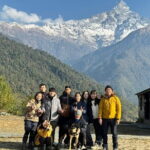
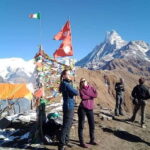
Everything else we have reviewed around Pokhara
- Pokhara: Cable Car Tour – Bird Eye View of Mountain & Lake
★ 4.4 · 3 reviews - Jomsom Muktinath Tour by 4WD SUV 2 Days
★ 5.0 · 3 reviews - Ghorepani Poonhill Private Trek – 2 nights / 3 days
★ 4.5 · 3 reviews - Pokhara: 30-Minute Paragliding Adventure with pick up/drop off
★ 4.5 · 3 reviews - Pokhara: 7-Day Annapurna Base Camp Trek via Ghandruk
★ 4.3 · 3 reviews - Pokhara Group Joining Sarangkot Sunrise Himalayas Tour
★ 5.0 · 3 reviews
Mardi Himal Treks worth a second look.
 ★ 4.94-Day Mardi Himal TrekFrom $13959 reviews
 ★ 5.0Private Mardi Himal TrekFrom $39942 reviews
 ★ 5.0Mardi Himal TrekFrom $1,05841 reviews
★ 5.0Mardi Himal TrekFrom $39930 reviews
★ 5.0Mardi Himal TrekFrom $1,05841 reviews
★ 5.0Mardi Himal TrekFrom $39930 reviews
 ★ 5.0Mardi Himal Trek NepalFrom $75029 reviews
 ★ 5.04 Day Mardi Himal Base Camp Trek from PokharaFrom $29018 reviews
 ★ 5.05-Day Mardi Himal Base Camp TrekFrom $18110 reviews
 ★ 4.84-Day Mesmerizing Mardi Himal Guided TrekFrom $1529 reviews
Lists this tour sits in