
REVIEW · MARDI HIMAL TREKS
Mardi Himal Trek
Four thousand meters later, you will smile. The Mardi Himal Trek is a Nepal hike with a clear payoff, reaching Mardi Base Camp for major Himalayan views while still feeling manageable for newer trekkers. I love the Mardi Base Camp goal, and I also like how the plan builds in shorter acclimatization days above 3,000 meters so you do not feel rushed.
What makes this itinerary practical is the way it handles the “hard parts before you start walking”: airport and city transfers by private vehicle, plus domestic flights between Kathmandu and Pokhara. It also comes with a government licensed, ministry trained trekking guide and a strong porter team, which means your days are organized and your gear needs are covered.
One real consideration, though, is that the mountains are unpredictable. Weather can tighten the schedule, and at high elevations you still have to manage cold and altitude, even if the route is described as relatively easy.
In This Review
- Key highlights worth planning around
- Mardi Himal Trek: where you fit in and what you are really signing up for
- Mardi Base Camp is the payoff, and it changes the whole mood
- Kathmandu to Pokhara: the smooth start that protects your energy
- The trek from Phedi to Forest Camp and Low Camp: steady walking with big scenery
- Day 3: Deurali to Forest Camp (about 6 hours)
- Day 4: Forest Camp to Low Camp (about 5 hours)
- Day 5: acclimatization with shorter treks (about 5 hours)
- The climb toward Mardi Himal Base Camp: where the route starts feeling emotional
- Sidhing and Lwangghale: rhododendron country, then calmer village paths
- Pokhara recovery with tea gardens and guided time
- Gear, meals, and the stuff you need to plan for in advance
- Lodges and sleeping
- Provided gear on request
- Meals included, plus what to budget for
- What not to forget
- Price and value: why $1,058 can make sense here
- Should you book the Mardi Himal Trek with Mission Himalaya Trekking?
- FAQ
- How long is the Mardi Himal Trek?
- What does the tour cost?
- Are pickup and transfers included?
- Are flights included in the price?
- Are permits included for the trek?
- What kind of guide and porter support is included?
- What accommodation is provided during the trek?
- Is any trekking gear provided?
- Are meals included?
- What cancellation options are offered?
Key highlights worth planning around
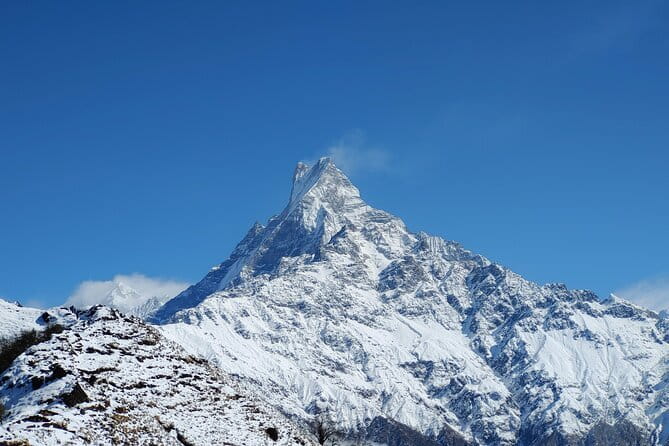
- Mardi Base Camp at about 4,500m is the emotional high point, not just another viewpoint
- Acclimatization above 3,000m means shorter trekking days and time to catch your breath
- Kathmandu to Pokhara flights round-trip save you from extra overland travel
- Permits included (ACAP and TIMS) so you do not have to chase paperwork
- Down jacket, sleeping bag, and duffel bag on request (returned after the trek)
- Guide support from Birendra and a careful porter team helps keep the route flexible and comfortable
Still on the Mardi ridge? A few more
Mardi Himal Trek: where you fit in and what you are really signing up for
The Mardi Himal Trek sits in Nepal’s western region, and it is often picked because it is not a marathon of technical moves. You walk along a well-known route that links villages, forest edges, and camp areas. Still, “easy” in the Himalayas just means the trail is straightforward. Your body will notice the altitude.
This 11-day flow is built for people with moderate physical fitness who want structure, not guesswork. You get a licensed guide, strong porters, and lodge support, so you are not planning each day’s logistics at 5 a.m. On top of that, you carry less on your shoulders because the porter has a big part of the load.
If you are a first-timer, this trek’s appeal is the mix of hike variety and rewards. You get woodland walking, alpine scenery, and the classic reward moment of reaching Mardi Base Camp. If you are more experienced, you may still enjoy the less intense difficulty profile, especially on the way down through villages and tea garden country.
Mardi Base Camp is the payoff, and it changes the whole mood
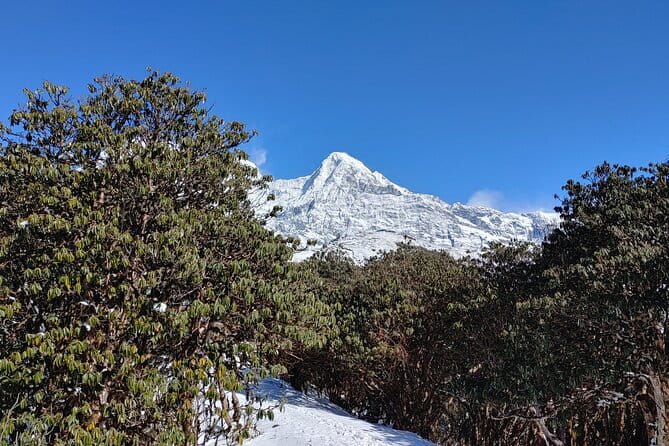
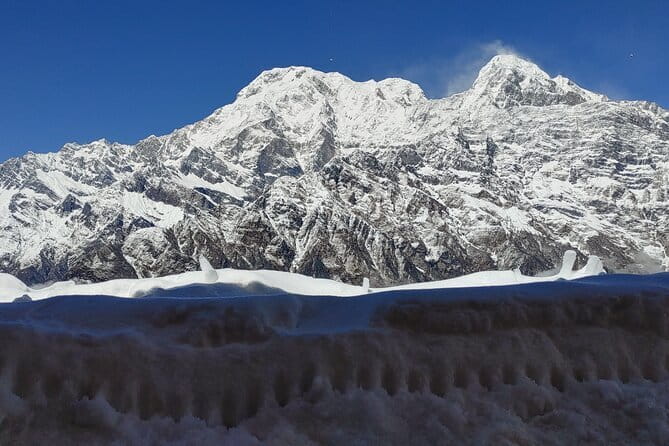
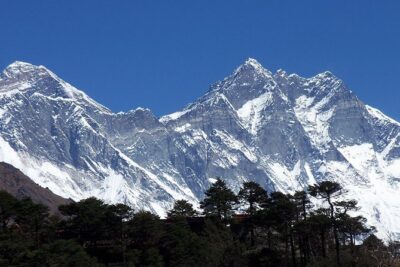
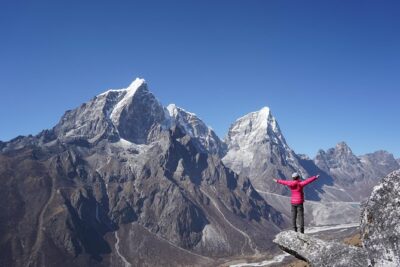
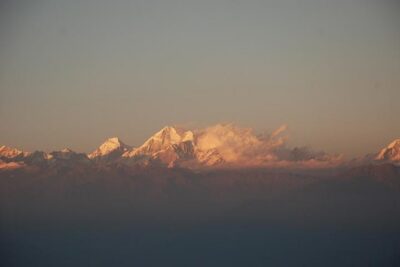
Mardi Himal’s big story is reaching Mardi Base Camp. For many people, that final effort is what turns the entire trek from scenery into a true accomplishment. The view angles in this area often focus on the Annapurna massif, Mount Machhapuchhre, and Mardi Himal itself, so your camera will get a workout even on “quiet” hours.
A key detail is that this route does not treat the base camp as something you stroll into. There are days above 3,000 meters where you will do shorter treks. That matters because you arrive at the main climb with less stress and more confidence.
You should also expect that high-elevation days can feel longer than the clock suggests. Your pace slows, your breathing changes, and the cold shows up early. When you do reach the camp, it is not just a photo stop. It is a moment when you can finally see the whole trek pay off.
Kathmandu to Pokhara: the smooth start that protects your energy
Day 1 is Kathmandu. After you receive entry authorization at the airport, you meet a company staff member or your tour leader and get driven to Thamel, where most trekkers base themselves. It is a good buffer day because it lets you settle in before the flight schedule begins.
Day 2 switches you from city mode to trekking mode fast. You catch an early morning flight from Kathmandu to Pokhara, then drive to Kande, where the hike starts with routes that begin relatively easy. This is a practical choice. Instead of spending your first day fighting traffic, you land, get to altitude-adjacent territory, and start walking.
In Pokhara, you stay in 3-star category hotels with breakfast. That matters for value because you get consistent meals and real beds while your trek supplies and permits are handled. You are not paying extra for hotels separately, and you are not wondering where you will sleep each night during the transition phase.
The trek from Phedi to Forest Camp and Low Camp: steady walking with big scenery
After the Pokhara intro, the trek day progression is pretty clear: you start from Phedi, then move through Deurali village, Forest Camp, High Camp, and onward toward Mardi Himal’s key areas. Your early days are where the route teaches your body the rhythm.
Other lodge to lodge routes near Kathmandu
Day 3: Deurali to Forest Camp (about 6 hours)
You start after breakfast in Deurali and trek toward Forest Camp for roughly 6 hours. The path begins more level, then gradually changes as you gain elevation. This is the day to find your pace, especially if you are new to altitude walking.
A plus here is how the scenery shifts through the forest and into Himalayan viewpoints. You start feeling like you are moving toward something real, not just walking for walking’s sake.
Day 4: Forest Camp to Low Camp (about 5 hours)
Since you are above 3,000 meters, the distance may be reduced. You hike through mixed woodland, and you lunch at Low Camp. This is an acclimatization-friendly structure built into the itinerary: shorter effort helps your body adjust.
If you are sensitive to altitude, this day is a relief. If you feel fine, you still get a calmer tempo that sets you up for the later push.
Day 5: acclimatization with shorter treks (about 5 hours)
Day 5 is explicitly about staying altitude-smart. You do shorter treks to help prevent altitude sickness, and you are strongly encouraged to stay well-hydrated. The point is simple: you will gain elevation without treating every day like a sprint.
I like this approach because it makes the trek feel like a plan, not a gamble. In the mountains, hydration is not optional. It is part of how you stay steady.
The climb toward Mardi Himal Base Camp: where the route starts feeling emotional
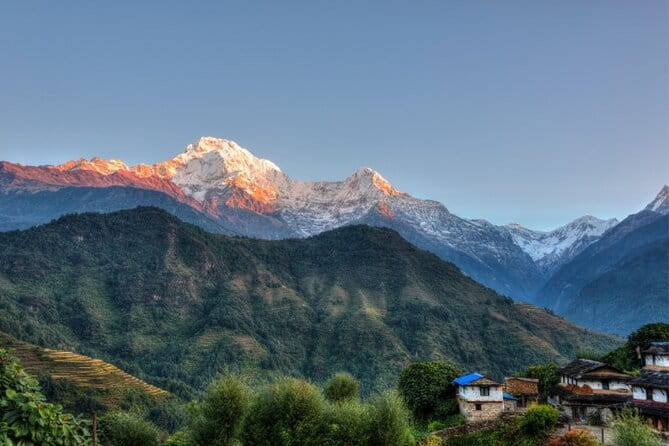
Day 6 is the long, meaningful day. You trek toward Mardi Himal base camp, and the itinerary includes a stunning viewpoint with panoramic vistas along the way. The walking time is about 7 hours, so you should expect a full day rather than a half-day stroll.
This is where the trek’s reputation starts making sense. Even if the trail is described as beginner-suitable overall, this section is the one that feels like a mission. You are working uphill while the sky keeps widening, and the air can feel thin even if you are not gasping.
If you have ever wanted that classic trekking moment where your effort turns into gratitude, this is the stretch that can do it. People talk about reaching base camp with tears of joy for a reason. It is not only the altitude. It is also the contrast between early forest walking and the moment you finally see the bigger panorama.
Sidhing and Lwangghale: rhododendron country, then calmer village paths
Day 7 drops you toward Sidding (Sidhing). It starts with an alpine breakfast at higher elevation, then you descend for about 6 hours. The trail passes through rhododendron and pine trees, so you get that spring-season color feel if you are trekking in the right months.
This day is valuable because it resets your body. Descents are still hard on knees, but they help you stop “climbing to climb” and let you recover.
Day 8 is often considered a highlight. It includes a picturesque route along mostly flat terrain, which is a nice change after several days of elevation work. You head for Lwangghale, with Lwong described as a charming village with ancestral houses. The walking time is about 6 hours.
This section is a good reminder that Mardi Himal is not just about summit feelings. You also get real village texture: stone, wood, and small daily details that make the trek feel grounded.
Pokhara recovery with tea gardens and guided time
Day 9 brings you back to Pokhara, and you rise early to walk through tea gardens around Lwong for sunrise. It is the kind of morning that makes the previous days click into place. After that, you return to the guesthouse and finish the day back in town.
Day 10 is another flexible break day. After breakfast at a lakeside spot in Pokhara, you have guided tours to attractions such as Davis Waterfall and Gupteswor Mahadev. This is a good way to keep your trip moving without burning extra energy. You already did the hard part on the trail, now you can do sightseeing without worrying about elevation.
Day 11 returns you to Kathmandu for guided city exploration with a town guide. This is where you add a little cultural context to the effort you just put in on the mountain.
Gear, meals, and the stuff you need to plan for in advance
This trek is set up with real support, including accommodation and meals during the walking days.
Lodges and sleeping
On the trail, you stay in the best available lodges, typically twin sharing. That means you should expect basic comfort rather than luxury. It is workable, and it is part of the value, but you still want to pack for cold nights and bring the right layers.
Provided gear on request
You can request a down jacket, sleeping bag, and duffel bag, and you return this equipment after the trek. This is helpful if you are traveling light or do not want to buy high-quality sleeping gear for one trip.
Meals included, plus what to budget for
Your included meals on the trek are clear:
- Breakfast: 10
- Lunch: 8
- Dinner: 8
Meals in Kathmandu and Pokhara are not fully covered, except what is explicitly listed. Drinks and WiFi are personal expenses, and hot shower is not included (so plan for that reality).
One food note from the trip atmosphere: high-elevation lodge menus can surprise you. For example, people talk about trying pizza at High Camp if it is available on that day’s menu. I would still treat that as a fun possibility, not a guarantee.
What not to forget
Even with gear provided on request, you still need your own core hiking items. Plan for layers, warm gloves, and a hat that actually protects your ears. The itinerary mentions cold avoidance implicitly through the emphasis on proper clothing for mountain temperatures.
Price and value: why $1,058 can make sense here
At $1,058 per person for an approximately 11-day trek, the biggest value question is what you are not paying for separately. In this package, you get a domestic flight round-trip between Kathmandu and Pokhara, permits handled (ACAP and TIMS), a licensed guide, and an experienced porter with meals, accommodation, salary, and insurance.
You also get lodge accommodation on the trek and 3-star hotel stays in Kathmandu and Pokhara with breakfast. Plus, transfers are included by private vehicle for airport, city, and sightseeing movements.
If you tried to assemble this yourself, the costs add up fast in Nepal: flights, permits, guide time, porter time, and the time you spend coordinating everything. This price becomes more reasonable when you look at the “time saved” and “stress reduced” factors, especially if you do not want to manage altitude scheduling on your own.
One cost to remember is that personal items are extra. Drinks, WiFi, and tipping for staff are not included, and you should budget for those. Your trek success also depends on hydration and clothing choices, so do not try to save money at the expense of comfort up high.
Should you book the Mardi Himal Trek with Mission Himalaya Trekking?
I think this is a strong pick if you want a structured Mardi Himal experience with less decision fatigue. You get a clear plan, permits taken care of, a licensed guide team, and porter support that helps the days feel doable. The itinerary also includes altitude-aware pacing, including shorter trekking days above 3,000 meters, which is exactly what many hikers need to feel safer.
I would hesitate if you want a completely flexible, do-it-all-yourself trek where you control every minute. This is a private tour, but it follows a set route and schedule, and you should pack the right attitude for lodge life and mountain weather changes.
If your goal is Mardi Base Camp and you want to reach it without turning the trip into logistics work, booking makes sense. Just pack for cold, plan for simple lodge comfort, and treat the acclimatization days as part of the win.
FAQ
How long is the Mardi Himal Trek?
The experience is listed as 11 days approximately.
What does the tour cost?
The price is $1,058.00 per person.
Are pickup and transfers included?
Pickup is offered, and the package includes all ground transfers by private vehicle for airport transfers and city transfers.
Are flights included in the price?
Yes. Kathmandu to Pokhara and Pokhara to Kathmandu domestic flights are included, including flights for the guide.
Are permits included for the trek?
Yes. The package includes required permits for the trek: ACAP and TIMS.
What kind of guide and porter support is included?
You get a government licensed, ministry trained trekking guide with meals, accommodation, and insurance, plus a strong, experienced porter with meals, accommodation, salary, and insurance.
What accommodation is provided during the trek?
On the trek, you stay in lodges at the best available standard, typically twin sharing.
Is any trekking gear provided?
Yes, on request. You can receive a down jacket, sleeping bag, and duffel bag, and you return the items after the trek.
Are meals included?
Breakfast is included for 10 days, lunch for 8 days, and dinner for 8 days during the trek. Meals in Kathmandu and Pokhara are included only for the items specifically mentioned.
What cancellation options are offered?
Free cancellation is listed, and you can cancel up to 24 hours in advance for a full refund.
Lodge to Lodge Around Kathmandu
The Rest of Our Kathmandu Write Ups

Mardi Himal, Keep Climbing
Everything else we have reviewed around Kathmandu
- 12 Days Everest Base Camp Trekking
★ 5.0 · 3 reviews - 1 Night 2 Days Chitwan Jungle Safari Tour from Pokhara or Kathmandu
★ 3.0 · 3 reviews - Thamel Rickshaw tour
★ 4.7 · 3 reviews - Kathmandu: Momo Making Class with a Local Chef
★ 5.0 · 3 reviews - Kathmandu: Full-Day Yoga, Body Massage and Pedicure Package
★ 5.0 · 3 reviews - From Kathmandu / Pokhara / Chitwan: River Rafting – 1 Day
★ 4.6 · 3 reviews
Mardi Himal Treks worth a second look.
 ★ 4.94-Day Mardi Himal TrekFrom $13959 reviews
 ★ 5.0Private Mardi Himal TrekFrom $39942 reviews
 ★ 4.94-Day Mardi Himal Base Camp TrekFrom $13831 reviews
 ★ 5.0Mardi Himal TrekFrom $39930 reviews
 ★ 5.0Mardi Himal Trek NepalFrom $75029 reviews
 ★ 5.04 Day Mardi Himal Base Camp Trek from PokharaFrom $29018 reviews
 ★ 5.05-Day Mardi Himal Base Camp TrekFrom $18110 reviews
 ★ 5.04 Days Mardi Himal Base Camp Trek from PokharaFrom $2909 reviews
Lists this tour sits in