
REVIEW · MARDI HIMAL TREKS
Private Mardi Himal Trek
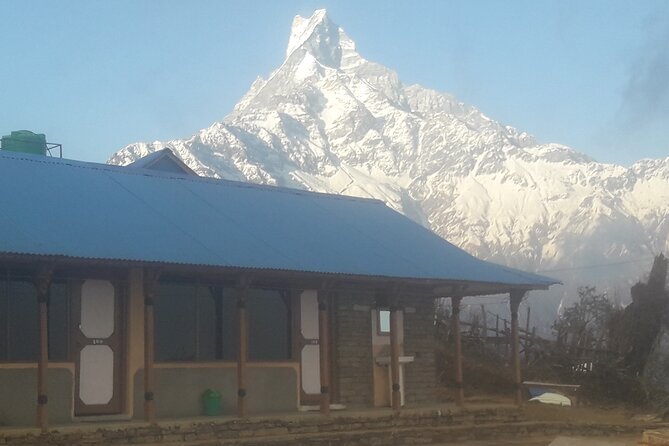
A mountain trek in the Annapurna region can feel like a box-check. This one feels different because you get Mardi Himal’s big views plus the steady support of a private guide. The route climbs from forest trails into High Camp at 3700m, with day hikes that aim right at Machhapuchhre (Fishtail).
What I like most is how practical the setup is. You’re not just paying for a route, you’re paying for support, permits, and real cold-weather tools, including a sleeping bag for minus-25 degrees and micro spikes. And in the stories shared by past trekkers, guides such as Saugat Tamang and Bhim, plus porters like Tashi Tamang, show up on time and keep your pacing sensible.
One thing to flag: the meeting/start time listed is 11:45 pm, which is late. Plan your evening around that, and confirm your exact pickup timing when you lock in your date.
In This Review
- Key highlights I’d build your decision around
- Why Mardi Himal Is a Smart Pick in the Annapurna Region
- Price and What Your $399 Really Buys (Plus the Stuff You Still Pay For)
- Day 1: Pokhara to Kande, Then Kande to Deurali Through Forest
- Day 2: Forest Camp at 2600m, Low Camp, and the First Big View Day
- Day 3: Low Camp to High Camp at 3700m, Machhapuchhre Shows Up
- Day 4: Mardi Himal Base Camp Push, Optional Shorter Hike, Then Down to Badal Danda
- Day 5: Badal Danda to Siding Village, Then Back to Pokhara
- The Support System I’d Bet On: Guide, Porter Ratio, Lodges, and Included Gear
- Pace, Fitness, and Weather Reality You Should Plan For
- What the Route Teaches You, Beyond the Views
- Should You Book This Private Mardi Himal Trek?
- FAQ
- How do I get from Pokhara to the trek?
- What’s the highest point on the trek?
- Are permits included in the price?
- Do I have a porter and guide support?
- What gear is included for cold weather?
- Is there free cancellation, and when do refunds apply?
Key highlights I’d build your decision around
- Private group only, with a guide and a porter structure that keeps the trek comfortable
- High Camp at 3700m, with the Machhapuchhre and Annapurna South payoff
- Optional base-camp timing, you can go for full Mardi Himal Base Camp or a shorter viewpoint
- Cold-weather kit included, including micro spikes plus a warm sleeping bag for minus-25 degrees
- Permits handled, including ACAP and a TIMS card
- A lodge-based route, so you spend most nights in guesthouses, not camping
Still on the Mardi ridge? A few more
Why Mardi Himal Is a Smart Pick in the Annapurna Region
Mardi Himal is one of those treks that rewards effort without turning your days into a traffic jam. You still get classic Annapurna silhouettes, but you’re aiming for a quieter feeling than the most famous routes. The trekking profile is demanding enough to feel like a real mountain trip, yet it stays lodge-based and manageable over 5 days.
I also like that the itinerary isn’t just “walk uphill, walk downhill.” It mixes forest hiking with high-altitude viewpoints, and the summit-ish day is a proper half-day style push to Mardi Himal Base Camp. That structure helps you pace your body and your expectations.
If you’re choosing between Annapurna options, this one makes a strong argument for itself through the combination of altitude goals and time at viewpoints. You get more chances to see the big peaks as the light changes, not just a single sunrise-and-done moment.
Price and What Your $399 Really Buys (Plus the Stuff You Still Pay For)
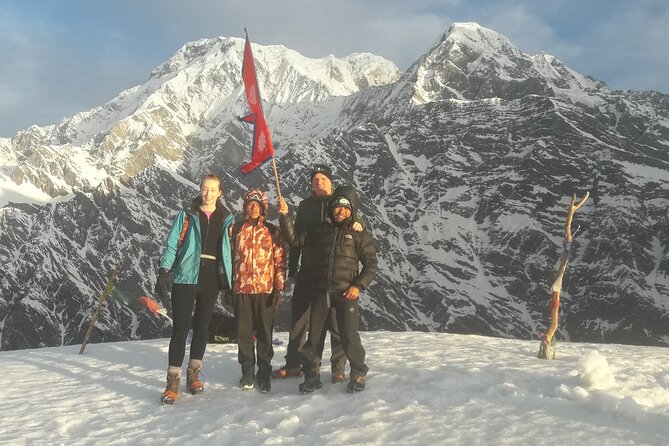
For $399, you’re not only buying a guide. You’re also getting the practical pieces that can quietly add up on trekking trips: permits, a porter system, and key cold-weather gear.
Here’s what’s covered that matters on the ground:
- Transport segments: private car or van from Pokhara to Kande, plus a shared jeep from Siding Village back to Pokhara
- Permits: ACAP and TIMS card
- Support: fluent English speaking, government registered, first-aid trained guide, plus one porter for every two trekkers
- Cold-weather gear: sleeping bag for minus-25 degrees, plus micro spikes and trekking poles
- Meals: lunch (5), breakfast (4), dinner (4)
- Administrative work: necessary paper works and local taxes
- A certificate of appreciation after a successful trek
What’s not included is also worth understanding up front:
- All drinks
- Personal insurance
- Kathmandu and Pokhara accommodations and meals
- Tips for guide and porter
The main value angle: your money goes into smoothing logistics, reducing uncertainty, and giving you gear for colder conditions. That tends to matter more than people expect, especially if you’re trekking outside the perfect-weather window.
Day 1: Pokhara to Kande, Then Kande to Deurali Through Forest
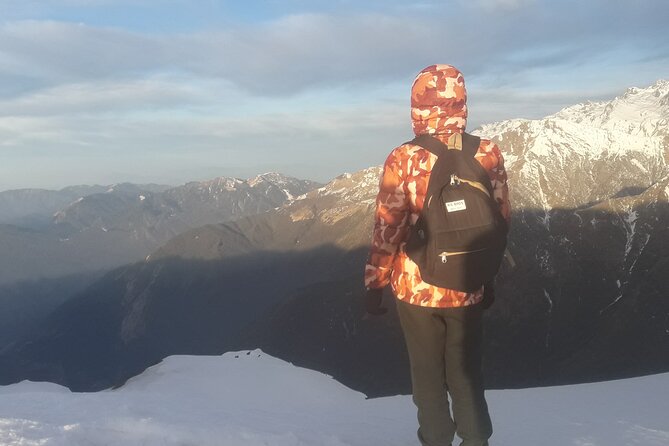
Your day starts with a drive from Pokhara to Kande, about 1 to 1.5 hours. Then you begin trekking from Kande, climbing toward Deurali for around 5 hours total on the trail.
What makes this first day feel worth it is the transition. You’re not immediately thrown into barren altitude. The trail runs through lush forest, and along the way you get glimpses of Annapurna South and Hiunchuli. Those partial views are useful, they help you get oriented and mentally “lock in” to the bigger scenery that comes later.
A practical caution: Day 1 is long enough to wake up your legs. I’d show up with reasonable stamina, not just enthusiasm, because the rest of the itinerary keeps climbing.
You’ll sleep in Deurali in a lodge.
Day 2: Forest Camp at 2600m, Low Camp, and the First Big View Day
Day 2 begins with continued trekking, about 4 hours before you reach Forest Camp (2600m). You stop there for lunch, then keep going toward Low Camp, with the full trekking time totaling about 6 hours from Pothana.
This is the day where the trek starts to feel more “mountain serious.” Forest gives way to thinner air and sharper weather shifts. You’re also building altitude in a way that sets you up for the big view payoffs later.
The route includes panoramic views along the climb, so you’re not just marching. That matters because high-altitude days can feel monotonous if there’s nothing to look at besides your feet. Low Camp is also where you settle in for another lodge night, so you’re not stuck improvising with logistics.
Private guides for Pokhara, a few more
Day 3: Low Camp to High Camp at 3700m, Machhapuchhre Shows Up
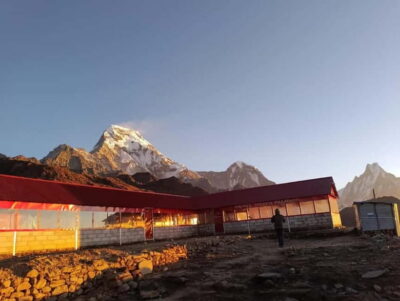
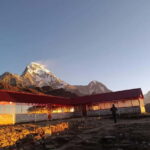
This is your altitude headline day. You trek from Low Camp to High Camp (3700m) in about 4 hours, then spend the night at a lodge in High Camp.
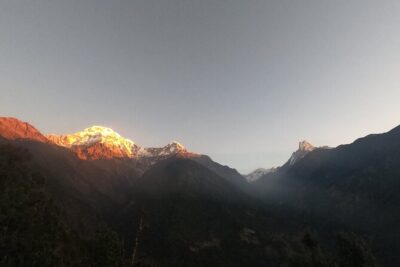
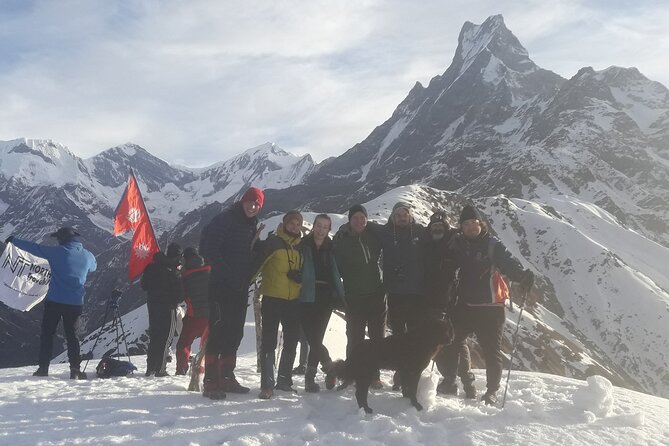
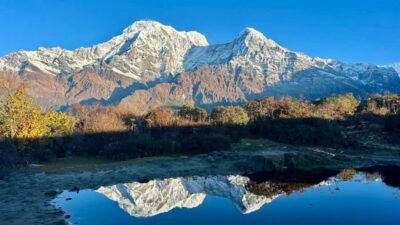
From High Camp, the views are the whole point. You’re aiming to see Machhapuchhre (Fishtail) and Annapurna South, and this is typically the day when the scenery feels most dramatic because you’ve gained so much elevation so quickly compared with the lower days.
A key consideration: the higher you go, the more your body cares about pace. This is exactly the kind of day where having a guide who can adjust to your breathing rate is huge. In the past experiences shared with this trek, guides like Bhim are praised for pacing trekkers thoughtfully, and that practical skill often makes the difference between enjoying altitude and feeling miserable by midday.
You’ll sleep in High Camp.
Day 4: Mardi Himal Base Camp Push, Optional Shorter Hike, Then Down to Badal Danda
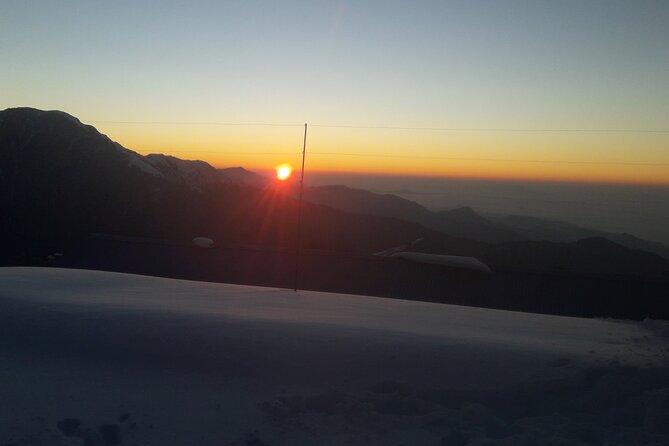
Day 4 is two-part: a hike to Mardi Himal Base Camp and then a descent back toward comfort.
You go from High Camp to Mardi Himal Base Camp on a trek that’s about 4 to 5 hours round trip. If you want something shorter, you can instead trek to a viewpoint halfway. After that, you return to High Camp, then descend to Badal Danda (3210m) for an overnight lodge stay.
What I like about this design is that it respects reality. Base Camp is the classic goal, but not every body handles the extra time the same way. The option to cut to a nearer viewpoint lets you keep the day rewarding without forcing a macho finish.
This is also a day where the included gear becomes more than a checkbox. Micro spikes help if the trail gets icy, and a warm sleeping setup helps you recover overnight after cold air at altitude.
You’ll end the day at Badal Danda.
Day 5: Badal Danda to Siding Village, Then Back to Pokhara
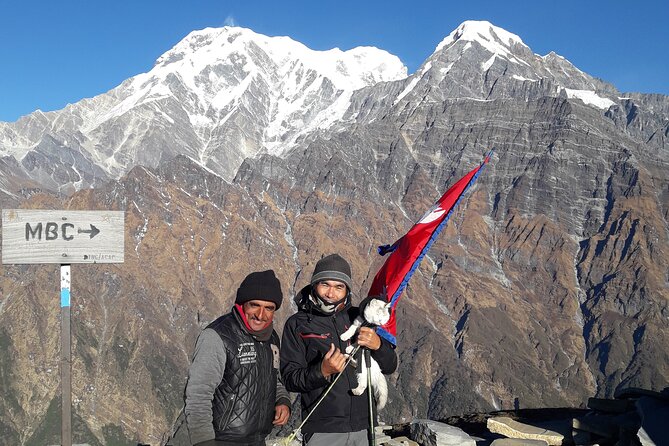
Your final trekking segment takes about 5 hours, from Badal Danda to Siding Village. Once you reach Siding Village, you drive back to Pokhara.
There’s also an extension option if you want a bit more walking: you can trek from Siding to Lwang via Ghalel for about 5 to 6 hours, then return. If you’re feeling good and want more time in the countryside, that add-on can turn your ending from a straight exit into a more relaxed finale.
Either way, this day is your decompression. You’ve hit the high point, you’ve earned the views, now you get to enjoy the slower rhythm of lower elevations and lodge comfort again.
The Support System I’d Bet On: Guide, Porter Ratio, Lodges, and Included Gear
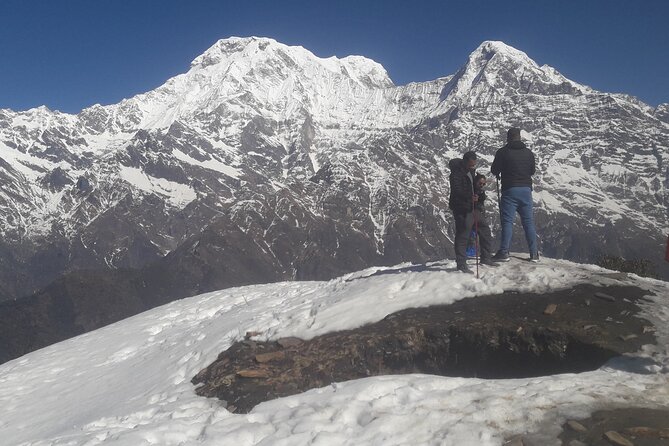
A private trek lives or dies by the details that don’t fit neatly on a brochure. Here, the structure is pretty clear: you get a government registered, experienced, first aid trained guide, plus fluent English communication. You also get a porter for every two trekkers, which is a big deal on a trek where you’re carrying layers for cold mornings and afternoons.
The porter system matters because it frees you to travel smarter. You can keep your own pack lighter, focus on your pace, and avoid turning every stop into a negotiation with your shoulders.
Gear inclusion is another reason I’d feel comfortable booking this, especially for colder months:
- Sleeping bag rated for minus-25 degrees
- Micro spikes
- Trekking poles
- A kitbag to store belongings
That last detail is small, but on a multi-day trek, organization keeps stress down. And stress is what makes elevation feel harder than it really is.
One more “good vibes” detail from real-world experiences: guides and porters described here, including names like Yakub, Jakub, and Manjung in various trekking stories, tend to be praised for being friendly, showing up punctually, and taking care of practical needs so you can stay present. You still need to manage your effort, but that kind of support makes the trek feel like it has guardrails.
Pace, Fitness, and Weather Reality You Should Plan For
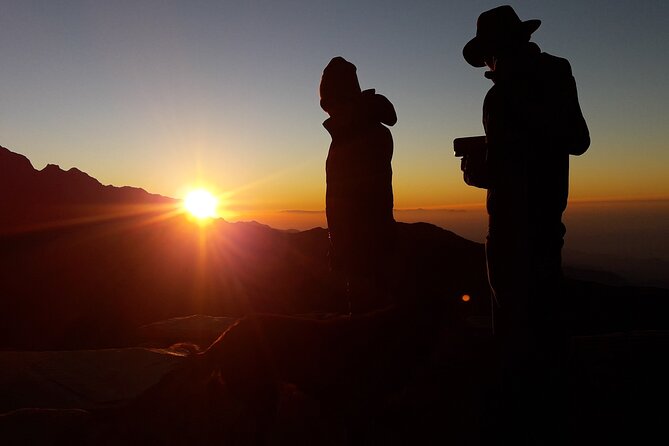
This trek is listed for travelers with moderate physical fitness. That’s honest, because you’re stacking several days of uphill hiking, plus one day with a base-camp style round trip. You don’t need to be an athlete, but you do need to be able to keep moving on a schedule.
Altitude also matters. You’ll move up to 3700m at High Camp, and you spend time descending and re-climbing across that altitude band. Your body doesn’t need drama, just consistency. If you’re prone to getting winded, bring extra patience, and let your guide set the pace.
Weather is another real factor. The included sleeping bag rating and the micro spikes suggest this itinerary can be done in colder conditions, and the past winter trekking experiences tied to similar Mardi Himal runs support that idea. In plain terms: if it’s cold, you’ll be glad you’re not trying to improvise warmth and traction on the trail.
What the Route Teaches You, Beyond the Views
A trek like this does more than deliver photos. The forest-to-high transition teaches you how quickly the Annapurna region can change, not just with altitude, but with temperature and light.
I also like how the itinerary balances effort and reward across different days. Day 2 builds altitude with lunch at Forest Camp and a push to Low Camp. Day 3 gives you a major view day from High Camp. Day 4 gives you a goal you can scale, base camp or midpoint viewpoint. Then Day 5 finishes with a steady descent to Siding Village.
That rhythm helps you keep control of your energy. You’re not always at maximum effort, and you get multiple chances to enjoy scenery instead of a single spike-and-vanish highlight.
Should You Book This Private Mardi Himal Trek?
If you want a private lodge-based Mardi Himal trek that includes permits, a porter system, and winter-ready gear, this is a strong option. The $399 price looks fair when you factor in what’s included: ACAP, TIMS, meals, sleeping bag for minus-25, micro spikes, and trekking poles.
I’d book it if:
- you want Mardi Himal views without camping complexity
- you like having a guide handle the paperwork and logistics
- you’re planning for colder trail conditions and want traction and warmth included
- you prefer a trek that includes optional flexibility on Day 4
I’d pause if:
- you don’t like late-night starts, because the listed start time is 11:45 pm
- you’re trying to minimize out-of-pocket costs on drinks, because drinks are not included
- you have very specific requirements for guide identity, since the overview mentions an expert female guide but the available trek stories name multiple guide types, so you should confirm who will lead your exact dates
If you do book, do one simple thing: confirm the exact pickup timing for that 11:45 pm start and ask what to pack for cold nights. Then focus on the joy part, looking up at Machhapuchhre, and walking your way to High Camp one step at a time.
FAQ
How do I get from Pokhara to the trek?
A private car or van takes you from Pokhara to Kande at the start of the trek. At the end, you take a shared jeep from Siding Village back to Pokhara.
What’s the highest point on the trek?
The itinerary lists High Camp at 3700m and Badal Danda at 3210m. Mardi Himal Base Camp is hiked to on Day 4 from High Camp.
Are permits included in the price?
Yes. Your ACAP permit and TIMS card are included, along with necessary paper works and local taxes.
Do I have a porter and guide support?
Yes. The trip includes a fluent English speaking, government registered, first aid trained guide and one porter for every two trekkers. You also get a kitbag for storing your belongings.
What gear is included for cold weather?
The package includes a sleeping bag rated for minus-25 degrees, micro spikes, and trekking poles.
Is there free cancellation, and when do refunds apply?
Free cancellation is available. You can cancel up to 24 hours in advance for a full refund, but cancellations within 24 hours are not refunded.
Pokhara Without the Group Bus
The Rest of Our Pokhara Write Ups


Mardi Himal, Keep Climbing
Everything else we have reviewed around Pokhara
- Pokhara: Cable Car Tour – Bird Eye View of Mountain & Lake
★ 4.4 · 3 reviews - Jomsom Muktinath Tour by 4WD SUV 2 Days
★ 5.0 · 3 reviews - Ghorepani Poonhill Private Trek – 2 nights / 3 days
★ 4.5 · 3 reviews - Pokhara: 30-Minute Paragliding Adventure with pick up/drop off
★ 4.5 · 3 reviews - Pokhara: 7-Day Annapurna Base Camp Trek via Ghandruk
★ 4.3 · 3 reviews - Pokhara Group Joining Sarangkot Sunrise Himalayas Tour
★ 5.0 · 3 reviews
Mardi Himal Treks worth a second look.
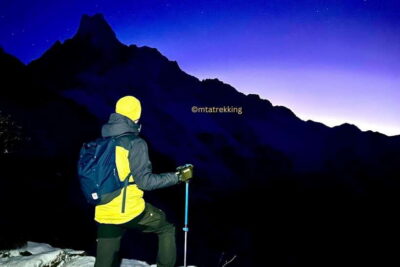 ★ 4.94-Day Mardi Himal TrekFrom $13959 reviews
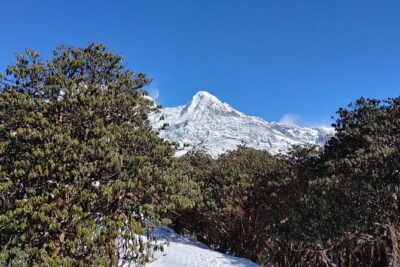 ★ 5.0Mardi Himal TrekFrom $1,05841 reviews
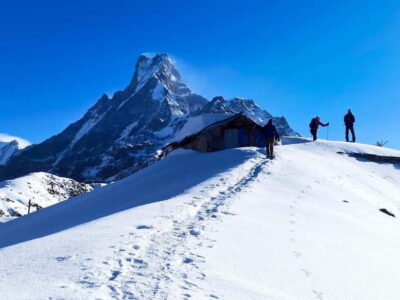 ★ 4.94-Day Mardi Himal Base Camp TrekFrom $13831 reviews
★ 5.0Mardi Himal TrekFrom $39930 reviews
★ 4.94-Day Mardi Himal Base Camp TrekFrom $13831 reviews
★ 5.0Mardi Himal TrekFrom $39930 reviews
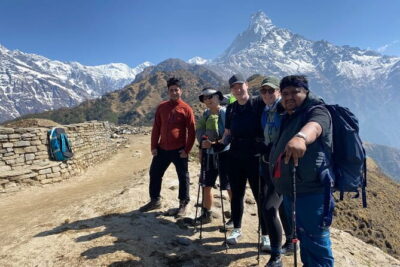 ★ 5.0Mardi Himal Trek NepalFrom $75029 reviews
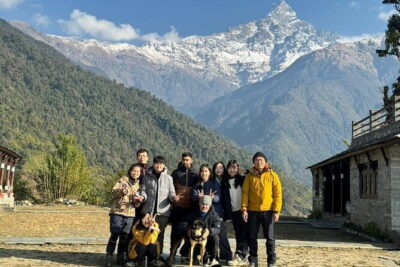 ★ 5.04 Day Mardi Himal Base Camp Trek from PokharaFrom $29018 reviews
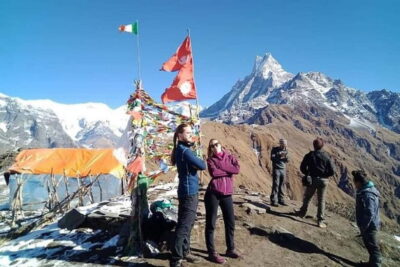 ★ 5.05-Day Mardi Himal Base Camp TrekFrom $18110 reviews
 ★ 4.84-Day Mesmerizing Mardi Himal Guided TrekFrom $1529 reviews
Lists this tour sits in