
REVIEW · MARDI HIMAL TREKS
Mardi Himal Trek
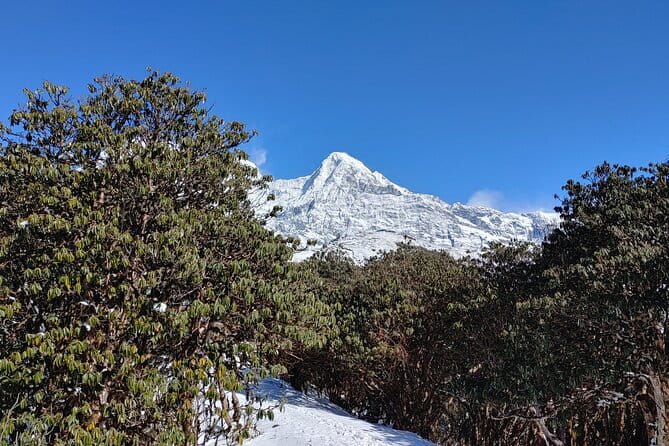
Mardi Himal is a short trek with huge payoffs. This is one of the best-demanded short treks near Pokhara, where Annapurna-range views feel close enough to stare at for a while. You start with a scenic drive to Dhampus, then walk through forest and camp areas before finishing down in Landruk, a classic village stop with everyday life and Himalayan sightlines.
I also like how the plan is supportive without being complicated. You get a licensed, experienced guide, private transportation, and a porter setup (2 guests to 1 porter), plus meals every trekking day, including seasonal fruit after dinner. The main drawback to consider is that this trek requires good weather for views, and you will be responsible for your own trekking equipment and the expected tips.
In This Review
- Key things I’d zero in on before you go
- Why Mardi Himal makes sense from Pokhara
- Day 1: Dhampus pickup and your first walking rhythm
- Day 2: Forest Camp to High Camp, with Low Camp for views
- Day 3: Mardi Himal Base Camp or View Point for the big sight lineup
- Day 4: Landruk descent, village life, and Annapurna South framing
- Day 5: Landruk to Siwai, then back to your Pokhara hotel
- Price and value: what $399 really covers
- Food, comfort, and the porter system that makes short treks actually enjoyable
- The weather reality and how to plan your mindset
- Should you book the Mardi Himal trek from Pokhara?
- FAQ
- Where does the Mardi Himal Trek start and end?
- What time does the trek start?
- How long is the Mardi Himal Trek?
- Is the tour private or shared with other people?
- Are meals included during the trek?
- Do I need to bring my own trekking equipment?
- What is the guide and porter setup?
- What happens if the trek is canceled due to weather?
- What is the cancellation policy for a full refund?
Key things I’d zero in on before you go
- A short trek that still gives you real mountain time (about 5 days, with 4 nights on the trail)
- Private logistics from Lakeside Pokhara with pickup and a set start time of 10:45 am
- Day 3 has a built-in choice: you hike toward Mardi Himal Base Camp or Mardi Himal View Point
- Meals are largely handled for you, including 5 breakfasts, 4 lunches, and 4 dinners
- Porter support on a 2-guest to 1-porter ratio, so you hike more comfortably
- Named support shows up in the company’s culture, including founder Jayaram and guides like Lama and Navaraj Nepal in past trips
Still on the Mardi ridge? A few more

Why Mardi Himal makes sense from Pokhara
Pokhara is the whole starting point for this trek. The experience begins at Lakeside Pokhara (33700) and returns you there as your trail winds down, ending at your hotel in Pokhara. If you want Himalaya views but do not want a huge time commitment, this route is built for you.
The trek itself is short, but it does not feel like a rushed drive-by. You will be walking roughly 7 hours on most days, moving through a mix of forest and camp areas. That means you still get the gradual change in air, light, and scenery that makes trekking feel like trekking.
There is also something quietly smart about this itinerary: it mixes big-view days with village time. Landruk on Day 4 is a good example. Instead of only chasing summits, you get a look at local homes, farmlands, and day-to-day village life, with mountain views framing it.
Day 1: Dhampus pickup and your first walking rhythm
Your day starts with practical comfort: a guide picks you up from your Pokhara hotel and you drive together to Dhampus. The ride is about one hour, so you do not lose your whole morning to transfers. Once you reach Dhampus, the trekking begins.
What you’ll feel on Day 1 is the gentle setup. It is not described as a technical day, and the trek is marked as suitable for moderate physical fitness. The goal is to get your legs online and start syncing with the pace, so later days do not feel like a sudden jump.
A small note that can matter more than you think: the tour start time is 10:45 am from Lakeside Pokhara. That is late enough that you can handle breakfast and final packing without panic, but early enough that you still get a full day on the trail.
Day 2: Forest Camp to High Camp, with Low Camp for views
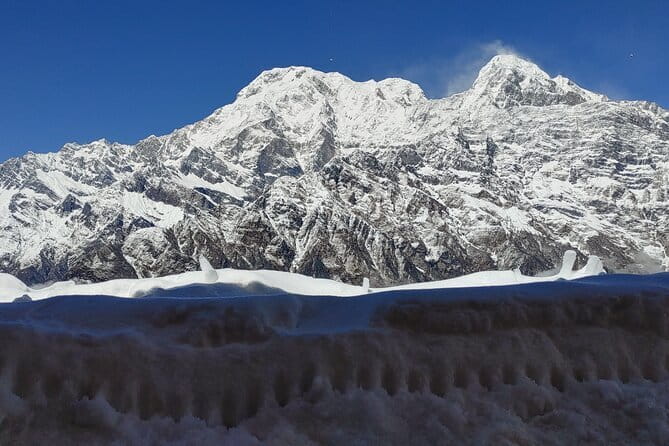
Day 2 moves you from Forest Camp to High Camp. You are not just hiking forward, you are also walking through a change in scenery, with the trail stepping up into higher areas. The plan includes a stop at Low Camp along the way, where you can enjoy breathtaking views.
This is the kind of day that rewards steady effort. When a trek has a “High Camp” destination, it usually means you should expect a bit more effort and a slower rhythm. The upside is that camp-to-camp sections like this often deliver the moments you remember most: the pauses where the view suddenly opens, and you realize you are no longer in the trees.
Also, this is where the included meal plan starts to feel like real value. You get breakfast and lunch, plus dinner on the trail. And after dinner, you receive seasonal fruit. That simple detail is one of those “small but important” things, especially after a long hike day.
Day 3: Mardi Himal Base Camp or View Point for the big sight lineup
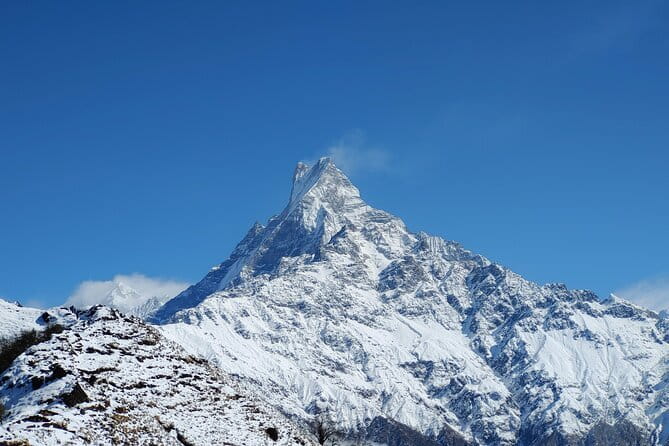
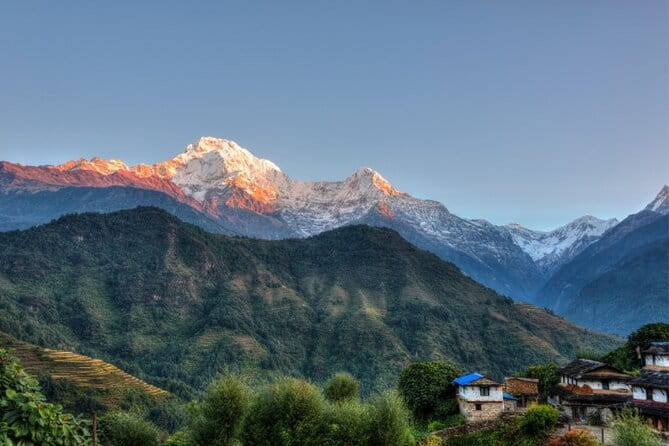
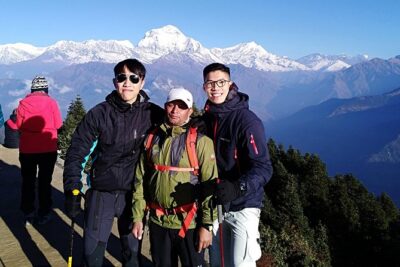
Day 3 is built around a choice. You hike toward either Mardi Himal Base Camp or Mardi Himal View Point, based on your preference. Along the way, you enjoy stunning views of Fishtail, Annapurna, and Hiunchuli.
That choice matters because it changes how you experience the top of the day. If you want the more destination-feeling hike, base camp is the move. If you want a view focused finish with less pressure to go deep into the route, the view point is the better fit. Either way, you are still aiming for that same “wow, the mountains are right there” moment.
One more detail to keep in mind: people value this trek for the way it can bring you close to iconic peaks in the Annapurna area, including the sense of a close-up feel toward Machhapuchhre. Since the itinerary specifically calls out the viewpoints and peaks you will see, you can expect the day to be about visual payoff, not just distance.
At this stage, your body will be tired in the normal way. The plan being structured around a clear objective (base camp or view point) helps you push through that fatigue, because you know what you are working toward.
Other lodge to lodge routes near Pokhara
Day 4: Landruk descent, village life, and Annapurna South framing
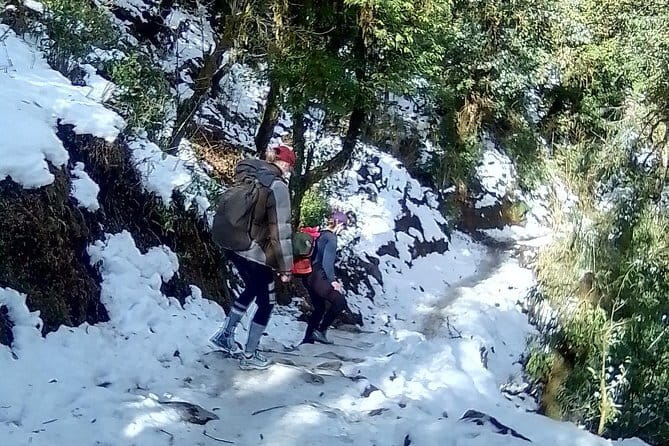
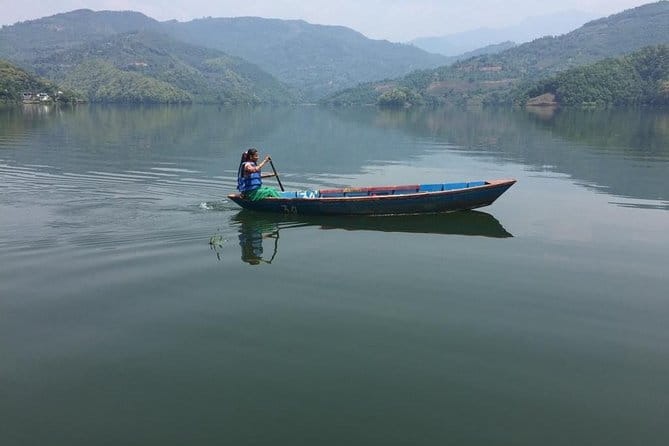
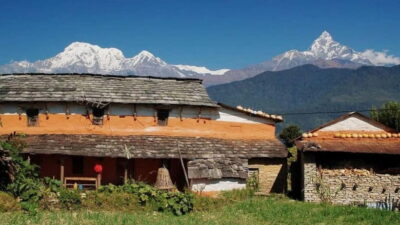
Day 4 shifts gears. You descend to Landruk, a picturesque mountain village. This is one of the more human parts of the trek, because you get views of local houses and farmlands, plus the everyday lifestyle of the people who live there.
And the mountains do not disappear once you reach the village. The sights include Annapurna South and Hiunchuli, which means your “slow day” still has mountain drama attached to it. It is a good balance if you want scenery without feeling like every hour is another ascent.
From a logistics standpoint, this also helps mentally. Descending days can feel easier after the heavier walking of earlier days, but they can be tough on knees if you rush. The best approach is to go steady, take your time, and let the pace match your comfort.
By the time you reach Landruk, you are not just traveling through Nepal’s countryside. You are stopping in a place with rhythm. That is where trekking can feel meaningful, not only scenic.
Day 5: Landruk to Siwai, then back to your Pokhara hotel
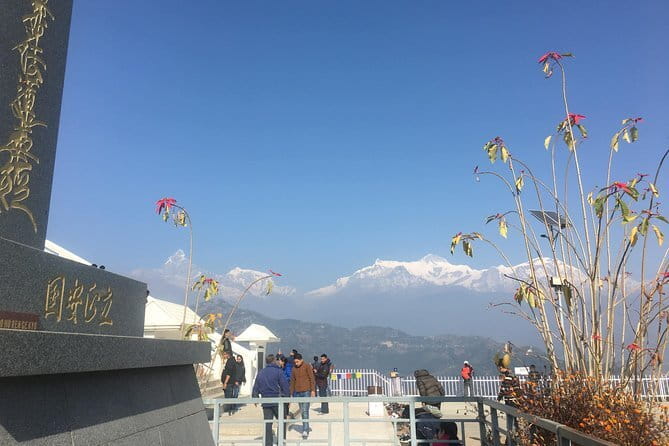
Your final day is short on purpose: a trek from Landruk to Siwai that takes about 1.5 hours. After reaching Siwai, the trek ends and you transition back to Pokhara.
This is exactly the kind of closing day I like. You get to finish with a manageable walk, instead of ending the trek exhausted and sore. It also gives you a little more flexibility with your plans in Pokhara, since you are not spending the whole day hiking.
The tour ends at your hotel in Pokhara, which is a practical detail. After multiple days on the trail, you do not want to navigate last-mile transfers while your legs are still recovering.
Price and value: what $399 really covers
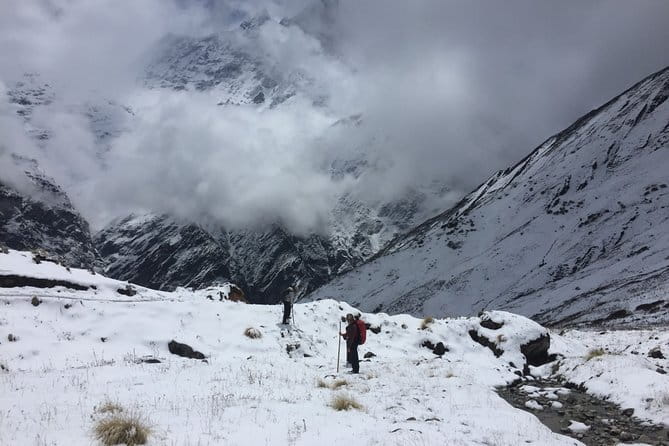
At $399 for about 5 days, this trek lands in a reasonable range for a private, guided Himalayan experience, especially because a lot of the big-ticket logistics are included.
Here is what you should count as real value:
- Licensed, experienced guide: not just a person with a backpack, but the kind of setup that helps keep your days organized.
- Private transportation: the pickup from your Pokhara hotel and the drives to start points remove a lot of stress.
- Porter support: 2 guests to 1 porter means you share the load and hike more comfortably.
- Meals during the trek: 5 breakfasts, 4 lunches, and 4 dinners, so you are not constantly budgeting and hunting for food.
- Accommodation during the trek: double occupancy basis is included.
- Fees and taxes: you are not piecing together extra charges day by day.
- Seasonal fruit after dinner each trekking day, a small touch that feels like care.
What you should budget separately:
- Personal trekking equipment (you bring your own gear)
- Meals and accommodation in Kathmandu and Pokhara outside the trekking days
- Battery charges, laundry service, phone calls, and showers (not included)
- Tips for guide and porter are expected
When I look at the price this way, it makes more sense than just comparing numbers. This trip is mostly paying for organization, people support, and day-by-day consistency, not for adding extra add-ons.
Food, comfort, and the porter system that makes short treks actually enjoyable
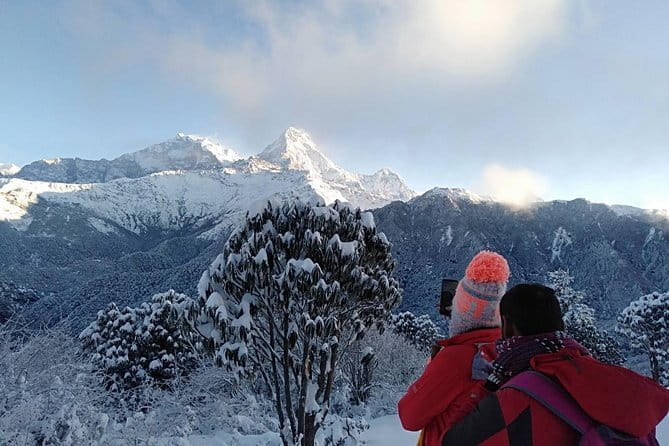
Short treks can still be tough. The good news is that the trek is designed with a porter system: 2 guests to 1 porter. That means you can plan for a more comfortable hike, and you avoid the “why am I carrying everything” frustration.
Accommodation during trekking is included on a double occupancy basis. That helps keep your daily costs predictable, and it means your time on the trail is more about walking and less about figuring out where you sleep.
You also get meals on the trail: breakfasts, lunches, and dinners. The details matter. I like that dinner is included, because it gives you a stable end to each day. Then the seasonal fruit after dinner adds a small recovery boost, plus it gives you something to look forward to after a long walk.
Comfort wise, remember what is not included: showers are specifically not included, and battery charges can be extra. So if you care about charging devices or staying constantly connected, plan for limited options and bring power banks if you have them.
The weather reality and how to plan your mindset
This trek requires good weather. That sounds obvious, but the impact is practical: if conditions are poor, your trek can be canceled and you will be offered another date or a full refund. Views are a huge part of why you take Mardi Himal, so it pays to treat weather as a core part of your decision, not a side issue.
Also, the days are long enough that you should plan mentally for full hiking days, roughly around 7 hours. The good part is that your body gets used to the rhythm, and by Day 4 you’re in a village setting, not only climbing toward the next camp.
If you tend to get antsy when your plans change, build in a buffer. Weather can shift mountain clarity, and the team’s job is to keep the trek moving safely.
Should you book the Mardi Himal trek from Pokhara?
If you want a Himalayan experience close to Pokhara, this is a strong match. I’d book it if you like big views and you want a structured 5-day trek with guide support, meals, and porter help. The Day 3 choice between base camp and view point also helps you match the day to your energy and preferences.
I would think twice if:
- You are not able to handle several days of moderate hiking, roughly around 7 hours.
- You are very equipment-dependent and hate planning gear.
- You need guaranteed mountain views no matter the weather, because this trek requires good conditions to shine.
One last thought: this trek works because it combines mountain payoff with real Nepal moments, especially the Landruk village day. If that mix sounds like your kind of travel, you’ll likely enjoy how smooth and focused the days feel.
FAQ
Where does the Mardi Himal Trek start and end?
It starts at Lakeside Pokhara 33700, Nepal and ends back at Lakeside Pokhara. The trek finishes in your hotel in Pokhara.
What time does the trek start?
The start time is 10:45 am.
How long is the Mardi Himal Trek?
It is about 5 days (about 4-night, 5-day on the trail).
Is the tour private or shared with other people?
It is a private tour or activity. Only your group participates.
Are meals included during the trek?
Yes. Meals during the trekking are included, with 5 breakfasts, 4 lunches, and 4 dinners.
Do I need to bring my own trekking equipment?
Yes. Personal trekking equipment is not included.
What is the guide and porter setup?
The tour includes a government licensed, experienced guide. It also includes porter support at a ratio of 2 guests to 1 porter.
What happens if the trek is canceled due to weather?
The experience requires good weather. If it is canceled due to poor weather, you will be offered a different date or a full refund.
What is the cancellation policy for a full refund?
Free cancellation is available. You can cancel up to 24 hours in advance for a full refund, and changes made less than 24 hours before the experience start time are not accepted.
Lodge to Lodge Around Pokhara
The Rest of Our Pokhara Write Ups
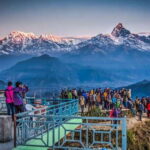


Mardi Himal, Keep Climbing
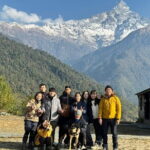
Everything else we have reviewed around Pokhara
- Pokhara: Cable Car Tour – Bird Eye View of Mountain & Lake
★ 4.4 · 3 reviews - Jomsom Muktinath Tour by 4WD SUV 2 Days
★ 5.0 · 3 reviews - Ghorepani Poonhill Private Trek – 2 nights / 3 days
★ 4.5 · 3 reviews - Pokhara: 30-Minute Paragliding Adventure with pick up/drop off
★ 4.5 · 3 reviews - Pokhara: 7-Day Annapurna Base Camp Trek via Ghandruk
★ 4.3 · 3 reviews - Pokhara Group Joining Sarangkot Sunrise Himalayas Tour
★ 5.0 · 3 reviews
Mardi Himal Treks worth a second look.
 ★ 4.94-Day Mardi Himal TrekFrom $13959 reviews
 ★ 5.0Private Mardi Himal TrekFrom $39942 reviews
 ★ 5.0Mardi Himal TrekFrom $1,05841 reviews
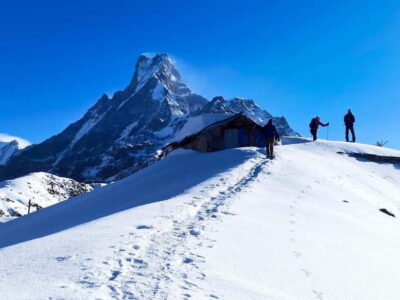 ★ 4.94-Day Mardi Himal Base Camp TrekFrom $13831 reviews
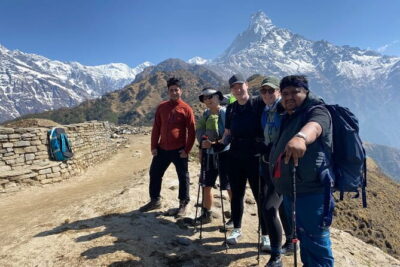 ★ 5.0Mardi Himal Trek NepalFrom $75029 reviews
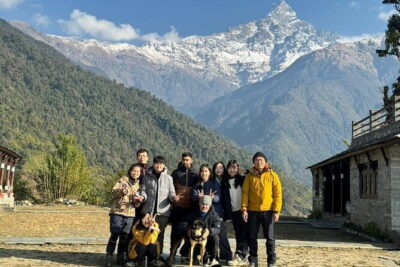 ★ 5.04 Day Mardi Himal Base Camp Trek from PokharaFrom $29018 reviews
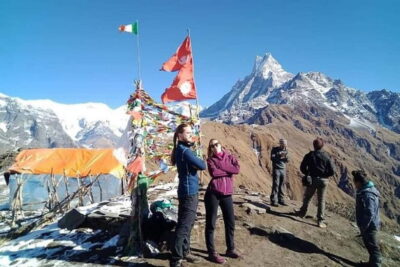 ★ 5.05-Day Mardi Himal Base Camp TrekFrom $18110 reviews
 ★ 4.84-Day Mesmerizing Mardi Himal Guided TrekFrom $1529 reviews
Lists this tour sits in