
REVIEW · MARDI HIMAL TREKS
Mardi Himal Trek Nepal
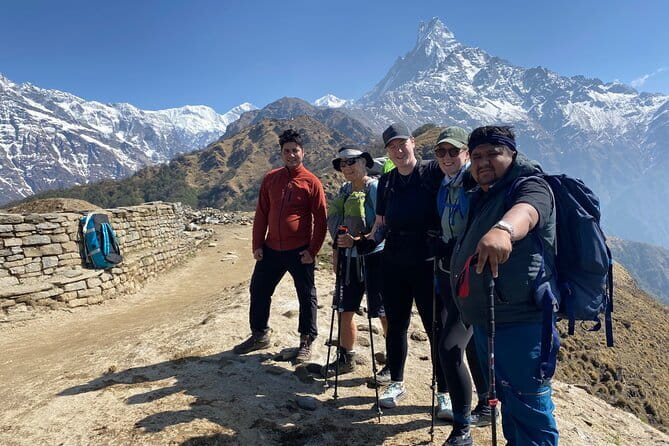
Quiet Himalaya, big views, and tea houses. The Mardi Himal Trek in Nepal is a short, satisfying trek in the Annapurna region, with less traffic than some of the headline routes, plus sweeping panoramas of Mount Machapuchare (Fishtail), Annapurna South, and Hiunchuli. It also has that nice new-trail feel, with the route increasingly built out for tea-house comfort instead of rough camping.
I really like the combination of quiet trail time and strong scenery rewards. You get a mix of forest walking, higher alpine meadows, and rugged mountain footpaths, and the trip is run as a full package, not just a guide showing up with a map. One possible drawback to plan for: the start time is listed as 1:15am, so this isn’t a “sleep in and stroll” kind of itinerary.
In This Review
- Key Points to Know Before You Go
- Why Mardi Himal Feels Different in the Annapurna Region
- Price and What You Actually Get for $750
- Kathmandu to Pokhara: Getting Set for Trek Time
- Day 3: Kande to Australian Camp Viewpoints and Onward to Deurali
- Day 4: Forest Steps to Low Camp and the Payoff of Wider Views
- Day 5: High Camp, Thin Tree Line, and Danphe Chances
- Day 6: Upper Viewpoint Day With Steep, Narrow Trail Sections
- Day 7: A Different Route to Shiding, Then Back to Pokhara by Jeep
- Day 8: Pokhara to Kathmandu by Bus, Then Final Day Transfer
- Tea Houses, Meals, and Comfort at Trek Day Altitudes
- Logistics That Reduce Trek Stress (Magic Himalaya Support)
- How Fit Do You Need to Be, and Who This Trek Suits Best
- Tips I’d Give You Before You Start (So the Trek Feels Good)
- Should You Book This Mardi Himal Trek with Magic Himalaya?
- FAQ
- Where does the trek start and how do transfers work?
- How long is the Mardi Himal trek with this package?
- What is included in the trek price?
- What is not included?
- Is airport pickup and drop-off offered?
- How big is the group and what fitness level do I need?
Key Points to Know Before You Go
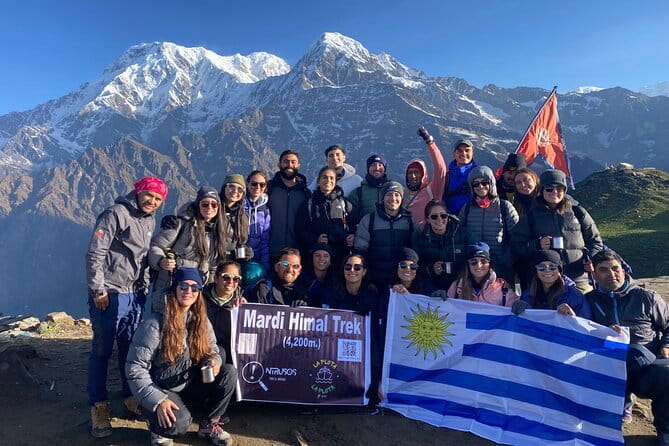
- Mardi Himal stays quieter than more famous Annapurna treks, so you get more calm hiking time.
- Tea-house style lodging is a big comfort upgrade on this once-camping route.
- Magic Himalaya handles most logistics (transfers, permits, guide and porter support).
- You move through distinct altitude zones, from forest to thin tree line to higher viewpoints.
- Smaller group size (max 16) helps keep the experience organized and personal.
Still on the Mardi ridge? A few more
Why Mardi Himal Feels Different in the Annapurna Region
Mardi Himal is in the Annapurna Himalaya area, but the vibe is not the same as the most crowded trekking classics. If you want mountain views without the constant crowd flow, this route is a smart fit. The route’s growth into a tea-house trek is also part of the appeal, because you can focus on walking and enjoying the scenery instead of hauling camping gear.
Another reason I like it is that the viewpoints feel goal-based. You’re not just wandering. You’re moving toward sights tied to famous peaks like Machapuchare (Fishtail), plus the wider Annapurna panorama. That matters, because it gives you a reason to keep going when the trail gets steeper.
Price and What You Actually Get for $750
At $750 per person, this trek isn’t a bargain, but it also isn’t asking you to do everything yourself. What you’re paying for is the “make it work” part of trekking in Nepal, especially the parts that can get annoying if you DIY it.
Your included support includes:
- Air-conditioned vehicle Kathmandu to Pokhara and back by tourist bus, plus private drive to Kande
- Jeep drive from Shiding back to Pokhara
- Guide and porter support, including equipment and food for the team
- Annapurna conservation permits and required documents
- A trekking map and a company duffel bag for the porter to carry
- A medical kit box and required medicine for the trek
- A farewell dinner and celebrations
- Meals: 8 breakfasts, 5 lunches, and 5 dinners
You should budget extra for what isn’t included. Gear and required clothing aren’t provided, and meals in Kathmandu and Pokhara are not covered. Also, rescue operation costs are not included, so you’ll want travel insurance that matches trekking needs.
For a trek that includes permits, meals on trek days, and real transfer planning across Kathmandu, Pokhara, and the trailhead, the value is fairly strong. The key question for you is whether you want that planning handled for you, especially if this is your first trek in Nepal.
Kathmandu to Pokhara: Getting Set for Trek Time
Your trip starts in Kathmandu, with airport pickup and a transfer to a hotel in Thamel. If you arrive late or are new to Nepal logistics, this kind of first-day help matters more than it sounds. You also get a briefing at the Magic Himalaya Treks office in the evening, which helps you understand the route rhythm before the hiking starts.
Then comes the jump to Pokhara. You drive to the tourist bus station and take the bus, with about 7 hours of travel time. You’ll overnight in Pokhara, which gives you a buffer for rest and a chance to reset after Kathmandu traffic and the mental load of traveling.
Practical tip: treat Pokhara as your “prep day base.” You’ll feel it in the mountains if you arrive tired or underfed, especially when the itinerary calls for an early start for the trek days.
Day 3: Kande to Australian Camp Viewpoints and Onward to Deurali
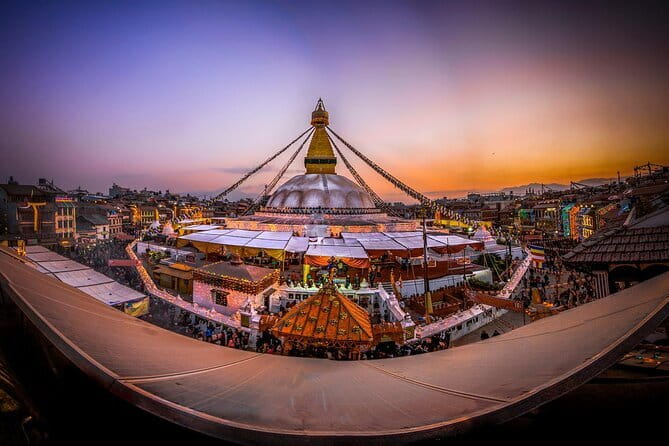
On trek day one, you’re transferred by car or private vehicle to Kanda, then you begin hiking toward Deurali. This is not the day to expect a long, technical push. It’s more about settling into rhythm, getting your legs working, and building excitement.
One detail I appreciate from the plan is the Australian Camp viewpoint stop for lunch. Even if you don’t linger there for long, it breaks up the hike and gives you a scenic anchor point early in the journey. Then you continue to Deurali villa for the night.
What to watch for: the early part of the trek can feel deceptively easy. You might feel great in the morning and then realize your pace needs adjusting by mid-day. Keep your effort steady and don’t sprint just because the first segments feel friendly.
Other lodge to lodge routes near Kathmandu
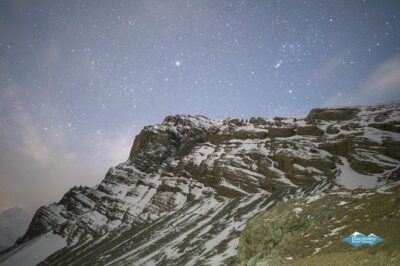
Day 4: Forest Steps to Low Camp and the Payoff of Wider Views
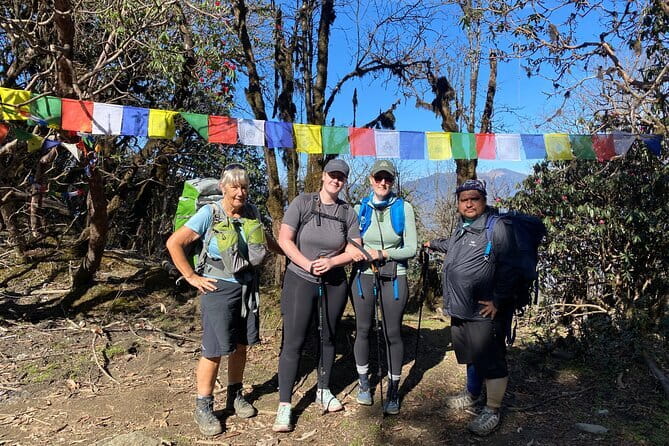
Day 4 moves you through forest terrain until you reach Low Camp. The time on the trail is about 6 hours, and the day’s job is pretty clear: transition from the lower, greener feel into the more open mountain walking zones.
Low Camp is where the Himalayan range views start to feel more “open.” The plan calls out outstanding Himalayan ranges from the camp area. This is also where you should start paying attention to the quality of the air and the way your breathing changes as you gain altitude.
Tea-house trekking here is the big comfort factor. You’ll be eating and sleeping in lodges along the route rather than camping, so the day’s end is more predictable. That’s helpful for keeping energy focused on the next hike.
Day 5: High Camp, Thin Tree Line, and Danphe Chances
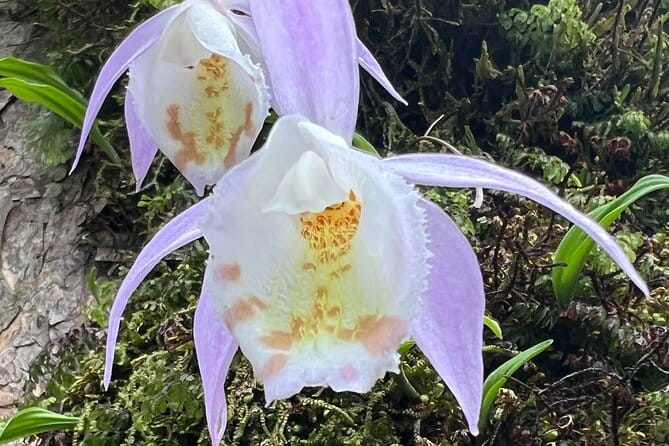
Day 5 is a shorter hike, around 5 hours, and it focuses on climbing up to High Camp. The plan describes the tree line thinning as you go higher, which is exactly what you want to notice with your body. When the trees thin out, you often feel the hike in a different way, because the trail can turn more exposed and the air can feel sharper.
There’s also a fun detail in the route plan: you might see Danphe along the way. Danphe is Nepal’s national bird, and sighting one is the kind of small nature bonus that makes a trekking day feel personal.
High Camp is the day’s destination, meaning you can expect the evening to be about recovering, not about “just one more hour.” With tea houses, that matters because your sleep and food quality on these nights can shape your next day’s mood and energy.
Day 6: Upper Viewpoint Day With Steep, Narrow Trail Sections
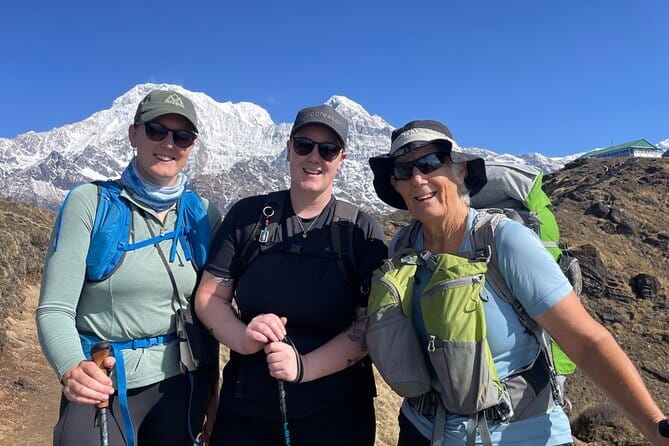
Day 6 takes things up a notch. The day is described as 10 hours, and the route includes ascending, descending, and time on steep, narrow trail segments. This is the day I’d mentally label as your endurance test inside the trek.
The plan notes that the trail passes through pastures and that you hike along the narrow rides of the trail to reach the upper viewpoint. Even without exact technical descriptions, you can assume footing matters. If you’re the kind of walker who rushes to beat the clock, this is where you’ll want to slow down and pick safe steps.
You’ll also get time at an upper viewpoint, which is usually where the effort pays back with big panoramas and clear-air moments. If weather is cooperative, this can be one of the most satisfying days of the entire trip, because you feel like you’re actually standing in the middle of the mountain world.
Day 7: A Different Route to Shiding, Then Back to Pokhara by Jeep
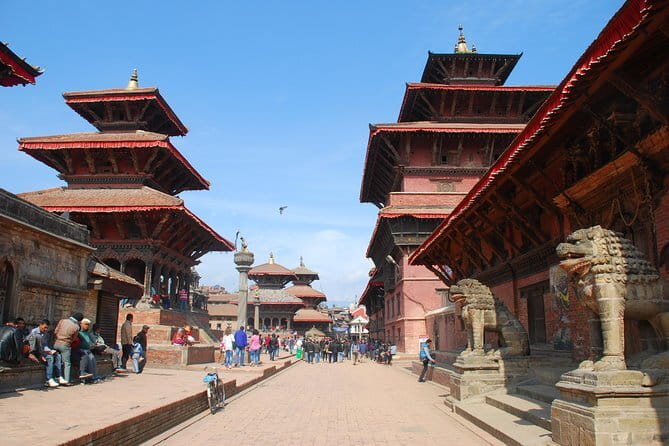
Day 7 is a switch day. Instead of following the same Mardi Himal route the whole way, the plan says you trek different routes to reach Shiding Village, and then you drive back to Pokhara for an overnight stay.
That change of scenery is more than a gimmick. It helps break up repetition. You also get the benefit of ending the more intense trekking portion with a vehicle transfer, which reduces fatigue stacking up for your return travel day.
Because the plan explicitly includes a Jeep drive from Shiding to Pokhara, you’re not guessing how you’ll get out. You’ll spend the night in Pokhara, which also gives you an easier time to handle showers, rest, and a proper meal in town that isn’t part of the trek package.
Day 8: Pokhara to Kathmandu by Bus, Then Final Day Transfer
Day 8 is travel. You’ll have breakfast at the Pokhara hotel and then take a walk or drive to the tourist bus park. The bus ride is 6 to 7 hours back to Kathmandu.
This is a day to keep your expectations realistic. Your “trek brain” might want to keep moving, but travel days are better when you treat them as recovery time. It also helps you sleep sooner on the final night.
Then on Day 9, the itinerary says you get picked up from your Kathmandu hotel before departure and transferred to the airport. That closes the loop cleanly, which is how you want a multi-day trek to feel at the end.
Tea Houses, Meals, and Comfort at Trek Day Altitudes
This trek is part of the newer wave of Mardi Himal itineraries that use tea-house style lodging. That’s a big deal for many people, because the difference between camping and tea houses is not only comfort. It affects how much effort you spend on water, cooking, and daily gear management.
Your meal plan is also set on trekking days. You have 8 breakfasts, 5 lunches, and 5 dinners included. That consistency is helpful for pacing your hiking effort, especially if you’re not used to planning food timing in a mountain setting.
One practical thought: tea-house menus can vary by day and location. The itinerary doesn’t spell out specific dishes, so your best move is to plan around standard trekking food choices (warm items, rice/noodle-based meals, and soups where available). You can also ask your guide what’s easiest to eat on the higher days.
If you’re a light eater, you’ll still likely do fine, since the route includes shorter hiking days and multiple recovery nights. But if you have strong dietary needs, it’s worth communicating those early, even though the plan lists included meals rather than custom menus.
Logistics That Reduce Trek Stress (Magic Himalaya Support)
A lot of trekking complaints are really logistics complaints. This itinerary tries to remove the stress points.
You get:
- Airport and hotel transfers in Kathmandu
- A briefing at the company office before you start trekking
- Permits and required documents handled as part of the package
- Guide and porter support, including equipment and food for the porter team
- A medical kit box and required medicine
- A farewell dinner and celebrations
The review notes also put strong emphasis on people. Multiple comments praise the team’s attentiveness, and at least a few specifically mention Nabin (the owner). That kind of repeated, name-based praise is usually a good sign that the owner checks on guests and that the guide team is responsive, not hands-off.
Also, your maximum group size is listed as 16 travelers. Smaller groups typically mean less waiting at the tea houses and trail turns, and more flexibility if your pace needs adjusting.
How Fit Do You Need to Be, and Who This Trek Suits Best
The trip is listed for travelers with moderate physical fitness. That’s exactly what I’d look for if you want a serious mountain trek without a full-on training obsession. The hike duration varies by day, from around 5 hours up to a longer 10-hour day, and the trail includes steep and narrow sections.
This trek suits you if:
- You want a meaningful Annapurna trek without matching the length of the longest routes
- You prefer a calmer trail than the most famous crowded itineraries
- You like the tea-house comfort approach
- You want a structured trip where most transport and permits are handled
It might be less ideal if you’re aiming for a super easy stroll every day, because Day 6 includes long hours and difficult footing. It may also feel tight if you hate early starts, since the start time is listed as 1:15am.
Tips I’d Give You Before You Start (So the Trek Feels Good)
Since gear is not included, you should pack like trekking matters. Plan for layered clothing, good hiking socks, and trekking shoes with grip for narrow, steep trail sections. Also bring rain protection, because mountain weather can change quickly even on routes that look calm at lower elevations.
Hydration and snacks are worth thinking about too. The itinerary includes meals, but you’ll still appreciate small extras for energy between tea-house stops. Your guide can usually recommend what to buy locally if you’re short on something, but it’s better to arrive prepared.
Finally, get your expectations right for elevation. One review notes views up to around 4,500 meters. Even if your exact height on your day varies, treat the higher sections with respect. Slow down, breathe steadily, and tell your guide immediately if you’re feeling symptoms of altitude stress.
Should You Book This Mardi Himal Trek with Magic Himalaya?
If you want a short, rewarding Annapurna-area trek with quiet trail time, strong peak views, and tea-house convenience, this is a solid choice. The included package handles the heavy lifting: transport, permits, guide and porter support, and meals on trekking days. For many people, that’s the difference between a trek that feels fun and one that feels like chores.
I’d especially recommend it if you value a team that stays attentive. The repeated praise for Magic Himalaya’s leadership and the mention of Nabin by name in reviews suggests this is a company that actively manages the guest experience, not just runs logistics.
If you hate early mornings or you’re not ready for long walking days with steep narrow sections, consider whether you want a different style of trek. But if you’re okay with an early start and you want a calmer alternative in the Himalaya, booking this Mardi Himal route is a smart, practical move.
FAQ
Where does the trek start and how do transfers work?
You’ll be picked up at the airport in Kathmandu and transferred to a hotel in Thamel. The plan also includes travel from Kathmandu to Pokhara by tourist bus, private transportation from Kande for the trek start, and a jeep drive from Shiding back to Pokhara. On the way out, you’ll take a bus back to Kathmandu and then get transferred to the airport.
How long is the Mardi Himal trek with this package?
The duration is listed as 9 days (approx.).
What is included in the trek price?
The package includes Kathmandu to Pokhara and back transport (Kathmandu to Pokhara by tourist bus, plus private transportation drive to Kande and jeep from Shiding to Pokhara), guide and porter salary and equipment, food and accommodation for the trek team, permits for the Annapurna conservation area, a trekking map, a duffel bag for the porter, a medical kit box and required medicine, and a farewell dinner. Meals included on trek days are 8 breakfasts, 5 lunches, and 5 dinners.
What is not included?
Gear and required clothing are not included, and lunch and dinner in Kathmandu and Pokhara are not included. Personal expenses and any bar bills or alcohol are also not included. The package also notes that rescue operation costs are not included.
Is airport pickup and drop-off offered?
Yes. The plan includes private vehicles for airport pick up and drop off in Kathmandu.
How big is the group and what fitness level do I need?
The maximum group size is listed as 16 travelers. The guidance says travelers should have moderate physical fitness.
Lodge to Lodge Around Kathmandu
The Rest of Our Kathmandu Write Ups

Mardi Himal, Keep Climbing
Everything else we have reviewed around Kathmandu
- 12 Days Everest Base Camp Trekking
★ 5.0 · 3 reviews - 1 Night 2 Days Chitwan Jungle Safari Tour from Pokhara or Kathmandu
★ 3.0 · 3 reviews - Thamel Rickshaw tour
★ 4.7 · 3 reviews - Kathmandu: Momo Making Class with a Local Chef
★ 5.0 · 3 reviews - Kathmandu: Full-Day Yoga, Body Massage and Pedicure Package
★ 5.0 · 3 reviews - From Kathmandu / Pokhara / Chitwan: River Rafting – 1 Day
★ 4.6 · 3 reviews
Mardi Himal Treks worth a second look.
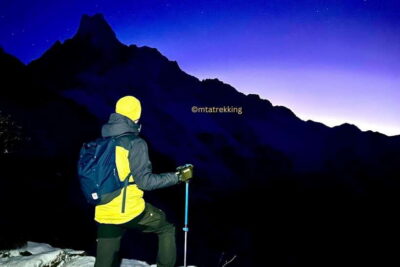 ★ 4.94-Day Mardi Himal TrekFrom $13959 reviews
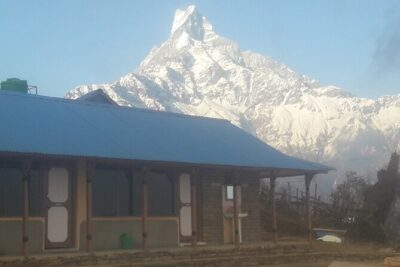 ★ 5.0Private Mardi Himal TrekFrom $39942 reviews
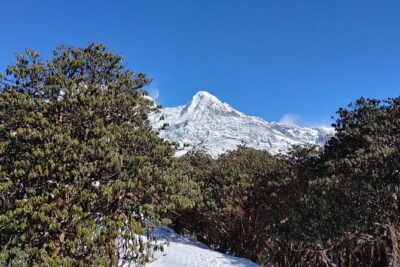 ★ 5.0Mardi Himal TrekFrom $1,05841 reviews
 ★ 4.94-Day Mardi Himal Base Camp TrekFrom $13831 reviews
★ 5.0Mardi Himal TrekFrom $39930 reviews
★ 4.94-Day Mardi Himal Base Camp TrekFrom $13831 reviews
★ 5.0Mardi Himal TrekFrom $39930 reviews
 ★ 5.04 Day Mardi Himal Base Camp Trek from PokharaFrom $29018 reviews
 ★ 5.05-Day Mardi Himal Base Camp TrekFrom $18110 reviews
 ★ 4.84-Day Mesmerizing Mardi Himal Guided TrekFrom $1529 reviews
Lists this tour sits in