
REVIEW · MARDI HIMAL TREKS
4 Day Mardi Himal Base Camp Trek from Pokhara
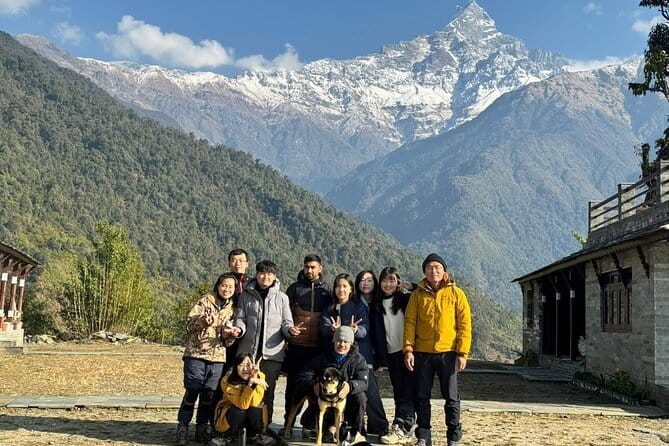
Mardi Himal is a short trek with huge payoffs. You get tea-house style nights in the Annapurna region, a trail that ramps up from forest paths to steeper high-country walking, and dramatic views of peaks like Machhapuchhre, Annapurna, and Hiunchuli. Two things I really like here are the solid organization (permits, documents, guide, and transfers handled) and the fact the route is built for people with moderate fitness who still want a real mountain trek. One drawback to consider: parts of the climb are steep and long for the time you have, so you should be ready for an early push and some aching legs.
This is a private trek, so you are not stuck in a big mixed group pace. And the guides get praised by name, including Krishna Adhikari, Krishna, Biru, and Birendra, for being helpful and on top of the details. The plan also includes hotel pickup and drop-off, which matters in Pokhara, where getting around can eat up time if you are not careful.
In This Review
- Key Things I’d Remember Before Your Hike
- Why Mardi Himal Fits Four Days So Well
- Day 1: Kande to Forest Camp, Lush Trails and a Steep Warm-Up
- Day 2: Gradual Ascent Toward High Camp, Mountain Views Start Showing Up
- Day 3: The Steeper Day Toward Mardi Himal Base Camp
- Day 4: Siding Village Descent and the Drive Back to Pokhara
- Guest Houses, Tea Houses, and What’s Included (and What Isn’t)
- Guides and Transfers: The Practical Backbone of This Trek
- Price and Value: What $290 Really Buys You
- Who Should Book This Trek (and Who Might Want More Time)
- Should You Book CAN Travels for Mardi Himal Base Camp?
- FAQ
- What time does the trek start?
- How long is the Mardi Himal Base Camp trek?
- Is this tour private or shared with other groups?
- What does the price include?
- Are meals and drinks included?
- How do transfers work from Pokhara?
- Can I cancel for a full refund?
Key Things I’d Remember Before Your Hike
- Four days, steep sections, real views: Expect gradual climbs on some days, then sharper effort later.
- English-speaking guide + first aid kit: You have local support and basic medical coverage with the guide.
- Official permits and entrance fees included: Less hassle, fewer last-minute surprises.
- Transfers by shared bus or jeep: Plan for some ride time between trailheads and Pokhara.
- Guest house stays on the route: Tourist-standard lodging is part of the package, so you can pack lighter.
- Food is on you: Meals and drinks are not included, but you can buy them along the way.
Still on the Mardi ridge? A few more
Why Mardi Himal Fits Four Days So Well
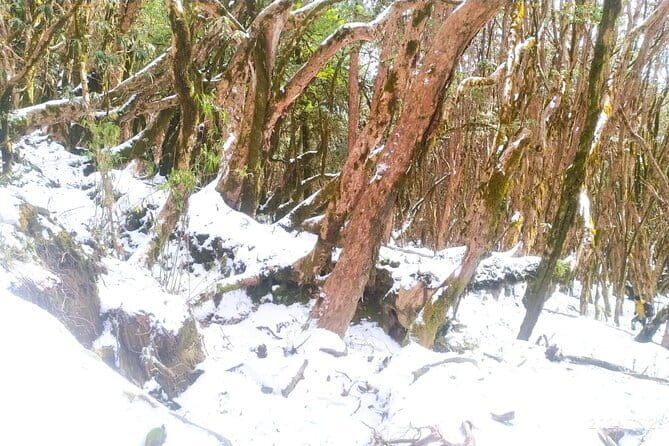
Mardi Himal Base Camp is one of those trekking routes that feels approachable on day one and honest by day three. You start with lush walking through forest and village areas, then the trail gradually sheds trees and turns more serious. By the time you’re working your way toward base camp, you are in that classic Annapurna zone where the air feels cooler and the views get bigger, fast.
I also like that you are not just walking to a single point. Each day has its own rhythm. Forest Camp feels like you’re warming up and settling in. The next day brings more mountain glimpses as you climb higher. Day three is the day you start feeling the trek in your calves. Then day four is a long, satisfying descent back toward Pokhara.
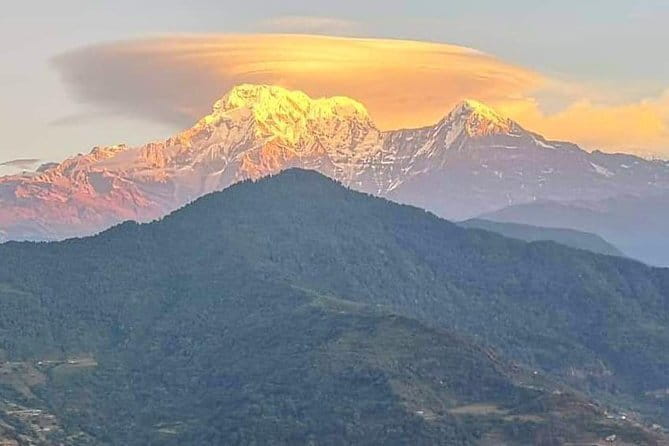
And the scenery angle is strong without needing a week. You will have sights of major peaks such as Machhapuchhre and Annapurna along the way, plus views of Hiunchuli when conditions are good. In the comments I read, people consistently pointed to the fact that Mardi Himal is “sweet and short” if you have limited time, but still want genuine Himalayan drama.
Day 1: Kande to Forest Camp, Lush Trails and a Steep Warm-Up
Your day starts with a short drive from Pokhara to Kande, about an hour. Then it’s straight into trail life.
The hike from Kande to Forest Camp is described as taking around 5 to 6 hours, and it’s not flat. You go through lush forest and village areas, which helps early on. Forest walking is easier mentally. Birds, shade, and the steady movement keep you focused. But the route is also steep in places, so don’t use the “forest vibes” to trick yourself into going out too fast.
Why Forest Camp works as day one:
- You get acclimated gradually. You are building effort, not just jumping into a brutal climb.
- Villages along the way make the trek feel real, not like a wilderness movie.
- Finishing at Forest Camp gives you a proper night in tourist-standard guest house accommodation, so you can actually recover.
Practical tip: start steady. If you’re the kind of hiker who loves speed, curb that urge on day one. The steep bits here are there to remind you the mountains keep their own schedule.
Day 2: Gradual Ascent Toward High Camp, Mountain Views Start Showing Up

Day two begins with a gradual ascent through the forest. In other words, it starts calmer than day one, but it keeps rising.
You’re looking at about 6 to 7 hours on this day, and the focus is on climbing into better viewpoints. The higher you go, the more you can see. The mountain presence gets more obvious, and even when the trail is still working upward, the payoff starts showing through.
The “Low Camp guest house” part matters because it breaks the day into manageable segments. You are not just hiking and hoping for the best. You climb, reach the next stop area, and settle into the rhythm of tea-house and guest-house trekking.
What I’d watch for on day two:
- Keep your energy even. Long days are won with pacing, not with hero moments.
- Treat view breaks as part of the hike, not a separate activity. If you stop every 10 minutes, you’ll lose your flow. If you stop every hour, you might cook yourself.
Also, because food and drinks are available to purchase but not included, this day is a good time to plan how you’ll handle meals. Simple snacks in your daypack can keep you comfortable between guest-house options.
Day 3: The Steeper Day Toward Mardi Himal Base Camp
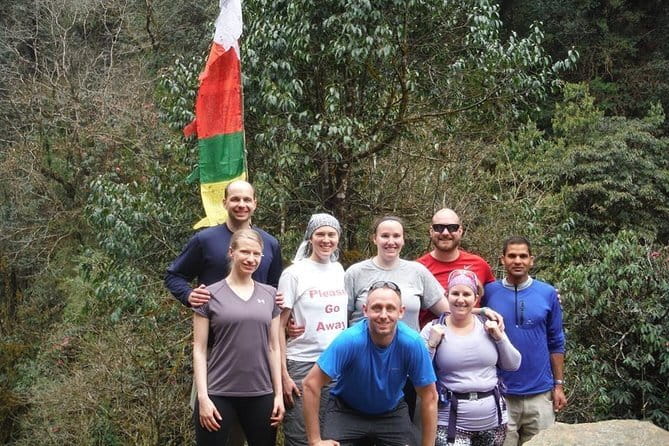
Day three is when Mardi Himal stops being a “walk in the woods” and starts being a climb in the mountains. The trail becomes steeper and more challenging as you go higher.
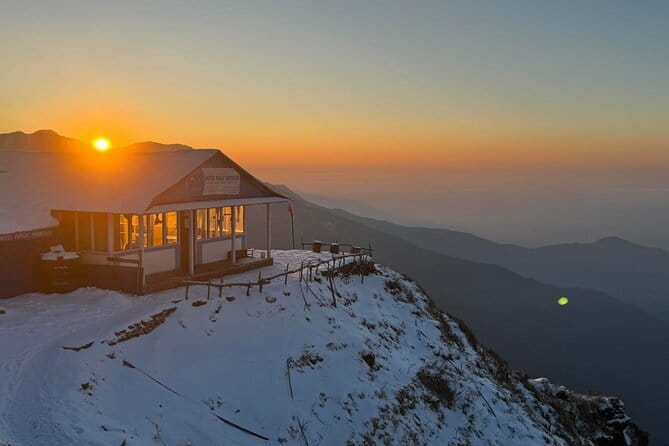
This day also carries the longest stretches in the “push” feeling. The total day is listed at about 8 hours. And there is a segment that takes roughly 3 to 4 hours to reach the base camp area from the higher point before it.
Why day three is the heart of the trek:
- You get the panoramic payoff after you’ve earned it. The trail opens up, and you can see the valley below along with the big peaks.
- This is when your focus narrows. Your body becomes the metronome. Your job is to keep moving at a pace you can sustain.
- The final approach rewards you mentally. Even without being extreme, you feel that you are approaching something special.
In the feedback about this trek, guides like Krishna Adhikari, Biru, and Birendra were repeatedly praised for keeping the pace reasonable and for being ready with route guidance. That matters on day three. When the trail gets steeper, small decisions, like when to take breaks and how to manage effort, can make the difference between enjoying the hike and just trying to survive it.
Practical tip: if you want photo time at base camp, plan for it. The best shots usually happen when you’re not rushing. Bring layers. Mountain weather can shift, and you’ll want something for warmth when you stop moving.
Other lodge to lodge routes near Pokhara
Day 4: Siding Village Descent and the Drive Back to Pokhara
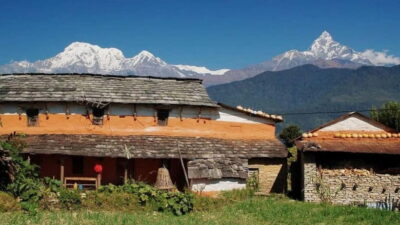
Day four is a full day, mostly because the ending takes time. You descend through forests and villages, with traditional Nepalese houses and terraced fields along the way.
The trek portion is about 5 to 6 hours to reach Siding Village. Then you still have another 2 to 3 hours of drive back to Pokhara. That means you’ll likely spend the day on your feet, plus ride time.
I like this ending because it feels like a real transition. You go from high-country views to lived-in landscapes where people are farming and living day to day. Terraces are a reminder that this region is not just a backdrop for hiking. It’s home.
What to be ready for:
- Your legs will be tired from the descent. Going down is still work, especially when your knees get cranky.
- You will want to hydrate during the descent, not just at guest houses.
If you tend to get sore after long descents, do a little knee-friendly pacing. Small steps and controlled speed beat big stomps every time.
Guest Houses, Tea Houses, and What’s Included (and What Isn’t)
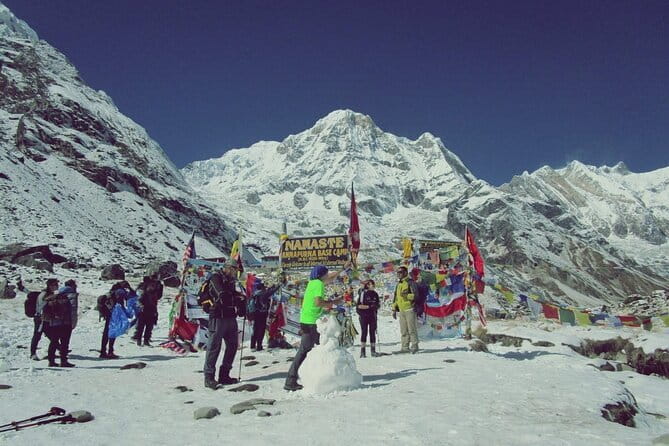
Accommodation during the trek is tourist standard guest house lodging. That’s a meaningful inclusion because it reduces the uncertainty of where you’ll sleep each night.
What’s not included is food and drinks. But the good news is that food and drinks are available for purchase along the way. So you’re not stranded without options. You are just paying for meals separately instead of having meals folded into the tour price.
This setup often works best when you pack smart. Bring a few go-to snacks for the times you do not want to wait, plus basic comfort items like lip balm and a dry layer. And keep some cash on you for purchases, since mountain stops do not always operate like city restaurants.
Also, because the package includes all official documents and entrance fees, you do not waste time at the start trying to figure out what paperwork you still need.
Guides and Transfers: The Practical Backbone of This Trek
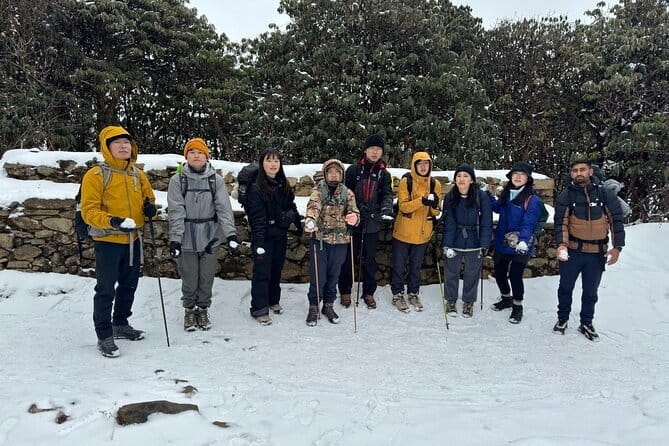
This trek runs with an experienced English-speaking guide and includes an emergency normal first aid kit with the guide. That’s not glamorous, but it’s exactly the kind of detail that matters when you’re out on a trail where help is not on speed dial.
The guide piece also connects with what people praise most. In the feedback, guides including Krishna Adhikari, Krishna, Biru, and Birendra are described as friendly, helpful, and attentive to the journey. One consistent theme is that the guide manages pacing and keeps the trek smooth from day to day.
Transfers are also included round trip. You get transportation by sharing bus or jeep according to the itinerary. Plus, there is hotel pick up and drop off.
Why that matters:
- Pokhara traffic and timing can be chaotic.
- Having transfer details handled reduces stress, especially if you’re doing this trek on a tight schedule.
- It makes the trek feel like a plan, not a collection of separate errands.
One note: the meeting point lists a start time of 7:15 pm. So get your arrival and evening plans lined up in advance. Do not assume you’ll start hiking at dawn the moment you meet.
Price and Value: What $290 Really Buys You
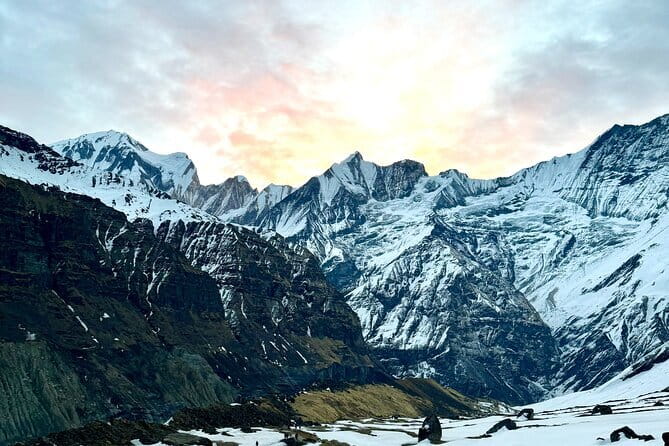
At $290 per person, the value comes from what is included, not just the base number.
You get:
- Trekking permit and all official documents
- Experienced English-speaking trekking guide
- Round trip transfer by shared bus or jeep
- Hotel pickup and drop off
- Accommodation in tourist standard guest houses
- All entrance fees
- Emergency normal first aid kit with the guide
Food and drinks are not included, and gratuities are optional. That part is standard for Nepal treks, but it’s worth budgeting so you do not end up counting coins later.
If you are comparing this to piecing everything together yourself, you’re paying for reduced hassle. Permits and document handling can be the annoying part. Transport logistics are the other headache. And guest house coordination is the time saver.
The private tour aspect also adds value if you want a guided experience without a mixed crowd pace.
Who Should Book This Trek (and Who Might Want More Time)
This trek says it’s for travelers with moderate physical fitness, and the reality lines up with that. Day one and day three are steep in places. Day three especially is the kind of effort that makes you respect your own limits.
I’d recommend it if:
- You have about four days and want a real base camp style experience.
- You like structured guiding and don’t want to manage permits and transfers on your own.
- You’re okay paying for meals along the way instead of having everything bundled.
You might consider a longer trek or a different route if:
- You want a lot of flat, easy walking. This route is not designed to be that gentle.
- You get easily discouraged by steep sections. There are days where the climb is the main event.
If you’re deciding between comfort and challenge, Mardi Himal leans toward “challenge with support.” It’s not extreme based on what’s described, but it’s also not a stroll.
Should You Book CAN Travels for Mardi Himal Base Camp?
If you want a short, well-organized Mardi Himal trek from Pokhara, this package looks like a strong match. The big wins are permits and logistics handled, guest house accommodation included, and a guide who gets praised by name for being attentive. Add the private tour format, and it’s a good option for couples, solo hikers, or small groups who want your day to feel coordinated.
I’d only think twice if you know steep trails hit you hard, or if you dislike managing meal purchases. Also, double-check that 7:15 pm meeting time works with your Pokhara schedule, since evening coordination is part of the process here.
If four days is your window, and you want mountains like Machhapuchhre in your line of sight, this is the kind of trek that can deliver a lot of satisfaction for your time on the ground. Pack smart, pace yourself, and let day three do its thing.
FAQ
What time does the trek start?
The meeting point lists a start time of 7:15 pm.
How long is the Mardi Himal Base Camp trek?
The duration is listed as 4 days (approx.).
Is this tour private or shared with other groups?
It is private. Only your group will participate.
What does the price include?
It includes trekking permits and official documents, an experienced English-speaking guide, round trip transfers by shared bus or jeep, tourist standard guest house accommodation during the trek, hotel pickup and drop off, an emergency normal first aid kit with the guide, and entrance fees.
Are meals and drinks included?
No. Food and drinks are available on purchase.
How do transfers work from Pokhara?
You get round trip transfer by sharing bus or jeep according to the itinerary, along with hotel pick up and drop off.
Can I cancel for a full refund?
Yes, free cancellation is available. You can cancel up to 24 hours in advance for a full refund. If you cancel less than 24 hours before the experience start time, the amount paid is not refunded.
Lodge to Lodge Around Pokhara
The Rest of Our Pokhara Write Ups
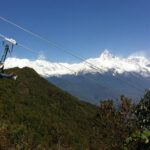
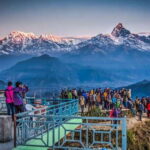


Mardi Himal, Keep Climbing
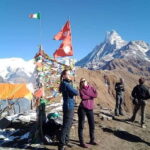
Everything else we have reviewed around Pokhara
- Pokhara: Cable Car Tour – Bird Eye View of Mountain & Lake
★ 4.4 · 3 reviews - Jomsom Muktinath Tour by 4WD SUV 2 Days
★ 5.0 · 3 reviews - Ghorepani Poonhill Private Trek – 2 nights / 3 days
★ 4.5 · 3 reviews - Pokhara: 30-Minute Paragliding Adventure with pick up/drop off
★ 4.5 · 3 reviews - Pokhara: 7-Day Annapurna Base Camp Trek via Ghandruk
★ 4.3 · 3 reviews - Pokhara Group Joining Sarangkot Sunrise Himalayas Tour
★ 5.0 · 3 reviews
Mardi Himal Treks worth a second look.
 ★ 4.94-Day Mardi Himal TrekFrom $13959 reviews
 ★ 5.0Private Mardi Himal TrekFrom $39942 reviews
 ★ 5.0Mardi Himal TrekFrom $1,05841 reviews
 ★ 4.94-Day Mardi Himal Base Camp TrekFrom $13831 reviews
★ 5.0Mardi Himal TrekFrom $39930 reviews
★ 4.94-Day Mardi Himal Base Camp TrekFrom $13831 reviews
★ 5.0Mardi Himal TrekFrom $39930 reviews
 ★ 5.0Mardi Himal Trek NepalFrom $75029 reviews
 ★ 5.05-Day Mardi Himal Base Camp TrekFrom $18110 reviews
 ★ 4.84-Day Mesmerizing Mardi Himal Guided TrekFrom $1529 reviews
Lists this tour sits in