
REVIEW · POON HILL & GHOREPANI TREKS
Pokhara: 4-Day Ghorepani, Poonhill & Ghandruk Mountain Trek
Some trips feel made for early mornings. This 4-day Pokhara to Ghorepani trek nails the big payoff, Poon Hill sunrise and Ghandruk Gurung village culture, with a trail that’s scenic without being overwhelming. I like how the route strings together high-view moments and real village stops, not just a long walk to a single viewpoint.
One possible drawback: you will wake up very early and you’ll likely face cold tea-house nights, so pack for temperatures you do not see coming until you’re in the hills.
The good news is that the basics are handled for you. You get hotel pickup in Pokhara, a certified guide, permits taken care of, and simple lodge stays with meals during the trek, which makes this short trek feel like an organized adventure instead of a complicated project.
In This Review
- Key takeaways before you go
- Pokhara to Ghorepani: why this 4-day circuit hits the right balance
- Poon Hill sunrise at 3,210m: the morning ritual you’ll plan your day around
- Day 1: Nayapul drive, Ulleri climb, and your first tea-house night
- Day 2: rhododendron forests and the Ghorepani village base
- Day 3: Poon Hill sunrise, Tadapani calm, and arriving in Ghandruk
- Day 4: descending to Nayapul and returning to Pokhara with your legs still working
- Tea houses, meals, and where comfort actually comes from
- The guide factor: why guides like Jeet Bhadur Nepali make short treks feel easy
- Price and logistics: what the $181 includes, and what you should budget for
- What to bring, and the one permit step you cannot skip
- Who this trek suits best, and who should think twice
- Should you book this 4-day Ghorepani, Poon Hill and Ghandruk trek?
- FAQ
- How long is the Pokhara to Ghorepani trek, and how many nights?
- Where are pickups and drop-offs offered?
- What is included in the price?
- What is not included?
- Do I need travel insurance?
- What languages is the guide available in?
- What do I need to bring with me?
- Will I need my passport for permits?
- Is this a private group trek?
Key takeaways before you go
- Poon Hill sunrise is the main event, and you’ll plan your day around it.
- Ghandruk is where culture shows up, with Gurung community life and a classic mountain-village feel.
- Rhododendron forest time is real, especially on the Ghorepani approach.
- Guides make the pacing work, and you’ll get route guidance, food help, and local context.
- Tea houses keep this trek short and doable, with simple lodging along the way.
- Transport plus permits are included, so your energy goes into walking, not admin.
Shorter Ghorepani options worth weighing
Pokhara to Ghorepani: why this 4-day circuit hits the right balance
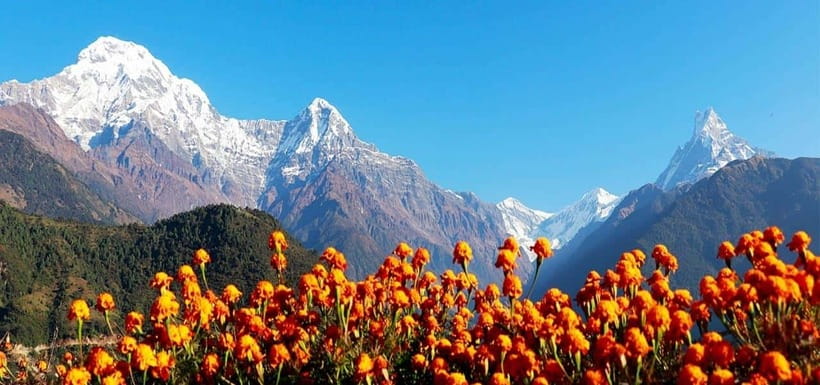
This is the Annapurna region in “best hits” form. You start from Pokhara, then climb gradually into the Ghorepani area where the views are strong enough that sunrise at Poon Hill feels like a reward you earned, not a marketing line.
I also like that the trek has a rhythm. Day 1 is uphill but gentle enough to settle in, Day 2 carries you through forest and villages, and Day 3 gives you both a sunrise payoff and a cultural landing in Ghandruk. By Day 4, you’re descending back toward Nayapul, so the trip ends with movement and momentum, not a stressful long slog.
For value, this is one of the better short treks because it bundles the usual headaches: permits, guide, and transport around Pokhara. The total price of $181 per person looks reasonable when you factor in that the plan includes meals during the trek (option-dependent), accommodation in simple lodges or tea houses, and trekking essentials like sticks and sleeping bags as needed.
Poon Hill sunrise at 3,210m: the morning ritual you’ll plan your day around
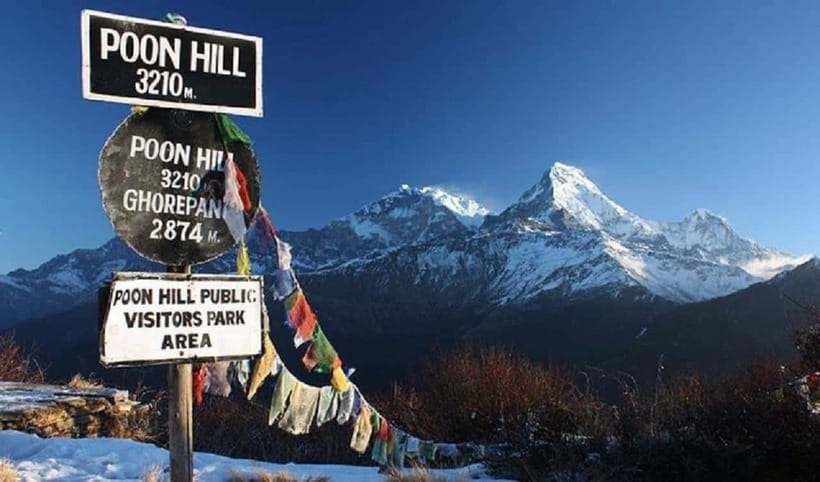
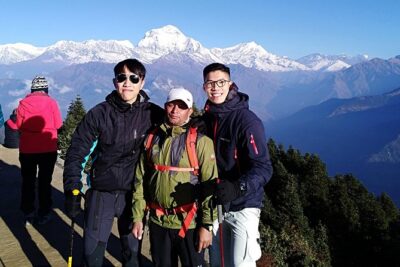
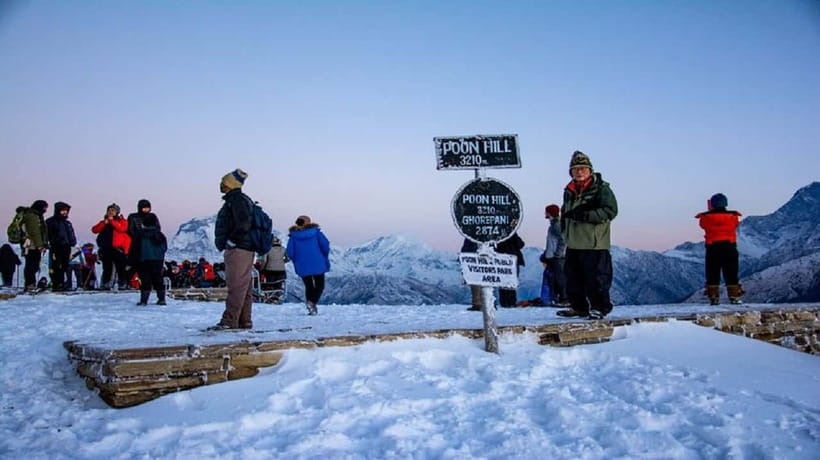
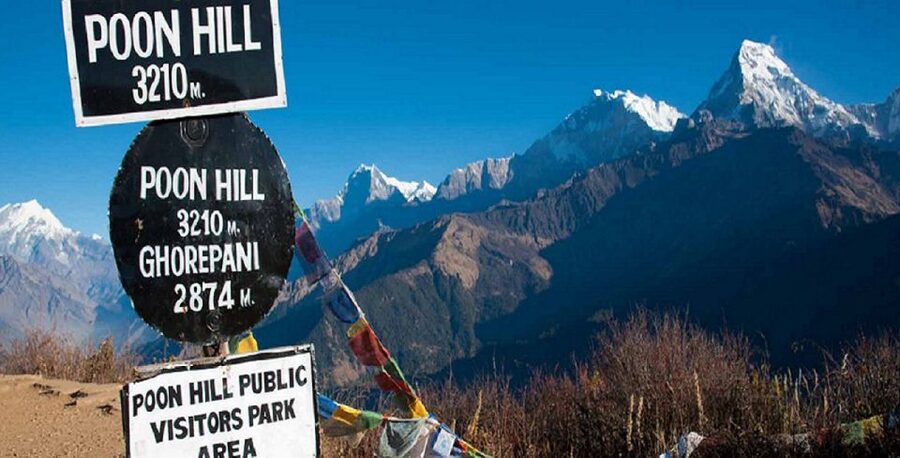
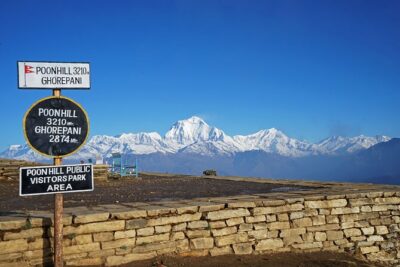
Poon Hill is listed around 3,210m, and it shows. The altitude plus early timing means you’ll feel the cold before you feel the glory, so bring warm layers you can actually move in.
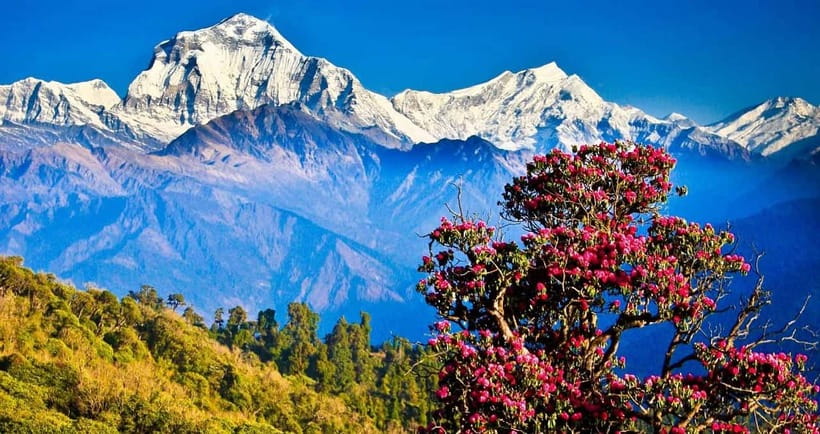
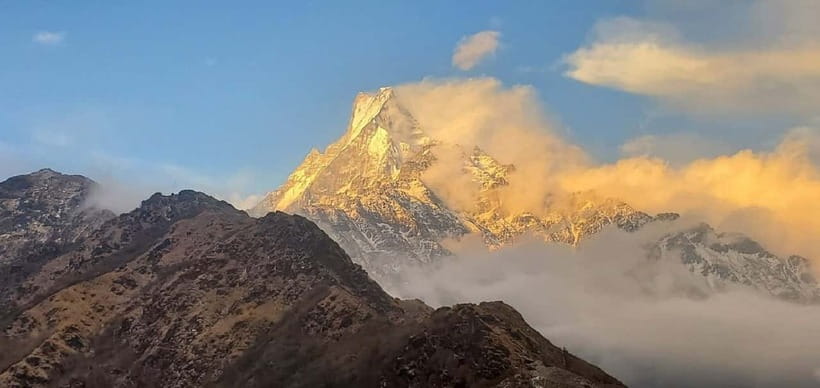
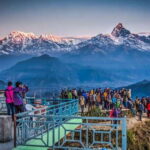
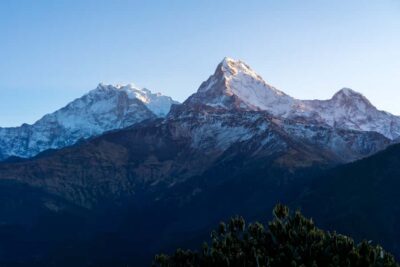
The upside is the view. The sunrise angle is what makes this stop famous: you’re watching the Annapurna and Dhaulagiri ranges light up, peak by peak, in that slow golden shift that turns the ridge line into a painting. If you want a single “main memory” from Nepal, this is it.
This trek also manages the energy after sunrise. You return for breakfast and then keep walking toward Ghandruk, which is smart. Instead of spending the whole day waiting around for the next viewpoint, you convert that early wake-up into forward motion and an evening cultural finish.
Day 1: Nayapul drive, Ulleri climb, and your first tea-house night
Day 1 starts with a drive from Pokhara to Nayapul, with a short break and photo stop en route. Then you walk to Ulleri over about 5 to 6 hours, which is a solid first-day effort without being a full-day grind.
Ulleri matters for two reasons. First, it’s a classic starting village for this circuit, so you get a real mountain-town feel right away. Second, it sets your expectations for the trail and the lodging rhythm, since you’ll settle in for an overnight in the tea-house system.
The route also puts you around Magar community hospitality, so meals and conversations feel like part of the journey, not a pit stop. You’ll end the day with sunset time in the village atmosphere, then rest up for the forest walk that comes next.
Practical tip: if you tend to get cold easily, Day 1 is when you should stop being optimistic about night temperatures. Wrap up early, because the warm-up effect of walking fades fast once you’re stationary in a lodge.
Day 2: rhododendron forests and the Ghorepani village base
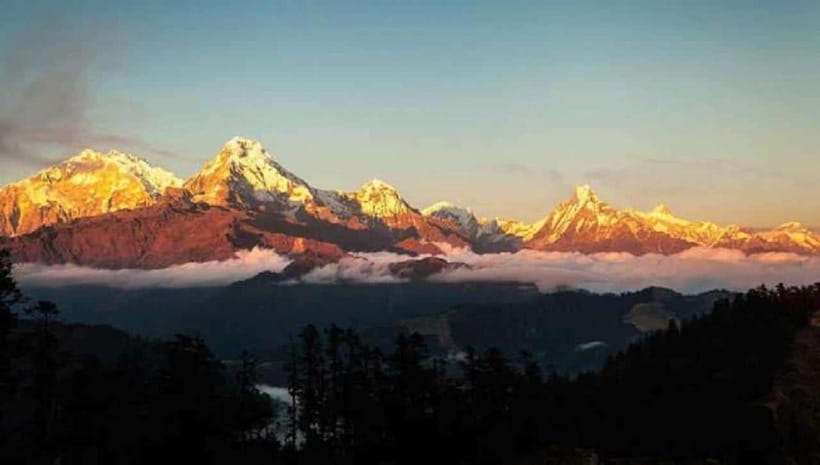
On Day 2, you trek from Ulleri to Ghorepani for about 4 to 5 hours. This is one of the prettiest stretches because you’re walking through rhododendron forests and past small villages, with chances to see wildlife along the way.
There’s a planned lunch stop at Nangethati, which helps break the day into two manageable halves. That matters because this is a short trek, and you want your climbs to feel like progress, not punishment. Ghorepani itself is your base for the next morning, and it’s set up for trekkers in a straightforward way.
What you’ll notice: Ghorepani feels more “trekking-focused” than Ulleri. You’ll likely get more choices at tea houses and more fellow hikers. If you want a quieter, more local vibe, you get it earlier in the route; Ghorepani is more about practical comfort and preparation.
One more thing I like: the trek design builds in the right amount of flexibility through stops and photo breaks. You get scenic views along the way, and the pacing stays friendly enough that beginners can finish without feeling like they’re constantly behind.
Other lodge to lodge routes near Pokhara
Day 3: Poon Hill sunrise, Tadapani calm, and arriving in Ghandruk
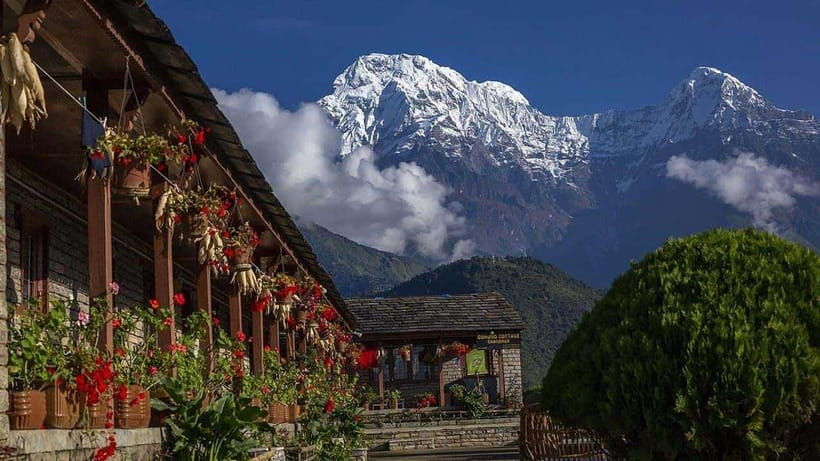
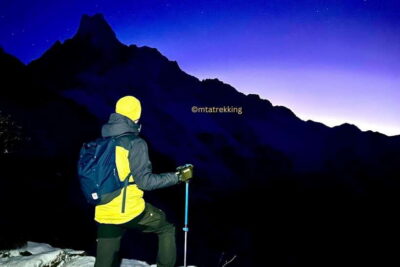
Day 3 is your biggest “two-part day.” You rise early for sunrise at Poon Hill, then head back for breakfast before continuing the trek toward Ghandruk. After Poon Hill, the walking shifts from the dramatic ridge-view world into slower, village-centered terrain.
On the way to Ghandruk, Tadapani becomes your in-between moment. It’s there to keep you from feeling like the whole day is one nonstop push, and it also breaks the scenery into zones so the hike stays interesting. Lunch is served along the route as you keep moving.
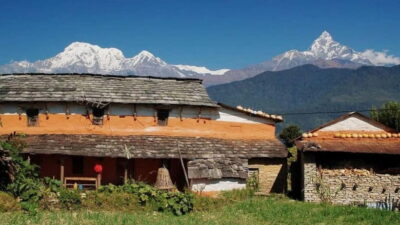
Then you reach Ghandruk, and this is where the cultural payoff lands. Ghandruk is known for Gurung culture, and the village atmosphere is the kind you remember when you’re not looking at mountains. Expect traditional community life, local hospitality, and the feeling that you’ve arrived somewhere that exists beyond trekking schedules.
You’ll spend the night in Ghandruk, which also means your trip ends with a different vibe than it started. Pokhara feels like city life and organization. Ghandruk feels like daily life in the hills, even when trekkers are around.
Day 4: descending to Nayapul and returning to Pokhara with your legs still working
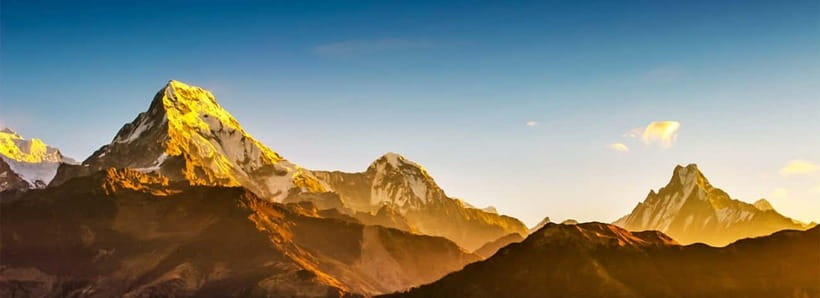
On Day 4, you walk down from Ghandruk to Nayapul, then drive back to Pokhara. The descent is the point of the day, and it usually feels like a relief after the previous day’s early wake-up and longer effort.
You’ll have a traditional Gurung breakfast in the village before you start the hike down. Then the trail brings you to Nayapul, where you get a final photo stop and a scenic stretch back, plus a bus/coach transfer of about an hour.
This day matters because it turns “trekking” into a full trip. You’re not just dropping altitude, you’re also closing the loop back into Pokhara, where you can shower, eat without counting calories, and look back at your photos without needing to keep walking.
Tea houses, meals, and where comfort actually comes from
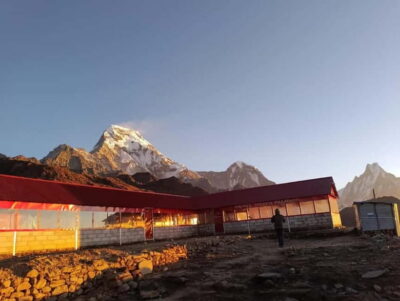
This is a tea-house and lodge trek, so think simple and practical. Accommodation is described as basic lodges or tea houses, and meals are included depending on the option you choose.
In real terms, comfort comes from three things on this route: warm layers at night, a good night blanket or sleeping setup, and food that hits the reset button after walking. The trek includes trekking gear like trekking sticks and sleeping bags as needed, which can save you money if you do not already own the basics.
You should also expect that shower situations can vary lodge by lodge. Some places may have hot water, but it is not guaranteed in all tea houses. Your best bet is to plan for a practical, not spa-level, setup.
One more comfort detail I love about this kind of trek: evening warmth. Wood fires and hot drinks are the usual scene, and they turn “just a lodge” into a social hub where you swap trail stories and calm down before sleep.
The guide factor: why guides like Jeet Bhadur Nepali make short treks feel easy
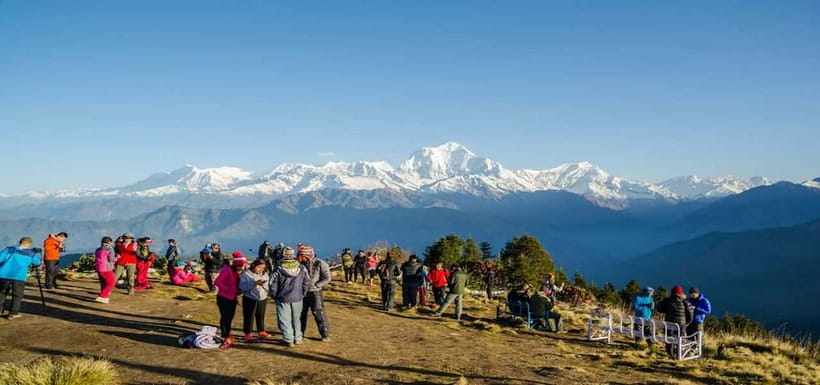
A short trek is where a good guide can change the whole trip. When you only have 4 days, mistakes cost you time. A strong guide helps you avoid that.
This trek uses a certified trekking guide, and the experience is described as private group with a live guide in English, Hindi, and Nepali. In the field, that means you’re not guessing what to do at each stop, you’re not stuck when it’s time to order food, and you understand what you’re looking at instead of just hiking through fog.
In the feedback for this route, guides are repeatedly praised for keeping pace and adapting when people feel unfit or under the weather. Names that show up again and again include Jeet Bhadur Nepali, Chandra, Santosh, Bala, Purushottam, Tanka, Anil, Golman, Raju, and Bishnu-Giri. The common thread is clear: they are friendly, organized, and they help you enjoy the trek instead of suffering through it.
Even better, guides often keep morale high for the early start. Some groups get playful with trail chants, and the mood stays upbeat even when it’s cold.
If you’re a beginner, ask your guide about pace and foot placement. A little coaching on the downhills and rocky parts can save your knees and keep your confidence high.
Price and logistics: what the $181 includes, and what you should budget for
Let’s do the value math in plain terms.
For $181 per person, you’re getting:
- round-trip transport between Pokhara and the trek start area (and the airport, depending on your pickup)
- meals throughout the trek (option-dependent)
- accommodation in simple tea houses or lodges
- a certified trekking guide, plus guide expenses
- permits and fees
- trekking gear like sticks and sleeping bags as needed
- luggage storage in Pokhara
- a first aid kit
That’s a lot included for a 4-day trek, especially the permits, guide, and transport. For many people, those are the costs that creep up when you plan something solo.
What’s not included:
- travel insurance (mandatory for your safety and peace of mind)
- personal expenses like snacks and drinks
- emergency rescue services if you ever need them
- a porter, if you decide you want one (listed at $20 per day)
My advice: if you do not already have trekking gear, ask what you’ll receive. The sticks and sleeping bag line suggests you can travel lighter, which reduces the hassle of bringing or renting gear in Nepal.
What to bring, and the one permit step you cannot skip
This trek requires a permit process through Nepal, and you need to submit a copy of your passport at least one day prior to the trek. Do that early, or you risk delaying your permits and adding stress at the worst possible time.
Packing list is straightforward:
- passport or ID card
- warm clothing
- sun hat
- camera
- hiking shoes
- comfortable clothes
- travel insurance
- sleeping bag
- cash
Even if your daytime walking feels fine, nights can turn cold fast at these elevations. Bring layers that you can zip up and move in. If you only pack one warm jacket, you might regret it once you stop climbing.
Also: bring cash for tea-house extras and personal snacks. Meals are included, but you’ll still want drinks, hot snacks, or small purchases depending on your preferences.
Who this trek suits best, and who should think twice
This trek is best for people who want big mountain views without committing to a longer expedition. It’s also popular for first-time trekkers because the daily walking blocks are manageable when you have a patient guide and you pace yourself.
It fits well if you:
- want the Annapurna region highlights in 4 days
- care about sunrise scenery and mountain-ridge photography
- enjoy village culture and want a night in Ghandruk
- prefer guided support over planning the trail yourself
You should think twice if:
- you have health limits or feel unsure about cold, early mornings, and stair-like uphill sections
- you expect luxury comfort, since tea houses are basic by design
- you want a totally flat walk, because this route is built on climbing and descending
The trek can be challenging for some participants, so honesty matters. If you’re unsure, talk to a medical professional and aim for training walks before you go.
Should you book this 4-day Ghorepani, Poon Hill and Ghandruk trek?
I’d book it if you want the classic Annapurna highlights in a short time window, and you like the idea of pairing Poon Hill sunrise with a genuine village stop in Ghandruk. The included permits, transport from Pokhara, and guided support make it a smart option when you want to focus on walking and views instead of logistics.
I wouldn’t book it if you hate early mornings, you cannot handle cold nights, or you need a very cushy lodge setup every night. This trek is not about luxury. It’s about scenery, rhythm, and a real taste of mountain village life.
If you’re planning to go, I recommend you choose this trek with a warm-layer strategy, a realistic fitness plan, and a guide you connect with. On this route, that combo is what turns “just four days” into a memory that sticks.
FAQ
How long is the Pokhara to Ghorepani trek, and how many nights?
The trek duration is 4 days. In this style of route, it’s commonly run as 3 nights in tea houses or lodges.
Where are pickups and drop-offs offered?
Pickup is included from the Pokhara Lakeside area, Sarangkot area, and Pokhara International Airport (PIA), with 18 pickup options listed. Drop-off is also offered at multiple Pokhara locations, with 18 drop-off options listed.
What is included in the price?
Round-trip transportation between your hotel and the trek starting point, meals during the trek (depending on option), accommodation in simple tea houses or lodges, a certified trekking guide, permits and fees, guide expenses, trekking gear (trekking sticks and sleeping bags as needed), luggage storage in Pokhara, and a first aid kit.
What is not included?
Travel insurance is not included. Personal expenses like snacks and beverages are not included, and emergency rescue services are also not included. A porter is not included unless you request one at $20 per day.
Do I need travel insurance?
Yes. Travel insurance is listed as mandatory for your safety and peace of mind.
What languages is the guide available in?
The live tour guide is available in English, Hindi, and Nepali.
What do I need to bring with me?
You should bring passport or an ID card, warm clothing, a sun hat, a camera, hiking shoes, comfortable clothes, travel insurance, a sleeping bag, and cash.
Will I need my passport for permits?
Yes. You need to submit a copy of your passport at least one day prior to the trek so the necessary permits can be obtained.
Is this a private group trek?
Yes. The experience is described as a private group.
Lodge to Lodge Around Pokhara
The Rest of Our Pokhara Write Ups

Ghorepani and the Poon Hill Ridge
Everything else we have reviewed around Pokhara
- Pokhara: Cable Car Tour – Bird Eye View of Mountain & Lake
★ 4.4 · 3 reviews - Jomsom Muktinath Tour by 4WD SUV 2 Days
★ 5.0 · 3 reviews - Ghorepani Poonhill Private Trek – 2 nights / 3 days
★ 4.5 · 3 reviews - Pokhara: 30-Minute Paragliding Adventure with pick up/drop off
★ 4.5 · 3 reviews - Pokhara: 7-Day Annapurna Base Camp Trek via Ghandruk
★ 4.3 · 3 reviews - Pokhara Group Joining Sarangkot Sunrise Himalayas Tour
★ 5.0 · 3 reviews
Poon Hill & Ghorepani Treks worth a second look.
 ★ 5.0Poon hill Trek 3 daysFrom $230176 reviews
 ★ 5.0Ghorepani – Poon Hill Trek 3N-4DFrom $321125 reviews
 ★ 5.04 Days Poon Hill TrekFrom $40594 reviews
 ★ 5.0Ghorepani(Poonhill Trek)From $60081 reviews
 ★ 5.04-day Poon Hill TrekFrom $40074 reviews
 ★ 4.93-Day Ghorepani Poon Hill Trek with GuideFrom $16268 reviews
 ★ 5.0Ghorepani Poon Hill TrekFrom $39961 reviews
 ★ 5.03-Day Ghorephani and Poon Hill Private TrekFrom $12658 reviews
Lists this tour sits in