
REVIEW · POON HILL & GHOREPANI TREKS
Ghorepani(Poonhill Trek)
Five days can still feel like a mountain festival. This private Ghorepani and Poon Hill trek is built for your pace, with a guide and porter handling the hard parts so you can focus on the Annapurna views.
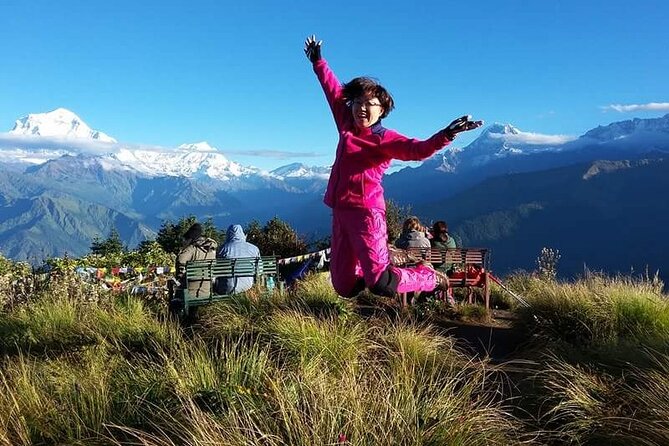
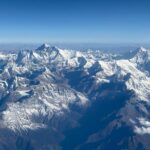
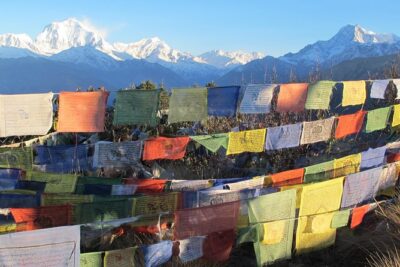
I especially like the sunrise payoff at Poon Hill, plus the changing angles of the Annapurna Range, Mt. Dhaulagiri, and Mt. Fishtail across the route. One thing to plan for: the trek depends on good weather, so cloudy mornings can cut down those famous mountain-and-sun views.
In This Review
- Key highlights you’ll care about
- Ghorepani and Poon Hill: the short route that still delivers
- Price and value at about $600 for 5 days
- Day 1 in Kathmandu: pickup, a private start, and time to settle
- Day 2 arriving in Ghorepani: views first, pressure later
- Day 3 Poon Hill Marga: sunrise views and the reason you came
- Day 4 Ghandruk: Mt. Fishtail angles and Gurung village life
- Day 5 Pokhara handoff: lake-city decompression after the trek
- The guide and porter setup: comfort, safety, and real flexibility
- Meals and lodging: included, but plan your food preferences
- Getting the most from the views without overthinking the route
- What to pack for a 5-day Ghorepani trek
- Who this private Poon Hill trek is perfect for
- Should you book this Ghorepani and Poon Hill trek?
- FAQ
- What is the duration of the Ghorepani (Poonhill) trek?
- Where does the tour start, and when is the pickup?
- Is this trek private or shared with other travelers?
- What’s included in the price for meals and lodging?
- Do I need a guide and porter?
- What elevations should I expect?
- Is pickup and transportation included?
- Can I choose vegetarian or non-vegetarian meals?
- What happens if weather is poor?
Key highlights you’ll care about
- Private pace with a guide and porter, so you are not tied to a group schedule
- Poon Hill sunrise viewpoints, timed around the early-morning scenery
- An easy altitude profile for a trek, with the maximum elevation around 2,540m at Ghorepani
- Meals and lodging included each day, including breakfast and dinner counts in the plan
- Park and environmental fees included, which reduces last-minute add-ons
Shorter Ghorepani options worth weighing
Ghorepani and Poon Hill: the short route that still delivers
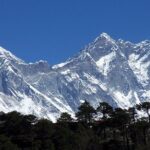
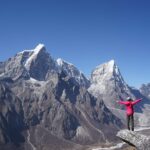
If you want Annapurna-region views without committing to a longer multi-week trek, this is the sweet spot. Ghorepani and Poon Hill are famous for a reason: you get a strong “mountain wall” effect over a compact walking route.
The other thing I like is how the views are distributed across days. You are not stuck seeing everything from one spot. You’ll get mountain-range panoramas after arriving in Ghorepani, then you shift to the Poon Hill sunrise viewing area, and later you move again for Mt. Fishtail and the Gurung settlement vibe.
This is also a smart choice for travelers who want a manageable trek. The route’s highest point is listed at about 2,540m at Ghorepani, so you’re not dealing with the big altitude extremes that stress some longer Annapurna itineraries.
Price and value at about $600 for 5 days
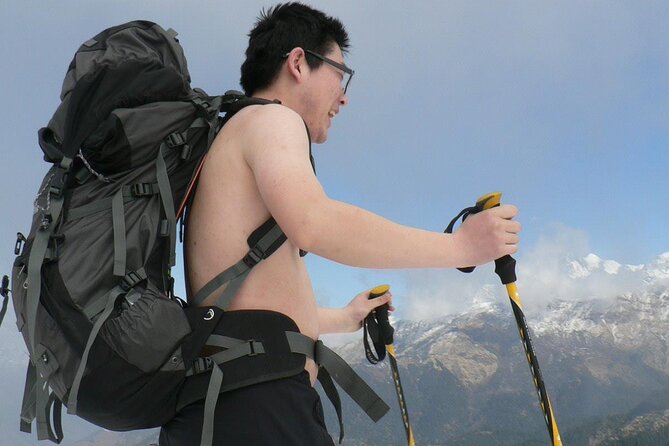
At $600 for roughly 5 days, the value comes from what’s included, not from the headline price. This trip is set up as a private trek for your group, and it includes a guide and porter, nightly accommodations, and meals along the way.
You also get transportation from Kathmandu to the trek area and back, plus hotel pickup and drop-off. Add in national park fees and environmental management charges, and you can avoid a lot of the “wait, is this extra?” moments that pop up on budget-only trips.
A few costs are still on you:
- Tips (not included)
- Drinks and alcoholic drinks
- Personal expenses
- Medicine
- Personal travel insurance
So if you want a trek where logistics are handled and you’re paying for comfort and time-saving, this price structure makes sense. If you are trying to do this as cheaply as possible and don’t mind planning everything yourself, a self-guided approach could be cheaper, but it’s more work and more risk if something goes off-schedule.
Day 1 in Kathmandu: pickup, a private start, and time to settle
Day 1 begins with an 8:00am start at Tribhuvan Airport in Kathmandu, with hotel pickup and drop-off included. That matters, because it reduces the first-day scramble. You land, get picked up, and you can focus on getting oriented rather than hunting down connections.
Your schedule also includes a private Kathmandu day tour element tied to the trip. Think of this as your buffer day: a chance to get your bearings, ease into Nepal, and get ready for mountain mornings. One practical tip, since you’ll be switching contexts, is to keep your daypack organized with the clothes you’ll want immediately on the trail.
Before you go, also note the passport requirement. A current valid passport is required on the day of travel, and you’ll need passport details and a passport photo copy plus a passport-size photo at booking.
Day 2 arriving in Ghorepani: views first, pressure later
Day 2 is about arriving in Ghorepani, where you can see magnificent mountain-range views. This is one of the nicer pacing choices for a short trek: you’re not immediately thrown into a long, exhausting grind on the first full hiking day.
Because Ghorepani is listed as the trek’s maximum altitude zone, it also supports the “short and manageable” plan. You’ll still feel weather and wind on exposed viewpoints, but you’re not dealing with the very high-altitude stress that appears on some longer routes.
The practical takeaway for you: build your day around conservation. Keep a steady rhythm, hydrate, and treat this day as a settling-in phase so Day 3 is easier.
Other lodge to lodge routes near Kathmandu
Day 3 Poon Hill Marga: sunrise views and the reason you came
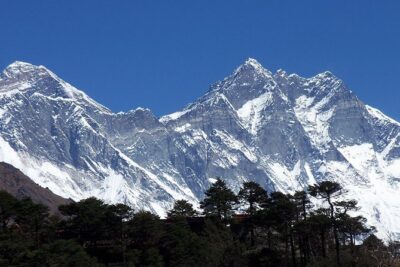
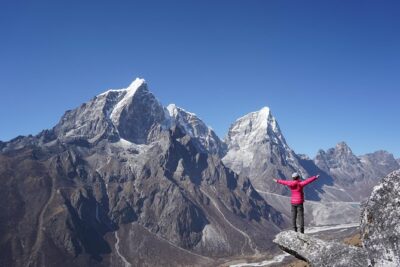
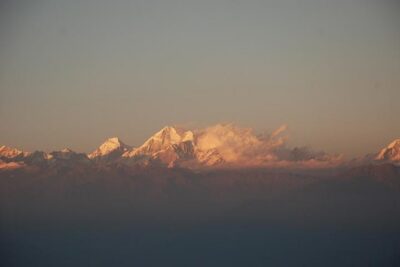
Day 3 focuses on Poon Hill Marga, with an overview of the mountains and the sunrise. This is the big headline moment of the entire trek, and it shapes your whole experience.
The upside is obvious: Poon Hill is the place where you’re most likely to feel that “all at once” viewpoint effect, especially when the sky behaves. The route also aims at broader range views, with the overall tour messaging pointing to the Annapurna Range, Mt. Dhaulagiri, and Mt. Fishtail.
The trade-off is also predictable: sunrise viewing means you need to be ready for early morning trekking hours. Even if your walking pace is relaxed, the start time can change how you manage sleep, warmth, and breakfast timing.
What I’d do in your shoes:
- Wear warm layers you can peel off quickly after sunrise
- Keep your head warm, because mornings in the mountains can bite
- Don’t overpack for the climb, but don’t show up underdressed either
Day 4 Ghandruk: Mt. Fishtail angles and Gurung village life
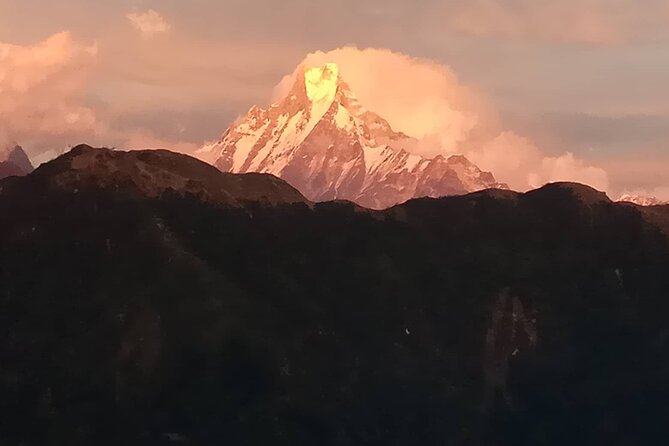
Day 4 brings Ghandruk, described as a chance to see the face of Mt. Fishtail and the Gurung settlement. This is where the trek shifts from pure viewpoint chasing into something more human.
If you’ve been staring at peaks for days, this kind of village day is a good reset. You get a sense of how people live near the trekking routes, and you also get a different mountain angle than earlier days.
Mt. Fishtail is a memorable target. It’s the kind of peak that looks different as you change your position, so having another major viewpoint day on the itinerary helps keep the experience from turning repetitive.
Practical note: this is still a walking day, so plan your energy like you’re saving enough to enjoy the settlement section rather than just racing through it.
Day 5 Pokhara handoff: lake-city decompression after the trek
Day 5 ends with a move to Pokhara, described as a tourist destination and the lake city. After a trek, this kind of finale matters more than you might think. You need a place where you can eat comfortably, stretch out, and take stock of what you did.
Even if you keep your schedule light, Pokhara gives you options. And since round-trip transportation is included, you’re not left figuring out your exit logistics right after your last hike.
If you’re traveling with limited time, this helps your itinerary make sense: you can fly or transfer out of the region with a clear end point.
The guide and porter setup: comfort, safety, and real flexibility
This trip is built around private guiding, and the guide and porter are a big deal for the actual day-to-day experience.
First, it’s safer and calmer. You’re not guessing directions or trying to interpret route signage on the fly. The plan also includes guide/porter insurance, which is a comfort point when you’re trekking in a remote area.
Second, it’s simply less stressful. On a private trek, you don’t need to push to keep up with strangers. You can stop when your photos need you, or when your legs say, not yet.
In past trips with this operator, a guide named Prabin and a porter named Sabin have been described as friendly, helpful, and flexible with itinerary changes when needed. If that kind of responsiveness matters to you, it’s worth paying attention to the “private” part of the setup rather than just the route name.
One more detail I like: the plan includes guide/porter meals (lunch, dinner, breakfast for them). That keeps the logistics smooth and reduces the odds of awkward gaps for the team that supports your trek.
Meals and lodging: included, but plan your food preferences
The trip includes nightly accommodations and meals. The included meal counts list breakfast (5), dinner (5), and lunch (6). That’s a lot of built-in planning value, especially on a short trek where you do not want to waste time negotiating meals at the wrong moment.
The tour also lets you choose veg or non-veg, so you can align food choices with your comfort level. Alcoholic drinks and drinks are not included, though they are available to purchase.
A practical approach for you:
- If you’re sensitive to timing, eat the breakfast they give you and don’t skip it
- Bring a small stash of snacks for the walking hours if you personally prefer it
- Ask for water plans early, because you’ll want steady hydration on mountain days
As for lodging, the data confirms nightly accommodations, but it doesn’t specify room style or hotel category. So I’d treat this as “comfortable and covered,” not “luxury.”
Getting the most from the views without overthinking the route
This trek is marketed around major view names: the Annapurna Range, Mt. Dhaulagiri, and Mt. Fishtail, plus the Poon Hill sunrise effect. What makes that meaningful is how the itinerary keeps moving your viewpoint position.
Arrival in Ghorepani helps you acclimate to the mountain atmosphere. Poon Hill Marga gives the sunrise moment. Ghandruk then adds a different peak face and a cultural layer.
To maximize your odds of a good viewing day, focus on readiness more than guessing. The tour itself notes that it requires good weather, so build your expectations with a bit of flexibility. If the morning is cloudy, your day can still be a win if you keep the pace comfortable and treat the village and trail time as part of the reward.
What to pack for a 5-day Ghorepani trek
You do not need to pack like you’re going to climb a mountain. But you do need to be warm enough for mornings and changing temperatures.
The tour’s dress guidance suggests:
- Warm jacket
- Trousers
- T-shirt
- Comfortable dress
- Plus, practical trekking clothing you can layer
I’d also add a simple rule: if you get cold easily, pack extra warmth for sunrise day. That’s the one day where timing and chill can combine.
Also, make sure your daypack stays functional. With private guiding, you’ll likely stop more often for views. Having your layers and water where you can reach them quickly will keep those stops enjoyable instead of annoying.
Who this private Poon Hill trek is perfect for
This works well if any of these are you:
- You have limited time and want a classic Annapurna-region trek in about 5 days
- You prefer a private pace over group logistics
- You want guide and porter support to reduce stress
- You want big views and a sunrise highlight without high-altitude risk
It can also fit families who need a structured plan. In one example from a family trip to Nepal arranged by this operator, the overall vibe was organized logistics plus a memorable trek segment that worked well within a vacation schedule.
That said, if you are a hardcore off-grid trekker who enjoys navigating and planning everything yourself, you might find that a private supported route feels more “managed” than adventurous.
Should you book this Ghorepani and Poon Hill trek?
I’d recommend it if you want an easier, organized path to Poon Hill’s sunrise and Annapurna-region scenery, with a real support team included. The strongest reasons to book are the private guide and porter, the included meals and nightly accommodations, and the fact that the max elevation is listed around 2,540m, which keeps things within a more approachable range for many hikers.
I’d think twice if your travel dates are tight and you can’t handle weather disappointment, because the plan explicitly depends on good weather for the best results. Also, if you hate waking early, sunrise day might test your patience.
If you match the vibe, this is a smart, high-value way to see the Annapurna foothills without spending weeks on the trail.
FAQ
What is the duration of the Ghorepani (Poonhill) trek?
The trek is listed as 5 days (approx.).
Where does the tour start, and when is the pickup?
The meeting point start is Tribhuvan Airport in Kathmandu, Nepal, with a start time of 8:00am.
Is this trek private or shared with other travelers?
It is a private tour/activity, so only your group will participate.
What’s included in the price for meals and lodging?
The tour includes nightly accommodations and meals. Breakfast (5), dinner (5), and lunch (6) are listed as included, plus guide/porter meals.
Do I need a guide and porter?
Yes. A trekking guide and porter are included, along with guide/porter insurance and guide/porter meals.
What elevations should I expect?
The information provided notes a maximum elevation during the trek of about 2,540m at Ghorepani.
Is pickup and transportation included?
Yes. Hotel pickup and drop-off are included, and the overview notes round-trip transportation from Kathmandu.
Can I choose vegetarian or non-vegetarian meals?
Yes. The tour asks you to specify veg or non-veg.
What happens if weather is poor?
The experience requires good weather. If it is canceled due to poor weather, you will be offered a different date or a full refund.
Lodge to Lodge Around Kathmandu
The Rest of Our Kathmandu Write Ups
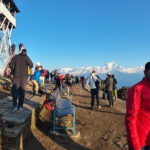
Ghorepani and the Poon Hill Ridge
Everything else we have reviewed around Kathmandu
- 12 Days Everest Base Camp Trekking
★ 5.0 · 3 reviews - 1 Night 2 Days Chitwan Jungle Safari Tour from Pokhara or Kathmandu
★ 3.0 · 3 reviews - Thamel Rickshaw tour
★ 4.7 · 3 reviews - Kathmandu: Momo Making Class with a Local Chef
★ 5.0 · 3 reviews - Kathmandu: Full-Day Yoga, Body Massage and Pedicure Package
★ 5.0 · 3 reviews - From Kathmandu / Pokhara / Chitwan: River Rafting – 1 Day
★ 4.6 · 3 reviews
Poon Hill & Ghorepani Treks worth a second look.
 ★ 5.0Poon hill Trek 3 daysFrom $230176 reviews
 ★ 5.04-Day Ghorepani, Poonhill & Ghandruk Mountain TrekFrom $181132 reviews
 ★ 5.0Ghorepani – Poon Hill Trek 3N-4DFrom $321125 reviews
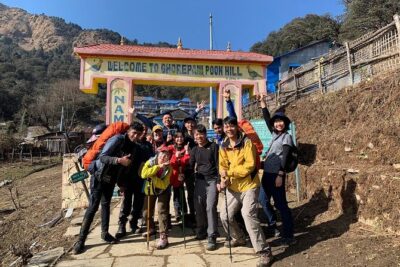 ★ 5.04 Days Poon Hill TrekFrom $40594 reviews
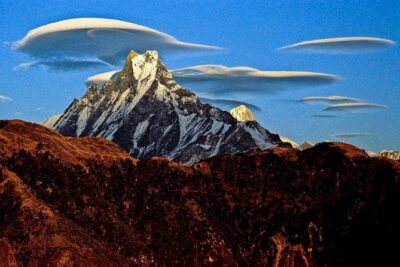 ★ 5.04-day Poon Hill TrekFrom $40074 reviews
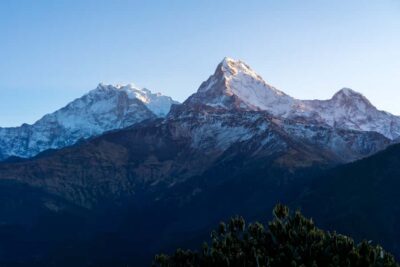 ★ 4.93-Day Ghorepani Poon Hill Trek with GuideFrom $16268 reviews
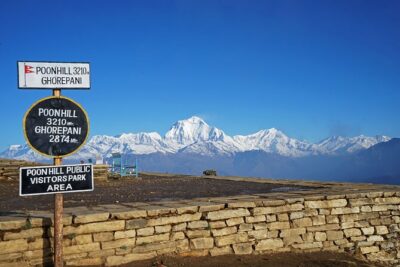 ★ 5.0Ghorepani Poon Hill TrekFrom $39961 reviews
 ★ 5.04-Day Private Poon Hill Trekking TourFrom $35958 reviews
Lists this tour sits in