
REVIEW · POON HILL & GHOREPANI TREKS
4-Day Private Poon Hill Trekking Tour
Poon Hill is short enough to fit a busy Nepal trip, but it still feels like a proper mountain adventure. This private trek from Pokhara to Poon Hill via Ghandruk is built for active hikers who want Himalayan views and Nepali culture without committing to a long route. You also get the comfort of going with an experienced, English-speaking guide, plus permits and meals handled.
What I like most is the mix of structure and flexibility. The plan is paced for a moderately challenging hike, and you go at your own speed within that rhythm, with a guide who can explain what you are seeing and keep you on track. A second big plus is the included groundwork, from a first aid kit to a pre-trekking meeting the day before, so you start the trail feeling prepared.
One drawback to consider up front: sunrise days mean early starts, and the teahouse setup is basic. Also, while meals are included, beverages are not, and the lodges do not provide towels and toiletries, so you will want to pack the essentials.
In This Review
- Key things that make this trek work
- Why this 4-day Poon Hill trek fits tight schedules
- Price and logistics: where the value comes from
- Day 1 from Pokhara to Ulleri: the uphill start with a taxi buffer
- Day 2 to Ghorepani: rhododendrons, bridges, and a more relaxed pace
- Day 3 Poon Hill sunrise at 3,210 m: the early wake-up that pays back
- Day 4 morning views near Pokhara: finishing with Annapurna South and Hiunchuli
- Teahouses, meals, and the real comfort checklist
- Safety and guidance: permits, first aid, and guides who adjust
- How challenging is it, and who this trek fits best
- Should you book this Poon Hill private trek?
Key things that make this trek work
- Private, just your group, so your guide can adjust pace and stops to match your energy
- Pickup from Pokhara plus a taxi ride to Nayapul, so you spend more time hiking than figuring logistics out
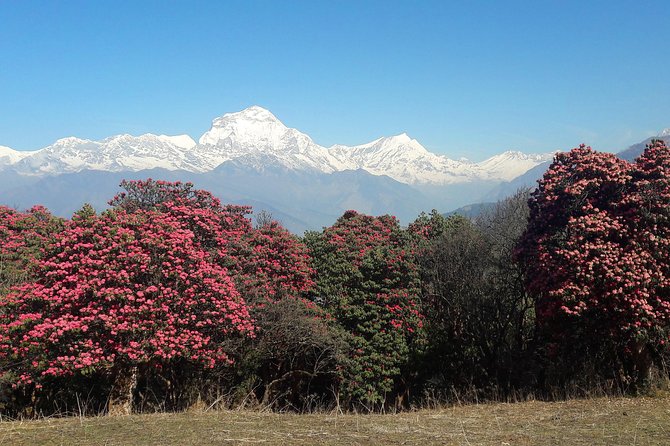
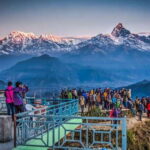
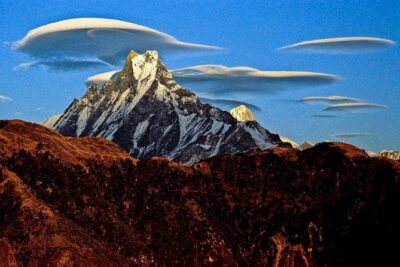
- Sunrise focus at Poon Hill (3,210 m), with big views toward Dhaulagiri, Fishtail, and the Annapurna range
- Teahouse meals included (breakfasts and lunches, plus 3 dinners), so you can budget and hike without decision fatigue
- Permits and TIMS handled, which reduces the stress of paperwork and helps you trek the right way
- Guides named Raj Kumar, Roman, Kumar, and Saroj appear in real trip feedback for being helpful, warm, and flexible
Shorter Ghorepani options worth weighing
Why this 4-day Poon Hill trek fits tight schedules
If you only have a handful of days in Nepal, Poon Hill is one of the best ways to get high-mountain views fast. This trek gives you a classic Annapurna-area experience without turning your vacation into a long-distance march.
The route also makes sense for first-timers. You are not jumping straight into the hardest terrain. You start with a climb toward Ulleri, then shift into more relaxed hiking to Ghorepani. The big moment comes on day 3 with sunrise from Poon Hill, followed by another early morning view on day 4 before you wrap up back toward Pokhara. In other words, you get the payoff early, not on day 10.
It also helps that it is a private tour. In a group trek, you often end up hiking to someone else’s pace. Here, you can move at your own speed, ask questions when you want, and take breaks without feeling like you are slowing everyone down. For many people, that alone makes the trek feel smoother.
Price and logistics: where the value comes from
At $359 per person, the price is not bargain-basement, but it is fairly realistic for a private 4-day trek that includes real operational costs. What matters is what you are getting for that money.
You get:
- A professional, English-speaking guide with insurances and expenses covered
- Trekking permits and TIMS cards included
- A pre-trekking meeting the day before
- Teahouse meals included: lunch (4), breakfast (4), dinner (3)
- A first aid kit
- Pickup offered from Pokhara
For many hikers, those are the exact items that usually turn into extra costs or headaches when you try to DIY. Permits and navigation are the big ones. Hiring a guide usually makes the trail feel calmer, not because the mountains are easier, but because you reduce the avoidable mistakes.
Where you might feel the extra costs is outside the trekking package:
- Beverages during the trek are not included
- Accommodation in Pokhara is not included
- Personal expenses like snacks, Wi-Fi, battery charging, and laundry are on you
- Travel and rescue insurance for guests is not included
- Tips for guide and porter are not included
- Lodges do not provide towels and toiletries
So the value story is: you pay more than you would for a self-guided hike, but you are buying safety, organization, and meal planning. That is a good deal if you would rather spend your energy on views and your legs instead of paperwork and logistics.
Day 1 from Pokhara to Ulleri: the uphill start with a taxi buffer
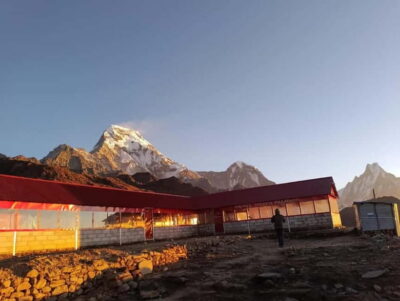
Day 1 is built like a proper beginning. You get picked up after your morning meal in Pokhara, then ride by taxi to Nayapul. The drive is about one hour, and Nayapul sits at 1,009 meters above sea level, which helps you start the trek in the Annapurna foothills zone.
From there, you hike toward Ulleri. Even without getting fancy about it, this first day matters because it sets your pace and teaches your body what to expect. If you keep your effort steady instead of racing, day 2 will feel easier.
A nice part of the plan is the human rhythm: your guide is there from the start. In real trip feedback, guides like Raj Kumar are praised for being thoughtful and adjusting when needed. That kind of on-the-ground guidance is especially helpful on day 1, when you are still settling into altitude and hiking rhythm.
Practical tip for day 1: start slow. Ulleri is not the hardest part of the trek, but you do want your first serious climb to feel controlled, not like a sprint you regret at lunch.
Day 2 to Ghorepani: rhododendrons, bridges, and a more relaxed pace
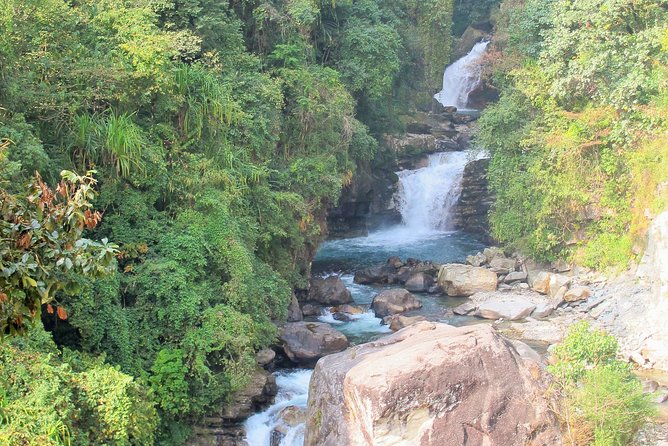
Day 2 is described as more relaxed than day 1, and that is exactly what you want before sunrise day. The hike threads through rhododendron forests, and along the way you can look out for waterfalls and small bridges that break up the trail monotony.
Why this day is valuable: it is a chance to enjoy the journey, not just survive it. When you are not white-knuckling every step, you can actually notice the surroundings and listen when your guide talks about local nature and culture.
This is also where the private format pays off. If you are feeling strong, you can keep a comfortable pace. If you are feeling slower, you can take extra rests without worrying about losing a group.
One consideration: a relaxed day does not mean flat. It is still a trek, so pack like you are hiking every day. Also, since beverages are not included, plan ahead so you do not end up thirsty while you are trying to enjoy the scenery.
Private guides for Pokhara, a few more
Day 3 Poon Hill sunrise at 3,210 m: the early wake-up that pays back
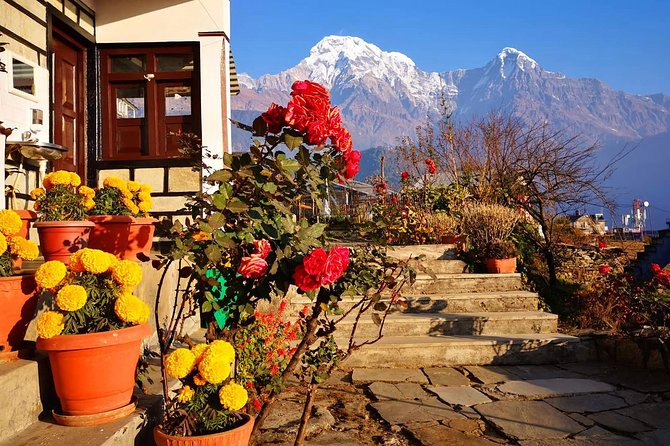
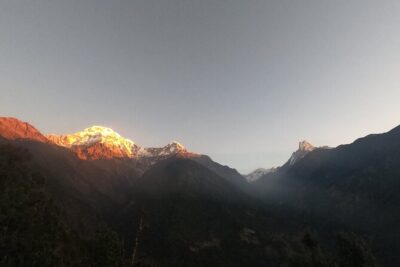
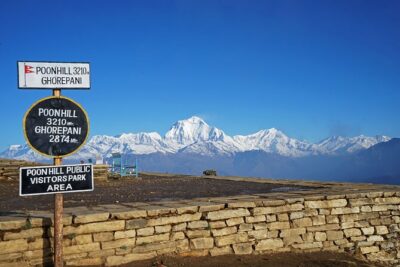
Day 3 is the star of the show. You start early to reach Poon Hill (3,210 m) for sunrise. This is the moment when the trek shifts from hiking to something that feels almost cinematic.
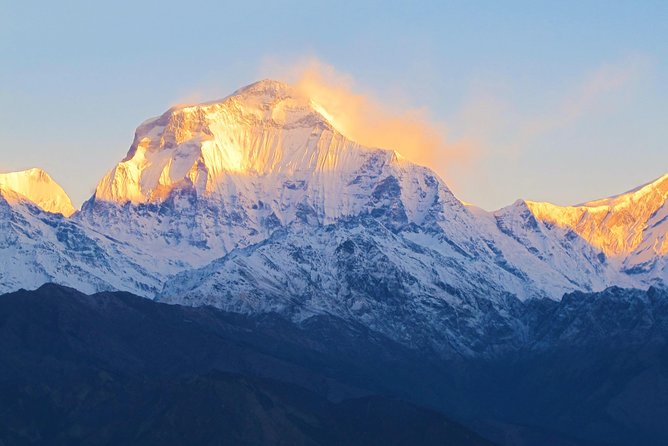
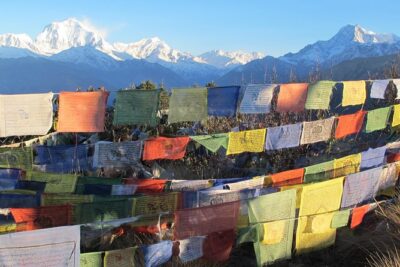
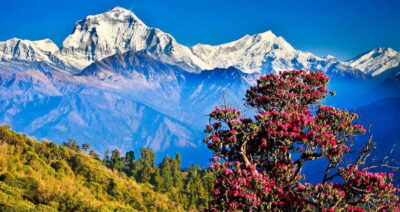
From Poon Hill, you get views of Dhaulagiri, Fishtail, and the entire Annapurna range. That is a huge sky-scape for such a short trip, and it is why Poon Hill is popular with people who do not have the time for longer treks.
You also get a cultural bonus here, even if you mostly think about mountains. Trails around Poon Hill are lively early in the morning, and your guide can help you make sense of what you are seeing, beyond just pointing at peaks.
What I consider the main drawback of sunrise trekking is simple: sleep and early darkness. If you do not handle early starts well, this will be the most demanding day. The trade is that you are rewarded with the view most people come for.
Practical sunrise timing idea: treat this as a repeatable routine. Layer up before you leave your lodge, have water and a snack ready if you bought them at the teahouse, and keep your camera accessible so you are not fumbling when the light changes.
Day 4 morning views near Pokhara: finishing with Annapurna South and Hiunchuli
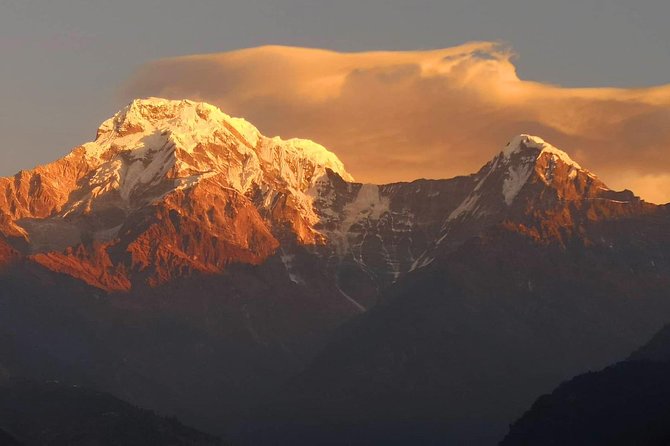
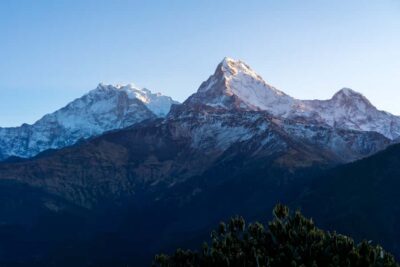
Day 4 keeps the early-morning theme. You wake up early again for views of Annapurna South (7,219 m) and Hiunchuli (6,441 m). The plan notes that you will see this from your lodge terrace, which is a gentler way to end than doing another big climb.
After that, you continue for about five hours in the trek schedule and wrap up toward Pokhara. This is the day you start feeling the cumulative effect of walking, so it helps that the trek is already structured to give you a clear end point rather than an open-ended grind.
If you are someone who loves finishing strong, this day helps. You get one last morning of mountains, then you can return to Pokhara and actually enjoy being in a city again.
One more practical note: because your Pokhara accommodation is not included, you will want to plan your lodging in advance. Do not wait until the last day. After four days of hiking, you want your base ready.
Teahouses, meals, and the real comfort checklist
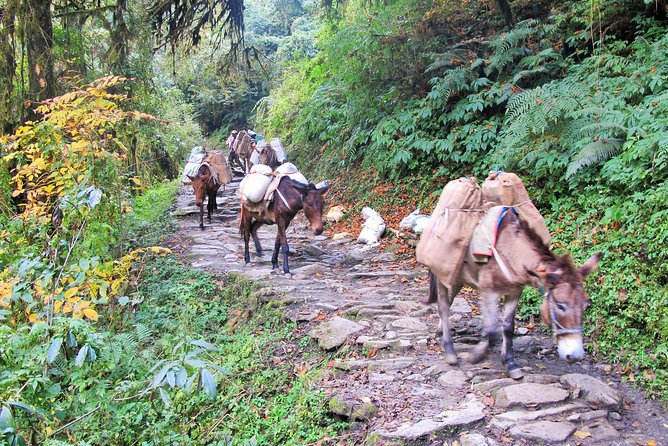
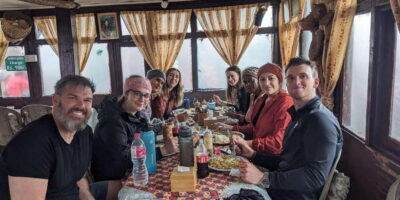
This tour uses teahouse accommodation and includes a big chunk of your fuel: breakfast, lunch, and dinners on the trek days included in the package.
You are covered for:
- Breakfast (4)
- Lunch (4)
- Dinner (3)
That matters for value and mental load. When meals are included, you do not have to negotiate pricing each day or wonder if you will find something you can eat. It also makes it easier to budget, since beverages and snacks are separate.
Now for comfort. Lodges on this kind of trek are simple. The package states that lodges do not provide towels and toiletries. So bring a small kit that works for you: basic soap, a toothbrush routine, and a towel plan (even a compact quick-dry one).
Also remember that the tour does not include:
- Beverages during the trek
- Personal extras like snacks, Wi-Fi, battery charging, and laundry
A simple strategy works well: bring what you can carry comfortably, then buy what you need when it is available. This keeps you from spending your whole day worrying about water and coffee cups.
Safety and guidance: permits, first aid, and guides who adjust
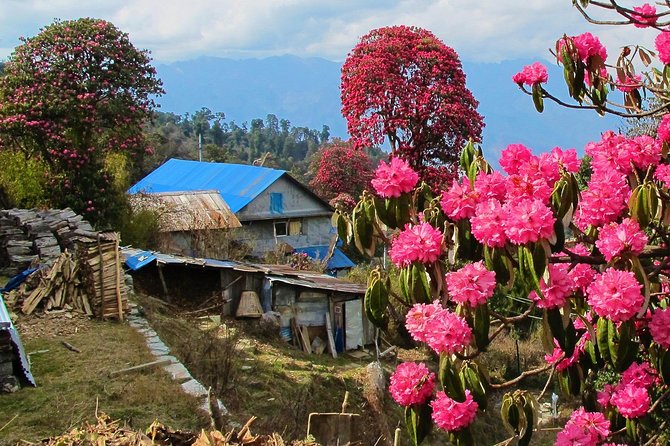
Safety on a Himalayan trek is mostly about reducing avoidable risk. This tour helps you do that in practical ways.
You get:
- A professional guide and their insurances and expenses are included
- Trekking permits and TIMS cards
- A first aid kit
- A pre-trekking meeting day before you start
That pre-trek meeting is underrated. It is the difference between arriving at the trailhead confused and arriving ready. You learn what to expect, how the days are structured, and what to watch for.
Guide quality shows up strongly in trip feedback. Names like Raj Kumar, Roman, Kumar, and Saroj come up in positive notes about being warm, reliable, funny, and genuinely helpful. The theme is not just friendliness. It is adaptability. People describe guides who adjust to needs and keep the experience comfortable, even when plans shift.
If you are nervous about getting lost or you just do not want to manage route decisions, a guide is one of the best ways to reduce stress. It also makes it more enjoyable because you are not only walking, you are learning what you are walking through.
How challenging is it, and who this trek fits best
The trek is described as moderately challenging, and it is best suited for active travelers. That is a good sign for people who want a challenge without signing up for an all-day, very technical grind.
Who it tends to fit:
- You want incredible Himalayan views but do not have time for a long trek
- You are comfortable with daily hiking and a sunrise schedule
- You want safer navigation with a guide
- You prefer private attention, so your pace and needs are respected
Who should think twice:
- If you dislike early mornings, day 3 (and day 4 too) will test you
- If you need a very cushy setup, remember this is a teahouse trek, and towels and toiletries are not provided
- If you are not ready for a moderate hike level, you may feel worn out before the sunrise payoff
A smart decision rule: if you can manage a couple hours of steady hiking for several days and you handle climbing at a reasonable pace, this is a strong fit.
Should you book this Poon Hill private trek?
I think you should book it if you want a short, well-run trek that delivers serious views, with safety and permits handled and meals largely covered. The private format makes it feel personal without making you manage logistics. And the sunrise at Poon Hill is a huge payoff for the time invested.
I would not book it if you hate early wake-ups, hate basic lodging comfort, or you want your package to include everything like beverages and toiletries. Those are the types of costs and inconveniences you should expect on this style of trek.
If your goal is a clean, value-focused Annapurna taste in 4 days, this one is easy to justify. Just pack smart, plan for early starts, and lean on your guide when you have questions. That is when the experience turns from hiking into a real Nepal memory.
Everything Bookable Around Pokhara

The Rest of Our Pokhara Write Ups
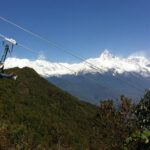
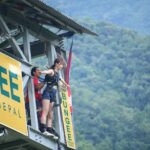
Ghorepani and the Poon Hill Ridge
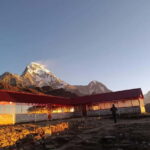
Everything else we have reviewed around Pokhara
- Pokhara: Cable Car Tour – Bird Eye View of Mountain & Lake
★ 4.4 · 3 reviews - Jomsom Muktinath Tour by 4WD SUV 2 Days
★ 5.0 · 3 reviews - Ghorepani Poonhill Private Trek – 2 nights / 3 days
★ 4.5 · 3 reviews - Pokhara: 30-Minute Paragliding Adventure with pick up/drop off
★ 4.5 · 3 reviews - Pokhara: 7-Day Annapurna Base Camp Trek via Ghandruk
★ 4.3 · 3 reviews - Pokhara Group Joining Sarangkot Sunrise Himalayas Tour
★ 5.0 · 3 reviews
Poon Hill & Ghorepani Treks worth a second look.
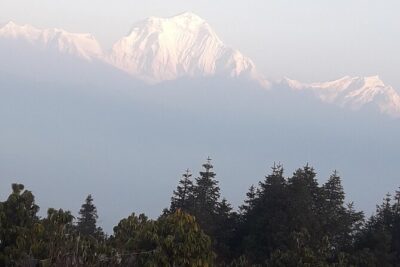 ★ 5.0Poon hill Trek 3 daysFrom $230176 reviews
 ★ 5.04-Day Ghorepani, Poonhill & Ghandruk Mountain TrekFrom $181132 reviews
 ★ 5.0Ghorepani – Poon Hill Trek 3N-4DFrom $321125 reviews
 ★ 5.04 Days Poon Hill TrekFrom $40594 reviews
 ★ 5.0Ghorepani(Poonhill Trek)From $60081 reviews
 ★ 5.04-day Poon Hill TrekFrom $40074 reviews
 ★ 4.93-Day Ghorepani Poon Hill Trek with GuideFrom $16268 reviews
 ★ 5.0Ghorepani Poon Hill TrekFrom $39961 reviews
Lists this tour sits in