
REVIEW · POON HILL & GHOREPANI TREKS
4-day Poon Hill Trek
Sunrise on Poon Hill changes your whole morning. This 4-day Poon Hill trek is built for early Himalayan light, with teahouse nights, village trails in the Annapurna Conservation Area, and a guide to keep you moving the right way. I like that the trip includes practical support, like a porter setup that helps you keep the trek comfortable.
My second big love is the human side of the hike. One guide name that came up is Purna, and the vibe is that he helps make the whole walk feel easier, not just louder views. The one drawback to plan for is that beverages (tea, coffee, bottled water) are not included, so you will want to budget for daily extras.
In This Review
- Quick hits before you pack your daypack
- Sunrise at Poon Hill is the real product (and it’s worth it)
- From Pokhara into the Annapurna trails: transfers and timing
- Teahouse meals and accommodation: what’s included, and what you should expect
- A licensed English-speaking guide does more than point uphill
- Porters (one for every two trekkers) and how to pack smart
- Day-by-day feel: what your 4 days are really like
- The views you came for, plus the moments you might miss
- Price and value: what $400 buys you (and what it does not)
- Who this Poon Hill trek fits best
- Should you book the 4-day Poon Hill Trek with Mosaic Adventure?
- FAQ
- How long is the 4-day Poon Hill trek?
- Where are the transfers included?
- Is accommodation included?
- Are meals included?
- Is a guide included, and what language do they speak?
- What is not included in the price?
- Is tipping included?
- What are the participant requirements?
- How many people can be in a group?
- If I cancel, do I get a refund?
Quick hits before you pack your daypack
- Sunrise-first itinerary: you wake up early for the top-of-Poon-Hill Himalayan views.
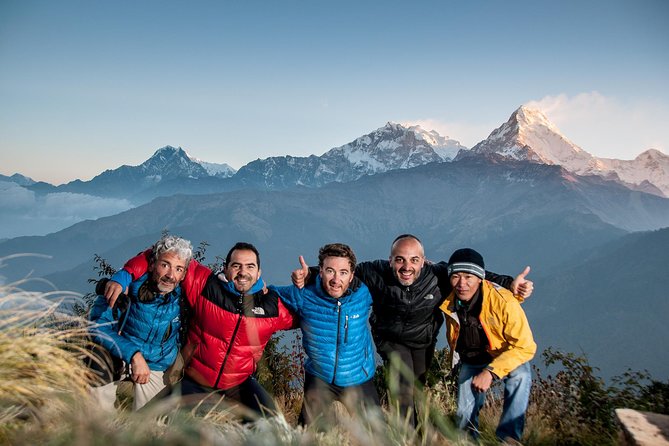
- Guide-led and navigation-safe: you hike with a licensed English-speaking guide to avoid getting lost.
- Teahouse accommodation and full meals included: breakfast, lunch, and dinner during the trek are covered.
- Porter support for every two trekkers: lighter loads can mean better pacing and fewer sore knees.
- Small group size: up to 12 people keeps things manageable on a busy trail.
Shorter Ghorepani options worth weighing


Sunrise at Poon Hill is the real product (and it’s worth it)
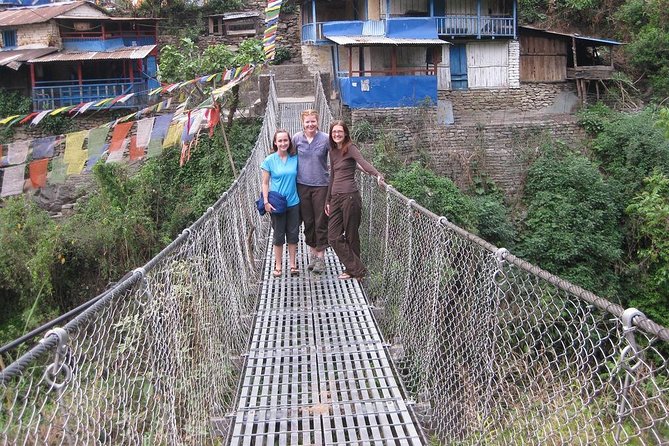
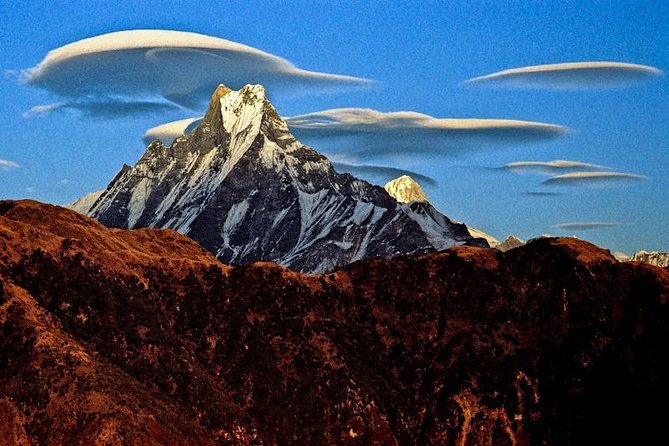
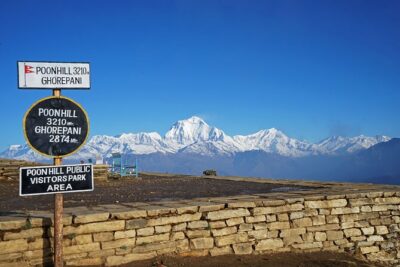
This trek sells one moment, and it delivers: the early hike to Poon Hill for sunrise and close-up views of the Himalaya. That is why the schedule feels focused. You are not spending your time guessing where the best views are or rearranging plans on the fly. You are hiking toward one goal, at one time, with the right kind of support.
If you only do one thing on a short trip, make it this. Sunrise from Poon Hill has a special payoff because the light does the heavy lifting. Mountains look different when the first glow hits them. Peaks can go from gray to sharp and bright in minutes. It’s the kind of moment you remember long after your trekking socks stop smelling like wool.
Now, a small reality check: sunrise viewing means you will be tired earlier than you want. You’ll still be glad you got up, but you should treat it like a deliberate effort, not a casual morning walk. Bring what you need for cold early temps, and don’t plan on sleeping in.
From Pokhara into the Annapurna trails: transfers and timing
A big part of value on this trek is that the start and end point transfers are included, plus return transfers to Pokhara. If you have ever done a trek where you spend half a day fighting logistics, you will appreciate this. It cuts stress and makes the trek feel like one smooth plan instead of a patchwork.
You also benefit from the fact that the trailhead is close to Pokhara. The trip is designed so you can get into the mountains on day one, not just spend the first day commuting. For a 4-day trek, that matters. Every hour you gain on the actual hiking is time spent seeing villages, walking ridge paths, and building momentum for sunrise morning.
Timing-wise, you meet at 7:15am. So plan to be ready early, not rushing with a half-packed bag. Also, you may receive a mobile ticket, which is handy if you hate scrambling for paper documents.
Teahouse meals and accommodation: what’s included, and what you should expect
This is classic teahouse trekking. You get teahouse accommodation on the trek and all your standard meals during the hike: breakfast, lunch, and dinner. For many people, that is the difference between doing a trek and turning it into a snack hunt.
What the included meals mean in real life:
- You can hike without constantly thinking about where food is and whether the kitchen is open.
- You can plan your energy for the day, since lunch and dinner are covered.
- You can focus on pacing and altitude awareness instead of budgeting every stop.
The tradeoff is also clear: beverages are not included. That means tea, coffee, and bottled water will cost extra. Bring a refillable bottle if you can, and expect that you might pay for convenience along the way. If you are sensitive to cold water or prefer warm drinks, budget for it.
A licensed English-speaking guide does more than point uphill
This trek includes a licensed English-speaking guide, and the whole thing is built around hiking with help. The point is not just language. A good guide keeps you from wasting energy on wrong turns and dead ends. It also makes the route feel safer, especially when paths are busy or visibility changes near sunrise.
A theme that stands out here is that the guide experience is personal. The name Purna came up for being incredible, and that usually means two things: navigation is handled, and the hike feels more enjoyable than a checklist of steps.
For you, that translates to less guesswork and better pacing. You can walk comfortably, take breaks when needed, and keep your attention on the scenery and the effort of the climb.
Important reality: the trek is along the Annapurna conservation area with villages and Himalayan views. That means you’ll be sharing trails with others. In that kind of environment, a guide helps you read the flow of people and keep your hike moving.
Other lodge to lodge routes near Kathmandu


Porters (one for every two trekkers) and how to pack smart
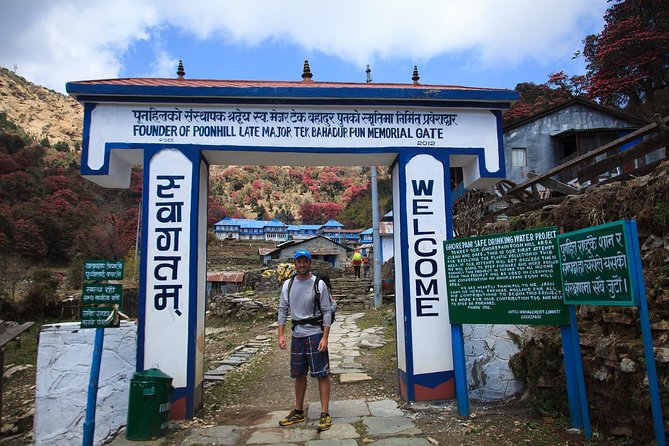
Comfort on a 4-day trek is not only about weather. It’s about what you carry. Here, you get porters with a one-for-every-two-trekkers setup, which can take a lot of weight off your shoulders.
That changes the feel of the hike. Less load often means:
- You can keep a steady pace.
- Your legs feel fresher for sunrise morning.
- You are less likely to end the trek with a sore, heavy pack on your back.
How to pack to take advantage of this: keep only what you truly need during walking on your person. Put the heavier, less-used items with the porter plan. Bring light layers you can access quickly, since mornings and evenings can vary.
Also, because teahouses are part of the deal, you may not need a lot of supplies with you. You are not running a survival expedition. You are hiking with support and eating included meals.
Day-by-day feel: what your 4 days are really like
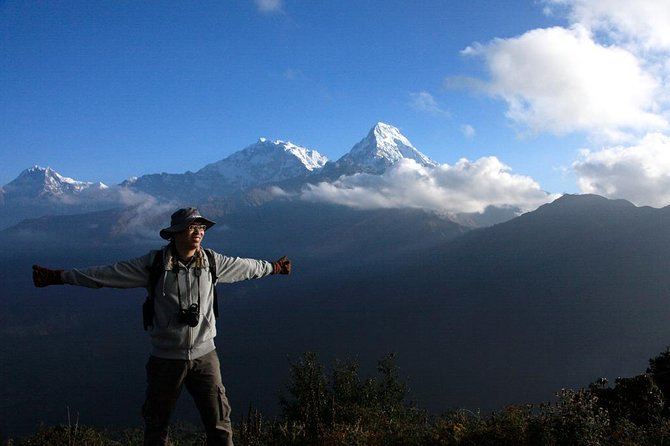
Here’s how this trek generally unfolds, in the practical sense, without pretending every trail turn will match a map.
Day 1, get into the mountains and settle into teahouse life.
You start with included transfers to the trail area near Pokhara, then begin hiking so you are actually in the Annapurna region early. Expect village paths, big mountain views when the weather cooperates, and a teahouse night with included dinner. This day sets your rhythm. Go easy. Your goal is to arrive rested enough for the early morning push later.
Day 2, steady hiking through the conservation area.
You continue along the Annapurna conservation area, with Himalayan peaks and village scenes along the way. The big win is that the walking is supported: your guide helps you avoid getting lost, and your meal plan stays consistent. This day is where pacing matters. If you sprint uphill, you will feel it in the morning.
Day 3, build stamina for the sunrise morning.
By this point, your body is learning the rhythm. Teahouse accommodation and included meals keep your energy predictable. You might still be moving through stretches with changing views, so stay alert for conditions like wind and early light. This is also when lighter packing really helps, since you are not carrying as much.
Day 4, Poon Hill at sunrise, then down and back toward Pokhara.
The highlight is the early morning hike to Poon Hill for sunrise and close-up Himalayan views. The experience is specifically designed for that: wake up early, hike to the viewpoint, watch the light change on the peaks, then move back toward the end of the trek. After the hike finishes, you get return transfers to Pokhara.
Potential drawback on any multi-day trek: fatigue compounds. If you show up tired, you will feel it more. The flip side is also true. If you hike smart and keep your effort steady, the sunrise morning feels like a payoff, not a punishment.
The views you came for, plus the moments you might miss
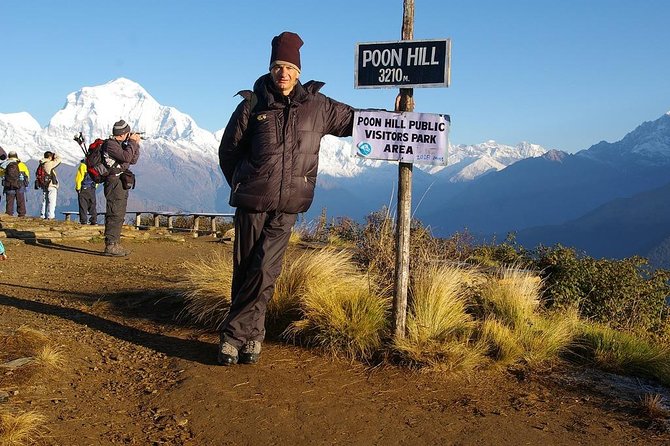
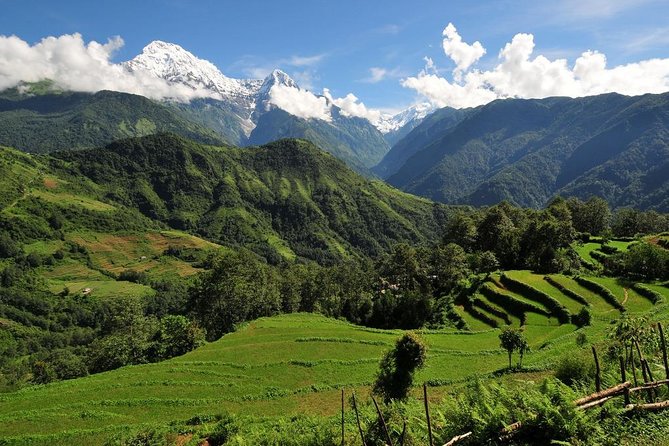
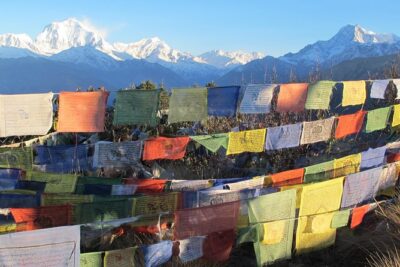
Yes, the Himalaya views are the headline. But what you will probably remember just as much are the small, repeatable scenery patterns: village life along the trail, prayer flags, and the way the path bends toward bigger ridgelines.
In the Annapurna conservation area, you are not only chasing peaks. You are walking through communities and corridors of culture and daily routine. That makes the trek feel human, not just scenic. You also get a mix of open outlooks and slower sections. The slower sections matter because they are when you notice how weather affects the mountains.
Here’s a practical tip: sunrise morning is a visibility game. Clouds happen. Cold mornings happen. The best move is to dress for it and accept that you cannot control the sky. When the views are clear, they are stunning. When they’re not, the trek still has value because you’ve walked the route with support, eaten good included meals, and spent focused time outdoors.
Price and value: what $400 buys you (and what it does not)
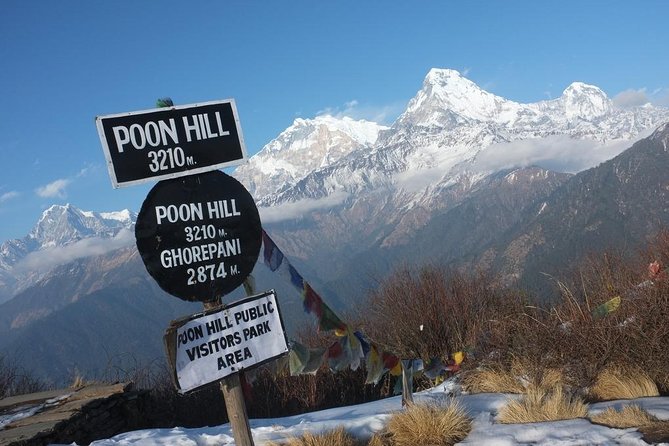
This trek costs $400 per person. For a 4-day, guided teahouse trek with included transfers and permits, that price can make sense fast if you compare it to piecing everything together yourself.
What your money covers:
- Licensed English-speaking guide
- Teahouse accommodation on the trek
- All standard meals during the trek (breakfast, lunch, dinner)
- Starting and ending point transfers and return to Pokhara
- Required permits and taxes
- Porter support (one for every two trekkers)
- Pickup offered and a mobile ticket
What you should plan to budget separately:
- Beverages like tea, coffee, and bottled water
- Tipping, which is expected for the guide
If you are the type of traveler who ends up spending extra constantly for food and logistics, this package style helps. It removes decision fatigue. You know where you sleep and what you eat. You can focus on hiking and recovering.
One more value note: this activity is capped at 12 travelers and often gets booked about 20 days in advance on average. Smaller groups can feel easier on narrow paths and crowded teahouse areas.
Who this Poon Hill trek fits best
This trek is ideal for active travelers with moderate physical fitness. It’s also a good match if you want a Himalayan experience without a longer commitment. Four days is short enough for many people, but long enough to feel like you actually did something beyond a single viewpoint.
It also fits you if you like structure. The guide helps you avoid getting lost, meals are included, and transfers are handled. If you prefer to improvise every day, you might find guided structure a little limiting. Still, for a short trek with a big sunrise goal, structure is a feature.
Age and group limits matter too. The minimum age is 12 years, and the max group size is 12 travelers. If you are traveling in a larger group, confirm how the porter allocation and scheduling will work with the operator.
Should you book the 4-day Poon Hill Trek with Mosaic Adventure?
If you want a short guided trek that focuses on sunrise at Poon Hill, with teahouse comfort and less stress from logistics, I think it’s a strong pick. The biggest reasons are the included support pieces: guide, meals, teahouse stays, transfers to and from Pokhara, and porter help.
Before you book, be honest about two things. First, the sunrise schedule will run early, so be ready for fatigue. Second, remember that beverages cost extra, and tipping is expected. Those are not dealbreakers. They just mean you should budget like an adult with a plan.
One final practical note: it is non-refundable and cannot be changed for any reason. So book only when your dates are firm.
If your dates are set and you want the best use of a 4-day window in the Annapurna region, this is the kind of trek that delivers the view plus the comfort of not having to manage every little detail yourself.
FAQ
How long is the 4-day Poon Hill trek?
The duration is approximately 4 days.
Where are the transfers included?
Starting and ending point transfers are included, and return transfers to Pokhara are included.
Is accommodation included?
Yes. Teahouse accommodation on the trek is included.
Are meals included?
Yes. All standard meals (breakfast, lunch, and dinner) during the trek are included.
Is a guide included, and what language do they speak?
Yes. The tour includes a licensed English-speaking guide.
What is not included in the price?
Beverages such as tea, coffee, and bottled water are not included.
Is tipping included?
No. Tipping is expected by the guide.
What are the participant requirements?
Travelers should have a moderate physical fitness level, the minimum age is 12 years, and a minimum of 2 people per booking is required.
How many people can be in a group?
This tour/activity has a maximum of 12 travelers.
If I cancel, do I get a refund?
No. This experience is non-refundable and cannot be changed for any reason.
Lodge to Lodge Around Kathmandu

The Rest of Our Kathmandu Write Ups
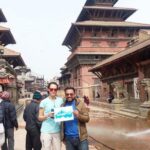


Ghorepani and the Poon Hill Ridge
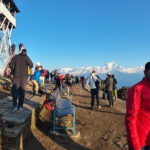
Everything else we have reviewed around Kathmandu
- 12 Days Everest Base Camp Trekking
★ 5.0 · 3 reviews - 1 Night 2 Days Chitwan Jungle Safari Tour from Pokhara or Kathmandu
★ 3.0 · 3 reviews - Thamel Rickshaw tour
★ 4.7 · 3 reviews - Kathmandu: Momo Making Class with a Local Chef
★ 5.0 · 3 reviews - Kathmandu: Full-Day Yoga, Body Massage and Pedicure Package
★ 5.0 · 3 reviews - From Kathmandu / Pokhara / Chitwan: River Rafting – 1 Day
★ 4.6 · 3 reviews
Poon Hill & Ghorepani Treks worth a second look.
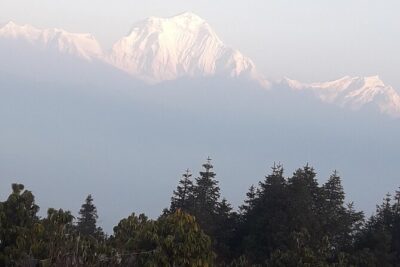 ★ 5.0Poon hill Trek 3 daysFrom $230176 reviews
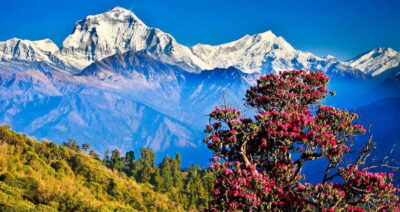 ★ 5.04-Day Ghorepani, Poonhill & Ghandruk Mountain TrekFrom $181132 reviews
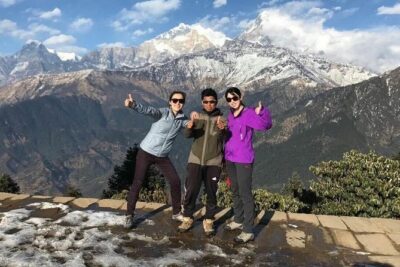 ★ 5.0Ghorepani – Poon Hill Trek 3N-4DFrom $321125 reviews
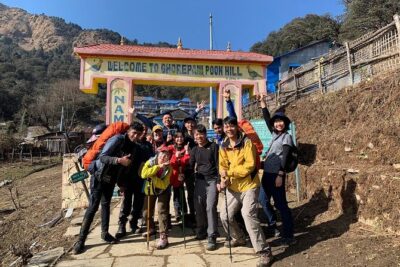 ★ 5.04 Days Poon Hill TrekFrom $40594 reviews
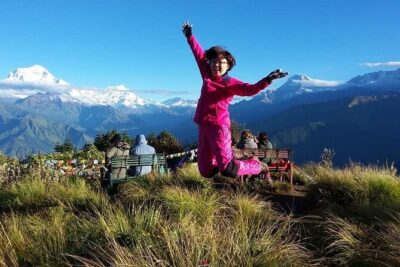 ★ 5.0Ghorepani(Poonhill Trek)From $60081 reviews
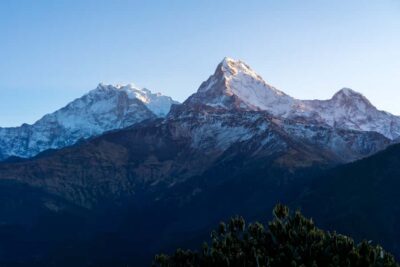 ★ 4.93-Day Ghorepani Poon Hill Trek with GuideFrom $16268 reviews
 ★ 5.0Ghorepani Poon Hill TrekFrom $39961 reviews
 ★ 5.04-Day Private Poon Hill Trekking TourFrom $35958 reviews
Lists this tour sits in