
REVIEW · LANGTANG & MANASLU TREKS
Trekking in Annapurna/Langtang/Everest/Upper Mustang regions
Nepal hikes start with smart planning. This experience helps you pick an Annapurna or Upper Mustang route and lets your guide handle the itinerary, so you can focus on walking, views, and village life from Pokhara.
I like the way it stays grounded in real logistics. You can choose day treks or multi-day treks, and the plan starts and ends in Pokhara, which makes the whole trip feel simpler to organize.
One thing to watch: the price mainly covers the guide, while your food, drinks, and (during the trek) accommodation for you are extra. If you go in with that expectation, it stays great value.
In This Review
- Key Things to Know Before You Hike
- Why Starting and Ending in Pokhara Makes This Work
- Choosing Annapurna Routes or Upper Mustang Trails
- Raju and the Real Value of a Good Trek Guide
- What a Full Day Looks Like, Annapurna-Style
- Price and Logistics, What $40 Really Means
- Pickup, Mobile Tickets, and Staying Close to Public Transit
- Pacing, Fitness, and the Nepal Weather Factor
- Who This Trek Planning Service Fits Best
- Should You Book This Trek in Pokhara?
- FAQ
- Where do the treks start and end?
- What areas are the treks in?
- How long are the trekking options?
- What is included in the $40 per group price?
- Are my meals and trekking accommodation included?
- Is pickup included?
- Can I cancel and get a refund?
Key Things to Know Before You Hike
- Pokhara start and finish means less hassle and easier timing for short trips
- Annapurna and Upper Mustang route choices keep your trek options flexible
- Raju-style communication can help you choose a trail, often with clear options and pictures
- Up to 15 people, private for your group keeps it more personal than huge group tours
- Your guide’s meals and accommodation are included, but yours are not
Still weighing it up? These other Pokhara trips are on our review list too.

Why Starting and Ending in Pokhara Makes This Work
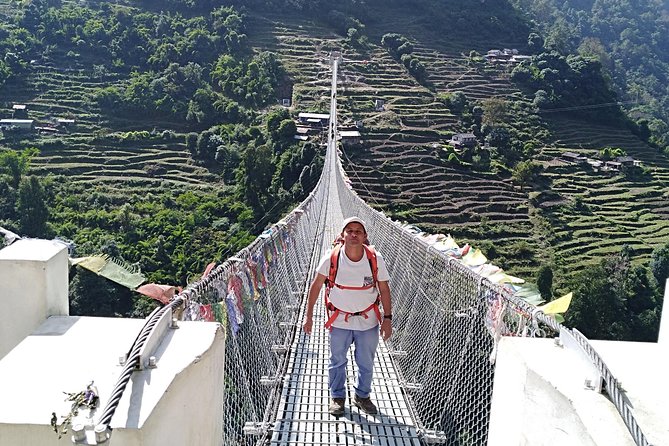
Pokhara is the practical base for trekking without turning your holiday into a logistics project. With this setup, you’re choosing a route in the Annapurna region or Upper Mustang, but the start and finish stay anchored in Pokhara. That matters because it gives you more freedom if you’re tight on time, jet-lagged, or planning a bigger Nepal itinerary.
I also like that the experience is built for different time budgets. The duration is listed as about 2 hours to 1 day, and in real-world terms that often fits the kind of long day hike people talk about in this area. If you want a shorter walk first, you can do that. If you’re hungry for a bigger mountain day, you can choose longer options with the guide.
Another small but helpful detail: pickup is offered, and the meeting area is near public transportation. When you’re trekking in Nepal, saving time at the start and end can make the difference between feeling stressed and feeling ready.
Choosing Annapurna Routes or Upper Mustang Trails
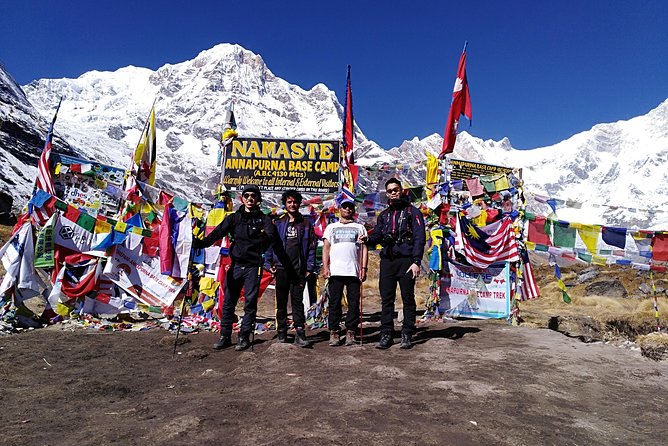
This experience is designed for route selection, not a one-size-fits-all hike. Your guide helps you decide between Annapurnas and Upper Mustang based on what you want to experience and how much time you have.
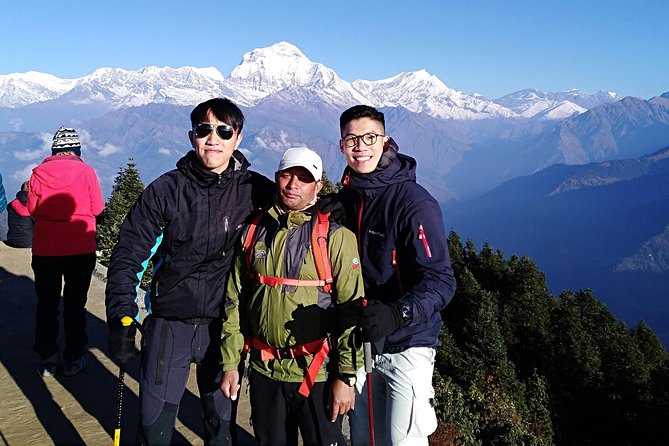
In the Annapurna area, you’re usually looking at a mix of mountain scenery plus everyday Nepali life along the way. The program specifically calls out experiencing mountain life and seeing beautiful mountains. That is the sweet spot for many visitors: you get big views without needing a super technical trekking plan.
Upper Mustang tends to feel different from the greener, more forested parts of the Himalaya, and your guide’s role becomes even more important when route planning gets more specific. Because the experience is flexible, you’re not forced into a predetermined style of trek. You tell your guide what you can handle, and they map out an itinerary that fits.
One practical note: the guidance is framed around routes you choose, with your guide arranging details. If you’re hoping for a very specific trail name or exact schedule, bring that up early so your guide can match it to available options.
Raju and the Real Value of a Good Trek Guide
You can read reviews all day, but the bigger truth is this: on a trek, the guide is your timekeeper, translator, and safety net. This experience is provided by a certified, professional guide, and one name comes up often, Raju Bhandari.
What I’d call the standout part is the way communication helps you make better trail decisions. There are examples of Raju texting before the hike with options and sending pictures so you can pick the trail that feels right. If you’re not sure which route you want, that kind of pre-planning takes pressure off you on the ground.
On the day itself, the guide is there for more than walking next to you. The trekking style is described as including knowledge of trails, local culture, and the natural surroundings. People also highlight how attentive and experienced the guidance feels, especially during full-day hikes that include villages and forest sections.
If you’re the type who likes to understand what you’re walking through, this kind of guide interaction can make the trek more satisfying. You’re not just ticking off a viewpoint, you’re getting context as you go.
What a Full Day Looks Like, Annapurna-Style
The program includes an example full-day flow in the Annapurna region, about 8 hours. You start by heading out for mountain views and getting into the rhythm of local mountain life. In plain terms, you should expect a long walk day, not a quick photo stop.
Here’s how to think about your day on a trek like this:
- You’ll spend the morning working along a route that brings changing scenery, from open mountain viewpoints down toward human-scale villages.
- Midday often becomes a mix of walking and resting, where you may be able to stop for food depending on the trek and timing.
- Later in the day, the trek tends to feel more immersive because you’ve already learned how the trail reads, where the rests are, and when the views open up.
Some of the most positive experiences people describe in this area include hikes to places like Australian Camp and Dhampus, plus sections that pass local villages and forest. Those are exactly the kinds of route elements that turn a long hike into something you remember, even if you’re not going all the way to the high Everest-style elevations.
One drawback to keep in mind: with an 8-hour day, you need to pack smart and accept that you’re on your feet for most of the day. This isn’t the kind of activity where you can drift along lazily and still feel good at the end.
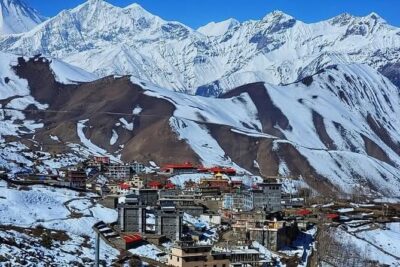
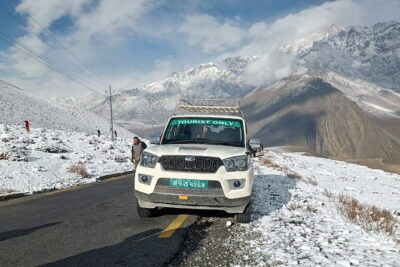
Further north, toward Muktinath
Price and Logistics, What $40 Really Means
The price is listed as $40.00 per group for up to 15 people. That is unusually low for a guided experience, so here’s the honest way to interpret it: your main fee is for the guide service, not for everything you’ll consume or use during the trek.
What’s included:
- Guide’s lunch & dinner
- Guide’s accommodation
- The guide helps arrange the itinerary and discusses it with your group
What is not included:
- Your lunch, food, and drinks during the trek
- Your accommodation during the trek
- Private transportation, though it can be arranged on request
- Guide’s tip
There’s also an important practical detail: you might stop off for lunch or dinner with a local mountain restaurant, but you would pay directly to the restaurant owner.
So where does the value come from? You’re essentially paying a small base fee to get a guide, a plan, and local support, and then you handle your personal spending for meals and lodging. For groups or solo travelers who are already comfortable with basic budgeting, that can be a very cost-effective way to get quality guidance.
If you’re a traveler who wants a total-price package with meals and lodging included end-to-end, this setup may feel too “pay as you go.” But if you want flexibility and you don’t mind handling your own food costs, it can be a strong deal.
Pickup, Mobile Tickets, and Staying Close to Public Transit
This experience includes pickup offered, and it also notes that it’s near public transportation. That combination is helpful in Pokhara because it gives you options. If you’re staying in a central area, you may find it easy to connect to the meeting point even if pickup timing doesn’t perfectly match your day.
A mobile ticket is included, which is one less thing to print or misplace. For short trekking windows, that kind of simplicity matters, especially if you’re bouncing between activities in the city.
Group size is also capped at 15 max, and it’s described as private for your group only. In practice, that can mean fewer distractions and less waiting around for the slowest hiker to catch up, as long as everyone in your group is roughly matched on pace.
Pacing, Fitness, and the Nepal Weather Factor
This experience calls for moderate physical fitness. For you, that should translate to a simple question: can you comfortably hike for several hours on uneven paths, take short rests, and keep moving?
The trek example in the Annapurna region is about 8 hours, so even if your chosen route is shorter, think in terms of a full day of active time. If you’re coming from sea level and you’re not used to hiking, build in extra hydration and plan to slow down a bit. Your guide can adjust the route pacing, but the physical demand still exists.
Weather is another reality check. The experience requires good weather, and if it gets canceled due to poor conditions, you’ll be offered a different date or a full refund. That’s a big deal because it reduces the chance you’ll show up and waste the day. Still, Nepal mountain weather changes fast, so plan to keep your schedule flexible when possible.
Who This Trek Planning Service Fits Best
This is a good match if you want a guide plus flexibility. You can choose day treks or multi-day treks, and your guide will help arrange the details with your group.
It also fits well if you like making your trek decision with real trail options. Examples of Raju include offering choices and sending pictures so you can pick a route that matches what you want, not just what sounds good on paper.
I’d especially recommend it if:
- You want to stay based in Pokhara and not complicate your schedule
- You prefer smaller groups (up to 15, private for your group)
- You like local context, not just walking from point A to point B
- You’re okay budgeting your own meals and trek accommodation separately
If you’re traveling with very specific accessibility needs or you want a fully packaged all-inclusive trek with no extra decisions, you might find this style less convenient.
Should You Book This Trek in Pokhara?
I’d book it if you want a practical way to get into the mountains with guidance, but you also like having some control over meals, accommodation, and exact trail choice. The guide support, especially the way guides like Raju communicate with options and pictures, can make a big difference when you’re choosing between different trek styles.
Skip it, or at least ask more questions first, if you’re expecting every cost included in the base fee. Since your own food, drinks, and accommodation during the trek are not included, you’ll need to plan a budget.
If you go into it with moderate fitness, good weather on your side, and a realistic approach to extra spending, this is one of those Nepal experiences that feels like it gives you more than it costs.
FAQ
Where do the treks start and end?
They are set up so that treks begin and end in Pokhara.
What areas are the treks in?
You can pick routes in the Annapurnas or Upper Mustang.
How long are the trekking options?
The duration is listed as about 2 hours to 1 day.
What is included in the $40 per group price?
Your fee includes your guide’s lunch and dinner, plus the guide’s accommodation.
Are my meals and trekking accommodation included?
No. Participants’ food and drinks and participants’ accommodation during the trek are not included.
Is pickup included?
Yes, pickup is offered.
Can I cancel and get a refund?
Yes, you can cancel for free and get a full refund if you cancel at least 24 hours before the experience starts. If it’s canceled due to poor weather, you’ll be offered a different date or a full refund.
The Rest of Our Pokhara Write Ups
Beyond Jomsom, Toward Muktinath
Everything else we have reviewed around Pokhara
- Pokhara: Cable Car Tour – Bird Eye View of Mountain & Lake
★ 4.4 · 3 reviews - Jomsom Muktinath Tour by 4WD SUV 2 Days
★ 5.0 · 3 reviews - Ghorepani Poonhill Private Trek – 2 nights / 3 days
★ 4.5 · 3 reviews - Pokhara: 30-Minute Paragliding Adventure with pick up/drop off
★ 4.5 · 3 reviews - Pokhara: 7-Day Annapurna Base Camp Trek via Ghandruk
★ 4.3 · 3 reviews - Pokhara Group Joining Sarangkot Sunrise Himalayas Tour
★ 5.0 · 3 reviews
Langtang & Manaslu Treks worth a second look.
 ★ 5.0Langtang Valley TrekFrom $555140 reviews
 ★ 5.0Manaslu Circuit Trek (15 Days)From $1,65750 reviews
 ★ 5.016 Day Private Manaslu Circuit Trek from KathmanduFrom $1,13542 reviews
 ★ 5.0Manaslu Circuit Trek 13 DaysFrom $1,40030 reviews
 ★ 5.010 Days Manaslu Circuit Trek in Larke La PassFrom $1,04930 reviews
 ★ 5.0Private 8 – Day Langtang TrekkingFrom $58429 reviews
 ★ 4.8Chisapani Nagarkot 3-Days 2-Nights TrekFrom $19029 reviews
 ★ 5.06-Day Limitless Langtang TrekFrom $18121 reviews
Lists this tour sits in