
REVIEW · LANGTANG & MANASLU TREKS
Kathmandu: 6-Day Limitless Langtang Trek
Langtang hits different because it stays quiet. This six-day Langtang Valley trek balances scenic trails with real community time, from forest paths by the Langtang River to high, prayerful stops like Kyanjin Gompa. I like how the Tamang culture feels part of the hike, not a side note.
What really makes it work is the way guides run the day. People in the guide lineup I saw, including Niraj and Mahesh Aryal, are focused on keeping you informed, checking your comfort, and supporting you when the trail turns steep.
One consideration: the optional push up to Kyanjin Ri (4,770 m) is uphill and can be tough for some hikers, especially if you come in undertrained or expect an easy stroll.
In This Review
- Key Highlights to Know Before You Go
- Why This 6-Day Langtang Trek Feels Like the Real Himalaya
- Your Day-by-Day Route: Kathmandu, Syabrubesi, Valleys, Gompa, and Home
- Day 1: Kathmandu to Syabrubesi to Pahiro (1,550 m), about 2 hours trekking
- Day 2: Pahiro to Ghoda Tabela (2,900 m), about 6 hours trekking
- Day 3: Ghoda Tabela to Kyanjin Gompa (3,870 m), village culture plus high views
- Day 4: Kyanjin Gompa to Thangsyap (3,200 m) with the optional Kyanjin Ri peak (4,770 m)
- Day 5: Thangsyap to Syabrubesi (1,550 m), descend by the Langtang River
- Day 6: Syabrubesi back to Kathmandu by shared bus
- Kyanjin Gompa, Tamang Culture, Cheese, and Monasteries
- The Optional Kyanjin Ri Peak: How to Decide Without Stress
- Meals, Lodges, and Cold Nights: What You’ll Actually Feel
- Price and Value Around $181: What Makes It Feel Fair
- Who This Trek Suits Best, and Who Should Rethink It
- Practical Tips: What to Bring and How to Pace
- Should You Book This Langtang Valley Trek?
- FAQ
- How long is the Langtang Valley trek?
- Where does the trek start and end?
- What are the main overnight stops and elevations?
- Is the trekking guide included in the price?
- Does the price include meals?
- What permits are handled for the trek?
- How do I get from Kathmandu to the trail and back?
- What is the highest point on the itinerary?
- What should I bring for the trek?
- Is this trek suitable for pregnant women?
Key Highlights to Know Before You Go
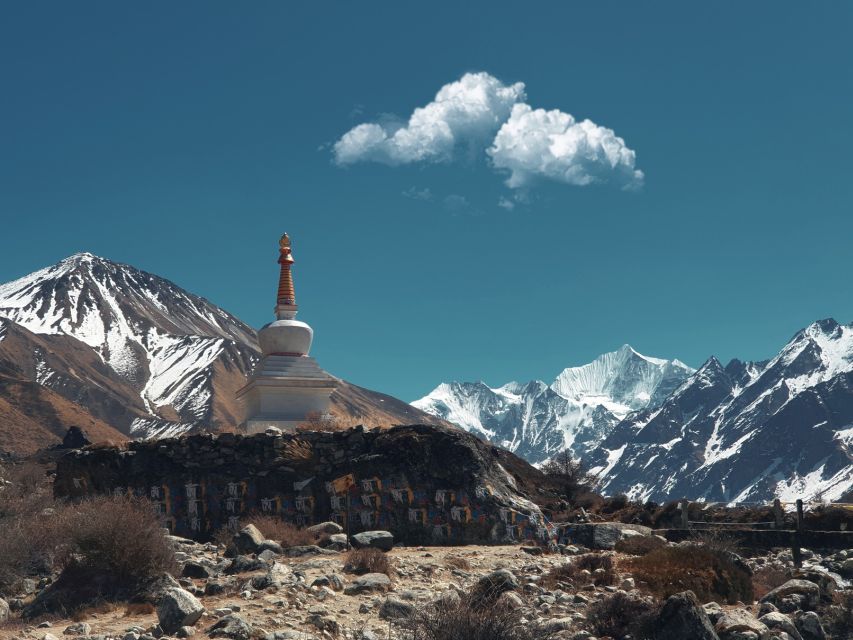
- Tamang village culture at Kyanjin Gompa, including monasteries and a cheese factory stop
- A moderate trek feel with long hiking stretches (plan for steep sections and 6 plus hour days)
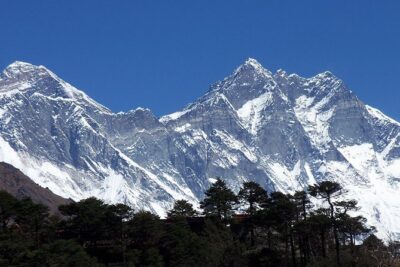
- Big Himalayan views over the Langtang range, especially near the glacial valley area
- A spiritual reset vibe, with monastery atmosphere around Kyanjin Gompa and your return days
- Strong guide support, with named guides like Niraj, Bipin, Mahesh Aryal, Dipesh, and Ghanshyam showing up repeatedly
The quieter valleys: Langtang and Manaslu
Why This 6-Day Langtang Trek Feels Like the Real Himalaya
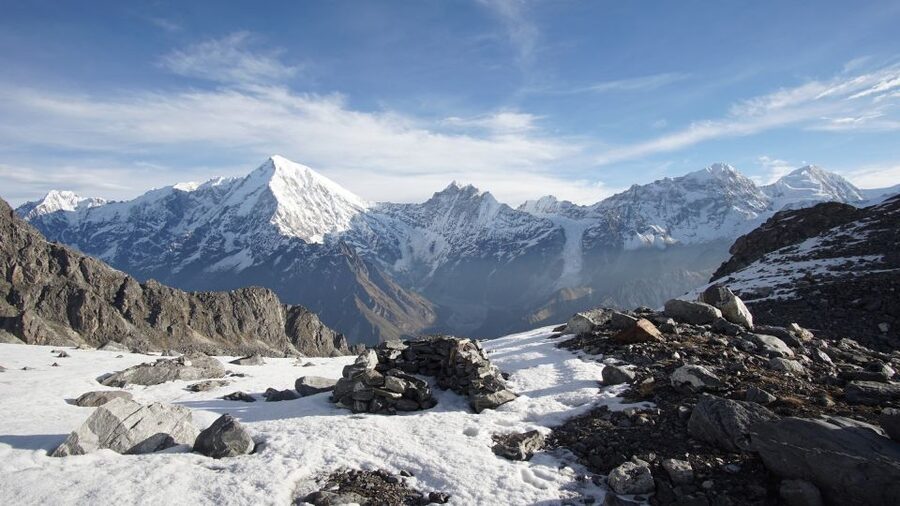
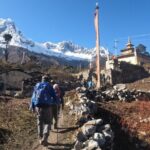
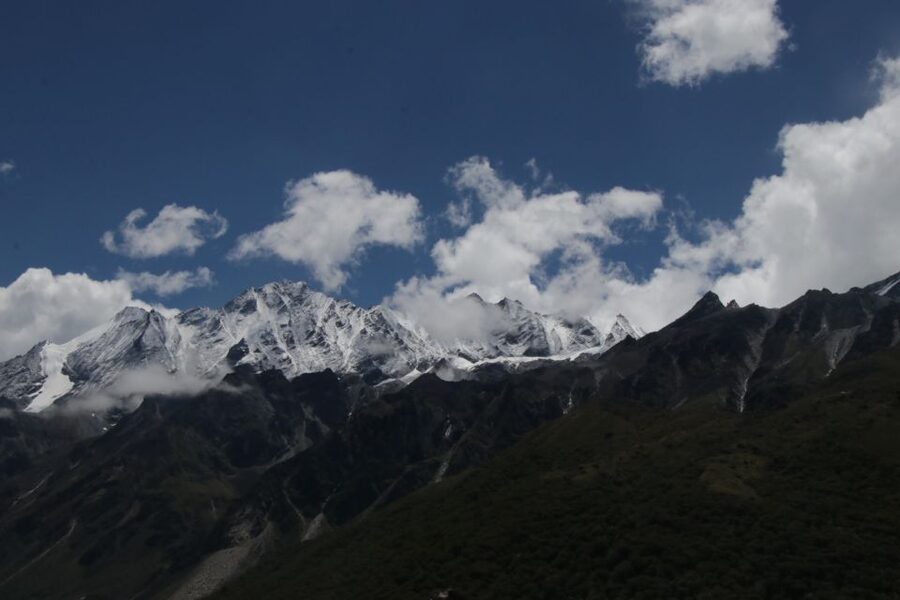
Langtang is one of those Himalayan regions where the mountains feel close, and the trail still feels like you earned your views. Over six days you get a clear rhythm: start lower, climb into Langtang Valley villages, reach a high prayer-and-snow zone, then come back down at a steady pace.
I also like that this trek is a practical first step for many people. The route is described as rewarding but moderate, and it’s set up for first-time trekkers and families, couples, or solo hikers who want authentic mountain life without turning the trip into a stampede. You still get the classic highs, but the days are built around a climb-and-adjust pattern instead of a single huge push.
Finally, the cultural pieces are not vague. You’re guided through places like the Kyanjin Gompa area where you can see monasteries and a cheese factory, and you get a chance to interact with locals from the Tamang community. That matters because it turns “a hike” into “time in a living place,” which is what you usually hope for when you’re paying for a guided trek.
Your Day-by-Day Route: Kathmandu, Syabrubesi, Valleys, Gompa, and Home
This itinerary is straightforward: drive from Kathmandu to the trailhead, hike valley stages to higher villages, do an optional peak day, then descend back to Syabrubesi and return by shared bus.
Day 1: Kathmandu to Syabrubesi to Pahiro (1,550 m), about 2 hours trekking
You start with a scenic drive out of Kathmandu to Syabrubesi, then begin a short trek portion that takes you into the Langtang River corridor. The route is described as following the river and cutting through forest, which is a nice setup on Day 1 because it lets your body find the rhythm before the bigger days.
Overnight is in Pahiro (1,550 m). This is the “settle in” night, and it’s where you’ll feel how quickly temperatures can drop once you move away from Kathmandu.
Day 2: Pahiro to Ghoda Tabela (2,900 m), about 6 hours trekking
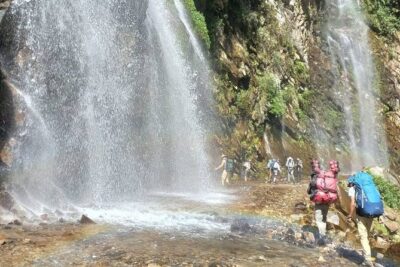
Day 2 is your first longer hiking day. You’re moving up to Ghoda Tabela through lush green forests, with village scenery and cascading waterfall spots along the way. This kind of day is where you learn if your pacing is realistic. If you rush early, steep segments will punish you later.
Overnight is in Ghoda Tabela (2,900 m), so you’ll start carrying the idea of altitude: not a dramatic crisis, but enough that a steady pace pays off.
Other lodge to lodge routes near Kathmandu
Day 3: Ghoda Tabela to Kyanjin Gompa (3,870 m), village culture plus high views
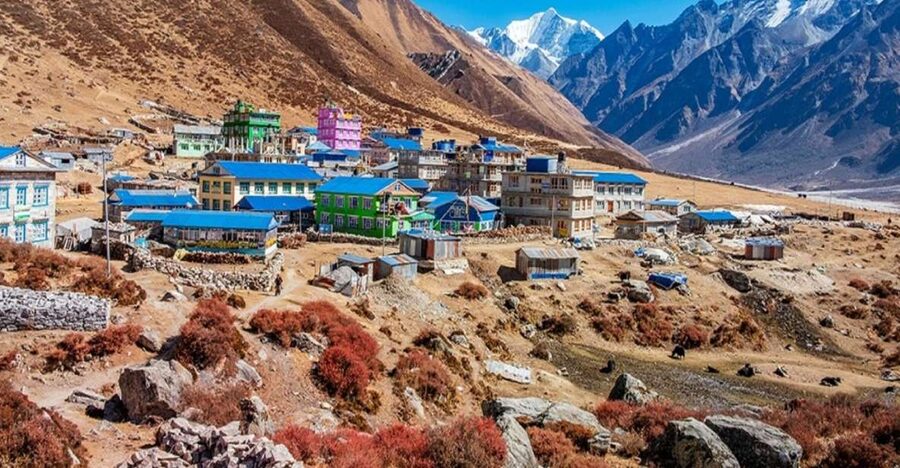
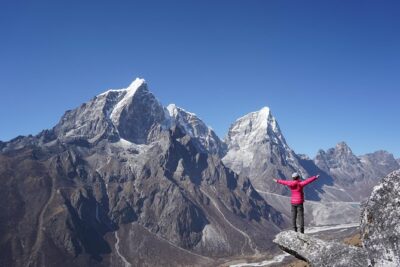
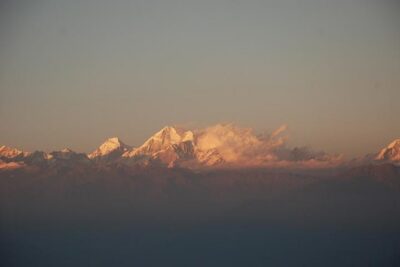
This is the big scenic and cultural day. You hike from Ghoda Tabela to Kyanjin Gompa (3,870 m), and along the way you’ll see breathtaking mountain views. Once you arrive, the day becomes more than trail walking.
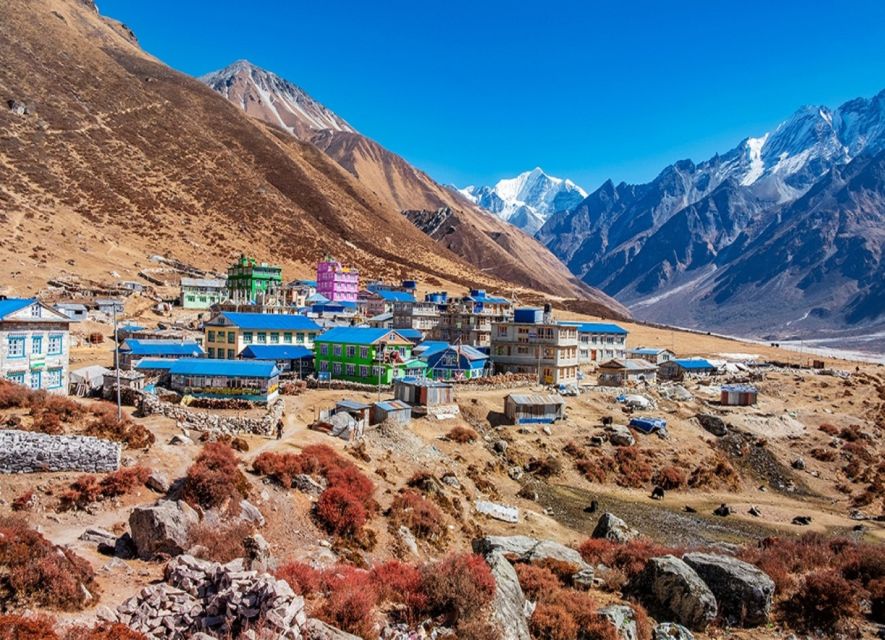
In the Kyanjin Gompa area, you can explore the village, visit monasteries, and also stop by a cheese factory. You’ll have time to interact with friendly locals from the Tamang community too. It’s a great reminder that these places aren’t just background for photos. People live here and run their routines, even with trekking season in motion.
Overnight is in Kyanjin Gompa. Expect a cooler, higher-night feeling and a slower pace as you soak in the atmosphere.
Day 4: Kyanjin Gompa to Thangsyap (3,200 m) with the optional Kyanjin Ri peak (4,770 m)
Day 4 is the decision day. The route includes time for climbing to Kyanjin Ri (4,770 m) for panoramic views. It’s described as uphill and ascent, and it’s also labeled as optional because it can be hard for some hikers.
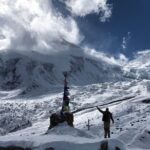
If you do go for it, think of it as a focused outing, not a casual stroll. Your reward is the wide mountain panorama, plus a powerful feeling of being inside a glacial valley environment. After the peak, you trace back the route and continue onward to Thangsyap (3,200 m), where the monastery and spiritual atmosphere is again part of the day.
Overnight is in Thangsyap. This is also a good day to check in with yourself. If you skip the peak, you still get the bigger valley views and the return-day rhythm.
Day 5: Thangsyap to Syabrubesi (1,550 m), descend by the Langtang River
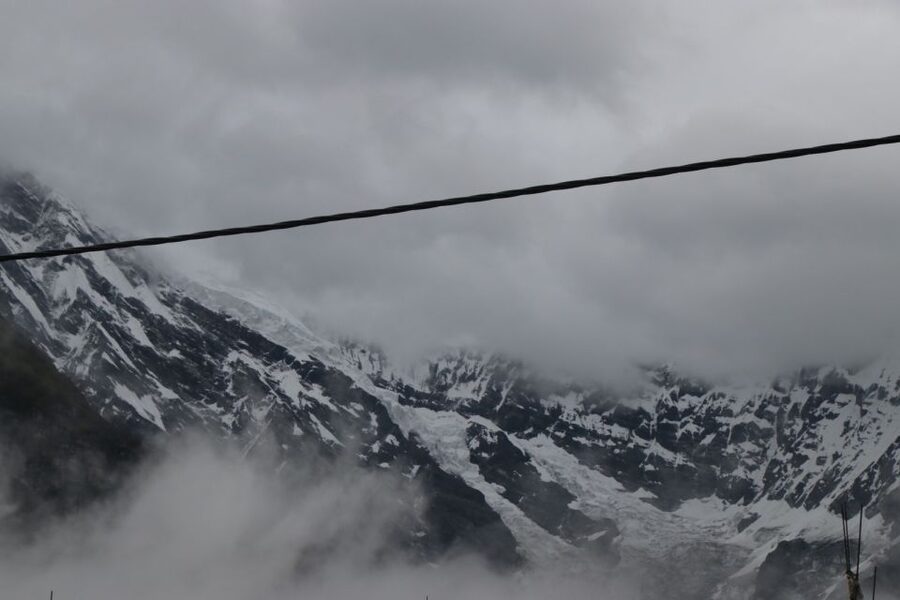
Day 5 is your long descent and reset. You explore the surroundings of Thangsyap and take in views across the Langtang range and surrounding Himalayan peaks. Then you trek back toward Syabrubesi by descending through the scenic trail beside the Langtang River.
Overnight is in Syabrubesi (1,550 m). After a high day, the descent feels like recovery work. Your legs will be tired, but your breathing usually feels easier.
Day 6: Syabrubesi back to Kathmandu by shared bus
The final day is transportation and reflection. You’re driven back to Kathmandu in a shared bus, and once you reach the city, it’s that satisfying end-of-trip feeling: shower, food, and a calm brain that still thinks in summit-time.
Kyanjin Gompa, Tamang Culture, Cheese, and Monasteries
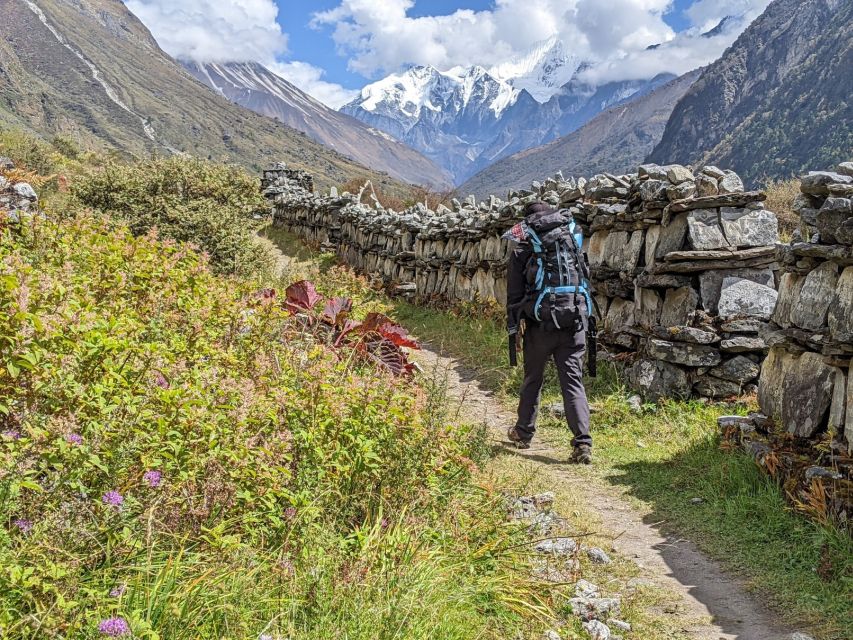
Kyanjin Gompa is the heart of this trek. It’s not just the highest-feeling day. It’s where the trip’s purpose becomes clear: to experience a mountain valley community, in a place where spirituality is part of daily life.
Here’s what you can expect around Kyanjin Gompa:
- Monasteries and prayerful atmosphere, so your day slows down naturally
- Tamang community interactions, which makes it easier to understand local life beyond trekking stories
- A cheese factory visit, which is a very tangible cultural stop and a fun contrast to all the stone and snow visuals
What I appreciate about this is the balance. Your hike builds to altitude, then you get a human-paced experience. If you’re the type who likes to learn names, roles, and routines, this stop rewards you.
Also, guides are a big part of how the cultural time lands. In the feedback you shared, guides like Mahesh Aryal, Bipin, and Dipesh are highlighted for being attentive, patient, and good at explaining what you’re seeing. That matters because monastery time and village visits are easy to rush if nobody helps you shape what to notice.
The Optional Kyanjin Ri Peak: How to Decide Without Stress
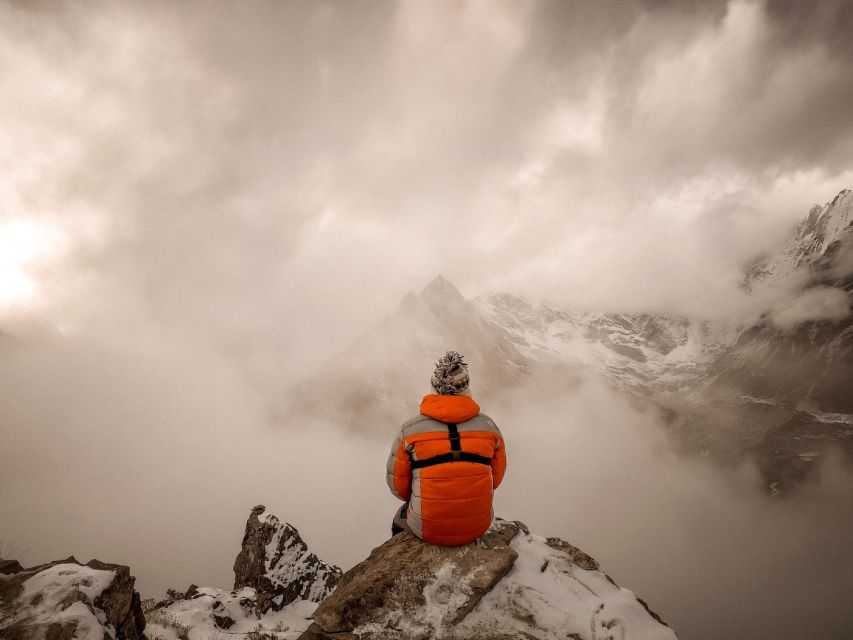
Kyanjin Ri (4,770 m) is the main altitude challenge listed for the itinerary. The trek to it is uphill and ascent, and it’s marked as optional for good reason. Even if you’re fit, a peak push is a different category of effort than steady valley hiking.
So how do you decide?
- If you want a big viewpoint moment and you’re comfortable with steep uphill, you’ll likely enjoy the challenge. One guide-led success story in the feedback includes reaching 4700 m, and it came down to steady support and not getting flustered.
- If you’re worried about fatigue or altitude discomfort, you can treat this as optional and still have an excellent day. The itinerary explicitly supports that choice.
My practical advice: don’t treat the peak like a checkbox. Treat it like a weather-and-body conversation. If you start feeling unstable or too winded, it’s smarter to turn back and preserve the rest of your trek quality.
Meals, Lodges, and Cold Nights: What You’ll Actually Feel
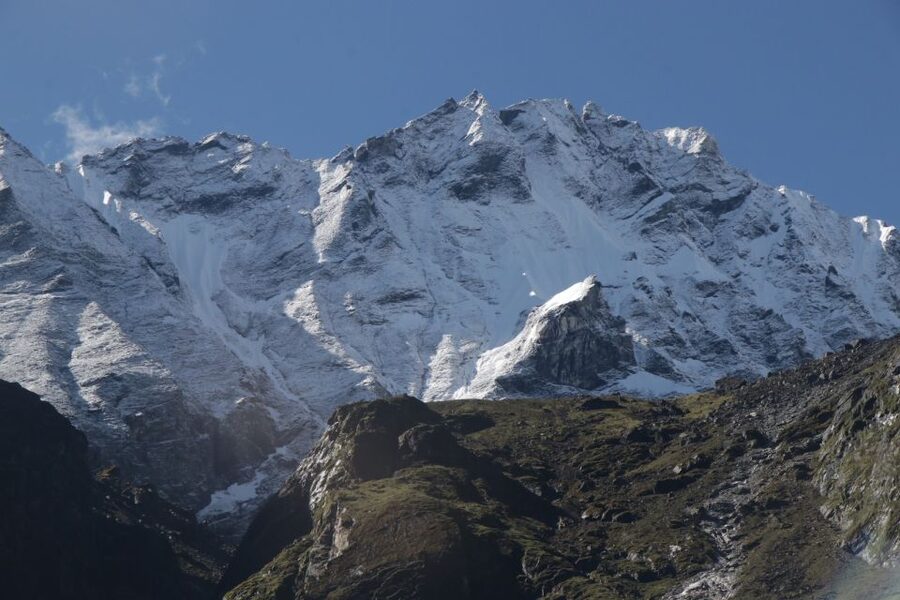
This trek uses private comfortable accommodation for the five trek nights. Food is included only for the Full Package option, so before you go, confirm whether your booking includes breakfast, lunch, and dinner or only guide and permit services.
Either way, you should plan for lodge-style life: warm meals, simple dining areas, and a strong incentive to get into your sleeping layers early. In colder months, you’ll want to take the cold seriously. The packing list you were given includes a sleeping bag, jacket, gloves, hat, sunglasses, and a flashlight, and that’s not overkill. Night temperatures at higher elevations can surprise people who only prepared for daytime hiking.
One detail that showed up in the feedback: during winter months, fires were common in the dining areas, which made evenings social and comfortable. That’s a nice bonus because it turns the “waiting around” part of high-country trekking into a relaxed, human moment.
Price and Value Around $181: What Makes It Feel Fair
The price listed is $181 per person for a 6-day trek, and value here depends on how your package is structured.
What you generally get for the price:
- Hotel pickup and drop-off
- An authorized English-speaking guide
- Permits and the Trekkers’ Information Management System fee
- Private accommodation during the trek nights
- Luggage storage facility
- Shared transportation as per the itinerary
What can change your total budget:
- Meals are included only for the Full Package
- Porter charge is extra (so you’ll need to decide if you want help carrying a heavier pack)
- Travel and rescue insurance is not included, and you’ll want to handle that yourself
- Personal expenses add up fast in any trek, especially bottled or boiled water, phone recharging, and shower-related costs
So is it good value? In my view, yes, because the price covers the parts that usually cost money and paperwork: guide, permits, and local logistics, not just a bare-bones hiking route. For this kind of trek, you’re paying for coordination and local experience, and the guide feedback you shared repeatedly emphasizes exactly that kind of support.
If you hate uncertainty and you want smooth days, this pricing setup usually works well. If you prefer total independence and self-navigation, you might question paying for a guide package. But for a first-time trek, coordination is usually worth it.
Who This Trek Suits Best, and Who Should Rethink It
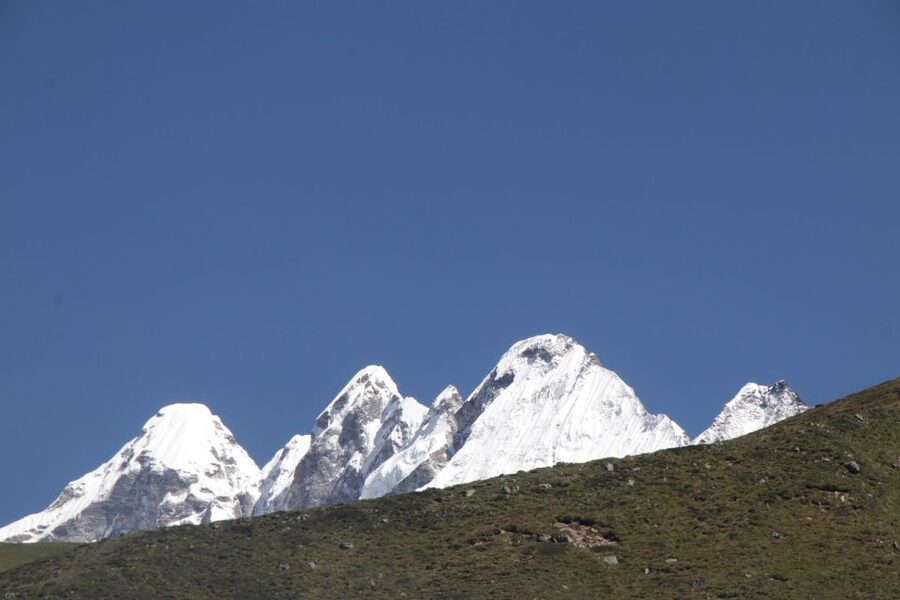
This itinerary is described as suitable for first-time trekkers, families, couples, and solo adventurers. That matches the “rewarding yet moderate” framing, plus the cultural stops that keep the hike from feeling like nonstop grind.
This trek makes extra sense if:
- You want a Himalayan experience without massive crowds
- You like cultural visits, not just scenery photos
- You appreciate guidance for pace, altitude comfort, and route clarity
- You’re curious about Tamang community life and monastery atmosphere
It’s not suitable for pregnant women, based on the provided information.
If you’re very time-limited, this route is also a smart option because it compresses the classic Langtang feel into six days, with a structured return and a high-point day that’s optional.
Practical Tips: What to Bring and How to Pace
You’ve got a solid packing list already, and I’d treat it as the baseline. Key items to focus on:
- Hiking shoes with traction
- A jacket and warm layers for night cold
- Gloves, hat, and sunglasses
- Sunscreen and sunglasses because high-altitude sun can be sharp
- A flashlight (useful for lodge evenings and early starts)
- A sleeping bag
- Trekking gear and a towel
Pacing is where most treks succeed or fail. This itinerary includes a Day 2 around six hours of hiking, plus an optional peak day with uphill ascent. Even when the climb feels manageable, plan to keep your effort steady. One lesson that shows up across the guide experience is that supportive, patient guidance helps you avoid going too hard early, especially on steep sections.
Finally, if you can, travel with a mindset that says you’re walking through changing conditions, not conquering a single number. That mental shift makes the optional peak day feel less like pressure.
Should You Book This Langtang Valley Trek?
If you want a guided 6-day trek in the Langtang Valley that blends mountains with Tamang village life, monasteries, and a cheese factory visit, I’d say this is a strong choice. The guide support highlighted in the feedback, including names like Niraj, Mahesh Aryal, Bipin, Dipesh, and Ghanshyam, is exactly what you want on a trek where weather, cold, and steep sections can affect comfort.
I would only hesitate if you’re sure you cannot handle a tough optional uphill day to Kyanjin Ri or if you expect a fully effortless hike. For most people who train lightly and hike steadily, this route looks like a great value way to experience Langtang without crowd overload.
FAQ
How long is the Langtang Valley trek?
The trip duration is 6 days.
Where does the trek start and end?
It starts in Kathmandu with driving to Syabrubesi, then hiking to higher points in the Langtang Valley. It ends with a return drive from Syabrubesi back to Kathmandu.
What are the main overnight stops and elevations?
Overnight stops listed are Pahiro (1,550 m), Ghoda Tabela (2,900 m), Kyanjin Gompa (3,870 m), Thangsyap (3,200 m), and Syabrubesi (1,550 m).
Is the trekking guide included in the price?
Yes, an authorized English-speaking guide is included. Porter charges are extra.
Does the price include meals?
Meals are included for the Full Package option only. The listing also notes that soft and hard drinks are not included.
What permits are handled for the trek?
The trip includes trekking permits, all necessary paperwork, and the Trekkers’ Information Management System fee(s).
How do I get from Kathmandu to the trail and back?
You drive from Kathmandu to Syabrubesi as part of Day 1. On Day 6, you return to Kathmandu by shared bus.
What is the highest point on the itinerary?
The itinerary includes an optional hike to Kyanjin Ri peak at 4,770 m.
What should I bring for the trek?
The provided packing list includes passport or ID card, towel, sunscreen, gloves, sleeping bag, flashlight, hiking shoes, jacket, hat, trekking gear, and sunglasses.
Is this trek suitable for pregnant women?
No, it is listed as not suitable for pregnant women.
Lodge to Lodge Around Kathmandu
The Rest of Our Kathmandu Write Ups
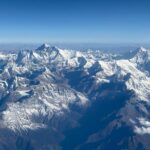
Langtang and Manaslu, the Quiet Valleys
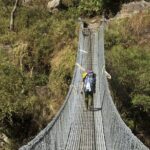
Everything else we have reviewed around Kathmandu
- 12 Days Everest Base Camp Trekking
★ 5.0 · 3 reviews - 1 Night 2 Days Chitwan Jungle Safari Tour from Pokhara or Kathmandu
★ 3.0 · 3 reviews - Thamel Rickshaw tour
★ 4.7 · 3 reviews - Kathmandu: Momo Making Class with a Local Chef
★ 5.0 · 3 reviews - Kathmandu: Full-Day Yoga, Body Massage and Pedicure Package
★ 5.0 · 3 reviews - From Kathmandu / Pokhara / Chitwan: River Rafting – 1 Day
★ 4.6 · 3 reviews
Langtang & Manaslu Treks worth a second look.
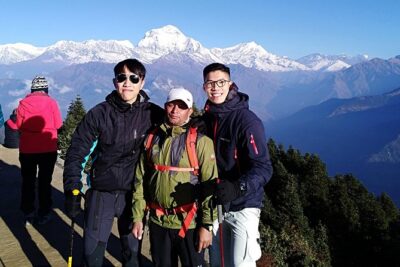 ★ 5.0Trekking in Annapurna/Langtang/Everest/Upper Mustang regionsFrom $40161 reviews
 ★ 5.0Langtang Valley TrekFrom $555140 reviews
 ★ 5.0Manaslu Circuit Trek (15 Days)From $1,65750 reviews
 ★ 5.016 Day Private Manaslu Circuit Trek from KathmanduFrom $1,13542 reviews
 ★ 5.0Manaslu Circuit Trek 13 DaysFrom $1,40030 reviews
 ★ 5.010 Days Manaslu Circuit Trek in Larke La PassFrom $1,04930 reviews
 ★ 5.0Private 8 – Day Langtang TrekkingFrom $58429 reviews
 ★ 4.8Chisapani Nagarkot 3-Days 2-Nights TrekFrom $19029 reviews
Lists this tour sits in