
REVIEW · LANGTANG & MANASLU TREKS
Manaslu Circuit Trek 13 Days
Manaslu feels remote from day one. I love the sweep of Mount Manaslu panoramas and the chance to walk through Gurung, Tamang, and Tibetan-influenced villages with monasteries, chortens, and mani walls. I also like that you hike with a government-licensed English-speaking trekking guide who keeps things organized. The main drawback to plan for is that meals and trek lodges are not included, so you’ll budget daily costs on top of the trek price.
For the money, this package hits the big moving parts: permits (including the Manaslu Special Permit for seven days), a TIMS card, a first-aid medical box, plus a trekking map, duffel bag, and even a farewell dinner. It’s also set up as a private experience, so it’s just your group doing the trail days and ride days together.
In This Review
- Key things that make this trek worth your time
- The Manaslu Circuit promise: mountains plus real village life
- Price and value: what $1,400 really covers (and what it doesn’t)
- Kathmandu start, pickup energy, and your first night’s mindset
- Day-by-day: from Machha Khola to Besisahar
- Day 1: Machha Khola, where the trek really starts
- Day 2: Jagat via wild plant country and the Budhi Gandaki gorge
- Day 3: Sirdibas, Philim, Ekle Bhatti, and Deng
- Day 4: Bihi Phedi, Ghap, and Namrung, the Tibetan feeling begins
- Day 5: Banjam, Lihi, Sho, and Lho, big views meet monastery life
- Day 6: Shyala, then Samagaun, the spiritual rest zone
- Day 7: Pungyen Teahouse side trip, acclimatization with a spiritual goal
- Day 8: Birendra Taal and the Manaslu Base Camp viewing zone
- Day 9: Larkya Bazar to Dharmasala, altitude work begins in earnest
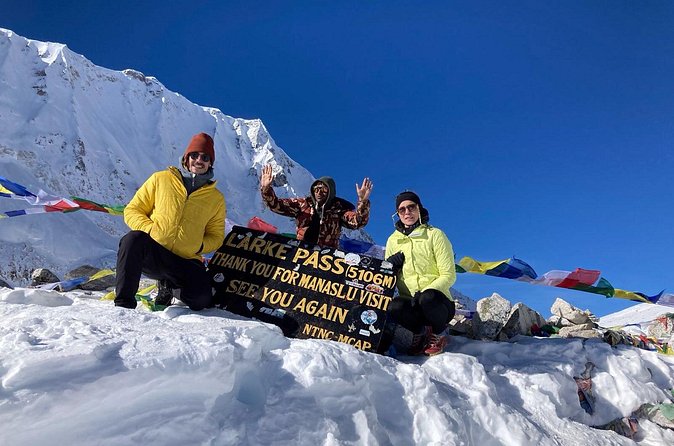
- Day 10: Larkya La Pass, the headline day
- Day 11: Tilche, downhill effort with rhododendron and pine tones
- Day 12: Tal, a calmer day that changes feel fast
- Day 13: Tal to Besisahar, then back to Kathmandu
- Guides, permits, and why organization changes how you feel on the trail
- Practical advice so you actually enjoy Larkya La
- What you’ll see most often: monasteries, chortens, and the rhythm of prayer walks
- Who should book this Manaslu Circuit trek
- Should you book this trek with Trek Mania Nepal?
- FAQ
- How long is the Manaslu Circuit Trek in this package?
- What permits are included?
- Are meals and accommodation included?
- Is the trek private?
- Is a guide provided?
- Does this trek depend on weather?
Key things that make this trek worth your time
- Government-licensed English guide (the names Hem, Kumar, Pradip, and Rajesh came up in real experiences, which tells me you’re likely to get strong leadership)
- Permit bundle included (Manaslu Conservation Area fees, Manaslu Special Permit for seven days, Annapurna Conservation Permit, and TIMS)
- Big acclimatization focus with a side hike to Pungyen Gompa and a planned rhythm before Larkya La
- Larkya La as the dramatic turning point, with glacier views and a serious high-altitude day
- Cultural walking, not just mountain photos, especially around Namrung, Lho, and the monastery stops
- Day-to-day support kit, including a first-aid medical box plus route map and trek bag
The quieter valleys: Langtang and Manaslu
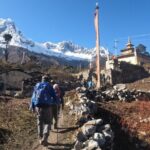
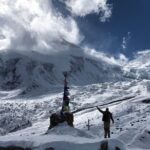
The Manaslu Circuit promise: mountains plus real village life
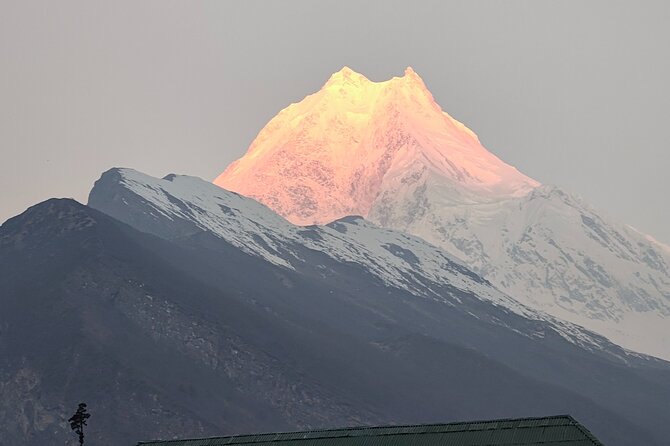
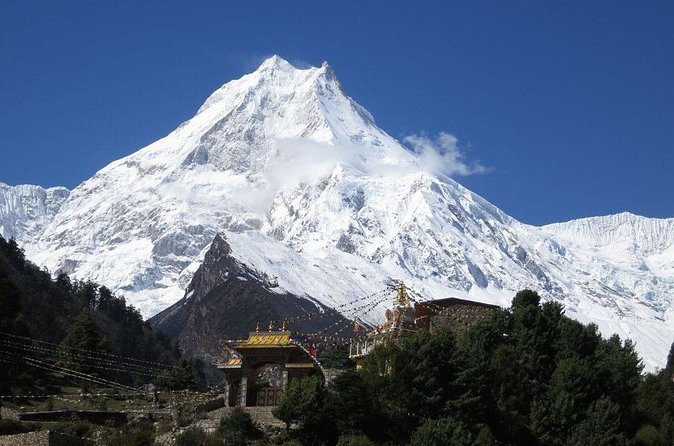
Manaslu is one of those treks where the scenery does the talking, but your best memories often come from the people and routines you pass along the way. You start in the river corridor, and the route gradually lifts you through different climate zones, from subtropical forest tones to alpine vegetation near the higher pass area.
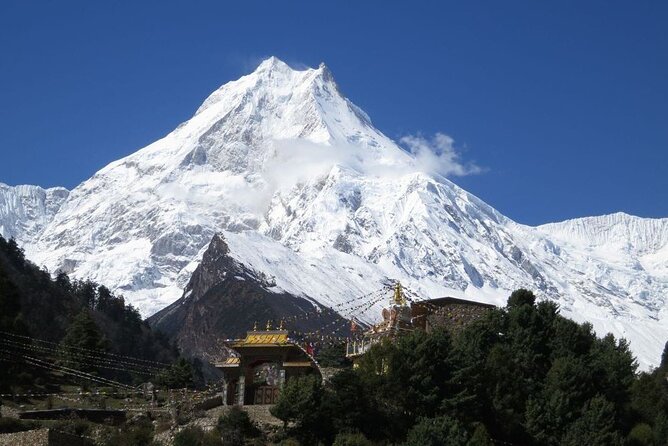
What I like about this specific circuit is that it’s not only about summiting a view. You’re also walking through communities tied to Gurung, Tamang, Tibetan, and other local cultures. The trail repeatedly hands you monasteries, painted gates, prayer wheels, and chortens, so you’re seeing how spiritual life and daily life sit side by side here.
Price and value: what $1,400 really covers (and what it doesn’t)
At $1,400 per person for about 13 days, you’re paying mainly for the “back office” and safety essentials: transportation, a licensed English guide, the required permits, a first-aid medical box, and a set of trekking items like a map and duffel bag. You also get a farewell dinner, which is a small thing that can make the last night feel less anticlimactic.
What’s not included is equally important. Meals and trekking accommodation during the trek are not included, and porters are not included either. Visa fee and international airfare are also on you, plus travel insurance and any rescue costs. Personal expenses like charging electronics and extra drinks are also outside the package.
How this helps you decide: if you budget carefully for daily lodge costs and food, and you plan whether you’ll hire a porter separately (or carry yourself), this price can feel like good value because the guide and permit package removes a lot of common hassle.
Kathmandu start, pickup energy, and your first night’s mindset
Your trek begins with Kathmandu, and the package includes a pickup and a mobile ticket. That matters more than it sounds. In Nepal, the smoother your first day, the less likely you are to waste time worrying about the basics when you should be thinking about hydration, altitude, and gear.
Even before the trail, this route is about patience. The start days are not “go hard every day” days. They’re about setting your rhythm along the river, getting comfortable on the trail surface, and learning how your body handles Nepal’s steady climbing and quick weather shifts.
Day-by-day: from Machha Khola to Besisahar
Other lodge to lodge routes near Kathmandu
Day 1: Machha Khola, where the trek really starts
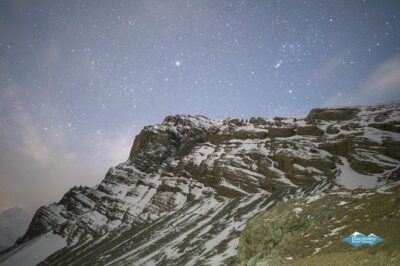
You’ll take an early morning drive by deluxe bus to Machha Khola, following the Trishuli and Budhi Gandaki river views. This is a long day in the saddle, but it’s a common and practical way to get into the trekking zone without losing an extra day to logistics.
Why I’d take this day seriously: your first set of steps matters. After a long drive, you want a calm start, not an ego start.
Day 2: Jagat via wild plant country and the Budhi Gandaki gorge
From Machha Khola you walk toward Jagat, taking an easier trail and passing through a path lined with wild marijuana plants (yes, that’s mentioned). You’ll descend into the Budhi Gandaki gorge and keep moving along the river corridor.
This is where the trek begins to feel like a real journey. You’re not yet in the high drama, but you’re already in the Budhi Gandaki world: tight valley, frequent turns, and the constant sense that the mountain is just around the corner.
Day 3: Sirdibas, Philim, Ekle Bhatti, and Deng
Day 3 is a chain of small, meaningful stops: Sirdibas, then Philim with monasteries and chortens, a rest-like pause at Ekle Bhatti (literally one house), and then Deng after a suspension bridge crossing.
This is a good day to notice how village spacing works here. Some stops feel like you arrived at a place, not a destination. Deng is described as vibrant and village-centered, and after several quieter pockets, that can feel like a breath.
Possible consideration: you’re crossing rivers and walking through subtropical forest sections, so pack for damp sections and bring footwear that handles uneven ground without drama.
Day 4: Bihi Phedi, Ghap, and Namrung, the Tibetan feeling begins
You climb toward Bihi Phedi, then descend toward Ghap with Serang Monastery and its painted Buddhist figures. Later you reach Namrung, often associated with Tibetan culture, with a feel many hikers compare to Tibet in spirit if not in geography.
If you care about cultural stops, this is one of the better days. You’re not just passing through. You’re seeing prayer and art tied into the walking experience.
Day 5: Banjam, Lihi, Sho, and Lho, big views meet monastery life
You move through farming and monastery-adjacent villages: Banjam with terraced fields and glacier views, Lihi with a small monastery and a three-tiered chorten, Sho with a big prayer wheel, and finally Lho, which is described as one of the top panoramic viewpoint villages for the Manaslu range.
This is where the trek starts handing you more obvious “wow” moments. Lho in particular is the kind of place where you can pause, look around, and feel like you’re watching the mountains step into focus day by day.
Day 6: Shyala, then Samagaun, the spiritual rest zone
From Lho you hike through alpine vegetation, including areas described as part of an old yak caravan route that exchanged timber with Tibet. Then you continue down to Samagaun, a peaceful spiritual village and an obvious rest day base.
If you’ve ever arrived somewhere high and wished you had time to actually breathe there, that’s the role Samagaun plays. It’s not only a bed. It’s a reset.
Day 7: Pungyen Teahouse side trip, acclimatization with a spiritual goal
Today is a day trip to Pungyen Gompa, starting with retracing steps back to a junction and heading northwest. The route passes chortens and then ascends toward the gompa.
This is classic acclimatization work: you get altitude exposure and effort, but within a controlled day structure. Plus, you’re doing it with something meaningful at the end, not just a “walk to walk” task.
Day 8: Birendra Taal and the Manaslu Base Camp viewing zone
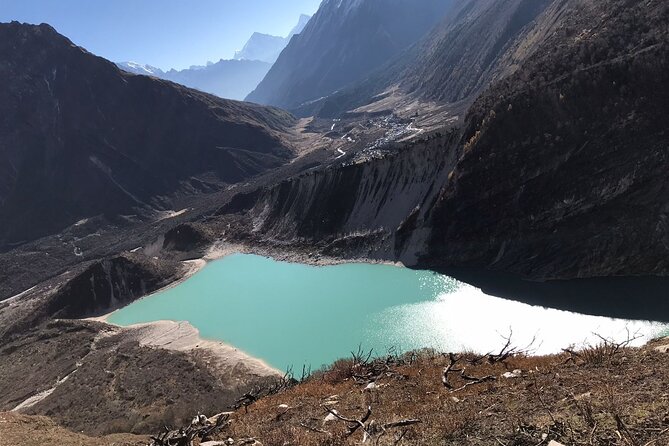
You reach Birendra Taal, a turquoise glacial lake. The color is attributed to glacial decomposition at the lake bottom, which is a neat science-style detail that turns a pretty sight into something you can remember clearly later.
Then you get views connected to Manaslu Base Camp from the side route, with Mani walls and views of Samdo Peak. You also continue to Samdo, a resting point before the final push.
Note: the itinerary says the main trail is bypassed on this journey. Translation for you: you get the base area feeling and views, but the route structure keeps things manageable.
Day 9: Larkya Bazar to Dharmasala, altitude work begins in earnest
You pass Larkya Bazar, an ancient trading market stop, then head toward Larkya Phedi, also called Dharmasala.
This day includes a steep ascent, and altitude can affect breathing. The trail is marked by chortens, mani walls, and glaciers, with juniper bushes mentioned too. It’s a “gear and breathing” day. Slow counts more than fast.
Day 10: Larkya La Pass, the headline day
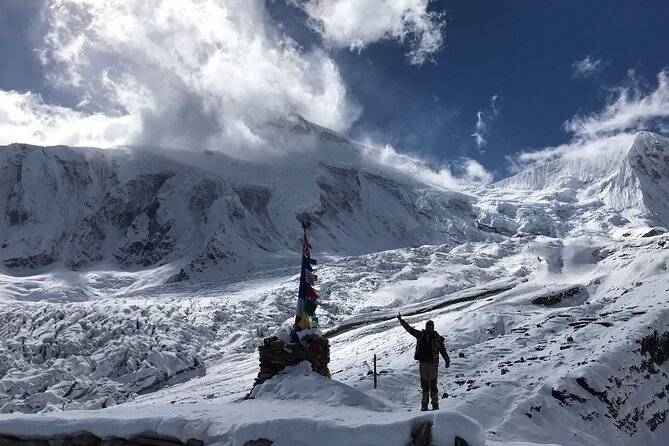
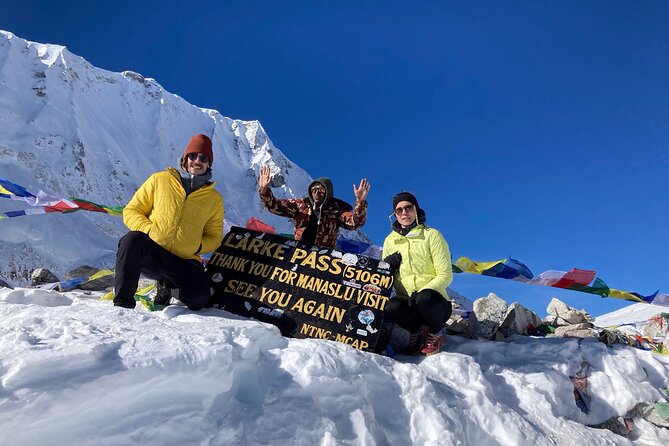
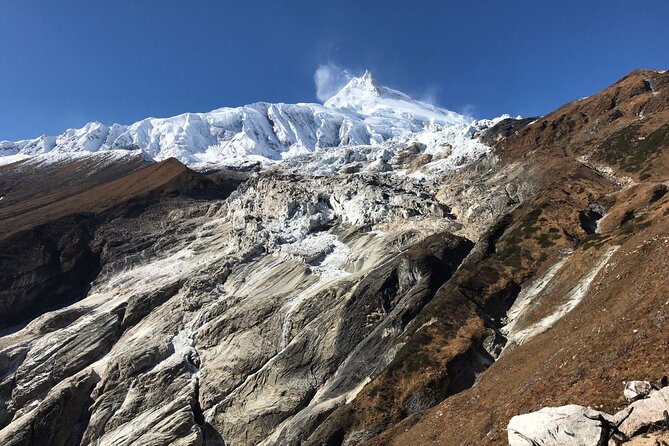
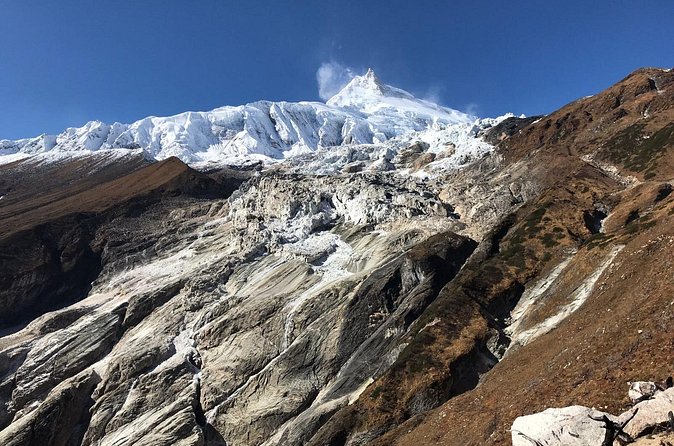
This is the day you came for, the Larkya Pass highlight. Expect breathtaking views of the Manaslu range, Syacha Glacier, and surrounding snow-capped peaks as you ascend. The trail passes glaciers and chortens, so even your approach is part of the show.
Then you continue to Bimthang for rest after the pass crossing.
Practical consideration: treat this day like a weather and clothing test. Even if skies are clear, cold and wind at altitude can hit hard. Go slow, drink water, and keep your layers ready.
Day 11: Tilche, downhill effort with rhododendron and pine tones
From Larkya La you descend toward Tilche. The itinerary notes forest sections with rhododendrons, pines, and oaks, with mountain views becoming closer compared to the pass day.
This is often where people feel relief because the biggest altitude stress eased, but the walking still takes time.
Day 12: Tal, a calmer day that changes feel fast
The trek from Tilje to Tal may not deliver “grand view” moments every hour, but it’s described as a pleasant walk through shifting vegetation, from alpine into subtropical, and toward denser, more vibrant villages.
I like days like this late in a trek. You recover mentally while your legs still get worked.
Day 13: Tal to Besisahar, then back to Kathmandu
You descend to Besisahar on foot, then catch a long drive back to Kathmandu. This route basically repeats the main ride corridor you used earlier, so you’re not left wondering where the road goes.
You end with back-to-hotel time in Kathmandu to rest and reset.
Guides, permits, and why organization changes how you feel on the trail
One reason I’m comfortable recommending this trek style is that it’s built around licensed leadership and required paperwork, not vague promises. You get a government-licensed English-speaking guide, plus all the permit coverage: Manaslu Conservation Area fees, Manaslu Special Permit for seven days only, Annapurna Conservation Permit, and TIMS.
That’s not trivia. Permits are part of why routes like this can stay operational and regulated, especially in conservation areas. When the paperwork is handled, you spend your energy on the climb and the views, not on the next office visit.
On the human side, the guide factor keeps showing up in strong feedback. Names linked with great leadership include Hem, Kumar, Pradip, and Rajesh, and there’s also praise for how pre-trip communication went smooth with Devaraj and his daughter. That matters because a well-run trek feels calm from day one.
Practical advice so you actually enjoy Larkya La
This trek is listed for people with moderate physical fitness, so you don’t need to be an elite athlete. You do need endurance and common sense.
Here’s what I’d focus on:
- Pace matters on altitude days: Dharmasala and then Larkya La are steep and breathing can get harder.
- Expect weather changes: the experience requires good weather, and cold and wind near the pass are common expectations. Pack for it.
- Bring simple clothing discipline: layers that you can vent and rewarm fast help a lot when conditions swing during the day.
- Plan your food budget: since meals are not included, bring a clear sense of daily spending so nothing feels stressful at tea house time.
Also, if you’re hoping for a quieter trek, this route can be surprisingly manageable. One account noted it was not too busy, with fewer people passing through each day than you’d see on the most famous trails.
What you’ll see most often: monasteries, chortens, and the rhythm of prayer walks
A huge part of the circuit’s character is spiritual and cultural architecture along the way:
- Painted monasteries like Serang Monastery
- Chortens and mani walls that mark spiritual paths through the mountains
- Prayer-wheel moments at Sho
- Gompa targets like Pungyen Gompa
- The big monastery and view village vibe at Lho
Even if you don’t seek out spiritual sites at home, these stops help you understand the region. You’re not just climbing. You’re moving through living belief systems.
And yes, you’ll likely find the classic trekking meal routine. At least one experience called out enjoying daily dhal bhat, which is a good sign: you’re not surviving on snack bars alone.
Who should book this Manaslu Circuit trek
This is a strong fit if you want:
- One of Nepal’s most striking high-pass experiences, with the Larkya La day as a clear highlight
- A trek with both mountain views and culture-heavy stops, not just scenery
- A private group setup rather than a crowded, mixed-bag tour feel
- A trek where permits and guidance are handled, so you focus on hiking
It may not be the best fit if:
- You hate paying for daily meals and lodge stays separately, since those are listed as not included
- You’re unwilling to manage cold or windy conditions at altitude
- You want guaranteed mountain views every single day, since Day 12 is described as more about walking and vegetation change than constant “big view” moments
Should you book this trek with Trek Mania Nepal?
If you’re planning the Manaslu Circuit, I’d book this style when you want a guided, permit-sorted trek with strong human support. The combination of an English-speaking, licensed guide plus a structured acclimatization rhythm before Larkya La is exactly what helps you enjoy the journey instead of fighting it.
I would also book with clear eyes: you’ll need to budget for meals and trekking accommodation, and you should come ready for a serious pass day. If you do that, you’re set up for an experience that feels both remote and deeply human, from Machha Khola’s river start to Kathmandu’s well-earned rest at the end.
FAQ
How long is the Manaslu Circuit Trek in this package?
The trek is listed as 13 days (approx.).
What permits are included?
The included permits and cards are: Manaslu Conservation Area fees, Manaslu Special Permit (seven days only), Annapurna Conservation Permit, and TIMS card.
Are meals and accommodation included?
No. Meals and all accommodation during the trek are not included.
Is the trek private?
Yes. This is listed as a private tour/activity, with only your group participating.
Is a guide provided?
Yes. The package includes a government license holder English-speaking trekking guide, plus a first aid medical box.
Does this trek depend on weather?
Yes. The experience requires good weather, and if it’s canceled due to poor weather, you’ll be offered a different date or a full refund.
Lodge to Lodge Around Kathmandu
The Rest of Our Kathmandu Write Ups

Langtang and Manaslu, the Quiet Valleys
Everything else we have reviewed around Kathmandu
- 12 Days Everest Base Camp Trekking
★ 5.0 · 3 reviews - 1 Night 2 Days Chitwan Jungle Safari Tour from Pokhara or Kathmandu
★ 3.0 · 3 reviews - Thamel Rickshaw tour
★ 4.7 · 3 reviews - Kathmandu: Momo Making Class with a Local Chef
★ 5.0 · 3 reviews - Kathmandu: Full-Day Yoga, Body Massage and Pedicure Package
★ 5.0 · 3 reviews - From Kathmandu / Pokhara / Chitwan: River Rafting – 1 Day
★ 4.6 · 3 reviews
Langtang & Manaslu Treks worth a second look.
 ★ 5.0Trekking in Annapurna/Langtang/Everest/Upper Mustang regionsFrom $40161 reviews
 ★ 5.0Langtang Valley TrekFrom $555140 reviews
 ★ 5.0Manaslu Circuit Trek (15 Days)From $1,65750 reviews
 ★ 5.016 Day Private Manaslu Circuit Trek from KathmanduFrom $1,13542 reviews
 ★ 5.010 Days Manaslu Circuit Trek in Larke La PassFrom $1,04930 reviews
 ★ 5.0Private 8 – Day Langtang TrekkingFrom $58429 reviews
 ★ 4.8Chisapani Nagarkot 3-Days 2-Nights TrekFrom $19029 reviews
 ★ 5.06-Day Limitless Langtang TrekFrom $18121 reviews
Lists this tour sits in