
REVIEW · LANGTANG & MANASLU TREKS
Manaslu Circuit Trek (15 Days)
Remote mountains, real Tibetan villages, and clear planning. This 15-day Manaslu Circuit trek is interesting because it targets the quieter Manaslu region with a fewer-crowds feel, yet still gives you pre-trek communication and safety structure from the start. I also like that the team focuses on practical preparation, from gear guidance to altitude briefings, so you are not guessing your way up.
One heads-up: parts of the route are demanding and you’ll be in thin air, with insurance coverage for crew and a requirement that you bring your own trek insurance up to 5200 m. Also, plan your budget for meals during the trek and for water treatment, since those are not covered.
In This Review
- Key things that make this trek work
- Why the Manaslu Circuit feels different from Nepal’s bigger trails
- Price and logistics: what $1,657.50 really buys
- Day 1 in Kathmandu: arrival in Thamel, then reset
- Day 2 permit day: the passport and photos step
- Day 3 drive into the hills: Kathmandu to Machha Khola
- Day 4 follow the Budhi Gandaki, plus Tatopani and Dobhan vibes
- Day 5 Deng: a longer push through villages and forest
- Day 6 Namrung: Tibetan-influenced stone houses show up
- Day 7 Lihi: terraced fields, yak pastures, and gradual elevation gain
- Day 8 Shyala and Samagaun: high-altitude village energy
- Day 9 Pungyen Gompa: a ridgeline monastery hike
- Day 10 Samdo: the trail turns more alpine
- Day 11 Dharamsala: the acclimatization hike you’ll be glad you did
- Day 12 Bimthang and the Larke Pass challenge day
- Day 13 Dharapani: long descent through changing forests
- Day 14 return to Kathmandu by jeep and river road
- Day 15 Thamel time: last hours to buy, book, and breathe
- Eco-tourism in practice: what you can expect, and what to do
- Who should book this Manaslu Circuit trek, and who should think twice
- Should you book this tour?
- FAQ
- Where does the trek start and end?
- How long is the Manaslu Circuit Trek?
- Is airport pickup included?
- What transport is used during the trek?
- What permits are included in the price?
- Are meals during the trek included?
- Do I need my own travel insurance?
- Do I need to pay a visa fee?
- Can I charge devices or take hot showers?
- What if weather cancels the trek?
Key things that make this trek work
- Permits handled up front: Manaslu Conservation Area Permit, Annapurna Conservation Area Permit, and the Special Restricted Area Permit are included.
- Strong guide and porter structure: a first-aid trained, government-licensed trek guide plus an assistant guide per 5 trekkers, and porters at a 2 trekkers to 1 porter ratio (for your overnight bag).
- Real acclimatization pacing: stops around Samagaun and Dharamsala help you earn your big day before Larke Pass.
- Small group size: capped at 15 travelers, which usually keeps the trek calmer and coordination smoother.
- Transportation matches the remoteness: private transfers for key legs plus a shared jeep for the Dharapani to Besisahar segment.
The quieter valleys: Langtang and Manaslu
Why the Manaslu Circuit feels different from Nepal’s bigger trails
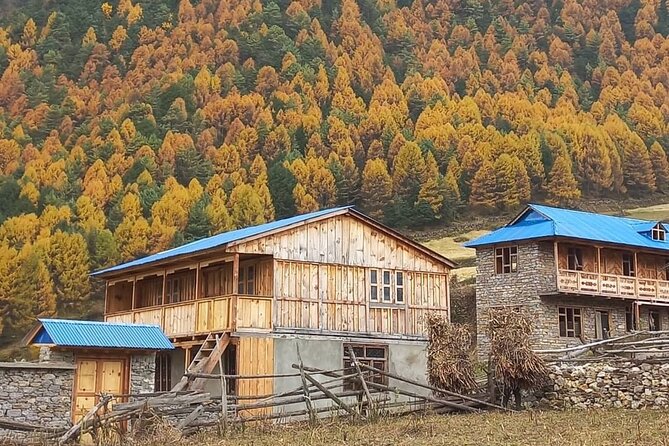
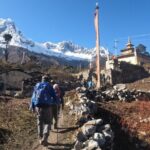
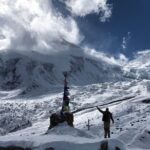
If you want high Himalayan scenery without the “everyone is hiking at the same time” feeling, the Manaslu Circuit is a smart pivot. This route runs through Tibetan-influenced villages, and you’ll see a culture shaped by mountain life rather than the constant churn of souvenir shops and tour buses.
I also appreciate the way the trip is designed around mountain reality. You are not just dropped on a trail and told good luck. There are altitude briefings, careful planning, and emergency protocols called out as part of how they operate. That matters on a trek where conditions can change fast, and where pacing can be the difference between enjoying the views and just surviving the day.
The trek is also a “walk and learn” kind of journey. Teahouse stays, monastery visits, and village routes mean you get time to slow down and understand how people live here, not just pass through.
Price and logistics: what $1,657.50 really buys
At $1,657.50 per person for about 15 days, this price looks “mid-pack” for a guided Himalayan circuit, but it earns its keep in the details.
Here’s what you get that often costs extra if you book piecemeal:
- Government fees and permits are included (including the special restricted-area permit, which is the kind of paperwork that can stall you if mishandled).
- Accommodation: Kathmandu in a 3-star hotel with breakfast, and standard teahouses during the trek.
- Guiding and staffing: a government-licensed first-aid trained trek guide, plus porters and an assistant guide for added safety.
- Insurance coverage for the trekking crew (guides, assistant guides, porters).
- Transportation: private airport arrival/departure transfers, private drops to Machha Khola and from Besisahar back to Kathmandu, plus a shared jeep for the Dharapani to Besisahar segment.
What you pay separately (and you should plan for this early):
- International airfare is not included.
- Visa fee is listed as $30 per person.
- Your own travel insurance is not included, and it must cover accidental and medical care plus helicopter evacuation up to 5200 m.
- Trek meals and drinking water are not included. You’re also responsible for personal trekking gear and gratuities.
So the value question is really this: are you buying peace of mind and smooth logistics? If you want permits, staffing, and structured pacing handled for you, this package pricing makes sense.
Day 1 in Kathmandu: arrival in Thamel, then reset
Your trek begins the easy way: you land at Tribhuvan International Airport (TIA), get greeted with Namaste, and are transferred to a hotel in Kathmandu. From there, the rest of the day is yours.
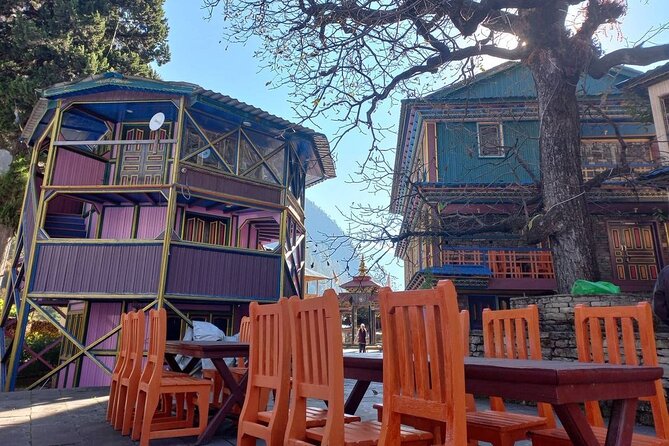
Why I like this setup: the hotel is in Thamel, which is close to public transportation. That matters when you need to pick up last items like water treatment supplies, extra photos for documents, or any missed essentials.
This day also helps you get your bearings fast. You’re not immediately scrambling into the mountains. You get time to rest and check your packing with the guide’s gear guidance still fresh in mind for later days.
Day 2 permit day: the passport and photos step
Day 2 is about preparation while permits are being processed. You’ll turn in your physical passport and two passport-sized photos because the trek requires originals for Nepal’s immigration department permit issuance.
This is one of those details that feels bureaucratic until you need it. If you show up with a digital copy only, it becomes a problem. Here, the process is handled with you in the loop, so your time is used well.
It’s also a good day to confirm your plan for altitude. The trip emphasizes altitude briefings and careful planning, so you can ask questions early while you are still near services.
Other lodge to lodge routes near Kathmandu
Day 3 drive into the hills: Kathmandu to Machha Khola
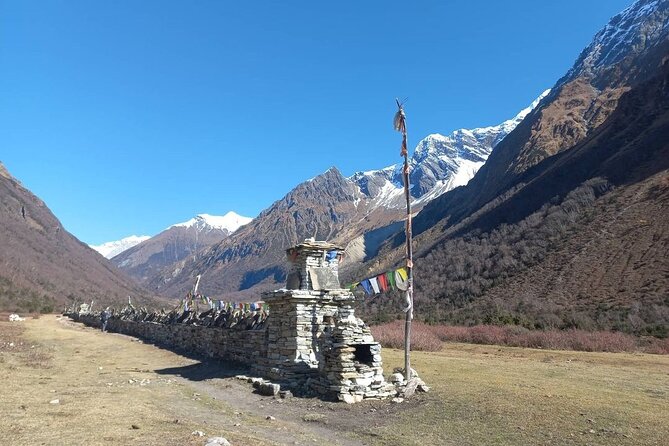
After Kathmandu, you head toward Machha Khola with a long, scenic drive. You travel through a cross-section of Nepal, moving from capital bustle into foothill calm.
Then the trekking starts. You’re transitioning from city life into a world where the trail, river valleys, and small settlements set the pace. Expect a big “mental shift” on this day, even if the hiking is not yet the hardest part.
Day 4 follow the Budhi Gandaki, plus Tatopani and Dobhan vibes
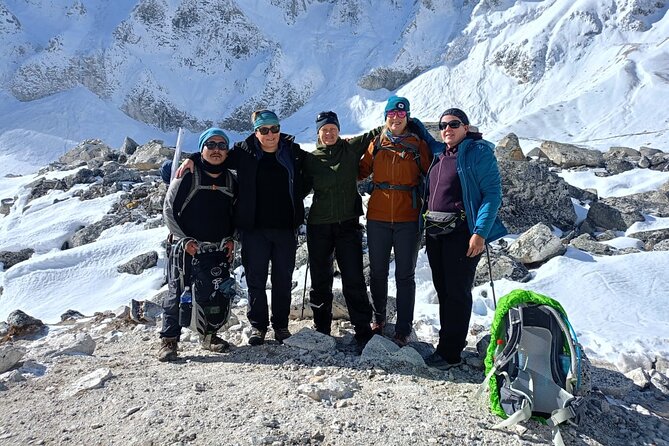
This is a river-focused day along the Budi Gandaki River. You pass Tatopani, a natural hot spring near the riverbank. You won’t be doing a soak here during the trek, but it’s a nice mental bookmark that the route ties into local geography and hot spring culture.
As you continue, you move through Dobhan near the confluence of Shiar Khola and Budi Gandaki. Those meeting-water points often mean dramatic river scenery and tighter valleys, and this part of the day is built around that feel.
You finish at Jagat. The Machha Khola to Jagat segment is about 15 km and takes around 6 to 7 hours, with roughly 600 m of ascent and 250 m descent. That’s a solid “settle into the trek” effort.
Day 5 Deng: a longer push through villages and forest
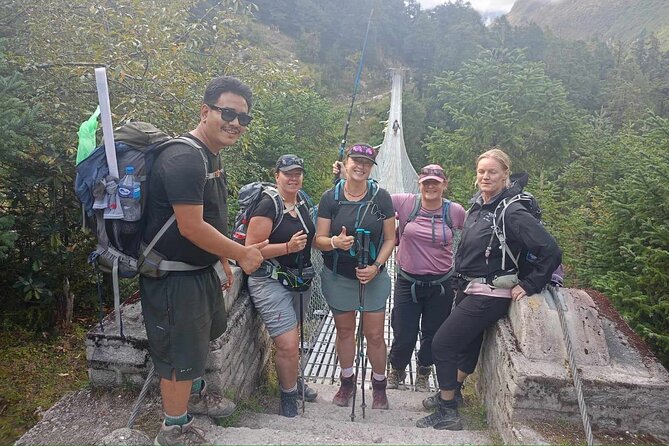
Today’s trek runs about 18 km and 7 to 8 hours, with steep-ish work included: about 1,050 m ascent and 400 m descent. You’re also walking alongside river and village transitions, including the approach toward Salleri.
Then you get village texture through large Gurung communities like Phili. Even without constant stops, these settlements give you a sense of who has built and maintained life in this valley over generations.
This is the kind of day where teahouse breaks matter. You’re likely to use them not just for snacks, but to check your body and keep your energy steady.
Day 6 Namrung: Tibetan-influenced stone houses show up
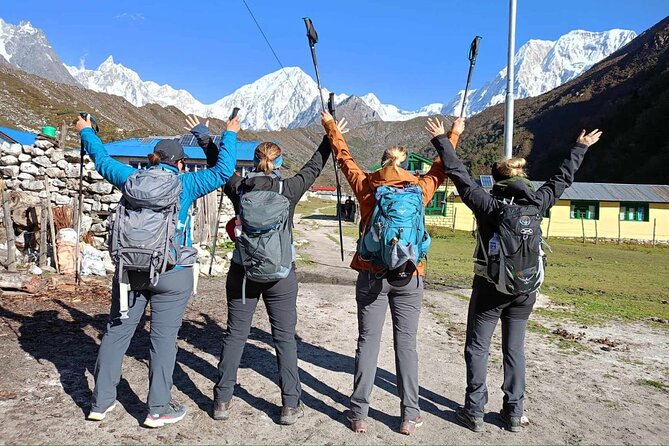
Shortly after leaving Deng, the trail climbs through mixed pine and rhododendron forest. Small settlements like Bihi and Rana appear, and the Tibetan-influenced stone houses are part of what makes this section feel distinct from other Nepal routes.
You reach Namrung after about 19 km and 7 to 8 hours. The numbers are real: around 1,100 m ascent and about 150 m descent. That’s a day that asks for steady legs, not a sprint.
If you are the type who likes “slow up, steady down,” this works in your favor. It also sets up the higher cultural stops ahead.
Day 7 Lihi: terraced fields, yak pastures, and gradual elevation gain
Today’s trek has a clearer rhythm: about 700 m ascent and around 100 m descent, with terraced fields, forest switchbacks, and yak pastures. You follow a linear rise, and the culture rises with it.
Lihi is described as a small village, and the short-to-moderate day length helps you transition from Namrung’s climbing into the higher settlements you’ll see later.
A practical point: with days like this, trekking poles and a careful snack schedule can make the second half feel easier than you expected.
Day 8 Shyala and Samagaun: high-altitude village energy
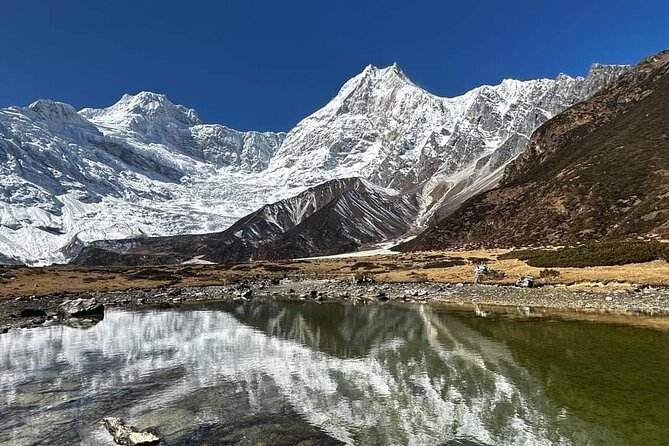
Shyala is a high-altitude village surrounded by big Himalayan names: Manaslu, Himalchuli, Peak 29, and Ngadi Chuli. The trek there passes pine and rhododendron forest, and you’ll see mani walls and smaller signs of spiritual life along the trail.
After Shyala, you continue toward Samagaon. The route is about 17 km with roughly 500 m ascent, and you’ll walk through yak pastures and scrubland before descending slightly and gently climbing again.
Samagaun is where the trip gives you time to acclimatize by staying. It’s also the largest village in the Nubri Valley, sitting high and letting the mountain views feel close and present.
Day 9 Pungyen Gompa: a ridgeline monastery hike
From Samagaun, you do a short roundtrip hike to Pungyen Gompa. It takes about 3 to 4 hours and is described as tranquil, perched on a ridgeline with sweeping views of Mt. Manaslu and nearby peaks.
This is one of those detours that adds meaning without adding chaos. It gives you a different kind of payoff: not just distance covered, but a quiet place to sit and look out.
Then you stay another night in Samagaun. That extra night matters if you want your big day to feel doable rather than just inevitable.
Day 10 Samdo: the trail turns more alpine
You leave Samagaun for Samdo. The walking starts with a gentle descent to a wooden bridge over the Budhi Gandaki River, then the path climbs past dry yak pastures and mani walls. This signals the transition into higher Himalaya.
Samdo is a smaller, high-altitude stop, so expect colder temperatures at night and a slower pace in the afternoon, even if your legs feel okay.
Day 11 Dharamsala: the acclimatization hike you’ll be glad you did
This is a short but important day: Samdo to Dharamsala is described as a crucial acclimatization hike before tackling Larke Pass.
You move through rocky alpine terrain with sparse vegetation and wide-open views. Even without huge distance, the air can feel thin, so the win here is sleeping well and keeping your effort controlled.
The trek’s safety approach is built around days like this. The pass is coming, so you treat this as “prepare your body” day, not “chase big views” day.
Day 12 Bimthang and the Larke Pass challenge day
This is called the most demanding day of the trek. You start before dawn from Dharamsala and begin with a steady uphill over rocky moraine and glacier-draped terrain.
There’s a reason this day is framed as both demanding and rewarding. It’s not only the altitude, it’s also the early start and the terrain type. Your job is to keep moving smoothly, avoid going too hard too early, and let the day unfold.
Bimthang is your destination, and it’s a place where you’ll feel that you earned the day. This is where the trek becomes the story you tell later.
Day 13 Dharapani: long descent through changing forests
Day 13 is a descent day with changing vegetation. You move from alpine scrub down into dense pine, rhododendron, and oak forests.
You also pass Yak Kharka, a seasonal grazing area where herders bring live stock. Even as the hike becomes easier on paper, the forest atmosphere means you are still getting real movement and real weather exposure.
You finish in Dharapani. This is also a turning point mentally because you are no longer just “going up.” You are transitioning toward the end of the journey.
Day 14 return to Kathmandu by jeep and river road
After breakfast, you board a shared jeep from Dharapani to Besisahar. It’s described as bumpy but scenic, with narrow cliff-side roads along the Marsyangdi River.
Along the way, you pass Tal village where cascading waterfalls are mentioned. Then you reach Kathmandu afterward, and you finally get that city-sense back after days of trail sounds and altitude air.
This is a good time to eat normally again, stretch gently, and do a slow check of any gear damage. Mountain walking is rough on zippers, trekking pole tips, and the little stuff you only notice after.
Day 15 Thamel time: last hours to buy, book, and breathe
Depending on your flight time, you get a few final hours in Kathmandu. Thamel is the obvious choice for last-minute souvenir shopping or finding a quiet café.
Then the team ensures you get where you need to go. Since the trek ends back at the meeting point, you are not left hunting across the city on travel day.
Eco-tourism in practice: what you can expect, and what to do
The trip describes itself as eco-focused: reducing waste, using local teahouses, and reinvesting in village economies through fair wages and training.
In practical terms, the “eco” part often means two things for you:
- You are spending money along the trail in places that support local livelihoods.
- You should do your part with waste and water.
Drinking water is not included, and you are advised to bring a filter bottle or purification tablets. If you do that, you avoid scrambling for solutions in small settlements where availability can vary.
Who should book this Manaslu Circuit trek, and who should think twice
This trek fits best if you:
- Have moderate physical fitness and are comfortable with long walking days.
- Want fewer crowds than the classics and like Tibetan-influenced village culture.
- Care about structured support, including first-aid trained guiding and an acclimatization plan.
You might think twice if you:
- Are not comfortable with demanding terrain and a big challenge day before Larke Pass.
- Prefer a trip where meals and water are included end to end, because here those are your responsibility during the trek.
It also helps if you like a small-group vibe. With a max of 15 travelers, you’re more likely to find the pacing suits you.
Should you book this tour?
If you want a serious circuit with permits covered, strong staffing ratios, and a clear acclimatization rhythm, this one is worth considering. The combination of a licensed first-aid trained guide, an assistant guide per 5 trekkers, and porter support for your overnight bag is exactly what you want on a trek where conditions can get tricky.
My biggest “make a smart decision” checklist item is budget and insurance. Make sure your travel insurance covers medical and helicopter evacuation up to 5200 m, and plan separate spending for trek meals and treated water.
If you can handle that, I think this is a solid way to experience Manaslu Circuit’s quieter Himalayan side with less stress and more trail confidence.
FAQ
Where does the trek start and end?
It starts at Thamel, Kathmandu 44600, Nepal, and it ends back at the same meeting point.
How long is the Manaslu Circuit Trek?
It runs for about 15 days.
Is airport pickup included?
Yes. Private transportation is included for airport arrival and departure.
What transport is used during the trek?
Private transport covers key legs such as Kathmandu to Machha Khola and Besisahar back to Kathmandu. A shared jeep is used from Dharapani to Besisahar.
What permits are included in the price?
Manaslu Conservation Area Permit, Annapurna Conservation Area Permit, and the Special Restricted Area Permit from Nepal’s immigration department are included.
Are meals during the trek included?
No. Meals during the trek are not included, though hotel breakfast, a welcome dinner, and a farewell dinner are included as part of the package.
Do I need my own travel insurance?
Yes. Travel insurance is not included, and it must cover accidental, medical, and helicopter evacuation up to 5200 m.
Do I need to pay a visa fee?
Yes. The Nepal visa fee is listed as USD 30.00 per person, payable on arrival at the airport or online in advance.
Can I charge devices or take hot showers?
Hot showers, battery charging, and Wi-Fi are available for an extra fee at most teahouses.
What if weather cancels the trek?
This experience requires good weather. If it’s canceled due to poor weather, you’ll be offered a different date or a full refund.
Lodge to Lodge Around Kathmandu
The Rest of Our Kathmandu Write Ups

Langtang and Manaslu, the Quiet Valleys
Everything else we have reviewed around Kathmandu
- 12 Days Everest Base Camp Trekking
★ 5.0 · 3 reviews - 1 Night 2 Days Chitwan Jungle Safari Tour from Pokhara or Kathmandu
★ 3.0 · 3 reviews - Thamel Rickshaw tour
★ 4.7 · 3 reviews - Kathmandu: Momo Making Class with a Local Chef
★ 5.0 · 3 reviews - Kathmandu: Full-Day Yoga, Body Massage and Pedicure Package
★ 5.0 · 3 reviews - From Kathmandu / Pokhara / Chitwan: River Rafting – 1 Day
★ 4.6 · 3 reviews
Langtang & Manaslu Treks worth a second look.
 ★ 5.0Trekking in Annapurna/Langtang/Everest/Upper Mustang regionsFrom $40161 reviews
 ★ 5.0Langtang Valley TrekFrom $555140 reviews
 ★ 5.016 Day Private Manaslu Circuit Trek from KathmanduFrom $1,13542 reviews
 ★ 5.0Manaslu Circuit Trek 13 DaysFrom $1,40030 reviews
 ★ 5.010 Days Manaslu Circuit Trek in Larke La PassFrom $1,04930 reviews
 ★ 5.0Private 8 – Day Langtang TrekkingFrom $58429 reviews
 ★ 4.8Chisapani Nagarkot 3-Days 2-Nights TrekFrom $19029 reviews
 ★ 5.06-Day Limitless Langtang TrekFrom $18121 reviews
Lists this tour sits in