
REVIEW · LANGTANG & MANASLU TREKS
Langtang Valley Trek
Langtang pulls you toward the Himalaya fast. A week here is a smooth on-ramp to trekking, with daily support, permits handled, and mountain views that keep showing up around every bend.
I particularly like that your package includes a government-licensed mountain guide for 7 days plus the Langtang National Park permit and TIMS card. I also like the practical rhythm of the route, with private accommodation during the trek and included meals and hot drinks to keep energy steady.
One consideration: you spend serious time in transit. Expect long overland travel between Kathmandu and Syabrubesi, so plan to save your feet for the trail, not the road.
In This Review
- Key things I think you should know
- Langtang Valley, the beginner-friendly Himalayan intro that actually feels real
- The value of the $555 package, what you pay for and what you don’t
- Licensed guide, TIMS, and park permits: why this matters more than you think
- Day 1: Kathmandu transfer to Syabrubesi, setting your pace before the trail
- Day 2: Syabrubesi into Langtang National Park, river crossing and forest walking
- Day 3: Lama Hotel to Langtang Village, gorge and cooler sections
- Day 4: Kyanjin Gompa, the major target and the moment the trek clicks
- Day 5: Langtang Valley time at Kyanjin, then down to Lama Hotel
- Day 6: Lama Hotel back to Syabrubesi, last night in the Langtang corridor
- Day 7: Return drive to Kathmandu, decompress and reset
- What “moderate difficulty” means for your planning and fitness
- Food, hot drinks, and why this trek’s meal plan works
- Getting around: sharing jeeps, pickup, and the optional help cost
- Should you book the Langtang Valley Trek?
- FAQ
- What is the duration of the Langtang Valley Trek?
- What time does the trek start?
- How much does the tour cost?
- What is included for permits and trekking documents?
- Do I get meals during the trek?
- Is accommodation included?
- How do we get to and from the trail area?
- Is there an option for a porter or private jeep?
- Is free cancellation available?
Key things I think you should know
- Licensed guide and permits included, so you are not scrambling at the last minute
- Private accommodation during the trek (6 nights), which matters after long walking days
- Meals are planned: breakfast, lunch, and dinner, plus 3 hot drinks per day
- The route stays moderate, with gradual terrain and lower altitudes compared to some other Nepal treks
- Your trek is private, but the jeeps are local sharing transport
- Optional upgrades cost extra, like porter service or a private jeep
The quieter valleys: Langtang and Manaslu
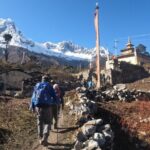
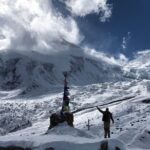
Langtang Valley, the beginner-friendly Himalayan intro that actually feels real
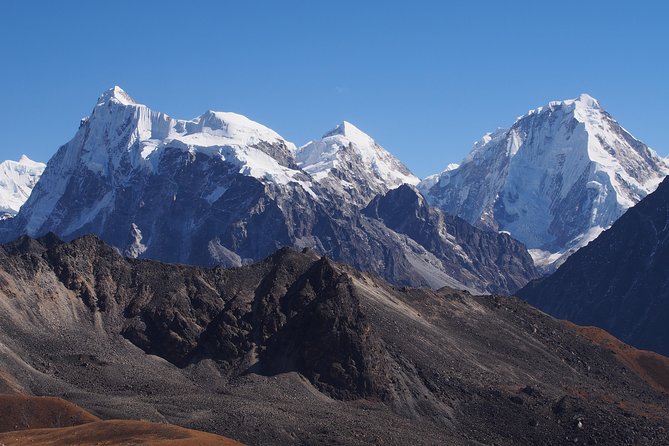
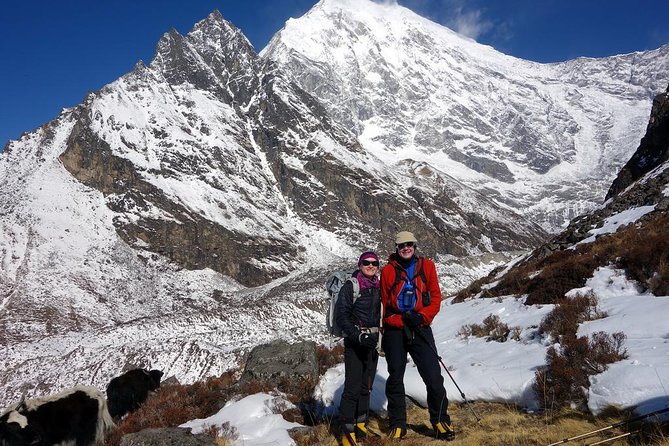
Langtang Valley is one of the best ways to get a real sense of Nepal without committing to a high-altitude expedition. The trekking style is moderate, the climbs are gradual, and the days are designed so you can learn how to hike efficiently, eat on schedule, and handle changing weather.
What makes it especially satisfying is the mix of scenery and culture. You walk through farm areas, then into forested stretches, and eventually reach a goal that feels very Himalayan and very specific: Kyanjin Gompa. Along the way, you pass through places that feel lived-in, not staged for tourists, including Langtang Village and the surrounding gompa area.
You will also appreciate the way the trip is built for first-timers or low-adventure hikers. You are not just doing a checklist of viewpoints. You get repeated moments of mountain air, river crossings, and forest trails that make the week feel like a journey, not a sprint.
The value of the $555 package, what you pay for and what you don’t
At $555 per person, this trek can feel like a bargain once you compare it to what normally adds up on trekking days. Your core costs are covered: a 7-day licensed mountain guide, Langtang National Park permit, TIMS card, and transport both ways by local sharing jeep.
You also get lodging support, with 6 nights of private accommodation during the trek, plus meals each day: 7 breakfasts, 7 lunches, and 7 dinners. On top of that, the trek includes 3 cups of hot beverage per day and seasonal fruits, which is exactly the kind of comfort that helps when your legs are tired.
What is not included is also important to note. You will need travel insurance, you are responsible for any Kathmandu city hotel, and tips for the trekking crew are not included. If you want added help, porter cost and private jeep are listed as an option at $190 per booking.
My practical take: this is strong value if you want the logistics handled. If you already have a guide, permits, and meals sorted, the price may not look as efficient. But for most people, it is the kind of package that removes stress and lets you focus on walking.
Licensed guide, TIMS, and park permits: why this matters more than you think
Nepal treks are not only about routes. They are also about paperwork, safety procedures, and smart pacing. This is where the included support earns its keep.
Your plan includes a government License holder mountain guide for 7 days, plus a medical kit bag. That matters when you are hiking in changing weather and trying to keep your body moving comfortably. The guide also affects how the trek feels day to day, because pacing and decision-making are usually what separate an enjoyable hike from a miserable one.
On the admin side, you get Langtang National Park Permit & TIMS Card included. That means fewer last-minute errands and fewer chances of missing something small that can delay you. If you like being organized and you want the day to start on time, this setup is a big win.
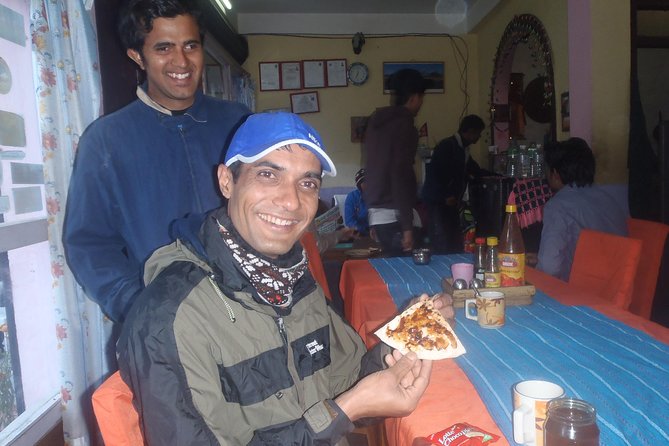
And based on the names that show up in past guide-led experiences, guides such as Buddhi, Nabin, Laku, and Pawan have been praised for being friendly, professional, and good at explaining culture and history as you walk. Even if you get a different guide, the style of guiding behind this trek seems consistent.
Day 1: Kathmandu transfer to Syabrubesi, setting your pace before the trail
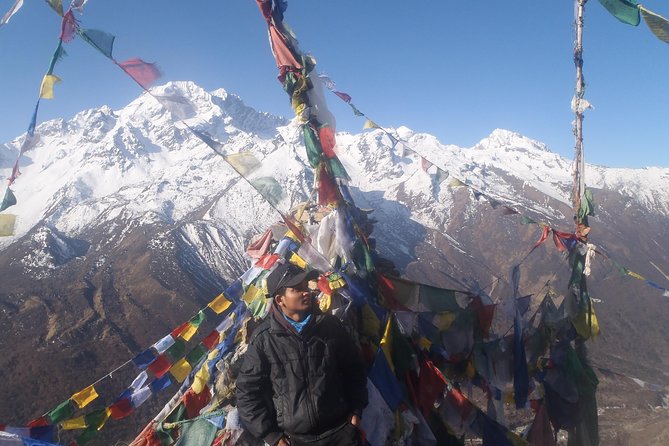
Day 1 is about getting north. You start early, with a 6:45 am start time, then travel overland toward the Langtang Himal area. The drive is long, but it helps you transition from city time to trekking time without making the first day a heavy hike.
You reach Syabrubensi, a key staging village for the trek. This is a good moment to do practical things: hydrate, eat something easy, and adjust your layers. Weather can shift quickly after long travel, and it is better to be ready than to improvise.
One reason this day works for beginners is that you are not thrown straight onto steep terrain. Yes, the day is a grind in transit, but your legs get to recover so you can start walking with better rhythm on Day 2.
Other lodge to lodge routes near Kathmandu
Day 2: Syabrubesi into Langtang National Park, river crossing and forest walking
On Day 2, the trek truly begins. You start from Syabrubensi, cross a bridge over the Langtang River, and then move into uphill climbs that lead into farm areas and eventually into dense, green forest trails.
This is the day where you learn your hiking rhythm. The terrain is not described as extreme, and the route progression gives you time to settle into movement, not just power uphill. For first-timers, forest walking is often easier mentally too, because you are not staring at steep viewpoints all day.
If you get cold easily, pay attention to your clothing layers here. After river crossings and shaded sections, temperatures can feel different than in open areas. The trek includes meals and hot drinks across the days, which helps you stay consistent rather than bonking.
Day 3: Lama Hotel to Langtang Village, gorge and cooler sections
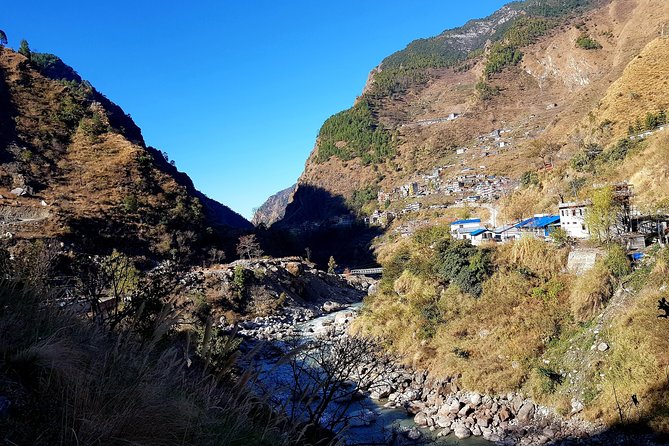
Day 3 moves you deeper into the valley corridor. Your walk begins at Lama Hotel and follows the river upstream through forested sections and gorges, then continues toward a cooler area past Ghodetabla before reaching Langtang Village.
This is a special day because it shifts from “getting into the region” to “feeling the valley.” Gorges can be tougher on the mind, because the path can feel repetitive, but you also get dramatic visuals and that sense of being guided by the river.
You are also walking into a more village-based landscape. That adds texture to the trek. Instead of only thinking about the next viewpoint, you can think about how people live here and how the trekking trail supports daily life.
A beginner tip: in gorge and forest sections, watch your footing more than your speed. The best pace is the one you can repeat calmly for hours.
Day 4: Kyanjin Gompa, the major target and the moment the trek clicks
Day 4 is the “destination day.” You head toward Kyanjin Gompa, with a short steep climb when you leave the forested areas and reach a ridge. From there, the trail leads into the final gompa area where you can appreciate the trek’s main payoff.
This day is often what people remember, not because it is the hardest day, but because the effort lines up with the feeling of arrival. You have been building up gradually, and by this point you are ready for a bigger, more focused goal.
Also, gompa areas are usually quieter and more ceremonial in atmosphere. Even without being religious yourself, you can appreciate the way these sites shape the geography and the daily walk patterns of the region.
For anyone new to trekking: plan to take your breaks slowly here. The climb is short and steep in parts, so you can prevent that shaky, too-fast feeling by breathing steadily and sipping your hot drink at intervals.
Day 5: Langtang Valley time at Kyanjin, then down to Lama Hotel
Day 5 includes walking around the Langtang Valley around Kyanjin, then heading downhill to Lama Hotel for an overnight stop. The tone of the day changes because you are switching from reaching a goal to enjoying the area and then moving back to camp life.
Downhill days can be deceptively tiring. Your legs may feel fine at first, but after hours, knees and calves start complaining. This is where having a moderate plan matters, because it reduces the chance you overdo it.
If you like having time to look around without sprinting, this is a good day. You are not just passing through. You are getting a chance to observe the valley, soak in the altitude feel you have been climbing into, and reset for the next travel day.
Day 6: Lama Hotel back to Syabrubesi, last night in the Langtang corridor
Day 6 takes you from Lama Hotel back toward Syabrubesi. The walk follows forest sections with a downhill route, including crossing a bridge again, and you settle into your last overnight in the Langtang region.
This day is about finishing strong without destroying your body. The route is downhill, which is often easier on breathing but can be tougher on muscles. Take shorter steps on steep sections, keep your weight controlled, and let the trail do the slowing down.
Emotionally, this is also a useful day for beginners. By now you understand how you feel on walking days. You know when you need a snack, when you need water, and what pace you can hold without stress.
Day 7: Return drive to Kathmandu, decompress and reset
Day 7 wraps up the trek with the drive back to Kathmandu. You leave the Langtang district in the morning and complete the overland journey back to the city after your final trek day.
This is where you will feel the difference between a trek that is well planned and one that is chaotic. With meals and lodging supported, you end the week ready to rest, not scrambling to figure out where to stay or what to eat after your last hike.
If you want to keep the day satisfying, treat Kathmandu like a recovery day. You will have enough energy for basic errands and a decent meal, but the best choice is to avoid over-scheduling.
What “moderate difficulty” means for your planning and fitness
The trek is described as moderate, with gradual terrain and lower altitudes than some other Nepal treks. Still, it is not a stroll. The days include uphill, forest paths, and at least one short steep climb that leads to the ridge on the way to Kyanjin Gompa.
So, for your body, think in terms of endurance and balance. You need moderate physical fitness, plus comfort walking for several hours. If you can do regular hikes at home, especially on uneven ground, you will likely feel good about this plan.
Also consider the time on your feet versus the time in transit. Many people underestimate how much time travel takes on multi-day Nepal trips. You will be happiest if you treat the first and last days as travel days and save your stamina for the middle.
Food, hot drinks, and why this trek’s meal plan works
A lot of trekking complaints are really food complaints. Here, you get a full meal schedule: breakfast, lunch, and dinner for 7 days. That consistency reduces decision fatigue, which matters when you are tired.
You also get 3 hot beverages per day during the trek and seasonal fruits. In cold or shaded forest sections, hot drinks can help you warm up fast and recover between walking segments. Seasonal fruit is a small detail, but it adds variety and sugar for energy when you need it.
Practical advice: keep your water and snacks simple. Eat what is provided, then carry a small snack you enjoy in case you get hungry between meals. A steady routine beats waiting until you are famished.
Getting around: sharing jeeps, pickup, and the optional help cost
This trek includes both way transportation by local sharing jeep and it also notes that pickup is offered. That is helpful if you are not keen on handling your own local transfer from Kathmandu to the trail area.
Still, local sharing transport means you might ride with other people and make a few stops along the way. That is normal for this style of route. If you hate unpredictable timing, you might find the long travel days tiring.
If you want more personal comfort or support, there is an option at $190 per booking for porter cost and private jeep. This can be worth it if you want lighter loads or more privacy on the road. But if your fitness is solid and you pack smart, you can often keep it simple with the standard package.
Should you book the Langtang Valley Trek?
If you want a Himalayan trek that feels achievable, this is a strong choice. You get a well-structured route, licensed guide support, permits handled, and meals and hot drinks that help you keep a steady rhythm. It is especially suitable for beginners and low-adventure travelers who still want to experience the mountains in a meaningful way.
I would skip it or rethink if you dislike long travel days, because Day 1 and Day 7 are built around overland transfer. Also think carefully about whether you want the porter option if you do not like carrying your own gear.
My decision rule is simple: if you want trekking structure and support more than you want a DIY adventure, book it. If you enjoy improvising logistics and prefer flexible days on your own schedule, you might prefer a more customizable trek style.
If you do book, do one thing early: train for steady walking and pack for cool forest days. Langtang rewards calm pacing, and it is easier to enjoy when your body is ready.
FAQ
What is the duration of the Langtang Valley Trek?
The tour is listed as 7 days (approx.).
What time does the trek start?
The start time is 6:45 am.
How much does the tour cost?
The price is $555.00 per person.
What is included for permits and trekking documents?
The package includes the Langtang National Park Permit and the TIMS card.
Do I get meals during the trek?
Yes. The tour includes 7 breakfasts, 7 lunches, and 7 dinners, plus 3 cups of hot beverage per day during the trek and seasonal fruits.
Is accommodation included?
Yes. It includes 6 night private accommodation during the trek.
How do we get to and from the trail area?
Transportation both ways by local sharing jeep is included.
Is there an option for a porter or private jeep?
Yes. The option for porter cost and private jeep is listed as $190.00 per booking.
Is free cancellation available?
Yes. You can cancel up to 24 hours in advance for a full refund.
Lodge to Lodge Around Kathmandu
The Rest of Our Kathmandu Write Ups

Langtang and Manaslu, the Quiet Valleys
Everything else we have reviewed around Kathmandu
- 12 Days Everest Base Camp Trekking
★ 5.0 · 3 reviews - 1 Night 2 Days Chitwan Jungle Safari Tour from Pokhara or Kathmandu
★ 3.0 · 3 reviews - Thamel Rickshaw tour
★ 4.7 · 3 reviews - Kathmandu: Momo Making Class with a Local Chef
★ 5.0 · 3 reviews - Kathmandu: Full-Day Yoga, Body Massage and Pedicure Package
★ 5.0 · 3 reviews - From Kathmandu / Pokhara / Chitwan: River Rafting – 1 Day
★ 4.6 · 3 reviews
Langtang & Manaslu Treks worth a second look.
 ★ 5.0Trekking in Annapurna/Langtang/Everest/Upper Mustang regionsFrom $40161 reviews
 ★ 5.0Manaslu Circuit Trek (15 Days)From $1,65750 reviews
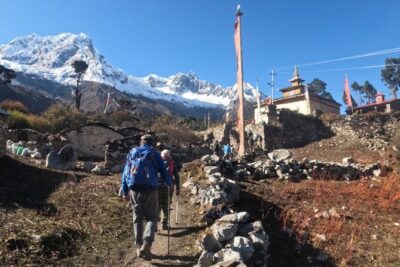 ★ 5.016 Day Private Manaslu Circuit Trek from KathmanduFrom $1,13542 reviews
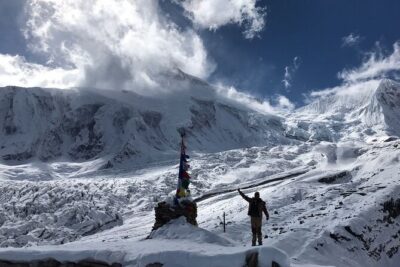 ★ 5.0Manaslu Circuit Trek 13 DaysFrom $1,40030 reviews
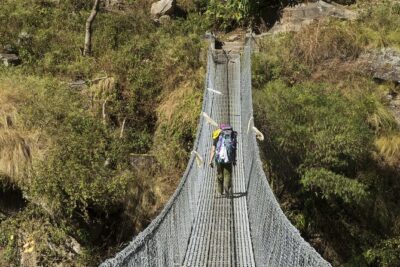 ★ 5.010 Days Manaslu Circuit Trek in Larke La PassFrom $1,04930 reviews
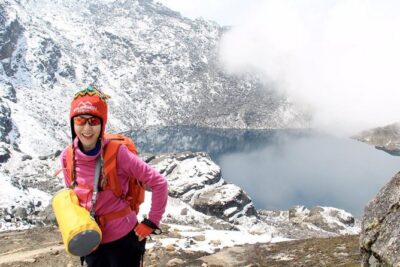 ★ 5.0Private 8 – Day Langtang TrekkingFrom $58429 reviews
 ★ 4.8Chisapani Nagarkot 3-Days 2-Nights TrekFrom $19029 reviews
 ★ 5.06-Day Limitless Langtang TrekFrom $18121 reviews
Lists this tour sits in