
REVIEW · MARDI HIMAL TREKS
From Pokhara: 5-Day Mardi Himal Base Camp Trek
Five days, and the mountains feel personal. This guided Mardi Himal Base Camp trek from Pokhara keeps you close to Mardi Himal and Machapuchre, with weather-fueled moments like sunrise over the Annapurna range, led by guides such as Santosh. You also get a Nepal-style team vibe on the trail, including support from local guides like Sun-Bahadur Nepali and Niva Nepali for many groups.
One heads-up: the first two days are typically the tougher stretch, and higher altitudes can be very cold, so plan for chilly nights and a physically demanding rhythm.
In This Review
- Key things that make this trek tick
- Why Mardi Himal Base Camp feels so close to the peaks
- Day 1: Pokhara to Pitam Deurali, via Kande and Australian Camp
- Day 2: Rhododendron forests to Low Camp, where the trail turns scenic
- Day 3: Low Camp to High Camp, your altitude and stamina check
- Day 4: Mardi Himal Base Camp, panoramic views, and a real sunrise window
- Day 5: Lumre canyons, Lwang Ghalel, and the return to Pokhara
- Tea houses, meals, and the real value of what is included
- Guides on this trek: the difference between a walk and a story
- What to pack for cold nights and steep days
- How difficult is the trek, really?
- Price and value: what $181 buys you in the mountains
- Who this trek suits best
- Should you book this 5-day Mardi Himal trek?
- FAQ
- What is the duration of the Mardi Himal Base Camp trek from Pokhara?
- Where does the trek start, and are there pickup options?
- Are trekking permits included?
- Will I need to submit my passport?
- What kind of accommodation will I have on the route?
- Are meals included in the trek price?
- What language will the guide speak?
- Is travel insurance required?
- Can I hire a porter?
Key things that make this trek tick
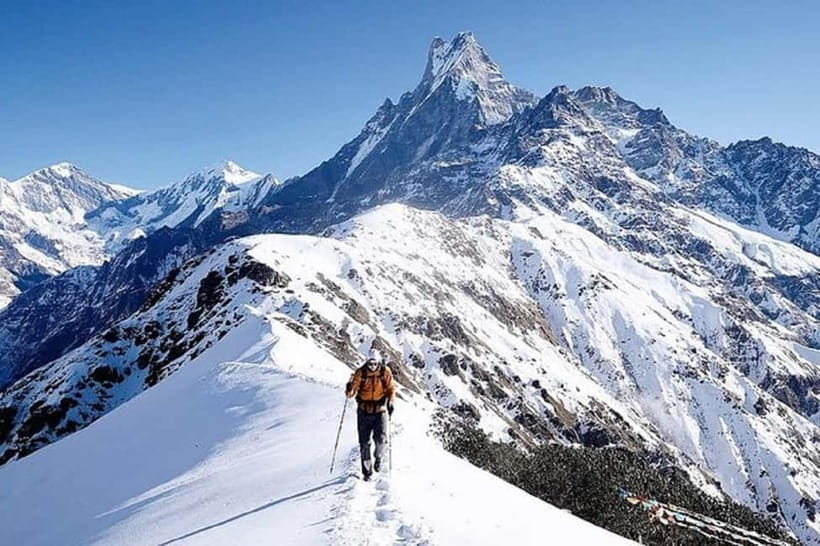
- Close-up views of Mardi Himal and Machapuchre that make the trail feel shorter than it looks on a map
- Rhododendron forests and villages that break up the climb with real human scale and color
- Two major camp days (Low Camp, High Camp) that set you up for a strong summit-style push
- Guides who add personality, like Santosh’s extra touches and local connections such as Dal Bhat invitations
- Pacing that often eases after lunch, so you are not hiking nonstop every day
Still on the Mardi ridge? A few more
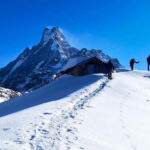
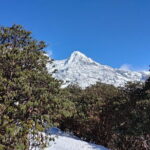
Why Mardi Himal Base Camp feels so close to the peaks
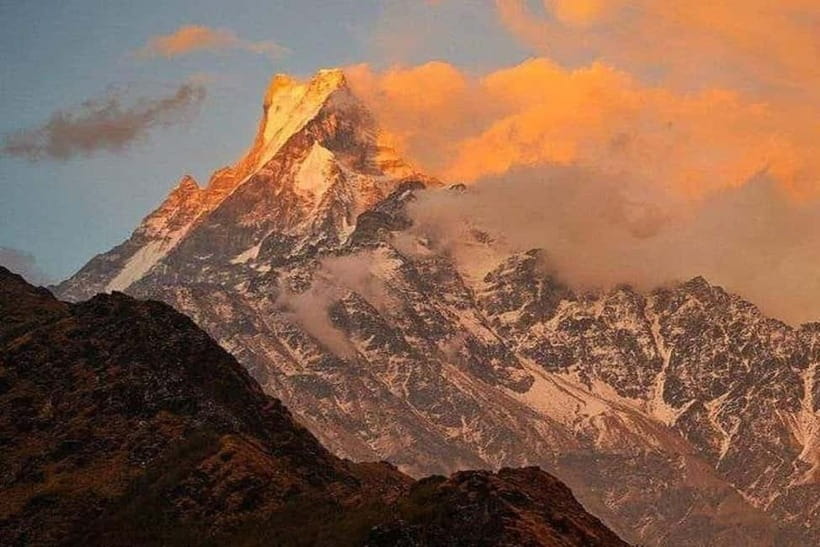
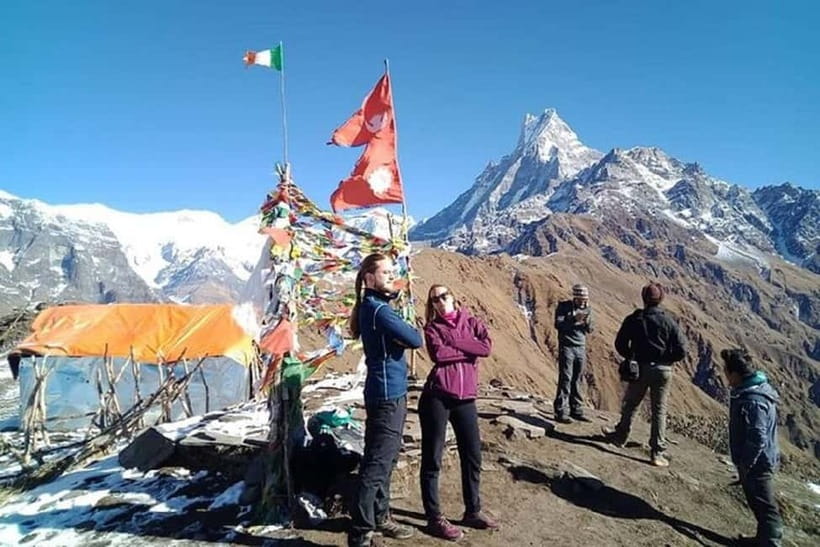
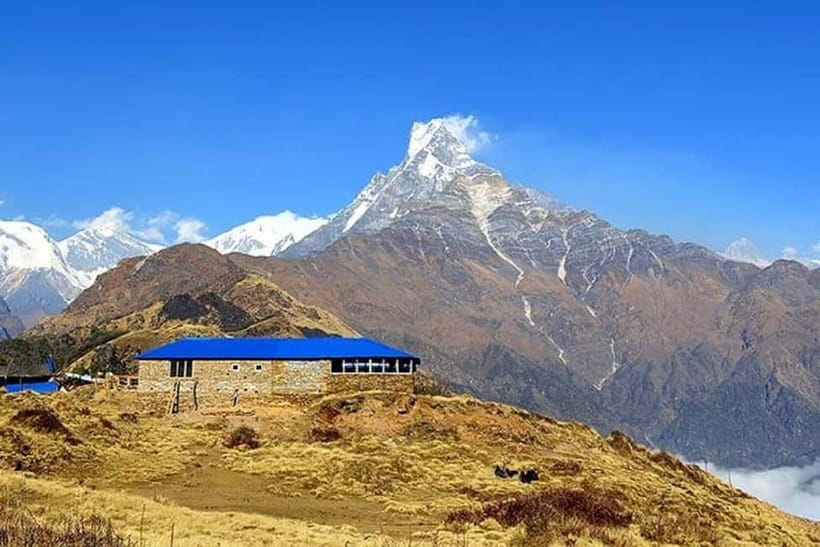
Mardi Himal is one of those treks where the scenery starts feeling like it is leaning toward you. Over these five days, you work your way from Pokhara-area roads and foothills into the Mardi Himal corridor, and the views get more direct as you gain altitude. The big payoff is how often you get clear, line-of-sight mountain views of the Annapurna region, instead of just glimpses through clouds.
I especially like the structure of the hike: it layers in forest days, then climbs toward camp, then gives you real time at Base Camp. That means you are not just passing through scenery. You have moments to stop, take photos, breathe, and soak in why so many people call Mardi Himal one of the most satisfying shorter treks.
The other strong point is the “mountains plus people” mix. You trek through rhododendron forests and quaint settlements, so you are not only walking through altitude and rock. You are also moving through a living region where tea houses, lodge meals, and local guidance shape the experience.
Day 1: Pokhara to Pitam Deurali, via Kande and Australian Camp
Day 1 starts with a scenic drive from Pokhara, then you transition into your first real hiking segment. You go to Kande, then trek through areas like Australian Camp and Pothana before reaching Pitam Deurali. That order matters because it turns your first day into a warm-up rather than a wall.
Pitam Deurali is where the trek’s “wow factor” starts early. The program builds in guided time at the Pitam Deurali viewpoint, plus an overnight stay. This is useful on a practical level: you get a chance to take in the mountain direction and “read” the terrain before you start moving toward the higher camps.
A drawback to remember for Day 1 is that you are mixing drive time with trekking time. If you are sensitive to travel-day fatigue, you might want to keep your first-day expectations modest: enjoy the walking, use the viewpoint time to orient yourself, and do not try to force extra effort.
Day 2: Rhododendron forests to Low Camp, where the trail turns scenic
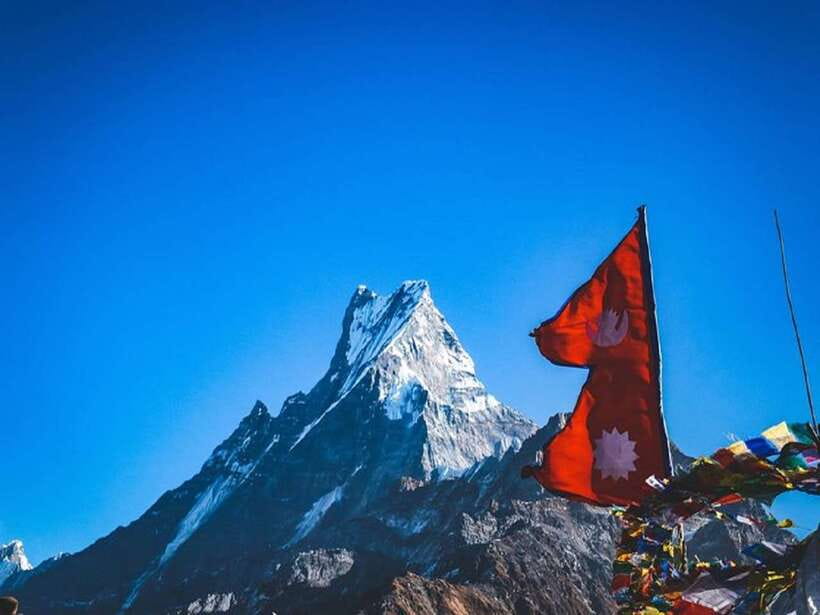
Day 2 shifts from viewpoints and first-day scenery into a more classic trekking feel. After breakfast, you hike through charming settlements and enchanting rhododendron forests to reach Low Camp. This is one of the best kinds of trek days because it gives you variety: you are still climbing, but the forest keeps your senses busy and helps make steady effort feel easier.
Low Camp is not just a bed for the night. It is also a psychological step up. Camps along trekking routes break the journey into “chapters,” and Low Camp is your first major chapter end. You also get lunch along the way, then settle in for the night, which helps you recover before tomorrow’s higher push.
Practical tip: Day 2 is a good day to practice your walking rhythm. Keep an even pace, take short breaks, and focus on breathing. The goal here is to arrive feeling like you could keep going, not like you already spent all your legs.
Day 3: Low Camp to High Camp, your altitude and stamina check
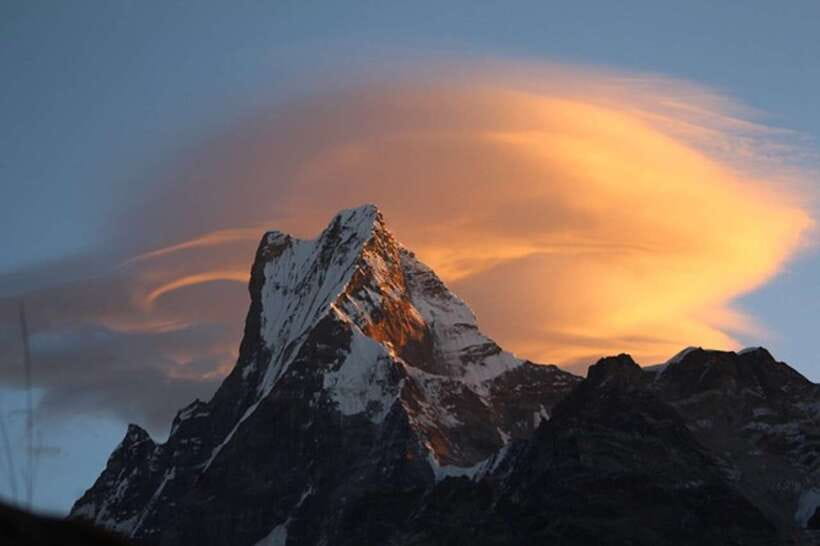
On Day 3 you start after breakfast and climb toward High Camp, with lunch included en route. High Camp is described as the final settlement area on this trail, which tells you something important. Once you get up here, you are very close to the last big objective.
This is where you notice the trek’s altitude reality. Even if the hours do not look extreme on paper, your pace slows because you are working at higher elevation and colder conditions. The good news is that the overall route is designed as a short trek, so you are not committing to a long grind.
I also like that the plan builds in structure: you reach High Camp, then the next day becomes your Base Camp and return day. That makes Day 3 feel like the setup day, not the day you have to do everything.
If you have any knee concerns or you are new to multi-day trekking, you should feel encouraged. One first-time trekker finished despite a knee problem, which suggests the route can be manageable for a broad range of hikers, as long as you pace yourself and listen to your guide.
Other lodge to lodge routes near Pokhara
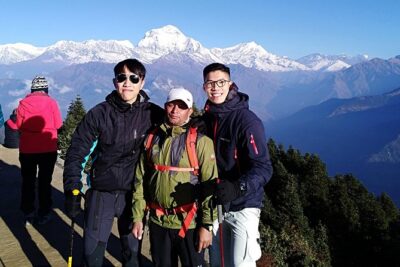
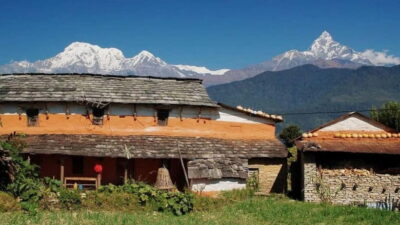
Day 4: Mardi Himal Base Camp, panoramic views, and a real sunrise window
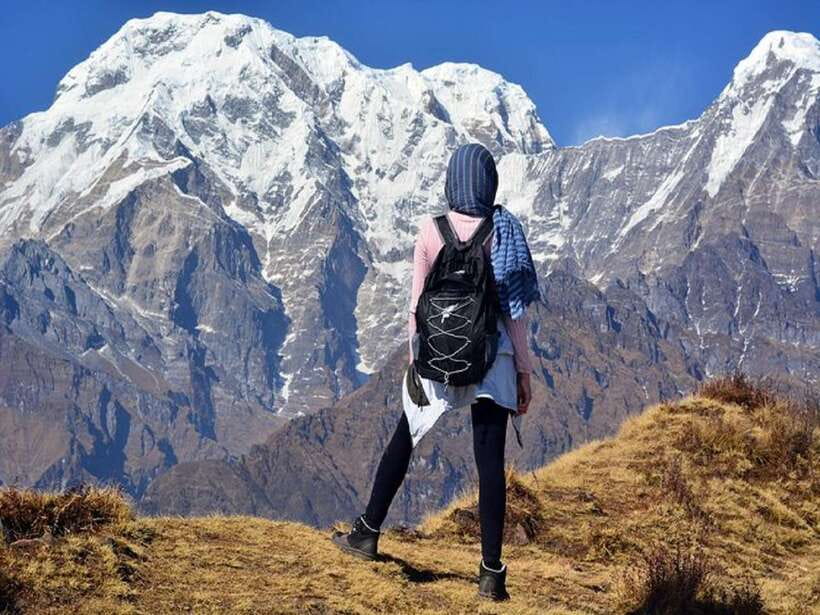
Day 4 is the emotional peak of the trip. You head from High Camp to Mardi Himal Base Camp, then you spend time exploring once you arrive. The promise here is panoramic views of the Annapurna Himalayan range, plus sunrise potential from the mountain region side of the route.
This kind of Base Camp day is more than photo-taking. It is a chance to slow down and understand what you have been building toward. By now you have hiked through forests, passed villages, and stayed in mountain lodges. Standing at Base Camp tends to make the whole trek feel coherent, like everything earlier was leading here.
Then you retrace your steps back to Low Camp. That descent day matters because it lets you “close the loop.” You get to see the terrain from a different angle, and you also get back to the comfort zone of Low Camp for your final night before the return trek and vehicle pickup.
A consideration: sunrise depends on weather. When skies open up, the views can be stunning. When clouds sit in, you may still get mountain glimpses, but you will want flexible expectations and a warm layer ready.
Day 5: Lumre canyons, Lwang Ghalel, and the return to Pokhara
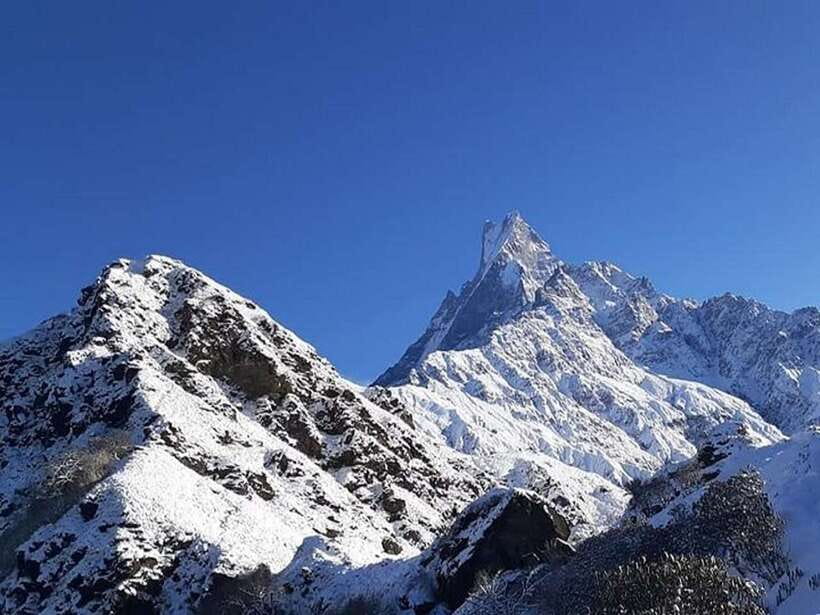
Day 5 starts with breakfast and then becomes the “finish strong” day. You descend toward Siding for lunch, then continue your hike to Lumre, where your vehicle meets you to take you back to Pokhara. The route also includes a visit through Lumre canyons and the Lwang Ghalel area.
I like that this final day is not framed as another marathon ascent. Instead, it turns into a downhill-and-community kind of day. You get a final dose of scenery, then you transition back to normal life. Reflection becomes part of the experience, not just an afterthought.
One extra perk from the trail culture: guides have a habit of adding small local moments when time allows. For example, one itinerary included a stop at Lwang village to watch a volleyball tournament and share a barbeque with locals, with the guide making connections and helping you slow down and engage.
Tea houses, meals, and the real value of what is included
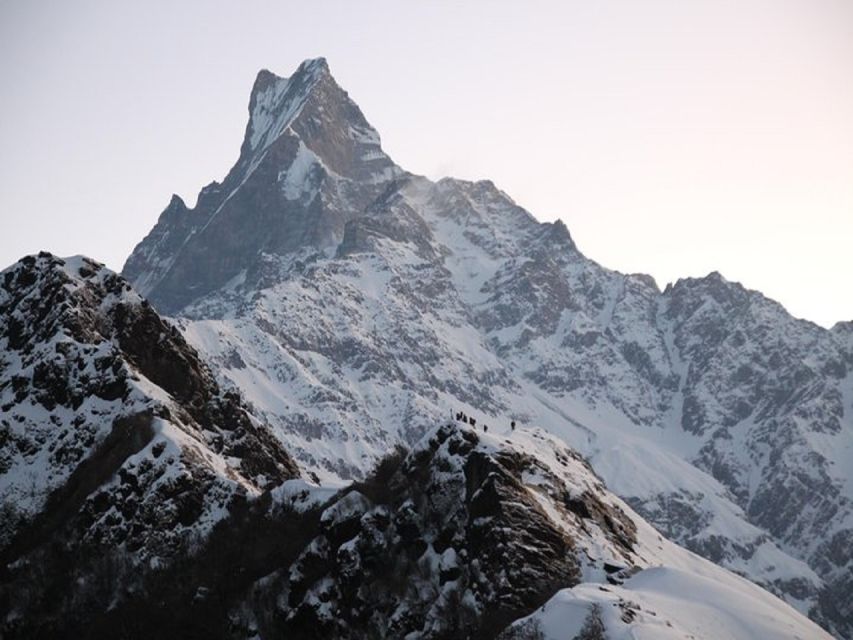
This trek uses simple tea houses or lodges along the route. That is a plus if you want a traditional trekking feel. You get shelter, warm drinks, and a steady routine without the friction of camping gear every day.
Meals are described as depending on the option selected. That means the “included” value might feel different depending on how you eat on trek. One UK-based traveler estimated that the meals included option worked out around £16 per day, and decided they sometimes preferred buying their own food and snacks since it reduced hiking-day cash strain.
My practical take: plan for both. If you like lots of tea, snacks, and flexible choices, keep some cash ready. If you prefer predictability, the included meals can simplify decisions. Either way, treat food strategy as part of success. Eat enough to keep walking, but do not overload before climbs.
If your guide is good, you will also feel the difference in how meals and pacing connect. Guides often help you manage timing, choose trail options, and keep you from burning out.
Guides on this trek: the difference between a walk and a story
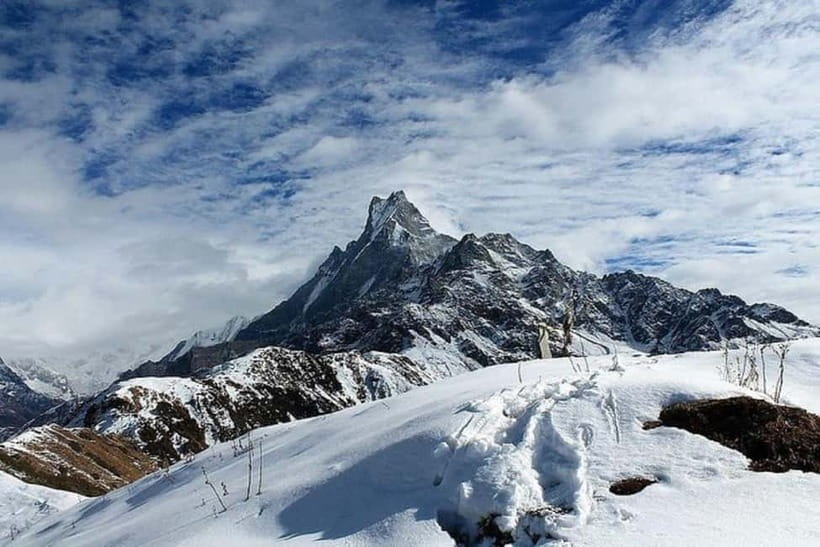
A big reason many groups score this trek highly is the guide team. Santosh is repeatedly mentioned as a kind, helpful presence who speaks fluent English. More than that, he brings personal touches that make the trek feel human, like buying fruit for the trail.
You may also meet local guide and porter support teams such as Sun-Bahadur Nepali and Niva Nepali, a father and daughter combination noted for being enthusiastic and patient with slower paces. That matters because trekking pace is personal. When the team supports your rhythm, you stop feeling like you are “behind” and start feeling like you are still part of the journey.
Safety and logistics support are also explicitly included. You get a professional, friendly English-speaking guide certified by the Nepal Government, with guide insurance and expenses covered. A first aid kit is included as well.
If you are traveling as a private group, this guide attention can feel even more tailored. The downside is also simple: a private group tends to cost more than a shared group format, so you are paying for your own pacing and attention.
What to pack for cold nights and steep days
Altitude makes packing matter, even on a short trek. The basics are straightforward: comfortable shoes, a hat, a jacket, and comfortable clothes you can layer. Cash is specifically recommended, which lines up with the idea that some meals and snacks may not be included.
You should also plan for temperature swings. The information notes that higher altitudes can be very cold, so you need clothing for both warm and cold conditions. Even if you feel fine in the morning, you can get chilled while waiting, resting, or walking more slowly in the afternoon.
Other practical items from the packing list:
- A camera, since the view moments are part of the point
- Hair tie, if you get sweaty and then cool down fast
- Trekking gear as needed, with trekking stick and sleeping bag available depending on need
If you want to improve comfort further, hiking poles can help, especially on descent days. One trekker specifically recommended both trekking poles and Diamox for altitude comfort, though you should decide medication with your doctor, not on the trail.
How difficult is the trek, really?
This is a physically demanding trek for some people, but it is also designed as a short, manageable time commitment. The most common difficulty pattern is that the first two days feel tougher, then the last part of the trek feels more like shorter hiking windows with more time to rest after lunch.
That pacing is exactly what you want for a five-day plan. You still get real climbing and real altitude effort, but you avoid the situation where you are hiking long stretches every single day.
Your best strategy is to treat the trek like a series of short goals:
- Reach the next camp without sprinting
- Use breaks for hydration and warmth
- Trust that tomorrow gets easier in effort, even if it still climbs
If you have a knee issue, this route is not automatically off-limits. A trekker with a knee problem finished, which suggests you can succeed with careful pacing and the support of a guide.
Price and value: what $181 buys you in the mountains
At $181 per person for a five-day guided trek, you are paying for more than hiking. You are buying reduced hassle and added safety, plus the infrastructure of tea house nights, permits, and local guide support.
Here is what the price includes:
- Round-trip transportation between your hotel, Pokhara International Airport, and the trek starting point (with multiple pickup options)
- Trek permits, paperwork, and TIMS fees
- Accommodation in tea houses or lodges
- Meals depending on option selected
- A professional English-speaking, government-certified guide with insurance and expenses covered
- Luggage storage in Pokhara
- A first aid kit
- Guide gear support like a trekking stick and sleeping bag as needed
What is not included:
- All meals if you choose not to take the meals option, or for purchase items along the way
- Personal expenses
- Optional porter hire at $20 per day
I think the best value comes if you want a guided experience without needing to organize permits, transport, or day-to-day decisions. If you love planning everything yourself and you already have strong trekking logistics skills, you could do it independently. But if you value peace of mind, this package format is the point.
Who this trek suits best
This trek is a good fit if you want:
- Big mountain views in a short time window
- A guided route that reduces decision fatigue
- A balance of rhododendron forest walking, village passing, and high-elevation camps
- Private group pacing with an English-speaking guide
It may be less ideal if you are looking for an easy, stroll-like hike. The trek can be physically demanding, and cold temperatures at higher elevation require real packing discipline.
If you are new to multi-day trekking, the structure helps. The camp stops and guided time at viewpoints mean you are not guessing what matters. Just go slow, hydrate, and communicate with your guide when you feel strained.
Should you book this 5-day Mardi Himal trek?
Book it if you want a compact trek with close-up views of Mardi Himal and Machapuchre, plus a guide who makes the trip feel personal. The guide support, permit handling, and tea house lodging make this a low-stress way to get into the Annapurna region for five days.
Do not book it if cold nights and early-day effort scare you. The first two days can be tough, and the trek expects you to show up with solid basic fitness and the right warm layers.
If you are unsure, look at this like a training trek. It is short enough to recover after, but meaningful enough to leave you with a deep sense of place. For many people, that is the sweet spot.
FAQ
What is the duration of the Mardi Himal Base Camp trek from Pokhara?
The trek runs for 5 days.
Where does the trek start, and are there pickup options?
Pickup is available from Pokhara Lakeside, Pokhara International Airport (PIA), and Lakeside Rd 6.
Are trekking permits included?
Yes. The trek price includes required permits, necessary paperwork, and TIMS fees.
Will I need to submit my passport?
Yes. You are asked to submit a copy of your passport at least one day before the trek so permits can be arranged.
What kind of accommodation will I have on the route?
You stay in simple tea houses or lodges along the trekking route.
Are meals included in the trek price?
Meals are included depending on the option selected. Any meals not included would need to be purchased where available.
What language will the guide speak?
The live tour guide is provided in English, Hindi, and Nepali.
Is travel insurance required?
Yes. Travel insurance is mandatory for your safety and peace of mind.
Can I hire a porter?
Porters are optional. Porter hire is available for $20 per day.
Lodge to Lodge Around Pokhara
The Rest of Our Pokhara Write Ups

Mardi Himal, Keep Climbing
Everything else we have reviewed around Pokhara
- Pokhara: Cable Car Tour – Bird Eye View of Mountain & Lake
★ 4.4 · 3 reviews - Jomsom Muktinath Tour by 4WD SUV 2 Days
★ 5.0 · 3 reviews - Ghorepani Poonhill Private Trek – 2 nights / 3 days
★ 4.5 · 3 reviews - Pokhara: 30-Minute Paragliding Adventure with pick up/drop off
★ 4.5 · 3 reviews - Pokhara: 7-Day Annapurna Base Camp Trek via Ghandruk
★ 4.3 · 3 reviews - Pokhara Group Joining Sarangkot Sunrise Himalayas Tour
★ 5.0 · 3 reviews
Mardi Himal Treks worth a second look.
 ★ 4.94-Day Mardi Himal TrekFrom $13959 reviews
 ★ 5.0Private Mardi Himal TrekFrom $39942 reviews
 ★ 5.0Mardi Himal TrekFrom $1,05841 reviews
 ★ 4.94-Day Mardi Himal Base Camp TrekFrom $13831 reviews
★ 5.0Mardi Himal TrekFrom $39930 reviews
★ 4.94-Day Mardi Himal Base Camp TrekFrom $13831 reviews
★ 5.0Mardi Himal TrekFrom $39930 reviews
 ★ 5.0Mardi Himal Trek NepalFrom $75029 reviews
 ★ 5.04 Day Mardi Himal Base Camp Trek from PokharaFrom $29018 reviews
 ★ 4.84-Day Mesmerizing Mardi Himal Guided TrekFrom $1529 reviews
Lists this tour sits in