
REVIEW · MARDI HIMAL TREKS
4 Days Mardi Himal Base Camp Trek from Pokhara
Early mornings here pay off. On a 4-day Mardi Himal Base Camp trek from Pokhara, I like the crowd-light route and the English-speaking guide, because you get huge views of Machapuchare and the Annapurna range without fighting a packed trail. The one catch is the climb to high camps and a 4:00 am start, so you need a moderate fitness base and warm layers for cold nights.
From Pokhara, the trek begins with a drive through Kande and leafy hills to Forest Camp, then the trail shifts from subtropical forest to higher jungle and alpine country. Guides like Prakash, Surya, Bikram, Biru, and Krishna are repeatedly described as friendly, helpful, and good at keeping everyone coordinated, which matters when you are adjusting to altitude and early start times.
At Mardi Himal Base Camp, you’ll get time to take in the peaks up close, plus real village encounters with Gurung and Magar communities along the route. If you want mountain views plus Nepalese rural life, in a trek that feels doable over 4 days, this is a strong choice.
In This Review
- Key points to know before you go
- Why Mardi Himal Base Camp feels different from other Annapurna treks
- The value question: $290 and what you are really paying for
- Day 1: Pokhara to Forest Camp (about 2,500 m) via Kande
- Day 2: Forest Camp (2,500 m) to Mardi Himal High Camp (4,000 m)
- Day 3: The 4:00 am viewpoint rush at 4,500 m and your Base Camp time
- Day 4: Low Camp down to Siding Village (1,800 m) and back to Pokhara
- The culture factor: Gurung and Magar village encounters that feel real
- Guides that make the difference: Prakash, Surya, Bikram, Biru, Krishna
- What this trek is actually like day to day
- Physical reality check: moderate fitness, cold mornings, and altitude
- Guesthouses and daily comfort: what to expect
- Logistics that reduce stress: pickup, jeep transfers, and permits
- Should you book this Mardi Himal Base Camp trek?
- FAQ
- What permits are included for the Mardi Himal trek?
- Is hotel pickup and drop-off included?
- What is the highest elevation you reach on this route?
- Where do you stay during the trek?
- Is this trek private or shared with other groups?
- What is the cancellation window for a full refund?
Key points to know before you go
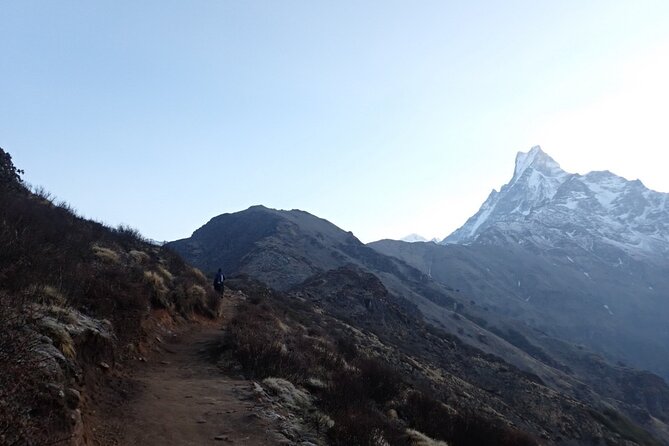
- Crowd-light Annapurna views: Machapuchare (Fishtail) and the Annapurna range, often without the worst trail congestion.
- Easy-to-follow pace with an English guide: you’ll have route help and practical guidance all the way.
- High camp timing matters: a 4:00 am wake-up on Day 3 for a viewpoint around 4,500 m.
- Permits are handled: trekking permit and TIMS are included in the package price.
- Guesthouse nights, not camping: accommodation is in guest houses along the way.
- Transfers simplify the back end: a jeep connects you back to Pokhara from Siding Village.
Still on the Mardi ridge? A few more
Why Mardi Himal Base Camp feels different from other Annapurna treks
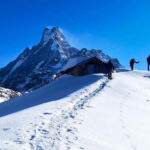
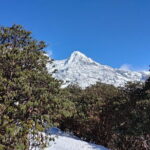
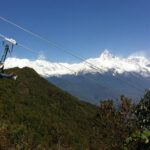
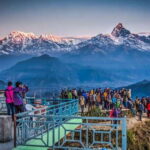
Mardi Himal is one of those trekking routes where the payoff shows up fast, and stays with you. The big draw is the view triangle: Machapuchare (Fishtail Mountain), the Annapurna Massif, and the surrounding peaks. What makes this trek especially appealing is that it is promoted as a spectacular route without the crowds you might associate with other popular Annapurna paths.
You also get real variety as you gain altitude. You start in lower, greener country, then move through forest and higher terrain, and eventually reach the rugged base camp area. Along the way, you pass through communities linked to Gurung and Magar culture. That means the trek is not only about “looking at mountains,” it is also about watching how people live in the Annapurna foothills, how villages are arranged, and how the trail threads through everyday life.
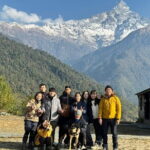
And because this is a private trek, you can expect fewer coordination headaches. Your group moves together with your guide, rather than blending into a big shuffle of strangers.
The value question: $290 and what you are really paying for
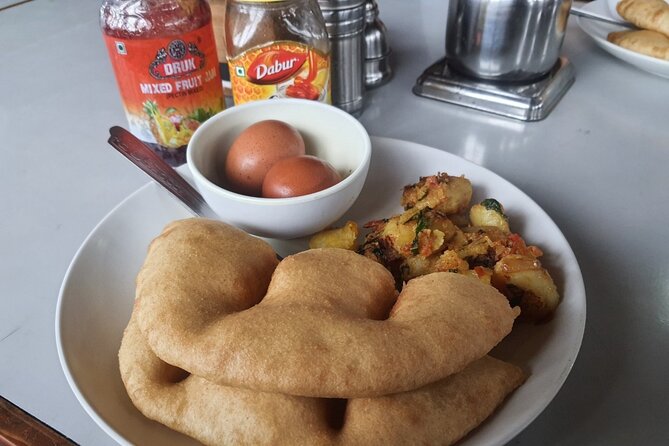
For about $290 per person, you are not just buying a route. You are buying a package that includes several “hard to DIY” items:
- Hotel pickup and drop off
- Trekking permit and TIMS
- An experienced English-speaking guide
- Round trip transfer by sharing jeep
- Guesthouse accommodation
- A private trek setup
That matters because permits and coordination in Nepal trekking can be the difference between a smooth trip and a stressful one. When you factor in guide time, permits, and transport back to Pokhara, the price starts to look more like “paying for a system that works” than just “paying for walking.”
What is not included is also pretty standard: personal expenses and optional gratitude. If you want to keep costs predictable, plan your cash for meals, hot drinks, laundry if available, snacks, and any extra purchases along the route.
Day 1: Pokhara to Forest Camp (about 2,500 m) via Kande
Day 1 is all about getting moving without making you scramble. You start around 8:00 am from Pokhara, then drive toward Kande. The drive takes about 1.5 hours through scenic scenery of fields and dense forested areas before the trek segment begins.
Forest Camp sits around 2,500 m (8,200 ft). This is the part of the trip where your body gets its first altitude cue, but the hike is still manageable for most people with moderate fitness. Expect the trail to run through lush lower terrain, which is great because it also means you can settle into the rhythm of walking, breaks, and breath control.
Why Day 1 matters: it sets your whole week’s mood. If you start calm here, you will handle Day 2 and Day 3 better. Also, guesthouse stays usually feel more comfortable when you are not arriving exhausted.
Day 2: Forest Camp (2,500 m) to Mardi Himal High Camp (4,000 m)
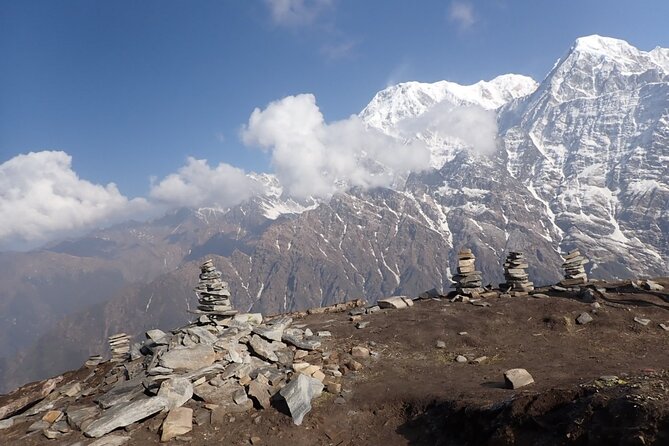
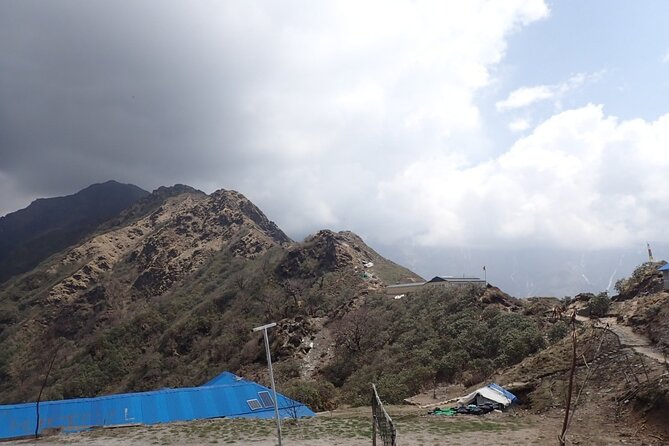
Day 2 is where Mardi Himal starts to feel like real trekking. You wake up, then hike for about 5 hours from Forest Camp to High Camp at around 4,000 m (13,120 ft).
The route is described as moving through dense jungle. That is useful to know because jungle trekking can feel humid, and your pace often depends more on breathing and footing than distance alone. Some wildlife may be around, and the bigger point is that this day is not just “stairs uphill.” It’s a working trail through changing plant zones, which is part of what makes the trek interesting.
High Camp at 4,000 m sets up Day 3’s early push. Sleeping higher means you may wake up feeling slightly more alert than tired. It also means you will want to pay attention to hydration and keep your body from getting chilled.
Other lodge to lodge routes near Pokhara
Day 3: The 4:00 am viewpoint rush at 4,500 m and your Base Camp time
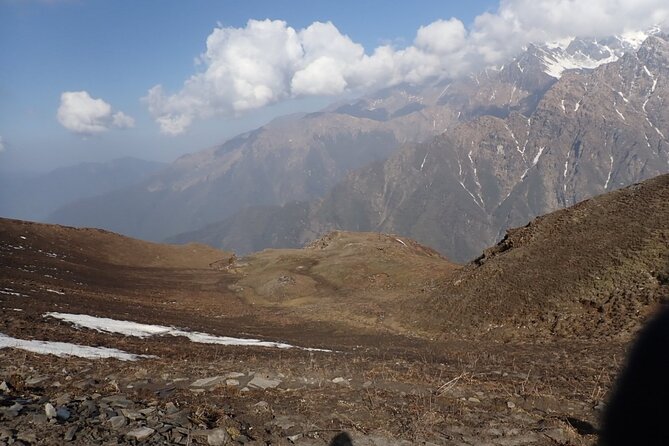
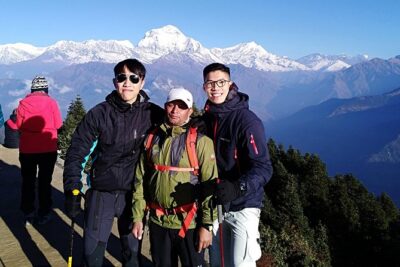
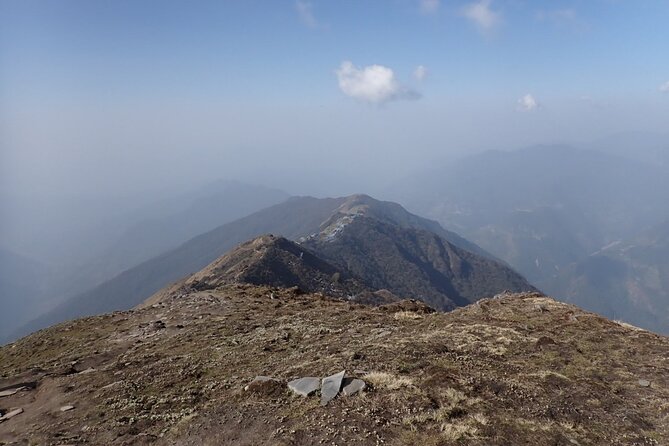
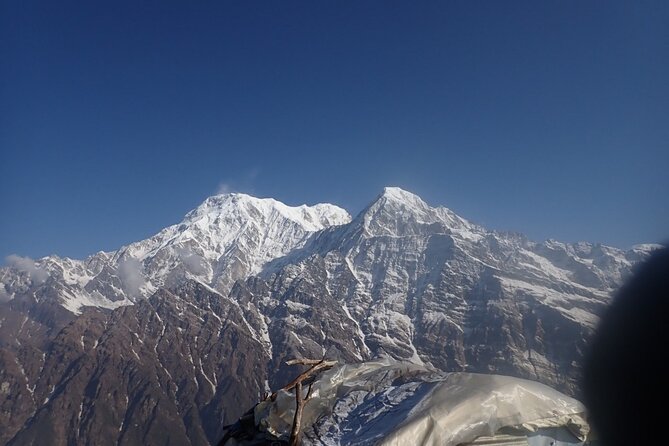
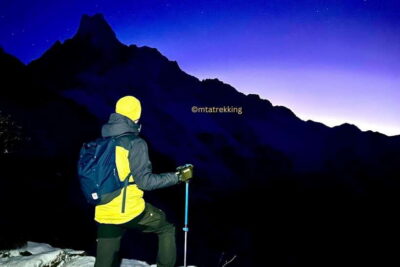
Day 3 is the signature day. You are up at 4:00 am for a hike toward a viewpoint around 4,500 m. The time window is about 2 hours for that early section, and the views are described as wonderful, especially for Machapuchare and the Annapurna range.
This early start is not random. Morning light tends to be clearer, and the air at higher elevations can feel crisp. If you have ever wondered why people wake before sunrise on mountain trips, this day gives you the practical reason: you are trying to catch the view at its best.
After that, you spend time around Mardi Himal Base Camp, then head back down and continue. The day includes switching levels: you start from High Camp, work toward the base camp area, then descend to Low Camp around 3,000 m (9,840 ft). The schedule also includes a return to High Camp briefly to retrieve belongings, then moving onward.
Why this design helps: it keeps your base camp experience from feeling like a quick photo stop. You also get a structured day that does not just keep climbing endlessly.
One consideration: Day 3 is longer on “effort feeling” than Day 2, because it layers early wake-ups, altitude, and multiple transitions between camps. If you are going with kids or you are slower by nature, it helps to go into this day thinking endurance, not speed.
Day 4: Low Camp down to Siding Village (1,800 m) and back to Pokhara
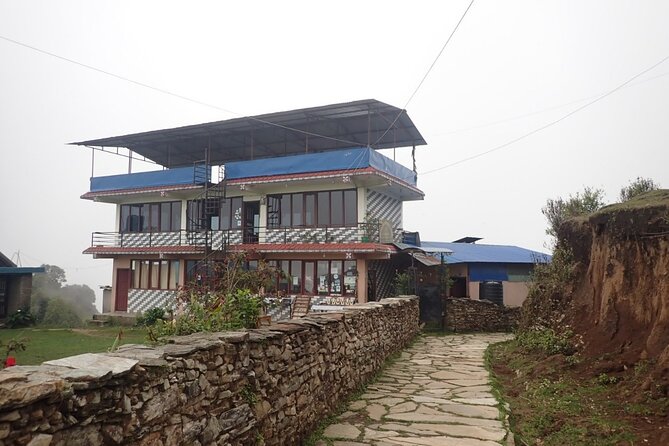
Day 4 is the payoff for your legs. You start at Low Camp around 3,000 m, then descend to Siding Village at about 1,800 m (5,905 ft) for roughly 4 hours of walking.
Downhill always feels easier than uphill, but it comes with its own reality: your knees will notice. Trekking poles, if you have them, can help you manage the “downshift” feeling.
From Siding Village, a jeep takes you back to Pokhara. That last transfer matters because it keeps the end of the trek from turning into another long hike. You finish back at lakeside Pokhara with time to reset, shower, eat normally, and plan what you are doing next.
The culture factor: Gurung and Magar village encounters that feel real
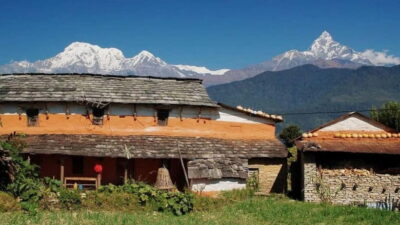
Mardi Himal is not presented as a culture-only trek, but culture is built into the route. You interact with local Gurung and Magar communities along the way, and you see daily life in rural Nepal.
What I like about including culture here is that it is not staged. Your guide can help you read the trail setting, and you get to observe how villages and farming landscapes link to the trek. Even without going on formal tours, the small moments can stick: the way trails connect homes to grazing areas, the way guesthouses operate, and the everyday rhythm of people living in the mountains’ shadow.
This is also why families sometimes enjoy this style. You are not only “earning views,” you are meeting the region.
Guides that make the difference: Prakash, Surya, Bikram, Biru, Krishna
A trekking guide is not just a person holding the front of the group. In this kind of trek, the guide affects pacing, safety decisions, and how smoothly you handle early starts.
Across the people named in feedback, a few themes show up clearly:
- Prakash is described as very friendly and helpful.
- Surya is called out especially in the context of traveling with young kids, with good coordination for the family group.
- Bikram is praised as knowledgeable and able to make the trek memorable.
- Biru is noted for being patient and always looking out for comfort.
- Krishna is described as helpful and well connected to the experience of the region.
If you are choosing a trek package, I think this is a big deal. An experienced English-speaking guide also reduces the “guessing” part of altitude days. You know what is coming next, you know where you stand, and you can focus on walking and enjoying the mountain.
What this trek is actually like day to day
Here is the practical rhythm you should expect:
- You start early, especially on Day 3.
- You change elevations in steps, with High Camp around 4,000 m and a viewpoint around 4,500 m.
- Guesthouse nights keep the trip realistic, not hardcore camping.
- The terrain shifts from forested zones into higher rugged sections as you approach the base camp area.
- Your guide manages route pacing, timing, and coordination for the group.
Also, because this is a private trek, your group is the only group your guide is working with during the trek time. That tends to make the day feel more personal, and it can be easier for families or mixed fitness levels.
Physical reality check: moderate fitness, cold mornings, and altitude
The trek is described as suitable for people with moderate physical fitness. That is a good match for many beginners to high-altitude trekking, but you should still respect altitude.
You will be at:
- Forest Camp around 2,500 m
- High Camp around 4,000 m
- A viewpoint hike around 4,500 m
- Low Camp around 3,000 m
Even if you feel fine, early mornings and altitude can change how you breathe. I recommend you plan for slower breathing and frequent small breaks. If you try to walk fast on Day 2 or Day 3, you might pay for it later.
Warm layers matter. The trek includes early starts and cold nights at higher camps, so bring clothes that handle chilly conditions. Even when the day is sunny, temperature drop at altitude is real.
Guesthouses and daily comfort: what to expect
Accommodation included is guesthouse lodging. That usually means basic rooms and simple mountain comforts. The important part for your planning is this: you are not signing up for luxury, but you are getting a warm bed and a predictable place to rest.
Because the route changes elevations quickly, you will likely feel more comfortable with a simple routine:
- layers for morning and evening
- something warm to drink when you can
- organized space for your gear, so you do not lose time
If you are traveling with kids, the name Surya comes up specifically with good coordination. That suggests the operator knows how to keep the household group organized, not just “move fast.”
Logistics that reduce stress: pickup, jeep transfers, and permits
The package includes hotel pickup and drop off, which helps you start Day 1 without hunting transport. On the back end, you get a jeep from Siding Village to Pokhara, which saves you from a second long walking finale.
Permits are also included: trekking permit and TIMS. For many first-time trekking visitors, those are the unknowns that can derail a trip. Having them handled is a real value point.
One more practical detail: private trek means only your group participates. That can make it easier to keep a consistent pace.
Should you book this Mardi Himal Base Camp trek?
I’d book it if you want:
- Machapuchare and Annapurna views with a route described as less crowded
- a trek you can do in 4 days without going into the deep wilderness-camping world
- an English-speaking guide and a package that handles key logistics like permits and transport
- the chance to meet Gurung and Magar communities on the trail
I would think twice if:
- you are sensitive to cold and early mornings
- you are not comfortable with altitude and stairs and downhill knee strain
- you need very flexible timing day-by-day, because this route is built around camp transitions and early viewpoint time
If you fall in the “moderate fitness, want big views, want a guided, organized trek” category, this one makes a lot of sense. Pay attention to the climb and Day 3’s early wake-up, plan warm layers, and choose a guide you feel comfortable following. If you do that, Mardi Himal Base Camp is the kind of trek that stays in your memory for the right reasons: mountains, calm trail vibes, and real Nepalese contact along the way.
FAQ
What permits are included for the Mardi Himal trek?
The package includes a trekking permit and TIMS.
Is hotel pickup and drop-off included?
Yes. Hotel pickup and drop-off are included.
What is the highest elevation you reach on this route?
You hike to a viewpoint around 4,500 m, and you also stay at High Camp at about 4,000 m.
Where do you stay during the trek?
Accommodation is in guest houses.
Is this trek private or shared with other groups?
This is a private trek, and only your group will participate.
What is the cancellation window for a full refund?
You can cancel up to 3 days in advance of the experience for a full refund, based on local time cut-offs.
Lodge to Lodge Around Pokhara
The Rest of Our Pokhara Write Ups


Mardi Himal, Keep Climbing
Everything else we have reviewed around Pokhara
- Pokhara: Cable Car Tour – Bird Eye View of Mountain & Lake
★ 4.4 · 3 reviews - Jomsom Muktinath Tour by 4WD SUV 2 Days
★ 5.0 · 3 reviews - Ghorepani Poonhill Private Trek – 2 nights / 3 days
★ 4.5 · 3 reviews - Pokhara: 30-Minute Paragliding Adventure with pick up/drop off
★ 4.5 · 3 reviews - Pokhara: 7-Day Annapurna Base Camp Trek via Ghandruk
★ 4.3 · 3 reviews - Pokhara Group Joining Sarangkot Sunrise Himalayas Tour
★ 5.0 · 3 reviews
Mardi Himal Treks worth a second look.
 ★ 4.94-Day Mardi Himal TrekFrom $13959 reviews
 ★ 5.0Private Mardi Himal TrekFrom $39942 reviews
 ★ 5.0Mardi Himal TrekFrom $1,05841 reviews
 ★ 4.94-Day Mardi Himal Base Camp TrekFrom $13831 reviews
★ 5.0Mardi Himal TrekFrom $39930 reviews
★ 4.94-Day Mardi Himal Base Camp TrekFrom $13831 reviews
★ 5.0Mardi Himal TrekFrom $39930 reviews
 ★ 5.0Mardi Himal Trek NepalFrom $75029 reviews
 ★ 5.04 Day Mardi Himal Base Camp Trek from PokharaFrom $29018 reviews
 ★ 5.05-Day Mardi Himal Base Camp TrekFrom $18110 reviews
Lists this tour sits in