
REVIEW · ANNAPURNA CIRCUIT TREKS
Kathmandu: 10-Day Adventurous Annapurna Circuit Trek
Thorong La Pass is the big moment. This 10-day Annapurna Circuit trek packs the essentials you want, mountain views, village life, and that early-morning grind to Thorong La Pass (5,416m). I especially like how the trip is built around practical pacing and real support, with English-speaking guides and organized tea-house stays that help you keep moving. One thing to consider, this is still an altitude challenge, and it is not a fit for everyone.
You’ll also like how the trek keeps switching gears from forests and suspension bridges to alpine grazing pastures and then down toward an arid, Mustang-like feel in Jomsom. The result is a route that feels like you’re traveling through Nepal’s altitude zones, not just hiking in one long line. Expect basic comforts on most nights, and plan your mindset around guesthouse simplicity.
In This Review
- Key Things That Make This Annapurna Circuit Work
- Thorong La Pass at 5,416m: The Day You Train for (and Remember)
- Kathmandu to the Trailhead: Turning Roads Into Footsteps
- What you’ll feel on Days 1 to 3
- Chame to Manang, Plus the Acclimatization Day You’ll Be Grateful For
- Practical advice for your Manang day
- Yak Kharka to Thorong Phedi: High-Altitude Quiet Before the Pass
- Thorong La Pass to Muktinath: Big Altitude, Sacred Ground, Real Reward
- Muktinath to Jomsom, Then Back Down to Pokhara Comfort
- Value and Price: What $467 Really Buys You
- Gear and Fitness: The Checklist That Prevents Dumb Suffering
- Guides and Team Support: The Difference Between Hard and Miserable
- Who This Annapurna Circuit Trek Suits (and Who Should Skip It)
- Final Call: Should You Book This Trek?
- FAQ
- How many days is the trek?
- What is the highest altitude point on this trek?
- Do you include Kathmandu to the trail transport?
- Is an English-speaking guide included?
- Are trekking permits included?
- Are meals included?
- Do I need to bring a sleeping bag?
- Is this trek suitable for pregnant women?
- Is travel and rescue insurance included?
Key Things That Make This Annapurna Circuit Work
- A real acclimatization day in Manang so you’re not just rushing upward.
- Thorong La Pass day starts early and includes a big, payoff-style descent to Muktinath.
- Village culture stops in places like Chame, Upper Pisang, and Manang, not just “sleep and move on.”
- Tea-house logistics handled with transport, permits, meals (for full package), and luggage storage.
- Guide support matters at altitude, with guides named in past trips emphasizing pacing and adjustments.
Longer Circuit loops over Thorong La
Thorong La Pass at 5,416m: The Day You Train for (and Remember)
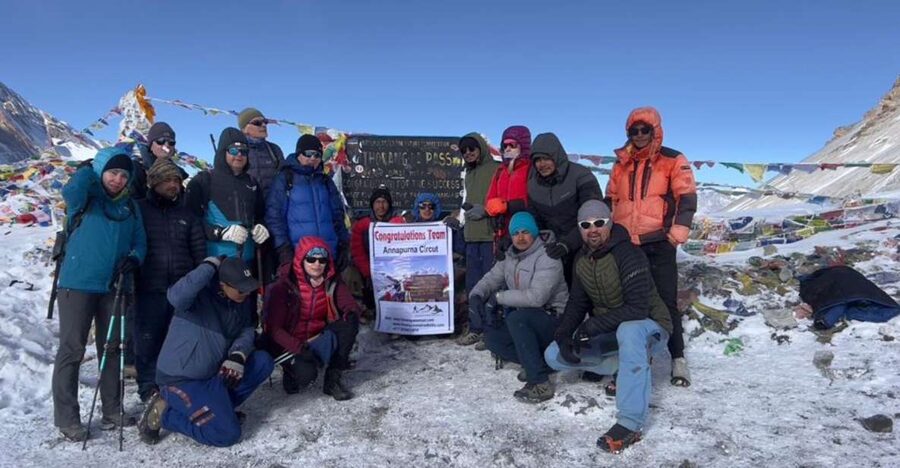
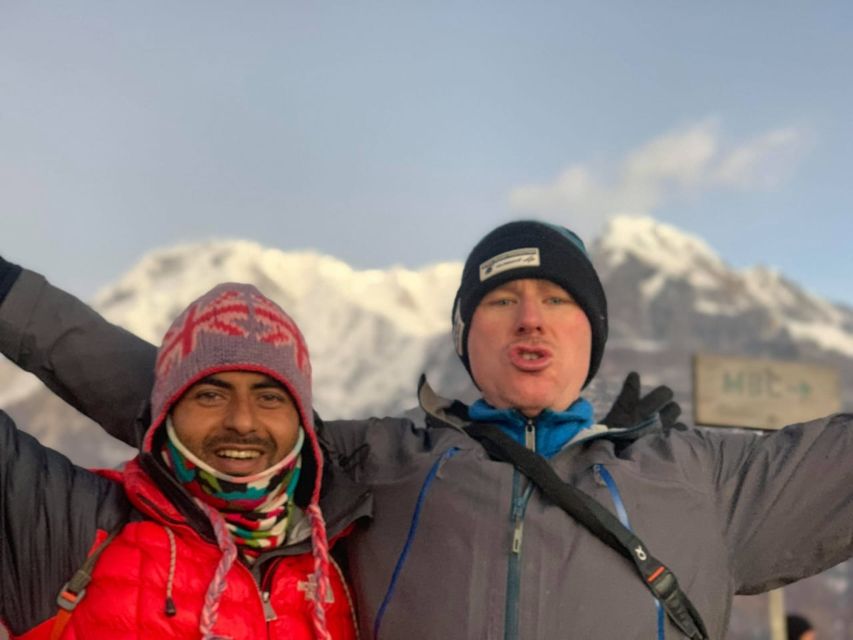
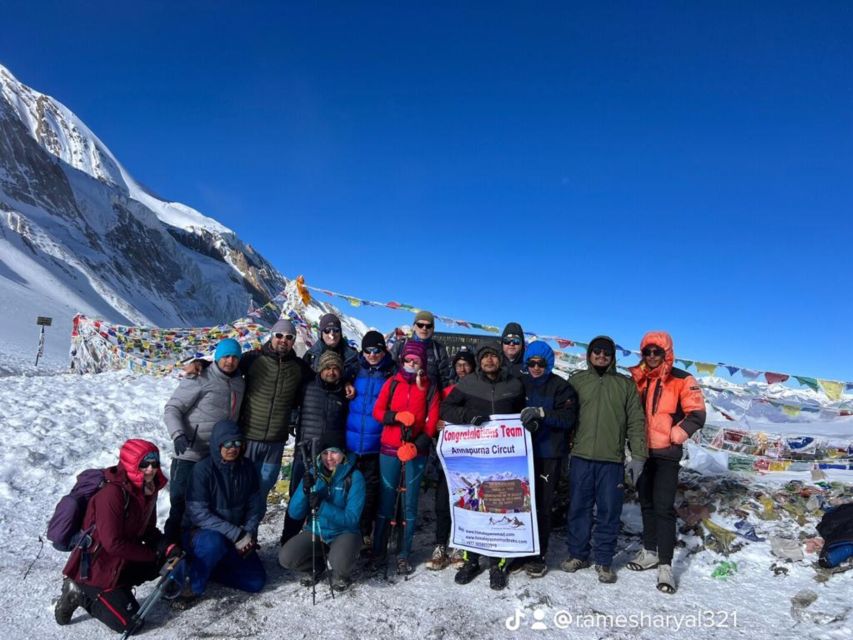
The Annapurna Circuit is famous because of one high point. Crossing Thorong La Pass at 5,416m (17,769 ft) is where the whole story snaps into focus. You start very early, before the day warms up, because that timing helps you manage conditions and get over the pass with the best odds.
What I like about this trek is that it does not treat the pass as a random obstacle. It builds toward it. You do a dedicated acclimatization day in Manang first, then you climb in stages. By the time you reach Thorong Phedi, the “pass day” feels like a planned summit push, not a surprise.
Here’s the practical reality: this day can feel long, and it can feel cold. Bring your headlamp, dress in layers, and expect that your pace will be slower than your normal hiking. The good news is that once you’re over, the sense of relief and accomplishment is immediate. Then comes a descent to Muktinath, which is both scenic and culturally important.
Kathmandu to the Trailhead: Turning Roads Into Footsteps
Your journey starts in Kathmandu, then you head out by land. First you’re driven from Kathmandu to Besisahar on a bus. From there, you continue toward the trekking starting area by shared Jeep to Dharapani. The long drive matters more than people think. It’s your transition from city life into mountain rhythm, and it helps the rest of the trip feel smoother once you’re actually walking.
On your first night, you sleep in Dharapani (1,800m). This is where you should keep things simple. Eat a good dinner, set up your layers, and don’t treat this as a day for sightseeing miles away from the trek. You’re building momentum.
What you’ll feel on Days 1 to 3
On Day 2, you hike from Dharapani to Chame (2,670m) for about six hours. Expect the trail to shift as you gain altitude, with lush forest sections and suspension bridges that add a bit of spice to footwork. Those bridges are short, but they’re a good reminder to keep your balance and not rush.
On Day 3, you go from Chame to Upper Pisang (3,300m). This section is about widening the horizon. Upper Pisang is known for strong mountain views, and you’ll get a chance to slow down for the kind of photos you can’t fake later.
One small caution: suspension bridge days are not just scenic. They can be mentally tiring too. If you feel anxious on crossings, take smaller steps, keep your eyes steady, and let your guide set the pace.
Chame to Manang, Plus the Acclimatization Day You’ll Be Grateful For
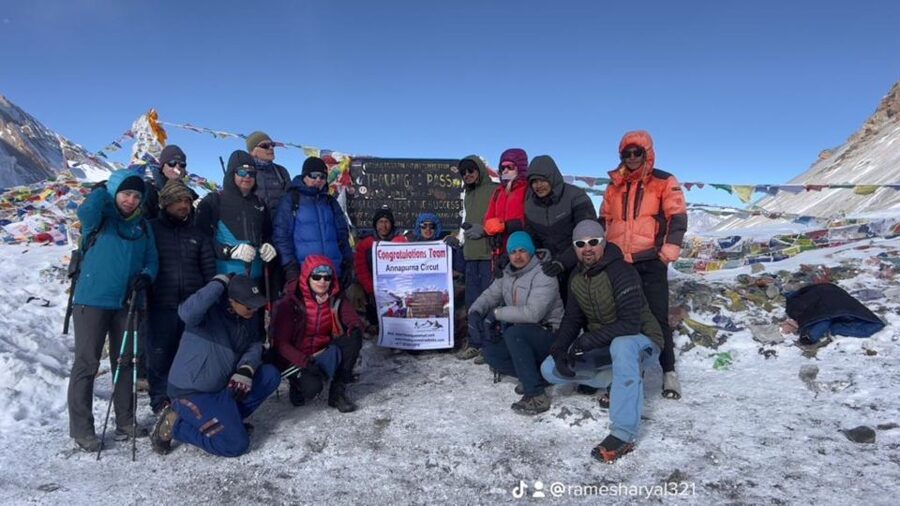
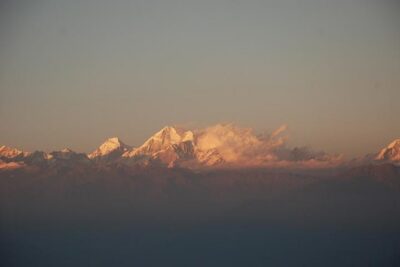
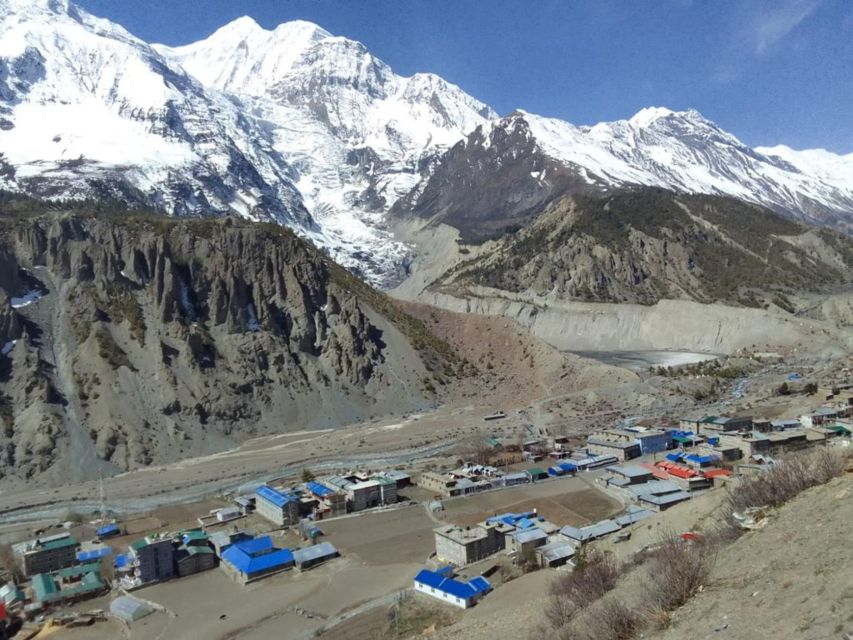
Day 4 takes you from Upper Pisang to Manang (3,540m), about six hours. Manang sits in a broad valley, and the mountain presence is harder to ignore here. You get the kind of views that make people pause mid-sentence, even if they were planning to talk through every kilometer.
A lot of first-time trekkers underestimate how important Manang is. The itinerary includes an acclimatization day on Day 5. You rest, yes, but it is not a “do nothing” day. You explore the village and take in panoramic views while your body adjusts to the higher altitude.
Why this matters: going higher without giving your body time is where altitude sickness risks climb. A rest day isn’t wasted time on the Annapurna Circuit. It’s often the difference between “tough but fine” and “why did I sign up for this.”
Other lodge to lodge routes near Kathmandu
Practical advice for your Manang day
- Keep your walking gentle. Short, slow loops are better than big ambitions.
- Stay warm. Your comfort level affects your sleep, and sleep affects acclimatization.
- Don’t treat elevation like a math problem. Drink water, eat normally, and keep breathing calm.
Yak Kharka to Thorong Phedi: High-Altitude Quiet Before the Pass
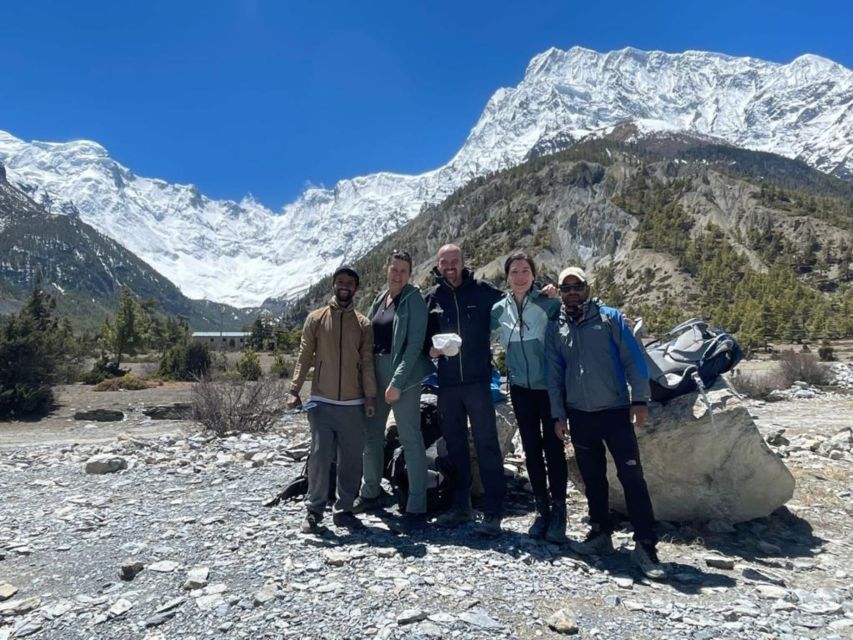
Day 6 moves you from Manang to Yak Kharka (4,050m) for about six hours. Yak Kharka is basically a high grazing pasture. The air feels thinner, and the trail starts to look and feel more alpine. It can also feel quieter, which is a nice break from the busier lower elevations.
Day 7 is from Yak Kharka to Thorong Phedi (4,450m), about six hours. Thorong Phedi is the base area for the pass crossing. You’re not summiting today, but you are preparing in a very real way. That means an earlier bedtime, focused packing, and double-checking your layers, headlamp, and warm socks.
This is the part where you should think ahead about what can slow you down on summit morning. If your gear is scattered or you’re missing gloves or a hat, you’ll lose time you can’t easily buy back. Keep everything in your daypack accessible, because you’re going from rest to effort fast.
Thorong La Pass to Muktinath: Big Altitude, Sacred Ground, Real Reward
Day 8 is the signature challenge, taking you from Thorong Phedi to Muktinath (3,800m) via the pass. You cross Thorong La Pass at 5,416m. This is a long day, around 12 hours, with a high, demanding ascent and then a descent that drops you down into a very different atmosphere.
Once you make it over, you’re rewarded with panoramic views that feel earned. Then you descend to Muktinath temple, a sacred pilgrimage site for both Hindus and Buddhists. Even if you’re not religious, this is one of the places where the meaning of the route becomes clear. The mountains aren’t just scenery. They’re part of how people live and believe.
Day 8 ends with an overnight stay in Muktinath. This town sits at a lower altitude than the pass area, but your body will still feel the day’s altitude effort. Eat slowly, hydrate, and let your legs cool down properly.
Muktinath to Jomsom, Then Back Down to Pokhara Comfort
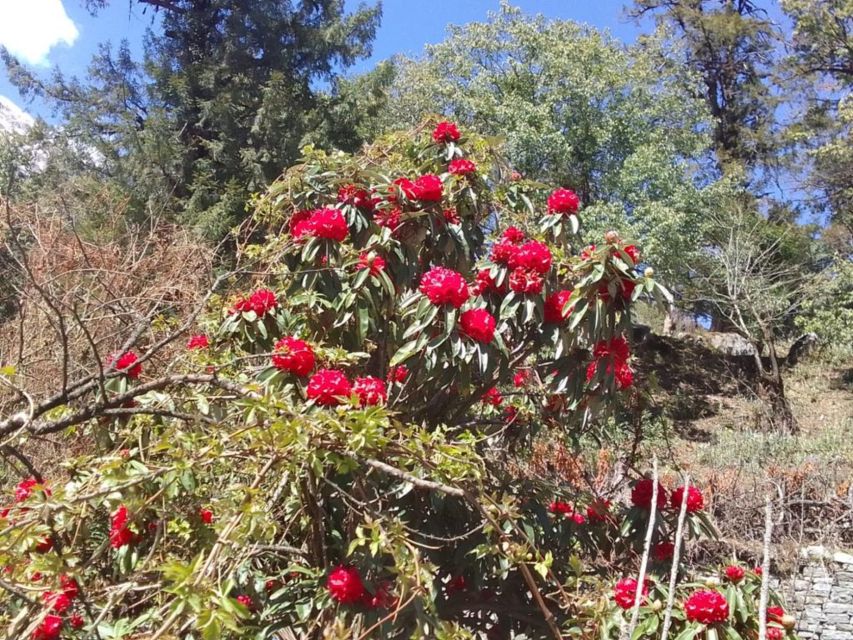
Day 9 takes you from Muktinath to Jomsom (2,720m) for about five hours. This is where the Annapurna Circuit changes texture again. Jomsom is a windy town in the Mustang region, and the terrain starts to feel more arid, almost desert-like compared with the greener lower sections.
The vibe here is practical. You’re not hiking for hours into dramatic wilderness. You’re transitioning, soaking in the contrast, and getting ready for the ride back.
Day 10 is an 8-hour drive from Jomsom to Pokhara. You’ll have mountain views along the way, but the main point is decompression. Pokhara is where you finally trade trail time for simple life.
This trek also includes a soft landing in Pokhara:
- Your last night is at a tourist standard luxury hotel, Hotel Orchid.
- You get a farewell dinner with a typical Nepalese meal in Lakeside Pokhara.
It’s a good ending note. You’ll feel tired in a satisfying way, not wiped out.
Value and Price: What $467 Really Buys You
At $467 per person for 10 days, this trek is priced like an “organized trek,” not like a DIY adventure. The value is in the friction removed from the hard parts.
Here’s what your money covers:
- Hotel pickup and drop-off
- Trekking permits and necessary paperwork, plus the Trekkers’ Information Management System fees
- Comfortable accommodation during the trek for nine nights, plus the one night in Pokhara at Hotel Orchid
- All meals (breakfast, lunch, dinner) during the trek if you choose the full package
- An authorized English-speaking guide (and guide insurance included)
- Transport as scheduled, including Kathmandu to Besisahar by bus, Besisahar to Dharapani by shared Jeep, and Jomsom to Pokhara by bus
- Luggage storage facility
- An AC tourist bus from Pokhara to Kathmandu
- Staff expenses, meals, accommodation, salary, equipment, insurance, and transportation
What costs extra, and why it matters:
- Travel and rescue insurance is not included. This is not a “nice to have” on altitude hikes. Get coverage that explicitly mentions high altitude.
- Drinks and personal expenses (phone calls, laundry, battery recharge, bottle water, etc.) are on you.
- Porter charges are extra, which can matter if you want a lighter pack.
- Your own gear, like water and warm layers, still has to happen.
The best value tends to show up if you want a guide who handles details like permits, tea-house options, and route adjustments. If you already have trekking experience and love DIY planning, you might see this as pricier than necessary. But if you want a smoother path through logistics, this price starts to look fair.
Gear and Fitness: The Checklist That Prevents Dumb Suffering
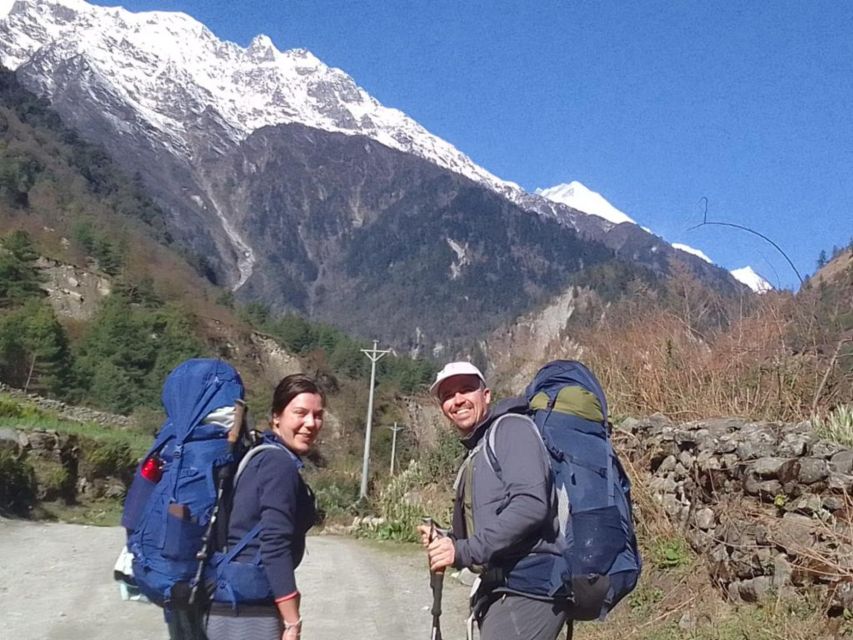
This trek demands more than good intentions. You’re hiking at elevations that can make every slow climb feel twice as long.
Your pack list includes the essentials:
- Passport or ID card
- Sunscreen
- Sleeping bag
- Socks
- Cash
- Daypack
- Camera
- First aid kit
- Jacket
- Hat
- Water
- Hiking shoes and trekking gear
- Flashlight
- Sunglasses
A few practical upgrades I strongly recommend based on how these routes feel:
- Bring warm gloves and a hat, even if Kathmandu weather looks mild. Mountain cold sneaks in.
- Use trekking poles if your knees are even slightly sensitive on descents.
- Plan for unpredictable weather. The mountains can turn sunny, rainy, or snowy, so layers beat one “hero jacket.”
Fitness-wise, think inclines and steady effort. If your legs are used to stairs and uphill walking, you’ll move with less strain. If you’re more used to flat ground, build a little uphill habit before you come.
Guides and Team Support: The Difference Between Hard and Miserable
The most praised part of this experience is the people running it. Across past trips, guides like Keshab, Bipin, Suresh, Prakash, Mahesh, Silwal, Jeet, and Milani are repeatedly described as organized, supportive, and focused on pacing.
Here are the practical themes that show up in the team style:
- Altitude awareness: guides are attentive about preventing problems by managing pace and taking care of how you feel.
- Route adjustments: if conditions shift, they handle it fast and keep the plan workable.
- Sleeping place quality: they aim for comfortable guesthouses each night, which matters because your body needs sleep.
- Meals handled: tea-house meals are arranged through the trek, so you are not stuck hunting for food after hiking.
I also like how logistics support reaches beyond the trail. One example from the team’s work includes transporting an extra bag from Kathmandu to Pokhara while trekkers were on the mountains. That kind of behind-the-scenes handling is real value, especially if you’re trying to travel light.
If you want to get the best outcome, treat your guide like part of your team. Tell them if you feel off on a certain day, ask questions about what to expect, and follow their pacing advice. On this route, listening is part of the adventure.
Who This Annapurna Circuit Trek Suits (and Who Should Skip It)
This trek suits you if:
- You want a real challenge, including Thorong La Pass
- You enjoy a mix of trekking and village culture
- You want an organized trip with permits, transport, and stays handled
- You like steady guidance and a paced approach to altitude
It’s also a good first Himalayan hike for some people, as long as you’re honest about fitness and you respect the acclimatization structure.
Skip it if:
- You are pregnant, because it is specifically listed as not suitable for pregnant women.
- You are not willing to hike in cold and changing weather, including possible snow.
Final Call: Should You Book This Trek?
If you want the Annapurna Circuit with the big pass experience, and you want your logistics to feel handled, this trek is a strong choice. The value is not just the scenery. It’s the structured acclimatization, the organized transport, and the guide support that keeps you safe and moving.
I’d book it if you’re physically ready to hike uphill for hours most days and you understand that guesthouse comfort is basic, not luxury. If that tradeoff sounds fun, you’ll have a trek with real payoff, and a finale in Pokhara that feels wonderfully earned.
FAQ
How many days is the trek?
It’s a 10-day experience in total.
What is the highest altitude point on this trek?
The trek crosses Thorong La Pass at 5,416m (17,769 ft).
Do you include Kathmandu to the trail transport?
Yes. You’ll be driven from Kathmandu to Besisahar by bus, then Besisahar to Dharapani by shared Jeep, and later Jomsom to Pokhara by bus.
Is an English-speaking guide included?
Yes. An authorized English-speaking guide is included, and porter charges are extra.
Are trekking permits included?
Yes. Permits, necessary paperwork, and Trekkers’ Information Management System fees are included.
Are meals included?
For the full package, all meals during the trek (breakfast, lunch, dinner) are included.
Do I need to bring a sleeping bag?
Yes. A sleeping bag is listed under what you should bring.
Is this trek suitable for pregnant women?
No. It is not suitable for pregnant women.
Is travel and rescue insurance included?
No. Travel and rescue insurance is not included, and you should arrange it yourself.
Lodge to Lodge Around Kathmandu
The Rest of Our Kathmandu Write Ups
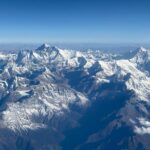

The Circuit, Other Itineraries
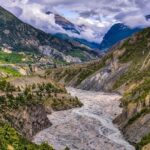
Everything else we have reviewed around Kathmandu
- 12 Days Everest Base Camp Trekking
★ 5.0 · 3 reviews - 1 Night 2 Days Chitwan Jungle Safari Tour from Pokhara or Kathmandu
★ 3.0 · 3 reviews - Thamel Rickshaw tour
★ 4.7 · 3 reviews - Kathmandu: Momo Making Class with a Local Chef
★ 5.0 · 3 reviews - Kathmandu: Full-Day Yoga, Body Massage and Pedicure Package
★ 5.0 · 3 reviews - From Kathmandu / Pokhara / Chitwan: River Rafting – 1 Day
★ 4.6 · 3 reviews
Annapurna Circuit Treks worth a second look.
 ★ 5.0Annapurna Circuit Trek with Tilicho LakeFrom $1,093368 reviews
 ★ 5.0Annapurna Circuit TrekFrom $1,17594 reviews
★ 5.0Annapurna Circuit TrekFrom $1,15035 reviews
★ 5.0Annapurna Circuit TrekFrom $97534 reviews
★ 5.0Annapurna Circuit TrekFrom $1,17594 reviews
★ 5.0Annapurna Circuit TrekFrom $1,15035 reviews
★ 5.0Annapurna Circuit TrekFrom $97534 reviews
 ★ 5.0Annapurna Circuit with Tilicho Lake TrekFrom $1,09325 reviews
 ★ 5.015-Day Private Annapurna Circuit Trek from KathmanduFrom $99518 reviews
 ★ 5.09-Day Annapurna Circuit Trek via Thorong La Pass17 reviews
 ★ 5.0Annapurna Circuit Trek with Tilicho Lake (16 Days)From $1,80015 reviews
Lists this tour sits in