
REVIEW · ANNAPURNA CIRCUIT TREKS
Annapurna Circuit with Tilicho Lake Trek
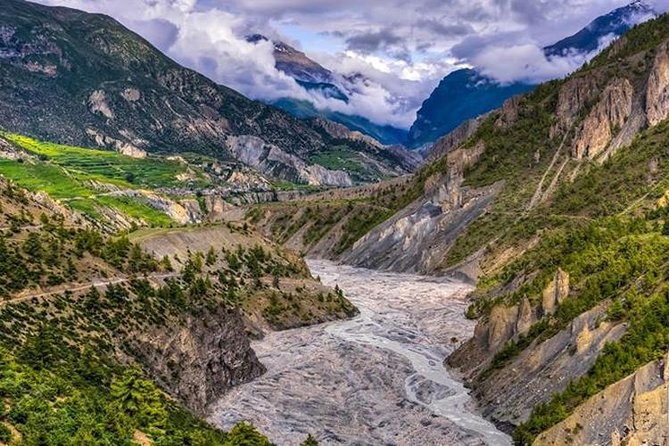
Tilicho Lake turns the classic Annapurna Circuit into a bigger challenge. The route packs deep valleys, high passes, and big altitude days into a tightly run small-group trek with a real safety focus. I like that Tilicho Lake is actually built into the journey, not just a casual side note, and I also like the max 8 people group size that keeps the pace human. One drawback to plan for: this is still a hard trek, and you should be ready for long mountain days plus possible extreme snow near the pass.
You start in Kathmandu, then work your way into the Annapurna Range through villages like Chame, Pisang, Manang, and Khangsar, with acclimatization built in. The itinerary also includes the Jomsom to Pokhara flight and then a drive back to Kathmandu, so you avoid some extra overland time at the end. If you want a guided, guided-feeling trek where nobody is improvising logistics while you’re at altitude, this fits well.
In This Review
- Key highlights worth your attention
- Tilicho Lake makes this version of the Circuit feel different
- Price and logistics: what the $1,093 covers, and what it doesn’t
- Small group pacing: why max 8 feels like a feature, not a gimmick
- Day-by-day route feel: from Chame to Manang to Khangsar
- Day 1 to Chame
- Day 2 to Pisang
- Day 3 and Day 4 in Manang
- Day 5 toward Khangsar
- Tilichol Lake days: early starts, wind exposure, and two route options
- Day 6: reaching Tilichol Lake
- Day 7: Base Camp timing and wind management
- From Tilicho back to the circuit: Yak Kharka and the climb out
- Thorong La approach and Muktinath: where the route gets tough
- Day 10: crossing toward Muktinath and Thorong La Pass conditions
- Jomsom and the Kali Gandaki: finish strong with a flight option
- Day 12: morning flight to Pokhara
- Day 13: drive to Kathmandu and overnight in Thamel area
- Comfort and support details that matter on a hard trek
- Who this trek suits best, and who should think twice
- Should you book this Annapurna Circuit with Tilicho Lake trek?
- FAQ
- How long is the Annapurna Circuit with Tilicho Lake Trek?
- What’s included in the tour package?
- Is accommodation in Kathmandu included?
- Do I need a visa or travel insurance?
- How many people are in the group, and do I get porter support?
- Is free cancellation available?
Key highlights worth your attention
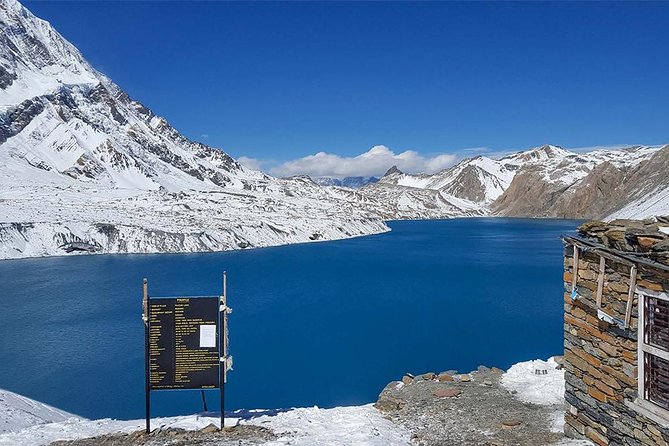
- Tilicho Lake detour: a high-altitude detour with an early-start strategy to beat strong winds
- Small group (max 8): less crowding, easier pacing, and day-to-day planning handled for you
- Jomsom-Pokhara flight included: saves time and reduces the need for extra hiking at the end
- Full trek support: guide, certified first aid kit, permits, accommodation, and meals included during the trek
- Porter help built in: 1 porter for 2 travelers to carry personal gear and group equipment
- Known safety structure: you trek with a guide to reduce the risk of getting lost
Longer Circuit loops over Thorong La
Tilicho Lake makes this version of the Circuit feel different
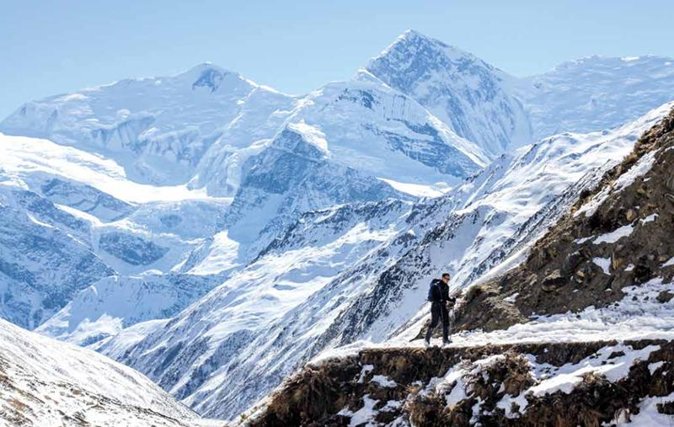
The Annapurna Circuit is already one of Nepal’s classic trekking routes, but adding Tilicho Lake changes the whole texture of the trip. You’re not just passing through scenic country, you’re going higher and pushing into a more exposed, wind-driven environment as you work toward the Tilichol Lake area and then back toward the main circuit route.
I like that the itinerary gives you that high-altitude section in a way that feels intentional. You’re not asked to rush straight up with no buffer, because you also get a Manang rest day to adjust to the higher elevation. That matters, because altitude isn’t just a number on paper. It affects your energy, your appetite, and how easily you can handle the steep, stony sections that show up later.
If you’re thinking about value, this is a good place to compare. Many trekking packages leave you to handle permits, meals, guides, and timing. Here, the core scaffolding is included, and you can focus on the work of walking and acclimatizing.
Price and logistics: what the $1,093 covers, and what it doesn’t
At $1,093.34 per person for a 13-day trek, the headline cost can look high until you break down what’s included. You get accommodation in teahouses or guesthouses during the trek, most meals, trekking permits (Annapurna Conservation Area Permit and TIMS), a certified professional guide, and the Jomsom-Pokhara flight. On top of that, there’s transport by private vehicle, plus airport pickup and drop-off as mentioned in the itinerary.
You also get porter support. The package includes necessary porters, with a ratio of 1 porter for 2 travelers to carry all personal gear and group equipment. That can be a big deal on a demanding route, because it helps you keep your body for uphill hours, not for hauling.
What’s not included is also important for budgeting. Drinks and alcoholic drinks are not included, and accommodation in Kathmandu is not included. International flight tickets, Nepal entry visa fees, and travel and medical insurance are also not included. If you’re the type who drinks a lot of tea or buys extra snacks, plan on paying out of pocket.
Small group pacing: why max 8 feels like a feature, not a gimmick
A maximum group size of 8 travelers changes how the days feel. With fewer people, your guide can make adjustments based on weather and how everyone is moving that morning. It also reduces the usual bottlenecks on narrow trails, river crossings, and viewpoints.
This tour is built around the idea that you trek safely with a guide and avoid getting lost. In practical terms, that means you are not constantly checking routes while you’re breathing hard. Your guide handles day-to-day planning, so you can focus on the visible tasks: steep sections, river crossings, and the effort of gaining altitude.
If you like structured trekking, you’ll appreciate that the package includes a comprehensive first aid kit. That doesn’t remove altitude risk, but it does mean there’s basic medical readiness in the group setup.
Day-by-day route feel: from Chame to Manang to Khangsar
Your trip starts with an overland drive from Kathmandu to Besisahar, then you transition into the trek. Expect big travel days early, because this is a long route that needs position changes before the walking really ramps up.
Other lodge to lodge routes near Kathmandu
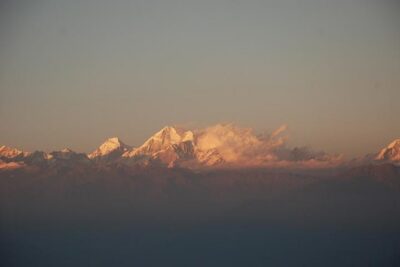
Day 1 to Chame
You drive from Kathmandu to Besisahar, then start the trekking journey toward Chame as your first major stop. Think of this day as your transition from city rhythm to mountain rhythm. The elevation change is real, so it’s not only about scenery, it’s about getting your legs used to regular steps again.
Day 2 to Pisang
Pisang is a shaping day. The trail follows a deep forest in a narrow, steep valley, and you’ll cross two bridges at about 2,910 meters and 3,040 meters. You’ll also get views of Lamjung Himal, with the route giving you those open glimpses that make the effort feel worth it.
This is a good place to practice your pacing. Long days in Nepal’s high valleys often feel better when you keep your breath steady and avoid sprinting every uphill gust.
Day 3 and Day 4 in Manang
Manang is where the trek turns more serious. You start ascending along a steep ridge and get stunning vistas over Manang Valley and Tilicho Peak. As you descend through Humde, the itinerary points out the Manang airstrip around 3,280 meters, which is a reminder that this area is close enough to modern access that you’re still in a real travel corridor.
Day 4 is a rest day, and you’ll appreciate it. You’re given time to adjust to the higher altitude, and Manang is described as a sizable village where you can explore and watch how locals live. This matters because a rest day is not a luxury here, it’s part of survival strategy on a high-altitude circuit.
Day 5 toward Khangsar
From Manang you head toward Khangsar, crossing the Khangsar Khola on a bridge and then climbing up to Khangsar Village. This stop is described as a typical Tibetan-style village. Those cultural pauses are useful too, because they break up the purely physical grind. You get a moment to sit, eat, and reset before the high-altitude push toward Tilicho.
Tilichol Lake days: early starts, wind exposure, and two route options
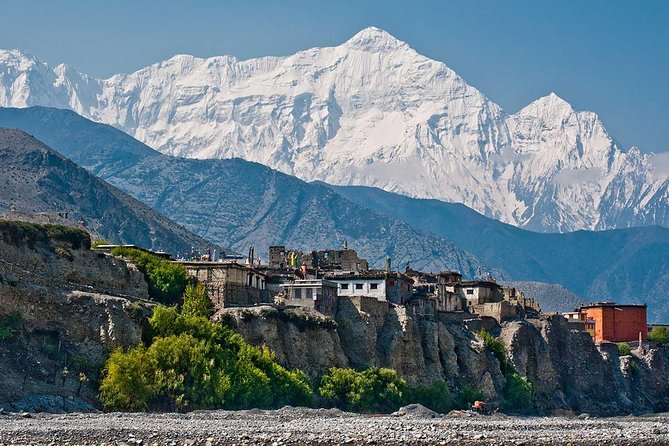
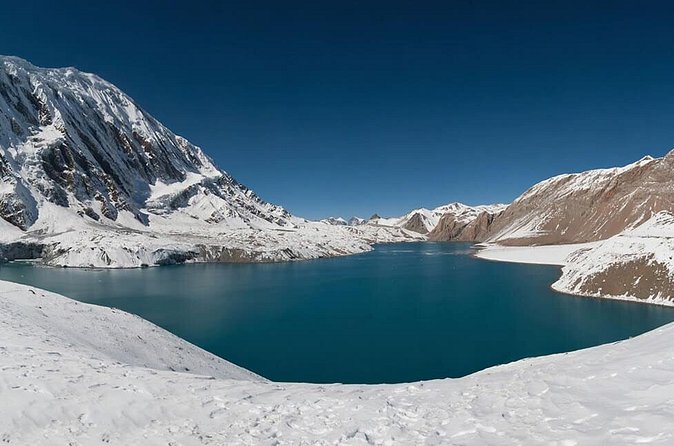
Tilichol Lake is the big reason to choose this specific trek. The itinerary describes passing a gompa and then following a newly constructed trail up toward a high ridge. When you reach the ridge, you’ll notice two paths, an older one that’s more challenging and a newer one that’s easier.
That detail is useful when you’re thinking about what kind of day you’re signing up for. If you’re physically strong but not sure about footing, the newer option may help you keep your energy for the later pass section. The key point is that the plan includes choice, not a single fixed line.
Day 6: reaching Tilichol Lake
You’ll trek toward Tilichol Lake via that gompa and ridge route. The day is structured around getting you up into the high-altitude terrain without skipping the built-in progression from village areas.
Day 7: Base Camp timing and wind management
Day 7 emphasizes starting early to avoid strong winds that often build later due to warm land mixing with cold air. This is the kind of practical guidance that can make or break a high-altitude day. If you wait until late morning, you can pay for it with more wind chill and less comfortable walking.
The itinerary then covers the journey from Base Camp to Tilicho, with the planning likely designed around weather windows. I’d treat the early-start instruction as a serious part of the trek, not a suggestion.
From Tilicho back to the circuit: Yak Kharka and the climb out
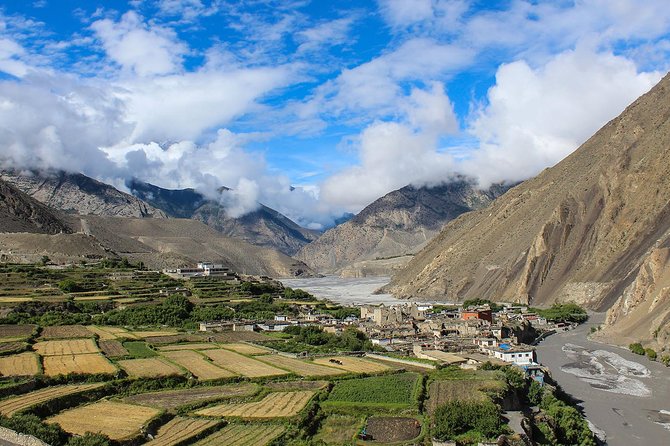
After Tilicho, you rejoin the main circuit rhythm. Day 8 describes descending slowly from Tilicho Base Camp and then climbing about 500 meters toward Yak Kharka. You’ll pass through Tengi, leave behind the Marsayangdi Valley, and head toward the Thorung route direction.
This is a classic altitude-trail pattern: you recover from one high segment and then still need to earn the next one. If you’ve ever tried to bounce back too fast after a big altitude day, you’ll understand why this portion is mentally demanding. The trail asks for steady movement, not dramatic bursts.
The positive side is that Yak Kharka is a staging area type of place. It helps you set your rhythm before the pass day.
Thorong La approach and Muktinath: where the route gets tough
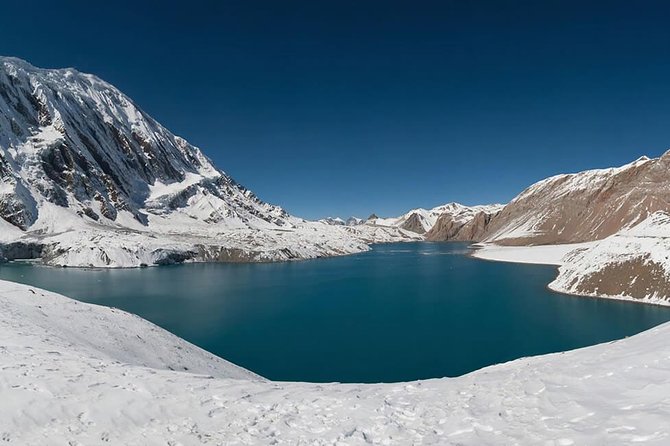
Day 9 focuses on the Thorong La trail approach. You’ll have breakfast, then begin an ascent toward a ridge, followed by a gradual descent toward the Kone River. You’ll cross the river via a wooden bridge and continue along a narrow path.
This combo, ridge-to-river, is typical of how the Annapurna Range feels. You’re always transitioning, and the narrow sections demand careful foot placement. Keep your day strategy simple: even steps, constant attention, and hydration that starts before you feel thirsty.
Day 10: crossing toward Muktinath and Thorong La Pass conditions
Day 10 is described as a long trek toward Muktinath, beginning early and involving the Thorung La Pass. The itinerary notes that high altitude and extreme snow can pose challenges.
That line is the most important warning in the entire schedule. If you choose this trek, you’re signing up for winter-like conditions if the timing lines up with colder snow patterns. You should prepare physically for steep climbs and practically for cold and slippery trail surfaces, even if your trip starts on a sunny morning.
Jomsom and the Kali Gandaki: finish strong with a flight option
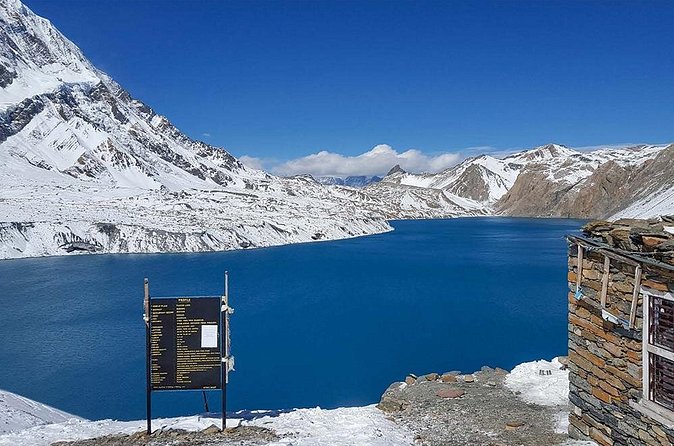
Once you pass the pass area, you transition into the lower, drier feel of the Kali Gandaki corridor. Day 11 describes getting to Jomsom via trails from Kagbeni or Lupra, and then trekking along the banks of the Kali Gandaki River. Jomsom is described as a picturesque, chilly valley with plenty of amenities, serving as a key hub.
This is where the “finish strong” mindset pays off. The days may still be active, but you’re no longer fighting the same kind of pass fatigue. You’ll also likely feel more eager for comforts like predictable meals and a bed that feels far less bouncy than the high-altitude nights.
Day 12: morning flight to Pokhara
Day 12 is a short day compared to the trekking days. You wake up early and take a morning flight to Pokhara. During the flight, you’ll enjoy views of snow-capped mountains, and then you’re escorted to your accommodation in Pokhara.
The Jomsom-Pokhara flight is included, which is a smart value trade. It saves you from extra walking or repeated overland time when your legs are already done.
Day 13: drive to Kathmandu and overnight in Thamel area
Finally, day 13 includes breakfast, then a tourist coach from Pokhara to Kathmandu. The drive is roughly 7 hours, and overnight arrangements in Kathmandu are handled in the agreed category, with BB plan noted. This is the reset day. You’ll want a normal shower, a long meal, and time to compress the experience into something you can remember clearly.
Comfort and support details that matter on a hard trek
A trekking package is only as good as the small stuff that keeps you from suffering unnecessarily. Here are the support elements that stand out as practical:
- Meals and accommodation during the trek are included through the specified counts, which reduces daily decision-making.
- Certified professional guide plus a plan to trek safely with guidance.
- First aid kit included in the group setup.
- Gear provided for the trip, listed as sleeping bag and duffel bag items from Nepal Social Treks and Expedition gear.
One interesting human detail from a past trek: an account praised NC Sherpa as the guide, and MisterD Sherpa as the porter. That’s the kind of pairing that can make the days feel steady, because the guide plans and the porter support keeps your personal load manageable.
Who this trek suits best, and who should think twice
This is best suited to fit, active travelers because it’s described as challenging. If you can handle long hiking days at altitude, enjoy route structure, and want a guided experience that reduces navigation stress, you’ll likely love this.
It may not be a fit if your hiking style depends on complete independence. The whole trip is set up with a guide managing day-to-day planning and with fixed support logistics. Also, the pass area can involve extreme snow, so if cold conditions are a deal breaker, consider a different timing or a different itinerary.
Should you book this Annapurna Circuit with Tilicho Lake trek?
I’d book it if you want a guided Annapurna Circuit that actually includes a high-altitude Tilicho Lake detour, with support that handles the permits, flights, meals, and most trekking logistics. The small group max 8, the included Jomsom-Pokhara flight, and the porter ratio make it feel like an efficient way to take on a big route without turning your vacation into a logistics project.
I’d hesitate if you’re not ready for the challenging altitude work, especially around the pass where the itinerary flags extreme snow. Also budget for what’s not included, like Kathmandu accommodation, drinks, your Nepal visa, and travel and medical insurance.
If you’re the type who wants to walk hard, see far, and trust the structure, this is a strong choice.
FAQ
How long is the Annapurna Circuit with Tilicho Lake Trek?
The duration is listed as 13 days (approximately). The itinerary runs from a Kathmandu start through trekking segments, then a flight to Pokhara, and finally a drive back to Kathmandu.
What’s included in the tour package?
Accommodation in teahouses or guesthouses during the trek, meals, trekking permits, a certified professional guide, and airport pickup and drop-off are included. Transport by private vehicle and the Jomsom-Pokhara flight are also included, along with a comprehensive first aid kit and listed porters.
Is accommodation in Kathmandu included?
Accommodation in Kathmandu is not included in the package. The itinerary includes overnight in Kathmandu as arranged per the agreed category for day 13, but it is noted that Kathmandu accommodation is not part of what is included.
Do I need a visa or travel insurance?
Nepal entry visa fees should be paid directly by the guest. Travel and medical insurance are not included in the package.
How many people are in the group, and do I get porter support?
The maximum group size is 8 travelers. The package includes necessary porters with a ratio of 1 porter for 2 travelers to carry personal gear and group equipment.
Is free cancellation available?
Yes. You can cancel for a full refund up to 24 hours in advance of the experience’s start time. If you cancel less than 24 hours before, the amount you paid is not refunded.
Lodge to Lodge Around Kathmandu
The Rest of Our Kathmandu Write Ups

The Circuit, Other Itineraries
Everything else we have reviewed around Kathmandu
- 12 Days Everest Base Camp Trekking
★ 5.0 · 3 reviews - 1 Night 2 Days Chitwan Jungle Safari Tour from Pokhara or Kathmandu
★ 3.0 · 3 reviews - Thamel Rickshaw tour
★ 4.7 · 3 reviews - Kathmandu: Momo Making Class with a Local Chef
★ 5.0 · 3 reviews - Kathmandu: Full-Day Yoga, Body Massage and Pedicure Package
★ 5.0 · 3 reviews - From Kathmandu / Pokhara / Chitwan: River Rafting – 1 Day
★ 4.6 · 3 reviews
Annapurna Circuit Treks worth a second look.
 ★ 5.0Annapurna Circuit Trek with Tilicho LakeFrom $1,093368 reviews
 ★ 5.0Annapurna Circuit TrekFrom $1,17594 reviews
★ 5.0Annapurna Circuit TrekFrom $1,15035 reviews
★ 5.0Annapurna Circuit TrekFrom $97534 reviews
★ 5.0Annapurna Circuit TrekFrom $1,17594 reviews
★ 5.0Annapurna Circuit TrekFrom $1,15035 reviews
★ 5.0Annapurna Circuit TrekFrom $97534 reviews
 ★ 5.010-Day Adventurous Annapurna Circuit TrekFrom $46725 reviews
 ★ 5.015-Day Private Annapurna Circuit Trek from KathmanduFrom $99518 reviews
 ★ 5.09-Day Annapurna Circuit Trek via Thorong La Pass17 reviews
 ★ 5.0Annapurna Circuit Trek with Tilicho Lake (16 Days)From $1,80015 reviews
Lists this tour sits in