
REVIEW · ANNAPURNA BASE CAMP TREKS
Annapurna Base Camp Trek
Annapurna Base Camp feels like a real payoff trek. It sends you from Kathmandu’s sacred sights to Pokhara’s lakeside ease, then into the Annapurna region where the daily scenery shifts fast and the final reward sits high at 4,130m. I like two things a lot: the way everything is operationally covered (hotels, transport, permits, meals on trek) and the human factor, since this operator uses licensed guides and a porter team to keep things moving and safe. One possible drawback to consider is altitude and pace, since the plan expects moderate fitness and you still need to take the climb seriously.
You’ll walk through terraced farmland, rhododendron forests, and small Gurung and Magar communities, and the route timing lines up well with classic viewpoint days. In particular, the early view options around Ghorepani and Poon Hill are a smart way to get Himalayan moments before you commit fully to the higher section. If you want a relaxed vacation style with minimal exertion, this is not that kind of trip, but it is a very solid option for people who want a real trek with built-in support.
In This Review
- Key highlights to know before you go
- Why Annapurna Base Camp is the right kind of hard
- Kathmandu and Pokhara: the warm-up that makes the trek easier
- Day-by-day pacing, and what each stop really gives you
- Birethanti: the moment the trek truly begins
- Ghorepani and Poon Hill: viewpoint fuel early on
- Tadapani to Chhomrong: the village walk you remember
- Bambook section: a moderate day with steady payoff
- The Base Camp push: Annapurna Base Camp and the surrounding days
- Back down: returning to Kathmandu by tourist bus
- Tea houses, meals, and permits, what you get and what you should budget
- The guide and porter team, the real value you feel each day
- Price check: what $935 buys you in plain terms
- Packing and fitness: moderate means you still need stamina
- Who should book this Annapurna Base Camp plan
- Final call: should you book Everest Trekking Routes for ABC?
- FAQ
- How long is the Annapurna Base Camp trek?
- What altitude does the experience reach?
- Where does the trip start and end?
- Is airport and hotel pickup included?
- Are permits included for the trek?
- What meals and lodging are included on the trek?
- How do you travel between Kathmandu and Pokhara?
- Is Wi-Fi provided during the trekking portion?
- What is included in the price, and what is not?
- What is the cancellation policy?
Key highlights to know before you go
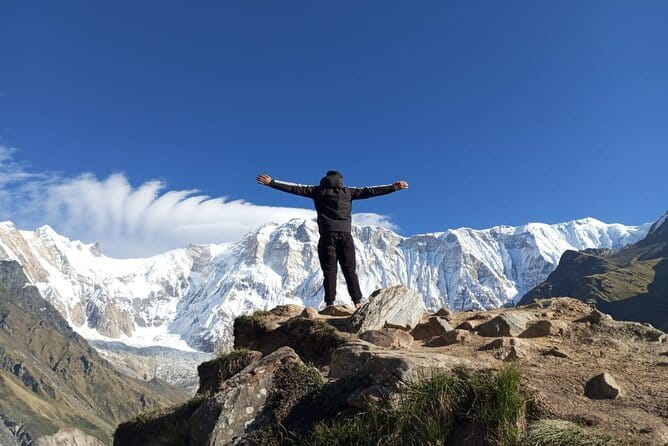
- Big vistas on a structured route: viewpoint days around Ghorepani and Poon Hill plus the final Base Camp focus
- Tea house trekking support: tea house accommodation is included while you hike
- Permits handled: TIMS and ACAP permits are included in the price
- A guide and porter team: licensed professional guide plus an expert local porter
- Transfers and hotels included: Kathmandu and Pokhara stays, plus bus travel between cities
Other approaches to the Sanctuary gate

Why Annapurna Base Camp is the right kind of hard
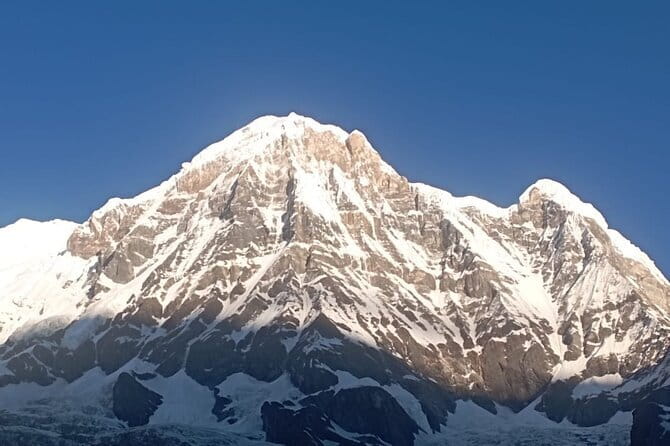
Annapurna Base Camp is famous because it gives you that rare mix of steady effort and clear destination payoff. You’re working uphill through different ecosystems, and the hiking days gradually crank up the altitude until Base Camp feels close to the ceiling of a normal trek vacation. That final elevation target matters, and the trip is designed around reaching 4,130m without turning it into a race.
I also like that this is not just about the last day. The route is paced so you get several chances to see the mountains from multiple angles, including a short-hike viewpoint day that many people use as motivation fuel early on. If you manage your effort, drink enough water, and follow your guide’s advice, you’ll feel the accomplishment long before you reach the endpoint.
The one caution is simply altitude reality. Even with a supportive plan, you still can’t treat 4,130m like a casual stroll. Take it slow, keep warm, and don’t assume you’ll feel fine just because the hiking starts easy.
Kathmandu and Pokhara: the warm-up that makes the trek easier
The trip begins with time in Kathmandu and a chance to settle before trekking starts in earnest. You’ll visit Pashupatinath Temple, one of the biggest and most beautiful temples in Kathmandu. It’s a powerful start point because it reminds you this trip isn’t only about mountains, it’s also about Nepal’s living culture.
Then you shift to Pokhara, where the schedule includes a visit to Pokhara Lake. Pokhara is the classic launchpad city for trekking in the region, and you’ll feel that difference right away. It’s a good place to reset your body after flights, adjust to local food timing, and get your head around the days ahead.
One practical note: the package covers airport to hotel to airport using private transport, plus lodging in both cities. That means less scrambling and more time for sleep and preparation, which matters when you’re about to start daily hikes.
Day-by-day pacing, and what each stop really gives you
This trip runs about 12 days (approx.), and the hiking portion is paced with a mix of walking days and viewpoint moments. You’ll enter the Annapurna Conservation area via Birethanti, then build toward Poon Hill, Chhomrong, and finally Base Camp.
Birethanti: the moment the trek truly begins
Day three includes Birethanti, an entry point into the Annapurna Conservation Area. This is one of those stops that can feel small on paper, but it’s the switch from city logistics into trek rhythm. You’ll start noticing the route more clearly, and it gives you a mental green light that the hike is real.
Also, conservation areas matter here because they mean permits are part of the framework. This operator includes the right paperwork (TIMS and ACAP), which takes a load off your planning stress.
Other lodge to lodge routes near Kathmandu
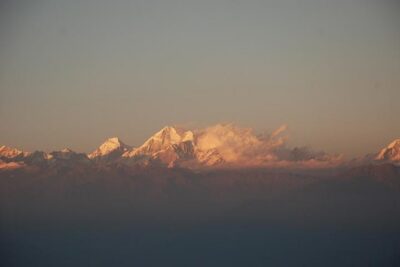
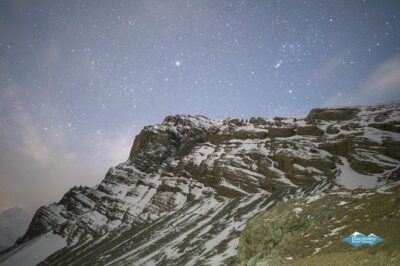
Ghorepani and Poon Hill: viewpoint fuel early on
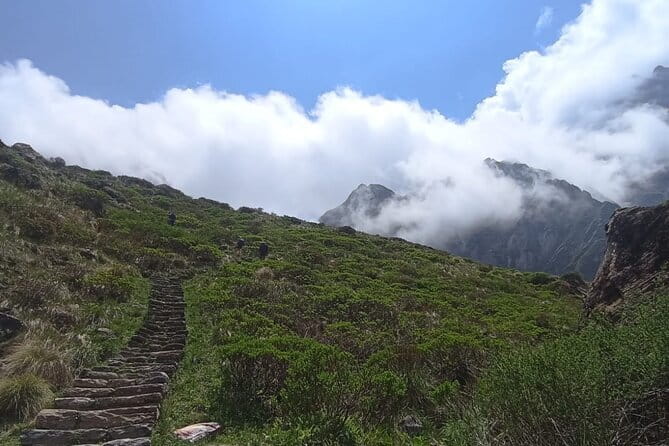
Ghorepani and Poon Hill are part of the classic short-hike viewpoint setup. Day four is built around that, and it’s a smart move because it gives you early mountain payoff. If you’ve ever wondered why some people light up at the start of a trek, this is why.
Then you walk from Ghorepani to Tadapani, about 5 hours on day five. That day is useful because it turns a viewpoint stop into forward progress. You’ll transition from the early excitement into the steady, day-by-day effort that makes Base Camp achievable.
Tadapani to Chhomrong: the village walk you remember
Day six is a walk to Chhomrong described as beautiful, and it’s usually the kind of route where you feel the trek’s human scale. Chhomrong is a village area, so the walk feels less like wilderness and more like a lived-in mountain corridor. That helps a lot if you like your trekking days to include people, homes, and familiar tea house routines.
Chhomrong is also a useful altitude transition in most ABC routes. Even if you don’t obsess over meters, you’ll feel the thinning air and the way warmth becomes more important.
Bambook section: a moderate day with steady payoff
Day seven treks to Bambook with a moderate walking pace. I like moderate days in trekking plans because they help you avoid the two extremes, pushing too hard on a tough day or stalling because you’re too cautious. This kind of day usually gives you time to enjoy paths, local stops, and the steady grind that keeps you healthy.
The Base Camp push: Annapurna Base Camp and the surrounding days
Day eight includes the trek to Annapurna Base Camp, which is the headline goal. Day nine includes a hike focused on trekking around Base Camp. Day ten is described as another major viewpoint route in the Annapurna region, so you get additional chances to see the mountains and soak in the area beyond just the first arrival.
Base Camp days are where you need to manage your energy carefully. You’ll likely spend time looking up, taking photos, and adjusting layers. When the air is cold and the view is demanding, it’s easy to overdo it. Your guide and porter team are there to keep the day practical.
Back down: returning to Kathmandu by tourist bus
Day eleven returns you to Kathmandu by tourist bus, which is a big convenience. You’ll stop trekking, drop the altitude stress, and shift back into comfortable travel mode. Day twelve is the final departure to go home.
That bus day matters more than people think. After days at higher elevation, a simple transfer you don’t have to organize yourself is a real quality-of-life win.
Tea houses, meals, and permits, what you get and what you should budget
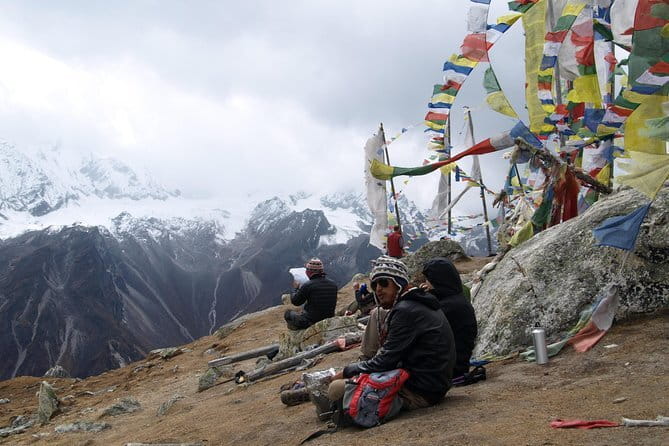
This plan is built around tea house accommodation on the trek, and it includes all meals during the hiking days: breakfast, lunch, and dinner, with cup of tea or coffee. That’s a practical inclusion because it reduces spending surprises and helps you keep a consistent eating rhythm, which is important for stamina.
You also get breakfasts at your Pokhara hotel and Kathmandu hotel. You’ll still want to budget for additional meals outside the included ones, plus any drinks hot and cold, since extra drinks are not included.
The permits are included too, with TIMS card and ACAP permits. That matters because trekking here is not just “walk a trail.” Proper permits are part of the system and reduce hassle at checkpoints.
The guide and porter team, the real value you feel each day
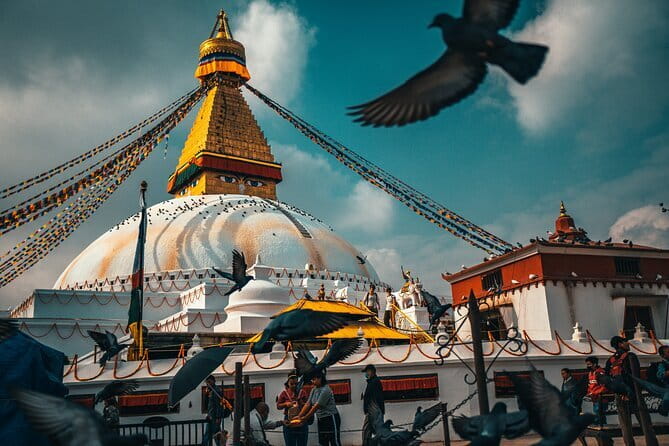
This operator includes a licensed professional trekking guide plus an expert local porter. That pairing changes the trek experience in a few subtle ways: less time thinking about logistics, better pacing, and more confidence when weather or altitude throws a curveball.
The standout from the praised experiences is professionalism. In past team setups linked to this operator, you may see guides such as Cecil and Sushil Gurung, alongside porters like Samu Gurung, Sujan Gurung, Bishal Gurung, and others. You should treat names like that as a helpful clue, not a guarantee, but it does signal the kind of staff the company tends to put forward.
I also like that the trip includes government taxes and fees and taxes. When those are included, it’s easier to compare trip value across operators, because you are not stuck estimating what might be added later.
Finally, tipping is not included. That means you should plan for it in your personal budget so you’re not scrambling at the end when you might feel tired and emotional.
Price check: what $935 buys you in plain terms

At $935 per person, this trek can feel like a steal or like a lot, depending on what you assume is included. Here’s the practical way to judge it.
Your price covers:
- Airport and hotel pickup and drop-off via private transport
- Kathmandu to Pokhara and back by tourist bus
- Two nights hotel in Pokhara with breakfast
- Two nights hotel in Kathmandu with breakfast
- All meals during the trek with tea or coffee
- Tea house accommodation during trekking
- TIMS and ACAP permits
- Licensed guide and local porter
- Government taxes and fees
What’s not included:
- Extra meals and extra accommodation in Kathmandu beyond what’s stated
- Extra drinks on the trek
- Wi-Fi on the trekking portion
- Personal expenses
- Travel insurance and evacuation insurance
- Tipping for guide and porter
To me, the key value is that you’re not paying extra for the core infrastructure: lodging, meals, permits, and the staffing that keeps you safe. If you already planned to pay for permits, meals, and a guide, then the $935 looks more like “pay once and go” than a risky budget gamble. If you’re the type who wants full freedom, you might compare solo costs, but for many people, this package is a clean deal.
Packing and fitness: moderate means you still need stamina
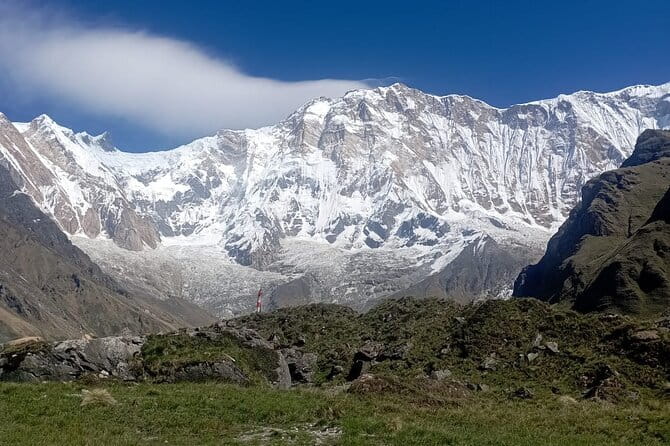
The trip calls for moderate physical fitness. That usually translates to being comfortable with daily hiking and being able to handle gradual altitude changes. It also means you’ll benefit if you do even basic pre-trip conditioning, like walking with a weighted daypack and practicing layering in cooler weather.
A practical heads-up: the meeting start time is listed as 1:15 am at the departure meeting point in Kathmandu. That can affect how you plan sleep the night before. Build buffer time, and don’t assume you can wing it on the morning logistics.
For trekking clothing, the main idea is layers you can adjust. At higher elevations, cold can sneak up on you even when the first part of the day feels manageable. If you pack for a mix of warm hiking and cold rest stops, you’ll have a better time.
Who should book this Annapurna Base Camp plan
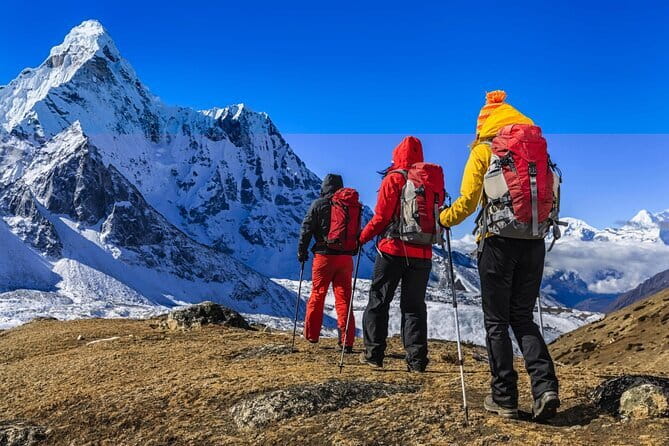
I’d steer this trek toward you if:
- You want a structured trip where permits, hotels, and trek meals are handled
- You like having a guide and porter team to keep the walk smooth
- You’re excited by viewpoint days like Ghorepani and Poon Hill
- You want a real mountain experience without trying to run the logistics yourself
I’d think twice if:
- You need a very relaxed walking pace every day
- You dislike cold weather days and the reality of altitude adjustments
- You want Wi-Fi and constant comfort on the trek portion, since Wi-Fi on trekking is not included
Also, it’s a private tour/activity, meaning only your group participates. That’s a plus for people who want a more personal pace, but it also means the group dynamics depend on who you travel with.
Final call: should you book Everest Trekking Routes for ABC?
If you’re aiming for Annapurna Base Camp with the least stress on permits, meals, and staffing, this plan makes sense. The included structure is the selling point: guide and porter support, tea house lodging, daily meals, and the Kathmandu and Pokhara legs taken care of.
My practical advice is to make a careful altitude and fitness reality check before you commit, and to plan your budget for tips, extra drinks, and travel insurance since those are not included. If you do that, you’re setting yourself up for a satisfying trek where the mountain payoff comes from both the destination and the way you reach it.
FAQ
How long is the Annapurna Base Camp trek?
The tour duration is listed as 12 days (approx.).
What altitude does the experience reach?
The trek is described as an altitude accomplishment at about 4,130 meters.
Where does the trip start and end?
It starts at Everest Trekking Routes Pvt. Ltd. on Timila Marg, Kathmandu 44600, Nepal, and ends back at the same meeting point.
Is airport and hotel pickup included?
Yes, airport to hotel and hotel to airport pickup and drop-off are included by private car, van, or bus.
Are permits included for the trek?
Yes, the tour includes trekking permits as a TIMS card and ACAP permit.
What meals and lodging are included on the trek?
All meals during the trek are included (breakfast, lunch, and dinner with a cup of tea or coffee), and tea house accommodation is included during the trekking days.
How do you travel between Kathmandu and Pokhara?
Kathmandu to Pokhara and return to Kathmandu are included by tourist bus.
Is Wi-Fi provided during the trekking portion?
No, Wi-Fi on the trekking is not included.
What is included in the price, and what is not?
Included: transport, specified hotel stays in Kathmandu and Pokhara with breakfast, all trek meals, tea house accommodation, permits, guide and porter, and government taxes. Not included: extra Kathmandu meals and accommodation, extra drinks, personal expenses, travel and evacuation insurance, and tipping for the guide and porter.
What is the cancellation policy?
You can cancel up to 24 hours in advance for a full refund. If you cancel less than 24 hours before the start time, the amount paid is not refunded.
Lodge to Lodge Around Kathmandu
The Rest of Our Kathmandu Write Ups
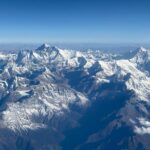

Through the Sanctuary Gate
Everything else we have reviewed around Kathmandu
- 12 Days Everest Base Camp Trekking
★ 5.0 · 3 reviews - 1 Night 2 Days Chitwan Jungle Safari Tour from Pokhara or Kathmandu
★ 3.0 · 3 reviews - Thamel Rickshaw tour
★ 4.7 · 3 reviews - Kathmandu: Momo Making Class with a Local Chef
★ 5.0 · 3 reviews - Kathmandu: Full-Day Yoga, Body Massage and Pedicure Package
★ 5.0 · 3 reviews - From Kathmandu / Pokhara / Chitwan: River Rafting – 1 Day
★ 4.6 · 3 reviews
Annapurna Base Camp Treks worth a second look.
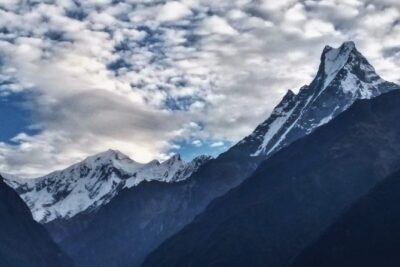 ★ 5.0Annapurna base camp trek 5 DaysFrom $699252 reviews
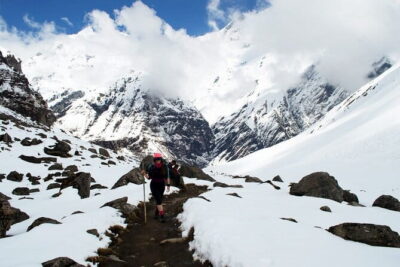 ★ 5.0Kathmandu to Annapurna Base Camp (ABC) 5-Day TrekFrom $99102 reviews
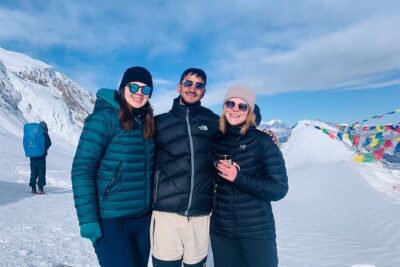 ★ 5.0Annapurna Base Camp Trek 12 DaysFrom $80085 reviews
 ★ 5.0Annapurna Base Camp TrekFrom $92580 reviews
 ★ 4.95-Day Annapurna Base Camp (ABC) TrekFrom $9672 reviews
★ 5.0Annapurna Base Camp TrekFrom $69959 reviews
★ 4.95-Day Annapurna Base Camp (ABC) TrekFrom $9672 reviews
★ 5.0Annapurna Base Camp TrekFrom $69959 reviews
 ★ 5.011-Day Hike Tour to Annapurna Base Camp Bliss in KathmanduFrom $1,30052 reviews
 ★ 5.0Private 7 – Day Annapurna Base Camp TrekkingFrom $62550 reviews
Lists this tour sits in