
REVIEW · ANNAPURNA BASE CAMP TREKS
Annapurna Base Camp Trek
Early trails lead to big mountain mornings. This 7-day Annapurna Base Camp trek out of Kathmandu is interesting because it runs on a simple plan that supports you end to end, from permits to daily meals, while still getting you deep into the Annapurna sanctuary. I love the government-licensed mountain guide and the care shown by guides like Suraj, Anos, and Laku. I also love the payoff at Annapurna Base Camp, where the effort lands with big peak views and sunrise energy. The one thing to consider is the early start and steady climbing over ridges, so moderate fitness is not optional.
You’ll get pickup offered and ground transportation that covers the Pokhara-to-trailhead links, plus 7 nights of accommodation while trekking. Meals are handled with breakfast, lunch, and dinner, and seasonal fruit shows up during the trek. If you need hot water, showers, or extra items like phone recharges, you’ll need to budget for them because those extras are not included.
In This Review
- Key highlights to look for
- Day by day: how the Annapurna Base Camp trek really plays out
- Getting from Kathmandu to the trek: pickup and an early start
- Day 1 to Ghandruk: Pokhara views and terraced village walking
- Day 2 to Chhomrong and Kimrong Danda: ridges, farms, and forest air
- Day 3 from Chhomrong to Bamboo in the Modi River gorge
- Day 4 toward the Annapurna base camp approach: Himalaya Hotel and Hinko cave
- Day 5 at Annapurna Base Camp: the sunrise payoff and the long walk back
- Day 6 to Jhinu Danda Hot Spring: Chhomrong ridge and a soak reward
- Day 7 back to Pokhara: a shorter final walk and Pokhara Museum time
- What you’re actually paying for: the $699.67 value check
- Guides like Suraj and Anos: why the service feels worth it
- Pacing, weather, and the moderate fitness reality
- Who this trek suits best
- Should you book this Annapurna Base Camp trek?
- FAQ
- What is the duration of the Annapurna Base Camp trek?
- Where does the trek operate from?
- What is the meeting start time?
- Is pickup included?
- What is included in the price?
- Are there any important items not included?
- What fitness level do I need?
- Is the group private?
- What is the cancellation policy?
Key highlights to look for
- Licensed guides who manage the details (permits, meals, and sensible pacing)
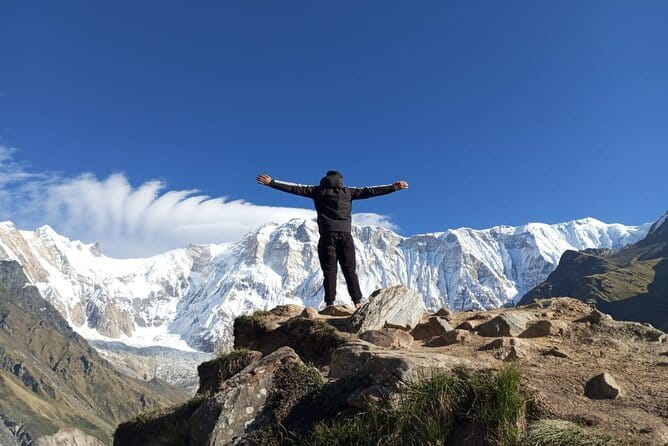
- Annapurna Base Camp sunrise moment with views of Annapurna South, Machhapuchhre, and Hiunchuli
- Village-to-forest trekking rhythm through terraced fields, rhododendron forests, and Gurung communities
- Good support for a moderate trek with three meals a day and a plan for accommodation
- Value in what’s included for a set price, especially permits and guide services
- Real human service you can request in advance, including guides like Suraj, Anos, and Laku
Other approaches to the Sanctuary gate

Day by day: how the Annapurna Base Camp trek really plays out
Getting from Kathmandu to the trek: pickup and an early start
This trek begins with an early meet time, 4:45 am, and the tour offers pickup. That matters because it helps you avoid the common Nepal-trek headache of scrambling for transport the morning you should be focused on your first hike.
Ground transport is included on the key legs around Pokhara, including connections from Syauli Bazar and Samrung Khola back to Pokhara. You’re also getting the permits handled for you, including the Annapurna Conservation Area Project permit (ACAP) and the TIMS card, which means you spend less time on paperwork and more time walking.
Day 1 to Ghandruk: Pokhara views and terraced village walking
Day 1 starts after an overnight in Pokhara, and you get that classic Himalayan intro. From Pokhara you can look toward the Annapurna Himalaya range and see Machhapuchhre, often called the Fish Tail.
After breakfast, you drive beyond Pokhara to start the trekking day toward Ghandruk. This first stretch is about finding your rhythm: terraced fields, rhododendron forests, and Gurung village life along the way. For many people, Ghandruk is the first place the trip starts to feel real, not just travel logistics.
What to watch: this is day one, so you’ll still be switching from city time to trek time. If you’re prone to getting winded, go slow and let your legs warm up before you judge the day.
Day 2 to Chhomrong and Kimrong Danda: ridges, farms, and forest air
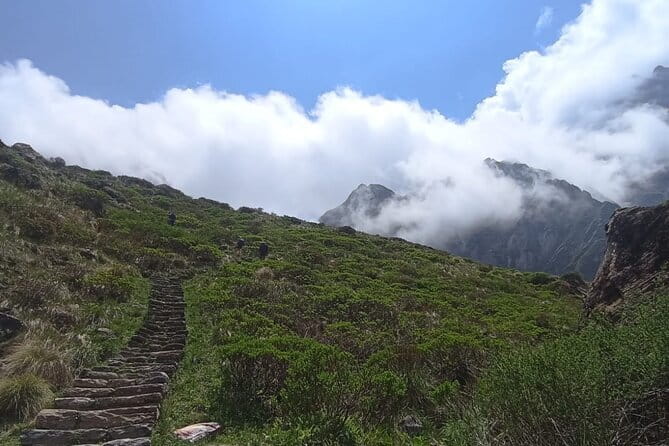
From Ghandruk, you begin with a gradual walk for a short while, then climb up to Kimrong Danda ridge. That ridge section is the pattern you’ll see repeatedly on the Annapurna side: effort goes up, then you get rewarded with downhill to a new valley system.
The trail then drops toward Kimrong River and continues into a cool forested feel before reaching a farm village area. The Chhomrong region is known for good “trekking village” energy, and this day gives you a good blend of views and surroundings instead of only one type of scenery.
Possible drawback to plan for: the itinerary includes long days, like 15-hour blocks listed for parts of the routing. Even if those blocks reflect total travel and trekking time, your real takeaway should be that you’re moving for much of the day.
Other lodge to lodge routes near Kathmandu
Day 3 from Chhomrong to Bamboo in the Modi River gorge
Day 3 continues the ridge-and-forest rhythm. After descending from Chomrong to a bridge, you climb again toward Sinuwa danda (another ridge), then walk through deeply forested areas on winding ups and downs.
Eventually you reach a place called Bamboo near the Modi River gorge. That “Bamboo” night stop is practical because it sets you up for the next day’s move closer to the Annapurna base camp area.
Why this day is valuable: gorge routes and forest sections tend to steady your breath. It’s not always the easiest walking, but the pattern gives you time to settle in and practice pace control, which will matter when you’re facing the base camp area later.
Day 4 toward the Annapurna base camp approach: Himalaya Hotel and Hinko cave

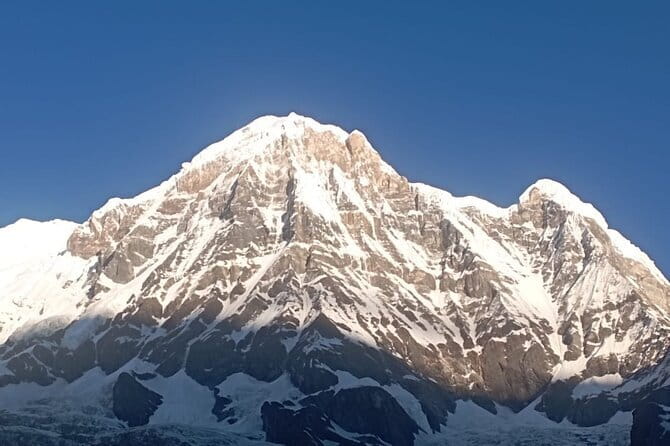
On Day 4, the route brings you close to the highlight. The walk goes past Himalaya Hotel, which sits near Hinko cave, and you’re under Annapurna South and Huin-Chuli peaks.
Then you move from the Himalaya Hotel area downhill toward the next section. Even without trying to force it, you’ll feel the altitude and the “big mountains are closer” sensation on this portion. It’s the day where the views stop being background and start being part of each break.
Practical note: aim for frequent short stops. You’ll keep your legs steadier and you’ll be able to enjoy the peak presence without burning out early.
Day 5 at Annapurna Base Camp: the sunrise payoff and the long walk back
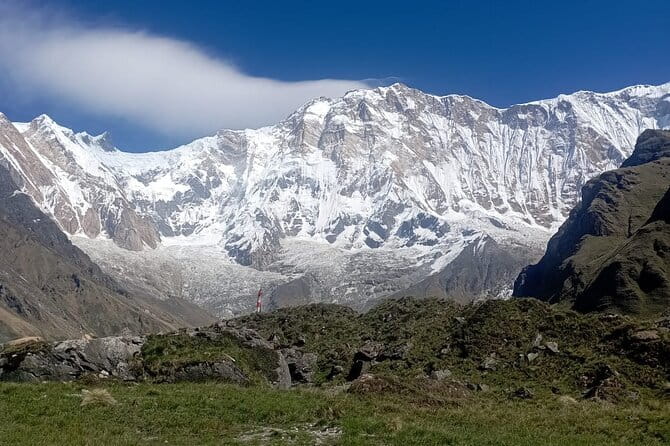
Day 5 is the day you’ve been training for in your head. You’ll enjoy scenic time at Annapurna Base Camp, after a walk that is listed as near six hours for the base camp segment.
Then it becomes a return day. You trek downhill with short ups to reach Bamboo again, going back through tall tree lines and lush vegetation. That mix is common in the Annapurna region, and it’s a good reminder that base camp is not a finish line, it’s a moment.
What I love about this setup: you’re not just rushing to the view. The itinerary gives you time at base camp, then lets you work your way back gradually, which is kinder on tired legs.
Day 6 to Jhinu Danda Hot Spring: Chhomrong ridge and a soak reward
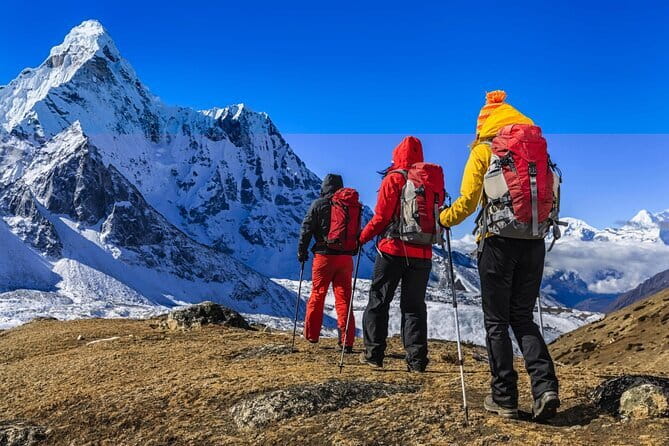
Day 6 turns the route toward recovery. You return on trails with ups and downs back toward Chhomrong, then divert to a fresh new trail to reach Jhinu located on a ridge.
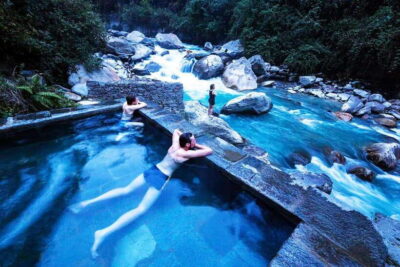
Jhinu Danda is specifically tied to the hot spring experience in the itinerary, and it’s usually the mental reward that helps you push through the last big walking day. After several days of hiking, warm water is one of the few comforts that can feel like medicine.
Consideration: hot spring time is best if you treat it like part of the trek plan, not an afterthought. Give yourself time to settle, then keep your warm layers ready for the walk back.
Day 7 back to Pokhara: a shorter final walk and Pokhara Museum time
Your last day includes a trek of about 4 hours and then a 2-hour drive back to Pokhara. In Pokhara you get a morning walk downhill through low and warm farm areas, followed by time at Pokhara Museum.
Day 7 is a “soft landing” compared to the trekking days. You’re likely to feel lighter on your feet, but you’ll still want to hydrate and eat like you mean it.
Why the museum stop is a smart add-on: it gives your brain a place to process what you just saw. You go from peak views and ridge walking back to understanding the region in a more grounded way.
What you’re actually paying for: the $699.67 value check
At $699.67 per person for about 7 days, the value here is mainly in what’s bundled. You’re not only paying for guide time. You’re also covered for:
- Three meals daily during the trek
- Annapurna permits (ACAP) and TIMS card
- A government license holder mountain guide
- 7 nights accommodation while trekking
- Ground transportation around the trek route, including the Pokhara connections
- Seasonal fruits during the trek
That matters because permits and transport can turn into surprise costs when you try to DIY. Here, the price aims to keep you from losing time and money to gaps in planning.
What’s not included, and why that matters: insurance is not included, and neither are some creature comforts like phone call costs, laundry, battery recharges, bottle of water, hot water, and shower access. If you want those, budget for them before you arrive, so you don’t have to do last-minute math on the trail.
Guides like Suraj and Anos: why the service feels worth it
The most consistently praised element is the people who run the trek. Guides like Suraj and Anos are described as professional, friendly, and attentive to planning, meals, and accommodation. Laku is also named as a guide who helps make the trek feel smooth and fun.
There’s also evidence of strong pre-trip communication. In one case, Anjan handled email, then WhatsApp for ease. That kind of back-and-forth helps you arrive with fewer surprises, especially when you’re coordinating an early start.
If you care about the guide, do this: request the names in advance. During hiking season, guides and porters can get scheduled, and you’ll want the team you’re most comfortable with.
Pacing, weather, and the moderate fitness reality
The trek is described as a moderate trekking region, and you should have moderate physical fitness. That sounds straightforward, but the itinerary gives you a clue: you’ll be moving over ridges and changing elevation for multiple days, with long blocks of walking time listed throughout.
Weather is also a real factor. The experience requires good weather, and if it’s canceled due to poor weather, you’ll be offered another date or a full refund. That means your plan must include some flexibility and an acceptance that mountains sometimes call the shots.
My practical advice: if you get winded quickly, train for steady effort. Focus on endurance, not speed. And if you’re someone who needs a lot of air, plan to take more frequent, smaller breaks.
Who this trek suits best
This Annapurna Base Camp trek is a strong match if you want:
- A guided, organized trek with meals handled
- Real mountain time at base camp, with sunrise views as a key moment
- Village trails plus forests, instead of only one type of scenery
- A moderate challenge without needing technical skills
It may be less ideal if you strongly prefer to control every detail yourself, or if you want to avoid early wake-ups. The 4:45 am meeting time and the steady climbing over days are central to how this itinerary is set up.
Should you book this Annapurna Base Camp trek?
I think you should book if you want a well-run, all-in planning experience that keeps the logistics simple while still delivering the classic Annapurna reward: reaching base camp and seeing the peaks at their most dramatic. The best part is that the core costs are packaged, permits and guide support included, so you’re not scrambling for essential items while you’re already tired.
I’d hesitate only if you’re not comfortable with early starts and long walking days, or if you know you’ll spend extra on showers, hot water, and frequent phone recharges. Those comforts are not included, and they can add up.
If you’re ready for a moderate trekking challenge and you value a guide-led experience with real human support, this one looks like a solid pick.
FAQ
What is the duration of the Annapurna Base Camp trek?
The trek is listed as 7 days (approx.).
Where does the trek operate from?
The location is Kathmandu, Nepal, with the trekking route connected through Pokhara as part of the ground transportation included.
What is the meeting start time?
The start time is 4:45 am.
Is pickup included?
Yes, pickup is offered.
What is included in the price?
Meals during the trek (breakfast, lunch, dinner), a government license holder mountain guide, ACAP permit and TIMS card, ground transportation, 7 nights accommodation on the trek, and seasonal fruits are included.
Are there any important items not included?
Travel and rescue insurance is not included. Also not included are bar bills, phone call costs, laundry, battery recharge, bottle of water, hot water, shower access, and tips for the guide.
What fitness level do I need?
The trek recommends travelers have a moderate physical fitness level.
Is the group private?
This is listed as a private tour or activity, with only your group participating.
What is the cancellation policy?
Free cancellation is available. You can cancel up to 24 hours in advance for a full refund, and weather cancellations can result in an offered different date or a full refund.
Lodge to Lodge Around Kathmandu
The Rest of Our Kathmandu Write Ups
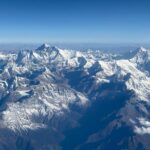

Through the Sanctuary Gate
Everything else we have reviewed around Kathmandu
- 12 Days Everest Base Camp Trekking
★ 5.0 · 3 reviews - 1 Night 2 Days Chitwan Jungle Safari Tour from Pokhara or Kathmandu
★ 3.0 · 3 reviews - Thamel Rickshaw tour
★ 4.7 · 3 reviews - Kathmandu: Momo Making Class with a Local Chef
★ 5.0 · 3 reviews - Kathmandu: Full-Day Yoga, Body Massage and Pedicure Package
★ 5.0 · 3 reviews - From Kathmandu / Pokhara / Chitwan: River Rafting – 1 Day
★ 4.6 · 3 reviews
Annapurna Base Camp Treks worth a second look.
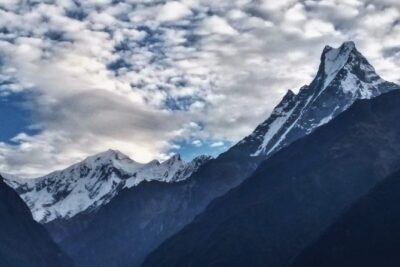 ★ 5.0Annapurna base camp trek 5 DaysFrom $699252 reviews
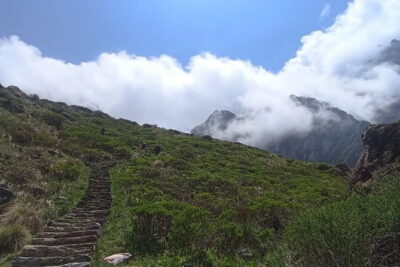 ★ 5.0Annapurna Base Camp TrekFrom $935111 reviews
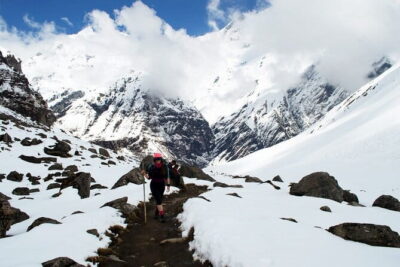 ★ 5.0Kathmandu to Annapurna Base Camp (ABC) 5-Day TrekFrom $99102 reviews
 ★ 5.0Annapurna Base Camp Trek 12 DaysFrom $80085 reviews
★ 5.0Annapurna Base Camp TrekFrom $92580 reviews
★ 5.0Annapurna Base Camp Trek 12 DaysFrom $80085 reviews
★ 5.0Annapurna Base Camp TrekFrom $92580 reviews
 ★ 4.95-Day Annapurna Base Camp (ABC) TrekFrom $9672 reviews
 ★ 5.011-Day Hike Tour to Annapurna Base Camp Bliss in KathmanduFrom $1,30052 reviews
 ★ 5.0Private 7 – Day Annapurna Base Camp TrekkingFrom $62550 reviews
Lists this tour sits in