
REVIEW · ANNAPURNA BASE CAMP TREKS
Annapurna Base Camp Trek 12 Days
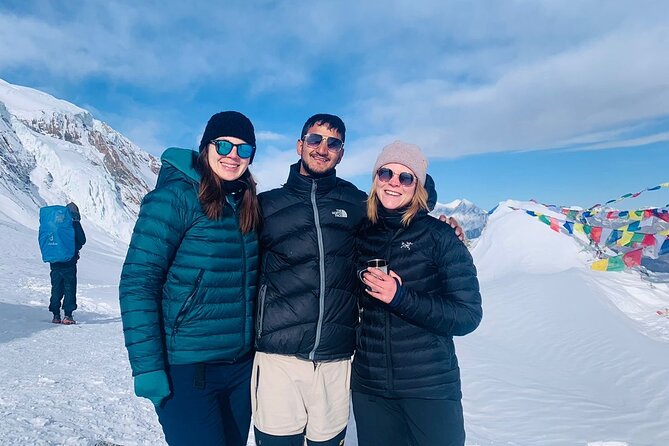
Trekking to Annapurna Base Camp feels like a long build-up to one big payoff. This package is interesting because you get a guided route with permits and planning handled, plus classic sunrise moments at Poon Hill and the base camp itself. I also like the way the group is set up for safety and flow, with a guide team that has led the Annapurna route many times, and with trekkers like Prajil and Bhairas Tamang earning real praise for pacing and care.
That said, you should consider the obvious thing with Nepal mountain treks: the schedule is tight on early starts, and weather can control whether you see sunrise views clearly. If cold mornings and hiking days that start before breakfast are not your style, you’ll want to plan your expectations carefully.
In This Review
- Key things I’d circle before you book
- Why Annapurna Base Camp keeps pulling people back
- Price and value: what $800 gets you (and what it doesn’t)
- Day 1: Landing in Kathmandu and getting your body on track
- Day 2: Kathmandu at dawn, then a bus ride toward Malekhu
- Day 3: Pokhara breakfast, then the hop to Nayapul
- Day 4: First mountain morning, sunrise views, and local noise
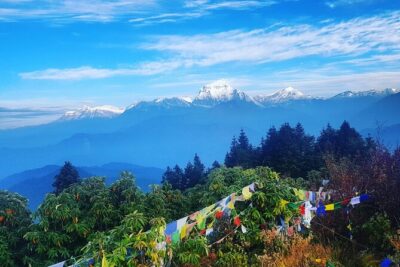
- Day 5: Poon Hill sunrise, a short hike, and a peak count you can actually picture
- Day 6: Downhill to Sinuwa, saying goodbye to Tadapani
- Day 7: Sinuwa sunrise views and the climb toward Deurali
- Day 8: Reaching Annapurna Base Camp, with Machhapuchhre Base Camp in the route
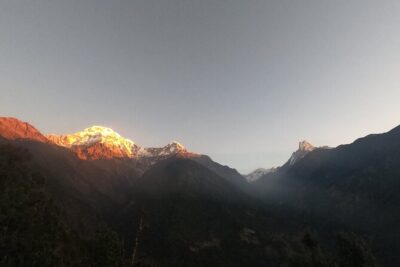
- Day 9: Dawn at Annapurna Base Camp, then returning to Sinuwa
- Day 10: Siwai and Chhomrong, plus the last big scenery stretches
- Day 11: Back to Kathmandu, free time, and a goodbye dinner
- Day 12: The trek ends, the airport drop happens, and your next step starts
- Guide support and safety rhythm, the stuff you feel daily
- What’s included on the trail: meals, tea/coffee, and water purification
- Practical packing advice for an early, cold-weather sensitive trek
- Fitness level and who this trek suits best
- Should you book this Annapurna Base Camp trek?
- FAQ
- What is the duration of the Annapurna Base Camp trek?
- Where does the tour start and when?
- What transportation is included between Kathmandu and Pokhara?
- Are meals provided during the trek?
- What trekking essentials for water are included?
- What permits and fees are included?
- Is there free cancellation?
Key things I’d circle before you book
- Sunrise logistics built in: Poon Hill early hike and a clean-weather chance for dawn at base camp.
- Permits and water setup included: ACAP, TIMS, local permits, plus purification drop/tablets.
- Transfers plus trekking support: airport transfer, Kathmandu to Pokhara transport, private vehicle legs around the trek start and finish.
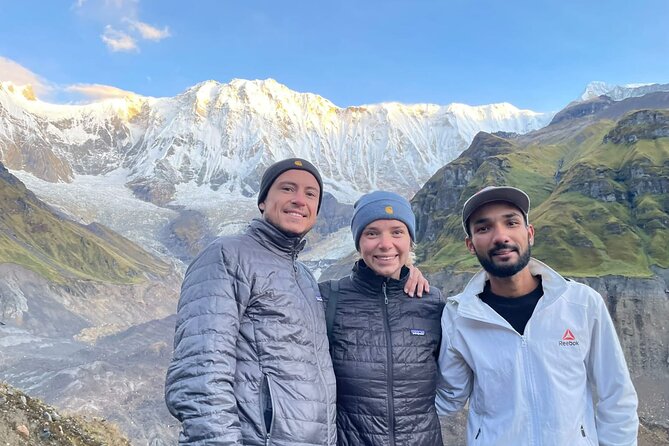
- A guide who manages pace: names like Bhairas Tamang and Prajil show up in feedback for watching group energy and stopping if someone needs help.
- Real village route, not just a viewpoint hunt: you move through places like Tadapani, Chhomrong, Sinuwa, Deurali, and beyond.
- Meals planned during the trek: breakfast, lunch, dinner plus tea/coffee while you’re on the trail.
Other approaches to the Sanctuary gate
Why Annapurna Base Camp keeps pulling people back
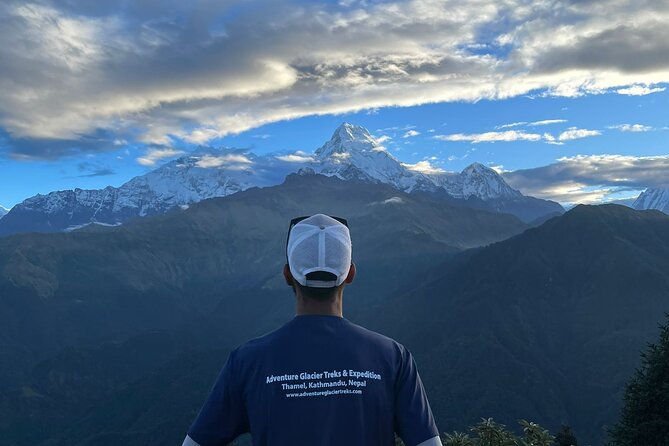
Annapurna Base Camp is not just a line on a map. It’s a trek where the scenery changes in a way you can feel day to day, from river valleys and farm villages to steeper terrain and high mountain staging areas. You do not just reach one photo spot. You earn it with long mornings, slow breathing, and the kind of anticipation that grows because you’re moving closer step by step.
What I like about this particular trek plan is that it’s built around sensible highlights. You get a sunrise day at Poon Hill, then you keep trekking toward higher country. And when you finally reach Annapurna Base Camp, the itinerary gives you a realistic rhythm: see the dawn if the sky cooperates, then return along rugged trails, not in a rushed straight line.
Price and value: what $800 gets you (and what it doesn’t)
At $800 per person for about 12 days, the headline price looks straightforward, but the real question is value for your time and stress level.
Here’s what you’re paying for that usually costs extra when you plan on your own:
- Guide support throughout the trek days
- 11-night accommodations during the tour
- Meals on the trek: breakfast, lunch, dinner, plus tea/coffee while trekking
- Permits and fees including ACAP, TIMS, and local permits
- Water purification drop/tablets
- Transportation pieces: airport transfer, Kathmandu to Pokhara and back by tourist bus, plus private vehicle service for the Pokhara to trek start and the trek end back to Pokhara
What’s not included is also clear, so you can budget without surprises:
- International flights and Nepal entry visa
- Travel and health insurance that covers emergency rescues and evacuations (this is a big one for any high-country trek)
- Lunch and dinner in Kathmandu and Pokhara
- Personal expenses like snacks, drinks such as beer, soda, juice, Wi-Fi, and so on
- Porter, if you want one (the trek can be done without, but you should honestly assess your load)
- Tips for the guide, which are expected
My practical take: this is good value if you want someone else to handle the permits, meal planning, and the messy logistics between cities and trailheads. If you already know the route, have a reliable guide contact, and prefer total DIY control, you might find cheaper options. But for most people, paying for structure is what turns a demanding trek into a manageable one.
Day 1: Landing in Kathmandu and getting your body on track
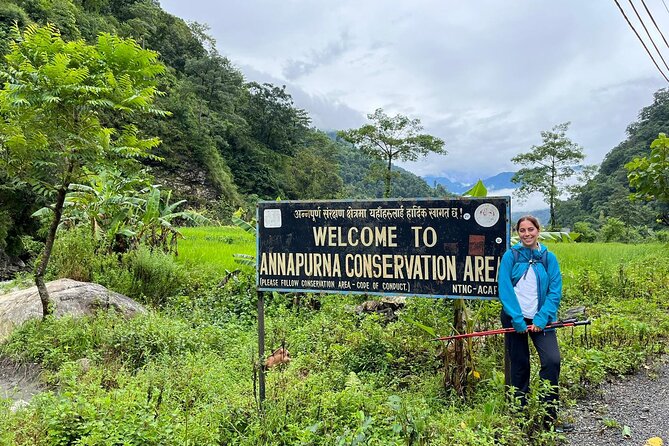
Your trek begins with a classic soft entry into Nepal. You meet the team at Tribhuvan International Airport, and if possible you get time to reset, rest, and do light prep before the mountains demand your attention. Then you’re escorted to your hotel.
This half-day buffer matters more than people think. Jet lag and first-day stress are real, and trekking punishes sloppy sleep. Even if you feel fine, your legs and lungs will thank you for a calm start.
One small note: the tour mentions pickup is offered, and the airport transfers are included for arrival and departure. So you’re not stuck negotiating taxis with a head full of new-country questions.
Day 2: Kathmandu at dawn, then a bus ride toward Malekhu
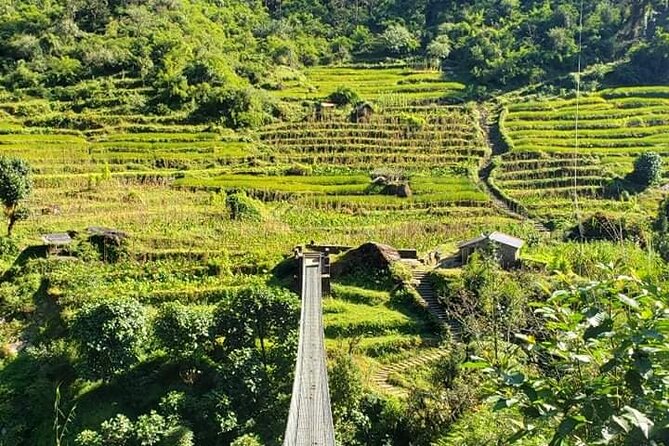
Day 2 starts early, with the guide meeting you around 6:30 am. You take a short walk to Sorakhutte bus station and catch a bus leaving 7:00 am. The drive reaches Malekhu after a short ride.
What to love here is the simplicity. You’re not jumping through multiple booking steps. Ground transportation is handled. And being on an organized schedule helps on treks like this, where missing a connection can domino into a late start on the trail.
The potential drawback is also simple: you’ll be awake early again. This trek has a repeated pattern of morning starts, so if early rising is hard for you, plan to be flexible from day two.
Other lodge to lodge routes near Kathmandu
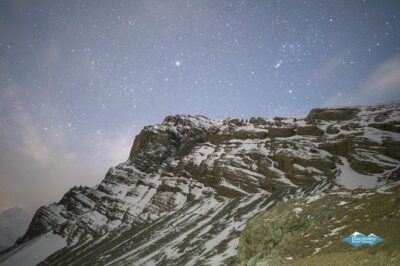
Day 3: Pokhara breakfast, then the hop to Nayapul
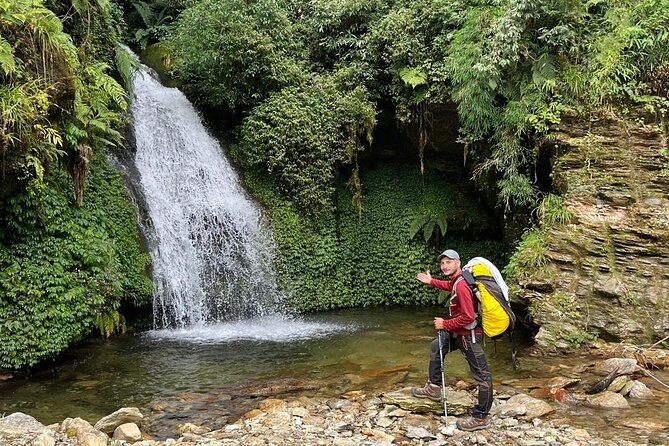
In the morning you eat breakfast in Pokhara. Then the guide arranges transport to the bus park, and you ride a sharing local bus or jeep toward Nayapul.
Nayapul is an important transition point. You’re moving from city transport rhythms to trekking rhythms, and the gear you packed (and the water plan you thought through) starts to matter. This is a good day to do a quick checklist: shoes laced properly, layers ready, and your purification tablets or drop ready for when water becomes part of daily life.
Day 4: First mountain morning, sunrise views, and local noise
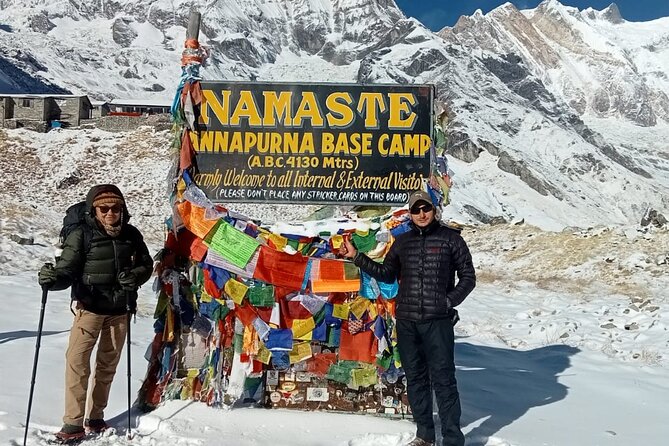
Day 4 is your first true mountain day. You wake up to local sounds like donkey, goat, hen, and dog, then get a sunrise moment while breakfast is served with views.
That mix is part of why Annapurna is memorable. The mornings feel alive, not staged. It’s not just mountains and silence. It’s a real human landscape where animals, footsteps, and small village life happen right alongside your big destination dreams.
What you should consider: the sounds and cold can be intense early in the season. If you’re sensitive to noise, pack earplugs. If you’re sensitive to cold, plan layers that actually work at sunrise, not just warm enough for midday.
Day 5: Poon Hill sunrise, a short hike, and a peak count you can actually picture
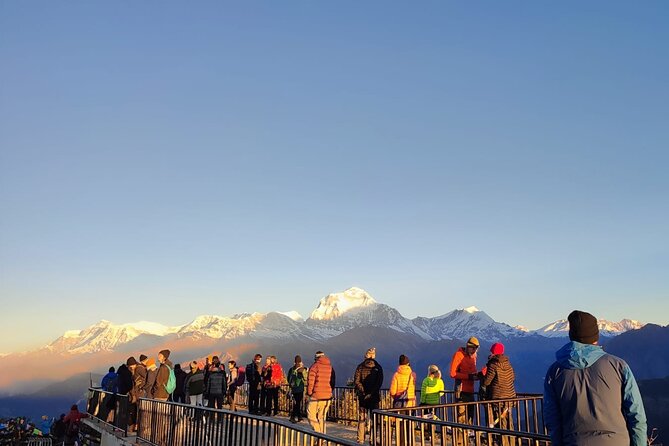
This is the day that gives you a huge scenic payoff with a relatively short hike. You wake early for a cold morning start, then hike 45 minutes to 1 hour to reach Poon Hill viewpoint for sunrise.
The reward is described as seeing 18 countable Himalayas peaks from that vantage. Whether every peak count matches your exact view depends on weather and visibility, but the point is the same: it’s a famous viewpoint stop, and the itinerary is built around making it happen before the day gets warm.
The downside: sunrise hikes are time-sensitive. If clouds roll in, you might get partial views. This is why the trek includes several mountain days, not just one big visibility gamble.
Day 6: Downhill to Sinuwa, saying goodbye to Tadapani
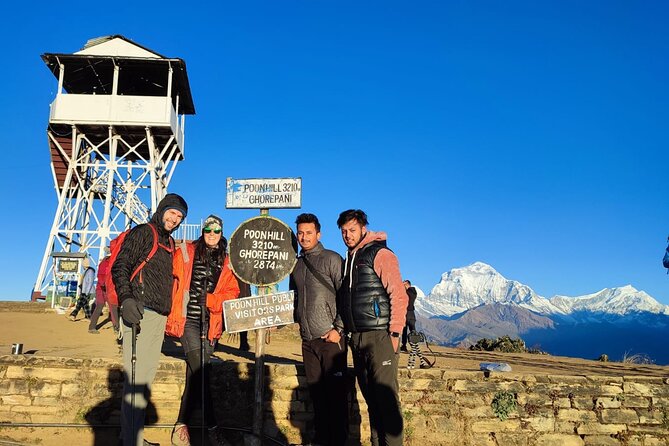
Day 6 shifts the effort level in a helpful way. The hike is described as enjoyable and easier because it trends downhill to Sinuwa. You pass through areas that include views of Modi and Chhomrong Khola, then arrive around Chhomrong.
Downhill days can be mentally easier, but physically tricky too. Your knees and calves still do work when you’re descending, especially on uneven stone paths. This is a good day to use hiking poles if you have them and to keep your pace conservative when your footing gets rocky.
Day 7: Sinuwa sunrise views and the climb toward Deurali
You get another sunrise view moment from Sinuwa, then after breakfast you start ascending toward Deurali. The itinerary notes about one and a half hours of climb to Bamboo, and then you come closer to Deurali as the day continues.
This is where the trek starts feeling more serious. Your pace matters. A good guide helps you find a breathing rhythm that’s steady, not frantic. In the feedback patterns I saw, guides such as Bhairas Tamang were praised for keeping a good pace and checking in if someone got tired, which is exactly what you want on a climb day.
Day 8: Reaching Annapurna Base Camp, with Machhapuchhre Base Camp in the route
Day 8 is the “we made it” day. You trek to Annapurna Base Camp, surrounded by dramatic mountains. You move toward the base camp after passing through Machhapuchhre Base Camp.
Even without fancy extras, this day has a lot going for it. First, it’s your target. Second, the route feeds anticipation because you know you’re closing in. And third, base camp scenery tends to feel concentrated. You notice the air, the slopes, and the way viewpoints stack up.
One practical note: base camp days are often influenced by weather, not by effort. If skies are clear, the views can be sharp. If they are not, you’ll still get the sense of arrival, but you might spend more time in clouds.
Day 9: Dawn at Annapurna Base Camp, then returning to Sinuwa
If the weather is clean and clear, the trek includes watching dawn from Annapurna Base Camp. After breakfast, you return to Sinuwa using rugged trails and sparsely forested areas.
This is a very normal pattern for the Himalayas. After your peak day, the next job is to move safely and steadily back down. It can feel mentally harder than the initial hike because you might be tired, but the workload is still mostly your legs and balance.
You’ll appreciate the guide’s job here. Good pacing is what prevents knee and ankle problems. If you tend to rush on the way down, now is the time to slow down.
Day 10: Siwai and Chhomrong, plus the last big scenery stretches
Day 10 is described as a trek of about two hours to Siwai from Sinuwa. Then you ascend to Chhomrong, taking in views of mountains, cascades, and charming farmlands.
Because this day includes both downhill and ascent elements, it can feel like a “mixed bag.” Mentally, it’s also a wind-down day, which is when people often forget to watch their footing. Keep your attention on the trail surface and the weather.
The itinerary portion shown suggests that after this, you continue toward the ending logistics that connect you back to Pokhara.
Day 11: Back to Kathmandu, free time, and a goodbye dinner
After breakfast you leave Pokhara and head back to Kathmandu. Once you arrive, you get rest and free time for shopping or relaxing. In the evening, you enjoy a goodbye dinner.
This is one of my favorite parts of a trek. You get to move from “watch the ground” into “walk without planning every step.” It’s also a chance to replace the small items you realized you needed mid-trek, like extra warm socks or a better headlamp.
Day 12: The trek ends, the airport drop happens, and your next step starts
On the last day, the trek finishes and you have your final time in Kathmandu. Then you fly onward to your next destination. The team drops you at the airport.
This structure is valuable because the hardest part of travel is not hiking. It’s transitions. Getting the handoff right means fewer last-day surprises.
Guide support and safety rhythm, the stuff you feel daily
The biggest repeated strength I noticed in feedback is human support. People emphasized that they felt safe, that organization ran smoothly, and that guides cared about pace and wellbeing.
Names that showed up strongly include Bhairas Tamang, praised for being funny, helpful with tour explanations, and stopping to make sure everyone was okay if someone got tired. Prajil also came up for being supportive and for bringing snacks for tea time in guesthouses, which is the kind of small comfort that makes cold trekking days easier.
You’ll also see communication roles like Kul and support staff names such as Uttar and Buddha mentioned as helpful during the trek. That matters because on a mountain route, help often shows up in small moments: a quick answer, a reminder about water, or help finding a good tea stop when the weather shifts.
And from the tour description itself, the operator highlights two decades of Himalayan leadership and a mapping approach built on repeating the route many times. You cannot remove risk from trekking. But you can reduce avoidable chaos, and that is what a strong guide team does.
What’s included on the trail: meals, tea/coffee, and water purification
During trekking, you get breakfast, lunch, and dinner, plus tea/coffee. That’s not a small deal. It saves money and it saves mental bandwidth, because you do not have to hunt for food each day.
You also get a trekking map and water purification drop/tablets. This is one of those “boring but important” inclusions. You still have to drink enough to stay steady, but you do not have to guess how to purify water in the moment.
Just remember: the trek still comes with personal expenses for snacks and drinks. Water is handled, but comfort items are not.
Practical packing advice for an early, cold-weather sensitive trek
The itinerary clues point to cold mornings and early starts: sunrise at Poon Hill, dawn at base camp if clear, and hiking that begins before daylight several days.
Pack like you’re planning for cold in layers. You’ll likely want:
- A warm mid-layer and a jacket that blocks wind for sunrise and early descents
- Gloves and a hat for early hours
- Hiking shoes or boots with good grip for rocky trail sections
- A daypack that fits comfortably when you’re hiking for hours
- Any personal medicine you rely on
- Earplugs if village sounds bother you when you’re sleeping
Also, take your water plan seriously. Even with purification tablets included, you still need to remember to refill and drink. The trek becomes easier when you treat hydration like a schedule, not like a random event.
Fitness level and who this trek suits best
The tour says it fits travelers with a moderate physical fitness level. That’s a helpful sign because Annapurna Base Camp is demanding, but it’s also not built like a pure endurance race in the way some higher-intensity Himalayan routes are.
This trek fits you best if:
- You can handle early mornings and long hiking days
- You want a structured plan with guide support and permits handled
- You like sunrise viewpoints and want those moments built into the schedule
- You prefer village-to-village trekking rather than a purely car-and-hike itinerary
It may be less ideal if you hate cold starts, struggle with consistent uphill and downhill effort, or want a lot of guaranteed indoor time. The itinerary is outdoors focused.
Should you book this Annapurna Base Camp trek?
If your priority is a guided route with permits, meals on trek, and transport handled from Kathmandu to Pokhara and back, I think this is an easy choice. The $800 price looks fair when you account for what’s included: guide, accommodations, meals, purification tools, and the paperwork that can slow down DIY planning.
You should also book only if you accept two realities:
1) sunrise views depend on weather, not effort
2) the early-morning schedule is part of the deal
If that works for you, this trek has the right mix of structure and classic Annapurna moments, plus guide support that people explicitly praise for pacing and care.
FAQ
What is the duration of the Annapurna Base Camp trek?
It’s listed as 12 days approximately.
Where does the tour start and when?
The start point is Tribhuvan Airport in Kathmandu, Nepal, with a start time listed as 6:15 am.
What transportation is included between Kathmandu and Pokhara?
Ground transportation from Kathmandu to Pokhara and back is included by tourist bus. There is also private vehicle service from Pokhara to the trek start point and from the trek ending point back to Pokhara.
Are meals provided during the trek?
Yes. Meals while trekking are included as breakfast, lunch, and dinner, plus tea/coffee.
What trekking essentials for water are included?
The package includes water purification drop or tablets.
What permits and fees are included?
All applicable permits and fees are included, including ACAP, TIMS, and local permits.
Is there free cancellation?
Yes, free cancellation is available. You can cancel up to 24 hours in advance for a full refund, based on the experience’s local time.
Lodge to Lodge Around Kathmandu
The Rest of Our Kathmandu Write Ups

Through the Sanctuary Gate
Everything else we have reviewed around Kathmandu
- 12 Days Everest Base Camp Trekking
★ 5.0 · 3 reviews - 1 Night 2 Days Chitwan Jungle Safari Tour from Pokhara or Kathmandu
★ 3.0 · 3 reviews - Thamel Rickshaw tour
★ 4.7 · 3 reviews - Kathmandu: Momo Making Class with a Local Chef
★ 5.0 · 3 reviews - Kathmandu: Full-Day Yoga, Body Massage and Pedicure Package
★ 5.0 · 3 reviews - From Kathmandu / Pokhara / Chitwan: River Rafting – 1 Day
★ 4.6 · 3 reviews
Annapurna Base Camp Treks worth a second look.
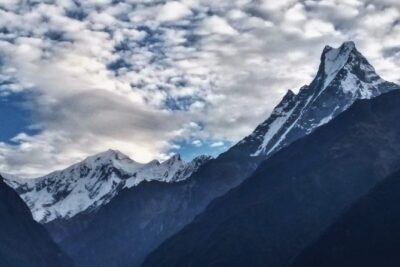 ★ 5.0Annapurna base camp trek 5 DaysFrom $699252 reviews
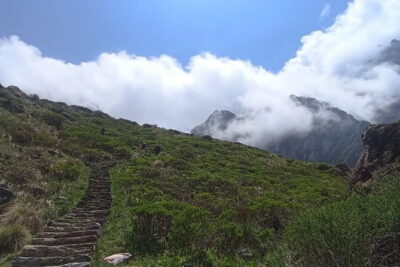 ★ 5.0Annapurna Base Camp TrekFrom $935111 reviews
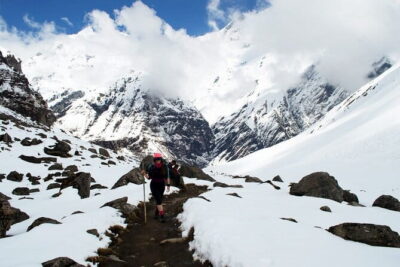 ★ 5.0Kathmandu to Annapurna Base Camp (ABC) 5-Day TrekFrom $99102 reviews
★ 5.0Annapurna Base Camp TrekFrom $92580 reviews
★ 5.0Kathmandu to Annapurna Base Camp (ABC) 5-Day TrekFrom $99102 reviews
★ 5.0Annapurna Base Camp TrekFrom $92580 reviews
 ★ 4.95-Day Annapurna Base Camp (ABC) TrekFrom $9672 reviews
★ 5.0Annapurna Base Camp TrekFrom $69959 reviews
★ 4.95-Day Annapurna Base Camp (ABC) TrekFrom $9672 reviews
★ 5.0Annapurna Base Camp TrekFrom $69959 reviews
 ★ 5.011-Day Hike Tour to Annapurna Base Camp Bliss in KathmanduFrom $1,30052 reviews
 ★ 5.0Private 7 – Day Annapurna Base Camp TrekkingFrom $62550 reviews
Lists this tour sits in