
REVIEW · ANNAPURNA BASE CAMP TREKS
Annapurna Base Camp Trek (8 days)
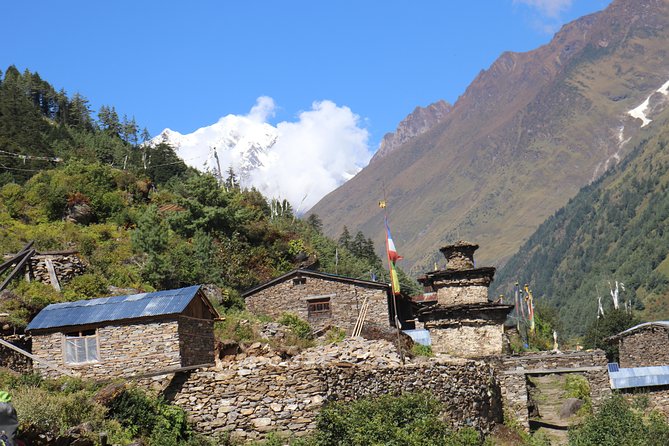
Hiking into Annapurna felt like a movie. This Annapurna Base Camp trek is built around tea-house comfort, local Gurung culture, and big mountain moments like sunrise over the high peaks. You go with Madu, a Pokhara-based guide with 10+ years in the mountains, and you also learn about the people and nature around the sanctuary.
Two things I really like about this experience are how logistics are handled (permits, planning, and getting you from place to place), and how the trek keeps you moving at a human pace with time to enjoy the trail. One drawback to consider is that the mountains run on weather, so you need a little flexibility, plus the trek can sometimes be completed faster than the headline schedule.
In This Review
- Key highlights to look for
- Annapurna Base Camp, the moment you’ll remember
- Meet Madu in Pokhara, and let him manage the moving parts
- Tea houses, meals, and the simple comfort strategy
- Walking the Annapurna Sanctuary: forests, trails, and real pacing
- Machapuchare stop and the classic view payoff
- Sunrise over the Himalayas, and why timing matters
- The price, what you get for $650, and what you still need to budget
- How long is it really, and why you should ask about pace
- Who should book this trek, and who might want a different fit
- Book it or skip it: my decision checklist
- FAQ
- Is pickup included for the Annapurna Base Camp trek?
- How much does the trek cost?
- What permits are included?
- Are meals and lodging included during the trek?
- Can the trek be shortened or lengthened?
- Do I need to bring my own trekking gear?
- What happens if weather is bad?
Key highlights to look for
- Madu as your guide: local trekking experience and a calm, practical approach on the trail
- Tea house lodging and meals included: you do not spend trek days figuring out food and beds
- Permits covered in advance: TIMS and Annapurna Conservation Area Project permits are included
- Annapurna Sanctuary walking: forests and mountain paths, with chances to slow down and take it in
- Machapuchare stop plus base camp sunrise views: classic Himalayan photo moments, if clouds play along
- Fully customizable route: you can add or subtract days and include options like Poon Hill, the Annapurna Circuit, or Mardi Himal
Other approaches to the Sanctuary gate
Annapurna Base Camp, the moment you’ll remember
Annapurna Base Camp is popular for a reason. The trail has that rare mix of real daily hiking, lived-in village life, and then suddenly the mountains take over the whole horizon. You spend days working forward step by step through the Annapurna Sanctuary area, and by the time you reach base camp, the effort starts to feel worth it in a very tangible way.
What makes this trek especially appealing is that it is not just about checking a box. You get time in tea houses, you eat local food, and you share the route with other trekkers long enough to turn strangers into quick friends. That matters because ABC is not a one-hour sightseeing trip. It is a slow build, and the small interactions along the way are part of the memory.
I also like the way this trek frames the experience. You are not only walking through scenery. You learn about nature around the sanctuary and the lifestyle and food of the Gurung people, which adds meaning to stops that might otherwise feel like just another break.
Meet Madu in Pokhara, and let him manage the moving parts
Your experience revolves around Madu, a local professional guide from Pokhara with over 10 years of trekking and guiding. In practice, that means you are not trekking with a random route app and a prayer. You have someone who knows how this area works, how to keep things safe, and how to handle the normal friction that pops up on mountain trips.
The biggest value of a guide like this is stress reduction. The trip is designed so permits and logistics are taken care of, which is not a minor detail. In a place like Nepal, paperwork and timing can be the difference between a smooth start and an awkward scramble.
A theme that comes up again and again in experiences with Madu is that he does not rush people just to hit a schedule. If you are the type who wants to enjoy the trail, take a break when the view hits, and walk without pressure, that style fits well. It is also worth noting that the company emphasizes safety and fun, so you should expect a guide who balances both.
Tea houses, meals, and the simple comfort strategy
One of the smartest parts of this tour is the inclusion of tea house lodging and all meals during the trek. That changes the feel of the trip. You can hike and then focus on rest instead of constantly asking what you will eat tonight or where you will sleep.
Tea houses are a big part of the Annapurna trek culture, and it is not just about convenience. Staying in these places keeps you close to the rhythm of the region. You will see how locals run simple guest spaces, eat meals that are common to the area, and spend evenings in a warm, communal setting rather than in some sealed-off hotel bubble.
The tradeoff is obvious but important: you still need to come prepared. Trekking gear is not included, and you should have your own basics. If you show up without the right layers or shoes, the trek stops being fun fast, even with good tea house comfort waiting at the end of each day.
Walking the Annapurna Sanctuary: forests, trails, and real pacing
This trek focuses on the popular Annapurna Base Camp and Annapurna Sanctuary approach. You will walk through jungle-like forest sections and then gradually into more dramatic mountain terrain as you head toward base camp.
For most people, the best part of this section is the contrast. You start with shaded forest walking where the day feels doable and steady. Later, as the air changes and the path trends toward the sanctuary’s higher feel, the views start to pull you forward. It is a gradual escalation, not a single jump.
You should also expect that your pace will matter. The trek is described as customizable, which usually means you are not locked into one harsh, rigid timetable. If you want a shorter or longer version, or you want to attach extras like Poon Hill, the route can be adjusted. That flexibility is useful if you are traveling with a different fitness level than you originally planned, or if you want more time for photography and slower breaks.
Practical note: “moderate physical fitness” is the fitness target. That is a friendly way of saying you need to be comfortable hiking for hours with a steady effort, not sprinting from one viewpoint to the next.
Other lodge to lodge routes near Pokhara
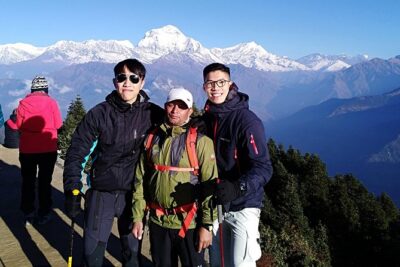
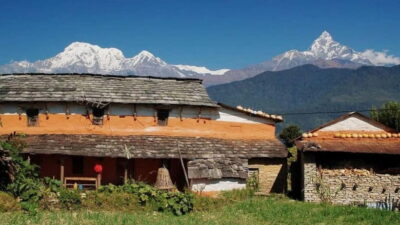
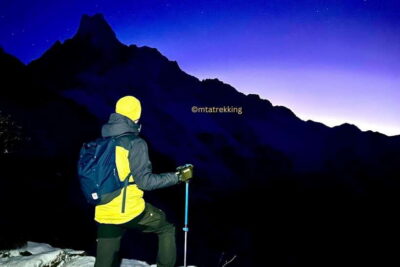
Machapuchare stop and the classic view payoff
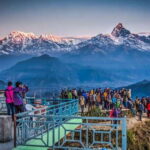
One day includes a stop at Machapuchare (also called Fishtail). This peak is one of the most recognizable on the Annapurna side, and its shape is exactly why photographers get excited. Even without obsessing over angles, you can feel the difference when that silhouette shows up.
What I like about including a dedicated Machapuchare stop is that it gives you a real reason to pause. The base camp sunrise moment is the headline, but intermediate views like Machapuchare are often where you get your first “this is real” reaction. It makes the trek feel like a progression instead of one big finish line.
Because weather controls visibility in the mountains, you should treat view days like team effort with the sky. If clouds roll in, you might lose some clarity. If the weather cooperates, the mountains can look unreal in the best way.
Sunrise over the Himalayas, and why timing matters
A major promise of ABC is the sunrise view cresting over the Himalayan peaks from base camp. That is exactly the kind of moment that turns a week of hiking into a lifetime memory.
But sunrise trekking is also timing discipline. You can plan for early starts in cold conditions, and you will likely need to be ready for changing mountain weather. One supplied experience notes that in December it is cold, but the weather can be really sunny, which is the best-case scenario for getting a clear shot.
So here is the practical way to think about it: sunrise is worth it, but you cannot control the clouds. This is why the trip frames weather as a real factor, including the option to switch dates or receive a full refund if the trek is canceled due to poor weather.
The price, what you get for $650, and what you still need to budget
At $650 per person, this trek can feel like a solid value because it bundles several expensive-to-organize items into one package: private transportation, permits (TIMS and the Annapurna Conservation Area Project), tea house lodging, and all meals during the trek.
That said, the price is not the full story. Here is what is not included:
- Trekking gear (you need to bring your own)
- Porter services (you would need to arrange this separately if you want help carrying)
- Personal expenses
- Any fees and taxes not covered in the package
This is where you should do a quick mental math check. If you already own proper boots, layers, and a daypack, you are set. If you need to buy gear, your real trip cost rises fast. If you want a porter to take some weight off, you will likely need to pay extra.
Also note that the tour is described as a private activity, meaning only your group participates. Private tours tend to cost more than group departures, so make sure you actually want that level of attention and flexibility.
How long is it really, and why you should ask about pace
The tour duration is listed as about 8 days, but it is also presented as customizable. In one provided experience, a trek booked as 8 days ended up completed faster, around 5 days, and there was no compensation if the trek finished earlier.
That tells you something important. You should ask, before you go, how the schedule works if conditions are faster or slower than expected. If you have work or flight constraints, build in buffer time. If you are traveling with a tight timeline, this is one of those details that can save you headaches.
Who should book this trek, and who might want a different fit
This is a great match if you:
- Want a guided ABC experience focused on local culture, not just a conveyor-belt hike
- Prefer tea house lodging and included meals so you can spend energy on walking
- Appreciate someone like Madu who takes logistics seriously and keeps the hike enjoyable
- Like the idea of customization, including options like Poon Hill, the Annapurna Circuit, or Mardi Himal
You might think twice if:
- You want a strict, unchangeable day-by-day schedule with zero variability
- You do not already have trekking gear and would rather not deal with buying or renting it
- You strongly need a porter included in the price
If you are traveling with a moderate fitness level and a flexible mindset, this trek hits the sweet spot.
Book it or skip it: my decision checklist
I would recommend booking this ABC trek if you want good value with key items included, and you like the idea of a local guide taking care of permits and logistics. The mix of tea house comfort, included meals, and a guide like Madu is a strong practical combo.
Before you commit, do these three things:
- Confirm what you will carry and whether you want a porter (since porter services are not included).
- Ask how timing works if the trek finishes faster than the headline duration, especially if you have flights.
- Plan for cold nights in the mountains and be ready for weather to affect visibility, even if December can be sunny.
If you check those boxes, this is the kind of trek that can turn into your personal “I cannot believe I did that” story. And with Madu guiding, you are far more likely to enjoy the journey than worry about the logistics.
FAQ
Is pickup included for the Annapurna Base Camp trek?
The tour includes pickup offered, and private transportation is part of what is included.
How much does the trek cost?
The price listed is $650.00 per person.
What permits are included?
The package includes permits for TIMS and the Annapurna Conservation Area Project.
Are meals and lodging included during the trek?
Yes. You get tea house lodging during the trek and all meals during the trek.
Can the trek be shortened or lengthened?
Yes. The trek is described as fully customizable, so you can do a shorter or longer trek and you can add options like Poon Hill, the Annapurna Circuit, or Mardi Himal if you contact the operator.
Do I need to bring my own trekking gear?
Yes. Trekking gear is not included, and trekkers are expected to have their own gear.
What happens if weather is bad?
The experience requires good weather. If it is canceled due to poor weather, you will be offered a different date or a full refund.
Lodge to Lodge Around Pokhara
The Rest of Our Pokhara Write Ups


Through the Sanctuary Gate
Everything else we have reviewed around Pokhara
- Pokhara: Cable Car Tour – Bird Eye View of Mountain & Lake
★ 4.4 · 3 reviews - Jomsom Muktinath Tour by 4WD SUV 2 Days
★ 5.0 · 3 reviews - Ghorepani Poonhill Private Trek – 2 nights / 3 days
★ 4.5 · 3 reviews - Pokhara: 30-Minute Paragliding Adventure with pick up/drop off
★ 4.5 · 3 reviews - Pokhara: 7-Day Annapurna Base Camp Trek via Ghandruk
★ 4.3 · 3 reviews - Pokhara Group Joining Sarangkot Sunrise Himalayas Tour
★ 5.0 · 3 reviews
Annapurna Base Camp Treks worth a second look.
 ★ 5.0Annapurna base camp trek 5 DaysFrom $699252 reviews
 ★ 5.0Annapurna Base Camp TrekFrom $935111 reviews
 ★ 5.0Kathmandu to Annapurna Base Camp (ABC) 5-Day TrekFrom $99102 reviews
 ★ 5.0Annapurna Base Camp Trek 12 DaysFrom $80085 reviews
★ 5.0Annapurna Base Camp TrekFrom $92580 reviews
★ 5.0Annapurna Base Camp Trek 12 DaysFrom $80085 reviews
★ 5.0Annapurna Base Camp TrekFrom $92580 reviews
 ★ 4.95-Day Annapurna Base Camp (ABC) TrekFrom $9672 reviews
★ 5.0Annapurna Base Camp TrekFrom $69959 reviews
★ 4.95-Day Annapurna Base Camp (ABC) TrekFrom $9672 reviews
★ 5.0Annapurna Base Camp TrekFrom $69959 reviews
 ★ 5.011-Day Hike Tour to Annapurna Base Camp Bliss in KathmanduFrom $1,30052 reviews
Lists this tour sits in