
REVIEW · ANNAPURNA BASE CAMP TREKS
6 days Annapurna Basecamp Trek
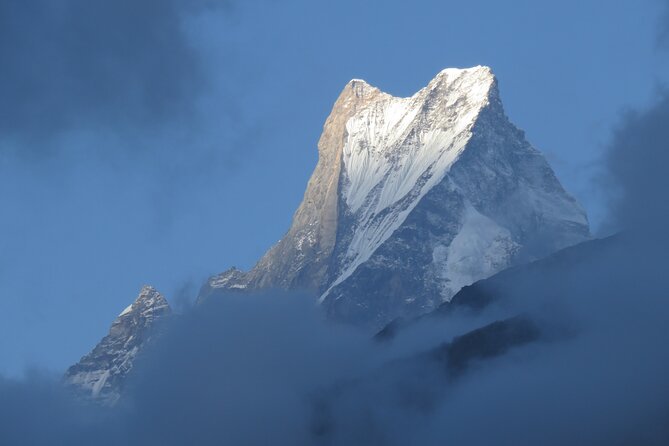
Watching the mountains change color is a rare treat. This 6-day Annapurna Basecamp trek is built around classic foothill villages, a long suspension bridge over the river, and big Annapurna views without the long, weeks-long commitment.
I especially like that it’s framed as the shortest and safest version of the ABC trek. You get teahouse accommodation each night, a licensed guide, and even gear support like a duffle bag and an anti-slip crampon if needed, which helps you travel smarter with less fuss.
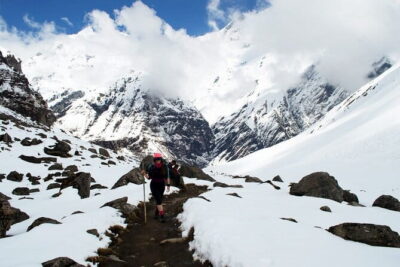
The main drawback to plan for is weather and cold. The route brings you into colder conditions for a few days, and while the itinerary is relatively short, you still need moderate physical fitness to keep up comfortably.
In This Review
- Key Things I’d Circle Before You Go
- Why This ABC Trek Feels Manageable in 6 Days
- Pokhara Start: Easy Transport, Less Stress
- Day 1: Chhomrong Views and the Jhinu Danda Bridge Moment
- Day 2: Foothills Up and Down, Then Into the Annapurna Sanctuary
- Day 3: Rhododendron Valley to Machhapuchchhre Area Vistas
- Day 4: The Scenic Push to Annapurna Base Camp
- Day 5: Sunrise at Base Camp, 360-Degree Peak Color
- Day 6: Back to Civilization, Warm Yourself with Green Hills
- Price and Logistics: What $450 Covers, and What Costs Extra
- Group Size, Guides, and Safety in Real Life
- Gear and Walking Pace: How to Show Up Ready
- Who This Trek Suits Best
- Should You Book This 6-Day Annapurna Basecamp Trek?
- FAQ
- FAQ
- What is the duration of the Annapurna Basecamp trek?
- Where does this trek start?
- How much does it cost?
- What is included in the price?
- Are lunch and dinner included?
- Is a porter available?
- Does this tour have a guide?
- What group size should I expect?
- Do I need travel insurance?
- How late can I cancel for a full refund?
Key Things I’d Circle Before You Go
- Chhomrong at 2,150 m for close-up views of Annapurna South, Huinchuli, and Machhapuchchhre area peaks
- Jhinu Danda Suspension Bridge at 135 m above the Kimrong River, with a 285 m span
- Over 30 species of rhododendron in the forested sections, plus clear river valleys and suspension bridge moments
- Annapurna Base Camp arrival followed by sunrise time, including the famous color shift around Annapurna I
- Max 20 travelers and a licensed, insured guide, so you’re not getting lost in a big crowd
- What’s included vs. not included is pretty clear, with breakfast and transport covered, while lunch and dinner are on you
Other approaches to the Sanctuary gate
Why This ABC Trek Feels Manageable in 6 Days
Annapurna Base Camp is famous, which can make it sound like a giant, intimidating project. This version keeps things more approachable by staying on a shorter timeline and focusing on the core views most people come for.
You’ll also feel the “safer, shorter” design in the day structure. Instead of long, drawn-out travel days, you move through trail sections that build from foothills into the sanctuary area, then back out again. That matters if you want the big payoff of Annapurna Base Camp without spending extra days simply surviving logistics.
One more quiet advantage: you stay in teahouses. That means no campground logistics, no gear-heavy setup, and you can concentrate on walking, rest, and enjoying the scenery when it shows up.
Pokhara Start: Easy Transport, Less Stress
Most trekking mistakes happen before the first step, when people burn time or energy just getting to the trailhead. Here, you start in Pokhara, Nepal, and pickup is offered. You’ll also use private transportation, which usually means fewer bottlenecks than shared transfers.
This kind of start is especially valuable because the trail itself is the main event. You want your first day to be about scenery and getting your feet under you, not about hunting for the right road, bargaining for rides, or losing time.
Also, the group size is capped at 20 travelers. That doesn’t make the trek silent or private, but it does help keep the day manageable. You’ll likely get more attention from the guide than you would in a huge crowd.
Day 1: Chhomrong Views and the Jhinu Danda Bridge Moment
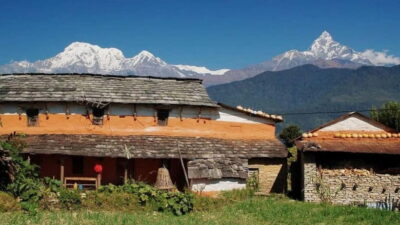
Day 1 centers on Chhomrong and Jhinu Danda, and it’s a smart intro. Chhomrong sits at 2,150 m, which is high enough to bring you serious views without jumping straight into the deepest, hardest parts of the route.
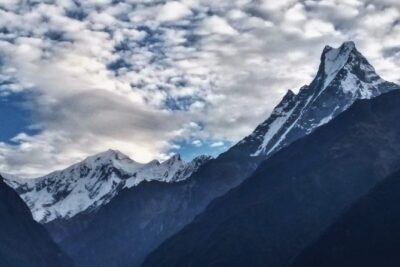
From this viewpoint area, you’re positioned for close looks at peaks such as Annapurna South and Huinchuli, plus Mt. fishtail area views (often referred to as Machhapuchchhre region in ABC conversations). This is the kind of day-one payoff that helps you feel like you made a real move up in the Himalaya, even if your stamina is still warming up.
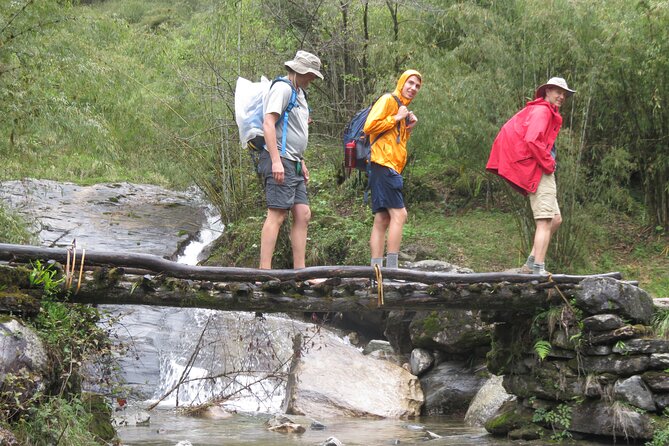
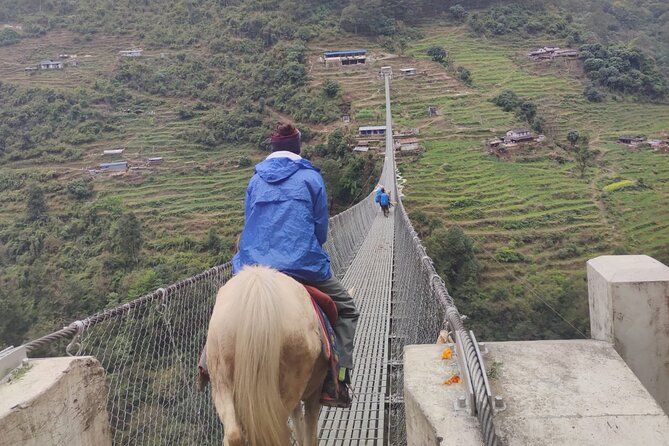
Then you get the Jhinu Danda stop, including a famous suspension bridge. This one is no toy bridge: it hangs about 135 m above the Kimrong River and stretches 285 m across. If you like practical thrills, this is the kind of crossing that makes the trek feel alive.
A small practical note for your comfort: suspension bridges can sway, especially with wind. If you’re steady on your feet and don’t fight the motion, you’ll enjoy it more.
Day 2: Foothills Up and Down, Then Into the Annapurna Sanctuary
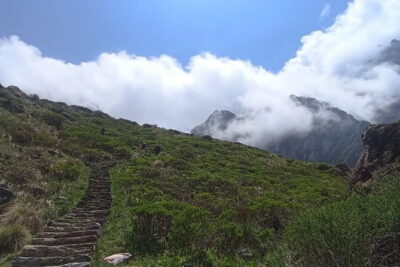
Day 2 is about rhythm. You’ll walk through the Annapurna foothills with a pattern that swings up and down, then transitions toward the Annapurna Sanctuary.
This is where the trek starts to feel more immersive in a good way. Early and mid-journey views are the reward, but the real value is that the route keeps guiding you toward the heart of the mountain amphitheater. You’re not just moving from town to town, you’re progressively stepping into a landscape shaped by the Annapurna massif.
If you care about birdlike mornings and crisp visibility, you’ll like the way this day sets you up. It includes a morning view angle of Annapurna South and Mt Fishtail, so your first sighting isn’t left to chance.
One consideration: foothill walking can still feel tiring, even if you’re not at base camp yet. Bring your patience and don’t treat it like a casual stroll.
Other lodge to lodge routes near Pokhara
Day 3: Rhododendron Valley to Machhapuchchhre Area Vistas
Day 3 shifts the tone from foothills to more forested, river-valley terrain. The route goes gradually upstream through the Modi River valley and is described as wedged between Hiunchuli and the Mardi Himal area.
This is also a rhododendron day. The trek highlight notes over 30 species of rhododendron, which is a huge deal in Nepal treks. Even when flowers are past peak, rhododendron forest tends to bring a strong sense of shade, texture, and seasonality. In clear weather, you get glimpses through the trees, not just the big reveal moments.
You’ll reach the Dovan area, and that’s part of what makes Day 3 feel like a turning point. The trail becomes more about walking in a real mountain valley, not just traveling across viewpoints. The scenery tends to feel quieter and more “in the weather,” which can be a gift or a challenge, depending on how you handle cold and wind.
Day 4: The Scenic Push to Annapurna Base Camp
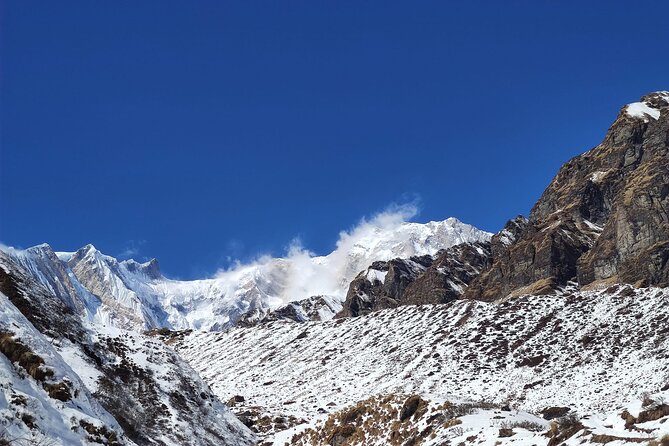
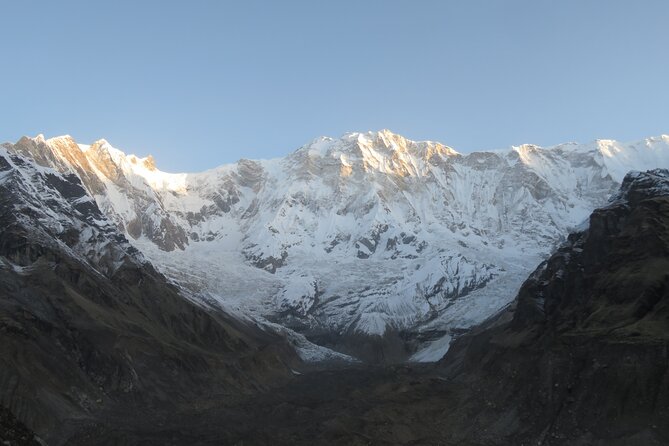
Day 4 is the one you’ll remember for arriving. The walk toward Annapurna Base Camp is described as scenic, with undisturbed views of Mt Fishtail, Annapurna III, Annapurna South, and Annapurna I.
This is the kind of day that’s all about focus. When the trail gives you these open views, it’s tempting to stop constantly and stare. I’d still encourage you to take breaks, but keep moving, because the mountains reward patience, not only prolonged standing.
The route follows upstream along the Modi Khola for part of the day, which helps explain why the journey feels structured. Instead of feeling random, the valley corridor keeps pulling you forward, and that can make it easier to manage your energy.
Teahouse nights matter here too. By Day 4 you’re likely to feel altitude fatigue or simply tired legs. The fact that you’re staying in teahouses helps you recover with fewer logistics headaches.
Day 5: Sunrise at Base Camp, 360-Degree Peak Color
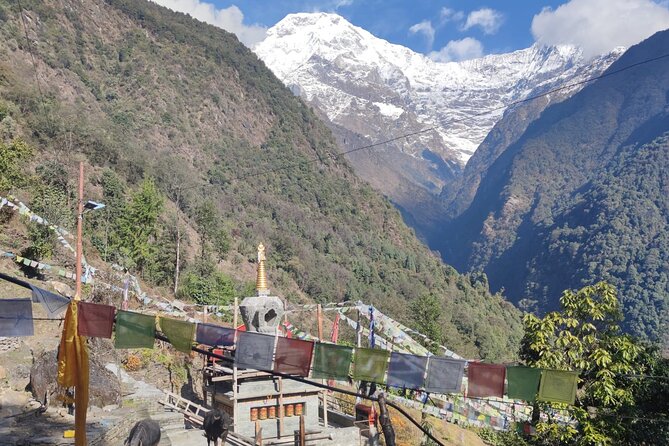
Day 5 is about the money moment, the reason so many trekkers plan ABC sunrise.
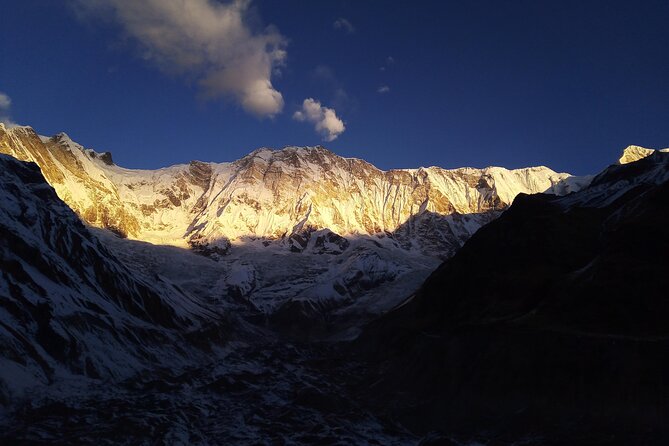
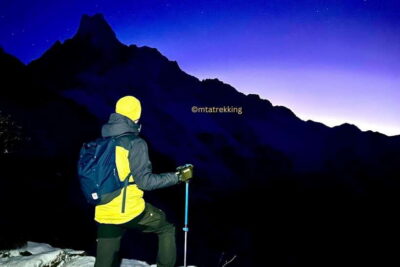
You’ll spend time at Annapurna Base Camp in the early hours so you can catch sunrise over Annapurna I and the famous color change that people talk about because it’s visually real. The itinerary also emphasizes a 360-degree view at sunrise, which tells you the viewpoint isn’t just a narrow corridor. You can scan the horizon and see multiple peaks in the same early light.
Practically, sunrise days are a test of patience more than speed. You’re often up before you feel fully awake, and you might be cold. If you already know you get grumpy when waking early, plan to be grumpy efficiently, bring layers, and treat warm tea like a strategy.
Also, if you want photos, this is your high-probability time. Clouds can happen, but early sunrise is generally when conditions are most likely to deliver the dramatic peak lighting.
After the sunrise session, the day becomes easier to enjoy. You can take it slow, look around, and absorb the fact that the base camp area feels like a real staging ground for one of the world’s most dramatic mountain walls.
Day 6: Back to Civilization, Warm Yourself with Green Hills
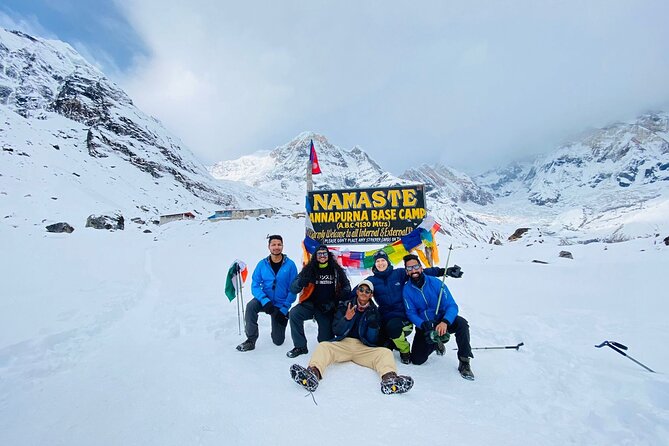
Day 6 is the emotional contrast day. Coming back to greenery and civilization feels different after a few days in a deep valley with cold weather.
You’ll enjoy breakfast with far-reaching layers of hills and the Modi River valley overview. Even if you’re tired, this is the kind of view that makes the whole trek feel worth it again. It’s a reminder that you didn’t just suffer for a photo. You walked through multiple environments, from viewpoints to sanctuary terrain to forested river corridors.
This last day also helps your body. You’re leaving the cold, high-intensity focus of base camp mode and returning to a calmer walking feel. You’ll still need attention to footing, but the pace usually feels more human after the big peak days.
Price and Logistics: What $450 Covers, and What Costs Extra
This trek is priced at $450 per person and is often booked about 40 days in advance. For Nepal trekking, that’s a price level that suggests you’re not DIY-ing transportation or guide time, which is the main reason many treks become expensive or frustrating.
Here’s what’s included, and why it’s meaningful:
- Private transportation and pickup offered, so you reduce time lost to transfers
- Licensed, experienced, and insured guide, which matters when weather or trails get tricky
- Teahouse accommodation for the nights, so you’re not paying for camping setup
- Breakfast x 5 included, which lowers daily cost and keeps mornings simpler
- Duffle bag and sleeping bag support, plus anti-slip crampon as required, which helps you travel lighter
- All fees and taxes handled in the package
What isn’t included, and how you should plan around it:
- Lunch and dinner are not included, so budget for two meals most days
- Porter is available for $30/day, which can be a big help if you’re carrying more than you should
- Insurance for clients is not included, so you need your own coverage
- Bottled drinks and some teahouse extras (like charging or WiFi) may cost extra
- Tips for guide and porter are still something you should plan for, since service charges are handled only in hotels and restaurants
My practical take: this price works best if you want organized logistics with a guide and don’t want to gamble on the little stuff like crampons or sleeping setup. If you already have everything and don’t care about guided support, you might find cheaper options elsewhere, but you’ll trade away consistency.
Group Size, Guides, and Safety in Real Life
One reason trekkers feel good after booking is the guide role. In the reviews for iTour Nepal, the owner Rabi is repeatedly credited for coordinating details smoothly. Guides like Saroj also come up in feedback, praised for being friendly and patient while keeping things on track.
For this trek, you can count on a licensed, experienced and insured guide being part of the plan. That matters because trekking isn’t only about map skills. It’s about staying safe when paths are wet, weather shifts, and your body is still adjusting.
The itinerary is also designed around key “anchor” stops: Chhomrong, Jhinu Danda, sanctuary entry, then base camp and sunrise. Having that structure reduces the stress of decision-making day to day.
And because the group size is limited to up to 20 travelers, your guide is less likely to feel like a bus driver managing a small army.
Gear and Walking Pace: How to Show Up Ready
The trek asks for moderate physical fitness. That means you should be comfortable with multi-hour uphill and downhill walking on consecutive days, and you should be realistic about fatigue. You do not need to be an athlete, but you do need to be prepared.
The good news: the package includes gear support like a sleeping bag and a duffle bag. It also references anti-slip crampons as required, which is important because conditions can change. Having that included lowers the chance you reach the mountain and realize you should have packed something critical.
Bring layers for the cold days, and assume mornings will feel colder than midday. You’ll likely want a system for keeping small essentials dry, since wet weather and cold can make trekking uncomfortable fast.
If you’re prone to sore knees, be extra careful on descent days, and take short, controlled breaks. This is one of those treks where steady walking beats hero efforts.
Who This Trek Suits Best
This ABC trek is a strong fit if you:
- Want a shorter, classic Annapurna Base Camp experience
- Care about sunrise and major view moments, not just hiking for days
- Prefer organized transport, teahouses, and a licensed guide
- Like the idea of colorful village culture and rhododendron forest walking
It might be less ideal if you:
- Want a strictly luxury style trip, since teahouse comfort can vary
- Get miserable in cold weather and early mornings without warm layers
- Are hoping to skip guidance entirely, since your guide is a core part of the included value
Should You Book This 6-Day Annapurna Basecamp Trek?
If your top goal is the Annapurna Base Camp payoff, including sunrise and big peak views, this is a smart choice. The value sits in the bundle: private transport, guide safety, teahouse stays, and the breakfast schedule that keeps mornings easy.
I’d book this if you’re aiming for a first serious trek in Nepal, you want the classic route feel without stretching it into a long expedition, and you’re okay paying for lunches and deciding whether you want a porter.
Before you commit, be honest with yourself about two things: cold mornings and multi-day walking. If you can handle those, you’ll likely come away with memories that are simple, powerful, and mountain-sized.
FAQ
FAQ
What is the duration of the Annapurna Basecamp trek?
The trek is listed as 6 days (approx.).
Where does this trek start?
It takes place in the Annapurna region with Pokhara, Nepal as the location. Pickup is offered.
How much does it cost?
The price is $450.00 per person.
What is included in the price?
Included items are all fees and taxes, private transportation, breakfast for 5 days, teahouse accommodation, a licensed guide (experienced and insured), and duffle bag/sleeping bag/anti slip crampon as required.
Are lunch and dinner included?
No. Lunch and dinner are not included. Only breakfast is covered.
Is a porter available?
Yes. A porter is available for $30/day.
Does this tour have a guide?
Yes. You’ll have a licensed, experienced and insured guide included.
What group size should I expect?
The maximum group size is 20 travelers.
Do I need travel insurance?
Insurance for clients is not included. You should have your own insurance.
How late can I cancel for a full refund?
You can cancel up to 3 days in advance for a full refund. If you cancel less than 3 full days before the start time, the amount paid is not refunded.
Lodge to Lodge Around Pokhara
The Rest of Our Pokhara Write Ups
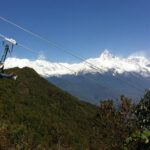
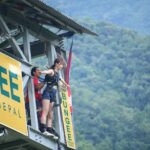
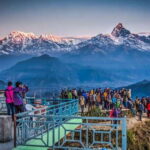


Through the Sanctuary Gate
Everything else we have reviewed around Pokhara
- Pokhara: Cable Car Tour – Bird Eye View of Mountain & Lake
★ 4.4 · 3 reviews - Jomsom Muktinath Tour by 4WD SUV 2 Days
★ 5.0 · 3 reviews - Ghorepani Poonhill Private Trek – 2 nights / 3 days
★ 4.5 · 3 reviews - Pokhara: 30-Minute Paragliding Adventure with pick up/drop off
★ 4.5 · 3 reviews - Pokhara: 7-Day Annapurna Base Camp Trek via Ghandruk
★ 4.3 · 3 reviews - Pokhara Group Joining Sarangkot Sunrise Himalayas Tour
★ 5.0 · 3 reviews
Annapurna Base Camp Treks worth a second look.
 ★ 5.0Annapurna base camp trek 5 DaysFrom $699252 reviews
 ★ 5.0Annapurna Base Camp TrekFrom $935111 reviews
 ★ 5.0Kathmandu to Annapurna Base Camp (ABC) 5-Day TrekFrom $99102 reviews
 ★ 5.0Annapurna Base Camp Trek 12 DaysFrom $80085 reviews
★ 5.0Annapurna Base Camp TrekFrom $92580 reviews
★ 5.0Annapurna Base Camp Trek 12 DaysFrom $80085 reviews
★ 5.0Annapurna Base Camp TrekFrom $92580 reviews
 ★ 4.95-Day Annapurna Base Camp (ABC) TrekFrom $9672 reviews
★ 5.0Annapurna Base Camp TrekFrom $69959 reviews
★ 4.95-Day Annapurna Base Camp (ABC) TrekFrom $9672 reviews
★ 5.0Annapurna Base Camp TrekFrom $69959 reviews
 ★ 5.011-Day Hike Tour to Annapurna Base Camp Bliss in KathmanduFrom $1,30052 reviews
Lists this tour sits in