
REVIEW · ANNAPURNA BASE CAMP TREKS
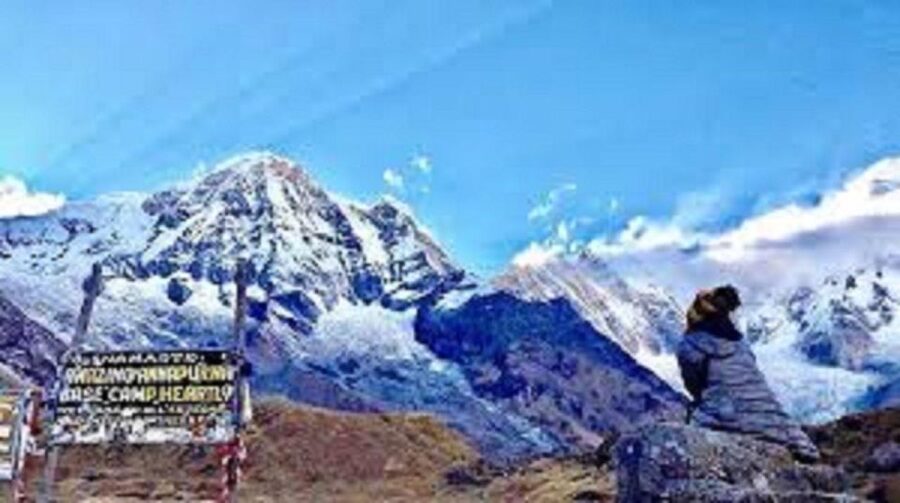
From Pokhara: 5-Day Annapurna Basecamp Trek with Hot Springs
Four days of mountain air changes you.
A short trek like this is interesting because it packs big views and real village life into a tight schedule, then rewards you with a natural soak at Jhinu. I love the Annapurna Base Camp altitude payoff at 4,130m, and I also love that the trip finishes with Jhinu hot springs as a built-in recovery plan. One more practical thing: you start with vehicle support and end with a drive back, so you spend your energy hiking, not figuring out logistics.
The main drawback is altitude plus cold. Day 3 pushes up to base camp height, so if you are sensitive to thin air or cold, pace yourself and follow your guide’s calls to rest.
In This Review
- Key highlights worth your attention
- Annapurna Base Camp at 4,130m, with real villages and a hot-springs finish
- Day 1: Drive from Pokhara into the Jhinu area, then Chomrong or Sinuwa
- Day 2: Chomrong to Deurali around 2,900m through rhododendron, oak, and bamboo
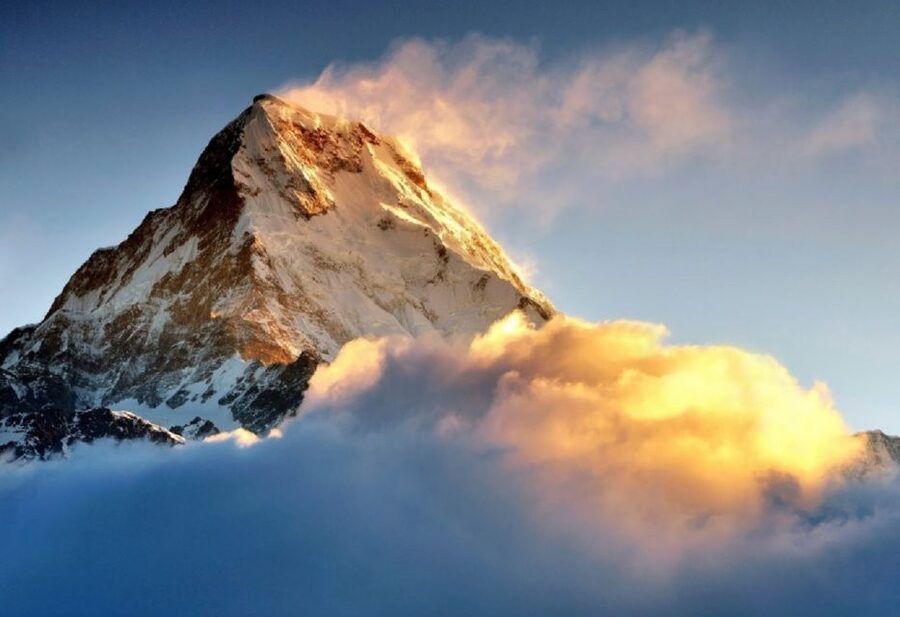
- Day 3: Deurali to Annapurna Base Camp at 4,130m, with Machhapuchhre base views
- Day 4: ABC down to Bamboo, mostly downhill with steep sections
- Day 5: Bamboo to Jhinu Danda for hot springs, then the drive back to Pokhara
- Tea houses, meals, and what your daily rhythm will feel like
- Guide quality and safety on a short 5-day trek
- Price check: what $155 covers and when it feels like a bargain
- What to pack for cold nights, rain, and high-altitude air
- Should you book this 5-day Annapurna Base Camp with hot springs?
- FAQ
- What is the highest altitude you reach on this trek?
- How long is the trek from Pokhara to Annapurna Base Camp and back?
- What is included in the price?
- Do I need travel insurance for this trip?
- Are hot springs included, and where do they fit into the schedule?
- Where does pickup and drop-off happen?
- How much does a porter cost if I decide to hire one?
Key highlights worth your attention
- 4,130m Annapurna Base Camp: the classic endpoint, reached in a fast 5-day format
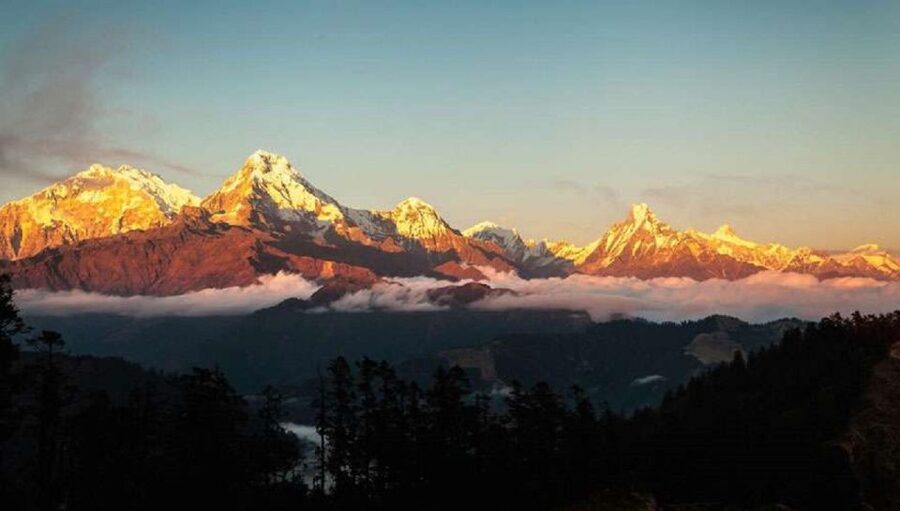
- Machhapuchhre and Hiunchuli viewpoints: epic peak drama without a multi-week trek
- Rhododendron, oak, and bamboo forests: walking that feels different from day to day
- Gurung, Magar, and Tibetan-influenced communities: cultural stops you can actually slow down for
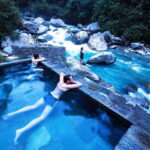
- Hot springs at Jhinu: included entry fee, perfect for sore legs
- Guide-led flexibility: guides such as Anil, Santosh, Uttam, Bishnu, and Sun Bahadur are repeatedly praised for support and safety
Other approaches to the Sanctuary gate
Annapurna Base Camp at 4,130m, with real villages and a hot-springs finish
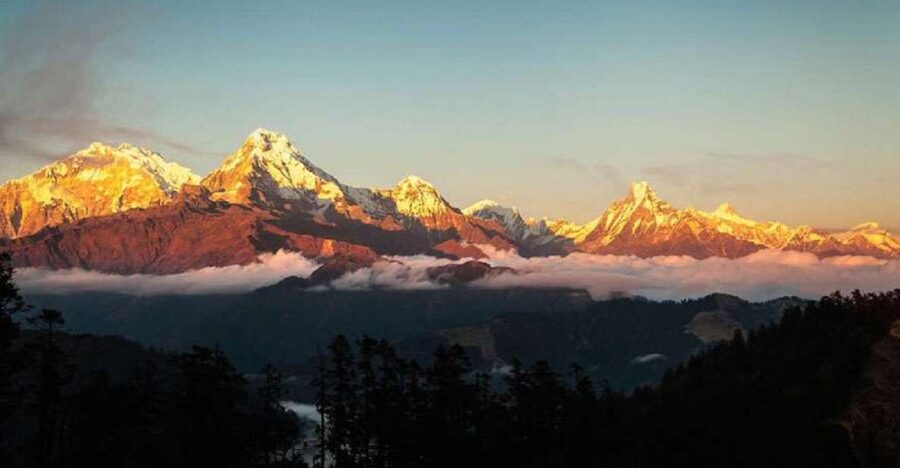
This is one of those treks where the planning is simple, but the payoff feels huge. You start from the Pokhara side, walk through terraced fields and traditional villages, and then aim for the Annapurna massif’s best-known viewing spot. If you have only 5 days, this itinerary is a smart way to get the Annapurna Base Camp experience without stretching it into a long, expensive expedition.
I like that the route is built around changes in scenery. You move from village steps into forest hiking, then up toward higher ridgelines where the air gets sharper and the views go dramatic. And instead of ending the trek and calling it done, you finish with Jhinu hot springs. That matters. High-altitude trekking feels tough in the moment, but your body remembers the next day, so the soak is not just a nice bonus.
Still, be honest about the physical side. The trek is described as moderately challenging with steep ascents and descents, and the altitude jump toward base camp is real. On a short trek, your success depends on how steadily you move, how much you drink, and how well you listen to your guide when your pace needs to slow.
Day 1: Drive from Pokhara into the Jhinu area, then Chomrong or Sinuwa
Day 1 begins with a drive from Pokhara to the trailhead area, typically around Matque or Jhinu Danda, then you hike onward to your first overnight stop. Depending on the exact routing, you may sleep in Chomrong (about 2,170m) or Sinuwa (about 2,340m). Either way, you are starting the trek already above 2,000m, so your breathing will be noticeable even before you reach the big climb days.
What I like here is the ramp-up. This first walking day is described as moderately challenging, with some steep descents and an early altitude factor. That mix is good training, but it can still surprise you if you sprint out of the gate. Keep your effort controlled. Your goal is to arrive feeling like you still have a little left in the tank.
A small practical detail to plan for: you might stop at Jhinu Danda for photos and a short guided moment before continuing. If you feel tempted to treat it like a sightseeing stroll, resist. Save the energy for the trail, because Day 2 is where the hiking time ramps up.
Day 2: Chomrong to Deurali around 2,900m through rhododendron, oak, and bamboo
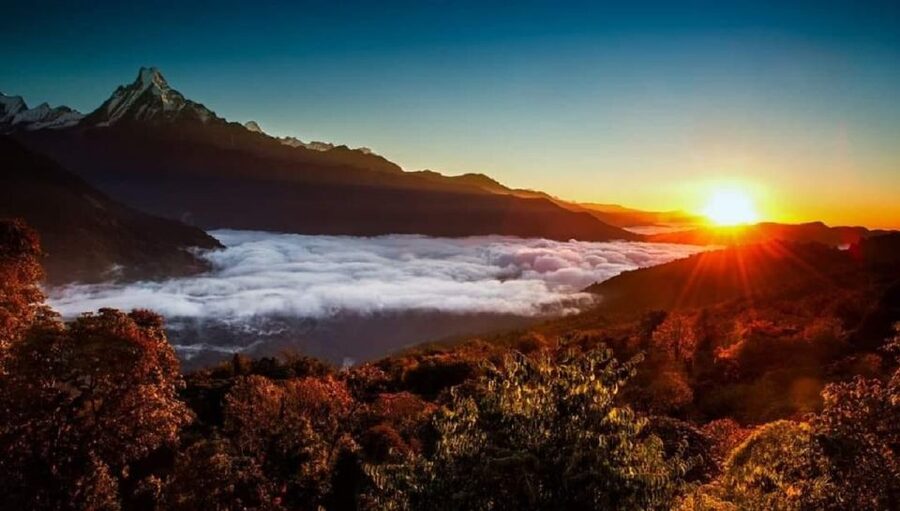
On Day 2, the route climbs to around Deurali (about 2,900m), and the trail goes through dense forest sections, including rhododendron, oak, and bamboo. This is one of the best days to pay attention to your surroundings, because the forest changes the feel of your hike. The ground can be more forgiving than exposed high ridges, but the ups and downs still add up.
Expect steep ascents and descents, and plan on a longer hiking window, roughly 6 to 7 hours. That can feel like a lot on paper, but it is manageable when you treat it like steady work rather than a race. I recommend you keep your steps short, especially when the trail turns steeper. On this kind of trek, slow looks boring, until it suddenly helps you breathe easier.
A realistic consideration: forest weather can flip fast. If rain comes through, the trail can get slick. Bring rain gear and keep your shoes comfortable and dry. You will appreciate it later when you are climbing again toward the base camp zone.
Day 3: Deurali to Annapurna Base Camp at 4,130m, with Machhapuchhre base views
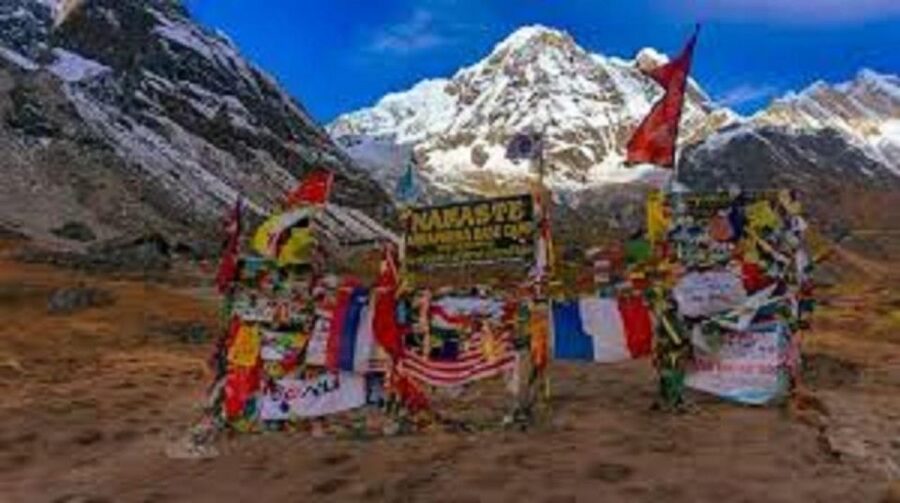
This is the day with the most altitude pressure, and it is also the emotional peak of the trek. You hike from Deurali up to Annapurna Base Camp (4,130m / 13,550 feet), and along the way you pass the Machhapuchhre Base Camp area with classic views of surrounding peaks.
The trek time is described around 5 to 6 hours, but don’t let the timeline fool you. At this elevation, every stoplight moment feels heavier. You might feel fine for an hour, then suddenly need extra breaks. That is normal. The best guides make sure you rest when you should, not when you feel guilty.
This is where the mountain scenery does what it does best: it makes you stop thinking about the next step and start looking at the peaks. You get iconic sightings such as Machhapuchhre (Fishtail) and Hiunchuli in the wider panorama, plus views of the Annapurna range including Annapurna South and Annapurna I. The base camp itself is a destination, but the real win is arriving there with your body in one piece.
One more thing I love about doing base camp within a 5-day plan: you get a strong finish, then you still have time for a recovery day afterward. Your legs will thank you on Day 4.
Other lodge to lodge routes near Pokhara
Day 4: ABC down to Bamboo, mostly downhill with steep sections
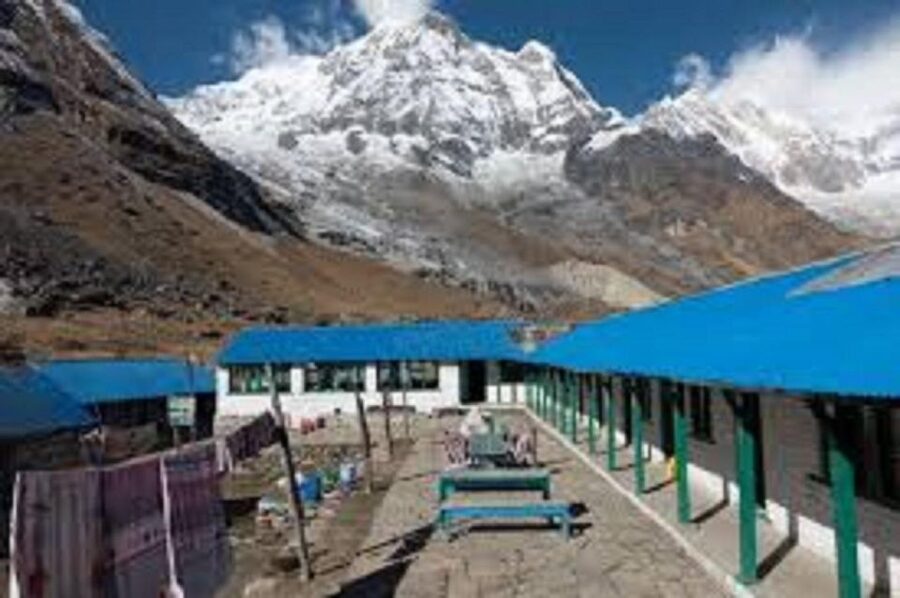
Day 4 is the “let your body recover” day, but it is not a free ride. You trek from Annapurna Base Camp back to Bamboo (about 2,340m), mostly downhill with some steeper sections. The estimated hiking time is around 6 to 7 hours, so you are still walking a lot, just with different muscle demands.
Downhill can be rough on knees if you take it fast. The trick is controlled pace and good foot placement. Keep your weight centered, and use your trekking poles if you have them. This is where hot drinks and careful pacing matter, because you will be using your legs again on the final day.
The route retraces parts of the climb corridor, which I think is a plus. Coming back through familiar forest and village rhythm helps you notice small things you might have missed going up. And after spending Day 3 at 4,130m, it feels good to move through lower air where your breathing becomes easier.
Day 5: Bamboo to Jhinu Danda for hot springs, then the drive back to Pokhara
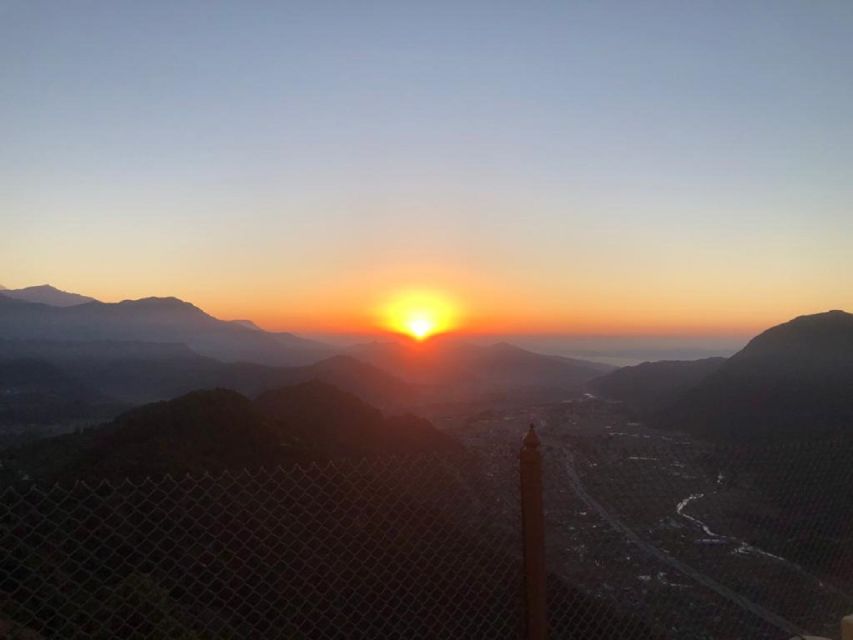
The final day connects the trekking world to the comfort world. You go from Bamboo down to Jhinu Danda and the hot springs area (about 1,780m), then drive back to Pokhara.
The trek is described around 5 to 6 hours, followed by a 2 to 3 hour drive to Pokhara. The descent is a relief, but still plan for long hours. Your stride may be slower on Day 5 because your body is tired, not because the climb is hard.
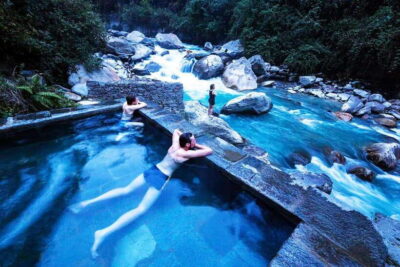
The highlight here is the included hot springs entry. If you time it well, you can soak before your shoulders and legs fully stiffen after the hike. It is a great “finish line” moment, and it makes the end of the trek feel more complete than simply checking out of a tea house.
And once you are in Pokhara, you can finally eat without thinking about trail calories. That simple mental shift is underrated.
Tea houses, meals, and what your daily rhythm will feel like
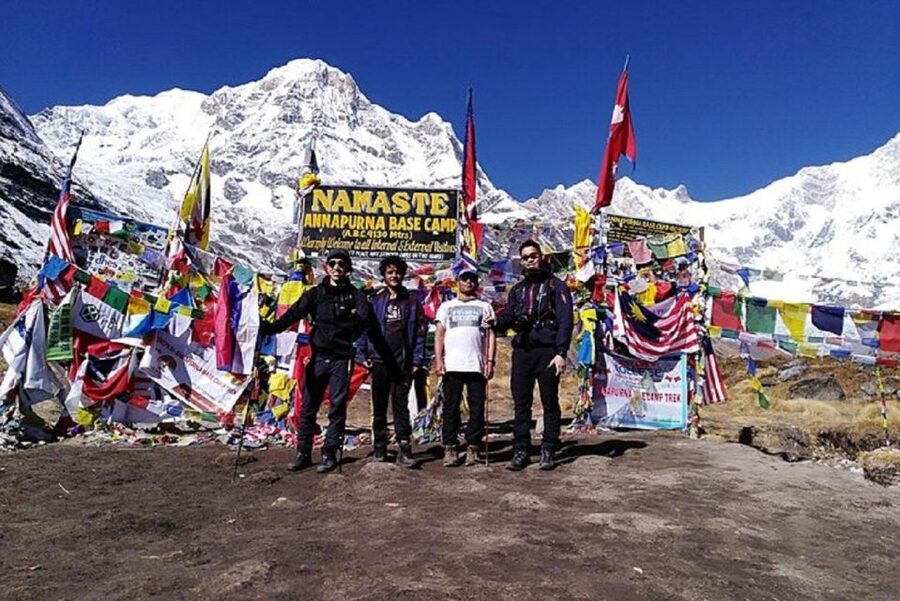
This trek uses basic tea houses or lodges for overnight stays. That is part of the charm, but you should set expectations correctly. Rooms are simple, and hot water and comforts can vary. The big value is that you get a consistent rhythm: hike, eat, rest, and repeat.
Meals are included throughout the trek depending on your selected option, so you won’t be fully responsible for every meal. You will, however, likely want extra cash for personal snacks and drinks, since personal expenses are not included. Plan to hydrate during hiking hours, even when you feel cool.
The permit piece is handled too, with Annapurna Conservation Area (ACAP) permit included. That matters because paperwork on your own can slow you down, and it is better to let the organizing team handle it.
One practical comfort: there is luggage storage in Pokhara while you are trekking. That lets you travel with just what you need, instead of carrying everything up the mountains.
Guide quality and safety on a short 5-day trek
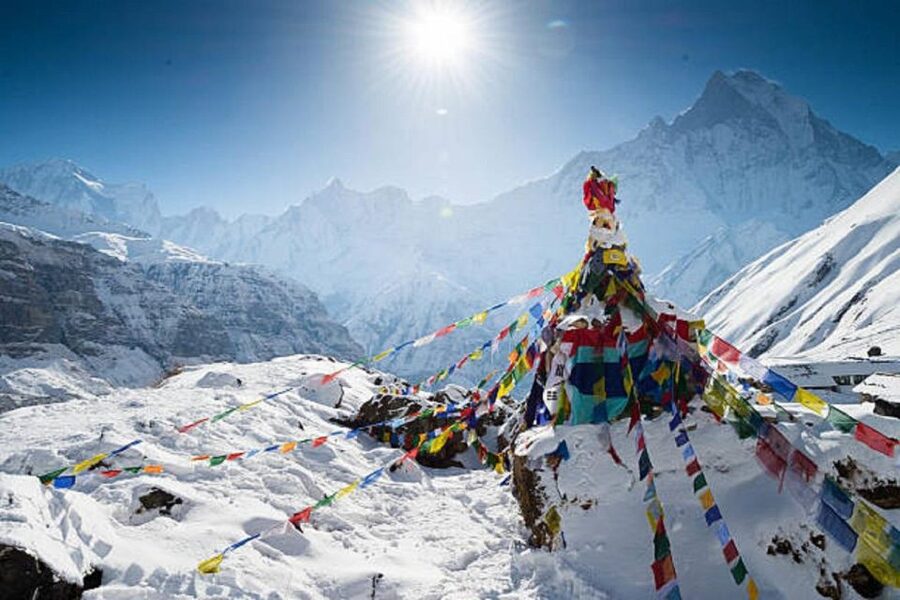
Because this route is compressed into 5 days, a good guide changes everything. You are asking someone to manage altitude pacing, lodging, meals, and the daily timing between trail segments. The strongest part of this experience is repeatedly the guidance: people are supported, motivated, and cared for, especially during colder sections.
Guides such as Anil and Santosh are praised for being patient and encouraging. Uttam is noted for taking exceptional care and making sure accommodation and food stay satisfactory. Bishnu stands out for friendly support and keeping trekkers safe while cheering them up. Sun Bahadur is praised for positivity and helping a beginner feel confident. You also get examples of strong professional teamwork, like a duo named Candra and Sanik handling a schedule change due to weather issues and adjusting smoothly.
That is exactly what you want in the Himalaya. Weather can shift, visibility can change, and energy levels can swing. Having a guide who manages those realities makes the trek feel safer and more enjoyable.
You should still do your part. Travel insurance is mandatory, and a first aid kit is included. Emergency rescue services are available if needed, but you should not treat that as a plan. The best safety strategy is prevention: pace well, dress for cold, and tell your guide when you feel off.
Price check: what $155 covers and when it feels like a bargain
At $155 per person for 5 days, the value comes from what is bundled, not from the sticker price. You get round-trip transport between your Pokhara hotel and the trail starting point, plus the inclusion of the ACAP permit. You also get your guide, tea house or lodge accommodation on the trek, and meals throughout depending on the option selected.
On top of that, the trek includes hot springs entry fee, a first aid kit, and even luggage storage in Pokhara. If you factor those costs separately, the overall package becomes more than just a guided walk.
What is not included is also important. Travel insurance is not included and is mandatory. Personal snacks and beverages are not included. Emergency rescue services are not something you should count on financially or logistically without insurance. And if you want a porter, it is listed at $20 per day.
So I see this price as good value if you are comfortable hiking with a light load and you are already planning to buy travel insurance. If you need extra support carrying gear, budget for the optional porter and pack smart so you are not carrying unnecessary weight.
What to pack for cold nights, rain, and high-altitude air
The packing list for this trek is practical, and I agree with most of it. Comfortable shoes matter more than fancy shoes. You will likely want proper hiking shoes, plus rain gear because weather can change. Temperatures vary significantly, and at higher altitudes it gets very cold, so layer up.
Bring:
- Hat and comfortable clothes for changing conditions
- Change of clothes for evenings
- A camera if you enjoy sunrise and peak photos
- Rain gear and hiking pants
- Cash for personal expenses
- A copy of your passport, since a passport copy must be submitted at least one day before the trek for permits
Small items can make you feel more comfortable too. A hair tie helps if you are dealing with sweat and windy conditions. Trekking poles can take pressure off your knees on downhill days, and the program mentions trekking poles and related bags may be provided if you require them.
The big idea is simple: dress in layers you can adjust quickly. If you feel too warm, you will slow down from discomfort. If you feel too cold, you will get tense and energy will leak out.
Should you book this 5-day Annapurna Base Camp with hot springs?
If you want the Annapurna Base Camp experience without spending weeks on the trail, this is a solid choice. The itinerary focuses on the core highlights: forests, villages, big peaks like Machhapuchhre, and a meaningful finish with Jhinu hot springs. The guide quality is repeatedly emphasized, and the trip includes the permit and practical transport support that makes a short trek smoother.
Book it if:
- You can handle steep climbs and descents, even if you are not an elite hiker
- You are willing to move at a steady pace on Day 3 near 4,130m
- You want a guided, organized trek that handles permits and lodging
Consider a different option if:
- You are very worried about cold or altitude, and you have limited flexibility to slow down
- You would struggle with the physically demanding parts of Day 2 and Day 3
FAQ
What is the highest altitude you reach on this trek?
Annapurna Base Camp is listed at 4,130m (13,550 feet).
How long is the trek from Pokhara to Annapurna Base Camp and back?
The duration is 5 days, including the drive portions from Pokhara and back.
What is included in the price?
Included items list round-trip transportation between your hotel and the trek starting point, the ACAP permit, meals during the trek (depending on the option), tea house or lodge accommodation, a government-registered English-speaking trekking guide, hot springs entry fee, and a first aid kit.
Do I need travel insurance for this trip?
Yes. Travel insurance is mandatory, and it is not included in the tour price.
Are hot springs included, and where do they fit into the schedule?
Yes. Hot springs entry fee is included, and they are part of the final day when you trek to Jhinu Danda, then drive back to Pokhara.
Where does pickup and drop-off happen?
Pickup is included from your selected location in the Pokhara area, with options that include Pokhara Lakeside, Sarangkot area, and Pokhara International Airport. Drop-off options are also listed back in the Pokhara area.
How much does a porter cost if I decide to hire one?
Porters are available if needed at $20 per day.
Lodge to Lodge Around Pokhara
The Rest of Our Pokhara Write Ups
Through the Sanctuary Gate
Everything else we have reviewed around Pokhara
- Pokhara: Cable Car Tour – Bird Eye View of Mountain & Lake
★ 4.4 · 3 reviews - Jomsom Muktinath Tour by 4WD SUV 2 Days
★ 5.0 · 3 reviews - Ghorepani Poonhill Private Trek – 2 nights / 3 days
★ 4.5 · 3 reviews - Pokhara: 30-Minute Paragliding Adventure with pick up/drop off
★ 4.5 · 3 reviews - Pokhara: 7-Day Annapurna Base Camp Trek via Ghandruk
★ 4.3 · 3 reviews - Pokhara Group Joining Sarangkot Sunrise Himalayas Tour
★ 5.0 · 3 reviews
Annapurna Base Camp Treks worth a second look.
 ★ 5.0Annapurna base camp trek 5 DaysFrom $699252 reviews
 ★ 5.0Annapurna Base Camp TrekFrom $935111 reviews
 ★ 5.0Kathmandu to Annapurna Base Camp (ABC) 5-Day TrekFrom $99102 reviews
 ★ 5.0Annapurna Base Camp Trek 12 DaysFrom $80085 reviews
★ 5.0Annapurna Base Camp TrekFrom $92580 reviews
★ 5.0Annapurna Base Camp Trek 12 DaysFrom $80085 reviews
★ 5.0Annapurna Base Camp TrekFrom $92580 reviews
 ★ 4.95-Day Annapurna Base Camp (ABC) TrekFrom $9672 reviews
★ 5.0Annapurna Base Camp TrekFrom $69959 reviews
★ 4.95-Day Annapurna Base Camp (ABC) TrekFrom $9672 reviews
★ 5.0Annapurna Base Camp TrekFrom $69959 reviews
 ★ 5.011-Day Hike Tour to Annapurna Base Camp Bliss in KathmanduFrom $1,30052 reviews
Lists this tour sits in