
REVIEW · ANNAPURNA BASE CAMP TREKS
Annapurna Base Camp Trek from Pokhara 7 Days
Seven days in the Annapurna glow. This trek is interesting because it blends local village life with a classic route to Annapurna Base Camp, including a memorable hike through glacier-side terrain. I like that you get an English-speaking guide plus permits and guesthouse stays already arranged, which makes the logistics feel manageable. One drawback to plan for up front: parts of the trek include steep uphill and a knee-biting descent later in the week.
From the start, you are walking along river valleys and through towns like Jhinu Danda and Chhomrong, then working your way toward Deurali and the base camp area. The end of the journey also has a nice payoff, a stop for hot springs in Jhinu Danda, then a return toward Pokhara and the lakeside drop-off.
In This Review
- Key things that make this Annapurna Base Camp trek work
- Pokhara to Jhinu Danda: where your trekking rhythm begins
- Jhinu Danda and Chhomrong: forest walking with real village energy
- Deurali day: the view starts feeling serious
- Annapurna Base Camp and Ablation Valley: the big day you prep for
- Bamboo descent: when knees start filing complaints
- Jhinu Danda hot springs and the return to Pokhara
- Price and value: is $395 a good deal for this route?
- Who this Annapurna Base Camp trek fits best
- A practical packing mindset for this 7-day route
- Should you book this 7-day ABC trek with MDA?
- FAQ
- How long is the Annapurna Base Camp trek from Pokhara?
- Where do you start and where do you end?
- What is included in the trek price?
- What permits do I need for this trek?
- Are accommodations included?
- Is there a hot springs stop?
- How physically demanding is it?
- Is it a private trip?
- Can I cancel for a full refund?
Key things that make this Annapurna Base Camp trek work
- English-speaking guide support that can help with pace and practical stuff on the trail
- Permits included, including TIMS card and a trekking permit, so you are not chasing paperwork
- Guesthouse nights across the route, which keeps the trip simple and social
- A standout base camp day, including a route toward Ablation Valley and Machhapuchhre Base Camp area
- A planned hot springs stop in Jhinu Danda after the steep descent
Other approaches to the Sanctuary gate
Pokhara to Jhinu Danda: where your trekking rhythm begins
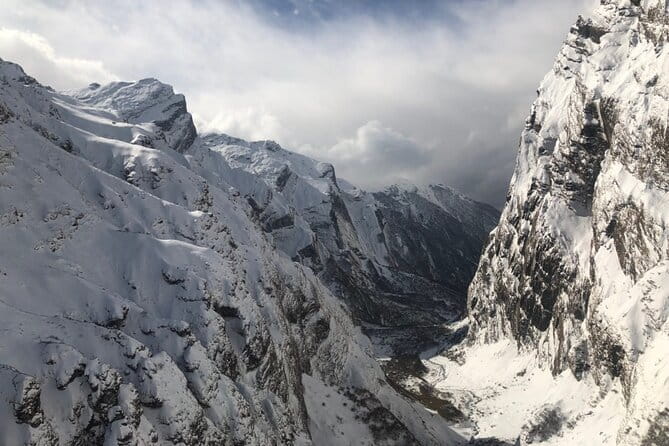
Most Annapurna Base Camp treks feel like two trips at once: the hiking, and the setup. Here, the setup is handled. You get hotel pickup and drop-off in Pokhara, plus round trip transfer by sharing jeep. That matters because Pokhara is busy and paperwork or wrong-vehicle stress is the last thing you want before your first walking day.
Day one starts at the trek’s starting point after permits are checked. You then begin along the Modi Khola River, passing through small villages. That first day sets your rhythm. You are not going straight into a long wall of effort. Instead, it is a steady intro to Nepal trekking: stone steps, narrow paths, and the rhythm of walking between homes, fields, and roadside tea stops.
Why I like this approach: it gives you time to settle in. Your body learns how the trail feels, and you learn how your guide expects you to move. It also makes the whole trek feel more like a real journey through the Annapurna region, not just a march toward a photo spot.
Jhinu Danda and Chhomrong: forest walking with real village energy
On day two, you head uphill to Chhomrong, one of the larger villages on this route. Then you keep moving through dense forest areas before reaching your second guesthouse night.
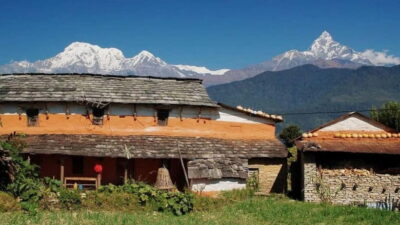
Chhomrong is a key kind of stop. It is big enough that you can feel the trail turning from “mostly path and trees” into “path, trees, and daily village life.” You also tend to find more people and more layers of Nepal trekking culture here, from guesthouse routines to tea house conversations.
I also like the way the trekking day is structured: uphill work early, then forest walking. That mix helps you avoid the worst-case scenario where you only get steep climbs or only flat-ish hiking. You get a more honest sense of what the week will ask of you.
Practical consideration: forest trails often mean slippery sections after rain and slower footing when the ground is uneven. Take your time early, because the real cost of rushing is not just breathlessness, it is knee strain later.
Deurali day: the view starts feeling serious
Day three takes you on a more leisurely trek to Deurali. You get scenic views of the Annapurna range and time to stop for lunch with Himalaya views, then you finish at your accommodation in Deurali.
This is the day where the trek shifts from “scenic walk” to “oh, this is for real.” You start noticing how the mountains shape everything, even the way the paths are laid out and where you catch the best light for photos.
Here is what I think is valuable for you: a lunch stop with mountain views is not just nice. It helps you pace your day. You can plan your hydration and snacks around a real break, instead of constantly thinking about when the next meal will be. If you are trekking with a guide who is paying attention, you will find that sort of timing helpful.
In past trips with this company, guides like Bikram and Prakash have been praised for being helpful and professional, including support that makes it easier to manage photos and timing. That kind of guidance can matter most when you are tired and a small course correction saves your energy.
Annapurna Base Camp and Ablation Valley: the big day you prep for
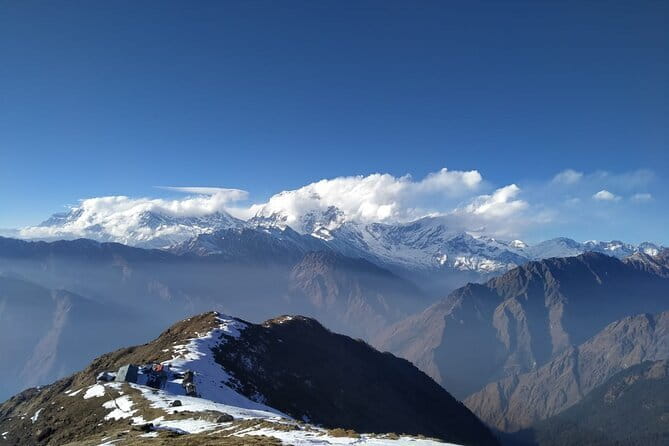
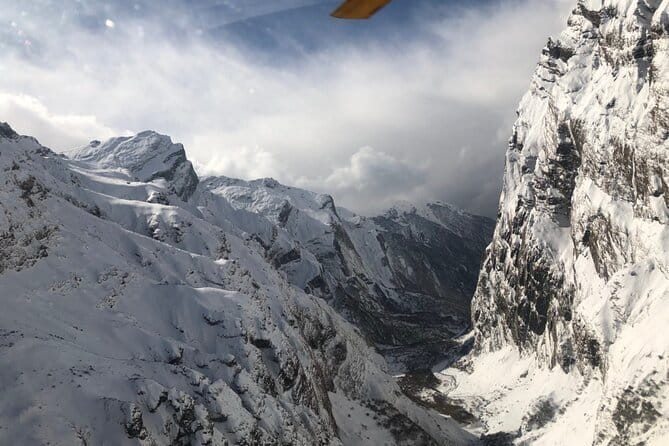
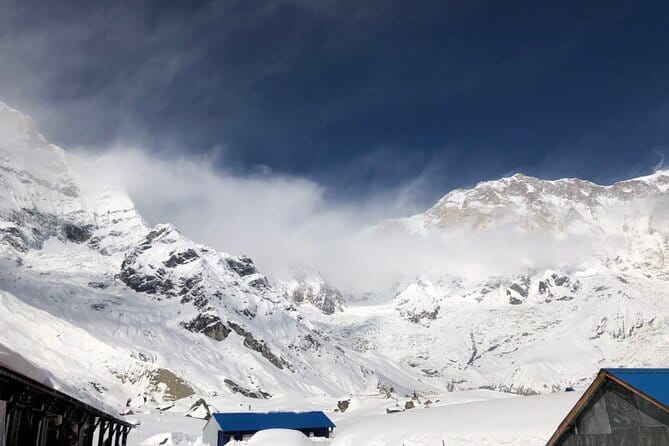
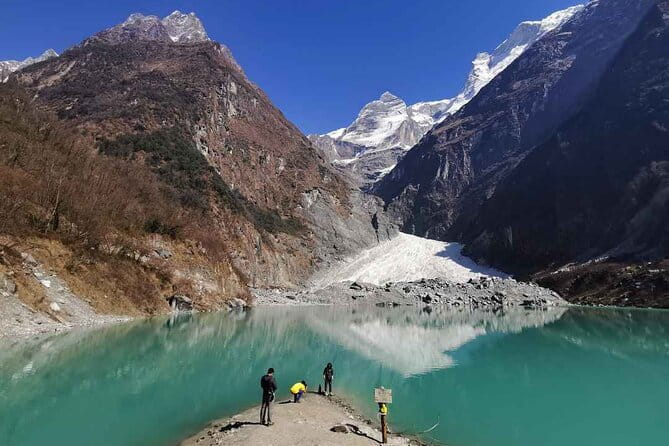
Day four is the centerpiece. You follow the trail across streams toward the Machhapuchhare Base Camp area, then hike to Ablation Valley, a hollow corridor between the glacier and the mountain, and finally reach Annapurna Base Camp.
This is one of those trek days where the route description is doing real work. Crossing streams and reaching the base camp area typically means a mix of rocky steps, changes in footing, and moments where the air feels sharper. Ablation Valley in particular sounds technical, and in practice it usually means you are moving through a more dramatic, glacier-adjacent environment. It is the kind of place where you feel small, fast, because the terrain does not let you pretend you are just walking in a park.
What I love about this big day is that it is not only about the final arrival. The approach is part of the memory. If you get even a couple of good rest moments during the hike, you will enjoy the transition from trail walking to base camp reality.
Another plus: this day includes an admission ticket. The important takeaway for you is simple, your day is already set up so you can focus on the walk instead of guessing what you need.
Tip if you are new to high-mountain trekking: keep your expectations realistic. The views are the prize, but your job is to show up for the hike without overspending energy. Your guide helps with the pace, and that is where good ones earn their stars. In reviews tied to this trekking company, guides such as Krishna have been highlighted as patient and kind with newer trekkers, which is exactly what you want on the hardest emotional and physical day.
Other lodge to lodge routes near Pokhara
Bamboo descent: when knees start filing complaints
Day five goes from Annapurna Base Camp down to Bamboo, about 1,600 m lower. This is described as challenging for knees, and honestly, that is the right expectation.
Descending feels easier than climbing until you realize the braking system is your legs. Even if you are fine on day four, day five can be where your body asks for mercy. Steps and uneven ground turn each stop into a mini recovery.
What helps you enjoy this day more:
- Use a steady rhythm and take slightly shorter steps than you think you need
- If you have trekking poles, use them, they reduce the load on your knees
- Plan to rest when the guide suggests pauses, not only when you feel you can handle it
The route staying on the way down also keeps your perspective. You are not just dropping away from the mountains, you are moving through different terrain and gradually returning toward the lower valley rhythm. Bamboo also gives you a place to reset before the final descent day.
Jhinu Danda hot springs and the return to Pokhara
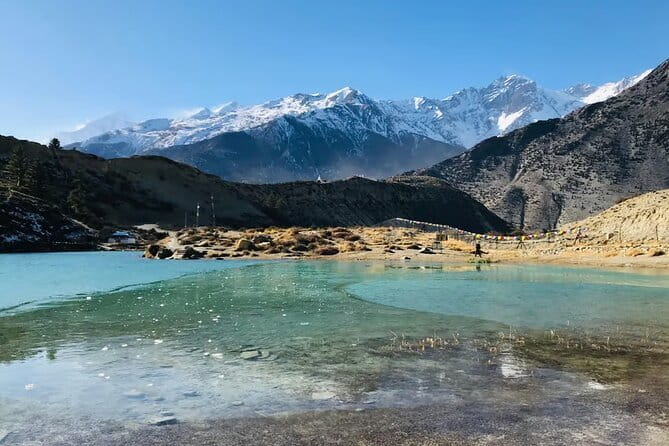
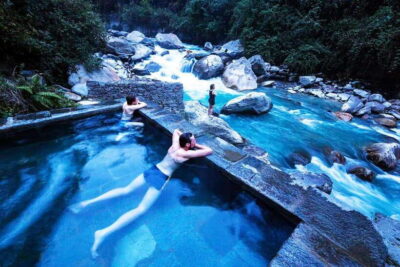
Day six continues the descent. You move down the valley, stop at Chhomrong, then reach Jhinu Danda. The highlight is a well-deserved rest in hot spring baths in Jhinu Danda.
That hot springs stop is practical and psychological. Practically, warm water can feel amazing after knee-heavy walking. Psychologically, it marks the shift from “work mode” to “celebration mode,” even if you still have a final day of trekking.
After that, day seven is a shorter morning trek passing through farmland along the river. You reach Nayapul, then return to Pokhara with a drop-off at the end of the trek.
This ending matters more than people think. You get a gradual landing instead of a sudden full stop. You also get back to a real town base for dinner and a comfortable night, which is the best kind of finish after a week of guesthouse living.
Price and value: is $395 a good deal for this route?
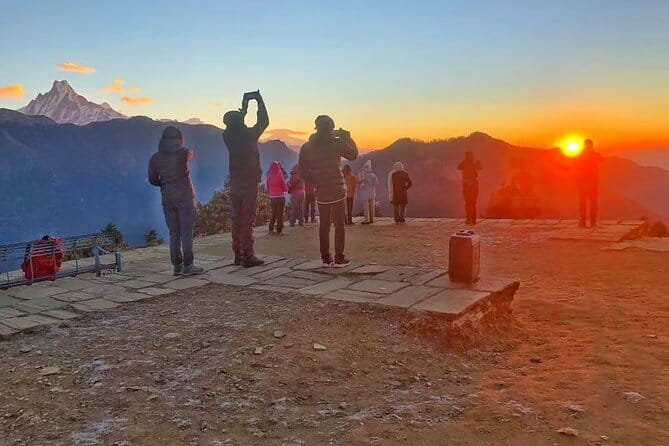
The cost is $395 per person for roughly 7 days. To judge value, look at what is included, not just the headline price.
Here is what you are getting for the money:
- Pickup and drop-off in Pokhara
- Round trip sharing jeep transfers
- An English-speaking trekking guide
- Trekking permit and TIMS card included
- Guesthouse accommodation during the trek
- The experience is described as private, meaning it is only your group participating
What you are not paying for:
- Personal expenses
- Gratitude (optional)
So is it good value? For many trekkers, the real savings comes from having permits handled, transfers organized, and accommodation planned. That removes the biggest pain points that can turn a simple trekking plan into a stressful scramble.
Also, the reviews tied to this company repeatedly point to smooth arrangements and guide support. Names that show up include Bikram, Dadi, Prakash, and Krishna, with praise for professionalism, kindness, and practical help like assistance with photos and steady trip management.
One more value point: the trek duration is tight and structured at about a week. If you have limited time, that schedule can be worth paying for, because it reduces uncertainty about days off or extended travel time.
Who this Annapurna Base Camp trek fits best
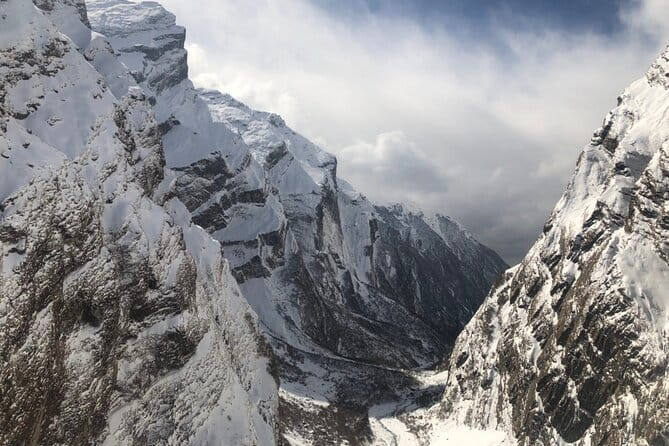
This trek is listed for travelers with moderate physical fitness. That is a good match for people who can handle multiple hours of walking daily and understand that some days include steep effort and knee-heavy descents.
It is also a good fit if you want:
- A guided experience with permits already covered
- Guesthouse stays rather than camping logistics
- A route with strong community contact as you pass through villages like Jhinu Danda and Chhomrong
It may not be ideal if you have knee issues or you know you struggle badly with downhill walking. Day five is explicitly described as challenging for knees, so you should think seriously about footwear, poles, and pacing before booking.
Also, if you like to take photos, pick a guide who will help you do it without turning breaks into full stops. In past trekkers’ feedback linked to this operator, guides like Bikram have been praised for helping with photos and general support, which makes the experience feel easier for solo travelers too.
A practical packing mindset for this 7-day route
Even when the trek is well organized, you still control your comfort. Based on the type of route described, plan for:
- Sturdy hiking shoes with grip for stream crossings and rough steps
- Layers for morning and evening temperature swings
- Rain readiness, since forest trails and streams can mean wet ground
- A knee plan for day five, poles and a slower downhill pace help a lot
- Snacks and water habits you can stick to during lunch and tea breaks
If you are traveling with new-trek nerves, you will likely feel calmer with a patient guide. Reviews connected to this company mention guides who were kind to newer trekkers, and that tone usually helps people stop fighting the trail and start working with it.
Should you book this 7-day ABC trek with MDA?
I would book this Annapurna Base Camp trek if you want a structured 7-day plan that handles the big administrative parts. Permits and TIMS, an English-speaking guide, guesthouse accommodation, and hotel transfers make the trip feel organized from the first day.
I would think twice if downhill knees are your weak spot. This route includes a big descent to Bamboo and another day of valley walking and steep segments. With good footwear, trekking poles, and honest pacing, many people make it fine, but you should go in prepared.
If your goal is the classic ABC payoff, plus real village days like Chhomrong and Jhinu Danda, this trek delivers. Add in the hot springs finish, and you get a satisfying end to a week that is equal parts effort and mountain reward.
FAQ
How long is the Annapurna Base Camp trek from Pokhara?
It runs for about 7 days.
Where do you start and where do you end?
You start from your pickup location in Pokhara and begin the trek from the starting point after permits are checked. You end with a drop-off back in Pokhara after reaching Nayapul.
What is included in the trek price?
Included items are hotel pickup and drop-off, round trip sharing jeep transfer, an English speaking trekking guide, trekking permit and a TIMS card, guesthouse accommodation, and a private trip setup.
What permits do I need for this trek?
The trekking permit and TIMS card are included.
Are accommodations included?
Yes, you stay in guest houses during the trek.
Is there a hot springs stop?
Yes. On day six, you stop in Jhinu Danda to rest in hot spring baths.
How physically demanding is it?
The trek is described for travelers with moderate physical fitness. You should expect steep uphill walking and a challenging descent for your knees on the day going down to Bamboo.
Is it a private trip?
Yes, it is described as a private trip, meaning only your group participates.
Can I cancel for a full refund?
Yes, you can cancel up to 24 hours in advance for a full refund. If you cancel less than 24 hours before the start time, the amount paid is not refunded.
Lodge to Lodge Around Pokhara
The Rest of Our Pokhara Write Ups


Through the Sanctuary Gate
Everything else we have reviewed around Pokhara
- Pokhara: Cable Car Tour – Bird Eye View of Mountain & Lake
★ 4.4 · 3 reviews - Jomsom Muktinath Tour by 4WD SUV 2 Days
★ 5.0 · 3 reviews - Ghorepani Poonhill Private Trek – 2 nights / 3 days
★ 4.5 · 3 reviews - Pokhara: 30-Minute Paragliding Adventure with pick up/drop off
★ 4.5 · 3 reviews - Pokhara: 7-Day Annapurna Base Camp Trek via Ghandruk
★ 4.3 · 3 reviews - Pokhara Group Joining Sarangkot Sunrise Himalayas Tour
★ 5.0 · 3 reviews
Annapurna Base Camp Treks worth a second look.
 ★ 5.0Annapurna base camp trek 5 DaysFrom $699252 reviews
 ★ 5.0Annapurna Base Camp TrekFrom $935111 reviews
 ★ 5.0Kathmandu to Annapurna Base Camp (ABC) 5-Day TrekFrom $99102 reviews
 ★ 5.0Annapurna Base Camp Trek 12 DaysFrom $80085 reviews
★ 5.0Annapurna Base Camp TrekFrom $92580 reviews
★ 5.0Annapurna Base Camp Trek 12 DaysFrom $80085 reviews
★ 5.0Annapurna Base Camp TrekFrom $92580 reviews
 ★ 4.95-Day Annapurna Base Camp (ABC) TrekFrom $9672 reviews
★ 5.0Annapurna Base Camp TrekFrom $69959 reviews
★ 4.95-Day Annapurna Base Camp (ABC) TrekFrom $9672 reviews
★ 5.0Annapurna Base Camp TrekFrom $69959 reviews
 ★ 5.011-Day Hike Tour to Annapurna Base Camp Bliss in KathmanduFrom $1,30052 reviews
Lists this tour sits in