
REVIEW · POKHARA CITY TOURS & LAKESIDE SIGHTS
Entire Day Pokhara Complete Tour
Sunrise in Pokhara sets the tone. This entire-day guided Pokhara drive strings together the big-name sights with a licensed guide and an air-conditioned vehicle, so you can focus on views instead of logistics. I especially like the smooth pace, with short stops that still feel like real places, not rushed photo breaks.
I also like how the itinerary includes both spiritual stops and learning stops, especially the International Mountain Museum, which gets singled out as a favorite. One drawback to plan for: Sarangkot sunrise depends on the weather, and a cloudy morning can flatten the view.
In This Review
- Key highlights worth knowing
- A smooth, guided car day through Pokhara’s main layers
- From pickup to Sarangkot’s Annapurna sunrise viewpoint
- Phewa Tal and Barahi Temple, a quick hit of lake culture
- Devi’s Fall, where the water story gets surreal
- Gupteswar Gupha caves and the waterfall from inside
- International Mountain Museum, the Himalayas explained in plain terms
- Gorkha Museum, a short cultural thread
- Seti River Gorge and the view from Seti Gandaki
- Peace Pagoda sunset road, big views with a calm payoff
- Bindhyabasini temple and Tibetan refugee camp culture
- Price and value: why $114.53 can make sense here
- How to pace your day without feeling rushed
- If you like learning and variety, this tour fits
- Should you book the Entire Day Pokhara Complete Tour?
- FAQ
- How long is the Entire Day Pokhara Complete Tour?
- What is the price per person?
- Does the tour include pickup?
- Is food included in the tour price?
- Are entrance tickets included?
- What places are included in the tour?
- What vehicle and guide support is included?
- What is the cancellation policy?
Key highlights worth knowing
- Sarangkot sunrise timing: a true early-morning start for the best odds at Annapurna views
- A guide who keeps things moving: you get a licensed guide and active check-ins during the day
- Caves and Shiva temple at Gupteswar Gupha: you can see natural rock formations and a waterfall view from inside
- International Mountain Museum: a strong learning stop about the Himalayas and the people they inspire
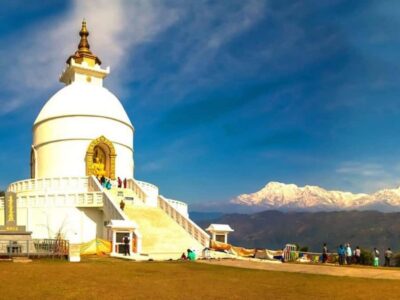
- Peace Stupa views at sunset: a wide Pokhara and Phewa Tal viewpoint built for golden-hour light
Other slow days along the Phewa shore
A smooth, guided car day through Pokhara’s main layers
Pokhara is the kind of place where it helps to have a plan. This 6 to 7 hour tour is built around getting you from one “Pokhara must-see” to the next, in an air-conditioned vehicle, with pickup offered. For many people, that is the whole point. You spend your energy looking, not negotiating.
Two big values I see in the format: first, the stops are short enough to keep you fresh. Second, you have a licensed guide to connect the dots between Hindu and Tibetan religious sites, geologic features, and the broader Himalayan story. That makes the day feel like a tour with meaning, not a checklist.
The main thing to watch is the weather, especially early morning. If cloud rolls in over Sarangkot, you may not get the full sunrise effect. Still, the day remains full, because you have temples, caves, rivers, and museums lined up after that first stretch.
From pickup to Sarangkot’s Annapurna sunrise viewpoint
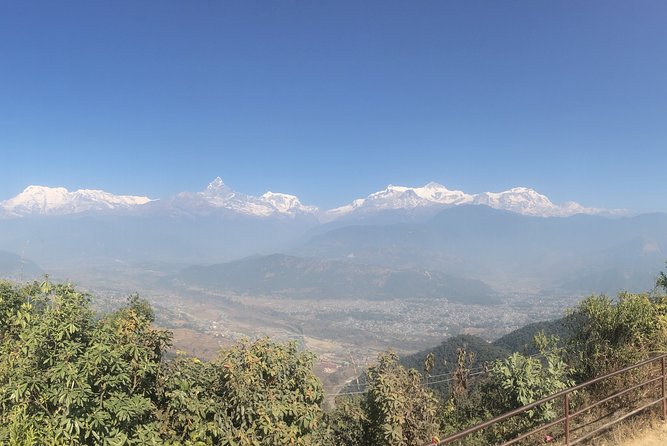
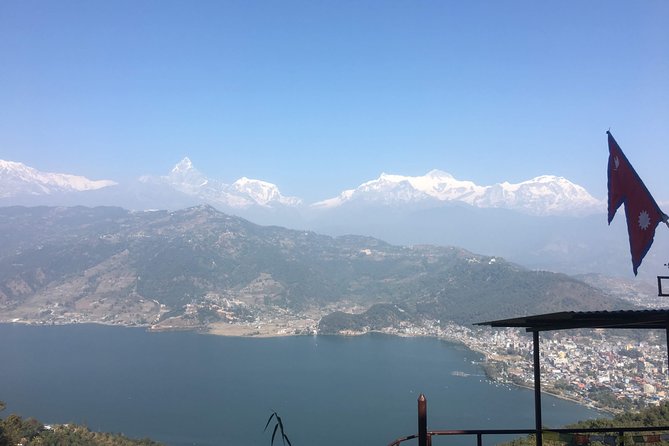
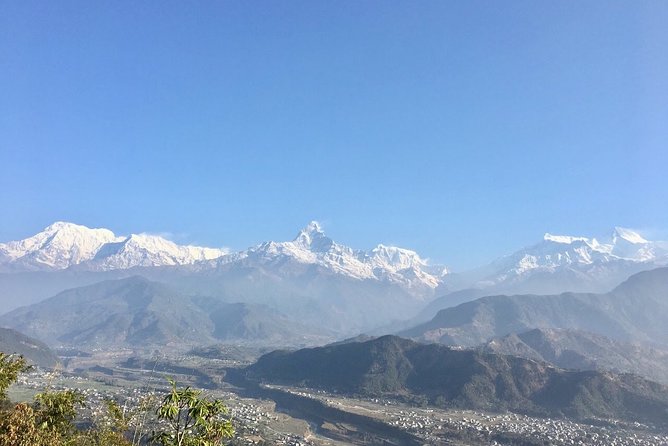
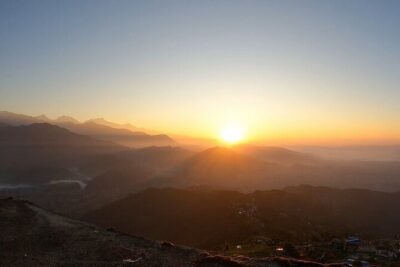
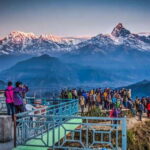
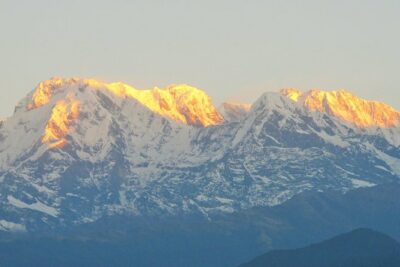
You’ll start early with a trip to Sarangkot, a high viewpoint known for sunrise over the Annapurna Himalayan range and panoramic views of Pokhara city. The tour gives you about 1 hour here, which is a practical amount of time. It gives you room to reach the viewpoint, find a comfortable spot, and take a few passes at photos as the light changes.
What I like about Sarangkot in a guided schedule is the built-in timing. Sunrise doesn’t wait for you. Having a structured morning start increases your odds of catching clear skies, even if it is not guaranteed.
Possible consideration: if skies are cloudy, the sunrise may be muted or totally blocked. That is not the tour failing, it is just the mountain weather game. If this is your top priority, pack patience for Plan B. Even without sunrise drama, Sarangkot still gives you altitude views and a sense of how Pokhara sits under the mountains.
Phewa Tal and Barahi Temple, a quick hit of lake culture
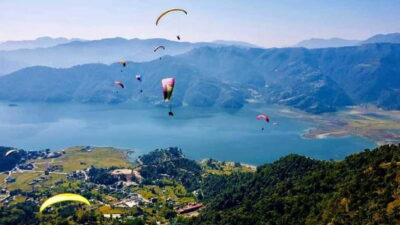
Next up is Phewa Tal, Pokhara’s famous lake area, with a stop around 30 minutes. You visit the Barahi Temple, a well-known shrine on or near the lake, then spend time exploring the lake outskirts.
This stop works well because it balances atmosphere with movement. You’re not stuck in one place for hours, but you still get enough time to notice how the lake shapes daily life. The temple stop also gives your eyes a clear focal point, so you’re not just admiring water for water’s sake.
What to keep in mind: since the time is short, dress for comfort and plan to walk at a relaxed pace. If you want longer lakeside wandering, you may want to return after the tour ends.
Devi’s Fall, where the water story gets surreal
At Devi’s Fall, you’ll have about 25 minutes to see the waterfall area where water flows down and disappears into underground cave networks beneath the city. It is famous for the way the water vanishes from sight, turning a normal waterfall stop into a more mysterious experience.
In a car tour format, this stop is ideal because it is quick but visually memorable. You get the core idea in under half an hour: water moves, rock shapes the route, and the city sits above a hidden system.
One practical note: if you’re expecting nonstop intensity, this can feel more like a viewing pause than a full sightseeing hike. Go for the curiosity of how water behaves here, not for a long trail experience.
Other Pokhara days that run to dusk
Gupteswar Gupha caves and the waterfall from inside
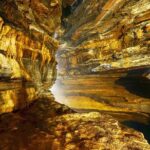
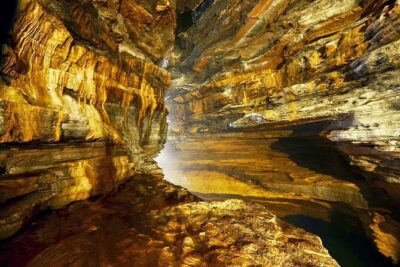
Gupteswar Gupha is one of the most interesting stops on the route, with about 30 minutes. You explore caves and an ancient Shiva temple. This site is known for naturally formed rock stalagmites, and during the fall you can go deeper to see the waterfall from inside the cave, where it flows down into the river.
This is the kind of stop that changes how you read the landscape, because you are seeing geology and religion in the same frame. You also get a sense of depth and flow, which is hard to imagine just from photos.
Possible drawback: cave areas can mean uneven footing and tighter movement, depending on conditions. Wear shoes you trust. Also, the deeper waterfall viewing is tied to seasonal flow, so your experience may vary based on when you go.
International Mountain Museum, the Himalayas explained in plain terms
The International Mountain Museum is scheduled for about 30 minutes, and it is a standout in the feedback you provided. If you like understanding what you’re looking at, this stop is a real payoff. You learn about the Himalayas, their history, the people connected to them, and how those mountains inspire and move millions around the world.
This is valuable because it gives context to the earlier mountain-focused views. When you later look at Annapurna from a viewpoint, it makes more sense. You’re not just seeing peaks, you’re understanding why people care about them.
One caution on time: 30 minutes goes fast. If museum learning is your priority, arrive with a mental list of what you want to find out, because you will not have unlimited time to browse everything.
Gorkha Museum, a short cultural thread
You’ll spend about 20 minutes at the Gorkha Museum, built around the story of the Gorkhas, known internationally for bravery. This is a shorter stop, so it works best as a quick cultural thread rather than a full deep dive.
What I think makes this stop useful is contrast. Earlier you saw nature and spiritual sites. Here you get a human history angle, tying Pokhara into broader national identity and the way stories travel across borders.
If you prefer museums with lots of time to read, keep your expectations aligned. This is a brief stop that gives you direction, not a complete education.
Seti River Gorge and the view from Seti Gandaki
The route then shifts to water and rock again with two river-related stops. First is Seti River Gorge for about 15 minutes, giving you a glimpse of how the Seti river flows through gorges and formed the area. Then you go to Seti Gandaki (Seti River), where you view the river from a vantage point near a high hanging bridge, about 20 minutes.
These short segments matter because they show Pokhara’s “how” as much as its “what.” The river is not just scenery, it is a shaping force. The gorge stop gives you the scale. The bridge stop gives you a dramatic angle and a clear sense of height and motion.
Practical consideration: bridge viewpoints can be windy and exposed. Bring something light for chilly air, especially later in the day, and keep your camera ready. This is not the time to put your phone away.
Peace Pagoda sunset road, big views with a calm payoff
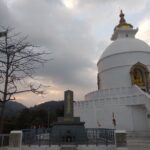
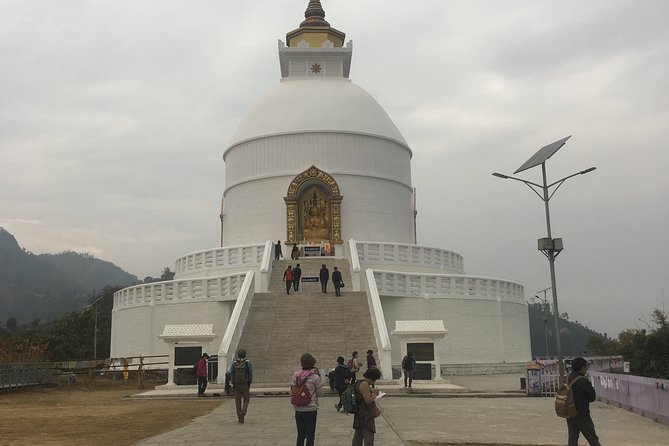
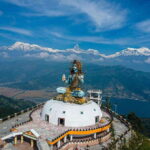
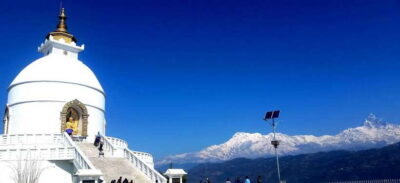
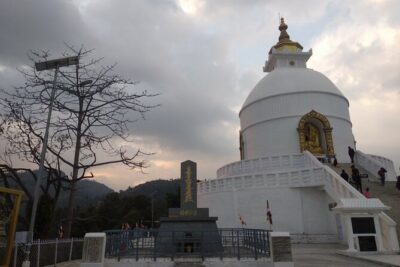
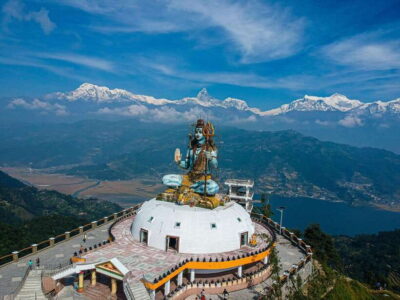
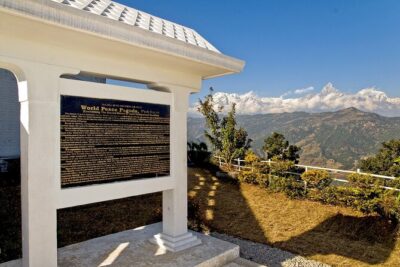
Later, you head to the World Peace Stupa access road, roughly 45 minutes. This is a key viewpoint stop for the Pokhara valley and Phewa Lake, from the Peace Pagoda area dedicated to Buddha. The timing supports sunset, so you can enjoy the day turning golden.
This stop is valuable because it slows the tempo. After caves, museums, and bridges, you get a wider vista and a calmer moment to take everything in. Sunset viewpoints also help you see how all the earlier pieces connect: lake, city, and mountain backdrop in one frame.
One heads-up: you may want to plan clothing for changeable evening temperatures. Even in comfortable months, hillside viewpoints can feel cooler than low streets.
Bindhyabasini temple and Tibetan refugee camp culture
The final stretch includes three cultural stops, each with a short time window.
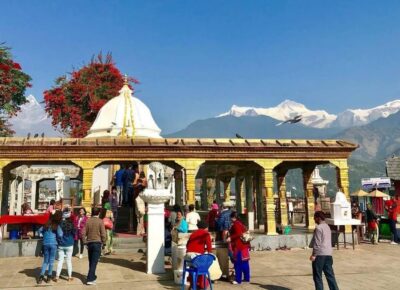
First is Bindhyabasini, a temple on the hilltop dedicated to the sacred feminine in Hindu culture, with customs and sacred rituals tied to the site. You’ll have about 20 minutes.
Then you visit the Tibetan Refugee Camp for about 30 minutes. You get the chance to experience the unique culture of Tibetan people who were exiled from their country and made a place for their community in Pokhara.
Finally, you should think of this last part as emotional context. You move from iconic views to living culture. The camp stop in particular can give your day extra meaning, because it reminds you that Pokhara is not only about scenery. It is also about communities and histories that continue today.
Price and value: why $114.53 can make sense here
At $114.53 per person, this tour is not positioned as a “cheap entry.” It is priced more like a guided sightseeing day that saves you time and stress. Here is what supports that value.
You get:
- Pickup offered plus round-trip driving in an air-conditioned vehicle
- A licensed guide
- All fees and taxes included
- Mobile ticket
- Group discounts (if applicable)
- Entrance tickets included for multiple stops, plus free entry for others
Your missing piece is food and drinks, which are not included. That is normal, and it also gives you flexibility based on your taste and budget.
So who wins with this price? People who want one guided day that covers a lot of Pokhara without spending time arranging transport, figuring out timing, or trying to match ticket lines and opening hours across sites.
If you already know how to self-drive, you could theoretically do parts on your own. But you would likely spend more time coordinating than you save in money.
How to pace your day without feeling rushed
Because the tour runs 6 to 7 hours, you’ll likely feel it is busy even though each stop is relatively short. The key is to treat this as a “get your bearings fast” day.
I recommend you do two things before you go:
- Decide what matters most: sunrise at Sarangkot, the caves at Gupteswar Gupha, or museum learning at the International Mountain Museum.
- Pack for comfort: comfortable shoes for caves and viewpoints, water for the day, and layers for early morning and evening air.
Also, consider your photo strategy. With so many stops, you’ll enjoy the day more if you do a few intentional shots rather than trying to document everything. The guide can help you decide where time is best spent at each location.
If you like learning and variety, this tour fits
This is a good fit if you want a mix of:
- Big viewpoints (Sarangkot, Peace Pagoda)
- Nature and water features (Devi’s Fall, Seti River)
- Caves and temple sites (Gupteswar Gupha, Bindhyabasini)
- Museum context (International Mountain Museum, Gorkha Museum)
- Cultural exposure (Tibetan Refugee Camp)
You’ll also likely enjoy it if you prefer the structure of a private tour, meaning only your group participates. That makes the day feel more personal, and it helps if you want to ask questions at each stop.
If you are the kind of traveler who loves long stays in one place, you might find the short durations limiting. But if you want a single day that stitches Pokhara together, this is built for exactly that.
Should you book the Entire Day Pokhara Complete Tour?
Book it if you want one guided Pokhara day with pickup, an air-conditioned car, and a smart mix of viewpoints, caves, temples, and museum learning. The schedule is especially strong if you care about why the region matters, not just where to stand for a photo.
Skip or consider alternatives if sunrise is your only goal and you are traveling during a period where clouds are common. In that case, have a flexible mindset for the early-morning viewpoint, because weather can change everything.
If you do book, aim to treat the day like a guided orientation plus standout experiences. My bet is you’ll come away with clearer context for the Himalayas and Pokhara, and you’ll feel like you used your time well.
FAQ
How long is the Entire Day Pokhara Complete Tour?
The tour lasts about 6 to 7 hours.
What is the price per person?
The price is $114.53 per person.
Does the tour include pickup?
Yes, pickup is offered.
Is food included in the tour price?
No, all food and drinks are not included.
Are entrance tickets included?
Yes. Admission tickets are included for several stops, and some stops are listed as free.
What places are included in the tour?
It includes Sarangkot, Phewa Tal (Barahi Temple), Devi’s Fall, Gupteswar Gupha, the International Mountain Museum, Gorkha Museum, Seti River Gorge, Seti Gandaki, World Peace Stupa access road (Peace Pagoda), Bindhyabasini, and the Tibetan Refugee Camp.
What vehicle and guide support is included?
You travel in an air-conditioned vehicle with a licensed guide, and all fees and taxes are included.
What is the cancellation policy?
Free cancellation is available. You can cancel up to 24 hours in advance for a full refund.
Everything Bookable Around Pokhara


The Rest of Our Pokhara Write Ups
Pokhara, Lakeside and Above
Everything else we have reviewed around Pokhara
- Pokhara: Cable Car Tour – Bird Eye View of Mountain & Lake
★ 4.4 · 3 reviews - Jomsom Muktinath Tour by 4WD SUV 2 Days
★ 5.0 · 3 reviews - Ghorepani Poonhill Private Trek – 2 nights / 3 days
★ 4.5 · 3 reviews - Pokhara: 30-Minute Paragliding Adventure with pick up/drop off
★ 4.5 · 3 reviews - Pokhara: 7-Day Annapurna Base Camp Trek via Ghandruk
★ 4.3 · 3 reviews - Pokhara Group Joining Sarangkot Sunrise Himalayas Tour
★ 5.0 · 3 reviews
Pokhara City Tours & Lakeside Sights worth a second look.
 ★ 4.1Full-Day Sharing Bus Tour on 7 Iconic DestinationFrom $12179 reviews
 ★ 4.8Full-Day Private Tour on 7 Iconic DestinationFrom $53108 reviews
 ★ 5.0The Best of Pokhara: Full-Day Private Tour with Sarangkot SunriseFrom $6866 reviews
 ★ 5.0Guided Tour to explore the entire Pokhara CityFrom $7051 reviews
 ★ 4.1City Sightseeing Group Bus TourFrom $837 reviews
 ★ 4.5Private Half Day Tour Highlights of Pokhara by CarFrom $8036 reviews
 ★ 5.0Pokhara Valley Mountain Bike Adventure Private TourFrom $18530 reviews
 ★ 5.0Half-Day Private Pokhara TourFrom $6727 reviews
Lists this tour sits in