
REVIEW · POKHARA CITY TOURS & LAKESIDE SIGHTS
Explore Entire Pokhara City
Pokhara is all about timing and views. This full-city style outing strings together Sarangkot sunrise, Begnas Lake, the International Mountain Museum, Devi’s Fall, Gupteshwor Mahadev Cave, and the World Peace Stupa in one smooth 6 to 7 hour plan. I like the private car plus an English-speaking guide who takes time to explain, including what to look for at the museum. I also like that you get multiple viewpoints in a single day without bouncing around on your own. One thing to keep in mind, early start for Sarangkot, plus entrance fees are not included for several stops.
Because the pickup and drop-off are limited to the Lakeside area, you avoid extra hassle before the fun begins. The route is also structured enough that you can move at a comfortable pace, with short stops when needed and longer time where it matters most.
In This Review
- Key Highlights at a Glance
- A Private Pokhara City Tour That Covers More Than You Think
- Sarangkot Sunrise: The Most Important Hour of the Day
- Begnas Lake: A Calm, Free Stop That Resets Your Eyes
- International Mountain Museum: Learning Enough to Enjoy the Views
- Devi’s Fall: Short Visit, Strong Curiosity
- Gupteshwor Mahadev Cave: Nature With a Slight Adventurer Feel
- World Peace Pagoda: The Free Viewpoint That Ends on a High Note
- Price and Value: What $70 Covers and What It Does Not
- How the Day Runs: Guide Style and Comfort Matter
- Who This Tour Is Best For
- Should You Book This Pokhara City Tour?
- FAQ
- What places are included in the Pokhara city tour?
- Does the tour include hotel pickup and drop-off?
- How long is the tour?
- Are entrance fees included?
- Is this tour private?
- What is the cancellation policy?
Key Highlights at a Glance
- Sarangkot sunrise timing for big mountain-range views early in the morning
- Begnas Lake as a quieter natural stop with free admission
- International Mountain Museum for practical context on Himalayan mountaineering
- Devi’s Fall plus Gupteshwor Cave for a mix of water wonder and natural rock rooms
- World Peace Stupa views with free entry and mountain plus lake sightlines
- Private car comfort and an English-speaking guide, with service tailored to your group
Other slow days along the Phewa shore
A Private Pokhara City Tour That Covers More Than You Think
Pokhara can feel spread out, and one day can vanish fast if you are doing it piece by piece. This tour is designed to pack in a lot without turning it into a speed run. You get a round-trip transfer by private car, plus pickup and drop-off within the Lakeside area, so you start and end the day with less uncertainty.
What makes it work is the balance of stops. You are not only chasing famous sights, you also get a museum stop that helps you understand what you are actually looking at. You also get the calm breaks, like Begnas Lake, before you hit the more dramatic, trickier terrain at the cave.
Sarangkot Sunrise: The Most Important Hour of the Day
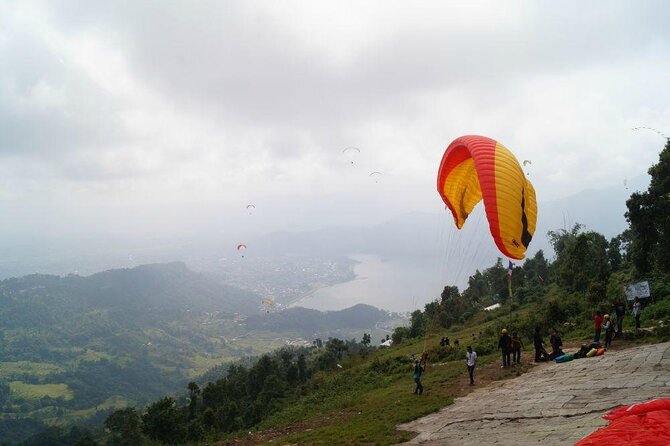
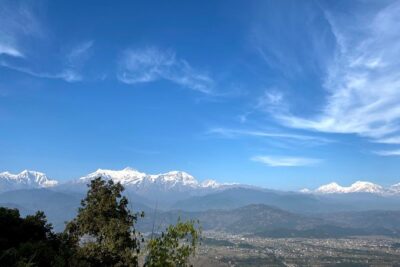
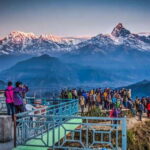
Sarangkot is the kind of place where timing matters. The plan here is an early morning sunrise visit, about 1 hour at the viewpoint area. That is the most likely moment of the day when you want clear air and focused attention on the Annapurna mountain range views.
The upside is obvious: if the sky cooperates, you get that classic Pokhara moment where the mountains suddenly feel close and real. The less glamorous side is also true. Early mornings are not optional for sunrise. If you are the type who struggles to wake up, set yourself up with an alarm and a quick breakfast plan before pickup.
Also note: the tour does not include admission for Sarangkot. It is worth budgeting a bit ahead so you are not doing math while you are trying to enjoy the view.
Begnas Lake: A Calm, Free Stop That Resets Your Eyes
After sunrise, it is smart to have something gentler. Begnas Lake is built for that, with about 1 hour here and free admission. This is the kind of stop that lets your eyes come down from the mountain intensity and switch to water and sky.
You will likely find it useful as a photo break and a breathers stop, especially if the morning felt rushed. Even if you are not a big “nature slow-travel” person, this is an easy win because it does not require extra tickets and it gives you time to walk around at your own pace.
The main consideration is simple: it is a lake stop, so do not expect it to steal the entire day the way sunrise viewpoints can. Think of it as a reset button.
International Mountain Museum: Learning Enough to Enjoy the Views
Some museum stops feel like check-the-box tourism. This one is different because it is directly connected to what brings people to Pokhara in the first place, the mountains.
You get about 1 hour at the International Mountain Museum, and admission is not included. The best part is the way an attentive guide can frame it. One recurring theme from guide feedback is that the guide explains slowly and clearly, helping you understand Himalayan mountaineering in a way that makes later viewpoints more meaningful.
Here is the practical value for you. If you spend time here, you can look at the region with better context instead of just “pretty peaks.” You will likely understand why the history of climbing, routes, and survival matters, and that makes the rest of your day feel more connected.
Other Pokhara town days on our list
Devi’s Fall: Short Visit, Strong Curiosity
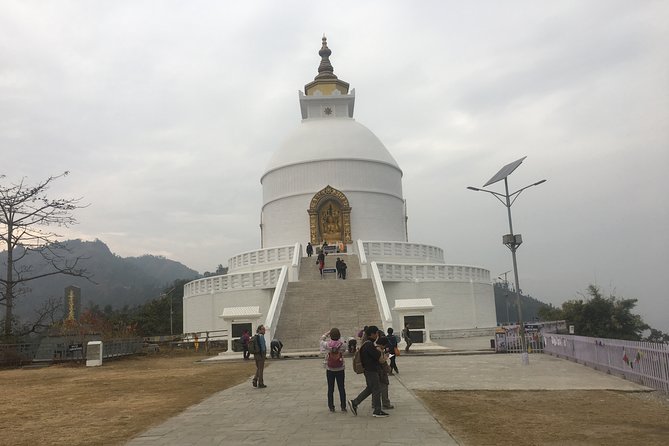
Devi’s Fall is fast, about 20 minutes. That is usually just enough time to see the feature, take a few photos, and look around without getting stuck in crowds for too long.
Because the tour does not include admission here, you should expect a small ticket cost on arrival. Also, the stop is short by design. It is a good example of the tour pacing: quick enough to keep energy up, long enough to appreciate what makes it unusual.
If you like places with a “how does this work?” feel, this stop delivers. It is one of those Pokhara highlights that sparks questions, which then makes the cave stop even more interesting.
Gupteshwor Mahadev Cave: Nature With a Slight Adventurer Feel
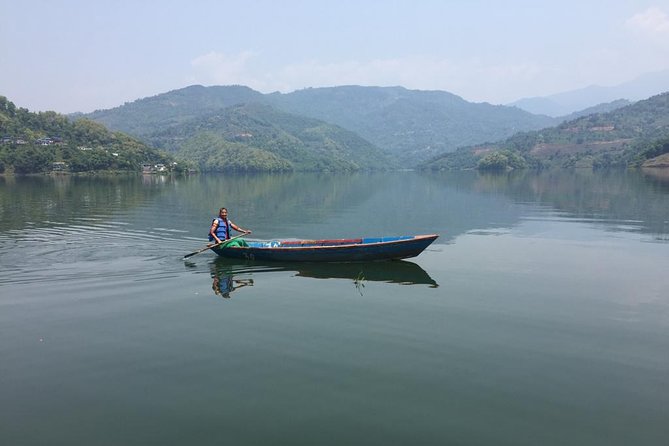
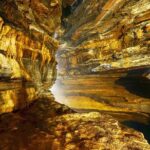
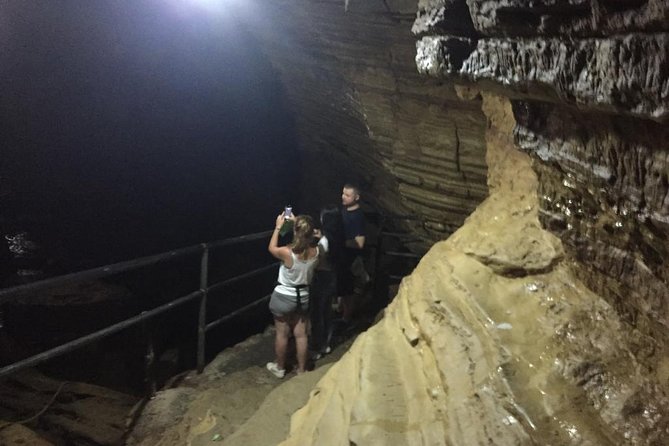
Next comes Gupteshwor Mahadev Cave, with about 40 minutes. This is a longer stop than Devi’s Fall, which helps because caves are not always something you can rush. Admission is not included, so plan for that add-on cost as well.
What I like about placing a cave stop here is the contrast. After sunrise and lake views, you switch to something more tactile and indoor, even if it is still outdoors. Caves tend to change the feel of a trip: the pace slows, and you start noticing the structure and atmosphere more than distant scenery.
Practical tip for your comfort: wear shoes that are dependable on uneven ground and a cool layer if you get chilly inside. The tour time is set to give you room to take it in, not to sprint.
World Peace Pagoda: The Free Viewpoint That Ends on a High Note
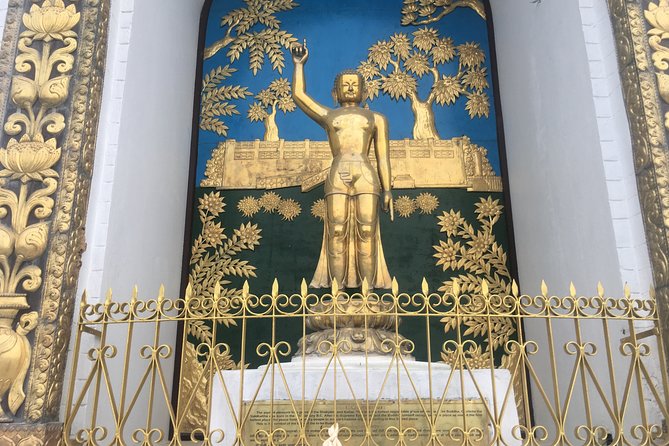
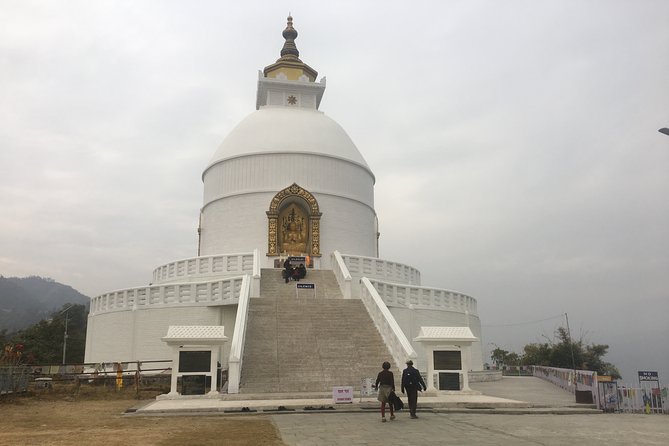
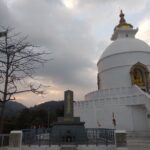
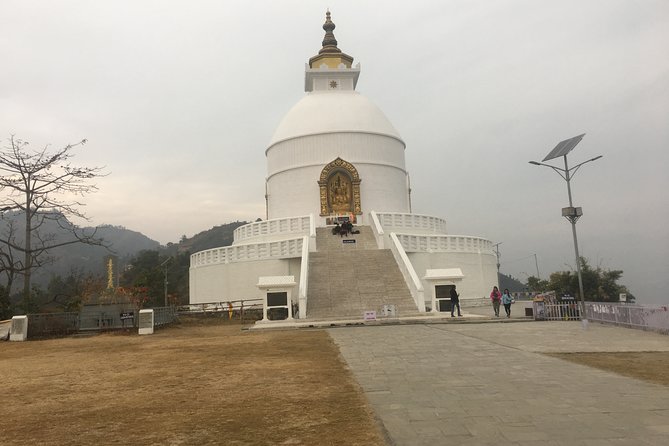
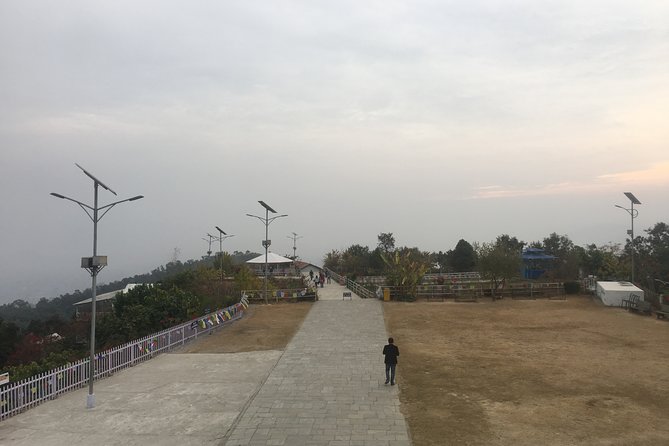
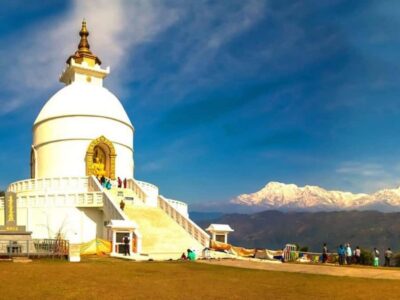
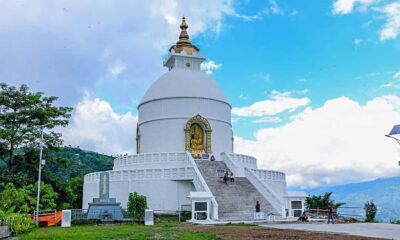
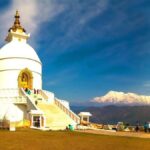
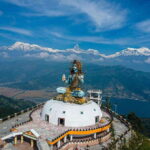
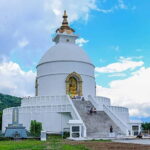
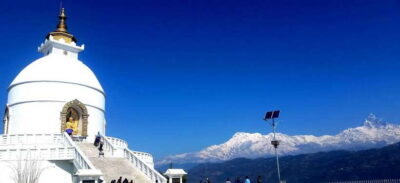
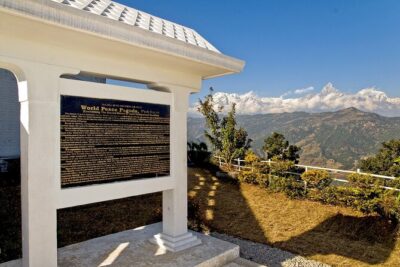
The World Peace Stupa is one of the best ways to end a day like this, because it is both spiritual and scenic. You get about 1 hour here, with free admission.
From the top, you can see mountain and lake views, plus the Buddhist stupa setting makes it feel slower and more reflective than the more frenetic sight stops. If the day has been full of quick tickets and quick entrances, this is where you can actually linger with your photos and your thoughts.
This stop also helps you connect the dots. You start with a sunrise mountain viewpoint, then you learn about the mountains at the museum, then you explore natural attractions like the waterfall and cave, and finally you return to a panoramic view. It all lands with better meaning by the end.
Price and Value: What $70 Covers and What It Does Not
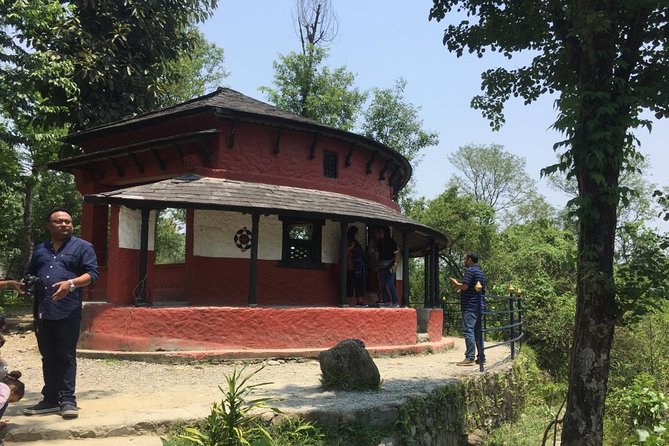
At $70 per person, the value comes from the structure. You are not just paying for a list of sights. You are paying for a day with pickup and drop-off in the Lakeside area, an English-speaking guide, round-trip private car transfer, and a private group setup.
That private transport is a big deal in Pokhara. It reduces the time you would spend figuring out logistics, bargaining, and switching vehicles. You also get a guide who can pace the day and explain, not just point and wave.
The trade-off is that entrance fees and personal expenses are not included. Some stops are free, like Begnas Lake and World Peace Pagoda, while others are not included, including Sarangkot, International Mountain Museum, Devi’s Fall, and Gupteshwor Mahadev Cave. So if you want a true apples-to-apples budget, you should add those likely admission costs on top of the $70.
I see this as fair pricing for a private half-day to full-day plan that saves your energy for actually enjoying Pokhara.
How the Day Runs: Guide Style and Comfort Matter
This kind of route succeeds or fails based on how it is managed in real time. The tour includes an English-speaking tour guide, and the guide experience shows up in the feedback patterns: people highlight guides who explain clearly and slowly, and who make the museum part easy to follow.
You may also run into named guides like Viru and Bisham, both praised for friendly, careful guidance. That matters because Pokhara’s highlights can be visually obvious but conceptually confusing unless someone gives you context.
Comfort is also a big point. The tour includes a comfortable car for round-trip transfer, and private car seating helps you avoid the “everyone crammed in” feeling that can drain you before you even start sightseeing.
The one real drawback to consider is simply energy management. Six to seven hours with multiple stops means you are up for a full day. If you prefer a slow, do-one-thing style itinerary, this might feel packed. If you like getting a lot done while keeping it organized, it hits the sweet spot.
Who This Tour Is Best For
This is a strong match if you want:
- A private day plan with an English-speaking guide
- A route that hits the major Pokhara highlights without you managing transfers
- A mix of views, natural features, and learning at the museum
- A day that is long enough to feel like you made progress, but short enough to still enjoy an evening in Pokhara
It also works well for solo travelers who want structure and reassurance. A private tour means you are not stuck with strangers whose pace might not match yours. And because the guide is there, you get fewer moments of confusion, especially early in the day.
If you are visiting Pokhara for the first time and want a fast orientation, this is one of the smartest ways to do it. You will leave knowing which spots feel most meaningful to you, which makes it easier to plan a second day if you want.
Should You Book This Pokhara City Tour?
If you want an efficient Pokhara highlights day, with private transport, an English guide, and a route that mixes sunrise views with nature and museum context, I think this one is worth booking. The best parts are the guide-led pacing and the way the day connects mountain learning with mountain views, not just sightseeing.
Hold off if you hate early mornings or you prefer only free sights and no extra ticket budgeting, because several key stops require entrance fees not included in the price. Also, if you want a very slow itinerary with lots of unplanned wandering, this structured day may feel too scheduled.
FAQ
What places are included in the Pokhara city tour?
The tour covers Sarangkot (sunrise viewpoint), Begnas Lake, the International Mountain Museum, Devi’s Fall, Gupteshwor Mahadev Cave, and the World Peace Stupa.
Does the tour include hotel pickup and drop-off?
Yes. Pickup and drop-off are included within the Lakeside area of Pokhara.
How long is the tour?
It runs about 6 to 7 hours.
Are entrance fees included?
No. Entrance fees are not included. Begnas Lake and the World Peace Stupa are listed as free, while Sarangkot, the International Mountain Museum, Devi’s Fall, and Gupteshwor Mahadev Cave do not include admission.
Is this tour private?
Yes. It is a private tour or activity, and only your group participates.
What is the cancellation policy?
You can cancel for a full refund if you cancel up to 24 hours in advance of the experience start time. If you cancel less than 24 hours before the start time, the amount paid is not refunded.
Streets and Squares of Pokhara
The Rest of Our Pokhara Write Ups


Pokhara, Lakeside and Above
Everything else we have reviewed around Pokhara
- Pokhara: Cable Car Tour – Bird Eye View of Mountain & Lake
★ 4.4 · 3 reviews - Jomsom Muktinath Tour by 4WD SUV 2 Days
★ 5.0 · 3 reviews - Ghorepani Poonhill Private Trek – 2 nights / 3 days
★ 4.5 · 3 reviews - Pokhara: 30-Minute Paragliding Adventure with pick up/drop off
★ 4.5 · 3 reviews - Pokhara: 7-Day Annapurna Base Camp Trek via Ghandruk
★ 4.3 · 3 reviews - Pokhara Group Joining Sarangkot Sunrise Himalayas Tour
★ 5.0 · 3 reviews
Pokhara City Tours & Lakeside Sights worth a second look.
 ★ 4.1Full-Day Sharing Bus Tour on 7 Iconic DestinationFrom $12179 reviews
 ★ 4.8Full-Day Private Tour on 7 Iconic DestinationFrom $53108 reviews
 ★ 5.0The Best of Pokhara: Full-Day Private Tour with Sarangkot SunriseFrom $6866 reviews
 ★ 5.0Guided Tour to explore the entire Pokhara CityFrom $7051 reviews
 ★ 4.1City Sightseeing Group Bus TourFrom $837 reviews
 ★ 4.5Private Half Day Tour Highlights of Pokhara by CarFrom $8036 reviews
 ★ 5.0Pokhara Valley Mountain Bike Adventure Private TourFrom $18530 reviews
 ★ 5.0Half-Day Private Pokhara TourFrom $6727 reviews
Lists this tour sits in