
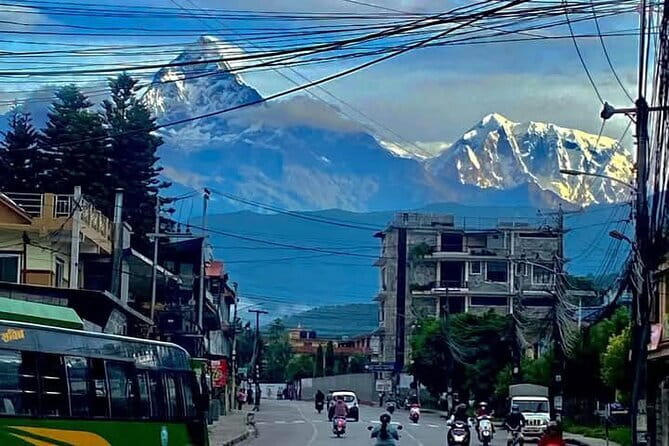
REVIEW · POKHARA CITY TOURS & LAKESIDE SIGHTS
Full day Suspension Bridge, Boating, George, Sightseeing Tour
If Pokhara feels like a postcard, this fixes it. You get Sarangkot sunrise for the big mountain payoff and a Phewa Lake boat to slow everything down, plus a route packed with real places like Devi’s Fall and a working Hindu shrine. The one drawback to plan for is timing, you will start early for sunrise and you’ll spend a good chunk of the day in the car, even though the stops are worth it.
I like that this is a private trip, so you’re not stuck waiting on other groups. You also travel with an English-speaking guide for the city touring and the mountain moments, and the driving service gets praised for being smooth and using good-condition vehicles.
One more practical note: not every entrance is free. Some stops are listed as free, like parts of the stupa grounds and the lake boating time, but others like Devi’s Fall, Gupteshwor Cave, and the International Mountain Museum have fees not included.
In This Review
- Key highlights to look for before you book
- Why this Pokhara tour feels more like nature than a checklist
- Day 1: Devi’s Fall, Gupteshwor Cave, museum learning, Bindhyabasini temple, and Phewa boating
- Devi’s Fall (Davis Falls) first, because water sets the mood
- Gupteshwor Mahadev Cave for the sacred, stalactite side
- International Mountain Museum for context between viewpoints
- Shree Bindhyabasini Temple for valley views and goddess Durga
- Phewa Tal paddle boating to slow down at the end
- Day 2: Sarangkot sunrise that hits, then World Peace Stupa sunset views
- World Peace Stupa: the viewpoint that connects lake, valley, and sky
- A guide you’ll actually talk to
- When suspension bridge and Seti George are on your route
- The $230 price: where the value comes from and what to budget
- You’re paying for private transport and time
- You’re paying for a guide at the key moments
- You’re paying for at least one included lake activity
- Budget for entrance fees and meals
- Logistics that matter: timing, car comfort, and how the day flows
- Who should book this, and who should skip it
- Quick checklist: how to make the day go smoother
- Should you book this Pokhara Suspension Bridge, Lake, and Sunrise Tour?
- FAQ
- How much does the tour cost?
- What is the tour duration?
- Is pickup and drop-off included?
- What boating activity is included?
- Are entrance fees and meals included?
- Is this tour private?
- What is the cancellation policy?
Key highlights to look for before you book
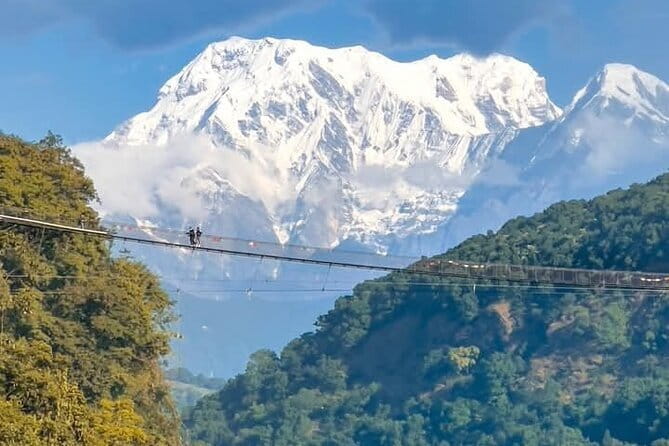
- Sarangkot sunrise from a hilltop viewpoint, timed for the Annapurna and Dhaulagiri mountain ranges
- World Peace Stupa views, with time to enjoy the valley and lake from the hill
- Devi’s Fall plus Gupteshwor Cave, a mix of water, underground space, and sacred shrine stops
- International Mountain Museum, a focused look at Himalayan mountaineering equipment and culture
- Phewa Lake paddle boating for one hour, with Annapurna reflections when skies cooperate
- Private car pickup and drop off, from airport, tourist bus station, or your Pokhara hotel
Other slow days along the Phewa shore
Why this Pokhara tour feels more like nature than a checklist
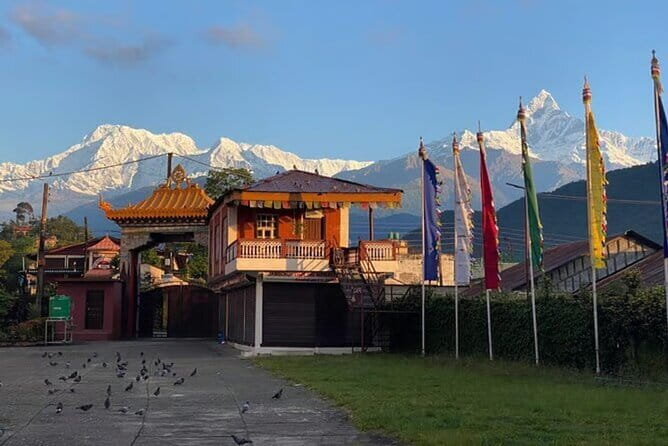
A lot of Pokhara tours try to cram the same viewpoints into a tight loop. This one is built around contrasts. You start with thunder and mystery at Devi’s Fall, shift to the quiet drama of Gupteshwor Cave, then move out to open views from hills like Bindhyabasini and Sarangkot. Then you finish with a slower rhythm on Phewa Lake and a sunset-style scene at the World Peace Stupa.
That variety matters because Pokhara is not just one view. It’s waterfall energy, cave atmosphere, temple viewpoints, and lake reflections. If you’ve only got a short time in town, this kind of pacing helps you understand why people return to Pokhara again and again.
And yes, you’re paying real money, $230 per person. The value comes from the private vehicle plus a guide who handles the big timing pieces. It’s not just rides between places, it’s the order that makes sense.
Day 1: Devi’s Fall, Gupteshwor Cave, museum learning, Bindhyabasini temple, and Phewa boating
Day 1 is the classic Pokhara “wow me” day, but it’s more than snapping photos. You’re picked up from the airport, tourist bus station, or your hotel, then you get straight into the sights. If you arrive at an awkward time, this pickup coverage is a big help.
Devi’s Fall (Davis Falls) first, because water sets the mood
You’ll spend around two hours at Devi’s Fall. It’s known for a waterfall that disappears into an underground cavern, and that mix of visible force and hidden flow is what makes it memorable. You’re not just looking at water falling, you’re watching water vanishing into mystery.
Practical tip: wear shoes you’re comfortable getting slightly damp in. Even on dry days, mist happens.
Gupteshwor Mahadev Cave for the sacred, stalactite side
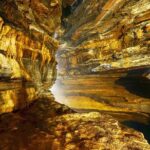
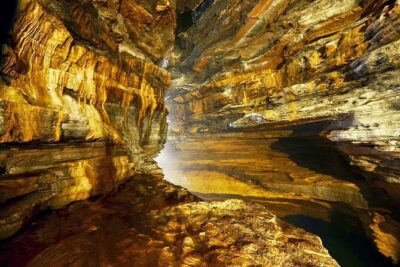
Next is Gupteshwor Mahadev Cave, about a 30-minute stop. This is a Hindu shrine area, so expect the atmosphere to be more devotional than purely sightseeing. You also get the cave structure element, stalactites and stalagmites.
A short stop works here. It’s easy to get “caved out” if you stay too long, so plan to go in curious, not exhausted.
Other Pokhara days that run to dusk
International Mountain Museum for context between viewpoints
Then you shift gears at the International Mountain Museum, about an hour. This is not a random building stop. It’s meant to help you understand Himalayan mountaineering history, plus culture and wildlife themes tied to the region. Expect exhibits with mountaineering equipment and artifacts, and information about the world’s highest peaks.
Why this fits the trip: after seeing caves and temples, the museum gives you a “why” behind the mountain obsession you’ll chase tomorrow at Sarangkot.
Shree Bindhyabasini Temple for valley views and goddess Durga
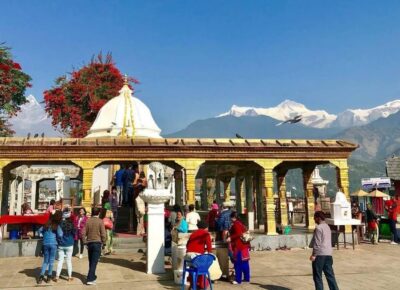
The Shree Bindhyabasini Temple stop is about 30 minutes. It’s dedicated to Goddess Durga and sits on a hill, so you get panoramic views over the Pokhara valley and the surrounding mountains.
Even if you’re not a big temple person, this viewpoint stop is doing two jobs. It’s cultural, and it’s scenic. This is where the trip starts to feel like a “see the whole place” day.
Phewa Tal paddle boating to slow down at the end
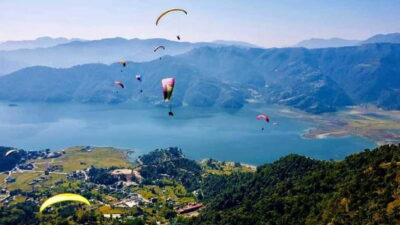
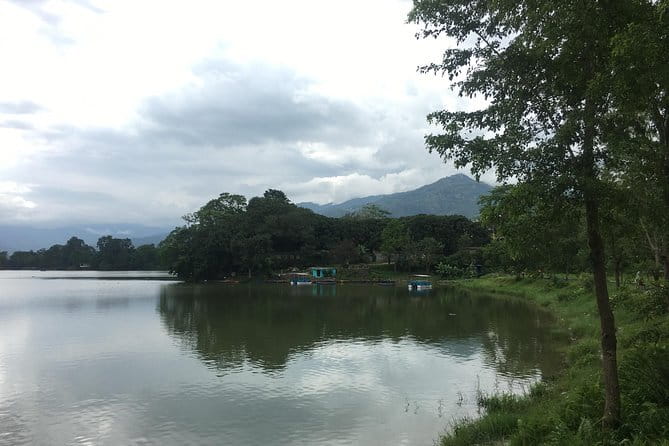
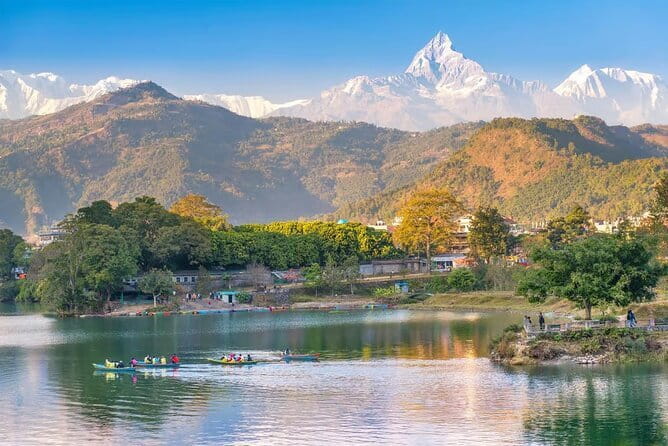
Day 1 wraps with about one hour of paddle boating on Phewa Lake. This is the calm counterweight to earlier stops. You’ll likely catch reflections of the Annapurna range in the lake when conditions cooperate, especially with sunset light nearby.
If you’ve been rushing your whole trip, this is where you breathe. The boat time also helps you remember Pokhara as a place of water, not just viewpoints.
Day 2: Sarangkot sunrise that hits, then World Peace Stupa sunset views
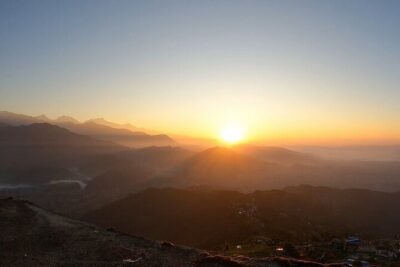
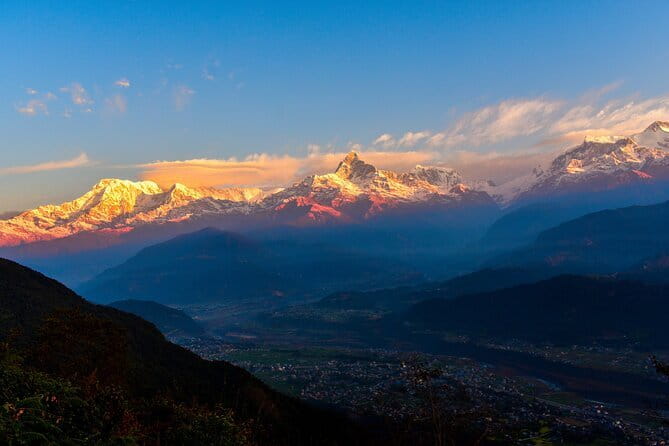
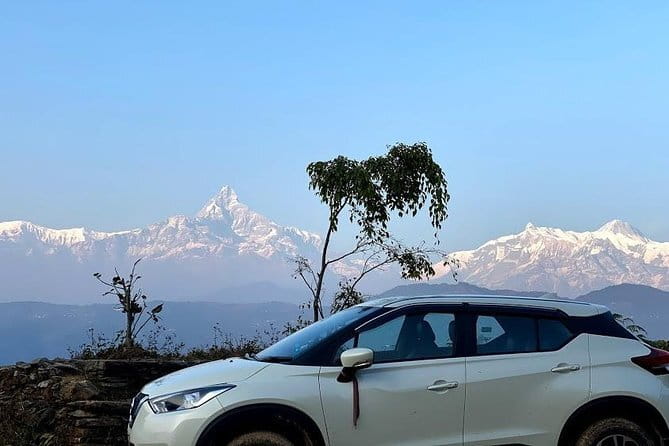
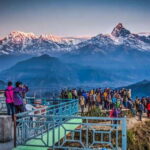
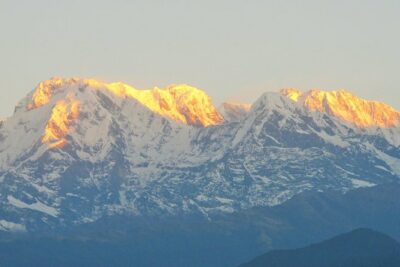
Day 2 starts early for Sarangkot, and that early start is the whole point. You’ll drive up to Sarangkot for a sunrise experience, with about three hours set aside. The big promise here is sunrise over the Annapurna and Dhaulagiri mountain ranges.
If you’ve ever watched clouds eat a sunrise, you know the risk. Still, Sarangkot is the best kind of risk because the payoff can be huge when visibility clears. Bring a layer for the early morning, and keep your expectations open. In mountain areas, weather is a live variable, not a fixed forecast.
World Peace Stupa: the viewpoint that connects lake, valley, and sky
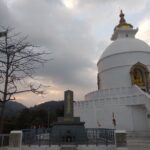
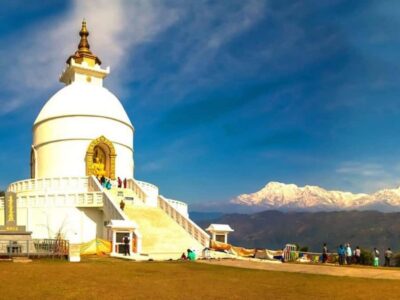
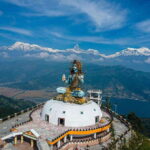
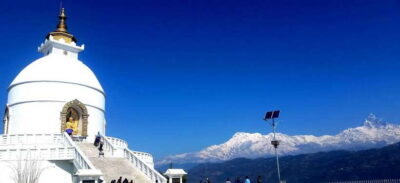
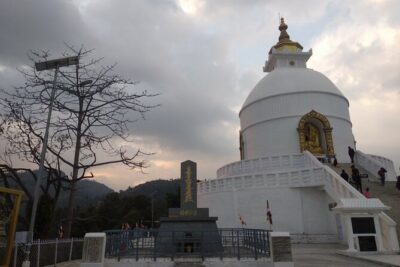
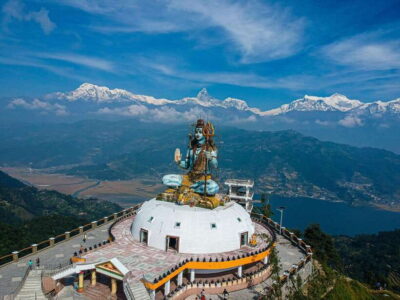
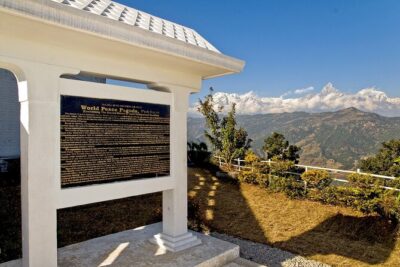
After the sunrise session, you’ll head to World Peace Stupa, spending about two hours. This Buddhist monument is dedicated to world peace, and the main attraction is the viewpoint. You’ll get wide views of Pokhara Valley, Phewa Lake, and the surrounding mountains.
This stop is listed as free for admission, which helps. Time at the stupa area is also flexible in a good way. You can move slow, take photos, and soak in the hilltop feel without feeling like you must rush.
A guide you’ll actually talk to
One practical detail I appreciate here: you’re not just driven. The service includes an English-speaking guide for the city tour and the sunrise and sunset tours. That means you’re more likely to understand what you’re looking at instead of guessing.
In feedback tied to AM Travels and Tours, people called out driver and guidance quality by name, including Bal Gurung Dai. That kind of personal attention is what turns “a route” into an experience.
When suspension bridge and Seti George are on your route
Your trip title points to suspension bridge and boating, and the driving can include additional natural stops. In the experience descriptions people shared, I saw mentions of visiting a suspension bridge and Seti George alongside other Pokhara sights.
Because your exact route can vary by day, treat this as a bonus add-on if it’s included in your pickup plan. If you do visit Seti George, be ready for a scenic stop built around narrow gorges and dramatic river views. If you visit the suspension bridge, expect short walking time with big views, and plan to hold your phone secure because it’s the kind of place where wind and balance matter.
Either way, the value stays the same. The private car route lets the driver add a stop when timing and road conditions allow.
The $230 price: where the value comes from and what to budget
Let’s talk money plainly. At $230 per person, this is not a budget “hop on a bus” tour. The value is in four places.
You’re paying for private transport and time
You get hotel pickup and drop off, plus private car service for the one-day city tour, the sunrise trip, and the sunset tour. That’s a lot of driving coverage in a region where starting early makes the difference.
You’re paying for a guide at the key moments
The English-speaking guide is included for the city tour and the sunrise and sunset tours. That helps you get more meaning from Devi’s Fall, the cave shrine setting, the temple, and the hilltop stupa viewpoints.
You’re paying for at least one included lake activity
The one-hour paddle boating on Phewa Lake is included. That’s not just scenery. It’s time on the water, and it helps your day feel complete.
Budget for entrance fees and meals
Entrance fees are listed as not included, and meals are also not included (you can buy them). Some stops are marked free in the plan, like Bindhyabasini Temple and the Phewa lake boating time, and World Peace Stupa is listed as free. But Devi’s Fall, Gupteshwor Cave, and the International Mountain Museum are marked as admission not included.
My advice: before you go, carry some cash for small entry charges and snacks. It keeps the day smooth.
Logistics that matter: timing, car comfort, and how the day flows
This kind of tour lives or dies on pacing. You’ll do multiple stops in one day, but the structure still makes sense.
Day 1 is packed but not frantic: two hours at Devi’s Fall, a short cave visit, an hour in the museum, then temple and lake time. Day 2 is about the mountains, with a sunrise window that requires an early start. Day 3 is lighter, with optional free time depending on your departure schedule.
Also, the booking is confirmed at time of booking and you’ll get a mobile ticket. That reduces the annoying back and forth when you’re trying to run on Nepal time and jet lag.
Car comfort matters too. In the feedback, people highlighted good vehicle condition and friendly driving. That may sound like a small thing, but on steep hill roads, it’s the difference between enjoying the view and feeling wrecked before you arrive.
Who should book this, and who should skip it
This tour suits you if you want:
- A private plan with pickups from airport, bus station, or your hotel in Pokhara
- A mix of nature, temples, and mountain viewpoints without the stress of planning routes
- Sunrise and stupa sunset views, plus real time on Phewa Lake
You might want a different style of tour if:
- You hate early mornings and long driving blocks
- You’re only interested in one or two sights and don’t want to spend money on a wider route
- You’re strict about entrance fees, since some key attractions have admission not included
If it’s your first visit to Pokhara, this is a smart way to get oriented fast. You end the trip with both the big panorama moments and the calmer lake time.
Quick checklist: how to make the day go smoother
Pack for comfort more than fashion:
- A warm layer for early Sarangkot sunrise
- Comfortable shoes for uneven paths around caves and viewpoints
- Water and small snacks for gaps between stops, since meals are not included
- A charged phone or camera batteries, especially for sunrise and stupa lighting
And when you’re at the viewpoints, use your time like a local. Watch the view, then take the photo, not the other way around.
Should you book this Pokhara Suspension Bridge, Lake, and Sunrise Tour?
I’d book it if you want a well-rounded Pokhara experience with private transport, an English-speaking guide at the important moments, and a schedule that balances big views with slower time on Phewa Lake.
The best reason to choose it is simple: it saves you from stitching together multiple rides and timing windows on your own. You also get a cultural layer through Devi’s Fall, Gupteshwor Cave, and Bindhyabasini Temple, plus the mountaineering context from the International Mountain Museum.
If you’re price sensitive or you hate early starts, consider whether you’d rather do only one day of highlights. But if you’re staying in Pokhara long enough to justify a structured 3-day package, this one is a strong use of your time.
FAQ
How much does the tour cost?
The tour costs $230.00 per person.
What is the tour duration?
The duration is listed as 3 days (approximately).
Is pickup and drop-off included?
Yes. The package includes hotel pickup and drop off, and pickup can be arranged from Pokhara International Airport, the Tourist Bus Station, or your hotel.
What boating activity is included?
You get one hour of paddle boating at Phewa Lake.
Are entrance fees and meals included?
Entrance fees are not included, and meals are also not included (meals are available for purchase).
Is this tour private?
Yes. This is a private tour/activity, and only your group participates.
What is the cancellation policy?
You can cancel for a full refund if you cancel up to 24 hours in advance of the experience start time.
Everything Bookable Around Pokhara


The Rest of Our Pokhara Write Ups
Pokhara, Lakeside and Above
Everything else we have reviewed around Pokhara
- Pokhara: Cable Car Tour – Bird Eye View of Mountain & Lake
★ 4.4 · 3 reviews - Jomsom Muktinath Tour by 4WD SUV 2 Days
★ 5.0 · 3 reviews - Ghorepani Poonhill Private Trek – 2 nights / 3 days
★ 4.5 · 3 reviews - Pokhara: 30-Minute Paragliding Adventure with pick up/drop off
★ 4.5 · 3 reviews - Pokhara: 7-Day Annapurna Base Camp Trek via Ghandruk
★ 4.3 · 3 reviews - Pokhara Group Joining Sarangkot Sunrise Himalayas Tour
★ 5.0 · 3 reviews
Pokhara City Tours & Lakeside Sights worth a second look.
 ★ 4.1Full-Day Sharing Bus Tour on 7 Iconic DestinationFrom $12179 reviews
 ★ 4.8Full-Day Private Tour on 7 Iconic DestinationFrom $53108 reviews
 ★ 5.0The Best of Pokhara: Full-Day Private Tour with Sarangkot SunriseFrom $6866 reviews
 ★ 5.0Guided Tour to explore the entire Pokhara CityFrom $7051 reviews
 ★ 4.1City Sightseeing Group Bus TourFrom $837 reviews
 ★ 4.5Private Half Day Tour Highlights of Pokhara by CarFrom $8036 reviews
 ★ 5.0Pokhara Valley Mountain Bike Adventure Private TourFrom $18530 reviews
 ★ 5.0Half-Day Private Pokhara TourFrom $6727 reviews
Lists this tour sits in