
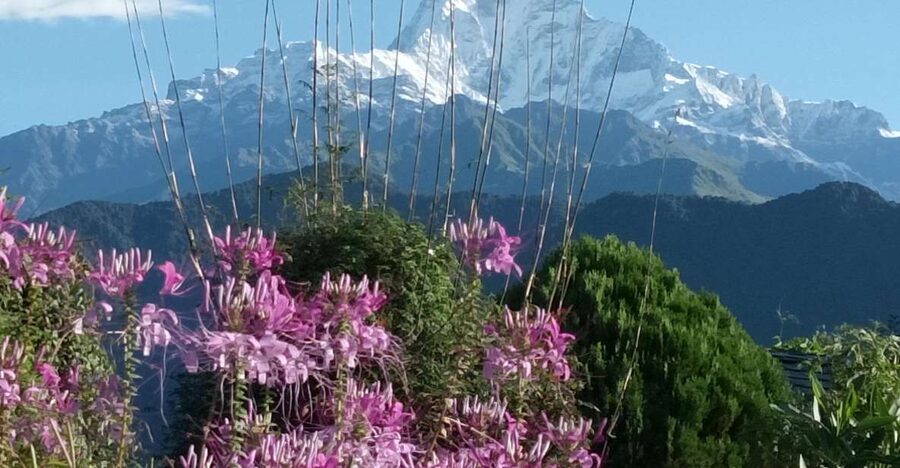
REVIEW · 3-DAY EXPERIENCES
Pokhara: 3-Day Trek
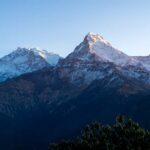
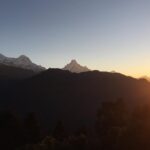
Himalaya views in just 3 days. This short, private trek from Pokhara pushes you into the foothills above the city, with Annapurna sunrise and sunset over ridges and snow peaks, plus hot showers that make the whole thing feel doable. One thing to plan for: pickup and the day-before briefing timing can be picky, so I’d confirm details in advance rather than assume everything will click on its own.
What I like most is the balance. You get that real trekking feeling, including ridge walking and village paths through places like Dhampus and Astam, without long, punishing days. You also travel with a licensed guide and a porter, so you are not stuck juggling navigation, bags, and questions about what you are seeing.
In This Review
- Key things that make this trek worth it
- Why this short Pokhara trek feels like real Himalayan trekking
- Getting to Naudanda and the gentle climb to Dhampus
- Australian Camp overnight: Rhododendron forest, teahouse comfort, and sunrise
- Ridge walking to Astam and the Annapurna Eco Village Resort highlight
- Day 3: the downhill to the highway and back to Pokhara comfort
- How your guide and porter improve the real-world experience
- Lodge comfort, hot showers, and the meals you will plan for
- Price and logistics: where the $250 feels fair
- Who this trek is best for, and who should skip it
- Should you book this Pokhara 3-day trek?
Key things that make this trek worth it
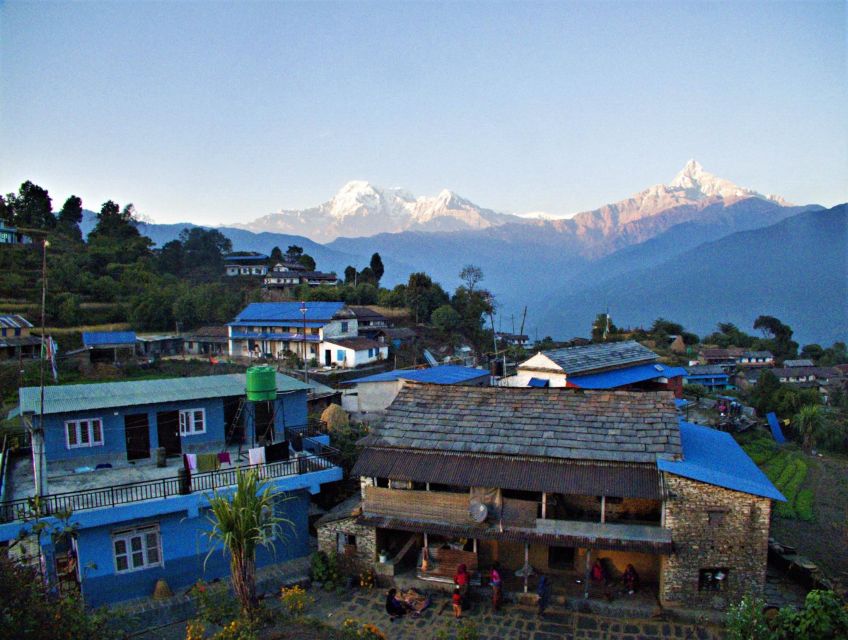
- Big Annapurna views for minimal effort: sunrise and sunset are the headline, and the route is designed to deliver without extreme elevation stress.
- Two comfortable lodge nights: Australian Camp for the best mountain mood, then Astam at the Annapurna Eco Village Resort with attached facilities.
- Hot shower the first night: the Rhododendron-forest teahouses include attached bathrooms and hot water, which changes how you feel at the end of the day.
- A guide who actually explains Nepal: names you may be paired with include Jit, Prabin, Dansay, Probin, and Basanta, and they bring stories, local context, and a safety-first mindset.
- Route can be customized: there are options to drive closer to higher points if you want a shorter hike or a slower day.
- Eco-village stop with hands-on meaning: the Astam stay focuses on organic farming and eco steps like reusing water and rainwater harvesting.
Other lodge to lodge routes near Pokhara
Why this short Pokhara trek feels like real Himalayan trekking
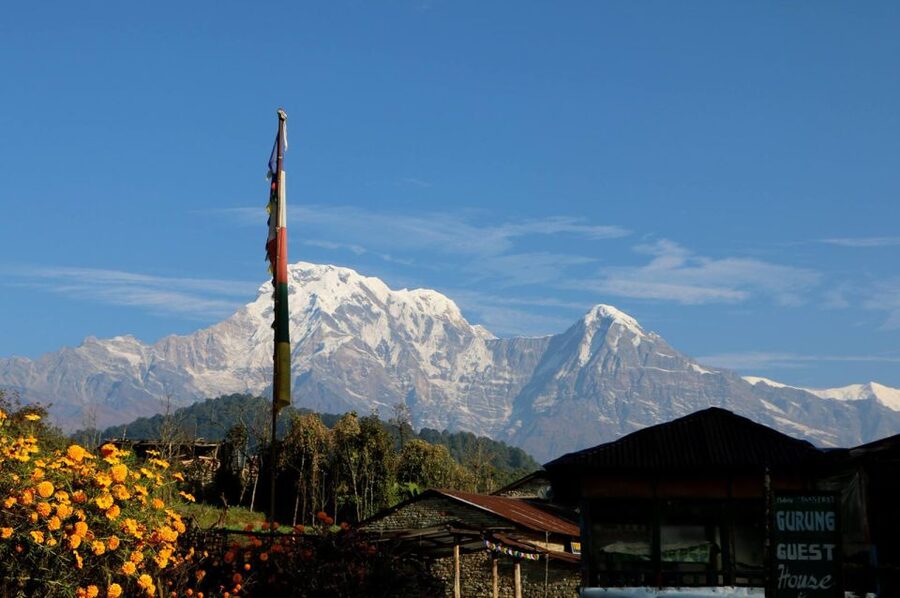
Pokhara is great, but it can also feel too easy. This trek nudges you out past the city and into the hills where the Annapurna Range starts to dominate the sky. You are trekking in the foothills zone, roughly 30 kilometers northwest of Pokhara, so you get serious mountain views without signing up for a long expedition.
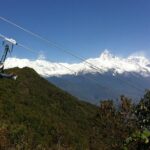
The route follows the ridge line through communities like Dhampus and toward Astam village. Along the way, you see the valley laid out below, with terraced fields and seasonal crops. On clear mornings and evenings, the snow peaks create a wall at the north end of the view, so even a short trek day feels cinematic.
This is also a confidence-builder for first-time trekkers. Because the days are short and the terrain is paced, you can focus on enjoying the walking, not counting minutes until relief.
Getting to Naudanda and the gentle climb to Dhampus
Day 1 starts with a private drive to Naudanda, about half an hour from the Pokhara area. From there, you walk gradually down toward the stream, then begin climbing again toward Dhampus. It is not steep grind after steep grind. It is more like a steady warm-up.
The Dhampus portion takes about 2 hours, which is long enough to get your legs going but short enough that you still arrive feeling like you earned your rest. This is a good moment to slow down and look up. In this region, it is easy to miss how quickly Himalayan silhouettes appear once you are out from the valley noise.
After that, you continue another hour toward Pothana village for lunch. Pothana acts like a natural break in the day, and it is a practical stop if you want to sit down, eat something familiar, and reset your energy.
Small drawback to watch for: day 1 has a few moving parts, drive time plus two walking segments plus lunch. If you are easily stressed by timing, plan a calm start and keep your water and snacks easy to access.
Australian Camp overnight: Rhododendron forest, teahouse comfort, and sunrise
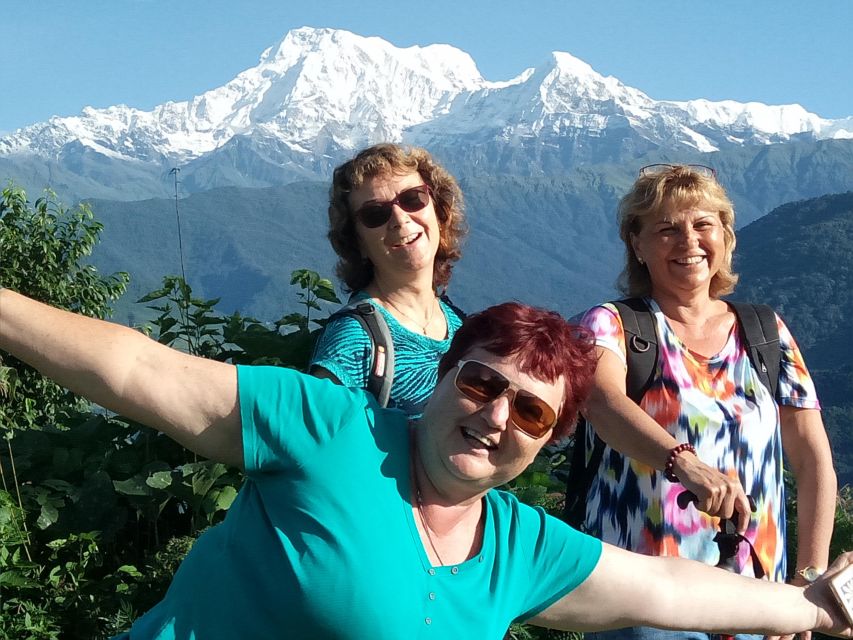
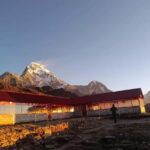
The first night is in Australian Camp, a small teahouse settlement in a Rhododendron forest above Dhampus. This is one of the biggest reasons to choose this trek. You are higher than the city, yet not stuck in remote hardship. The setting is made for walkers.
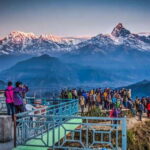
Expect panoramic mountain views from your lodge area, and this is where the sunrise and sunset timing really pays off. You do not have to hike for hours just to reach the good-looking viewpoints. The camp location is set up so you can enjoy the mountain drama with less effort.
The lodge style here is practical. You get an attached toilet and bathroom with hot shower, which matters more than people think. When you are cold or damp, hot water becomes a reward, not a luxury. After an easy day, it helps you sleep better and wake up ready to look at the sky.
This area also gives you a teahouse-village feel, where you see how trekking infrastructure has grown around seasonal hikers. It is not just scenery. It is daily life meeting visitor needs.
One packing note you will thank yourself for: bring mosquito spray and sun protection. People often mention sunscreen habits and insect repellent here, and the forest and morning air can make both useful.
Ridge walking to Astam and the Annapurna Eco Village Resort highlight
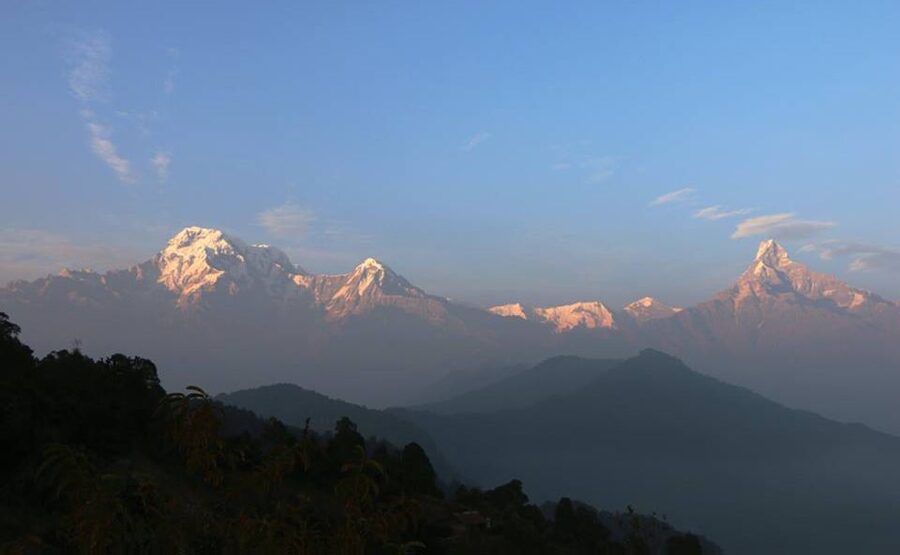
Day 2 is built around a ridge-style walk. You start with breakfast while the Himalayas are still in view, then continue along the ridgeline toward Astam village. This is about a 4-hour trek.
Ridge walking has a particular kind of satisfaction. You feel the movement across open sightlines, and the valley keeps changing below you. Even when your legs are working, your eyes are rewarded constantly.
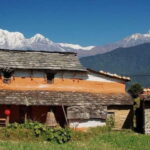
As you near Astam, you trade the forest-teahouse vibe for a village and farm rhythm. The Astam stay is at the Annapurna Eco Village Resort, which is described as simple but comfortable, with attached rooms and bathrooms. The important part is what they do with it.
You can learn about organic farming and eco-friendly steps like reusing water and rainwater harvesting. It is not just a feel-good slogan. It is the kind of thing you notice once you are living there for a night and eating meals tied to the local approach.
Another practical win: this night is where the food focus shifts. Meals are not automatically included in the package price, but you can order in the lodges. At the eco-village side, people often enjoy the organic meals, and it becomes part of the experience rather than just fuel.
Who will like this most: if you enjoy small-scale culture and practical sustainability, this stop lands well. It is short, but it changes how you think about where your food and water come from.
Before the deposit goes down: more Pokhara to weigh

Day 3: the downhill to the highway and back to Pokhara comfort
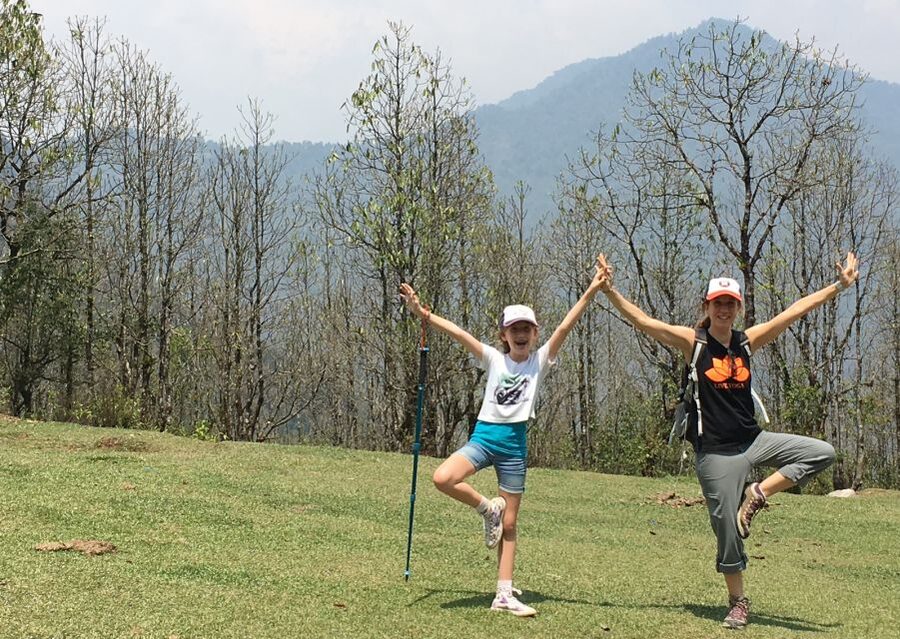
On day 3, you trek about 2 hours down to the highway, then drive back to Pokhara. This is designed to be a clean finish, no last-day suffering.
That downhill segment is your chance to think back on what you saw. The ridge portion gave you the big views. The village portions gave you the human texture. The descent is how you close the loop.
By the time you reach the highway, you are usually ready for the shift back to city life: hot coffee, shower in a real bathroom, and a chance to do nothing for a while.
If you want the trek to feel like a vacation and not a training camp, this day length matters. It keeps the whole trip from turning into a long recovery.
How your guide and porter improve the real-world experience
This trek is private, and it comes with a professional licensed guide plus a porter for your luggage. In practice, that means you get more than direction. You get context.
Guide names you may encounter include Jit (where guests mention feeling safe and well cared for), Prabin (including botanical and wildlife knowledge), Dansay (attentive with stories), Probin (good information and how-to guidance), and Basanta (helpful, funny, and focused on comfort and security). Even if you have a different guide, these names signal the general style: friendly, confident, and attentive.
Here is what you should expect your guide to do for you:
- Choose a pace that fits you, since this is a customized private trek
- Make sure you know what is next, especially around breaks and viewpoints
- Offer explanations for villages, crops, and mountain life
- Keep you steady on route so you are not wrestling with directions
The porter part is simple but important. Even with a “short and easy” trek, trekking bags add up. Having someone carry your luggage helps you keep your energy for walking and enjoying the views.
Lodge comfort, hot showers, and the meals you will plan for
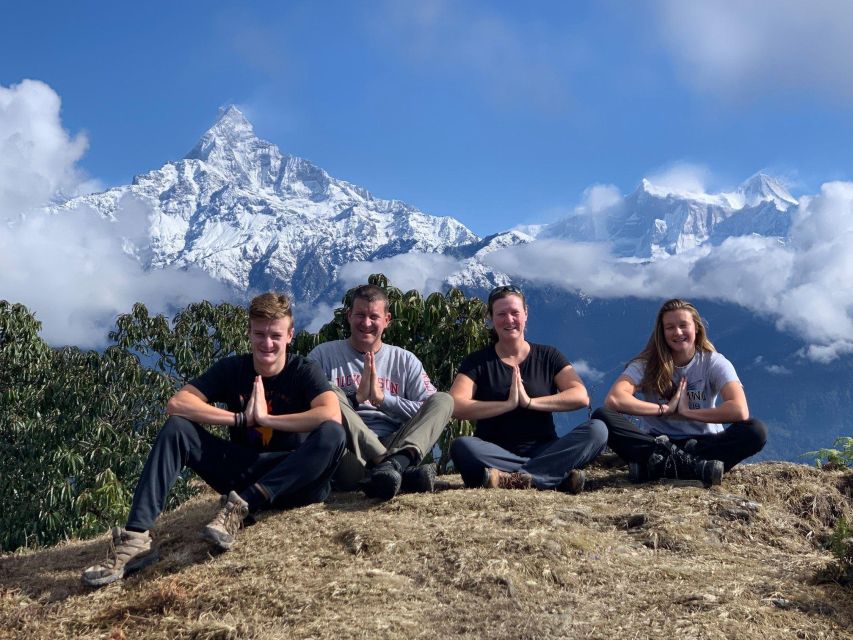
Lodges are part of the value here, not just a place to sleep. The first night in Australian Camp includes attached bathroom facilities and a hot shower. That is a big comfort marker for a short trek.
The second night at the eco-village resort also comes with attached bathroom/toilet rooms. The style is described as simple but comfortable. Translation: you should expect cozy basics, not luxury suites.
Meals are the one area you should budget thoughtfully. Meals are not included in the package price. You can order meals at the teahouses and pay directly. The food is described as simple but delicious, and international options are available in the teahouses.
For planning, I suggest you treat meal costs as part of your trip budget, not as a surprise. If you are picky about food or want predictable calories, order early and stick with familiar items when you can.
Price and logistics: where the $250 feels fair
The cost is $250 per person for a 3-day trek. For that price, you get private transportation to and from the trailhead, two nights in comfortable lodge settings with attached bathrooms, plus a guide and porter.
What you do not get is meals. Insurance is also not included.
When I judge value on a trek, I look at how much you are buying beyond your own legs. Here, you are paying for:
- Comfort: attached bathrooms and hot shower the first night
- Support: licensed guide and porter
- Time efficiency: private transport and a route built for a short stay
That combination is often what makes the difference between a trek that feels like fun and one that feels like work.
Logistics to keep in mind:
- Pickup is included only if your hotel is in the Lakeside area of Pokhara. If you are staying farther out, there is extra cost.
- The operator meets you at your hotel the day earlier for a trek briefing and to set the next day departure time.
- The guide will arrive by car the next day for departure.
- The tour runs in English.
And one practical caution from real trip experience: if timing gets confusing at the briefing or meeting point, it can cause unnecessary waiting. I recommend you confirm the day-before details in writing or via phone the moment you can.
Who this trek is best for, and who should skip it
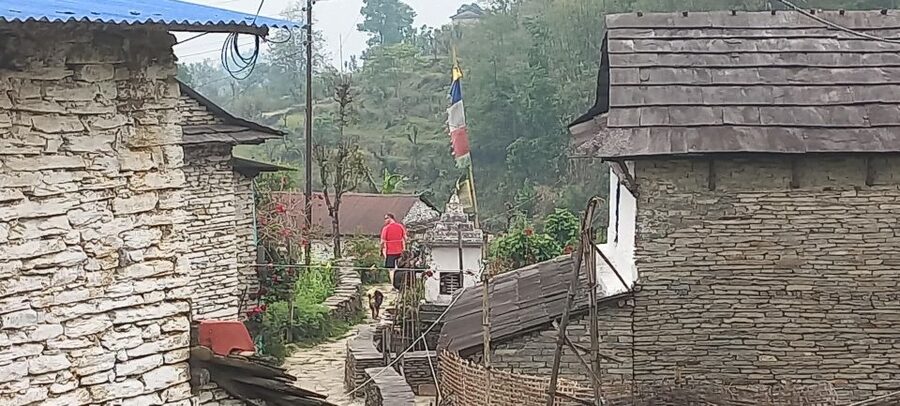
This is ideal if you want a taste of Himalayan trekking without turning your vacation into a survival course. It fits first-timers, people who want a short break from city life, and anyone who likes lodge-based travel with a guide explaining what they are seeing.
It also suits solo travelers because the trek is private, meaning you should not feel lost in a big group rhythm.
Not suitable for pregnant women, and not suitable for people with mobility impairments. The walking is still walking, and the route involves hiking segments that are not described as wheelchair or step-free friendly.
If you are nervous about altitude, this is more of a foothills trek than a high-altitude summit push, but you should still go prepared for cool mornings and sun exposure.
Should you book this Pokhara 3-day trek?
Book it if you want a short, guided Himalayan-style hike with lodge comfort, hot showers, and real views of the Annapurna Range at sunrise and sunset. The two different overnight stays also give you variety, Australian Camp for the mountain mood, then Astam for the eco-village experience.
Skip it if you need fully accessible terrain, or if pregnancy makes trekking unsuitable for you based on the tour terms. Also think twice if you hate any timing uncertainty, because pickup and briefing need a bit of attention to run smoothly.
If you bring comfortable shoes, sunglasses, and a little insect protection, you will be set up for a trip that feels like trekking, not just sightseeing.
Pokhara in Three Sleeps

Lodge to Lodge Around Pokhara
The Rest of Our Pokhara Write Ups

Everything else we have reviewed around Pokhara
- Pokhara: Cable Car Tour – Bird Eye View of Mountain & Lake
★ 4.4 · 3 reviews - Jomsom Muktinath Tour by 4WD SUV 2 Days
★ 5.0 · 3 reviews - Ghorepani Poonhill Private Trek – 2 nights / 3 days
★ 4.5 · 3 reviews - Pokhara: 30-Minute Paragliding Adventure with pick up/drop off
★ 4.5 · 3 reviews - Pokhara: 7-Day Annapurna Base Camp Trek via Ghandruk
★ 4.3 · 3 reviews - Pokhara Group Joining Sarangkot Sunrise Himalayas Tour
★ 5.0 · 3 reviews
3-Day Experiences worth a second look.
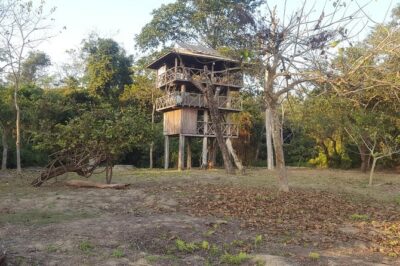 ★ 5.0Jungle Towernight Stay In Chitwan National Park ,nepal-2 Nights 3 Days PackageFrom $225186 reviews
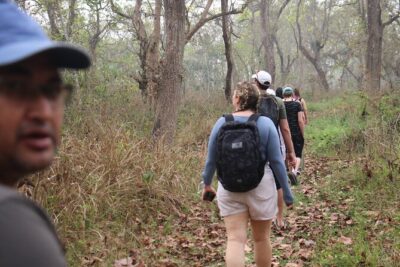 ★ 5.03-Day Chitwan National Park Jungle Safari Tour Package with Pick UpFrom $180184 reviews
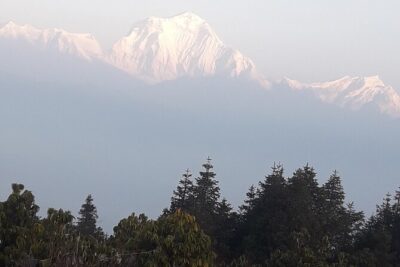 ★ 5.0Poon hill Trek 3 daysFrom $230176 reviews
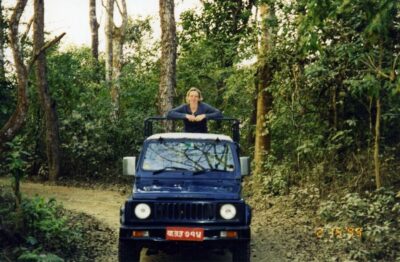 ★ 4.63-Day All-Inclusive Chitwan SafariFrom $149133 reviews
 ★ 4.63-Day Chitwan Safari Tour with Hotel TransfersFrom $151127 reviews
 ★ 4.73 Day Chitwan Jungle Safari TourFrom $12987 reviews
 ★ 4.93-Day Ghorepani Poon Hill Trek with GuideFrom $16268 reviews
 ★ 5.03-Day Ghorephani and Poon Hill Private TrekFrom $12658 reviews
Lists this tour sits in