
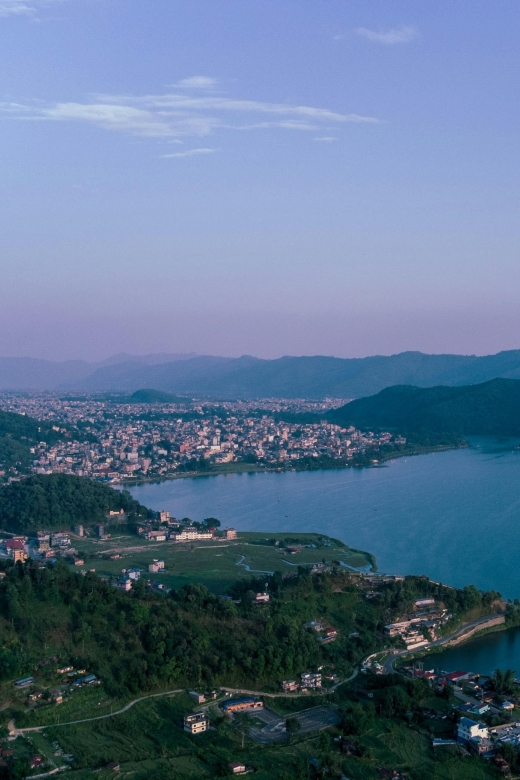
REVIEW · POKHARA CITY TOURS & LAKESIDE SIGHTS
Pokhara Day Bus Sightseeing 8 points
Eight stops, one efficient bus day. This pocket-friendly Pokhara circuit is a smart way to get scenic viewpoints plus temple-and-water highlights without spending all day. I like that the route strings together the big-name sights from Pumdikot Mahadev to World Peace Pagoda, then finishes at Phewa Lake. One drawback to plan for is that the on-the-ground guiding can be uneven, especially if you want lots of fluent English commentary.
The tour runs about 4 hours, starting around 9:00 am, with pickup around 8:40 am from Pokhara Lakeside. It is also fast-paced, so wear comfortable shoes and be ready for stairs and short walks at viewpoints and caves.
In This Review
- Key highlights you will feel fast
- Pokhara in 4 Hours: How a Budget Bus Day Really Works
- Meeting at Lakeside and Getting To Each Stop on Time
- Lakeside Warm-Up and the Pumdikot Mahadev Viewpoint
- World Peace Pagoda Over Phewa Lake and Toward Annapurna
- Davis Falls: The Waterfall and Its Underground Tunnel Moment
- Seti River Gorge: Limestone Cuts and a Quick Bridge Pause
- Mahendra Cave and Gupteshwor Mahadev: Stalactites, Stalagmites, and Sacred Space
- Bindabasini Temple and the Shiva Thread in Pokhara
- Phewa Lake Finale: Shore Time or a Boat Ride
- Price and Value: Why $19 Works, and When It Might Not
- Bus Comfort and Guide Language: What to Expect in Real Life
- What to Bring, and What to Leave Behind
- Who This Half-Day Loop Fits Best
- Should You Book This Pokhara Day Bus Sightseeing Loop?
- FAQ
- How long is the Pokhara Day Bus Sightseeing tour?
- What time does the tour start, and when should I be ready for pickup?
- Where is pickup provided?
- What are the main sights on this tour?
- Are entry fees included in the price?
- Is food included?
- What languages are used by the host or greeter?
- What should I bring with me?
- What is not allowed during the tour?
- Is this tour refundable if my plans change?
Key highlights you will feel fast
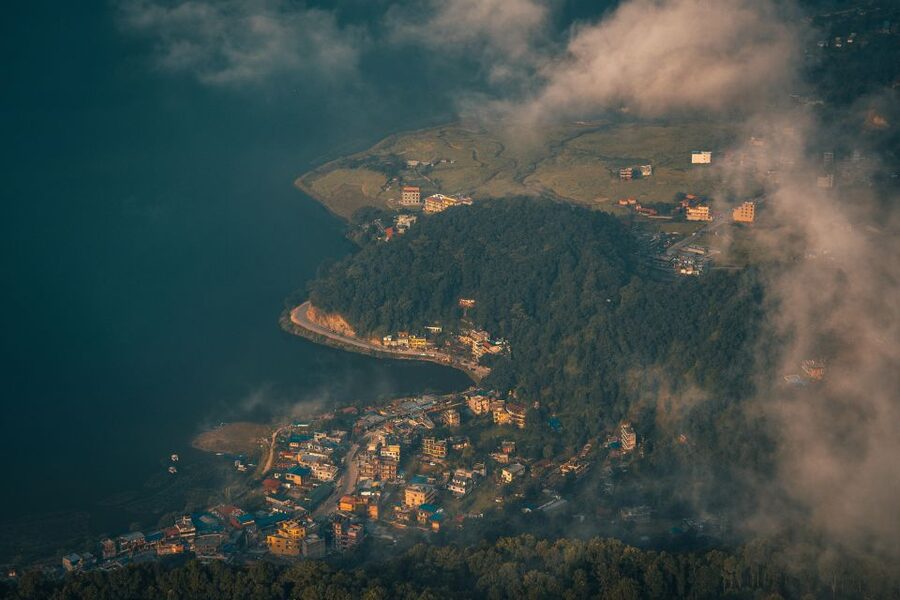
- Pumdikot Mahadev viewpoint for big panoramic Pokhara Valley views
- World Peace Pagoda with lookout views over Phewa Lake and toward the Annapurna range
- Davis Fall where you can see the cascade and its underground tunnel in action
- Seti River Gorge for the limestone cut and a bridge photo moment
- Mahendra Cave plus the sacred Gupteshwor Mahadev cave complex
- Phewa Lake to end with shoreline time or a boat ride
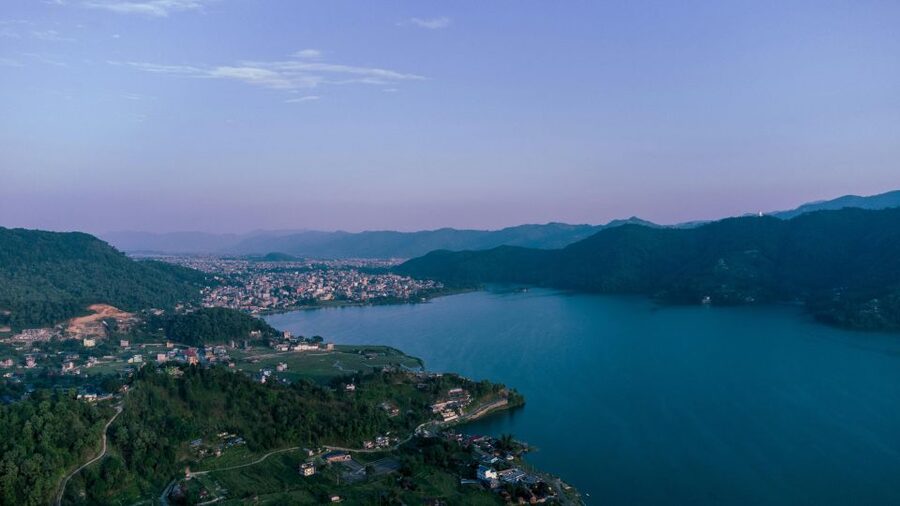
Other slow days along the Phewa shore
Pokhara in 4 Hours: How a Budget Bus Day Really Works
This is a half-day style tour built for people who want the main sights, but not the long slog. You start in Pokhara Lakeside, then the bus shuttles you from viewpoint to landmark with guided visits at most stops. The pace is friendly if you like seeing multiple places in one morning, but it is not the kind of day for slow roaming.
The value comes from what they pack into a short window. You get scenic viewpoints, spirituality at temples and Shiva sites, and natural attractions like waterfalls, gorges, and caves. It is a very Pokhara blend, and it works well for first-time visitors who want a clear taste of what the area is famous for.
Meeting at Lakeside and Getting To Each Stop on Time
Pickup is in Pokhara Lakeside, and they aim to start around 9:00 am local time. The guidance says to be ready at least 20 minutes early, around 8:40 am, so you do not lose the tight schedule.
Because pickup depends on your exact hotel, you will need to send your hotel name, street address, and a contact number so the team can confirm where to meet you. If you want things to run smoothly, message ahead one day before or about one hour before pickup.
Once you’re aboard, the tour includes pickup and drop, plus an experienced driver, fuels, taxes, and service charge. That usually means you are paying for transportation and the guided stop visits, while your own spending stays mainly for entry fees and food.
Lakeside Warm-Up and the Pumdikot Mahadev Viewpoint
The morning begins with time at Pokhara Lakeside, about 30 minutes. Use this as your reset moment, grab water, and make sure your shoes and phone are ready for photos. It is also a good time to check your camera battery, because later stops include darker cave areas and viewpoints where you will want full battery power.
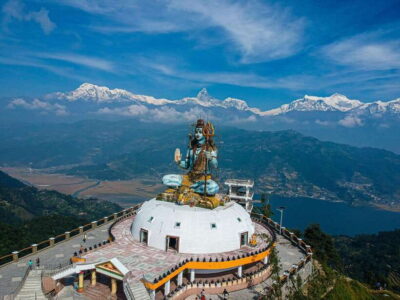
Then you head to Pumdikot Mahadev View Point, a Shiva-linked stop with a big payoff: panoramic views over Pokhara Valley. Expect a guided visit of about an hour here. The main idea is simple, you go up high, look out over the valley and surrounding mountains, and get your bearings for the rest of the day.
Practical tip: wear shoes with grip. Even if the paths look manageable, you are combining altitude, stairs, and short walks. For anyone with motion sickness, this is also a day where the roads and curves can be enough to bother you, so take that seriously early.
World Peace Pagoda Over Phewa Lake and Toward Annapurna
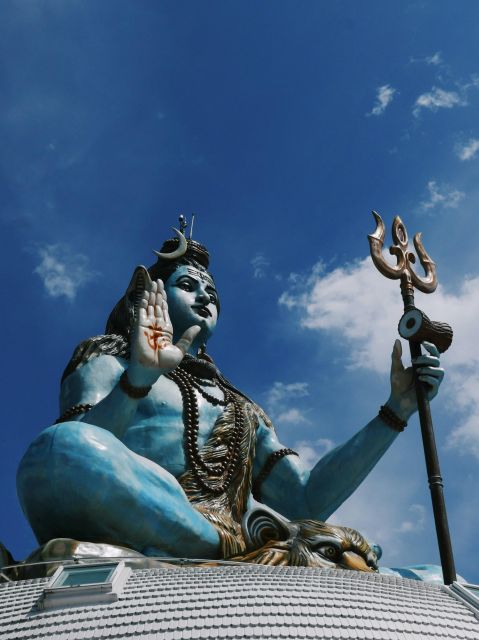
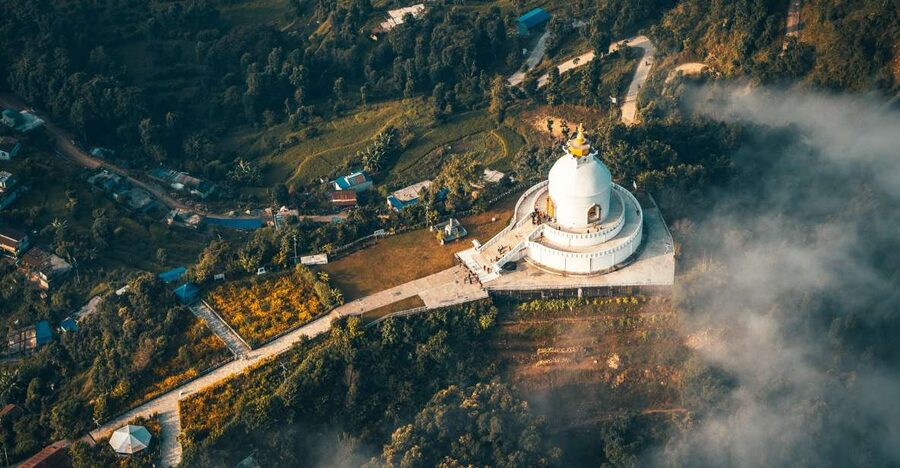
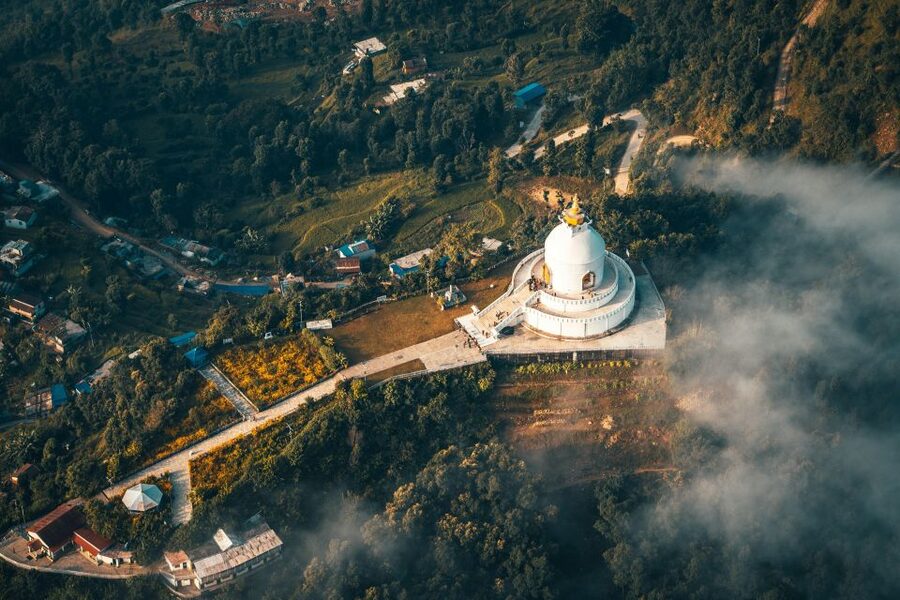
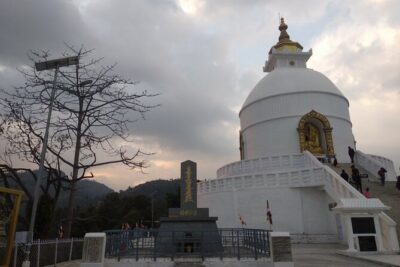
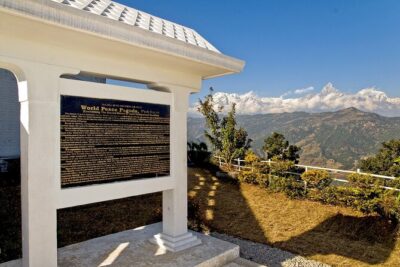
World Peace Pagoda is one of the most photogenic places on the route, and it has a calm, look-out feel. You are guided here for about an hour, and the main view angle is toward Phewa Lake with panoramic perspectives toward the Annapurna mountain range.
What I like about this stop is the contrast it creates. You shift from the more spiritual vibe of the Shiva viewpoint into a quieter lookout that feels more open and reflective. It is still about religion and meaning, but it is also about atmosphere, the kind where you pause and just take in the view.
If you are short on time, this is one of the moments to slow down. Do not rush your photos. Take a few from different spots, and give your eyes a minute to adjust to the distance.
Davis Falls: The Waterfall and Its Underground Tunnel Moment
Davis Fall is one of those stops that makes you understand Pokhara’s water power instantly. You visit for about 30 minutes with guided time. The big draw is the cascade itself, and the unique underground tunnel effect that draws water into the earth.
You get close enough for impressive views, and it is the kind of natural site where the sound carries. That can be great for the experience, but it also means you might want to watch your footing and stay aware around slippery areas.
Photo tip: keep your lens handy, but do not over-focus on the waterfall only. Try including some context, like the surrounding structure and viewpoints, so your photos later make sense even if you are not right there in person.
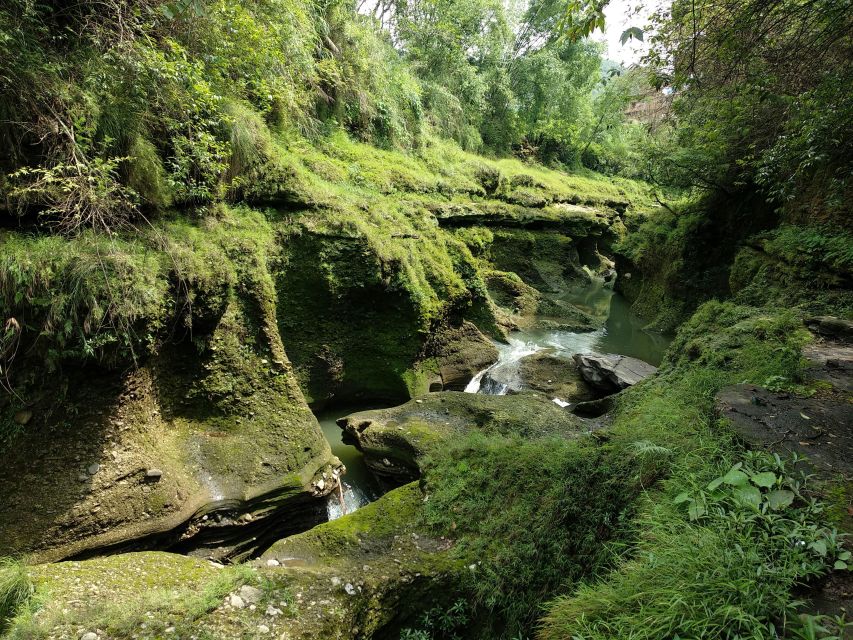
Seti River Gorge: Limestone Cuts and a Quick Bridge Pause
Seti River Gorge is the next nature hit, and it is different from the falls. The gorge is known for deep limestone rocks carved over time. You cross into a dramatic viewpoint perspective, then you get a moment on the bridge to appreciate what the river has shaped.
The visit runs about 30 minutes. It is short, but it is designed to give you the key angles without turning the day into a full hike. Still, you should expect steps and uneven ground around viewpoints.
If you are sensitive to heights, approach this stop with care. It might not feel like a mountain trail, but you are often viewing from elevated spots and bridges. That makes it a good place to go slow rather than sprint for the best angle.
Mahendra Cave and Gupteshwor Mahadev: Stalactites, Stalagmites, and Sacred Space
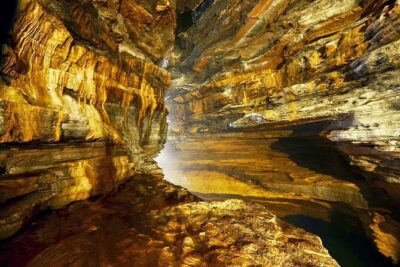
Mahendra Cave is where the tour turns more underground and more surprising. You explore for about an hour, and the cave is known for stalactite and stalagmite formations. The complex also includes the sacred Gupteshwor Mahadev Cave.
This is one of the best stops to understand Pokhara’s mix of nature and belief. It is not just geology, it is also a spiritual setting. If you are the type of traveler who likes seeing how locals connect place to faith, you will likely appreciate this part.
A key caution is claustrophobia. The tour is not suitable for people with claustrophobia, and the cave areas can feel tight. If that applies to you, skip this stop on your own and consider a different tour where you can stay outside.
Practical tip: bring a charged smartphone, because low light can make photos tricky. Also keep your movements steady. Caves are not the time to rush.
Bindabasini Temple and the Shiva Thread in Pokhara
Bindabasini Temple is a spiritual highlight on the route, with about 45 minutes for the guided visit. The atmosphere is religious and cultural, and it is part of why Pokhara is more than scenic scenery.
What connects this stop to the rest of the day is the theme of Shiva-linked places. The tour starts at Pumdikot Mahadev, and it also includes Mahadev Temple as part of the spiritual circuit. Even when you are moving quickly, you end up with a sense that the region’s identity includes devotion as well as views.
If you like cultural stops, this is a good time to slow down, observe respectfully, and look at small details instead of only scanning for big photo angles. You might also notice that these stops give the tour a rhythm. After waterfalls and gorges, a temple break helps you recharge mentally.
Phewa Lake Finale: Shore Time or a Boat Ride
The tour ends back near Pokhara Lakeside, with the final scenic stop at Phewa Lake. You get about one hour here for the guided visit. It is a natural wind-down after caves and gorges, and it gives you room to choose your pace.
The plan suggests you can take a leisurely boat ride or simply relax by the serene shores. If you want one more photo session, this is usually the easiest place to do it without rushing. The light can also be nicer here for shots that include water and mountains.
If you plan to add your own activity after the tour, Phewa Lake is a solid base. You can linger, grab food nearby, and use the morning’s route as your mental map for what to do next in Pokhara.
Price and Value: Why $19 Works, and When It Might Not
At $19 per person for a 4-hour tour, the price can be a strong value if you mainly care about transportation plus guided access to the big sights. You are not just paying for a ride, you are paying for stop visits with an experienced driver and coordination across multiple landmarks.
But here is the part to watch. Entry fees and food are not included. That means your true total depends on what you choose to pay at each stop. If you also want snacks during the day, budget for that too.
The “value” question also depends on your expectations for language and interpretation. If you want detailed commentary in fluent English, be aware that the experience can vary. The greeter and host may speak Nepali, Hindi, and English, but actual on-site English can be hit or miss. For me, that does not make the tour worthless, it just means you should bring your curiosity and a simple plan, like having a few key questions ready.
Bus Comfort and Guide Language: What to Expect in Real Life
The bus is part of the deal, and it is a day trip, so comfort is practical rather than luxurious. Some people have found the bus older and less clean than they expected, so if you are picky about vehicle comfort, that is worth factoring in.
Guide quality is the other major variable. Some experiences run smoothly with organized guidance, while others feel more like a time-and-return coordinator than a deep storyteller. The good news is that even when guidance is light, many stops are visual enough that you still get value from the scenery and sights themselves.
What you can do to make it work: keep your expectations realistic. If English is limited, use body language, point at what you want to see, and focus on the landmark itself. You can also download a few offline descriptions for each site on your phone so you are never totally dependent on the guide.
What to Bring, and What to Leave Behind
Bring comfortable shoes, comfortable clothes, and a charged smartphone. The route includes viewpoints and cave areas, so footwear matters more than you think. Also bring a garbage bag, which is useful anywhere you are likely to have wrappers or small trash. Carry a passport or ID card, copy accepted.
On the rules side, the tour does not allow intoxication, smoking in the vehicle, alcohol and drugs, littering, baby carriages, explosive substances, or alcohol drinks in the vehicle. It also requests quiet behavior and no nudity.
These rules are normal for organized group travel. The reason they matter on this specific route is that temples and caves are sensitive environments. If you keep things respectful and follow the basics, the day stays smooth for everyone.
Who This Half-Day Loop Fits Best
This tour is best for travelers who want a highlight circuit and a clear first pass through Pokhara. It makes sense if you like mixing nature and spirituality and you are comfortable with short visits at many locations.
It may not work for you if you have mobility issues, back problems, heart problems, high blood pressure, low level of fitness, motion sickness, or claustrophobia. The tour is also not suitable for wheelchair users and people over certain age and weight limits, including people over 331 lbs or people over 95 years.
There is also a note about vegan travelers, meaning your food expectations might be hard to meet since food is not included. If you are strict about diet, you will want to plan meals around the day or consider a different tour.
Should You Book This Pokhara Day Bus Sightseeing Loop?
Book it if you are visiting Pokhara for the first time and you want the core hits in a half-day: Pumdikot viewpoints, World Peace Pagoda over Phewa Lake, Davis Falls, Seti River Gorge, a cave visit with stalactites and stalagmites, Bindabasini Temple, and Phewa Lake to finish.
Skip or switch tours if you need a high level of fluent English interpretation, or if vehicle comfort and guide style strongly affect your enjoyment. Also skip if you have claustrophobia, motion sickness, or any of the mobility or health constraints listed.
If you decide to go, do it with the right mindset. This is a practical, efficient sightseeing loop. When you treat it like that, you get a lot of Pokhara in a short morning, and you finish with a great view horizon at Phewa Lake.
FAQ
How long is the Pokhara Day Bus Sightseeing tour?
It lasts about 4 hours.
What time does the tour start, and when should I be ready for pickup?
Pickup is typically around 8:40 am local time, and the tour starts around 9:00 am. Plan to be at the pickup point at least 20 minutes early.
Where is pickup provided?
Pickup is included, and it is arranged based on your hotel in Pokhara. The tour notes that the pickup location is determined by the client, so you should send your hotel name and address so they can confirm.
What are the main sights on this tour?
The day includes stops such as Pumdikot Mahadev View Point, World Peace Pagoda, Davis Fall, Seti River Gorge, Mahendra Cave (including Gupteshwor Mahadev Cave within the complex), Bindabasini Temple, and Phewa Lake.
Are entry fees included in the price?
No. Entry fees are not included.
Is food included?
No. Food is not included.
What languages are used by the host or greeter?
The host or greeter can speak Nepali, Hindi, and English.
What should I bring with me?
Bring comfortable shoes and clothes, a charged smartphone, and your passport or ID card (a copy is accepted). A garbage bag is also recommended.
What is not allowed during the tour?
The tour does not allow intoxication, smoking in the vehicle, alcohol or drugs, littering, baby carriages, explosive substances, alcohol in the vehicle, making noise, and nudity.
Is this tour refundable if my plans change?
Yes, free cancellation is offered up to 24 hours in advance for a full refund.
The Rest of Our Pokhara Write Ups
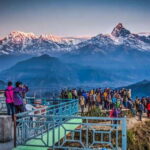


Pokhara, Lakeside and Above
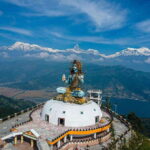
Everything else we have reviewed around Pokhara
- Pokhara: Cable Car Tour – Bird Eye View of Mountain & Lake
★ 4.4 · 3 reviews - Jomsom Muktinath Tour by 4WD SUV 2 Days
★ 5.0 · 3 reviews - Ghorepani Poonhill Private Trek – 2 nights / 3 days
★ 4.5 · 3 reviews - Pokhara: 30-Minute Paragliding Adventure with pick up/drop off
★ 4.5 · 3 reviews - Pokhara: 7-Day Annapurna Base Camp Trek via Ghandruk
★ 4.3 · 3 reviews - Pokhara Group Joining Sarangkot Sunrise Himalayas Tour
★ 5.0 · 3 reviews
Pokhara City Tours & Lakeside Sights worth a second look.
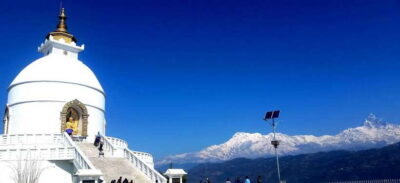 ★ 4.1Full-Day Sharing Bus Tour on 7 Iconic DestinationFrom $12179 reviews
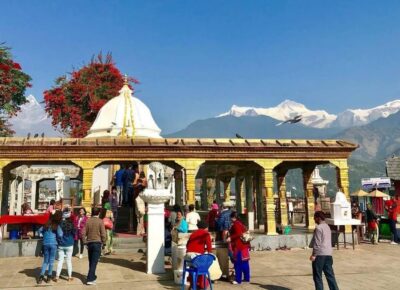 ★ 4.8Full-Day Private Tour on 7 Iconic DestinationFrom $53108 reviews
 ★ 5.0The Best of Pokhara: Full-Day Private Tour with Sarangkot SunriseFrom $6866 reviews
 ★ 5.0Guided Tour to explore the entire Pokhara CityFrom $7051 reviews
 ★ 4.1City Sightseeing Group Bus TourFrom $837 reviews
 ★ 4.5Private Half Day Tour Highlights of Pokhara by CarFrom $8036 reviews
 ★ 5.0Pokhara Valley Mountain Bike Adventure Private TourFrom $18530 reviews
 ★ 5.0Half-Day Private Pokhara TourFrom $6727 reviews
Lists this tour sits in