
REVIEW · POKHARA CITY TOURS & LAKESIDE SIGHTS
Pokhara: Pokhara Highlights Tour by Bus
Seven Pokhara icons, one bus day. This budget-friendly loop hits major sights like Davis Falls and the World Peace Pagoda, with enough self-guided time to go at your own pace. I like that the day mixes spiritual stops (temples) with literal underground scenery (limestone caves), and I like how the schedule keeps moving without feeling like a sprint. The main drawback to plan for is that the bus ride can be tight, and the vehicle condition may not be what you expect.
You’ll start at Lakeside Rd 6, then hop between stops by coach, with a lunch break around KI Singh Pul and a return drop-off back near your hotel or a central meeting point. The driver speaks English and Hindi, and most sightseeing is set up for quick photos plus free time on site, so you’re not stuck waiting for someone to point everything out step by step.
In This Review
- Key things I’d zero in on before you go
- How the Pokhara Highlights Tour loop works in practice
- Davis Falls: a quick walk, big water, and a local legend
- Gupteshwor Mahadev Cave: stalactites, stalagmites, and Lord Shiva vibes
- The Lord Shiva statue stop and the World Peace Pagoda viewpoint
- KI Singh Pul lunch break, plus a scenic pause at the bridge
- Mahendra Cave: limestone chambers and underground passages
- Bat Cave in Pokhara: cool air, bats, and possible access limits
- Bindabasini Temple: Goddess Durga shrine with a short walk
- Pumdikot Mahadev Temple: where the spiritual stop can appear
- Price and value: does $12 for a full-day loop make sense?
- Bus comfort, crowding, and the tactics that keep the day pleasant
- Should you book this Pokhara Highlights Tour by bus?
- FAQ
- Where does the tour pick you up, and where do you get dropped off?
- How long is the Pokhara Highlights Tour?
- What major stops are included?
- Are there breaks during the day?
- What languages are spoken by the driver?
- What should I bring?
Key things I’d zero in on before you go
- A lot of famous Pokhara stops in one day at a price that makes sense for first-time visitors
- Self-guided pacing at each site, so you can linger where you care most
- Caves, falls, and temples together gives you variety without needing multiple separate tours
- World Peace Pagoda hill views are a standout when the sky is clear
- KI Singh Pul lunch and reset time so you’re not sightseeing nonstop
- Bat Cave access rules can affect what you see, since protection of bats may limit entry
Other slow days along the Phewa shore
How the Pokhara Highlights Tour loop works in practice
This is a 1-day Pokhara sightseeing tour by bus, built for people who want a greatest-hits route without arranging everything themselves. You’ll get hotel pickup and drop-off and roundtrip transportation, then you’ll move from site to site with set stops for photos and sightseeing.
Most of your time at each attraction is described as self-guided, which is important. It means you can spend your time the way you like, whether that’s focusing on photos, stepping around viewpoints, or simply taking in the atmosphere.
If you’re the type who gets restless waiting around, this style fits. If you’re picky about comfort, cleanliness, or space on public-style transport, go in prepared.
Davis Falls: a quick walk, big water, and a local legend
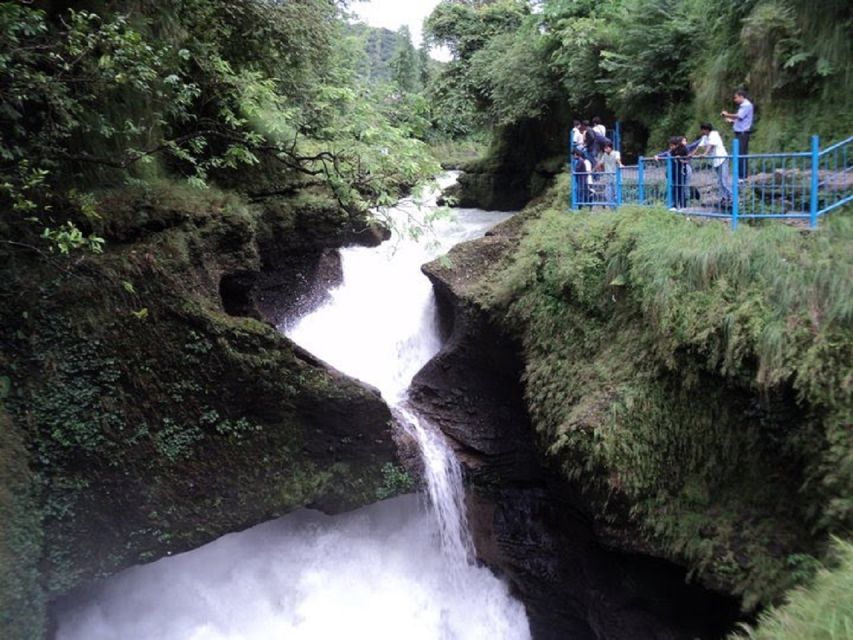
Your day starts with a stop at Davis Falls (also called Devi’s Falls). You’ll have time for photos and sightseeing, and there’s a scenic component on the way in, which helps break up the bus ride.
What makes this stop worth it is the combination of scale and storytelling. The falls are unusual enough to draw crowds, and there’s a legend attached to the place, so it’s not just scenery, it’s a Pokhara conversation starter.
The practical trade-off is time. This is a photo-stop-plus-visit format, so you won’t have a long, slow exploration window. If you want to really linger, pick your moment, take your photos early, and then decide whether you want to circle back or move on.
Gupteshwor Mahadev Cave: stalactites, stalagmites, and Lord Shiva vibes
Next up is Gupteshwor Mahadev Cave, located near Devi’s Falls. You’ll have another photo stop and self-guided time, which helps you focus on what you actually came for, the cave formations and the religious atmosphere inside.
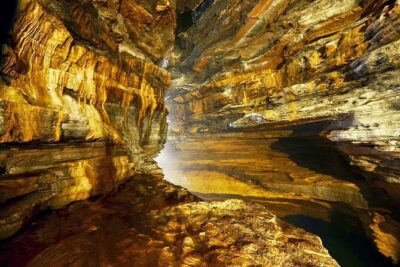
The cave is described as a connected series of caves, dedicated to Lord Shiva. Inside, you can expect natural rock formations plus stalactites and stalagmites, the kind of details that look different depending on where you stand.
Caves also tend to make you walk a bit, so wear shoes that feel secure. And because this stop is self-guided, you’ll get the most out of it if you slow down and look up once in a while, not just at ground level.
The Lord Shiva statue stop and the World Peace Pagoda viewpoint
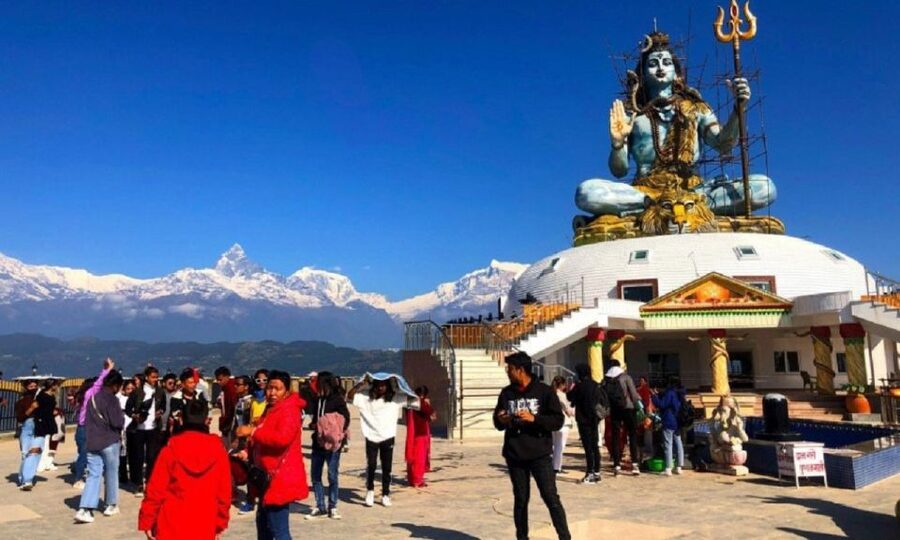
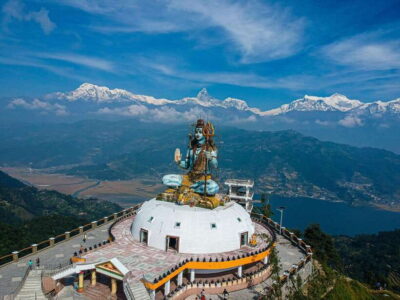
After the cave, there’s a photo stop for a Statue of Lord Shiva, followed by more movement by coach. This part of the route is straightforward: time to take photos, then continue, so treat it as a quick check-in point rather than a deep cultural immersion.
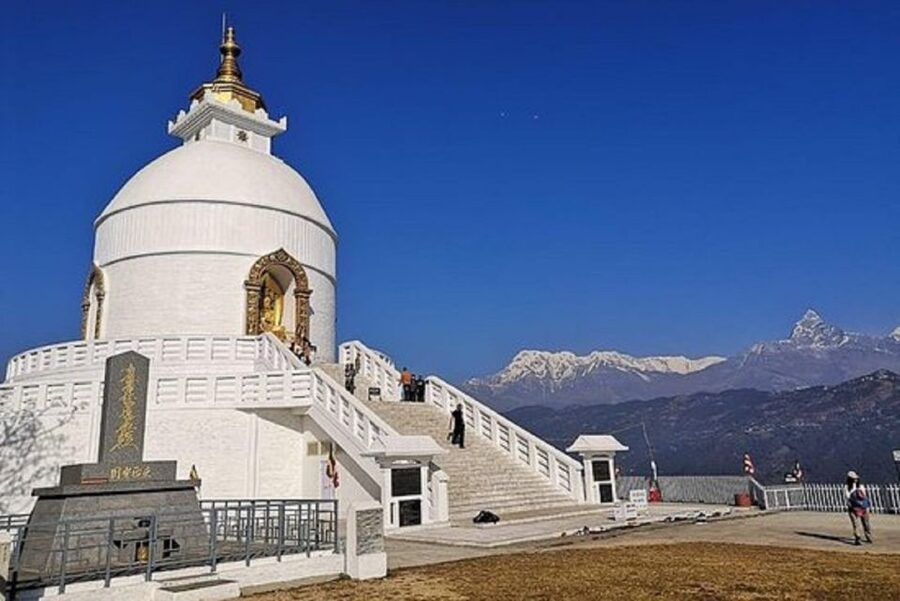
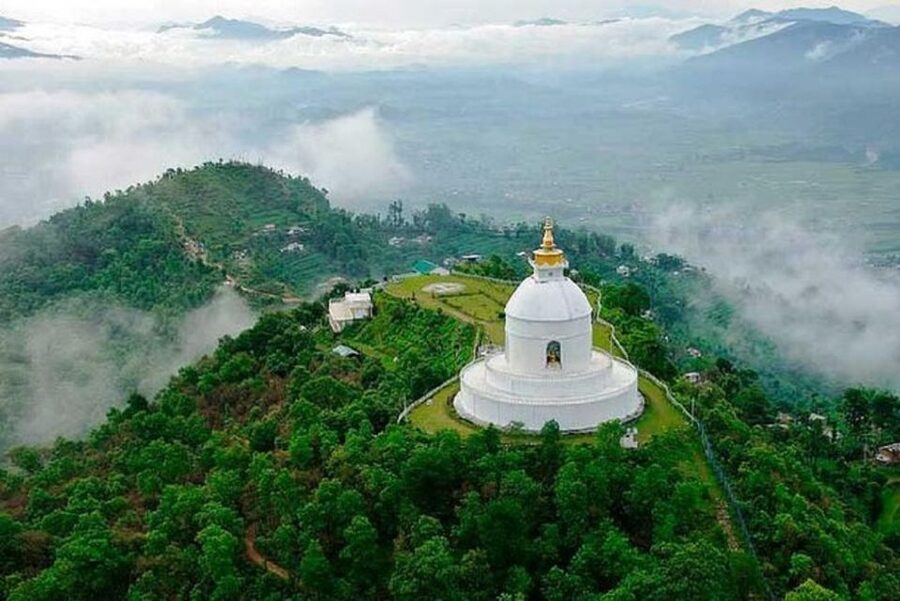
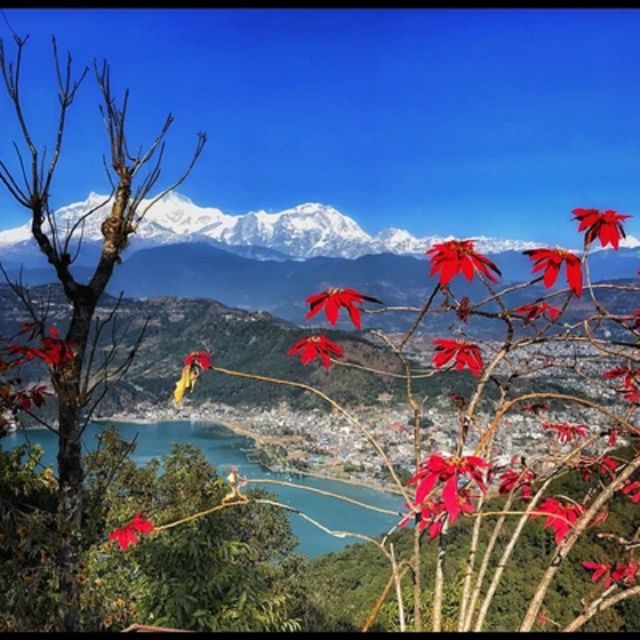
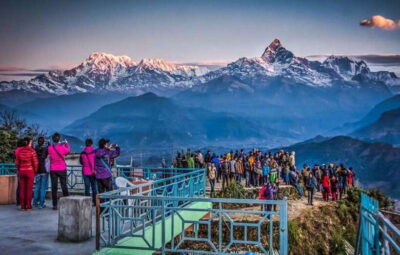
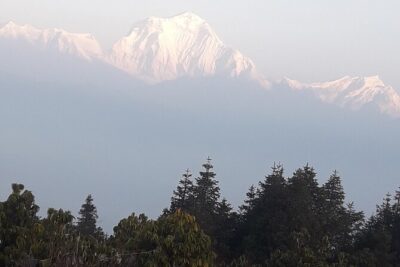
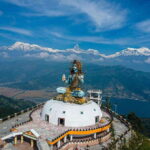
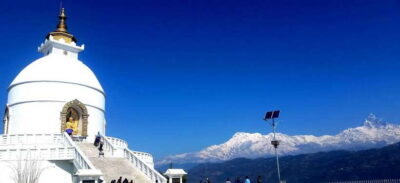
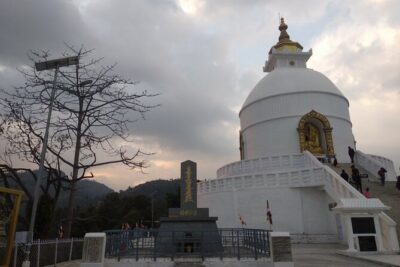
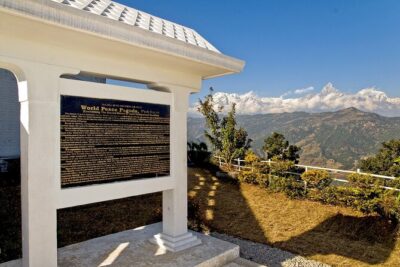
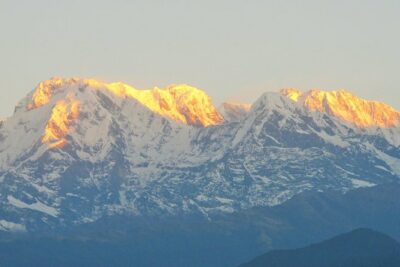
Then comes the highlight many people aim for, World Peace Pagoda. The pagoda sits on a hill above Pokhara with sweeping views of the city and the Annapurna Mountain Range. The atmosphere is described as serene and spiritual, so even if you’re not religious, it works as a calm break from busy streets.
This is also one of the best places to time your photos. If the day is hazy, views may be muted, but on clearer days you’ll get the kind of panorama that makes the bus day feel worth it.
The key drawback is still the same as the rest of the day: you’re not there long enough to treat it like a half-day hike. It’s a planned stop with about an hour on site, so go with a photo plan, then enjoy the calm.

KI Singh Pul lunch break, plus a scenic pause at the bridge
Midday you’ll reach KI Singh Pul for a break and lunch, with about 45 minutes set aside. This matters more than it sounds. A day packed with stops moves fast, and this is your reset button to eat, use the restroom, and regroup before more caves.
After lunch, you get another photo stop around KI Singh Pul with a shorter window. The bridge area is handy as a viewing and photo point, and it also helps you understand how the water and city layout connect in Pokhara.
If you’re choosing what to buy, keep it simple. Lunch is provided as a break in the schedule, but personal expenses like snacks and drinks are not included, so bring a bit of cash or plan to use whatever you trust locally.
Mahendra Cave: limestone chambers and underground passages
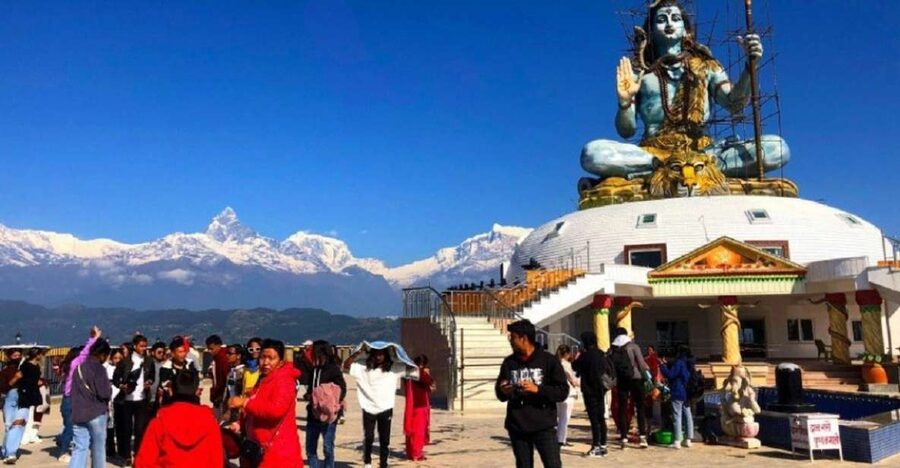
One of the most distinctive stops is Mahendra Cave, known after the late King Mahendra. It’s in the Batulechaur area, and you reach it by taking a bus to Mahendrapul and then walking a short distance.
Inside, you’ll explore limestone formations, underground chambers, and passages. This stop works especially well if you love natural shapes and the feeling of stepping into something older than the streets above.
Because it’s a cave, expect you may move more slowly than you do on a sidewalk. This is where secure shoes pay off again, and where you should keep your eyes open for how the chambers connect, since that’s part of the thrill.
Also, like several other stops, it’s not an all-day cave adventure. It’s a structured visit with time for photos and self-paced exploring, so set a few priorities before you enter.
Bat Cave in Pokhara: cool air, bats, and possible access limits
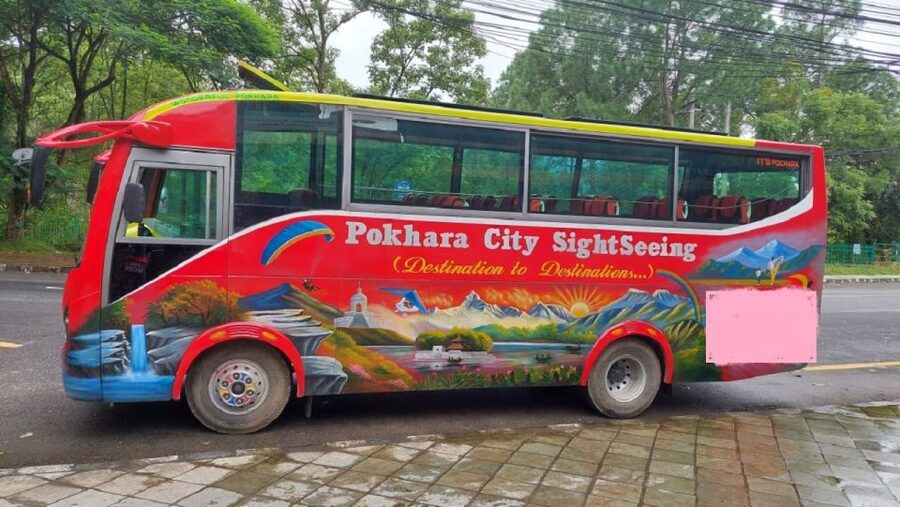
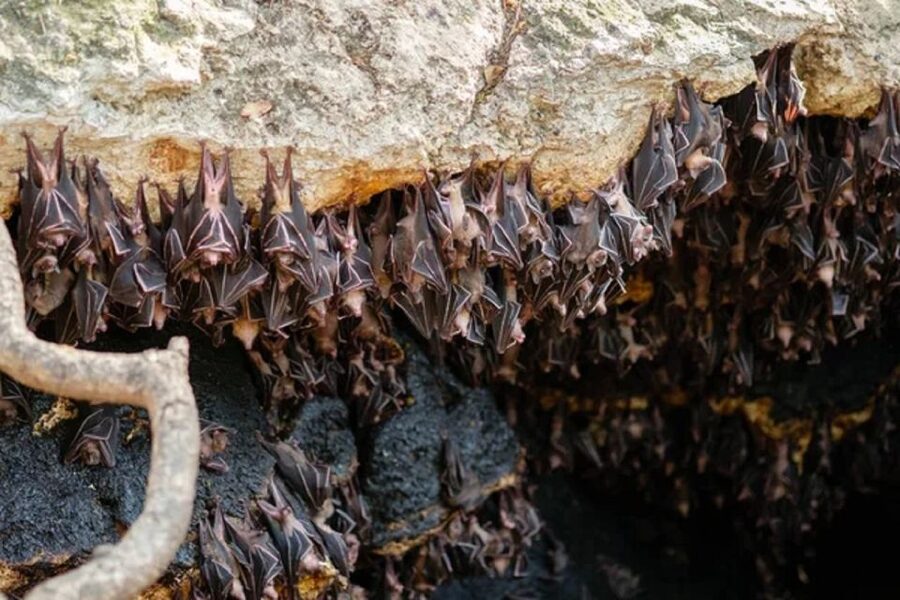
Then you head to Bat Cave. Unlike generic viewpoints, this one has a specific natural focus: bats. The bat caves are known for features that attract bats, including cool temperatures and suitable roosting spots.
Here’s the practical thing to know, and it’s important: access might be regulated. That’s not a bad sign, it’s protection of bats and their habitat. So if you find entry limited, don’t assume it’s a failed plan, it’s often a conservation measure.
This stop is also described as photo stop plus sightseeing with self-guided time. If the bats are active or visible depends on timing and conditions, so keep expectations flexible and focus on the overall cave setting even if you don’t see bats clearly.
Bindabasini Temple: Goddess Durga shrine with a short walk
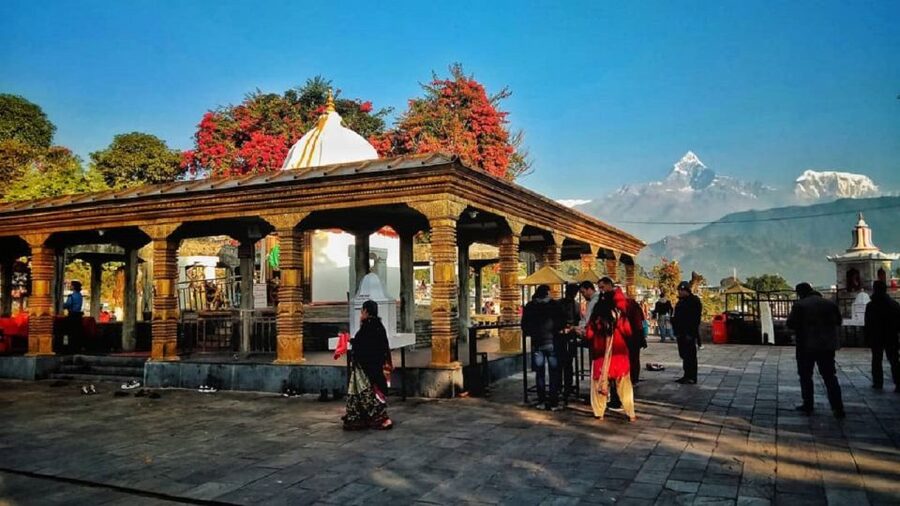
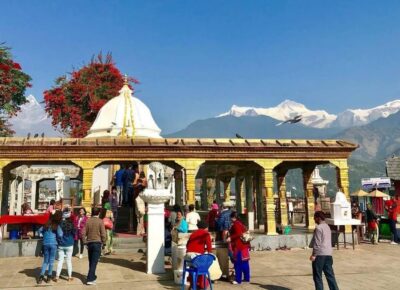
Back in Pokhara’s center you’ll visit Bindabasini Temple, a Hindu shrine dedicated to Goddess Durga. You’ll take a bus to Bagar and then do a short walk to reach the temple.
What makes this stop more than a quick photo is the living side of it. You can expect devotees offering prayers, and that adds energy you won’t get from empty monuments. The temple premises also offer panoramic views of the city, so you get both spiritual atmosphere and scenery.
This is also a good stop if you want to slow down. The temple visit is designed like other self-guided segments, but the atmosphere gives you a natural reason to take your time, watch what’s happening, and then step back for photos.
Pumdikot Mahadev Temple: where the spiritual stop can appear
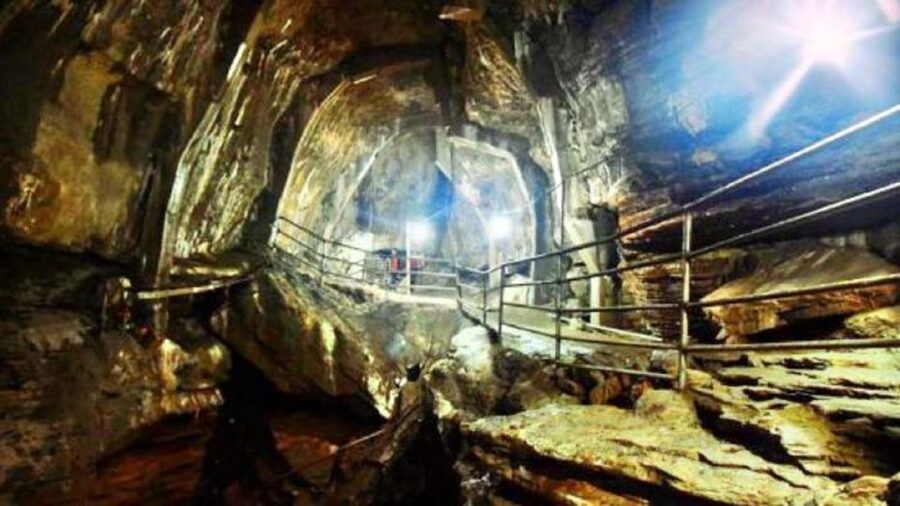
The tour description highlights Pumdikot Mahadev Temple near Pokhara, often framed as a peaceful spiritual stop with panoramic views. In other words, it fits the same overall theme as the caves and the pagoda, nature or rock plus faith and viewpoints.
Your exact schedule can vary in a bus loop like this, so if Pumdikot is listed for your day, plan for another temple visit with a slower, calmer feel. If it’s not on your route, don’t worry too much. You’ll still get multiple religious sites and major natural sights in one day.
Either way, treat temples as practical places: dress appropriately, keep your voice low, and be respectful if people are praying.
Price and value: does $12 for a full-day loop make sense?
At $12 per person for a 1-day tour, the value comes from structure. You’re paying for roundtrip bus transportation plus pickup and drop-off, which is a big deal in a place where hopping between scattered points can eat up time and energy.
You’re also not spending the day locked to one theme. The route mixes falls, caves, temples, and viewpoint stops, so you get a broad Pokhara snapshot without spending extra time organizing multiple outings.
Is it perfect? No. You trade comfort and space for the price. And because it’s a bus day with many stops, you won’t have the leisurely pace you might want for places like pagodas or caves if you’re the type who likes to take hours instead of minutes.
That said, for most people visiting Pokhara for the first time and wanting a compact hit list, this price is hard to beat.
Bus comfort, crowding, and the tactics that keep the day pleasant
One thing to plan for is how the ride feels. There have been reports of an older, crowded bus, including tight seating situations that can make you feel squeezed. That’s not something you can fully control, so your best move is to control what you can.
Bring a small layer, keep a water bottle handy, and keep your essentials easy to reach. If cleanliness matters a lot to you, do the smart things anyway, a small pack of wipes and basic hand sanitizer can save your mood. Also, if you can, choose a seat where you can shift comfortably for the bumps and turns.
Then there’s another factor: the bus day gets long. The itinerary uses multiple bus segments and short walks, so the best mindset is simple, don’t fight the schedule. Use the self-guided stops like small breaks, and you’ll get more enjoyment out of the sights.
Should you book this Pokhara Highlights Tour by bus?
Book it if you want a high-coverage day in Pokhara, you like a mix of caves and temples, and you’re okay with a group-bus vibe. It’s especially good for first-time visitors who want to see several top sights without spending the day figuring out transport.
Skip or reconsider if you need extra comfort, lots of personal space, or a very slow, quiet experience at each location. This tour is designed to move. It’s also designed for self-guided wandering, so if you prefer a very guided, detailed interpretation at every stop, you might want a different style of tour.
If you’re deciding at the last minute, my advice is to match it to your priorities. If your priority is packing in the icons and keeping costs low, this bus loop fits nicely. If your priority is comfort and deep time at just one or two sites, you’ll probably feel rushed.
FAQ
Where does the tour pick you up, and where do you get dropped off?
Pickup is at Lakeside Rd 6. At the end, you are conveniently dropped off at your hotel or at a central location.
How long is the Pokhara Highlights Tour?
The tour runs for 1 day.
What major stops are included?
The route includes Davis Falls, Gupteshwor Mahadev Cave, the World Peace Pagoda, KI Singh Pul (lunch break and photo stop), Mahendra Cave, Bat Cave, and Bindabasini Temple.
Are there breaks during the day?
Yes. There is a lunch break at KI Singh Pul with about 45 minutes allocated.
What languages are spoken by the driver?
The driver speaks English and Hindi.
What should I bring?
Bring a passport or ID card. Personal expenses like snacks and beverages are not included, so plan for those as well.
Everything Bookable Around Pokhara


The Rest of Our Pokhara Write Ups
Pokhara, Lakeside and Above
Everything else we have reviewed around Pokhara
- Pokhara: Cable Car Tour – Bird Eye View of Mountain & Lake
★ 4.4 · 3 reviews - Jomsom Muktinath Tour by 4WD SUV 2 Days
★ 5.0 · 3 reviews - Ghorepani Poonhill Private Trek – 2 nights / 3 days
★ 4.5 · 3 reviews - Pokhara: 30-Minute Paragliding Adventure with pick up/drop off
★ 4.5 · 3 reviews - Pokhara: 7-Day Annapurna Base Camp Trek via Ghandruk
★ 4.3 · 3 reviews - Pokhara Group Joining Sarangkot Sunrise Himalayas Tour
★ 5.0 · 3 reviews
Pokhara City Tours & Lakeside Sights worth a second look.
 ★ 4.1Full-Day Sharing Bus Tour on 7 Iconic DestinationFrom $12179 reviews
 ★ 4.8Full-Day Private Tour on 7 Iconic DestinationFrom $53108 reviews
 ★ 5.0The Best of Pokhara: Full-Day Private Tour with Sarangkot SunriseFrom $6866 reviews
 ★ 5.0Guided Tour to explore the entire Pokhara CityFrom $7051 reviews
 ★ 4.1City Sightseeing Group Bus TourFrom $837 reviews
 ★ 4.5Private Half Day Tour Highlights of Pokhara by CarFrom $8036 reviews
 ★ 5.0Pokhara Valley Mountain Bike Adventure Private TourFrom $18530 reviews
 ★ 5.0Half-Day Private Pokhara TourFrom $6727 reviews
Lists this tour sits in