
REVIEW · POKHARA CITY TOURS & LAKESIDE SIGHTS
Pokhara: Visit Best Seven Tourist Destination by Sharing Bus
With Pokhara packed into one shared ride, this day feels efficient and surprisingly calm. I really like the peaceful temple stops and the big scenic payoff at the World Peace Pagoda. The main drawback to plan for is that the bus can get crowded, and delays can happen when the group is running behind.
You’ll spend 6 hours hopping between Hindu and Buddhist places, a waterfall area, and several cave shrines, all with a live guide and hotel pickup in the Lakeside area. You’ll also climb around 200 steps and do short walks at most stops, so wear good shoes and don’t treat this as a sit-and-snap photo tour.
In This Review
- Key things to know before you go
- Price and value: what $9 buys you in Pokhara
- How the shared bus day actually runs
- Pumdikot Shiva Statue and the hill-temple rhythm
- World Peace Pagoda: the best payoff for your effort
- Bindabasini Temple: city spirituality and panoramic glimpses
- Davis Falls (Patale Chhango): a waterfall walk with a local legend
- Gupteshwor Mahadev Cave: stalactites, stalagmites, and the shrine mood
- Mahendra Cave and Bat Cave: underground structure, wildlife limits
- Seti River Gorge: a quick scenic breather
- Stairs, walking, and what to wear so the day stays fun
- Language and guide support: one factor that can change your day
- Who this tour fits (and who should pick something else)
- Should you book this Pokhara best-seven bus tour?
- FAQ
- How long is the Pokhara best seven tourist destination tour?
- What is the price of the tour?
- What’s included in the cost?
- Are entrance fees included?
- What transportation do you use during the tour?
- How much walking and stairs should I expect?
- What should I bring and wear?
- Are large bags, luggage, or drones allowed?
- Is this tour suitable for wheelchair users?
Key things to know before you go
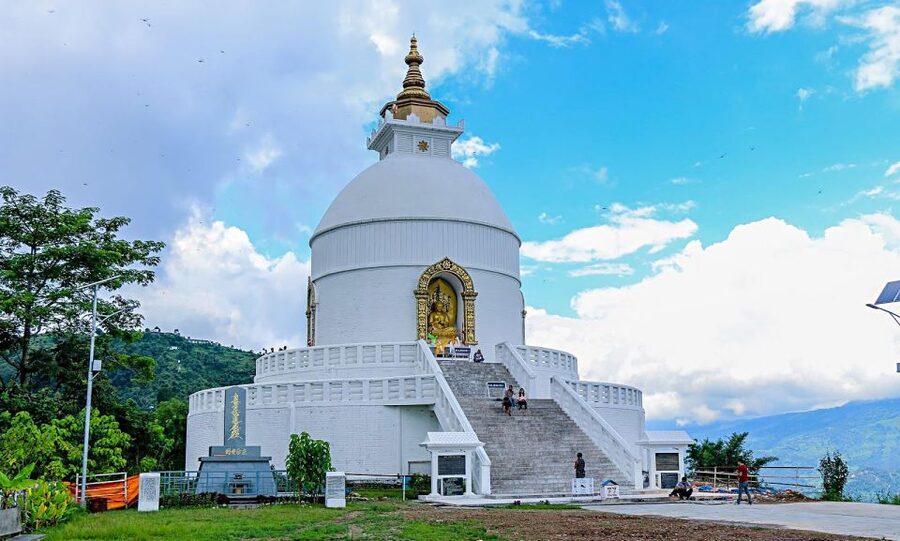
- World Peace Pagoda views: A high hill monument with panoramic Pokhara and mountain scenery
- A cave-and-courtyard day: Mahendra Cave, Gupteshwor Mahadev Cave, plus a Bat Cave stop
- David Falls walking route: A short, scenic walk to Patale Chhango (Davis Falls)
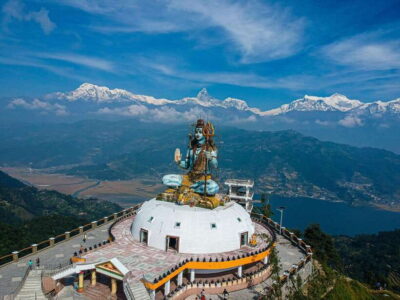
- Spiritual contrast: Bindabasini Temple, Pumdikot Mahadev Temple, and Shiva cave shrines in one circuit
- Local bus reality: Sharing transport can mean tight seating and some schedule drift
Other slow days along the Phewa shore
Price and value: what $9 buys you in Pokhara
At about $9 per person, this tour is good value if you want variety without a full private day. The price covers round-trip hotel pickup and drop-off (Lakeside area) plus transportation on a shared local bus. In practice, that’s the key: you’re paying to remove the hassle of figuring out routes, timing, and separate tickets for each stop.
What’s not covered is also important. You’ll pay for entrance fees (around NPR 800 per person, approximately), and you’ll handle food and drinks on your own. For many visitors, the entrance fees are the only extra cost that meaningfully changes the math, so it’s smart to carry some cash.
If you’re the type of traveler who likes a structured “see the highlights” day, this one is built for that. If you’re hoping for a relaxed pace at every site, you’ll need to manage expectations, because several stops involve walking and stairs.
How the shared bus day actually runs
This is set up like a group loop. Pickup happens from multiple hotel options around Lakeside, and you’re asked to wait in the hotel lobby about 10 minutes before the scheduled pickup time. Once you’re on board, you’ll move between stops by sharing local bus, then do short walks to each place.
A big reason people choose this style is simple: one day, many sights, and no mental load. A shared bus also tends to mix travelers, which can make the day feel social, even when the sights are quiet and spiritual.
Now the trade-off. The bus can be overfilled, and if other guests arrive late, the day can run longer than expected. Also, one of the biggest weak points to be aware of is that not every stop is guaranteed to happen exactly as listed in the moment, since the day depends on traffic, timing, and group coordination. The best move is to treat it as a “best-of Pokhara circuit” and stay flexible, rather than assuming every single location will be visited with perfect timing.
Pumdikot Shiva Statue and the hill-temple rhythm
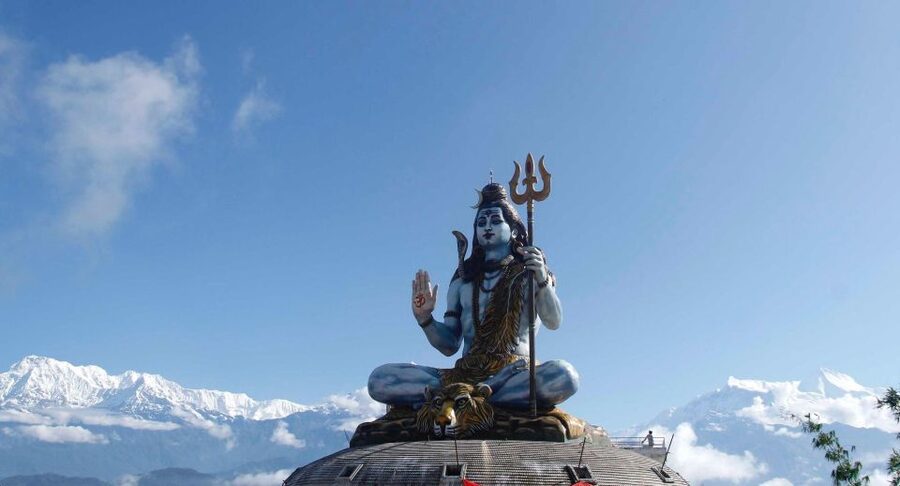
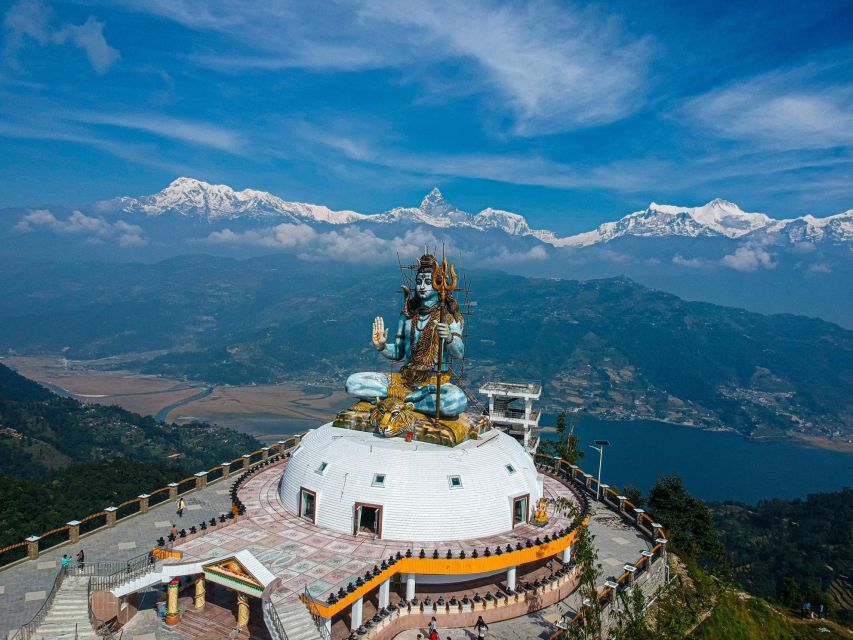
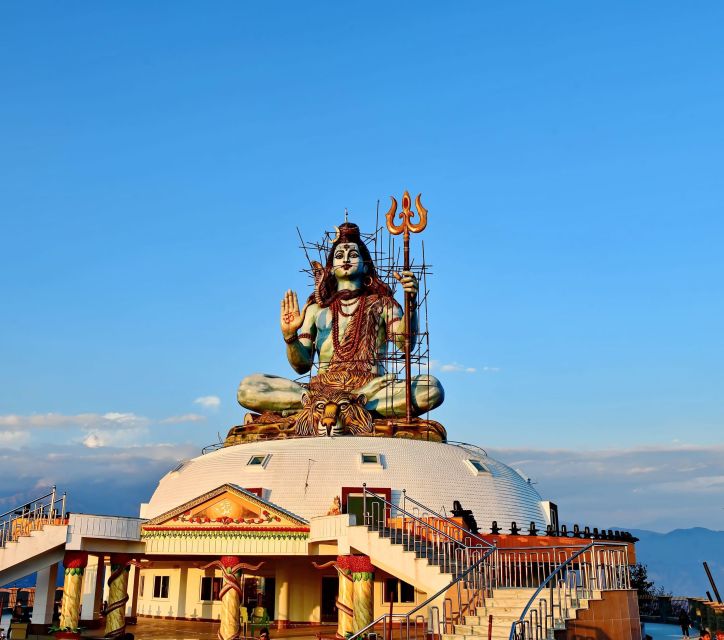
One of the first moments you’ll feel is the change in energy as you shift from city riding into temple-area walking. You’ll head toward Pumdikot Shiva Statue and then continue with the Pumdikot Mahadev Temple stop that’s known for a calm, spiritual vibe and wide views.
This part of the day matters because Pokhara’s best sights are not only scenic, they’re also atmospheric. Temple areas often give you a break from traffic noise, and you’ll see devotees going about their prayers with a steady, unhurried rhythm. If you like seeing how people actually use a place, this is the segment that delivers.
Just remember the practical detail that shapes your comfort: you’ll be climbing and walking more than you might expect for a “short” tour. Plan for it mentally at the start so you don’t feel rushed later.
World Peace Pagoda: the best payoff for your effort
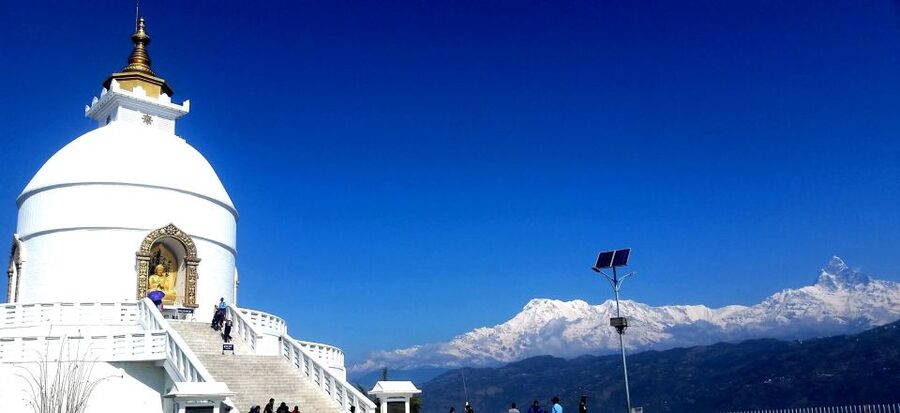
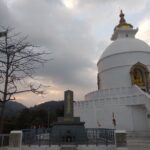
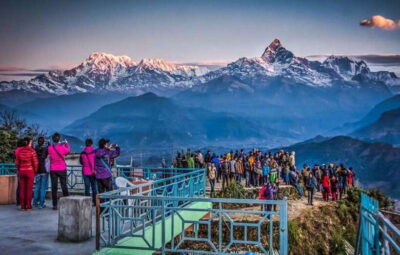
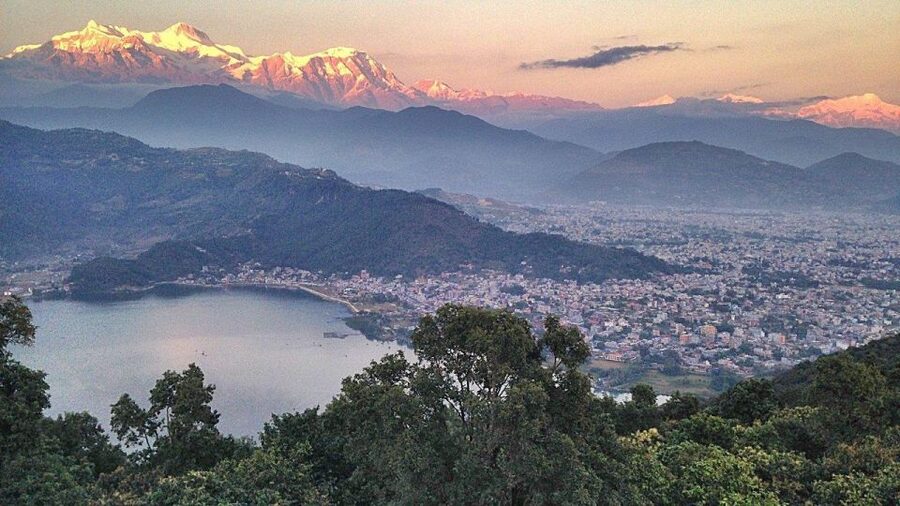
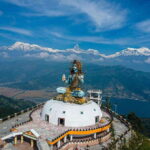
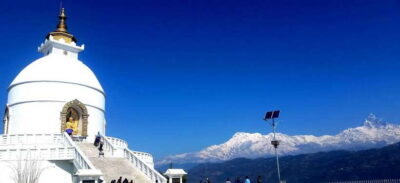
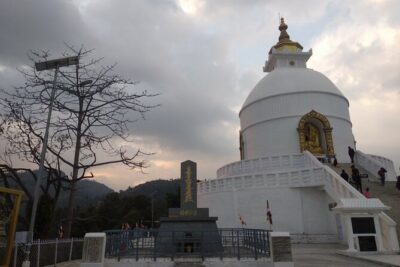
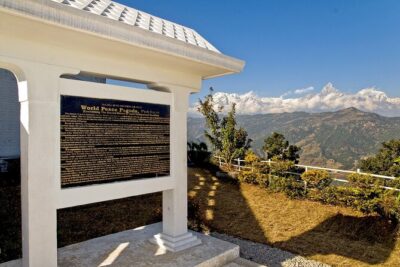
If your legs feel tired, this is likely the place that makes it worth it. The World Peace Pagoda sits on a hill with sweeping views over Pokhara and the surrounding Annapurna mountain region. It’s a Buddhist monument built around the idea of peace and harmony, and the atmosphere tends to feel quiet and reflective.
What I like about this stop is that it works on two levels. First, you get the physical payoff, the panoramic look that’s hard to recreate from ground level. Second, you get a mental payoff. Even if you don’t follow Buddhism, the setting encourages slower attention.
Time here is typically around half an hour, so it’s not a long stay, but it’s enough to walk around, take photos, and catch the viewpoint at the moment your guide suggests. If weather is clear, you’ll want to be ready for the skyline view.

Bindabasini Temple: city spirituality and panoramic glimpses
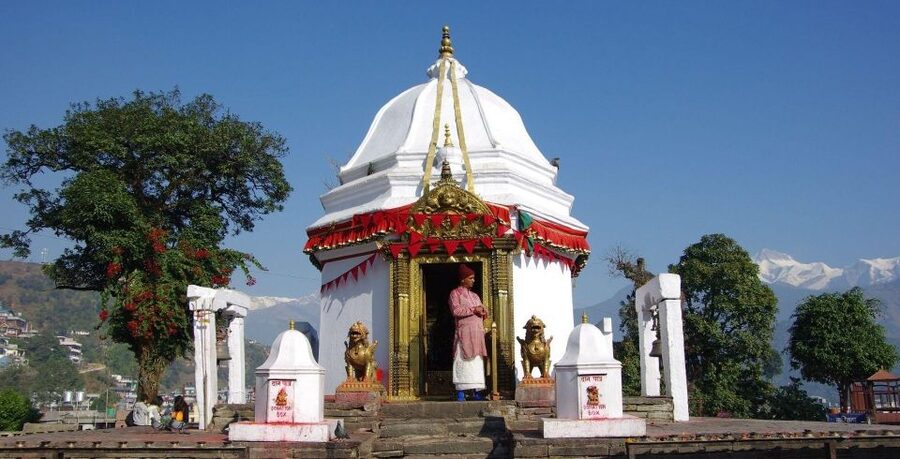
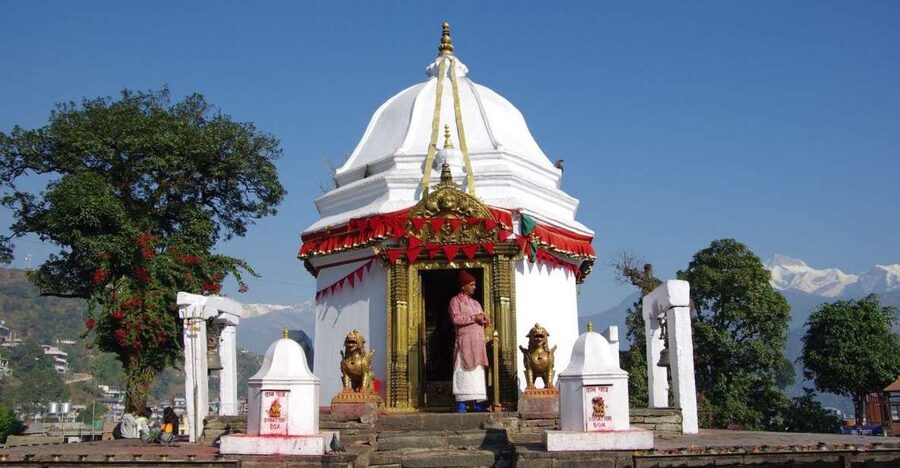
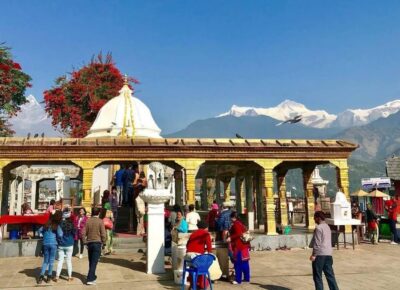
Next, you’ll head to Bindabasini Temple, a Hindu shrine dedicated to Goddess Durga in the heart of Pokhara. The way you reach it includes a bus ride to Bagar, then a short walk. That little mix of transport and walking helps you avoid the feeling of being dropped off randomly. It also lets you experience the temple approach the way locals do, not just the destination.
On the ground, what stands out is the combination of devotion and views. You’ll likely see devotees offering prayers, and the temple area gives you panoramic glimpses back toward the city. This is one of those stops that can feel more meaningful than a pure photo stop because you’re not only looking at the place, you’re watching how it’s used.
If you’re visiting during busier times, expect activity around the shrine. It’s not a museum kind of stop. It’s living worship.
Davis Falls (Patale Chhango): a waterfall walk with a local legend
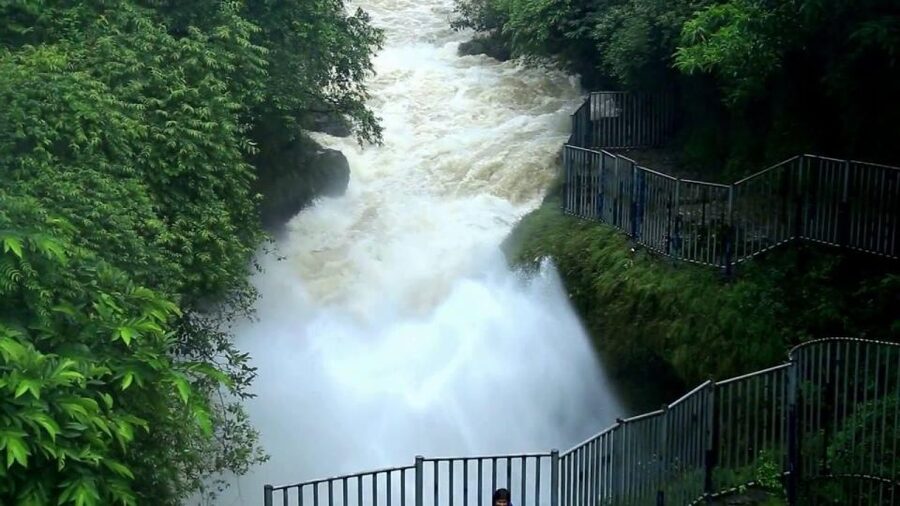
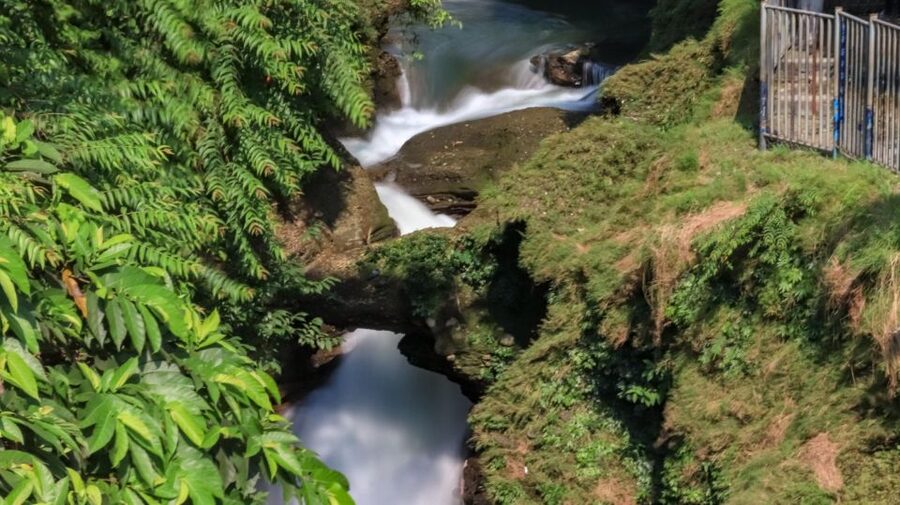
From the temple circuit, you switch to water. Davis Falls, also known as Patale Chhango, sits on the southern side of Pokhara. You reach it with a bus to Shiva Mandir, plus a scenic walk to the falls.
This is a stop that many people love because the sound does the work for you. Even before you see everything clearly, the roar starts the moment you get close. There’s also a legend connected to the falls, which your guide can share while you’re there. That matters because it turns the scene into a story, and the story helps you remember what you saw.
The time at Davis Falls is relatively short, so don’t plan on a long wandering session. You’ll want to move at a calm but steady pace, take the classic angles, and then adjust based on how crowded the area feels at that moment.
Gupteshwor Mahadev Cave: stalactites, stalagmites, and the shrine mood
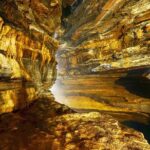
Not every Pokhara attraction is outdoors. Gupteshwor Mahadev Cave is an interconnected cave system near Davis Falls, dedicated to Lord Shiva. You reach the cave area by bus to Shiva Mandir, then walking in.
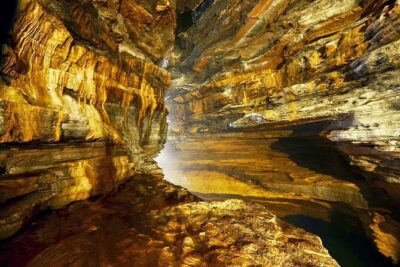
Inside, you’re looking at natural limestone features like stalactites and stalagmites. This is also a religious space, so you’ll likely see that mix of cave wonder and spiritual reverence. That blend is why the cave circuit can feel more interesting than a standard cave tour. You’re not only admiring rocks, you’re also seeing how a sacred site changes your attention.
One practical note: the day includes stairs and walking across multiple stops. By the time you get to caves, it’s easy to forget to conserve energy. I’d treat this as an “easy effort, good reward” moment, but still pace yourself.
Mahendra Cave and Bat Cave: underground structure, wildlife limits
The cave segment continues with Mahendra Cave, named after King Mahendra, located in the Batulechaur area. You’ll get there by bus to Mahendrapul, then walk a short distance. In the cave, you’ll see limestone formations and underground chambers.
This stop works best if you like physical details, not just vibes. The cave is the kind of place where you’ll notice how the air feels different and how the formations create natural shapes. It’s also a good break from bright sun and street noise.
Then comes a Bat Cave stop. This is a cave that acts as shelter and roosting habitat for bats, so conditions matter. Access may be regulated in order to protect the bats and their habitat, and that’s something I’d keep in mind for your mindset. You’re not there to force a close-up experience. You’re there to respect an environment that’s built for nocturnal creatures.
Because the bat stop can be affected by rules, timing, and conservation measures, it’s smart to be flexible about what you’ll be able to see up close.
Seti River Gorge: a quick scenic breather
Between heavier spiritual and cave moments, you’ll get a short stop at Seti River Gorge. It’s scheduled for a brief 10 minutes, so treat it like a “glance, capture, keep moving” break rather than a long photo session.
Why it’s still worth including is that it resets your attention. After caves and temples, seeing river scenery helps you feel like you’ve taken a breath. It also breaks up the walking fatigue.
Stairs, walking, and what to wear so the day stays fun
Here’s the biggest body-planning detail: you’ll climb about 200 steps across the temple and cave areas, and you’ll also do short walks at each stop. This tour is not suitable for wheelchair users based on the step and walking demands.
So what should you do? Wear comfortable shoes with grip. Choose clothes that handle warm Pokhara sun and also feel okay if you need to move quickly between shaded and sunny spots.
Also, don’t bring a bunch of extra weight. Large bags and luggage are not allowed, and drones are not allowed either. If you’re carrying a small daypack, keep it light.
Language and guide support: one factor that can change your day
A key theme in the positive experiences is the guide behavior. The companion often comes across as professional and kind, helpful with what you need and attentive when questions come up. That kind of support is especially valuable on a day packed with walking and multiple sites.
There was also a complaint about language expectations. Even if you choose certain language filters when booking, language support may not match what you hoped for in real life. If language clarity matters a lot to you, consider that the day might be easiest if you’re comfortable with basic communication and you can follow the key points even when translation is limited.
In both cases, the takeaway is practical: show up ready to be flexible, and rely on your guide for direction on pace and where to look.
Who this tour fits (and who should pick something else)
This is a good fit for you if:
- You want a high variety day, temples plus caves plus falls, in about 6 hours
- You prefer a guided route over arranging transport between multiple sites
- You enjoy spiritual places and don’t mind walking for views
It may not be the best fit if:
- You need step-free access, since you’ll climb around 200 steps
- You get frustrated by crowding or schedule drift on shared transport
- You’re hoping for extra time at each stop. Some visits are short, so you’ll want to keep your pace up
If you’re traveling with kids or older adults, the step count is the deciding factor. You might still manage it, but you’d need a realistic energy plan.
Should you book this Pokhara best-seven bus tour?
Book it if you want a value-driven sampler of Pokhara’s spiritual and scenic highlights, with hotel pickup in Lakeside and a guide who helps you make sense of what you’re seeing. For the money, the mix of Bindabasini Temple, World Peace Pagoda, Davis Falls, and the cave shrines is hard to beat.
Skip or switch to a different option if you’re highly sensitive to cramped transport, you dislike stairs, or you want guaranteed time at every single stop. Also, if language support is essential, consider that expectations may not match the on-the-ground reality.
My best advice: treat this as a well-structured “Pokhara highlights circuit” and show up with comfortable shoes and a flexible mindset. When you do that, it’s the kind of day that can leave you feeling both satisfied and quietly inspired, not just tired from sightseeing.
FAQ
How long is the Pokhara best seven tourist destination tour?
The tour lasts about 6 hours.
What is the price of the tour?
The price is listed as about $9 per person.
What’s included in the cost?
Hotel pickup and drop-off within the Lakeside area of Pokhara are included, along with round-trip transportation by sharing local bus with a live guide.
Are entrance fees included?
No. Entrance fees are not included and are listed as approximately NPR 800 per person.
What transportation do you use during the tour?
You use a shared local bus between stops, with short walks when you arrive at each attraction.
How much walking and stairs should I expect?
You will climb around 200 steps on the temple and to the caves, and you will also walk in each place you visit.
What should I bring and wear?
Bring comfortable shoes and comfortable clothes.
Are large bags, luggage, or drones allowed?
No. Large bags or luggage are not allowed, and drones are not allowed.
Is this tour suitable for wheelchair users?
No, it is not suitable for wheelchair users.
The Rest of Our Pokhara Write Ups


Pokhara, Lakeside and Above
Everything else we have reviewed around Pokhara
- Pokhara: Cable Car Tour – Bird Eye View of Mountain & Lake
★ 4.4 · 3 reviews - Jomsom Muktinath Tour by 4WD SUV 2 Days
★ 5.0 · 3 reviews - Ghorepani Poonhill Private Trek – 2 nights / 3 days
★ 4.5 · 3 reviews - Pokhara: 30-Minute Paragliding Adventure with pick up/drop off
★ 4.5 · 3 reviews - Pokhara: 7-Day Annapurna Base Camp Trek via Ghandruk
★ 4.3 · 3 reviews - Pokhara Group Joining Sarangkot Sunrise Himalayas Tour
★ 5.0 · 3 reviews
Pokhara City Tours & Lakeside Sights worth a second look.
 ★ 4.1Full-Day Sharing Bus Tour on 7 Iconic DestinationFrom $12179 reviews
 ★ 4.8Full-Day Private Tour on 7 Iconic DestinationFrom $53108 reviews
 ★ 5.0The Best of Pokhara: Full-Day Private Tour with Sarangkot SunriseFrom $6866 reviews
 ★ 5.0Guided Tour to explore the entire Pokhara CityFrom $7051 reviews
 ★ 4.1City Sightseeing Group Bus TourFrom $837 reviews
 ★ 4.5Private Half Day Tour Highlights of Pokhara by CarFrom $8036 reviews
 ★ 5.0Pokhara Valley Mountain Bike Adventure Private TourFrom $18530 reviews
 ★ 5.0Half-Day Private Pokhara TourFrom $6727 reviews
Lists this tour sits in