
REVIEW · POON HILL & GHOREPANI TREKS
From Pokhara: Budget 2 Night 3 days Poon hill trek
Poon Hill turns a short trek into a serious mountain moment, with Annapurna and Dhaulagiri sunrise as the payoff. I love how the route mixes easy effort with big payoffs, plus the cozy teahouse stays and warm hospitality along the way. The one drawback is visibility, because clouds can spoil the sunrise, and you still start the hike before dawn.
This is a practical 2-night trek when you want Himalayan views without a long commitment. The pace is built for beginners and families, and the moderate days give you time to actually enjoy villages, forests, and conversations, not just shuffle uphill.
A big part of the experience is having an English-speaking guide who keeps things organized and comfortable. People have specifically praised guides like Prakash, Birendra Thapa, Amrit, Kabindra, Milan, Bikram, Gobinda S., and Govinda for pace, communication, and making you feel safe in the mountains.
In This Review
- Quick hits for this 3-day Poon Hill trek
- Where the Poon Hill trek really shines
- Day 1: Pokhara to Kilu, then trekking into Tadapani views
- Day 2: Rhododendron ridges, Deurali Pass, and settling into Ghorepani
- Poon Hill at 3,210m: the pre-dawn climb and the golden peaks
- Ulleri stone steps and the return to Pokhara
- Guides and teahouses: why the small details affect your comfort
- Price and value: what the $179 covers, and how to plan for extra costs
- Weather, seasons, and what to pack for cool morning climbs
- Who should book this trek, and who should reconsider
- Should you book this 2-night Poon Hill trek from Pokhara?
- FAQ
- What is the duration of the Poon Hill trek from Pokhara?
- What are the key elevation points during the trek?
- Does the price include permits and Poon Hill entrance fees?
- Are meals included during the trek?
- How do you get from Pokhara to the trek start and back?
- What should I bring for this trek?
Quick hits for this 3-day Poon Hill trek
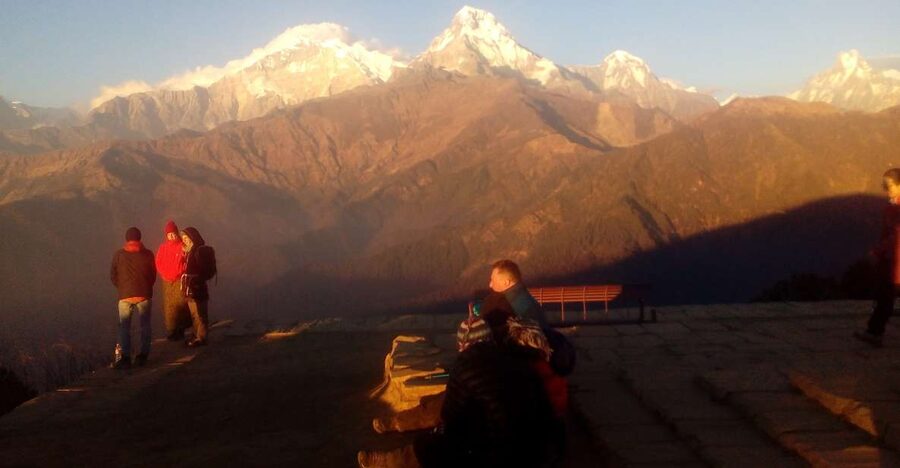
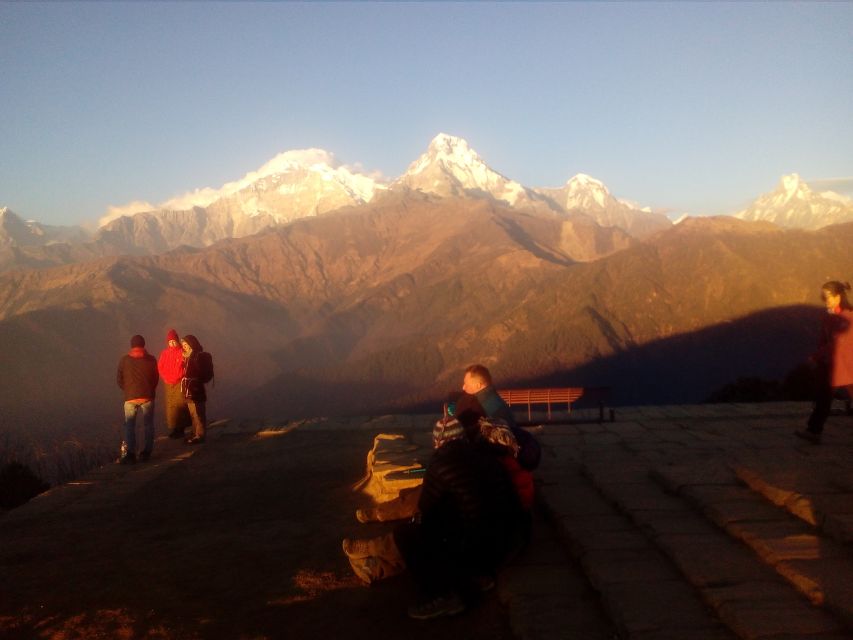
- 3,210m sunrise at Poon Hill, with panoramic views that can include Annapurna South, Hiunchuli, Machhapuchhre (Fishtail), and Dhaulagiri
- Lush rhododendron and oak forests, especially pretty in spring when rhododendrons bloom
- Village culture on the trail, including Ghandruk (Gurung) and Ulleri (Magar) with stone-paved steps
- Two nights in guest houses (teahouses), where meals and comfort are mostly about warmth and simplicity
- A smooth plan for limited time, with transfers handled from Pokhara and an included return by jeep or local bus
Shorter Ghorepani options worth weighing
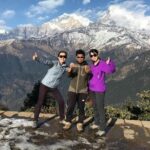
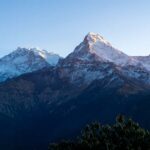
Where the Poon Hill trek really shines
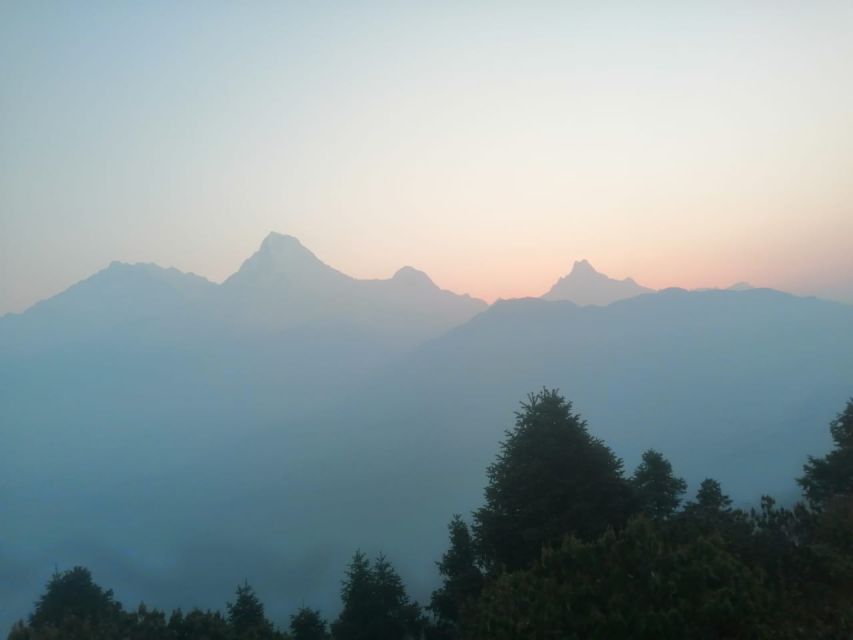
Poon Hill is famous for a reason, but the good news is you get more than one magic photo moment. You earn that sunrise with a trail that feels alive, full of trees, ridgelines, and village scenes that change as you gain elevation.
One of my favorite things about this trek is the balance. You are trekking at a moderate level, but you are also not stuck on boring treadmills of trail. You get multiple chances to look up at the peaks, plus chances to look sideways at terraces, forests, and settlements.
The other “quiet win” is how this route uses villages as waypoints. Ghandruk, Tadapani, Ghorepani, and Ulleri are not just dots on a map. They shape the rhythm of your day: short climbs, longer stretches through forest, and rest stops where the teahouse staff can help with food and comfort.
Still, remember the mountains do what they want. Weather in this area can change fast, and sunrise views depend on clear skies. Plan for that, bring warm layers, and you will be happier when the sky shifts.
Day 1: Pokhara to Kilu, then trekking into Tadapani views
Day 1 starts with a private transfer from lakeside Pokhara. Your guide meets you with a name card in the lakeside areas, then you drive to Kilu, a small settlement near Ghandruk where the trek begins. The drive matters more than it sounds. It gives you time to adjust to the area, see terraced fields and river valleys, and wake up your legs before the first full uphill day.
Trekking today takes you from Kilu through rhododendron and oak forests, with a steady climb that is long enough to feel like a trek but not so steep that it becomes a grind. You also pass through Ghandruk, one of the region’s well-known Gurung villages. It is a place where the culture feels practical and present, not staged. And since the village sits where the mountains can show themselves, you often get early glimpses of the bigger peaks.
As you keep ascending, you get occasional views, including the outline of Machhapuchhre (Fishtail) and the Annapurna peaks when the weather cooperates. You finish the day in Tadapani (2,630m), a hilltop village with panoramic views. The idea here is simple: after a 5 to 6 hour walk, you reach a town that already feels like a viewpoint.
Overnight is in a guest house or teahouse. Expect warm meals, basic comfort, and a restful evening where you can prep for a sunrise-focused day ahead.
Day 2: Rhododendron ridges, Deurali Pass, and settling into Ghorepani
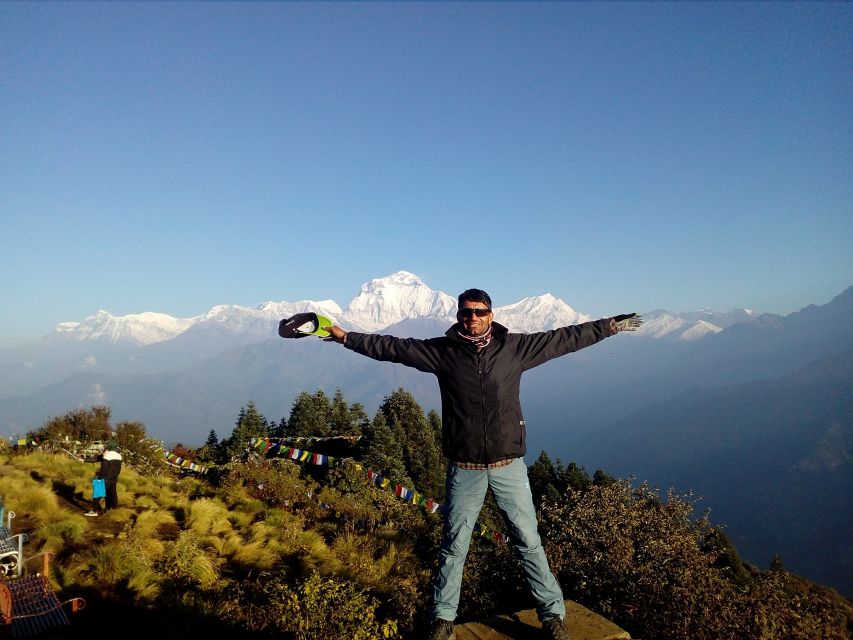
Day 2 is the classic “build up to the big moment” day. You trek from Tadapani to Ghorepani (2,850m) for about 5 to 6 hours. The morning starts with the kind of early energy you only get in the mountains, because you are waking up with big skies and cool air.
Your route keeps rolling through rhododendron forests and ridges, plus small settlements. In spring, the rhododendrons can bloom along the trail, turning the hike into a riot of pinks and reds. Even if you are not hiking in peak bloom, the forest still does its job, softening the trail with shade and texture.
The trail includes Deurali Pass. Pass days tend to feel like two steps forward, one step sideways. You work for elevation, then the trail changes character. From there, you descend slightly into Ghorepani, which is exactly what you want before you plan an early morning hike.
Ghorepani is also where your strategy changes. In the afternoon and evening, you are thinking about sleep, warmth, and dinner timing. Teahouses fill up, trekkers gather, and the whole village seems to shift into sunrise mode. The goal is to get an early dinner, rest, and be ready for the pre-dawn climb.
This is a good day for pacing. The best strategy is to keep steady effort, not heroic bursts. Your legs will thank you when you hike again in the early hours.
Poon Hill at 3,210m: the pre-dawn climb and the golden peaks
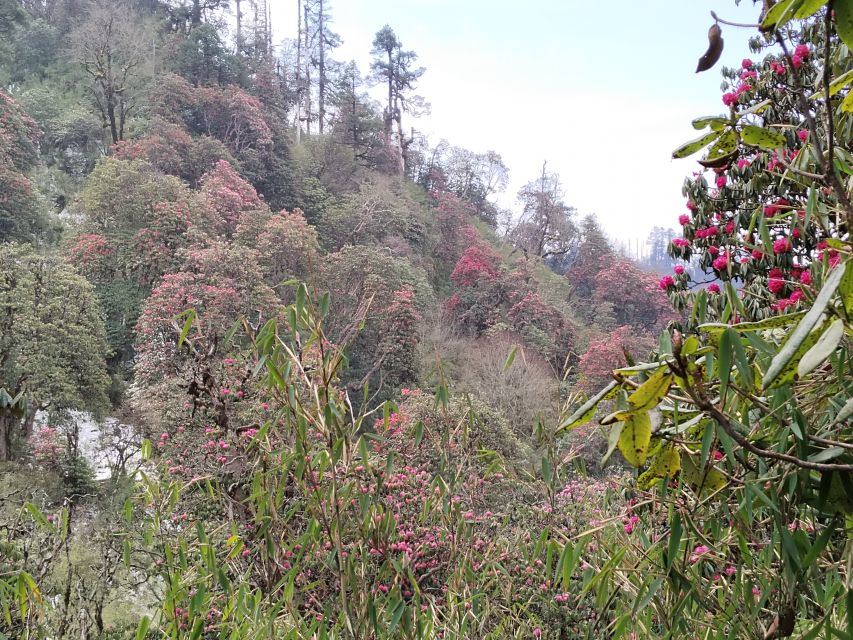
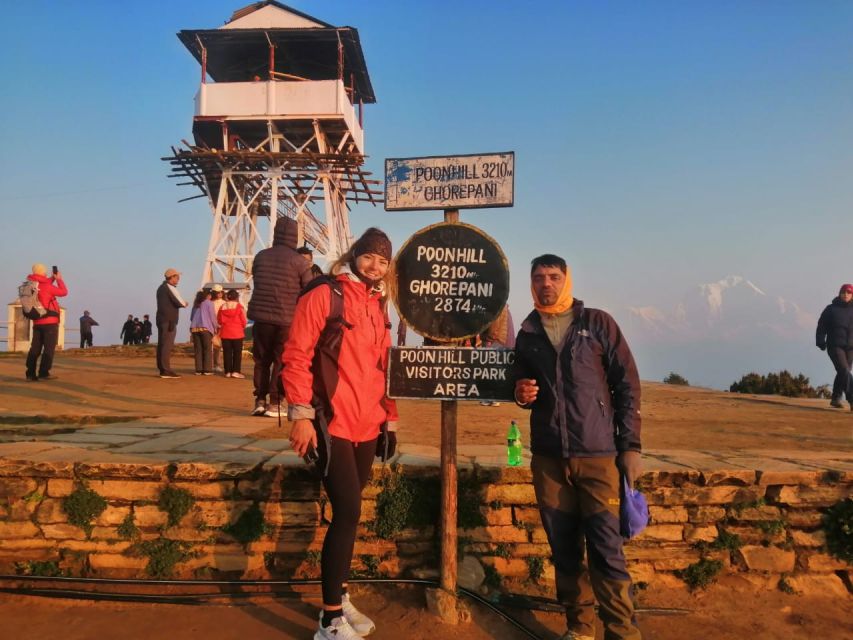
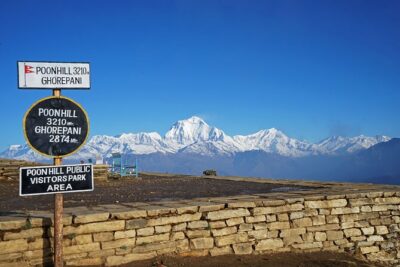
Day 3 is the main event, and the schedule is simple. You start pre-dawn, usually around 45 minutes to 1 hour before you reach Poon Hill at 3,210m. That early start is the price of admission. You are hiking in low light, with cold air, and you are walking mostly by rhythm.
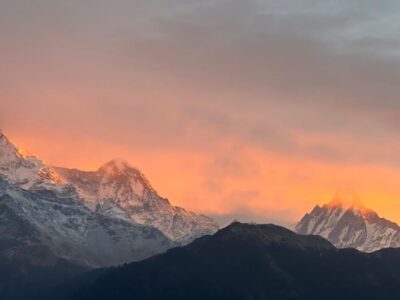
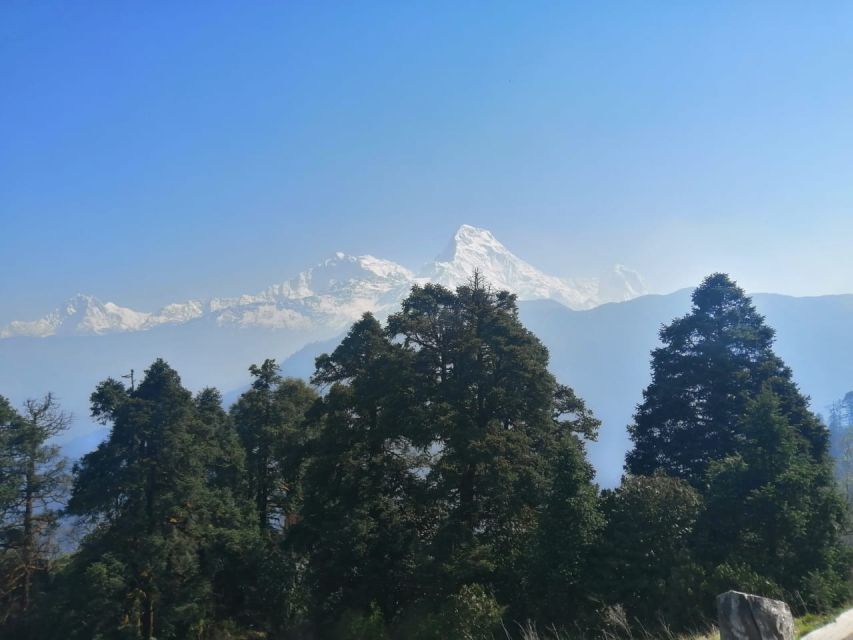
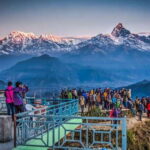
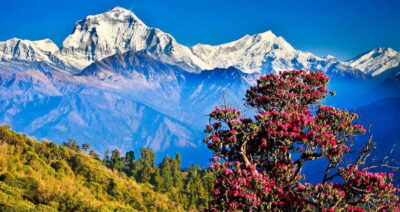
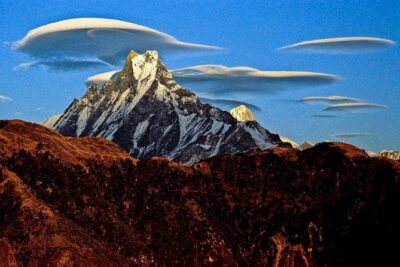
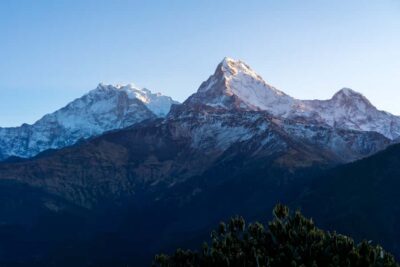
Then you reach the viewpoint, and the payoff can be dramatic. Poon Hill is known for sunrise over the Annapurna and Dhaulagiri ranges, with views that can include Annapurna South, Hiunchuli, and Machhapuchhre (Fishtail). When the sky clears, the light hits the snow-capped peaks and you get those layered, changing colors that make this trek famous.
Two practical tips make this easier:
- Bring warm clothing, because mornings feel colder than you expect at elevation.
- Keep your camera ready, but also pause. The views are the point.
After sunrise, you hike back down to Ghorepani for breakfast. Then you shift into downhill trekking mode. This part matters because you are tired from an early start, and downhill still burns energy. The path continues through forests and village areas, giving you a less intense change of scenery compared to the uphill climb.
The important part is momentum. You are not dragging through emptiness. You are walking through a lived-in area, passing spots like Nangethanti and Banthanti on the way.
More Pokhara evenings worth the late finish

Ulleri stone steps and the return to Pokhara
From Ghorepani’s breakfast, you trek downhill toward Ulleri, a traditional Magar village famous for stone-paved steps. Stone steps are the kind of detail your knees will remember. They are beautiful, but they can be hard when your legs are already tired.
Ulleri is also the transition point from foot travel back to vehicle travel. From Ulleri, you board a shared jeep or a local bus for the drive back to Pokhara. This is a nice trade. Trekking is done, your legs can finally stop working so hard, and the ride lets you absorb how close the mountains really are to everyday life.
You typically arrive in Pokhara by late afternoon, which is perfect timing. It gives you enough daylight to reset, shower, and plan a dinner without feeling like your trek stole your whole day.
Guides and teahouses: why the small details affect your comfort
This trek is built for comfort as much as for views. You are not sleeping in ultra-basic shelters, and you are not organizing permits and documents on your own. You also get a professional, friendly, experience English speaking trekking guide who handles the route logic and keeps things moving.
In places like this, guides are more than walkers with a map. People have praised specific guides such as Prakash for being deeply connected with nature and local people, Birendra Thapa for kindness and help step by step, Amrit for managing accommodation communication and keeping the pace comfortable, and Kabindra for attentive guidance and a feeling of safety at teahouses.
You will feel that effect most in the details:
- Timing meals so you are not hungry while climbing
- Helping you settle into the guest house
- Making sure you know what to expect each day
Your teahouse nights are part of the experience. Expect warm local hospitality, simple rooms, and meals that are meant to fuel the next day. Food and drinks are not included, so you will buy what you want from the teahouse menus.
Also, remember there is a first aid kit with the guide for emergencies. That small inclusion is a comfort factor, especially when you are trekking in remote terrain.
Price and value: what the $179 covers, and how to plan for extra costs
At $179 per person for a 3-day, 2-night trek, this price is less about luxury and more about getting the essentials handled well.
Included items that drive the value:
- Hotel pickup and drop-off in lakeside Pokhara areas
- Private tour with an English speaking guide
- Trekking permits and official documents
- Accommodation in guest houses during the trek
- Pokhara to Kilu transfer by private vehicle
- Ulleri to Pokhara transfer by shared jeep or local bus
- Emergency first aid kit with the guide
- Entrance fees at Poon Hill
The main missing piece is simple: food and drinks are not included. That means your budget should include daily meals at teahouses and any snacks or hot drinks you buy along the way. The trail does not require fancy spending, but it does require cash for purchases.
One more value note: the trek includes private tour structure, but you are still trekking on a shared trail with other hikers. You are not getting total solitude. Still, having your guide and pickup flow handled reduces stress a lot.
If you compare this to self-guided trekking, the big cost saver is that your guide coordinates route pacing, documents, and accommodations. That is usually where most first time trekkers get stuck.
Weather, seasons, and what to pack for cool morning climbs
The trek can be done year-round, but the best seasons for clearer, steadier weather are spring (March to May) and autumn (September to November). These months typically offer better visibility for sunrise and easier hiking conditions.
Even in good seasons, the mountains can shift fast. Clouds, wind, and temperature drops are real possibilities. So pack like your sunrise might be cold and your afternoon might be damp.
What you should bring, based on what the trek requires:
- Passport or ID card
- Warm clothing
- Comfortable shoes
- Cash
Also, a practical reminder from real trek experiences: bring extra layers. The pre-dawn walk to Poon Hill feels colder than the rest of the day. Layers help you adjust instead of suffering through every temperature change.
Not allowed: pets. If that is part of your travel setup, you’ll need to arrange alternatives before you go.
Who should book this trek, and who should reconsider
This trek is a strong match if you want moderate trekking with a beginner friendly structure. The days are long enough to feel rewarding, but the itinerary is designed for comfortable pacing and manageable effort.
It also makes sense for families or people who only have a short time in Nepal. You get a classic Himalayan highlight, plus village life and forests, without committing to a multi-week route.
That said, it is not for everyone. The activity is listed as not suitable for pregnant women and not suitable for wheelchair users. And if you know you cannot handle steep steps or early mornings, you should think hard about your comfort level before booking, since the sunrise hike starts before dawn and Ulleri includes stone steps.
If you like the idea of walking through Gurung and Magar villages, meeting friendly teahouse staff, and spending a full morning aiming for mountain light, this is a great fit.
Should you book this 2-night Poon Hill trek from Pokhara?
If you want a short trek that still feels like a real mountain experience, I think you should book it. The big reason is the payoff-to-time ratio. You are investing 3 days, getting two nights in guest houses, and aiming for one of the best view mornings in the Annapurna region.
Book this trek if:
- You want Poon Hill sunrise without a long multi-day commitment
- You prefer organized pacing with a guide, permits, and transfers handled
- You enjoy villages, forest walks, and not just staring at peaks all day
Consider skipping or postponing if:
- You are sensitive to cold mornings, since you start the climb pre-dawn
- You strongly need guaranteed clear weather, because visibility depends on the sky on the day you hike
With the right layers and a flexible attitude toward clouds, this is exactly the kind of trip that leaves you thinking about the mountains long after you are back in Pokhara.
FAQ
What is the duration of the Poon Hill trek from Pokhara?
The trek duration is 3 days with 2 nights in guest houses, including transfers.
What are the key elevation points during the trek?
You reach Poon Hill at 3,210m, and you spend nights at about 2,630m (Tadapani) and 2,850m (Ghorepani).
Does the price include permits and Poon Hill entrance fees?
Yes. The trek includes trekking permits and all official documents, plus entrance fees at Poon Hill.
Are meals included during the trek?
No. Food and drinks are not included, but you can purchase them at teahouses along the route.
How do you get from Pokhara to the trek start and back?
You get picked up and driven from lakeside Pokhara to Kilu by private vehicle on Day 1. On the return, you travel from Ulleri to Pokhara by shared jeep or local bus.
What should I bring for this trek?
Bring passport or ID card, warm clothing, comfortable shoes, and cash. Pets are not allowed.
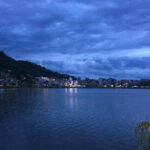
Pokhara After Dark
The Rest of Our Pokhara Write Ups
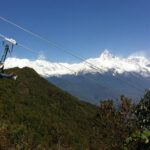


Ghorepani and the Poon Hill Ridge
Everything else we have reviewed around Pokhara
- Pokhara: Cable Car Tour – Bird Eye View of Mountain & Lake
★ 4.4 · 3 reviews - Jomsom Muktinath Tour by 4WD SUV 2 Days
★ 5.0 · 3 reviews - Ghorepani Poonhill Private Trek – 2 nights / 3 days
★ 4.5 · 3 reviews - Pokhara: 30-Minute Paragliding Adventure with pick up/drop off
★ 4.5 · 3 reviews - Pokhara: 7-Day Annapurna Base Camp Trek via Ghandruk
★ 4.3 · 3 reviews - Pokhara Group Joining Sarangkot Sunrise Himalayas Tour
★ 5.0 · 3 reviews
Poon Hill & Ghorepani Treks worth a second look.
 ★ 5.0Poon hill Trek 3 daysFrom $230176 reviews
 ★ 5.04-Day Ghorepani, Poonhill & Ghandruk Mountain TrekFrom $181132 reviews
 ★ 5.0Ghorepani – Poon Hill Trek 3N-4DFrom $321125 reviews
 ★ 5.04 Days Poon Hill TrekFrom $40594 reviews
 ★ 5.0Ghorepani(Poonhill Trek)From $60081 reviews
 ★ 5.04-day Poon Hill TrekFrom $40074 reviews
 ★ 4.93-Day Ghorepani Poon Hill Trek with GuideFrom $16268 reviews
 ★ 5.0Ghorepani Poon Hill TrekFrom $39961 reviews
Lists this tour sits in