
REVIEW · LANGTANG & MANASLU TREKS
Kathmandu: 7 Day Langtang Valley Trek
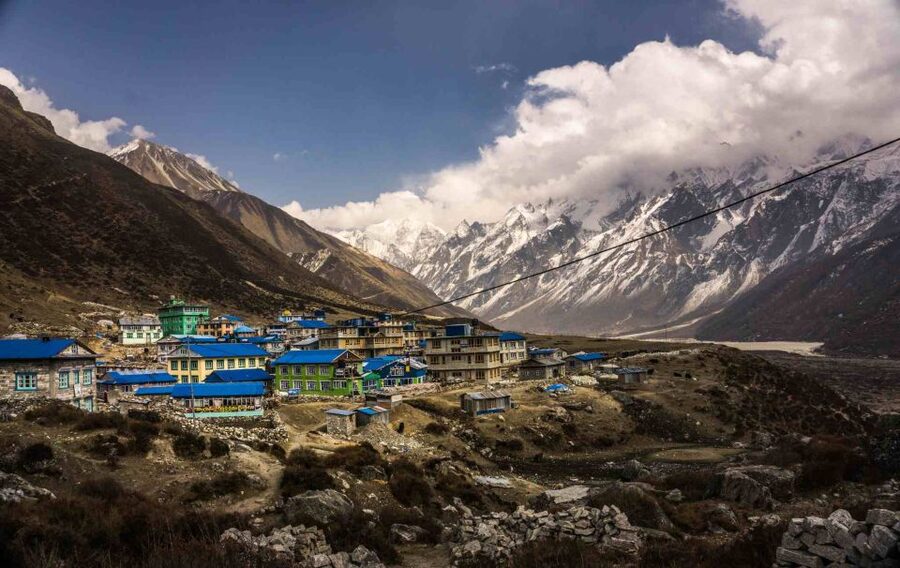
Snow peaks feel close on this week-long trek. This 7-day Langtang Valley trek turns a simple walk into a front-row seat to snow-capped giants, while also putting you with welcoming Tamang and Sherpa communities along the route. I especially love the powerful mountain views and the warm mountain hospitality you get at village stops, but you should know it is not a casual hike, you will be climbing hundreds of steps.
What makes this trek work better than a DIY attempt is the built-in support. You get a licensed, experienced English-speaking guide to keep the route and timing steady, plus the option to hire a porter so your shoulders do not have to carry everything.
Still, the main consideration is fitness and expectations. This is a strenuous trek at high altitude, and if your schedule is tight, any changes to the plan can become stressful.
In This Review
- Key highlights to look for on this Langtang Valley trek
- Kathmandu to Syabrubesi: the ride that sets the mood
- Day 2 to Day 3: Lama Hotel and Langtang Village, the forest-to-village transition
- Day 4 to Day 5: Kyanjin Gompa, the acclimatization day you should not skip
- Day 6 and Day 7: returning to Lama Hotel and Syabrubesi, with less stress
- What’s included: permits, guide, teahouses, and the stuff you do not want to manage alone
- Price and logistics: what $450 really means for you
- Who this Langtang trek fits best, and who should look elsewhere
- Practical tips before you go: gear, documents, and trail habits
- About the guide and why private format matters
- Should you book this Kathmandu to Langtang Valley Trek?
- FAQ
- How high does the trek go?
- What is the acclimatization day for?
- Are meals included in the price?
- Is there a guide?
- Do I need trekking permits?
- Can I hire a porter?
- What are the lodging arrangements?
- What should I bring for the trip?
- What is not allowed on the trek?
- Is cancellation and pay later available?
Key highlights to look for on this Langtang Valley trek
- Private guide support for real pacing, not a one-size-fits-all group scramble
- Syabrubesi to Lama Hotel forests and river crossings, an easier start before the climbs stack up
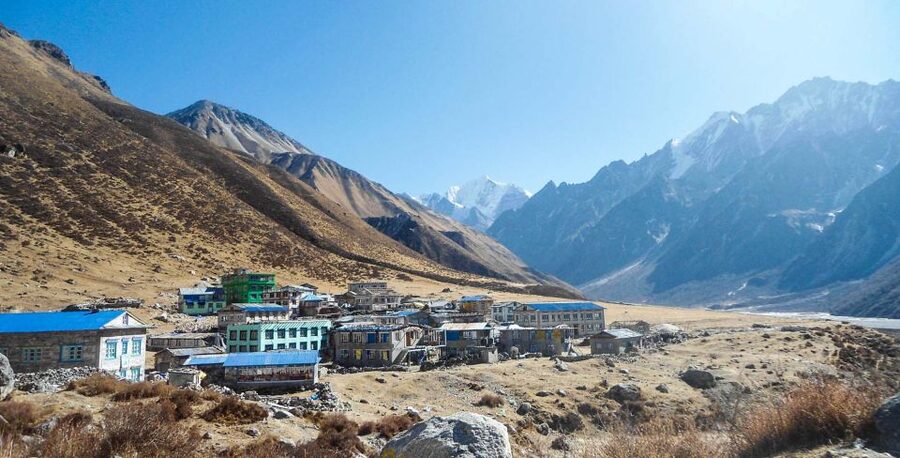
- Langtang Village culture, with Tamang community life woven into the hike
- Kyanjin Gompa acclimatization day, plus views from short hikes to Kyanjin Ri or Tserko Ri
- Teahouse lodging on the trail, with simple comfort and warm meals you buy as you go
- Langtang National Park permits and TIMS card handled, so you spend your energy on the trek
Kathmandu to Syabrubesi: the ride that sets the mood
Most of your real “trip start” happens before you lace up. You will be picked up in Kathmandu and driven to Syabrubesi, with the road passing through villages and scenery that make the Langtang region feel lived-in, not just dramatic on postcards. The drive matters because you arrive knowing where you are, and you are not starting the day already tired from confusion or logistics.
Syabrubesi sits at about 1,550 meters, and it is a good first-night reset. You get a chance to settle, sort your gear, and figure out your walking routine. This is also where you confirm your “trek rhythm”: slow enough to handle altitude later, consistent enough to keep energy for the next day’s climb.
If you tend to travel light, double-check what you really need. The trek does not like oversize luggage, so plan on a compact daypack and a main bag that is either carried by you or handled by a porter if you choose that option.
Day 2 to Day 3: Lama Hotel and Langtang Village, the forest-to-village transition
After Syabrubesi, your trek begins with forest walking and river crossings. You will pass through lush woods, cross suspension bridges, and follow the Langtang River corridor for a while. That combination is key. It gives you movement and variety early, so your legs do not go straight from road travel into steep altitude work.
You will reach Lama Hotel (about 2,380 meters) for the night. It is a classic mid-route stop, and you’ll feel how the air changes. Teahouses here are simple, but that simplicity is part of the value: you get out of “hotel mode” and into “together we trek” mode.
Then comes Day 3: Lama Hotel to Langtang Village (about 3,430 meters). This day is about gradual ascent through dense rhododendron and oak forest. The payoff is two-fold. First, you start seeing bigger mountain forms in the background more often. Second, you spend more time among local community spaces, not just along trails.
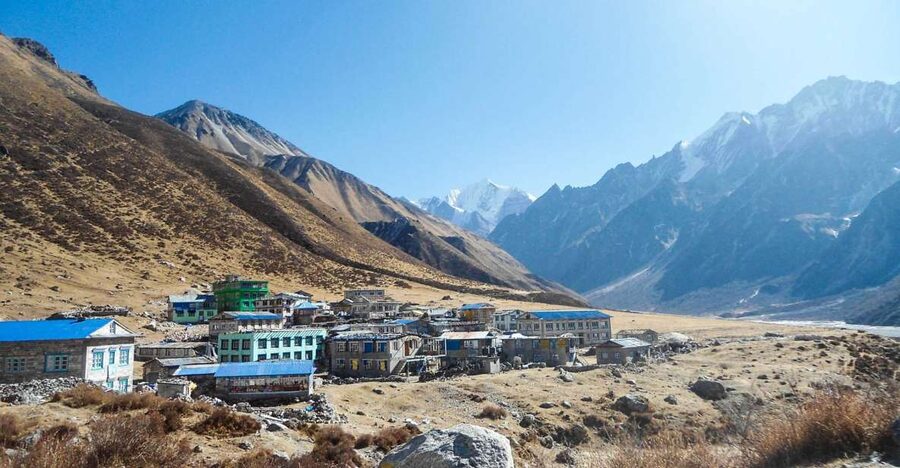
Langtang Village is where the human side of the trek becomes clearer, including the Tamang culture that shapes daily life in this valley. It is not a museum stop. It is a place you pass through, eat, rest, and watch the rhythm of the region keep going.
Day 4 to Day 5: Kyanjin Gompa, the acclimatization day you should not skip
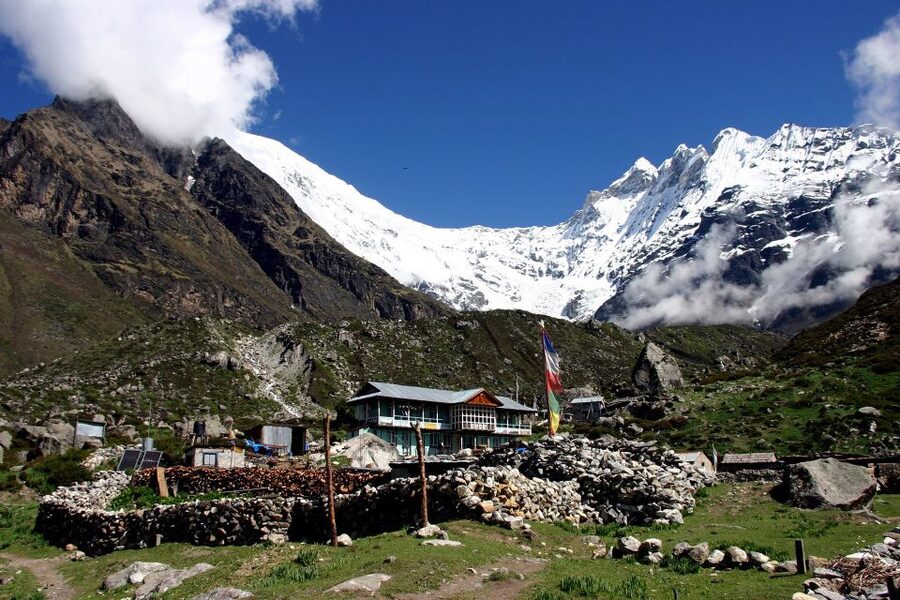
On Day 4, you climb to Kyanjin Gompa (about 3,870 meters). The route trends higher, and you’ll notice more open views and more signs of glacial influence like glacial streams and yak pastures. Even if you are fit, this is the part of the trek where pacing matters most. Go slow enough that you can still breathe steadily and enjoy the scenery rather than white-knuckling every step.
At Kyanjin Gompa, you get an ancient Buddhist monastery to visit, plus a stunning panoramic setting dominated by peaks around Langtang Lirung. This is one of those days where the best plan is to take your time. You are not just hiking, you are building altitude awareness.
Then you get the smart move: Day 5 is an acclimatization day. Instead of rushing onward at altitude, you stay at Kyanjin Gompa and adapt. You can take short hikes to Kyanjin Ri or Tserko Ri for mountain views, or you can explore the area more gently, including a local cheese factory. This is a nice way to break up the day without overcooking your body.
A practical note for you: acclimatization days are not “bonus sightseeing.” They are part of your safety strategy on high routes. Use it to rest, drink water, eat what you can, and walk a little, not a lot.
Day 6 and Day 7: returning to Lama Hotel and Syabrubesi, with less stress
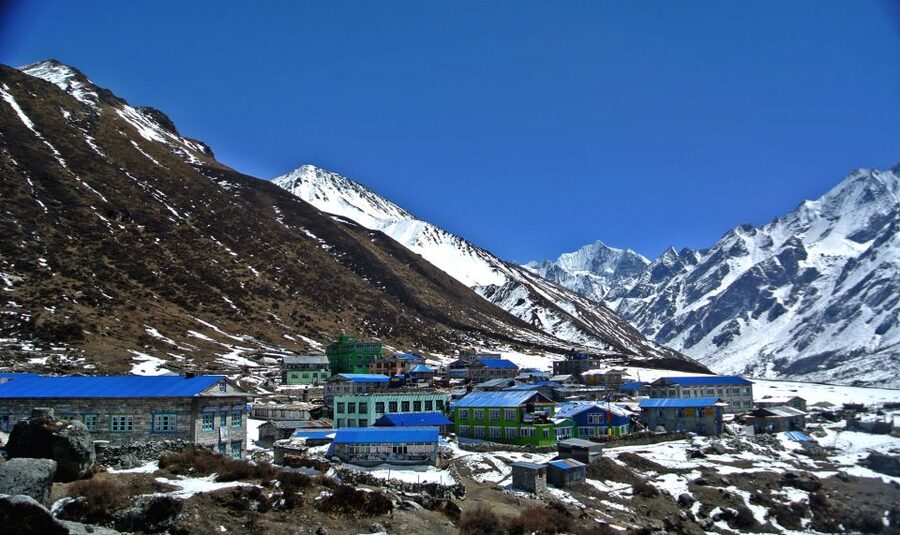
Day 6 is a descent back from Kyanjin Gompa to Lama Hotel. The views keep coming, but the challenge shifts. Downhills can be tough on your knees and feet, even when your breathing feels easier. Bring shoes and socks you trust, and consider trekking poles if you use them. Your goal is control, not speed.
That night at Lama Hotel is a true reset before your final travel day. You’ll enjoy a calmer evening, and you’ll appreciate it more than you think because Day 7 is a double-duty day.
On Day 7, you trek from Lama Hotel to Syabrubesi, then board a vehicle back to Kathmandu. This end-of-trip flow is practical because you get a final walking stretch while still knowing you will be in transport soon after. It helps you avoid turning the last day into a marathon just to reach the city.
What’s included: permits, guide, teahouses, and the stuff you do not want to manage alone
This trek’s value is strongest when you look at what is handled for you:
- Hotel pickup and drop-off in Kathmandu
- Permits for Langtang National Park and the TIMS card
- Teahouse lodge accommodation during the trek
- An experienced licensed guide who knows the route and helps you along the way
- Transportation to the trek start and back
- Kathmandu hotel accommodation for usually one or two nights around the trek
- A basic first aid kit
There is also an option for a porter to carry your main backpack. That choice can make a huge difference. If you are strong and light with gear, you might skip it. If you want to protect your legs for long climbs, a porter is a simple way to keep the experience enjoyable.
All meals are not included. You can buy meals on the trail for about Npr 2,500 per person per day. This matters for budgeting, and it also affects your daily energy choices. You are paying for convenience, warmth, and fuel, so plan on spending for meals and drinks as needed.
Price and logistics: what $450 really means for you
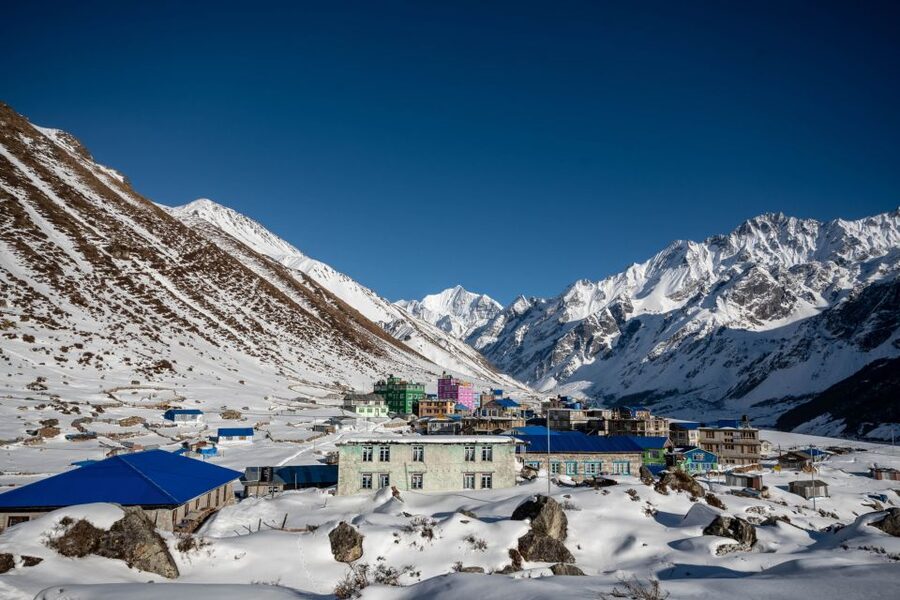
At $450 per person for 7 days, you are not only paying for hiking time. You are paying for the permits, the guide, the transport, and the core lodging plan. In other words, the price is more about reducing friction than buying comfort.
Still, you should treat this as a budget that needs a little math. Meals are extra, and the trek is physically demanding. If you cut corners on gear, you may end up spending later on shoe fixes, blister care, or more aggressive rest.
Also, schedule risk is real on trekking routes tied to flights. One traveler described that the trek was shortened by a day due to timing, and that led to extra cost and some frustration with lodging quality. That is not guaranteed to happen, but it is a reminder for you to confirm the plan clearly and align it with your departure from Kathmandu before you go.
If you do decide to book, ask pointed questions such as:
- Exactly how they handle extra or shortened walking days
- What happens if you need more rest on a given day
- How lodging choices are made along the route
You are not being difficult. You are protecting your time and expectations.
Who this Langtang trek fits best, and who should look elsewhere
This trek is best for you if you want a challenging high-altitude week with the mountains close and a guide who can manage the trail details. It’s especially well suited to people who like structure, but still want to move at a realistic pace.
It is not suitable for:
- Pregnant women
- People with mobility impairments
- Wheelchair users
- People with back problems
And the physical reality is simple: expect hundreds of steps. One trekker described the effort as roughly 1,200 meters of uphill per day over about 15 km, with around 8 hours of “pure mountain hiking” daily. You do not need to match that exact pace, but you should use it as a reality check. If you are not already comfortable hiking uphill for hours, train before you come.
Practical tips before you go: gear, documents, and trail habits
You only need a few specific items for paperwork:
- A passport-sized photo
- A passport or ID card (a copy is accepted)
The trek does not allow:
- Oversize luggage
- Drones
Here are the practical things that make you feel more in control on the trail:
- Pack a daypack that stays with you every walking segment.
- Keep a separate layer for cold mornings and evenings, since you will be at higher elevations as the trek progresses.
- Plan for stairs. Even when the route feels mild, there will be stairs.
- If you choose a porter, coordinate early what stays on your body and what you want carried.
About the guide and why private format matters
This is a private group experience with a live English guide. That format usually works well because it lets your pace match your conditions. One traveler specifically appreciated having a private trekking guide rather than being stuck in a mixed group where people’s fitness levels vary and nobody wants to slow down or speed up.
You can still get a lot of benefit from a guide even when you feel confident. They handle route knowledge, help with day-to-day decisions, and keep things running smoothly, which you will notice most when weather and energy levels do not go perfectly.
The downside is that the guide quality can vary from one trip to another. One traveler was not happy with organization and felt the guide did not meet expectations. So, if you care deeply about communication and problem-solving, choose your operator carefully and keep your own requests clear before you start climbing.
Should you book this Kathmandu to Langtang Valley Trek?
Book it if you want a structured 7-day Langtang Valley trek with the big highlight stops at Langtang Village and Kyanjin Gompa, plus a real acclimatization day. The combination of experienced guidance, teahouse lodging, permits, and transport is a strong value, especially if you would rather spend your time walking and looking up than managing paperwork.
Skip it or reconsider if:
- You are not prepared for strenuous uphill hiking and lots of stairs.
- Your schedule is tight around a flight and you cannot handle plan changes.
- You have mobility limits or back issues that make sustained walking unsafe.
My rule of thumb: if you can hike uphill for hours with consistent effort, you are going to love the feeling of drawing closer to those snow-capped peaks day by day. If that effort scares you, train first. The mountains will still be there next year, and you will enjoy them more when your body is ready.
FAQ
How high does the trek go?
You reach Kyanjin Gompa at about 3,870 meters. Other main stops include Syabrubesi (about 1,550 meters), Lama Hotel (about 2,380 meters), and Langtang Village (about 3,430 meters).
What is the acclimatization day for?
The itinerary includes a full acclimatization day at Kyanjin Gompa, with options for short hikes such as Kyanjin Ri or Tserko Ri, plus time to explore the monastery and the local cheese factory.
Are meals included in the price?
No. All meals are not included. Meals are available for purchase on the route for about Npr 2,500 per person per day.
Is there a guide?
Yes. You get a licensed and experienced English-speaking trekking guide, and you have a private group format.
Do I need trekking permits?
Yes. The trek includes permits for Langtang National Park and the TIMS card.
Can I hire a porter?
Yes. A porter service is available as an option to carry your main backpack.
What are the lodging arrangements?
During the trek you stay in teahouse lodges. In Kathmandu, you usually get one or two nights of hotel accommodation before and after the trek.
What should I bring for the trip?
Bring a passport-sized photo and a passport or ID card (a copy is accepted).
What is not allowed on the trek?
You cannot bring oversize luggage or a drone.
Is cancellation and pay later available?
Yes. You can cancel up to 24 hours in advance for a full refund, and there is a reserve now and pay later option (you can book without paying immediately).
Langtang & Manaslu Treks worth a second look.
 ★ 5.0Trekking in Annapurna/Langtang/Everest/Upper Mustang regionsFrom $40161 reviews
 ★ 5.0Langtang Valley TrekFrom $555140 reviews
 ★ 5.0Manaslu Circuit Trek (15 Days)From $1,65750 reviews
 ★ 5.016 Day Private Manaslu Circuit Trek from KathmanduFrom $1,13542 reviews
 ★ 5.0Manaslu Circuit Trek 13 DaysFrom $1,40030 reviews
 ★ 5.010 Days Manaslu Circuit Trek in Larke La PassFrom $1,04930 reviews
 ★ 5.0Private 8 – Day Langtang TrekkingFrom $58429 reviews
 ★ 4.8Chisapani Nagarkot 3-Days 2-Nights TrekFrom $19029 reviews
Lists this tour sits in