
REVIEW · KATHMANDU UNESCO HERITAGE TOURS
Kathmandu: Guided -Day Tour of World Heritage Sites
A one-day loop, but it hits hard. This Kathmandu Valley guided tour strings together major UNESCO cultural sites with a guide and hotel transfers, so you spend less time guessing and more time seeing. Pashupatinath, Boudhanath, and Swayambhunath each feel like a different chapter of Nepal’s living faith.
I like that you get English-speaking guidance while moving around a valley where the sights are spread out across the city. I also like the practical setup: hotel pickup and drop-off plus a private car means you’re not stuck hunting rides.
One consideration: food, drinks, and entry fees are not included, so you’ll want to plan a bit of extra budget and keep water handy during the day.
In This Review
- Key Points to Know
- Why This 1-Day Kathmandu Valley UNESCO Tour Works
- Getting From Spot to Spot: Private Car, Pickup Options, and Real Time
- A quick practical tip
- Pashupatinath Temple: Two-Story Pagoda Style on the Bagmati River
- What you might notice as you walk
- How to handle this stop
- Boudhanath Stupa: A 100-Meter Giant for Hindus and Buddhists
- How the visit usually feels
- Possible drawback to consider
- Swayambhunath Monkey Temple: Hilltop Views Plus the Valley’s Story
- The meaning behind the name and the place
- Why you’ll probably enjoy it
- Patan Durbar Square in Lalitpur: Carving-Focused Heritage Time
- A realistic expectation
- Who this stop is for
- Guide and Driver Quality: Where Reviews Point to the Difference
- Why that matters for you
- What You Really Get for $37, and What Costs Extra
- How I’d budget it
- What to Bring, What to Expect, and How to Make It Smoother
- Expect a full sightseeing rhythm
- Should You Book This Kathmandu Valley UNESCO Day Tour?
- FAQ
- How long is the Kathmandu Valley UNESCO day tour?
- Where are pickup and drop-off locations?
- Which UNESCO sites are included?
- What languages are the guides?
- Is food included in the price?
- Are entry fees included?
- What should I bring, and what is not allowed?
Key Points to Know
- Hotel pickup and drop-off make a first day in Kathmandu much easier.
- You’ll cover several UNESCO World Heritage sites in one day, including the big three classics.
- At Pashupatinath, you’re in position to understand Hindu temple life on the Bagmati River.
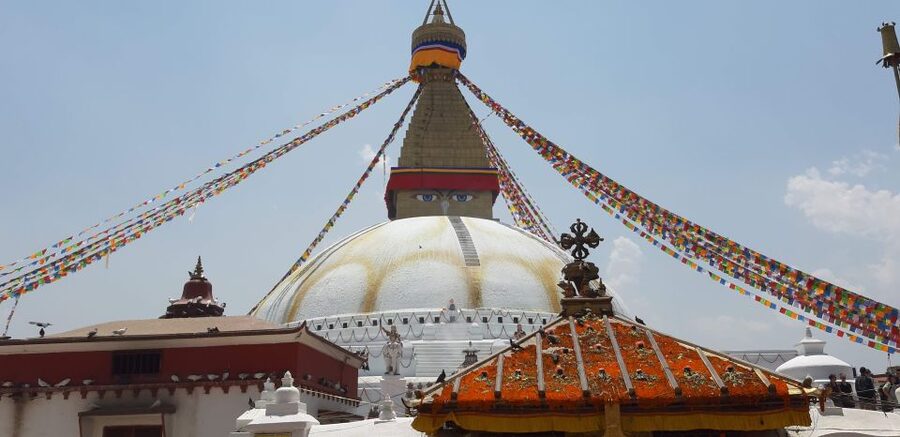
- Boudhanath’s scale, about 100 m across and 40 m high, dominates the skyline.
- Swayambhunath is the Monkey Temple area, with strong panoramic views from the hillock.
- Patan Durbar Square brings the carvings and temple-palace vibe of Lalitpur into the mix.
Still weighing it up? These other Nepal trips are on our review list too.
Why This 1-Day Kathmandu Valley UNESCO Tour Works
Kathmandu Valley is small on a map, but it behaves like a big place in real life. The UNESCO sites are spread across the valley’s cities, so without a guide you can waste time, miss key context, and end up “collecting photos” instead of understanding what you’re looking at.
This is built for that exact problem. It’s a guided day tour with hotel transfers and a private car, so you get to the sites faster and you get explanations that tie the art and architecture together. In one day you can go from riverfront temple rituals to a massive stupa with Buddhist prayer culture, then to hilltop views from Swayambhunath.
What I find especially useful is how the tour balances iconic sights with a sense of place. Pashupatinath is not just a building, it’s a temple community along the Bagmati River. Boudhanath is not just a monument, it’s a spiritual center that Hindu and Buddhist visitors recognize. Swayambhunath isn’t just a “viewpoint,” it’s a religious complex perched on a hillock with the famous monkey presence.
Getting From Spot to Spot: Private Car, Pickup Options, and Real Time
This tour starts with pickup, with three pickup options: Hotel Nepalaya in Kathmandu, plus locations in Kathmandu and in Thamel. The key detail is that you meet your driver at your hotel at the tour start time, so you’re not trying to locate a random meeting point in a crowded neighborhood.
A private car matters here. Kathmandu traffic can be unpredictable, and the distance between temple clusters can add up quickly. Because this is a one-day format, you’ll feel the value of getting a driver who knows how to move efficiently.
Expect a day with plenty of movement: photo stops, guided walks, and scenic driving. One itinerary line calls out a longer driving and walking block, which is a clue that you should treat this as a full sightseeing day, not a slow stroll.
A quick practical tip
Bring comfortable shoes and water. The stops include walking around temple and stupa areas, and you’ll thank yourself later when you’re doing a bit more moving than you planned.
Pashupatinath Temple: Two-Story Pagoda Style on the Bagmati River
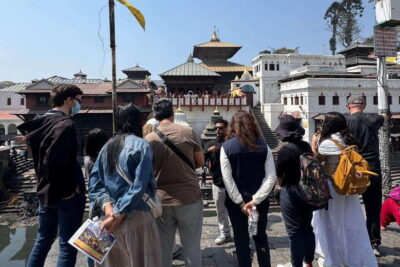
Pashupatinath Temple is one of the most famous Hindu temples in Nepal, and it sits right on the banks of the holy Bagmati River. It was inscribed on the UNESCO World Heritage list in 1979, which helps explain why this site is treated as both a living place of worship and a heritage landmark.
What makes it special is the structure. The temple is two-storied and built in pagoda style, so it doesn’t look like a generic temple shape you might recognize from elsewhere. This visual difference helps your guide’s explanations make sense fast.
The day also matters here because the temple is tied to big religious events. During Maha Shivaratri, more than one million devotees visit the site, so the temple’s role is clearly bigger than a local landmark.
Other Nepal plans with a guide already on the ticket
What you might notice as you walk
You’ll likely spend time on a guided visit with a photo stop. The riverfront setting is part of the experience, and it’s also the place where you may see ceremonies. One review specifically mentions seeing the cremation ceremony at Pashupatinath, and that’s exactly the kind of moment where a respectful approach and good guidance help you understand what you’re witnessing.
How to handle this stop
If you’re sensitive about religious rituals, keep your expectations grounded. This is a major active worship site, not a museum building. You can still enjoy it, but plan to move thoughtfully and avoid treating people’s faith as scenery.
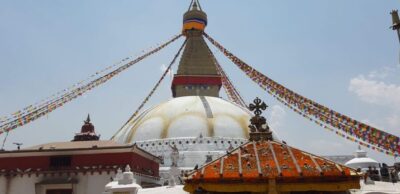
Boudhanath Stupa: A 100-Meter Giant for Hindus and Buddhists
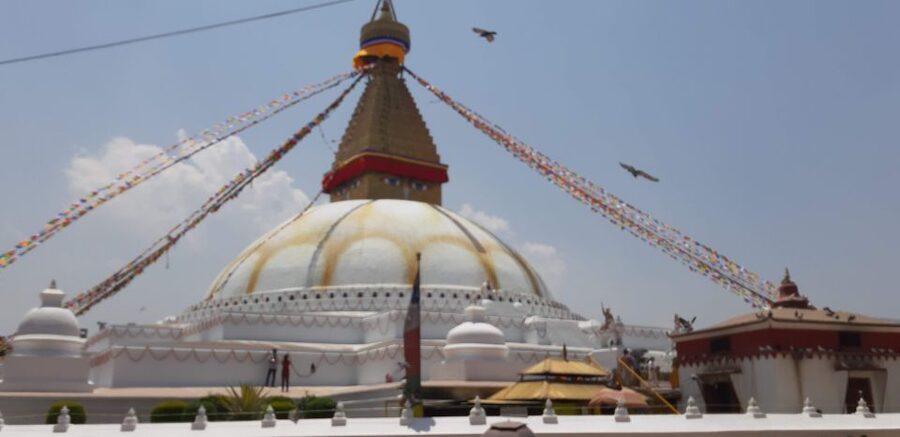
Boudhanath is famous for a reason: it’s described as one of the largest stupas in the world. It sits in Kathmandu and is both ancient and holy for Hindus and Buddhists, including visitors coming from all over the world.
The numbers are impressive and useful because they change how you experience it. The stupa is about 100 m in diameter and around 40 m high, and from many angles it dominates the skyline. Even if you’re not a architecture nerd, that scale makes the stop feel bigger than its location.
This is also an interpretive stop, meaning your guide can help you connect what you see to how the site functions. Stupas are not just “structures,” they’re religious focal points, and Boudhanath is a place where multiple faith traditions share the sacred space.
How the visit usually feels
You’ll visit with guidance and then likely get time to look around and take photos. The guided part matters because the stupa complex can feel visually busy if you only rely on your own observations. A good explanation helps you read the space instead of just walking past it.
Possible drawback to consider
This is a major religious center, so it can be busy at certain times. If you prefer quiet sightseeing, you might need a bit more patience here than at some other stops.
Swayambhunath Monkey Temple: Hilltop Views Plus the Valley’s Story
Swayambhunath is one of the classic Kathmandu icons, and it’s commonly called the Monkey Temple. It sits on a hillock in the northwest area inside Kathmandu Valley, which is why it’s such a strong viewpoints stop.
You’ll want this stop in your itinerary because it gives you perspective. From a hilltop complex, the valley suddenly makes more sense. The architecture and the city layout click into place.
The meaning behind the name and the place
Swayambhunath is tied to a creation story: it’s believed the stupa was built when Kathmandu Valley was formed as a lake more than 2,000 years ago. That kind of origin legend matters in Nepal, because it helps explain why sacred sites are anchored in both geography and myth.
Why you’ll probably enjoy it
You should expect a guided visit plus time to explore the hilltop area and take in panoramas. One of the supplied highlights calls it one of the best places for wide views of the Kathmandu Valley, so if you want photos that actually show scale, this is one you’ll be glad you didn’t skip.
Patan Durbar Square in Lalitpur: Carving-Focused Heritage Time
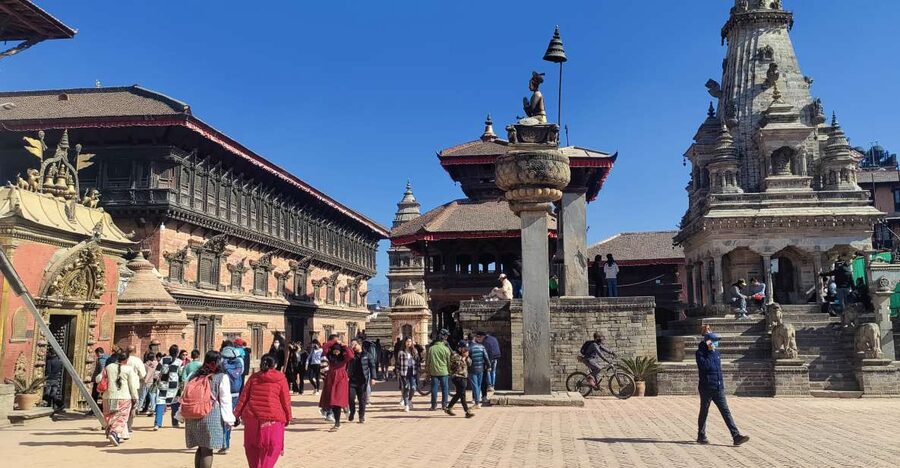
Patan Durbar Square adds a different energy from the river and stupa stops. Patan is described as the oldest of the three cities in Kathmandu Valley, and it’s also known as Lalitpur.
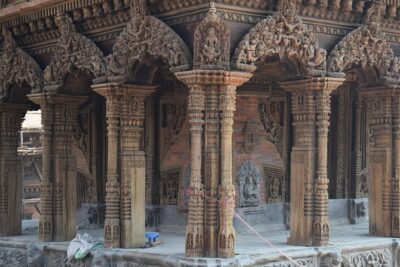
This stop is built around the feel of heritage you can walk through. Patan Durbar Square is full of ancient temples, palaces, and monuments, and the standout detail in the provided information is the wood and stone carvings.
If you like architectural details, you’ll probably love the way this stop slows you down. A guide can help you spot what’s significant, since carvings can look like general ornament until you know what to look for.
A realistic expectation
This is not only a “look up and move on” place. You’ll likely spend time moving around the square and taking in multiple angles. That’s a good thing if you have comfortable shoes, since it’s easier to enjoy carvings when your legs are ready.
Who this stop is for
If you’re the kind of traveler who likes heritage that feels handcrafted rather than monumental, Patan Durbar Square will balance the big stupa and temple sites nicely.
Guide and Driver Quality: Where Reviews Point to the Difference
A UNESCO day tour can be hit-or-miss based on execution. The best part of this experience, based on past bookings, is that people consistently praise the guide’s communication and the driver’s punctuality and safe driving.
Specific guide names showing up in strong feedback include Ramesh and Sujan. One booking also mentions help from Kamal, and another references a driver named Tirtha. That’s not proof of any guarantee, but it does tell you what the company focuses on: clear explanations and careful driving.
Why that matters for you
On a one-day loop, timing and interpretation are everything. If the guide is strong, the sites feel connected instead of random. If the driver is careful and punctual, you waste less energy on logistics and more on the actual sights.
Some feedback also notes flexibility based on what the person wanted. So if you’re the type who wants an extra minute for photos or wants to linger on a detail, this kind of guide style can make the day feel personal.
What You Really Get for $37, and What Costs Extra
The price listed is $37 per person for 1 day, and it includes:
- Hotel pickup and drop-off
- A private car
- An English-speaking guide
- Government tax and service charge
That’s a strong deal on paper because you’re getting transportation plus a live guide for a full day. In Kathmandu, transport costs and guide time add up fast if you book them separately.
Not included:
- Food and drinks
- Sightseeing entry fees
- Personal expenses
How I’d budget it
Plan for a straightforward add-on: buy water and meals yourself, and expect entry fees to be your main unknown cost. If you’re traveling with someone and you’re okay eating simple local options during a busy day, the overall cost can still feel very manageable for a private-guided UNESCO sweep.
What to Bring, What to Expect, and How to Make It Smoother
From the provided info, bring:
- Passport (or an ID card)
- Comfortable shoes
- Water
Not allowed:
- Drones
- Alcohol and drugs
Those rules are practical. The passport or ID detail is a good reminder because Nepal sometimes uses ID checks for certain activities, and you do not want to be scrambling on your first morning.
Expect a full sightseeing rhythm
This day is designed for coverage: photo stops, guided visits, walking, and driving between key sites. If you’re coming in tired from a long flight, you might want to sleep early the night before so you can enjoy the details instead of just getting through the schedule.
Should You Book This Kathmandu Valley UNESCO Day Tour?
I’d book it if:
- You want a first-day Kathmandu plan that covers the major UNESCO sites without the stress of figuring out routes.
- You prefer guided context because it helps you understand the meaning behind temples, stupas, and creation myths.
- You like the idea of a private car and pickup from areas like Thamel, so your day starts clean.
I might skip or choose something else if:
- You hate walking on uneven temple surfaces.
- You’re on a super tight budget and don’t want to pay for additional items like entry fees and meals.
- You want a slower, less structured cultural day with lots of free time.
If you do book, go in with flexible expectations and come prepared with water and comfy shoes. Also, you can take advantage of the fact it offers free cancellation up to 24 hours in advance and reserve now, pay later, which is helpful if your arrival plans are still a little uncertain.
FAQ
How long is the Kathmandu Valley UNESCO day tour?
It’s listed as a 1-day experience.
Where are pickup and drop-off locations?
Pickup options include Hotel Nepalaya in Kathmandu, plus locations in Kathmandu and Thamel. Drop-off options are Kathmandu, Hotel Nepalaya, and Thamel.
Which UNESCO sites are included?
The tour includes visits around Kathmandu Valley to major World Heritage landmarks such as Pashupatinath Temple, Boudhanath Stupa, and Swayambhunath (Monkey Temple). Patan Durbar Square is also part of the Kathmandu Valley heritage focus in the provided information.
What languages are the guides?
The live tour guide is available in English, Hindi, and Nepali.
Is food included in the price?
No. Food and drinks are not included.
Are entry fees included?
No. Sightseeing entry fees are not included.
What should I bring, and what is not allowed?
Bring your passport (or an ID card), comfortable shoes, and water. Drones are not allowed, and alcohol and drugs are not allowed.
Everything Bookable Around Nepal


The Rest of Our Nepal Write Ups
Everything else we have reviewed around Nepal
- 3 Nights 4 Days Bardia Tiger Tracking Tour | Bardia Jungle Safari
★ 5.0 · 4 reviews - Kathmandu Local Food Hunt Tour
★ 5.0 · 4 reviews - Kathmandu: Chandragiri Cable Car, and Swayambhu
★ 4.7 · 7 reviews - Kathmandu: Guided -Day Tour of World Heritage Sites
★ 5.0 · 10 reviews - Manthali Airport (Ramechhap) To Kathmandu – Transport Service
★ 4.5 · 11 reviews - Full day Lumbini Tour with Guide
★ 5.0 · 11 reviews
Kathmandu UNESCO Heritage Tours worth a second look.
 ★ 5.0Full Day 7 UNESCO Tour with Lunch – Private/GroupFrom $10415 reviews
 ★ 5.0Full Day Top 4 UNESCO Tour with Lunch – Private/GroupFrom $10269 reviews
 ★ 5.0UNESCO Seven World Heritage Tour in KathmanduFrom $180253 reviews
★ 4.9Full-Day 7 UNESCO Tour with Lunch – Private/GroupFrom $5247 reviews
★ 5.0UNESCO Seven World Heritage Tour in KathmanduFrom $180253 reviews
★ 4.9Full-Day 7 UNESCO Tour with Lunch – Private/GroupFrom $5247 reviews
 ★ 4.97 UNESCO Sites Tour in 1 Day (Private Tour)From $4204 reviews
 ★ 4.9Top 4 UNESCO Tour with Lunch – Private/GroupFrom $5181 reviews
 ★ 5.0Bhaktapur & Patan Durbar Square Day ToursFrom $50122 reviews
 ★ 5.0Kathmandu Private Sightseeing Tour | UNESCO World Heritage SitesFrom $35109 reviews
Lists this tour sits in