
REVIEW · LUMBINI & BUDDHIST PILGRIMAGE
Lumbini Full day tour with Guide
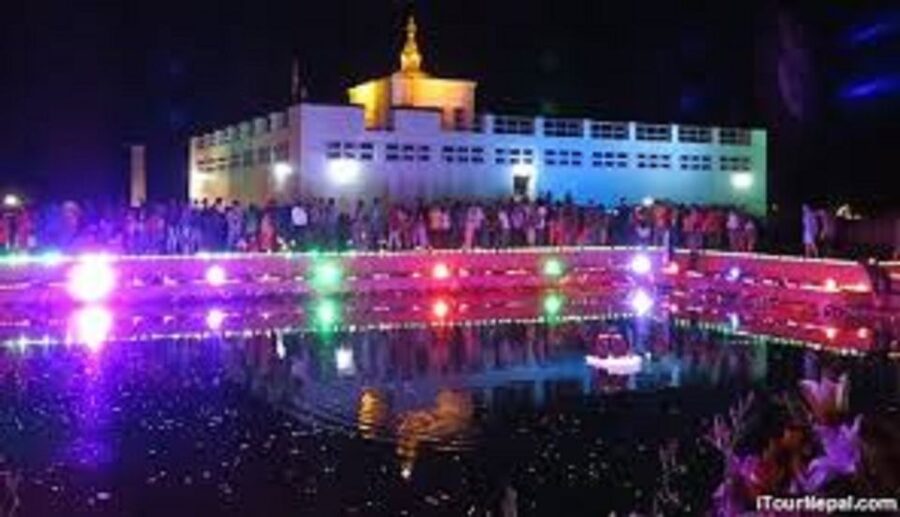
Birthplace of Buddha, walked through with a guide. In one Lumbini full day tour with guide, you’ll focus on the Maya Devi Temple birth marker and the Sacred Garden UNESCO area, with a local guide who helps you notice what matters.
I especially liked how the day connects sacred sites to real details you can see, like the pond and marker stone associated with Queen Maya Devi. I also enjoyed the way monasteries across the complex show Buddhism’s global reach, so the place feels bigger than a single temple.
One consideration before you go: entrance fees and food are not included, and some extra monastery areas can add cost if you choose to visit them.
In This Review
- Key Highlights I’d Put On Your Must-Do List
- Getting Started: Pickup Near Mayadevi Temple and a Real Private Pace
- Maya Devi Temple: The Birth Marker You Can Actually Locate
- Lumbini Development Zone Sacred Garden: UNESCO Peace With Purpose
- Monasteries Across the Complex: How Buddhism Spread Through Architecture
- Lumbini Museum: Artifacts and Archaeology to Ground the Spiritual Story
- Beyond the Main Garden: Villages, Local Life, and a Chance to Slow Down
- Price and Time: Is $38 Worth It for a Private Day in Lumbini?
- Rain or Shine, Walkable But Not Effortless
- The Guide Factor: Why Suhail’s Approach Matters for Your Day
- Who Should Book This Lumbini Full Day Tour With Guide?
- Should You Book This Lumbini Full Day Tour With Guide?
- FAQ
- How long is the Lumbini full day tour with guide?
- Is this tour private, and do I get pickup?
- What’s included in the tour price?
- Are entrance fees included?
- Is food included?
- What should I bring and wear?
- Is the tour suitable for pregnant women?
Key Highlights I’d Put On Your Must-Do List
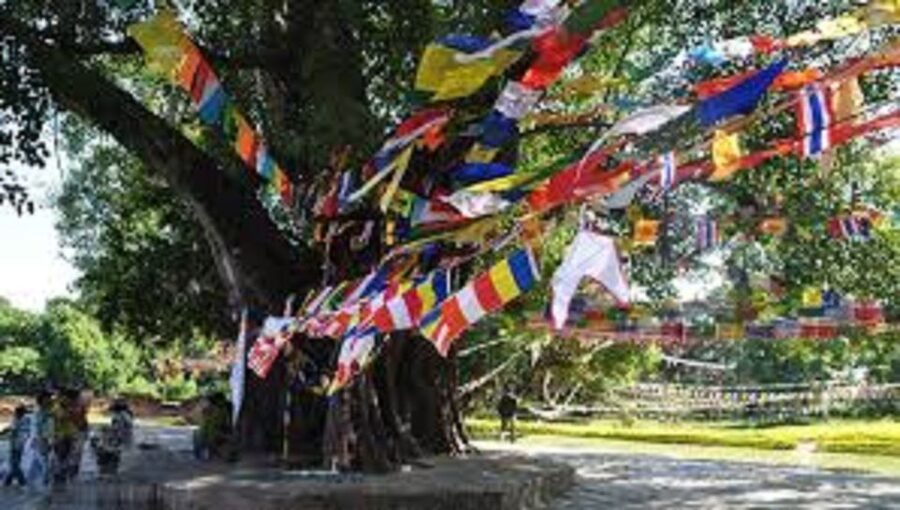
- Maya Devi Temple birth site details with the sacred marker stone and Queen Maya Devi pond area
- UNESCO Sacred Garden in the Lumbini Development Zone where the spiritual core of Lumbini sits
- Monasteries from multiple Buddhist communities with different designs and artwork
- Lumbini Museum for artifacts and archaeological findings that give context
- Hotel pickup and drop-off in the Lumbini temple area for a smoother start
Other pilgrimage routes on our list

Getting Started: Pickup Near Mayadevi Temple and a Real Private Pace
Your day in Lumbini starts with pickup from your hotel within the temple area, roughly a 3 km radius from Mayadevi Temple. That matters because Lumbini is not laid out like a tidy city walk. If you start in the right place, you spend time on the sacred grounds, not figuring out logistics.
This is a private tour, so you are not stuck behind a big group shuffle. You move at the pace your guide sets, with time to stop and listen as you explore the main complex. The guide speaks English, plus Nepali and Hindi, which helps if you want to ask follow-up questions or confirm what you are looking at.
In my experience, a guide makes a huge difference here. Lumbini is peaceful, but it is also full of small cues. A good guide helps you slow down in the right spots, and it also helps you plan around what you most want to see.
Maya Devi Temple: The Birth Marker You Can Actually Locate
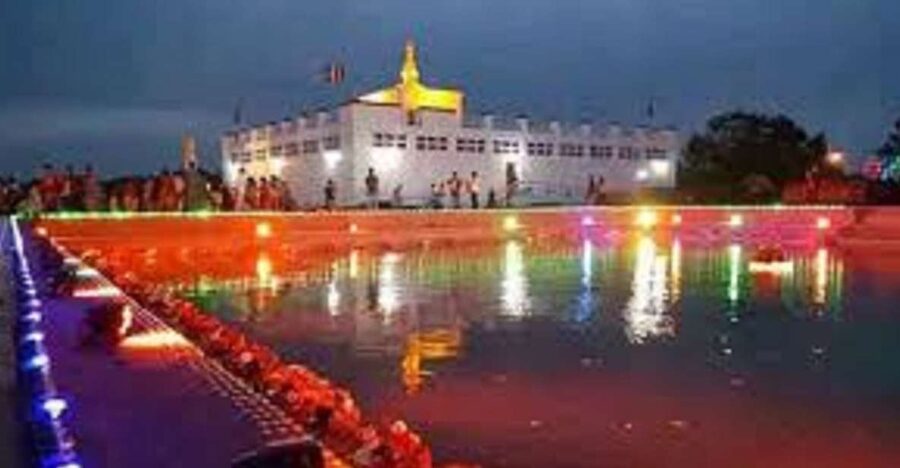
Most people begin at the Maya Devi Temple, because it marks the exact spot connected to the birth of Siddhartha Gautama, who later became Gautama Buddha. This is where the tour becomes more than sightseeing. It becomes a guided walk into a specific sacred story tied to place.
Inside the temple area, you’ll see the sacred marker stone and a pond, both linked to Queen Maya Devi. The idea is simple: you are not just reading about the tradition, you are standing near the elements it points to. That physical connection is the reason this stop feels so meaningful.
What to do with this information: don’t rush. Take a minute before you move on. Let your guide explain what you’re seeing, then look again with that explanation in mind. Your brain will start sorting details fast, like a mental map. And since this is a temple setting, dress and behavior matter. Keep things respectful, quiet, and slow.
Lumbini Development Zone Sacred Garden: UNESCO Peace With Purpose
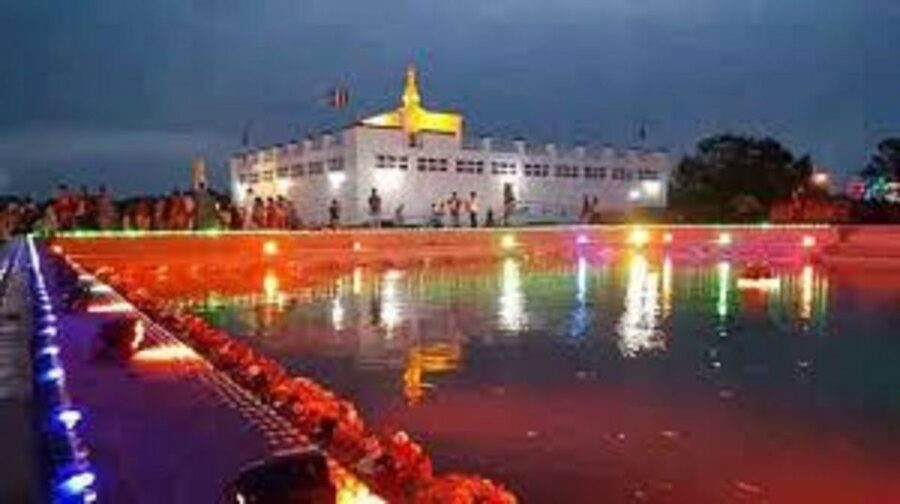
After the temple, the tour moves toward the Sacred Garden area, commonly discussed as part of the Lumbini Development Zone, and recognized as a UNESCO World Heritage site. This is the heart of Lumbini for a reason. It is where the pilgrimage focus stays strongest, and where the atmosphere turns noticeably contemplative.
What makes this area special is not only the sacred reputation. It’s how the garden setting supports reflection. You’ll find lush grounds and a calm mood that invites meditation and quiet thinking. If you come craving spirituality, this is the moment you should not treat like a checklist stop.
A practical tip: wear comfortable shoes and expect walking on uneven ground. “Hiking tour” is the key phrase here. Even if you are not doing a full mountain trek, you are still moving. Your shoes will do more work than you think.
Monasteries Across the Complex: How Buddhism Spread Through Architecture
One of the most fascinating parts of Lumbini is what sits around the main garden. As you explore, you’ll come across monasteries, temples, and shrines built by Buddhist communities from different countries. The designs vary, and that variety is the point.
Your guide can help you connect what you see to what it means. Each monastery often reflects the style and devotional priorities of the community that built it. So you start noticing patterns: different artwork, different layout choices, and different ways prayer spaces are arranged.
Why this matters for you:
- You stop thinking of Lumbini as one tradition.
- You start seeing it as a meeting point for many Buddhist cultures.
- You get a better sense of how global Buddhism found a home here and left its mark.
Some of the most memorable moments in a place like this come from small contrasts, not big monuments. A guide who knows the significance can point out those contrasts quickly.
Lumbini Museum: Artifacts and Archaeology to Ground the Spiritual Story
Once you’ve walked the sacred spaces, the Lumbini Museum gives you the “why” behind what you are seeing. The museum houses artifacts and archaeological findings connected to the life of Buddha and the region’s early Buddhist development.
This isn’t about turning spirituality into a textbook. It’s about giving your day context. After you’ve visited the temple marker, the museum helps you understand how traditions, artifacts, and historical evidence connect. It also gives you a sense of what has been studied and preserved, which is reassuring when you’re visiting a place revered for generations.
If you tend to get more from explanations than from plaques, you’ll likely enjoy the museum. Your guide can help you focus on the most relevant displays and tie them back to the sites you visited.
Beyond the Main Garden: Villages, Local Life, and a Chance to Slow Down
Lumbini is not only the UNESCO zone. Outside it, you can explore nearby villages and spend time with local communities. This is where your day shifts from pilgrimage center to everyday Nepal.
The goal here is not to speed through houses. It’s to understand local rhythms, see daily life, and get a sense of how traditions continue beyond temple walls. If your guide is good at building rapport, you may find cultural exchanges happen naturally during stops.
Food is also part of this experience. Traditional Nepali cuisine is available to purchase during the day, though it is not included in the tour price. If you plan to eat during your tour, decide ahead of time whether you want a quick meal between sites or a longer pause that lets you recharge.
This portion of the day is also great for breathing. When you’ve been walking and listening for hours, a slower cultural section keeps the day from feeling like constant input.
Price and Time: Is $38 Worth It for a Private Day in Lumbini?
At $38 per person for an 8-hour, private guided tour, the value is strongest if you want structure and guidance rather than self-guided wandering. You get hotel pickup and drop-off within the Lumbini temple area, a professional English-speaking guide, and a bottle of water per person.
Here’s the key detail to keep your budget honest:
- Entrance fees are not included
- Food and drinks are not included
That means your final day cost can rise if you decide to pay for additional monastery areas or museum-related charges. One example from real experience: admission to Nava Maitri Maha Viharaya was not included, and that kind of add-on can make a guided day feel pricier than the headline rate.
Also keep in mind timing. Some people report that the tour length can end up shorter than expected. If you book, ask your guide at pickup how the schedule will fit what you want most, especially if you have other plans later that day.
Still, for many visitors, a guided day earns its keep. Lumbini is peaceful, but it is not always obvious what each spot represents. Paying for a guide can save you from walking past meaningful places with no context.
Rain or Shine, Walkable But Not Effortless
This tour runs rain or shine. That’s not bad news, but it does mean you should be prepared. You’ll be outdoors walking through the complex, temples, gardens, and nearby areas.
Also note the practical rules:
- No luggage or large bags
- Bring passport or ID card
- Bring cash
- Wear comfortable shoes
If you’re traveling light, you’re set. If you have a backpack, keep it small. You do not want to spend your day managing a heavy bag while you’re trying to enjoy the sights.
And if you’re thinking about comfort, remember the tour is described as a hiking tour. People who can comfortably walk for extended time will do best. Pregnant women are specifically listed as not suitable.
The Guide Factor: Why Suhail’s Approach Matters for Your Day
The strongest praise tied to this tour often points to the guide. In particular, Suhail is mentioned as friendly, flexible about starting time, and patient with questions. That kind of responsiveness is not just nice. It changes how well you experience Lumbini.
Another advantage with a well-connected guide is access and efficiency. Some guides can get you into certain areas that feel harder to reach on your own, and they also know where to pause for meaning rather than crowding into the next stop. One more practical benefit: Suhail is noted as helping with ideas for where to stay nearby for the next nights, which is useful if you’re turning Lumbini into a multi-day spiritual stop.
If you want the day to feel smooth, ask your guide early what you most care about: sacred birth site focus, monasteries and architecture, museum context, or time for meditation. A good guide will shape the route around your priorities.
Who Should Book This Lumbini Full Day Tour With Guide?
This tour is a strong fit if you:
- Want a guided walk through the Maya Devi Temple and the UNESCO Sacred Garden
- Like understanding what you’re seeing, not just taking photos
- Enjoy temples, monasteries, and the cultural mix of Buddhist communities
- Appreciate calm time for reflection, not just rapid touring
It may not be the best fit if:
- You are pregnant, since it is not suitable
- You prefer total freedom with no guidance
- You are trying to keep costs extremely tight, because entrance fees and optional add-ons can increase the total
In terms of vibe, think “quiet pilgrimage day with structure.” It’s not a party tour. It’s more about respecting the place and letting the meaning settle in.
Should You Book This Lumbini Full Day Tour With Guide?
If your goal is to understand Lumbini, not just pass through it, I think this is worth booking. The combination of a private guide, the focus on the Maya Devi Temple and Sacred Garden UNESCO zone, plus time at the museum, gives you a full picture in one day.
Do it if you value context, and if you like having a plan that keeps you from missing key meaning. Do a little homework on your personal budget for entrance fees and decide where you want to spend extra money, if at all, on additional monastery areas.
If you’re the type who walks slowly, asks questions, and enjoys places that feel peaceful, this tour can match that style really well. Bring comfortable shoes, keep your bag light, and let your guide help you see the sacred details that make Lumbini unforgettable.
FAQ
How long is the Lumbini full day tour with guide?
The duration is listed as 8 hours.
Is this tour private, and do I get pickup?
Yes, it is a private group tour, and hotel pickup and drop-off are included within the Lumbini area (within a 3 km radius from Mayadevi Temple).
What’s included in the tour price?
Included are hotel pickup and drop-off within Lumbini area, a professional English speaking tour guide, a bottle of water per each, and the tour being private.
Are entrance fees included?
No. Entrance fees are not included.
Is food included?
No. Food and drinks are not included, though they are available for purchase.
What should I bring and wear?
Bring your passport or ID card and cash, and wear comfortable shoes. The tour also notes that luggage or large bags are not allowed.
Is the tour suitable for pregnant women?
No. It is listed as not suitable for pregnant women.
The Rest of Our Lumbini Write Ups
Lumbini and the Pilgrimage Trail
Everything else we have reviewed around Lumbini
- Lumbini: Buddhists Spiritual Exploration
★ 4.5 · 3 reviews
Lumbini & Buddhist Pilgrimage worth a second look.
 ★ 4.82 Stupas and Kopan Monastery Spiritual TourFrom $6115 reviews
 ★ 5.0Lunch with Nuns – MonasteryFrom $13575 reviews
 ★ 5.0Temples and Stupas Tour in Kathmandu ValleyFrom $3436 reviews
 ★ 5.0Buddhist Pilgrimage Tour In NepalFrom $15027 reviews
 ★ 5.0Namo Buddha and Thrangu Tashi Yangtse Monastery Half-Day TourFrom $10424 reviews
 ★ 5.0Day Hiking from Sarangkot to World Peace Stupa from LakesideFrom $13020 reviews
 ★ 5.0Sacred Pashupatinath: Aarati,Cremation Rites & Boudha StupaFrom $1118 reviews
 ★ 5.0Namobuddha Monastery Hiking Day Tour via Panauti from KathmanduFrom $7015 reviews
Lists this tour sits in