
REVIEW · LUMBINI & BUDDHIST PILGRIMAGE
Buddhist Pilgrimage Tour In Nepal
Buddhism in Kathmandu, in one smooth circuit. This one-day Buddhist pilgrimage tour strings together Boudhanath Stupa, Kopan Monastery, and Swayambhunath, so you see the big landmarks without wasting time. What I like most is the English-speaking guide who can answer your culture and Buddhism questions as you go, and the simple, private-vehicle setup that keeps the day moving. One possible drawback is that it is still a single day, so if you want hours of quiet contemplation at each spot, the schedule may feel a bit packed.
Nepal is a fascinating mix of religion and everyday life, even though Hinduism is the majority faith. The tour’s focus helps you understand how Buddhism shows up in real places, not just in textbooks, starting with a stupa that people treat as a living center of devotion.
You’ll also get a taste of the spiritual side, including time to chant the mantra with monks at the pilgrimage setting. The day runs as a group (max 10 travelers), so you get the comfort of a small crowd while still having structure.
In This Review
- Key highlights to look for
- Why this Kathmandu Buddhist pilgrimage feels like a focused circuit
- Price and value: what $150 really buys you
- Stop 1: Boudhanath Stupa, your devotion anchor in Kathmandu Valley
- Stop 2: Kopan Monastery, chanting and a Gelug-style experience
- Lunch in Thamel at The Ship, then Swayambhunath’s Monkey Temple mood
- Small group energy, private rides, and why your guide matters
- What to know before you go: timing, tickets, and day-of expectations
- Who this one-day pilgrimage tour suits best
- Should you book this Kathmandu Buddhist pilgrimage tour?
- FAQ
- How much does the Buddhist pilgrimage tour cost?
- How long is the tour?
- Where does the tour start and end?
- What time does the tour start?
- What’s included in the price?
- Are admission tickets included?
- Are meals included?
- Do I need a visa?
- What is the group size?
- Is there free cancellation?
Key highlights to look for
- Three major sites in Kathmandu Valley in a single day, with admissions included at each stop
- Maximum 10 travelers, which makes it easier to ask questions and hear your guide
- Private comfortable vehicles to reduce stress and deal with city traffic
- Chanting with monks as part of the spiritual experience
- Lunch reservation in Thamel at The Ship Restaurant and bar, with dal-bhat
Other pilgrimage routes on our list
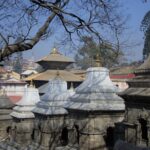
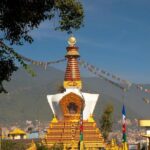
Why this Kathmandu Buddhist pilgrimage feels like a focused circuit
Kathmandu Valley can feel like a maze of temples, markets, and traffic when you’re doing it alone. This tour gives you a clear path, built around three of the most important Buddhist pilgrimage sites, so you can connect the dots fast.
I like the way the route starts with Boudhanath and builds toward other sacred places. You go from a landmark stupa that anchors devotion for many centuries, to a monastery setting tied to Tibetan Buddhist practice, and then to Swayambhunath, often called Monkey Temple.
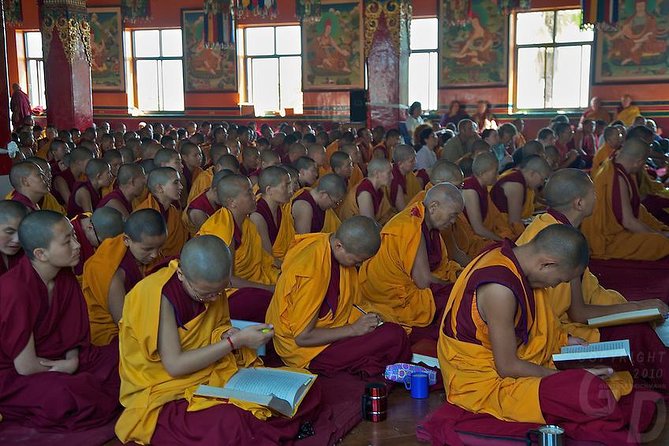
The spiritual tone matters too. The itinerary is not just sightseeing. You’re invited into the religious atmosphere, including chanting the mantra with monks, which changes how you experience the spaces. Even if you do not fully follow every ritual, you still get the sense of why people come back again and again.
Price and value: what $150 really buys you
At $150 per person, this is priced like a guided day trip where your biggest costs are handled for you. The tour includes all government and local taxes, staff salary, and insurance, plus private ground transportation in comfortable vehicles.
You also get a fully trained English-speaking professional guide, which can be a big deal in Nepal. Buddhism here is layered, and a guide helps you avoid the common trap of seeing only the outward form. Admission tickets for each stop are included, which removes one more hassle from your planning.
Two small value notes that add up:
- You get group discounts, and the group size cap of 10 keeps it from turning into a chaotic bus tour.
- You can use a mobile ticket, so you’re not juggling paper confirmations.
What is not included matters for your budget. You’ll need to cover your Nepal visa fee, and meals and accommodation are not included beyond the lunch stop. If you are counting every dollar, that is where you’ll do the math after you book.
Stop 1: Boudhanath Stupa, your devotion anchor in Kathmandu Valley
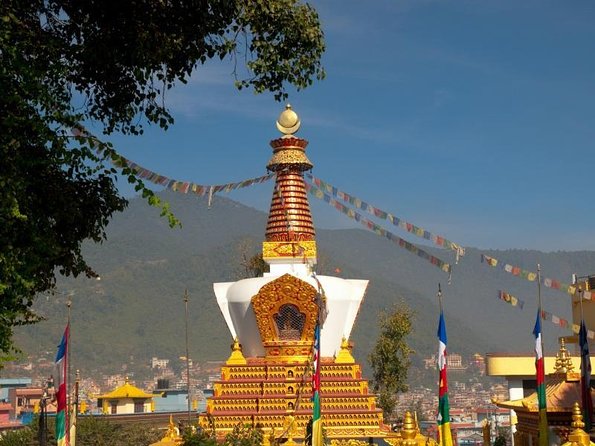
You start with pick-up from your hotel, and then you head to Boudhanath Stupa, about 4 miles from the center of Kathmandu. This is one of the largest stupas in the world, and that scale is the first thing you notice.
Boudhanath is not just an impressive structure. It’s a focal point for Buddhist pilgrimage, the kind of place where people show up with a routine: walking, observing, praying, and returning. With a guide on hand, you’re more likely to understand what you are looking at and why the stupa is treated as a center of devotion.
Admission is included, so you’re not standing around at the entrance wondering what’s covered. That sounds minor, but it keeps the day feeling organized.
One practical consideration: because it is a major landmark, expect activity around it. Plan to move at a steady pace, be respectful with space, and give yourself a moment to adjust your eyes and attention before you try to take in details.
Stop 2: Kopan Monastery, chanting and a Gelug-style experience
After Boudhanath, the tour heads toward Kopan Monastery. The route is designed to cut across daytime traffic, which is smart in Kathmandu, where timing can turn into a headache if you are not using a driver and a plan.
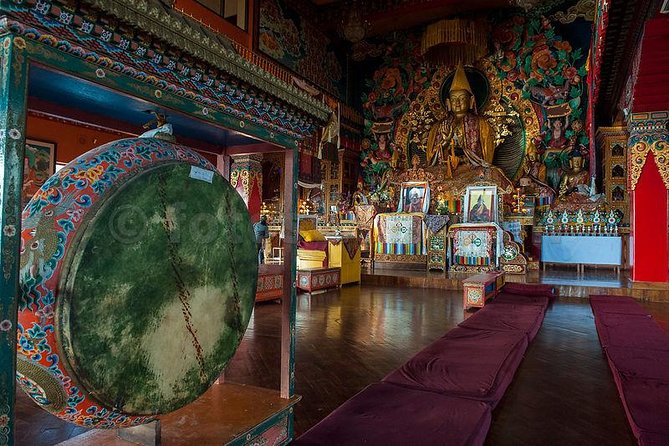
Kopan Monastery is tied to the Gelug tradition of Tibetan Buddhism. That matters because Nepal’s Buddhist world is not one single style. Even if you know Buddhism basics, seeing how practice differs by tradition helps you feel the variety instead of treating it all as one broad category.
This is where the tour’s spiritual ingredient really shows up. You’re guided into a pilgrimage atmosphere, including time to chant the mantra along with monks. That’s not a passive experience. You’ll be part of what people came to do.
Admission is included here too, so once you arrive you can focus on the moment rather than admin. And with a trained English-speaking guide, you can ask questions on the spot, especially if you want help connecting what you see to the broader ideas behind Buddhism.
The only drawback to consider is energy level. This is a spiritual stop, not a quick photo stop, so it may ask more of your attention than you expect. If you are the type who gets tired in crowds, arrive mentally prepared to slow down and stay present.
Longer Nepal itineraries, start to finish
Lunch in Thamel at The Ship, then Swayambhunath’s Monkey Temple mood
From Kopan Monastery, you head to Thamel for lunch. The tour reserves a table at The Ship Restaurant and bar, and the meal is dal-bhat, a classic Nepalese comfort plate built around lentils and rice.
I love having lunch handled this way on a guided day. It saves you from the common stress of figuring out where to eat while you are also trying to keep your itinerary on track. You still get a real Nepalese dish, and you can use the break to recharge before the final stop.
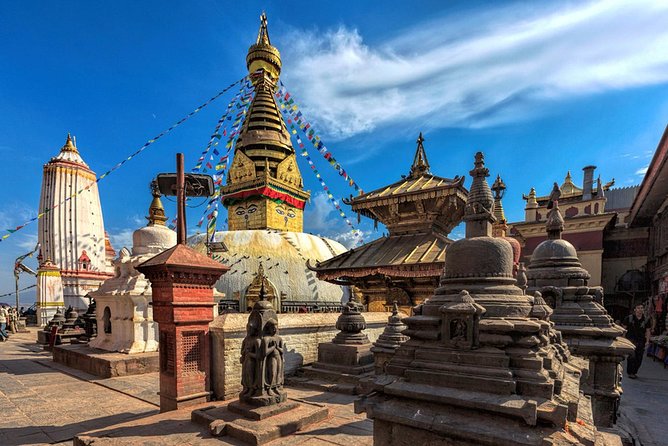
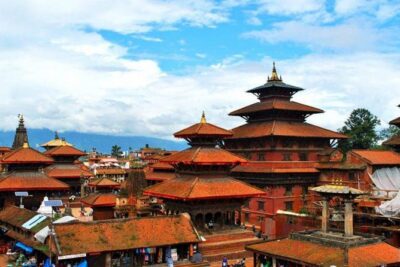
After lunch, the tour goes to Swayambhunath, popularly known as Monkey Temple. Even if you only have a short window, it helps to know you are ending at a site people consider both sacred and iconic. Your guide’s context can make the area feel more meaningful, not just scenic.
Admission tickets are included, so the final leg is smoother. The best approach at Swayambhunath is to take your time with observation. Let your guide’s explanations frame what you see, then spend a few minutes looking without trying to absorb everything at once.
Because this day is one-day long, the pacing is the trade-off. You’ll get a taste and understanding of the sites, but you likely will not have the kind of loose, wandering time you might want if you love temple photography or long meditation.
Small group energy, private rides, and why your guide matters
This is a group tour with a maximum of 10 travelers, which makes the whole experience feel more personal than a big tour bus. When the group is small, the guide can adjust explanations based on what you actually ask.
In my view, the real value is not just that the guide speaks English. It’s that the guide is there to help you connect culture and Buddhism in plain language. Past bookings have praised the same thing: a guide who can answer questions about both culture and Buddhism. That is exactly what you want on a day like this, because you will see symbols quickly, and you’ll want meaning, not just location.
The private comfortable vehicles also change the day. You avoid the stress of figuring out how to get from one holy site to another while keeping your timing intact. And because at least one leg explicitly accounts for daytime traffic, you should feel a bit more in control of the schedule.
One more small factor: staff salary and insurance are included. That signals a more formal, responsible operation, and it usually translates into fewer last-minute surprises.
What to know before you go: timing, tickets, and day-of expectations
The tour starts at 9:15am in Kathmandu Valley, and it ends back at the meeting point. Plan to start your day early, and give yourself time to get ready so the morning pick-up is not stressful.
Duration is listed as about 1 day. That’s good news if you have limited time in Kathmandu. It is also a reminder to pack smart: you want comfortable shoes, something to handle Nepal’s daytime conditions, and patience for moving between sites.
Admissions are included at every stop, and you’ll also get a mobile ticket. That’s convenient, especially if you are juggling other activities in Kathmandu.
It’s also worth thinking about where this fits in your trip. If you arrive in Nepal already tired, this tour might feel like a lot, because it’s three major sacred sites plus chanting plus lunch. If you want a spiritually grounded introduction to Buddhist Nepal without hiring separate guides, this one-day loop is a strong fit.
Booking timing is another practical detail. On average, this gets booked about 18 days in advance. If your travel dates are fixed, don’t wait until the last minute.
Who this one-day pilgrimage tour suits best
This is a great choice if you:
- Want structure for a day in Kathmandu Valley
- Care about understanding what you see, not just ticking off attractions
- Enjoy spiritual experiences and are open to chanting with monks
- Prefer a small group (max 10) with an English-speaking guide
It can also work well for couples or solo travelers who want a guided day without giving up comfort.
If you are very independent and love wandering at your own pace for hours, you might find the schedule restrictive. The route hits three big sites in one day, so you will be guided through them rather than drifting around freely.
Should you book this Kathmandu Buddhist pilgrimage tour?
If you want a guided, meaningful day across Boudhanath Stupa, Kopan Monastery, and Swayambhunath, I think this is a solid book. The price feels fair for what’s included: private ground transport, an English-speaking guide, admissions at all three stops, and lunch in Thamel at The Ship Restaurant and bar.
I would book it especially if you want your questions answered while you’re actually standing in front of the religious sites. Chanting with monks is not a typical add-on, it’s the heart of why this tour exists. And a small group size helps keep the experience calm enough to take in.
Skip it if you already plan to hire a private guide, or if you feel you need long, unstructured time at each monument. This tour is designed for one-day focus, not slow, all-day drifting.
If your goal is a high-value introduction to Buddhist Nepal with minimal logistics stress, this one-day pilgrimage route is a strong fit.
FAQ
How much does the Buddhist pilgrimage tour cost?
It costs $150.00 per person.
How long is the tour?
The tour is approximately 1 day.
Where does the tour start and end?
It starts in Kathmandu, Kathmandu Valley, and ends back at the meeting point.
What time does the tour start?
The start time is 9:15am.
What’s included in the price?
Included are all ground transportation in private comfortable vehicles, a fully trained English speaking professional tour guide, staff salary and insurance, and all government and local taxes, plus admission ticket coverage for the included stops.
Are admission tickets included?
Yes. Admission tickets are included for Boudhanath Stupa, Kopan Monastery, and Swayambhunath.
Are meals included?
Meals and accommodation in Kathmandu are not included. Lunch is part of the plan in Thamel at The Ship Restaurant and bar.
Do I need a visa?
The Nepal visa fee is not included. You should bring accurate USD cash and two passport photographs.
What is the group size?
The tour has a maximum of 10 travelers.
Is there free cancellation?
Yes, you can cancel for a full refund up to 24 hours before the experience starts.
The Rest of Our Kathmandu Write Ups

Nepal Front to Back
Lumbini and the Pilgrimage Trail
Everything else we have reviewed around Kathmandu
- 12 Days Everest Base Camp Trekking
★ 5.0 · 3 reviews - 1 Night 2 Days Chitwan Jungle Safari Tour from Pokhara or Kathmandu
★ 3.0 · 3 reviews - Thamel Rickshaw tour
★ 4.7 · 3 reviews - Kathmandu: Momo Making Class with a Local Chef
★ 5.0 · 3 reviews - Kathmandu: Full-Day Yoga, Body Massage and Pedicure Package
★ 5.0 · 3 reviews - From Kathmandu / Pokhara / Chitwan: River Rafting – 1 Day
★ 4.6 · 3 reviews
Lumbini & Buddhist Pilgrimage worth a second look.
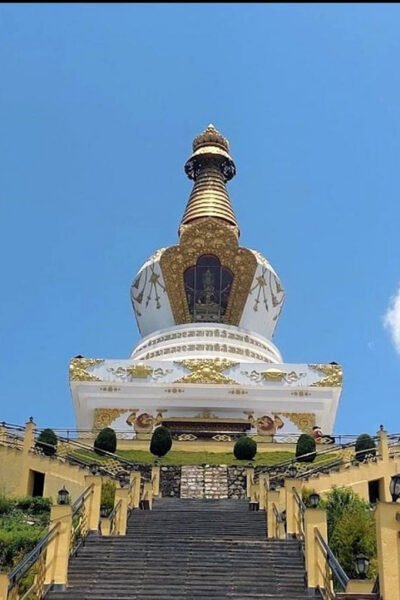 ★ 4.82 Stupas and Kopan Monastery Spiritual TourFrom $6115 reviews
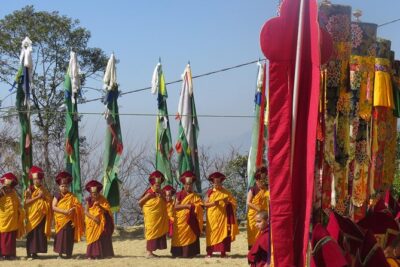 ★ 5.0Lunch with Nuns – MonasteryFrom $13575 reviews
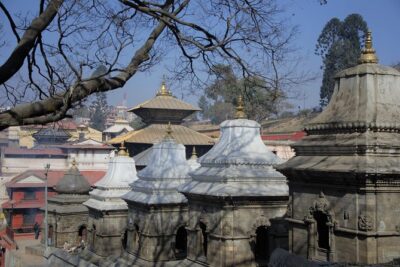 ★ 5.0Temples and Stupas Tour in Kathmandu ValleyFrom $3436 reviews
 ★ 5.0Namo Buddha and Thrangu Tashi Yangtse Monastery Half-Day TourFrom $10424 reviews
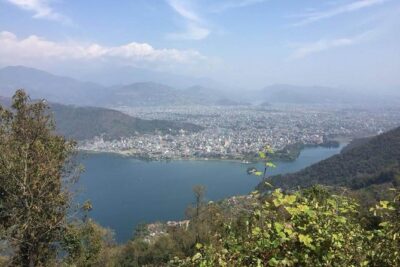 ★ 5.0Day Hiking from Sarangkot to World Peace Stupa from LakesideFrom $13020 reviews
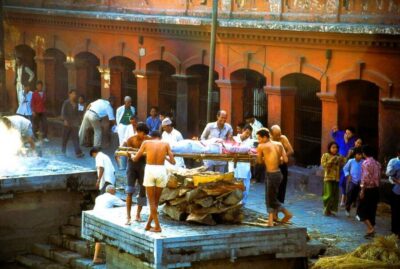 ★ 5.0Sacred Pashupatinath: Aarati,Cremation Rites & Boudha StupaFrom $1118 reviews
 ★ 5.0Namobuddha Monastery Hiking Day Tour via Panauti from KathmanduFrom $7015 reviews
 ★ 4.5Lumbini Tour Package From Kathmandu or Pokhara: 2 Night 3 DaysFrom $45014 reviews
Lists this tour sits in