
REVIEW · KATHMANDU CITY TOURS & SIGHTSEEING
Temples and Stupas Tour in Kathmandu Valley
Three temples, three UNESCO listings, one focused day. If you want a smooth hit of Kathmandu Valley’s main religious sites without negotiating for taxis all morning, this small-group tour is built for you. You’ll follow royal stories at Durbar Square, see Hindu devotion at Pashupatinath, and end at the Boudhanath Stupa where Buddhism and Hindu faith sit side by side in everyday life.
I like that the tour gives you real context, not just drop-offs. I especially liked the way guides such as Ms. Deepa and Kalpana explain what you’re seeing and answer questions as you go, even when you are mid-lunch. I also appreciate the convenience of a mobile ticket, so you are not scrambling with printouts.
One thing to keep in mind: entrance fees are not included. Plan on paying on site at some stops, and budget a bit of extra time for that reality.
In This Review
- Key highlights to know before you go
- Price and logistics: what $34 really covers
- Pashupatinath Temple: Shiva in action, plus the reality of cremation sites
- Durbar Square in Patan: where kings, Newari craft, and UNESCO meet
- Boudhanath Stupa: a major spiritual center that draws more than one faith
- The tour rhythm: how the 9:00 am start works in real life
- Guides make the difference: Ms. Deepa and Kalpana style of explaining
- Entrance fees and how to budget without stress
- Who should book this tour, and who might prefer a different plan
- Should you book this Temples and Stupas tour?
- FAQ
- How long is the Temples and Stupas tour?
- What time does the tour start, and where do I meet?
- Is the tour ticket mobile?
- Are entrance fees included in the price?
- What is included in the tour cost?
- Are meals included?
- How large is the group?
Key highlights to know before you go
- Three UNESCO World Heritage sites in one 7-hour loop, with guiding at each stop
- Pashupatinath Temple gives you a front-row view of Hindu practice, including the chance to witness a cremation setting
- Durbar Square in Patan connects royal power with Newari architecture and craft
- Boudhanath Stupa is a major spiritual magnet, respected by both Buddhists and Hindus
- Max 10 travelers keeps the day from feeling like a cattle call
- Transport plus an English-speaking guide saves you time and helps you interpret what you see
Other one shot sweeps of the Valley

Price and logistics: what $34 really covers
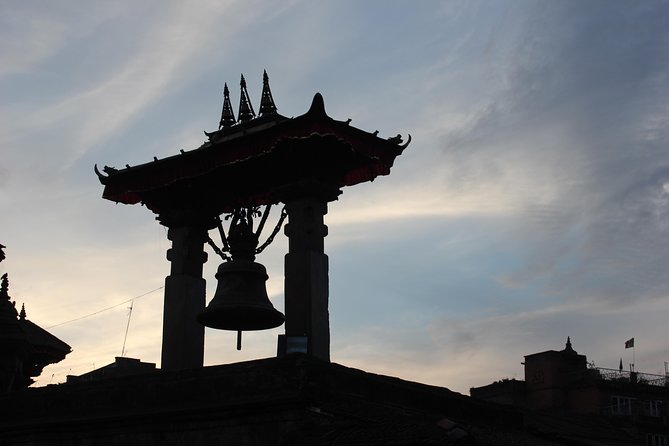
This tour costs $34 per person, and for Kathmandu, that is a straightforward price for a guided, day-long circuit. What makes it feel like good value is that you are paying for more than sightseeing. You get an English-speaking guide and air-conditioned vehicle transport as the group size requires.
The catch is the one big budget item you should not ignore: entrances. The tour explicitly excludes entrance fees, and your day may also involve extra spending for food since meals and drinks are not included. One traveler noted entrance fees running about 2,000 rupees total for two stops, so you’ll want to keep some cash aside.
You’ll also want to be aware of the tour’s rhythm. Each main site gets about 2 hours, which is enough to look around, ask questions, and absorb what the guide is telling you, but it is not enough for a long, wandering day of your own. If you love unhurried exploration, you might feel slightly scheduled.
Pashupatinath Temple: Shiva in action, plus the reality of cremation sites
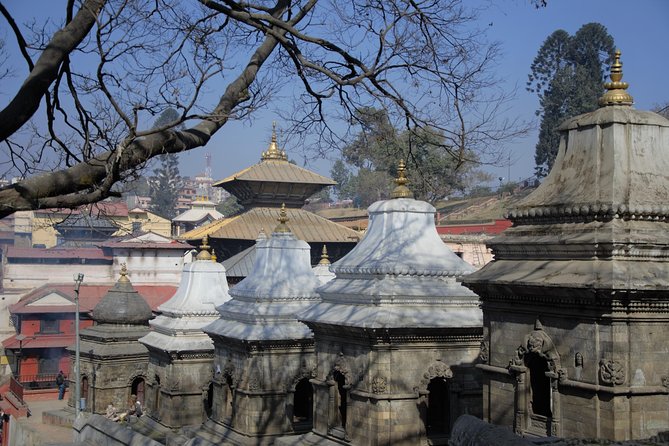
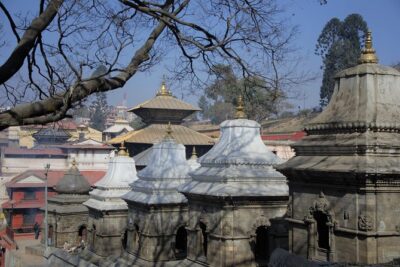
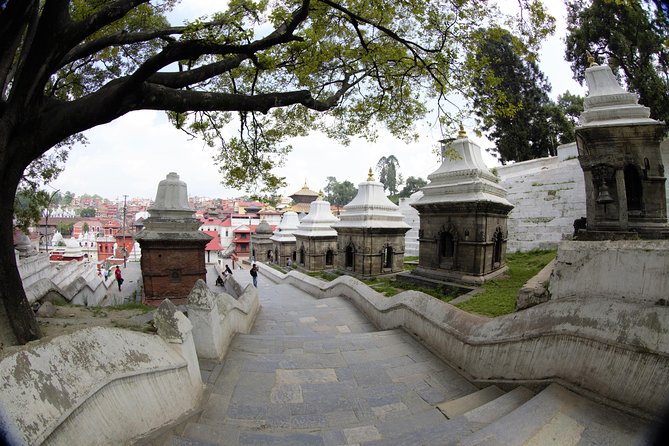
Pashupatinath Temple is one of Nepal’s most important Hindu shrines, dedicated to Lord Shiva, also known as Pashupatinath or Lord of Animals. The site is a final destination for many Hindu devotees, which is why the atmosphere feels purposeful instead of purely touristy.
What I find useful here is that your guide frames what you’re seeing. You are not just watching ceremonies. You are learning how belief shapes daily behavior, where people gather, and why holy men and ritual life are part of the scene. That makes the visit land differently.
One important note: the experience can include the sight of a cremation setting. The tour description flags this possibility, so it is worth thinking about your comfort level before you go. If you prefer sacred spaces without that visual, you may want to adjust expectations. If you can handle it respectfully, the meaning of the site becomes much clearer once you understand it is tied to devotion and the Hindu concept of life and death.
Practical tip: keep your questions respectful and practical. If you are unsure about what is happening, ask. A good guide will help you understand what you are looking at without turning it into a spectacle.
Durbar Square in Patan: where kings, Newari craft, and UNESCO meet
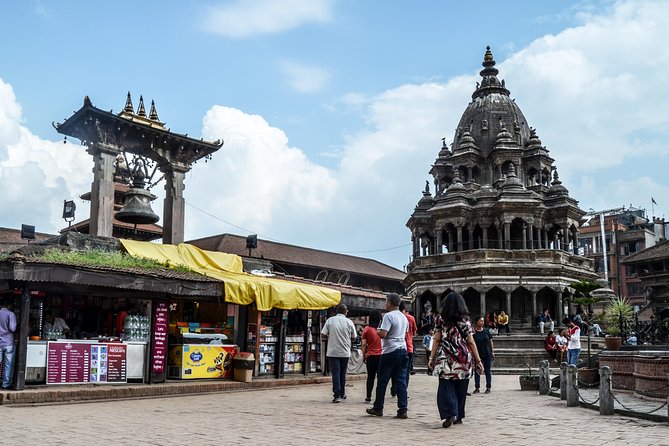
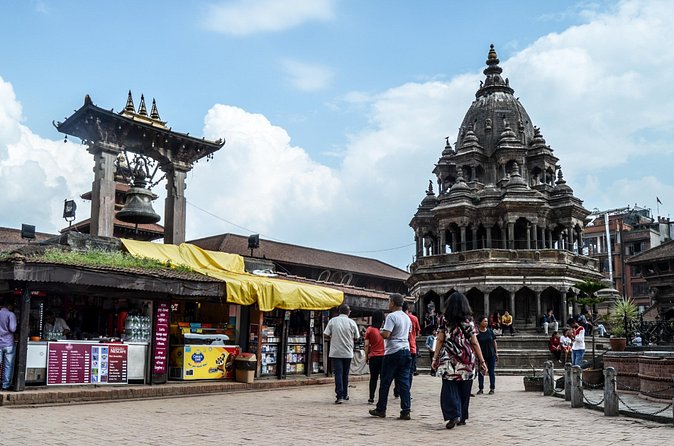
Stop two is Durbar Square in Patan, a UNESCO World Heritage site known for Newari architecture and deep historical roots. This area is tied to the royal palace of the Malla kings, so it is not only temples and courtyards, it is also a story about power, art, and civic pride.
This is the kind of stop where a guide can really change your experience. With the right explanations, you start noticing details you might miss on your own: the patterns in stonework, the way the built space supports ritual and community life, and how royal presence is reflected in layout and ornament.
I also like that this is not a random “look at buildings” stop. You are given a sense of Nepal’s layered past, with Hindu tradition and royal patronage connected through the architecture. If you’ve ever wondered why places feel ornate but also deeply functional, Durbar Square is the answer.
Time check: you get about 2 hours here. Use that time to look closely, then ask for the “what am I seeing” version of the story. You do not need to memorize dates. You just need enough context to recognize why the place looks the way it does.
Boudhanath Stupa: a major spiritual center that draws more than one faith
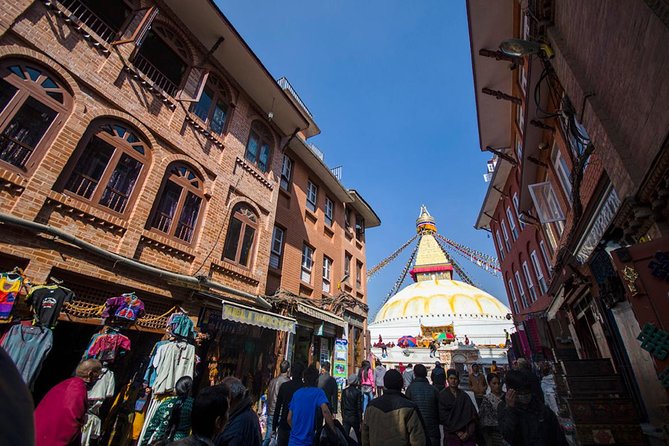
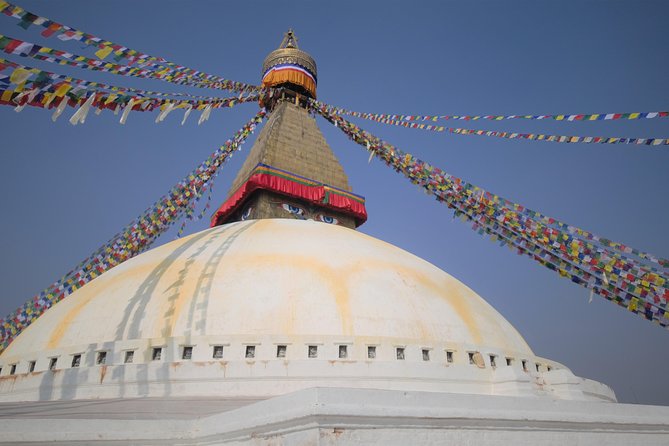
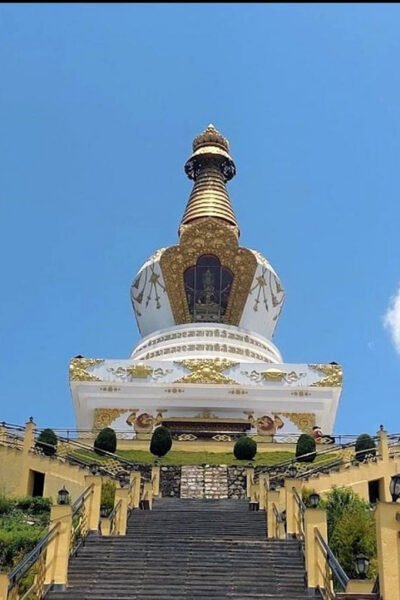
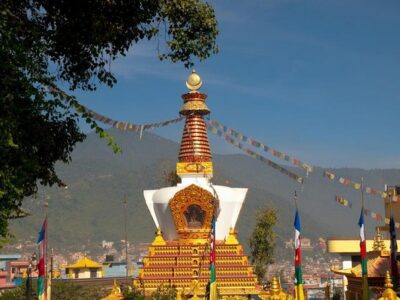
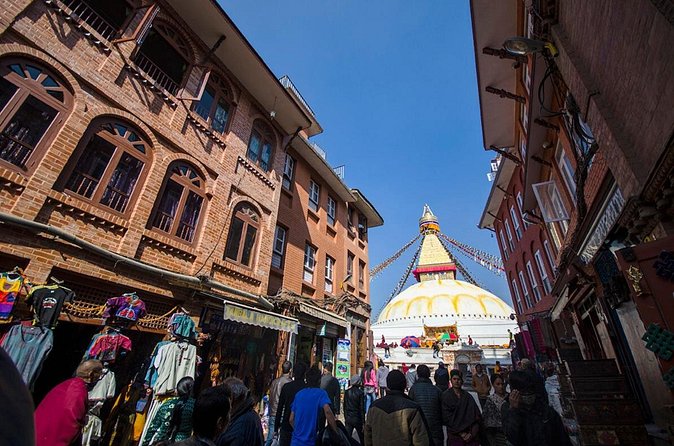
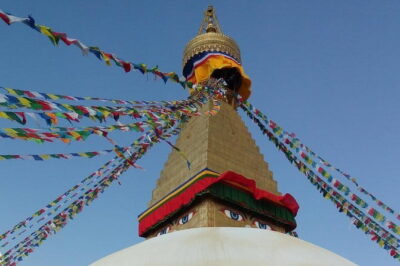
Boudhanath Stupa is described as one of Nepal’s holiest sites. What makes it especially interesting is that admiration and faith come from both Buddhism and Hinduism in Nepal. So even if you follow one tradition, you’ll see the other in the way people treat the space.
This stop tends to feel different from the Hindu temple stop. Here the focus is on a single monument that anchors belief. The guide’s job is to connect that to the meaning of the stupa, and to help you read the behaviors around it as religious practice, not just background activity.
You’ll spend about 2 hours at Boudhanath. That is enough to walk the area, take in the scale, and understand why this site matters so much. But it is also short enough that you still have time to keep your whole day from feeling rushed.
Practical tip: bring your curiosity. If you ask simple questions like what the stupa represents in Buddhist practice, or how Hindus engage with the space, you’ll usually get a much richer experience. A strong guide will explain without getting lost in long speeches.
Other pilgrimage routes on our list
The tour rhythm: how the 9:00 am start works in real life
The tour starts at 9:00 am at Royal Mountain Travel, on Lal Durbar Marg in Kathmandu. It ends back at the meeting point, so you are not dealing with a complicated drop-off log.
Transport is part of the deal, and it is air-conditioned. That matters in Kathmandu Valley because travel time can stretch when roads get busy. A/C is not about luxury. It is about keeping your energy up so you can actually enjoy the walking and staring at carvings without feeling fried.
The best part of the schedule is that it stays focused. You have three stops and a guide throughout, so you are not piecing together your own route across multiple neighborhoods. The maximum group size of 10 travelers also helps. It is small enough to ask questions, and big enough that the day feels organized rather than chaotic.
One downside to watch for: there can be stretches between stops where the narration is minimal. If you notice that the guide and driver are chatting in local language during travel, do not assume you are being ignored. Still, if you want more interpretation all day, you can take control by asking the guide what to look for when you arrive, right before you move on.
A final scheduling caution: this type of tour is time-bound. If you have a flight delay, you might end up missing the tour. So if travel timing is fragile, add buffer time on both ends.
Guides make the difference: Ms. Deepa and Kalpana style of explaining
The highest praised aspect of this experience is the guiding. Names that came up include Ms. Deepa and Kalpana, and the pattern is the same: the guide uses the sites as a living classroom.
What I like about this is practical. A lot of Kathmandu tours throw you into monuments and hope you can read them. Here, the guide explains Nepalese history and religion in a way that connects to what you see. And when you ask questions, you get answers, not just a quick nod.
Some guidance also happens while you’re waiting or eating. One traveler highlighted that the teaching continued even during lunch, which tells you the guide is engaged rather than clock-watching. That matters because these sites are dense. Without context, you can end the day with photos but not much meaning. With a good guide, you end the day feeling like you actually understand the place.
If you want to get the most out of this tour, come with two or three questions. For example:
- Why is Pashupatinath so important for Hindu devotees?
- What makes Patan’s Durbar Square feel distinctly Newari?
- Why does Boudhanath attract both Buddhists and Hindus?
You are not trying to interrogate. You’re trying to turn the day into learning you can carry home.
Entrance fees and how to budget without stress
Entrance fees are not included, and they may apply differently depending on age. The tour notes that entrance fee is applicable to children 10 years and above.
If you are an adult, you should budget extra cash for at least a couple of stops. One person reported paying about 1,000 rupees at two sites for a total around 2,000 rupees. Another good rule: assume the paid entrances will be handled during the visit, not in the tour price.
So how does this affect value? It is still a fair price for the guiding and transport, but you should not treat the $34 as the all-in cost. Think of it as the cost of organization plus interpretation, with entrances as the one variable.
Who should book this tour, and who might prefer a different plan
This tour is a smart choice if:
- You are in Kathmandu for a short time and want three signature UNESCO sites without planning logistics
- You like guided interpretation, especially around religion and culture
- You want a small-group day where questions are welcome
- You prefer air-conditioned transport and a set meeting point
It may be less ideal if:
- You dislike structured pacing and want hours of free time in each site
- You hate situations where cremation settings might be visible
- Your schedule is flight-dependent with no margin for delay
Also, if you expect food to be included, plan differently. Meals and drinks are not part of the package, so you’ll want to handle that on your own.
Should you book this Temples and Stupas tour?
I think you should book it if you want a practical, guided tour that hits the big UNESCO names efficiently, with a guide who actually explains things instead of just standing nearby. The price feels reasonable for Kathmandu Valley, especially with A/C transport, a small group size, and strong guiding quality tied to names like Ms. Deepa and Kalpana.
Skip or reconsider if entrances and extra costs would be an annoyance for your budget, if cremation visibility would feel uncomfortable, or if your travel schedule is too uncertain for a fixed start time.
If you book, go in with the right mindset. This day is about seeing sacred places through a culture lens. Bring curiosity, be respectful, and use the guide’s questions to turn three monuments into one coherent story.
FAQ
How long is the Temples and Stupas tour?
It takes about 7 hours total.
What time does the tour start, and where do I meet?
It starts at 9:00 am at Royal Mountain Travel, Lal Durbar Marg, Kathmandu 44601. The tour ends back at the same meeting point.
Is the tour ticket mobile?
Yes, it includes a mobile ticket.
Are entrance fees included in the price?
No. Entrance fees are applicable, and they are not included in the tour price.
What is included in the tour cost?
You get an English-speaking tour guide and transport by air-conditioned vehicle as per group size.
Are meals included?
No. Food and drinks are not included.
How large is the group?
The tour has a maximum of 10 travelers.
The Rest of Our Kathmandu Write Ups


Lumbini and the Pilgrimage Trail
One More Valley Day
Everything else we have reviewed around Kathmandu
- 12 Days Everest Base Camp Trekking
★ 5.0 · 3 reviews - 1 Night 2 Days Chitwan Jungle Safari Tour from Pokhara or Kathmandu
★ 3.0 · 3 reviews - Thamel Rickshaw tour
★ 4.7 · 3 reviews - Kathmandu: Momo Making Class with a Local Chef
★ 5.0 · 3 reviews - Kathmandu: Full-Day Yoga, Body Massage and Pedicure Package
★ 5.0 · 3 reviews - From Kathmandu / Pokhara / Chitwan: River Rafting – 1 Day
★ 4.6 · 3 reviews
Kathmandu City Tours & Sightseeing worth a second look.
 ★ 5.0Kathmandu Private Sightseeing Tour | UNESCO World Heritage SitesFrom $35109 reviews
 ★ 5.0Private tour of Major highlights of Kathmandu top rated placesFrom $4492 reviews
 ★ 5.0Kathmandu Heritage Tour (Full Day)From $3863 reviews
 ★ 5.0Kathmandu Full Day TourFrom $7054 reviews
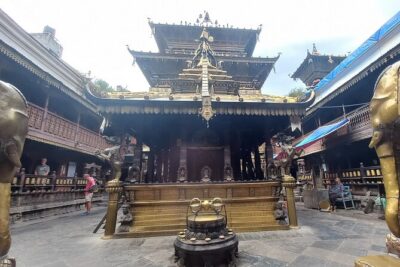 ★ 5.0Life and spirituality tour of KathmanduFrom $5554 reviews
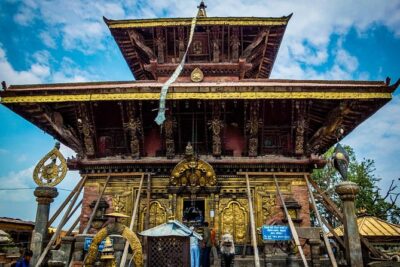 ★ 5.0Kathmandu Highlights: Private UNESCO World Heritage Sites TourFrom $4950 reviews
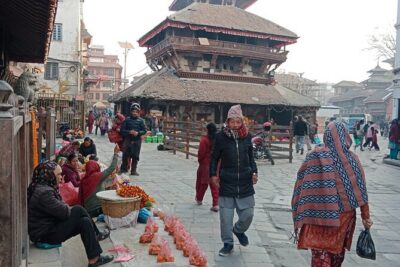 ★ 5.0Full Day Private Tour of Kathmandu – UNESCO World Heritage SitesFrom $3542 reviews
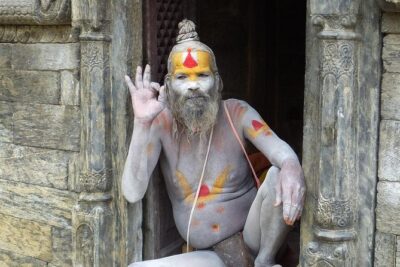 ★ 5.0Kathmandu Valley City Day TourFrom $6040 reviews
Lists this tour sits in