
REVIEW · LUMBINI & BUDDHIST PILGRIMAGE
Pokhara: Day Hiking from Sarangkot to World Peace Stupa from Lakeside
A Pokhara hike that starts with sunrise. This day outing links Sarangkot and the World Peace Pagoda with a boat crossing of Fewa Lake, plus short, interesting stops at Devi’s Fall and a cave-temple complex. It is active, scenic, and well-paced for a half-day style adventure.
I especially like the mix of experiences: mountain viewpoint time early on, then real walking through villages and farmland, followed by quiet cave sightseeing. I also like that you get hotel transfers from Lakeside and an English-speaking trekking guide, which makes the steep sections feel less intimidating.
The main drawback is physical: the trails are steep, and if your knees are sensitive, you will want good footwear and a smart pace. Weather can also shift fast, so don’t bet your entire day on crystal-clear Himalaya views.
In This Review
- Key Highlights You’ll Feel Immediately
- Why This Sarangkot to World Peace Stupa Hike Works in Half a Day
- 5am Pickup From Lakeside: The Real Setup for Sunrise
- Sarangkot Sunrise Viewpoint: When the Annapurna Range Plays Nice
- The Steep Hike to the Peace Stupa, Plus a Fewa Lake Boat Break
- What the climb feels like
- Devi’s Fall and Mahadev Cave: Two Quick Stops With a Story
- Gupteswar Gupha: The Shiva Temple at Depth (and the Water Connection)
- The Guide Makes or Breaks the Steep Parts
- Price and Value: Is $130 a Good Deal for This Pokhara Day?
- What to Pack and How to Protect Your Knees
- Weather Reality: Sunrise Might Not Be Crystal, But the Day Still Works
- Who This Pokhara Day Hike Suits Best
- Should You Book This Sarangkot to Peace Stupa Hike?
- FAQ
- What time does the tour pickup start?
- How long is the experience?
- Is hotel pickup and drop-off included?
- Do I cross Fewa Lake by boat?
- Are entrance fees included for Sarangkot?
- Are meals included?
- Are entrance fees for Devi’s Fall and the caves included?
- Is the tour private?
- What is the physical fitness level needed?
- FAQ
- What is the cancellation policy if plans change?
Key Highlights You’ll Feel Immediately
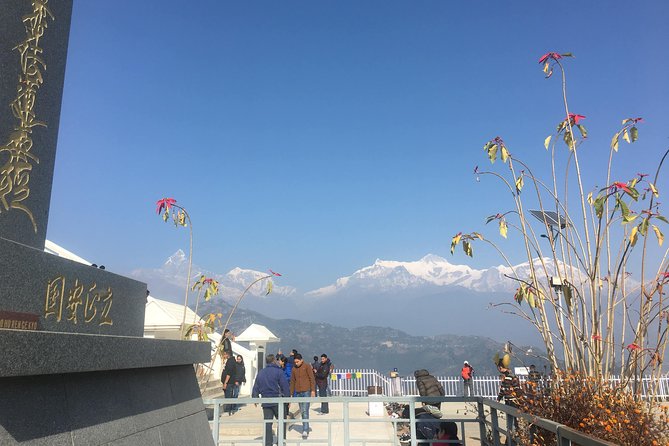
- 5am Sarangkot departure, timed for sunrise views over the Annapurna range
- Rowing boat across Fewa Lake, breaking up the hike with a local touch
- Climb through villages and forests toward the World Peace Stupa
- Multiple Pokhara anchors in one day: Peace Pagoda, Devi’s Fall, Mahadev Cave, Gupteswar Gupha
- Private trip feel, with flexibility to customize your pace
Other pilgrimage routes on our list
Why This Sarangkot to World Peace Stupa Hike Works in Half a Day
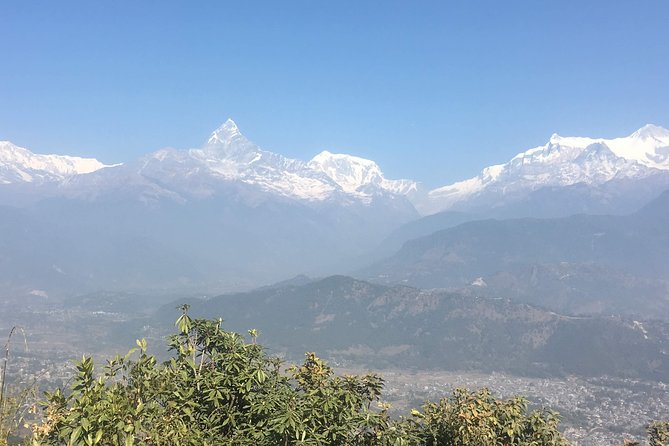
You come to Pokhara for the Himalaya views, but you also stay for the easy access to viewpoints and walks. This outing gives you both, without asking you to commit to a long trek. You start early, hike through everyday hillside life, cross Fewa Lake by boat, and end up with big panorama energy from the Peace Stupa.
The value here is not only the sights. It is the sequencing. You get the sunrise moment first, when conditions have the best chance of cooperating. Then you move into the walking, so you are earning the views instead of just driving to them.
If you like guided days where you know what’s happening and where to step next, this fits. If you prefer a fully independent roam, you might feel slightly shepherded. But private trips usually mean you can set the tempo, and that matters on steep terrain.
5am Pickup From Lakeside: The Real Setup for Sunrise
Your day starts around 5am, with pickup from your hotel within the Lakeside area of Pokhara. A drive takes about 40 minutes to Sarangkot, and that timing is the whole point. Sunrise is not just a nice extra, it’s the reason this trip feels special.
Early morning in Pokhara can be cool and quiet. It is also when clouds are most likely to be thin enough for mountain outlines to show. Even if the Himalaya views don’t fully land, you still get sunrise light on the hills, and the viewpoint area is usually a lot more calm than later in the morning.
Practical note: because your day begins so early, I suggest you plan a simple night before. Pack your day bag, charge your phone, and set aside layers. You will be grateful when you’re standing at a viewpoint while everyone else is still waking up.
Sarangkot Sunrise Viewpoint: When the Annapurna Range Plays Nice
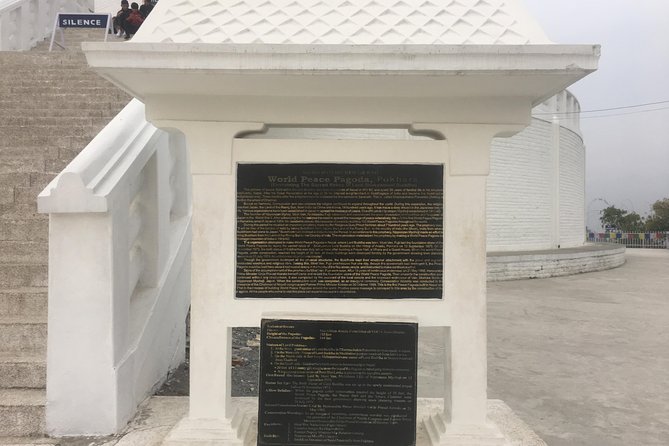
At Sarangkot, you get time to enjoy the sunrise views over the Mt. Annapurna ranges. You also have entrance included for Sarangkot, so you are not hunting tickets at the last second.
What makes Sarangkot worth it is how quickly it turns from “we’re here” into “okay, wow.” The viewpoint is made for early light, and you can often see the mountain ridgelines drawing themselves in the sky. If clouds roll in, it becomes a softer day, more about atmosphere and hillside patterns than crisp peaks.
One thing I like about this trip is that it does not punish you for weather. Even when visibility drops, the hills, light changes, and the act of being up early still make the morning feel like an event, not wasted time. And you’ll be doing actual hiking afterward, so the schedule stays meaningful.
The Steep Hike to the Peace Stupa, Plus a Fewa Lake Boat Break
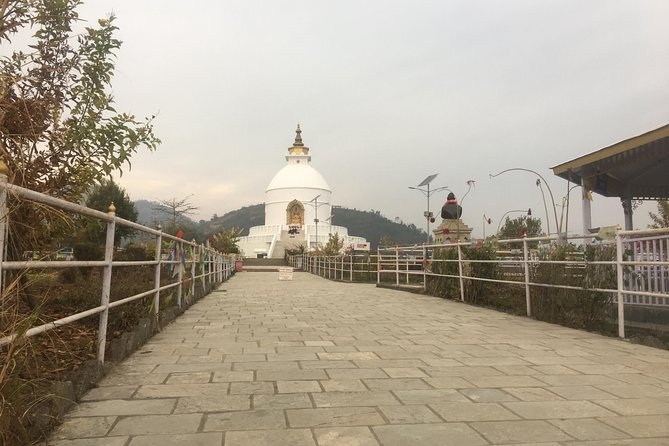
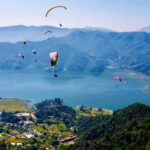
After the sunrise stop, the day shifts into walking and moving. You head toward Fewa Lake, and you cross it by boat (a rowing boat is included). That matters more than it sounds, because it breaks the physical rhythm. You go from hill walking into a short, scenic transition, then you start climbing again.
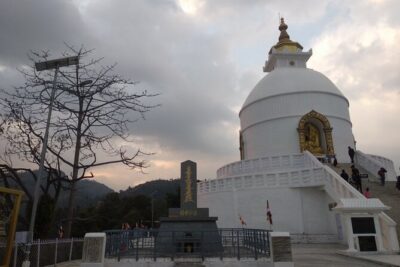
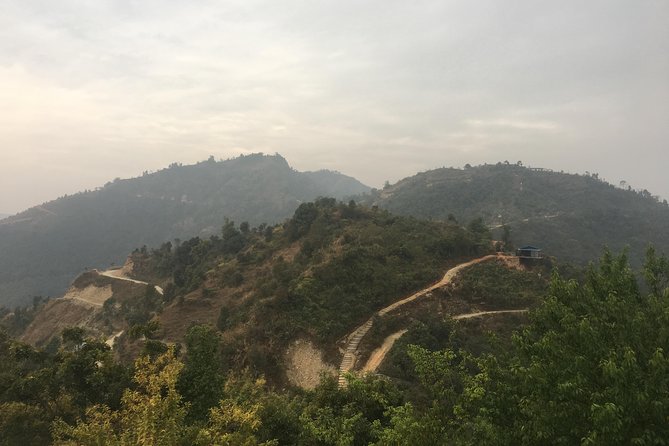
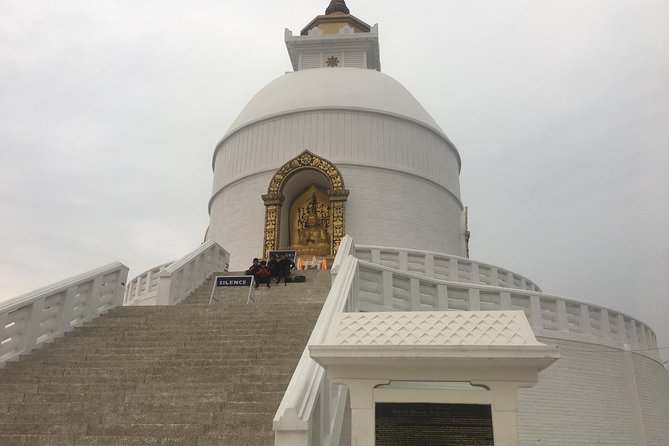
From there, the hike ascends through village areas and forested stretches to reach the top of the World Peace Pagoda. Expect a steady uphill grind. It is not a flat stroll, and that’s exactly why the guide setup is important.
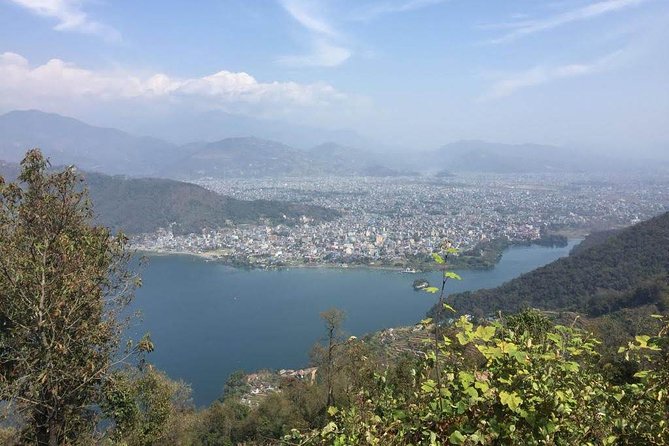
Other slow days along the Phewa shore
What the climb feels like
- You’ll be working your legs, especially if you aren’t used to steep trails.
- The route goes through mixed scenery, so it never feels like you are just staring at dirt for hours.
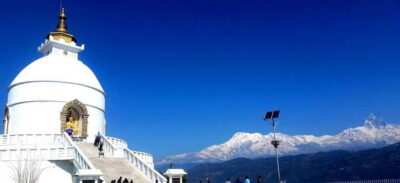
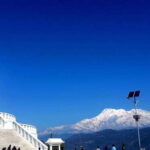
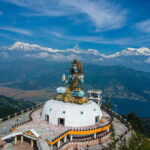
- You get the payoff at the top: a wide view over the Pokhara valley, Annapurna mountain ranges, and the surrounding green hills.
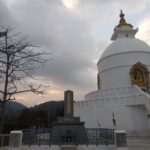
When visibility cooperates, the stupa area is a front-row seat for panorama thinking. When clouds show up, you still get layered views and a sense of where Pokhara sits in the valley. Either way, the Peace Pagoda stop feels like the moment the day clicks into place.
Also, this is a private tour. That gives you flexibility if you need to slow down, take breaks, or adjust how long you hang around at the viewpoint level.
Devi’s Fall and Mahadev Cave: Two Quick Stops With a Story
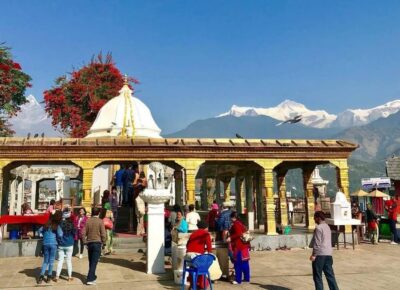
Once you meet the highway again, you shift to sightseeing around Devi’s Fall. This part is shorter, about 20 minutes, and it pairs two locations: the Water Fall (Devi’s) and Mahadev Cave.
This is one of those stops that works even if you are not looking for a long, complex itinerary. It is a brief, concentrated change of pace. You get a chance to see the famous fall area and then connect it to the cave visit next door.
A heads-up on cost: entrance fees for Devi’s Fall and the cave are not included. So if you are budgeting tightly, plan a little extra money for these final attractions.
Even with the short time window, it is worth showing up with decent shoes and steady footing. Some cave and fall areas can involve uneven ground, and you do not want to be rushed.
Gupteswar Gupha: The Shiva Temple at Depth (and the Water Connection)
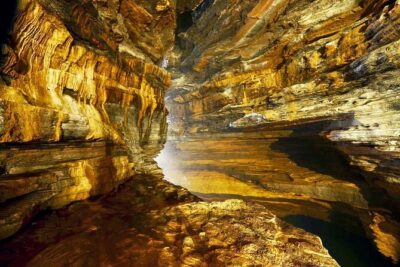
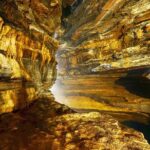
After Devi’s Fall, you explore Gupteswar Gupha for about 40 minutes. This cave visit is historic, and it is also practical sightseeing: you go down into the cave area, learn about the temple presence, and then understand how it connects to water from the Devi’s Fall region.
Here’s what stands out for me about this stop: there is a specific religious landmark near the cave depth, a Shiva temple sitting around 40 meters deep, and then the experience continues farther, roughly another 100 meters to reach a river point. The idea is that water from the Devi’s Fall system ends up flowing into this cave-river area.
Even if caves are not your main interest, this stop gives you context for Pokhara’s water stories, not just pretty scenery. It turns the day into something more than viewpoints.
Entrance fees for Gupteswar Gupha are also not included, so keep that in mind when you do your budget math. You will likely find it straightforward to pay on-site, but I would not want to be surprised by it halfway through the afternoon.
The Guide Makes or Breaks the Steep Parts
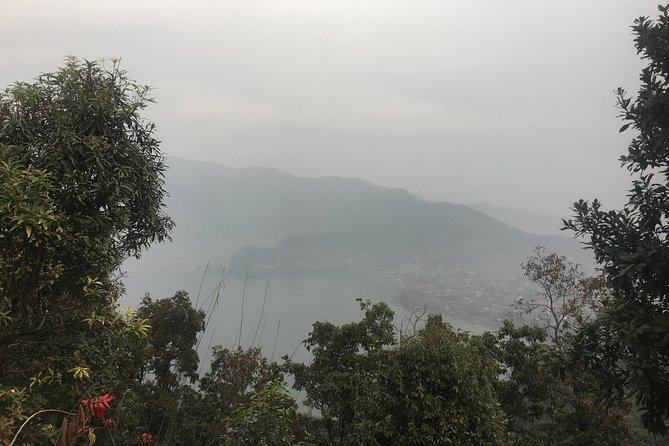
This is billed as a private trip with an English-speaking trekking guide, and that is the difference between “I’ll try” and “I can actually do this.” The steep sections are real. If you have knee issues, you will need a guide who watches your pace and helps with the rhythm of the climb and descent.
One guide name that came up in the shared experience I was able to learn about is Shambhu. People appreciated how he kept communication at the right level, not overly talkative, just helpful. That kind of guide style works well on steep days, because you don’t need a lecture. You need cues, encouragement, and smart pacing.
Also, your trip can be customized. That is not just marketing language. On steep terrain, customization can mean adjusting break length, changing how long you stay at viewpoints, or managing the energy you save for the cave stops later.
If you want a day that feels guided but still personal, this setup is a strong match.
Price and Value: Is $130 a Good Deal for This Pokhara Day?
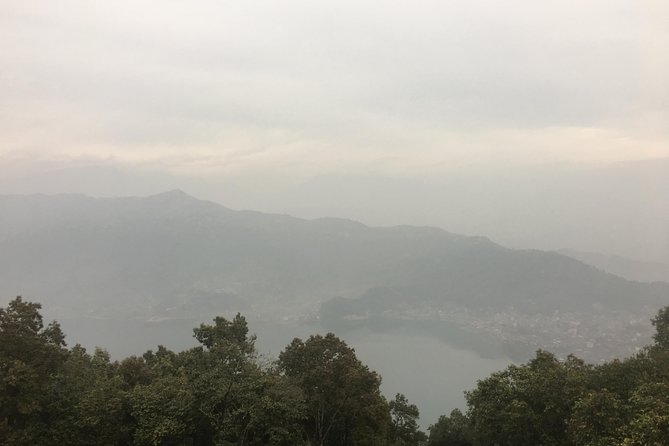
At $130 for about 5 to 6 hours, the big value drivers are the things that are usually annoying to arrange on your own: pickup and drop-off within Lakeside, an English-speaking trekking guide, a private trip setup, and included entrances for Sarangkot plus the boat crossing of Fewa Lake.
You are also getting bottled water for each, which sounds small until you realize you start at 5am. That morning timing makes hydration more important, not less.
Where the budget can shift is in what is not included. Meals and drinks are not covered, and entrance fees for Devi’s Fall and both cave-related stops are not included. The good news is that you can plan for that easily, and it keeps the base price from feeling inflated.
So, is it good value? I think it is, especially if you want the guided safety and flow of a private outing. If you were planning to do these places independently, you would still be paying for transport, figuring out timing, and dealing with steep hiking without a guide. For many people, that hassle is exactly what they are paying to avoid.
What to Pack and How to Protect Your Knees
This hike is for active travelers. The trails are described as steep, and a few travelers noted knee strain risk. Even if you are fit, you still might feel it, especially during the steeper descents and transitions.
Here’s what I’d bring and how I’d think about it, using the realities of this day:
- Wear hiking shoes with good grip. Don’t rely on flip-flops for cave areas or steep slopes.
- Bring a light rain layer. Weather in Pokhara is unpredictable, and clouds can move in fast.
- Use the guide’s pace. Slow steps beat fast steps on steep trails.
- If you have knee concerns, plan to take micro-breaks. Short stops keep your legs from locking up.
Also, start hydrated. Bottled water is included, but I like to arrive ready, not chugging at the first climb.
If you treat the steep parts as a climb you can manage, the day feels doable. If you treat it like a race, your knees will protest.
Weather Reality: Sunrise Might Not Be Crystal, But the Day Still Works
Clouds and rain can steal the cleanest mountain view. That’s Pokhara, and it’s not a reason to cancel plans. What surprised me when learning about the experience is that even with reduced visibility at sunrise, people still found plenty to enjoy because the scenery around the hills remained beautiful, and the schedule kept producing moments.
The best move is to go in expecting variable skies. If you get clear peaks, great. If not, you still have:
- early morning viewpoint time
- a real hike through villages and forests
- the Fewa Lake boat crossing
- Peace Stupa views from above the valley area
- cave sightseeing that doesn’t depend on sun
That’s why this itinerary holds up. It is not a single-viewpoint gamble.
Who This Pokhara Day Hike Suits Best
This is a good match if you:
- want an active day without a long-distance multi-day trek
- like sunrise viewpoints and big panorama moments
- are comfortable with steep trails and short cave visits
- prefer a private guide so you can move at your own pace
It might not be the best match if you:
- want flat walking only
- struggle with steep descents
- dislike weather uncertainty (you can’t control clouds, but you can prepare for them)
If you are traveling with friends and want one guide rather than a crowded group, the private setup is a big plus.
Should You Book This Sarangkot to Peace Stupa Hike?
Yes, if you want a well-structured Pokhara day that combines sunrise, hiking, and two cave-style cultural stops. It is good value for the included guide, transfers, Sarangkot entrance, and the boat crossing.
I’d especially recommend it if you plan to stay in Lakeside and you don’t want the hassle of coordinating early pickup plus multiple sites. Just be honest with yourself about the steepness. If you treat the climb as a controlled hike, not a sprint, this day can feel genuinely satisfying, not exhausting.
FAQ
What time does the tour pickup start?
Pickup starts within the Lakeside area of Pokhara around 5am.
How long is the experience?
It usually takes about 5 to 6 hours.
Is hotel pickup and drop-off included?
Yes, hotel pickup and drop-off are included within the Lakeside area of Pokhara.
Do I cross Fewa Lake by boat?
Yes. A rowing boat across Fewa Lake is included.
Are entrance fees included for Sarangkot?
Yes, entrance fees for Sarangkot are included.
Are meals included?
No. Meals and drinks are not included, but you can purchase them.
Are entrance fees for Devi’s Fall and the caves included?
No. Entrance fees for Devi’s Fall and the caves are not included.
Is the tour private?
Yes, it is a private tour/activity, only your group participates.
What is the physical fitness level needed?
It’s best for people with moderate physical fitness, since the trails are steep.
FAQ
What is the cancellation policy if plans change?
You can cancel up to 24 hours in advance for a full refund. Free cancellation applies per the provider’s stated policy window.
Early Up Sarangkot
Pokhara, Lakeside and Above
Lumbini and the Pilgrimage Trail
Everything else we have reviewed around Pokhara
- Pokhara: Cable Car Tour – Bird Eye View of Mountain & Lake
★ 4.4 · 3 reviews - Jomsom Muktinath Tour by 4WD SUV 2 Days
★ 5.0 · 3 reviews - Ghorepani Poonhill Private Trek – 2 nights / 3 days
★ 4.5 · 3 reviews - Pokhara: 30-Minute Paragliding Adventure with pick up/drop off
★ 4.5 · 3 reviews - Pokhara: 7-Day Annapurna Base Camp Trek via Ghandruk
★ 4.3 · 3 reviews - Pokhara Group Joining Sarangkot Sunrise Himalayas Tour
★ 5.0 · 3 reviews
Lumbini & Buddhist Pilgrimage worth a second look.
 ★ 4.82 Stupas and Kopan Monastery Spiritual TourFrom $6115 reviews
 ★ 5.0Lunch with Nuns – MonasteryFrom $13575 reviews
 ★ 5.0Temples and Stupas Tour in Kathmandu ValleyFrom $3436 reviews
 ★ 5.0Buddhist Pilgrimage Tour In NepalFrom $15027 reviews
 ★ 5.0Namo Buddha and Thrangu Tashi Yangtse Monastery Half-Day TourFrom $10424 reviews
 ★ 5.0Sacred Pashupatinath: Aarati,Cremation Rites & Boudha StupaFrom $1118 reviews
 ★ 5.0Namobuddha Monastery Hiking Day Tour via Panauti from KathmanduFrom $7015 reviews
 ★ 4.5Lumbini Tour Package From Kathmandu or Pokhara: 2 Night 3 DaysFrom $45014 reviews