
REVIEW · LUMBINI & BUDDHIST PILGRIMAGE
Lumbini: Buddhists Spiritual Exploration
A quiet morning in Lumbini changes your pace. This full-day tour lets you explore the sacred Maya Devi Temple area, then move through Lumbini monasteries that reflect Buddhist traditions from around the world.
I especially like two things. First, you get to focus on the key birthplace elements, including the sacred marker stone and Queen Maya Devi’s bathing pond, not just the big-picture landmark. Second, the schedule includes real breathing room for gardens and meditation-style reflection, so the site feels more personal than checklist-y.
One drawback to consider is value. The tour price can feel steep if you end up with fewer active stops than expected, and the Lumbini Museum may have remodel or closures on some days, so it’s worth confirming before you set your heart on it. price is the biggest decision point here.
In This Review
- Key highlights that make this tour worth your time
- Why Lumbini feels more than a stop on the map
- Maya Devi Temple Complex: your first spiritual anchor
- What to watch for as you explore
- Birthplace marker stone and Queen Maya Devi’s bathing pond
- A practical tip
- Traditional Nepali lunch and garden time that slows your thoughts
- How this garden time changes the rest of your day
- Afternoon monasteries: seeing global Buddhism through architecture
- What you’ll likely enjoy most here
- Lumbini Museum artifacts: why it’s more than a room of items
- If the museum is closed
- Meditation, reflection, and chatting with locals
- How to make local interaction easier
- How the 7-hour flow actually works (and how to prepare)
- What to bring
- Entrance fees and personal expenses
- Price and value: is $49 a good deal?
- My balanced take on value
- Who this tour fits best
- Should you book this Lumbini spiritual exploration tour?
- FAQ
- How long is the Lumbini Buddhist Spiritual Exploration tour?
- Where does the tour take place?
- What does the price include?
- What is not included?
- What languages are available for the guide?
- Is it a private group?
- Is wheelchair access available?
- What should I bring and what time should I wait for pickup?
Key highlights that make this tour worth your time
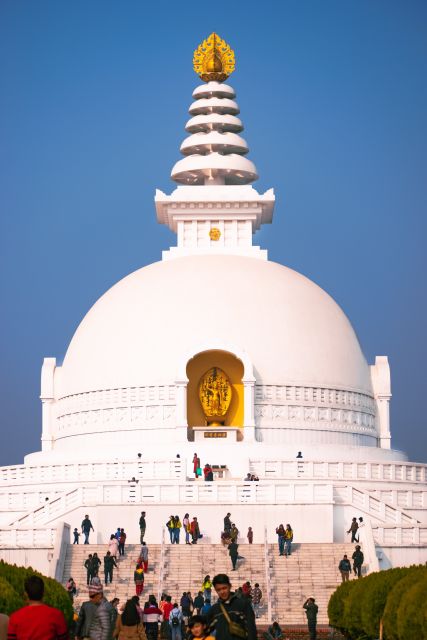
- Maya Devi Temple complex, with the birthplace setting and related sacred monuments in one guided route
- Birthplace marker stone and Queen Maya Devi’s bathing pond, the details most people miss without help
- Global Buddhist monasteries, where architecture shows how traditions traveled and adapted
- Lumbini Museum artifacts, a practical way to connect what you see on the ground to Buddhist history
- Garden time for meditation and reflection, so you leave calmer, not just more informed
Other pilgrimage routes on our list
Why Lumbini feels more than a stop on the map
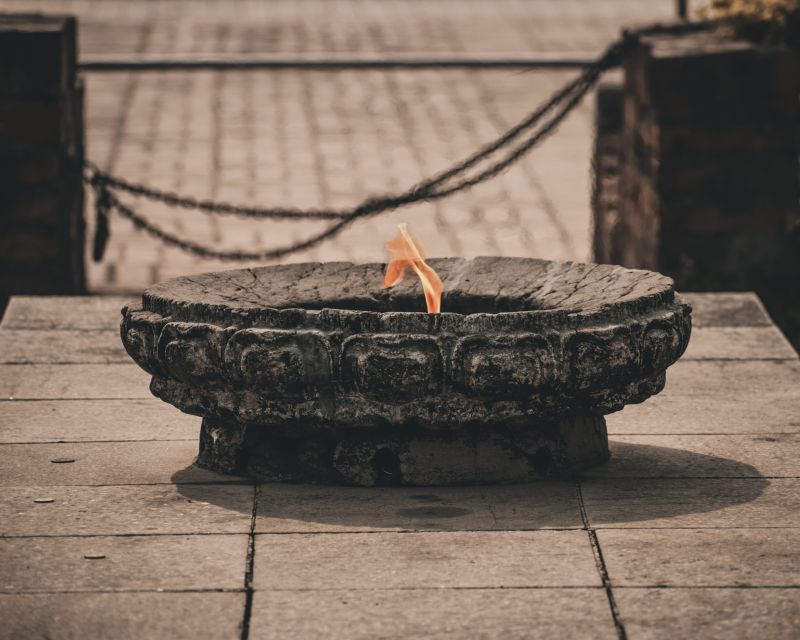
Lumbini is one of those places where the setting does a lot of the work for you. You come for the spirituality, but you stay for the slow pace, the careful rituals, and the sense that people are still practicing here, not just posing for photos. This tour leans into that mood. You do structured sightseeing, but there is also time to sit, look, and absorb.
The practical win is that a guide turns the main sights into something you can understand quickly. At Lumbini, there are many related sacred points packed into the Lumbini Development Zone, and the symbolism matters. With a guide, you’re less likely to wander through important areas like they’re just scenery.
You’ll also notice something else. The monasteries aren’t all identical. Different styles show different national or regional Buddhist influences. That contrast is part of the point, and it’s easier to catch when someone helps you read what you’re looking at.
Maya Devi Temple Complex: your first spiritual anchor
You’ll start early, with hotel pickup in the morning and a transfer to Lumbini in Nepal’s Terai region, south of Butwal. The morning timing matters. It’s when the area tends to feel most grounded and less hectic, and you can take in the sacred atmosphere without rushing.
Your first major stop is the Maya Devi Temple complex, central to Lumbini spirituality because it’s connected with the birthplace traditions of Buddha. You’ll explore the complex and its associated monuments rather than just checking the entrance gate and moving on.
What makes this stop special is the way the complex frames the whole day. You’re not just seeing a temple building. You’re seeing a site that people treat with care and intention. Even if you’re not religious, it’s a powerful environment to watch people walking, bowing, praying, or simply standing quietly.
What to watch for as you explore
- The guide’s explanation of what you’re viewing, which helps the area make sense fast
- The physical layout, since multiple sacred points are part of one connected story
- Quiet moments, especially if you want to pause without feeling like you’re falling behind the group
Birthplace marker stone and Queen Maya Devi’s bathing pond
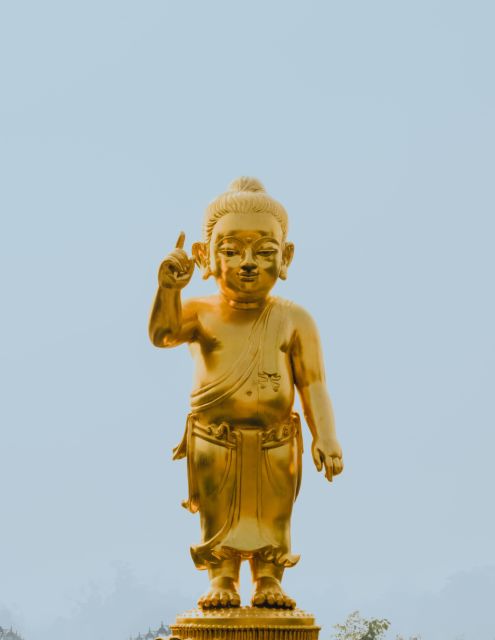
After the main temple area, the tour takes you to two of the most meaningful points: the sacred marker stone and Queen Maya Devi’s bathing pond. These details are where the experience becomes more than general pilgrimage sightseeing.
The marker stone gives you a sense of place. It’s the kind of object that can look small and unimpressive if you don’t understand why it matters. But with a guide, it becomes a focal point, something to stand near and really consider. That’s a different kind of travel value.
The bathing pond adds another layer. It helps you understand how sacred stories are tied to real landscape features. Instead of only thinking in abstract terms, you see how people connect narrative, ritual, and location.
A practical tip
If you’re the type who likes to remember things later, ask your guide one simple question at each of these stops, like what makes this specific marker important. You’ll get more out of the visit, and the day won’t blur together.
Traditional Nepali lunch and garden time that slows your thoughts
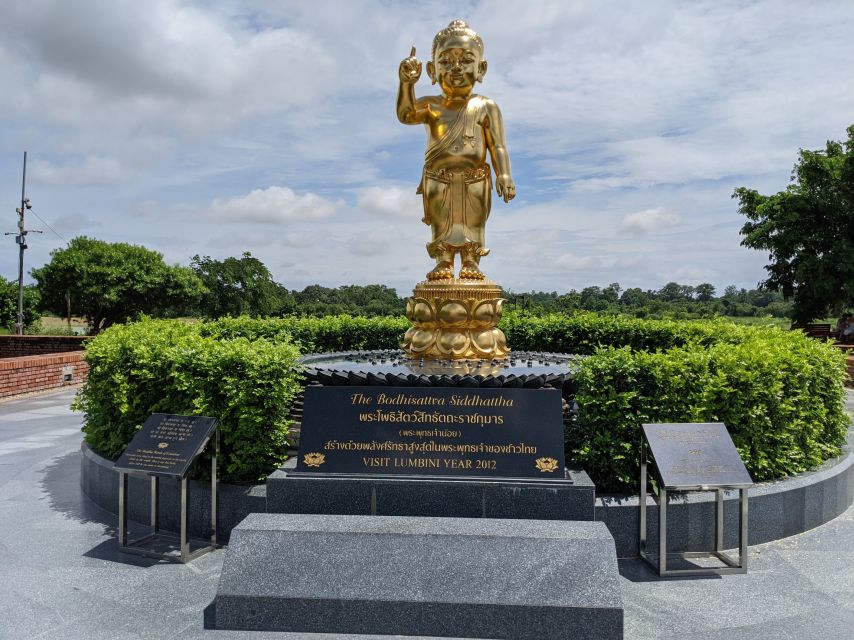
Lunch is not included, but the tour builds in a traditional Nepali lunch stop at a local restaurant. This is one of those places where you should treat food as a break, not an extra activity. After morning walking, you’ll probably want a meal that’s simple, filling, and easy to digest.
Then comes the part I think many people will appreciate more than they expect: time for the serene Lumbini gardens. You get space to bask in the calm atmosphere and to do meditation and self-reflection. This is where the tour earns its spiritual label.
You’re not forced into a long formal meditation session described step-by-step. Instead, you’re given time to slow down and do your own version of reflection. If you like journaling, bring a notebook. If you like silent observation, just sit and watch the flow of people for a while.
How this garden time changes the rest of your day
Once you’ve slowed your pace, the monastery stop in the afternoon feels less like sightseeing and more like continuation. You’re moving from one kind of sacred focus to another.
Afternoon monasteries: seeing global Buddhism through architecture
In the afternoon, the tour shifts from the main sacred complex to the monasteries across the Lumbini area. This is a high-value segment because the architectural variety is the lesson. You get to marvel at different styles that reflect global Buddhist traditions and heritage.
Even if you know little about Buddhism, the buildings act like visual subtitles. Roof shapes, layout choices, materials, and decorative styles can show distinct regional influences. That variety also helps break up the day. Instead of repeating the same type of structure, you’re seeing different expressions of the same spiritual intent.
This segment is also where guided explanation really matters. Monasteries can look similar at a distance. Up close, details become meaningful, and a guide can help you notice what those differences represent.
What you’ll likely enjoy most here
- The quiet feel of monastery grounds
- The chance to compare styles in a short span of time
- The way the afternoon feels like a cultural walk, not just a pilgrimage checkoff
Lumbini Museum artifacts: why it’s more than a room of items
You’ll visit the Lumbini Museum, which focuses on artifacts that offer insights into Buddhism’s history. If you’re the type who likes to connect a place to context, this is a strong addition. Without context, Lumbini can feel like a beautiful place with lots of monuments. With museum context, those monuments become clearer.
That said, here’s the caution I’d give. One booking review flagged that the museum was closed for remodeling. I can’t confirm your day’s schedule, but I strongly recommend you verify the museum status before you commit your time and expectations.
If the museum is closed
If it happens, don’t assume your tour is ruined. You may still get monastery visits and temple time, and Lumbini itself is doing plenty of work. But if museum depth matters to you, it’s worth checking ahead so you’re not paying expecting a stop that can’t happen.
Meditation, reflection, and chatting with locals
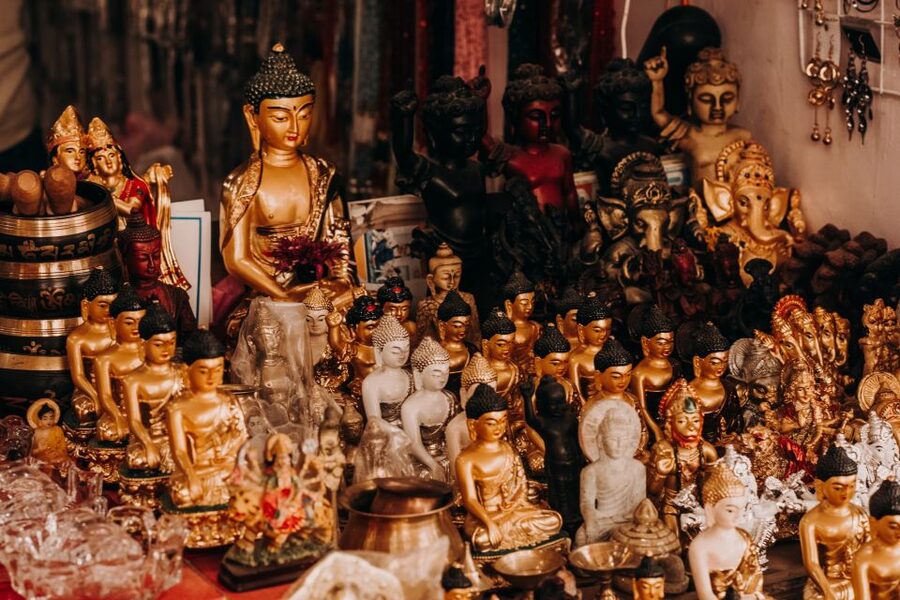
The tour includes moments for meditation and self-reflection throughout peaceful surroundings. This matches the overall tone of Lumbini. It’s not a race through sacred places. It’s closer to a guided pacing plan.
You also get a chance for cultural exchanges and to interact with locals. Since your day includes time outside the Lumbini Development Zone for a leisurely stroll, you’re not trapped only in curated space. You’ll have opportunities to savor Nepali cuisine at your own cost and to observe daily life in the area around the sacred center.
This kind of interaction is where Lumbini becomes human. People are more than just background. You might find yourself learning small things, like local ways of talking about the site, or what parts of the area hold special meaning for them.
How to make local interaction easier
Bring a friendly attitude and one or two simple questions. For example, ask what the gardens or monasteries mean to them. Even if language is limited, respectful curiosity goes a long way.
How the 7-hour flow actually works (and how to prepare)
This tour lasts about 7 hours, and you’ll likely start in the early morning. Hotel pickup is included, and you should wait in the hotel lobby about 10 minutes before your scheduled pickup time. The tour is a private group, which matters because you can maintain a calmer tempo and ask more questions.
You’ll move through:
- The Maya Devi Temple complex
- Sacred marker stone and Queen Maya Devi’s bathing pond
- Garden time for calm reflection
- Multiple monasteries with global Buddhist architectural styles
- Lumbini Museum
- A stroll outside the Lumbini Development Zone
- Return to your hotel as evening approaches
What to bring
Bring your passport or ID card. Also, bring something for sun and comfort. The itinerary includes outdoor gardens and walking.
Entrance fees and personal expenses
Entrance fees are not included, and food and drinks are not included. Plan for lunch on your own, plus any extra water or snacks you want during the day. The tour includes a bottle of water, which is helpful, but I still suggest you keep a little cash or card ready for small purchases.
Price and value: is $49 a good deal?
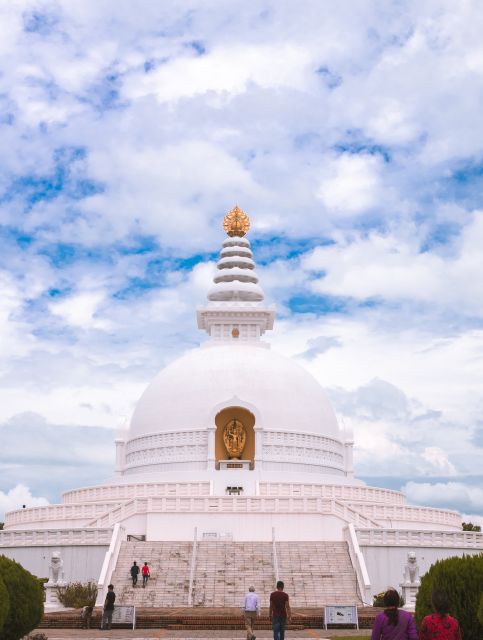
The listed price is around $49 per person, and the tour includes hotel pickup and drop-off in Lumbini, an English-speaking guide, a bottle of water, and visits across the Lumbini area and temples.
So where can value wobble? In two ways.
First, the quality of a spiritual site visit often depends on guide explanation. If you’re getting real context, the experience feels worth paying for. If you feel like you’re mostly being transported between stops with minimal meaning, the price can feel off.
Second, the Lumbini Museum stop can be a swing factor. If the museum is closed, you lose a chunk of context that many people assume will happen as described. That’s why you should price-check your expectations.
My balanced take on value
If you want a guide-led day with calm timing, monastery variety, and museum context, the package is a fair way to do it. If you’re trying to minimize cost, you could potentially arrange cheaper options locally, but you’d need to be more confident about navigation, timing, and interpreting what you see.
A good rule: if you care about meaning, not just movement, this is priced in the right direction.
Who this tour fits best
This tour is a strong match for you if:
- You want a guided introduction to Lumbini rather than wandering on your own
- You like spirituality with structure, temple visits with context
- You’re curious about how Buddhist traditions show up in different monasteries
- You value quiet time for reflection, not constant motion
It may be less ideal if:
- Your main goal is only the museum, and you can’t handle the possibility of closures
- You prefer to move independently and don’t want scheduled stops
- You’re very budget-first and willing to trade guidance for lower cost
Should you book this Lumbini spiritual exploration tour?
If you’re visiting Lumbini for the first time, I’d usually recommend booking. The big reason is simple: you’re seeing several sacred points in one day, and a guide helps you connect them fast. The monastery architecture contrast and the garden time add more value than a typical rushed temple tour.
Before you book, do one smart thing: confirm museum opening status for your travel date. If the museum is open, you’ll likely feel the tour is well-rounded. If it’s closed, you can still have a meaningful day, but shift your mindset toward temple walking, monastery comparisons, and reflection time.
If you want a calm, guided, spiritually paced introduction to Lumbini, this is the kind of day tour that fits.
FAQ
How long is the Lumbini Buddhist Spiritual Exploration tour?
It runs for about 7 hours.
Where does the tour take place?
The tour is in Lumbini, in Nepal’s Pashchimanchal (Western Region), in the Terai region south of Butwal.
What does the price include?
Hotel pickup and drop-off (from any hotel in Lumbini), an English-speaking tour guide, a bottle of water, and visiting the entire Lumbini area and the temples.
What is not included?
Food and drinks, entrance fees, and personal expenses such as phone calls, laundry, bar bills, extra porters, and similar items.
What languages are available for the guide?
The tour guide speaks English and Hindi.
Is it a private group?
Yes, it is a private group.
Is wheelchair access available?
Yes, the tour is wheelchair accessible.
What should I bring and what time should I wait for pickup?
Bring your passport or ID card. On pickup day, wait in your hotel lobby about 10 minutes before your scheduled pickup time.
The Rest of Our Lumbini Write Ups
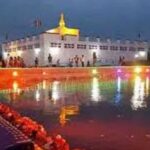
Lumbini and the Pilgrimage Trail
Everything else we have reviewed around Lumbini
- Lumbini: Buddhists Spiritual Exploration
★ 4.5 · 3 reviews
Lumbini & Buddhist Pilgrimage worth a second look.
 ★ 4.82 Stupas and Kopan Monastery Spiritual TourFrom $6115 reviews
 ★ 5.0Lunch with Nuns – MonasteryFrom $13575 reviews
 ★ 5.0Temples and Stupas Tour in Kathmandu ValleyFrom $3436 reviews
 ★ 5.0Buddhist Pilgrimage Tour In NepalFrom $15027 reviews
 ★ 5.0Namo Buddha and Thrangu Tashi Yangtse Monastery Half-Day TourFrom $10424 reviews
 ★ 5.0Day Hiking from Sarangkot to World Peace Stupa from LakesideFrom $13020 reviews
 ★ 5.0Sacred Pashupatinath: Aarati,Cremation Rites & Boudha StupaFrom $1118 reviews
 ★ 5.0Namobuddha Monastery Hiking Day Tour via Panauti from KathmanduFrom $7015 reviews
Lists this tour sits in